Nara: Explore Hasedera’s Giant Kannon and Cliffside Temple
Active
2h
For a full refund, cancel at least 24 hours before the scheduled departure time.
Instant confirmation
Mobile or paper ticket accepted
About this experience
Discover a hidden side of Nara on this guided visit to Hasedera Temple, a stunning site where a giant wooden statue of Kannon Bodhisattva stands inside a dramatic cliffside hall. Few places in Japan combine such spiritual power and architectural beauty in one location.
Walk along the temple’s hillside wooden corridor, enjoy panoramic views, and learn the deeper meaning behind the sacred design from your expert guide.
The tour also includes a visit to nearby Hōki-in Temple, resting place of the monk who carved the Kannon, plus time to explore a charming local shopping street.
Perfect for those seeking more than sightseeing—this is a journey into Japan’s spiritual heritage.
Available options
Nara: Explore Hasedera’s Giant Kannon and Cliffside Temple
What's included
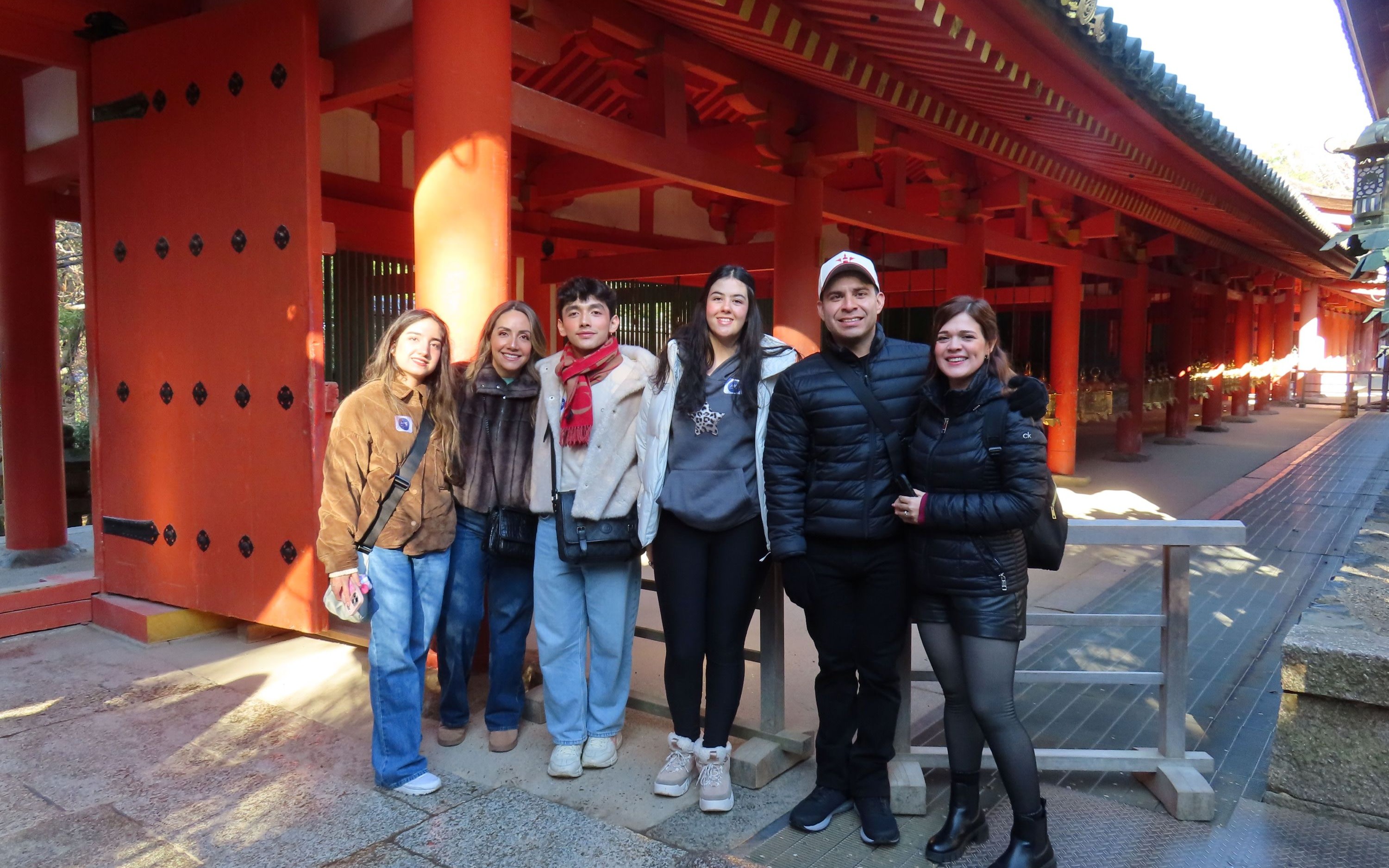
Walk through the elegant wooden corridor that leads up the mountain, steeped in history and serenity
Guided tour of Hasedera Temple
Worship a towering wooden statue of Kannon, carved with awe-inspiring craftsmanship.
Detailed itinerary
1
Just a short distance from Hasedera lies Hōki-in Temple, a smaller yet spiritually significant site closely tied to the origins of Hasedera’s iconic Kannon statue. This peaceful temple is the resting place of the high priest Tokudō, the revered monk who carved the original statue and helped establish Kannon worship in the region.
Although modest in size, Hōki-in exudes a quiet reverence and historic charm. Its role in supporting the spiritual foundation of Hasedera makes it an essential stop for visitors seeking to deepen their understanding of Japan’s Buddhist traditions and the lives of the monks who brought them to life.
The temple grounds provide a serene atmosphere for reflection, often free from crowds, and allow travelers to connect with the deeper roots of the pilgrimage culture that still thrives today in Nara.
2
Nestled in the tranquil mountains east of Nara, Hasedera Temple is a captivating site that combines two of Japan’s most iconic temple features: a monumental wooden statue of Kannon Bodhisattva and a breathtaking kake-zukuri (cliffside-style) wooden hall that seems to float above the slope.
For centuries, Hasedera has been a sacred site for Kannon worship and an important pilgrimage destination. Its massive statue of Kannon—standing on a stone pedestal instead of a lotus—symbolizes a deity who walks among people to offer salvation. The hall that houses it represents the mythical cliffside island where Kannon dwells, turning the temple into a symbolic landscape of Buddhist cosmology.
Visitors can stroll the wooden corridor that climbs the hillside, offering sweeping views of the temple and valley below. With expert guides, you’ll uncover the deep spiritual and literary heritage that makes Hasedera a truly profound experience.
Available languages
Guide guide
JA
EN
Important information
Public transportation options are available nearby
Suitable for all physical fitness levels
Meeting point
The meeting point is in front of the ticket gate at Kintetsu Hasedera Station. Your guide will be waiting for you with a yellow sign. For more details, please refer to the map.
About Nara Prefecture
Nara Prefecture, located in the Kansai region of Japan, is renowned for its rich history and cultural heritage. As the first permanent capital of Japan, it boasts numerous UNESCO World Heritage Sites, including the famous Nara Park with its friendly deer and the iconic Todai-ji Temple housing the Great Buddha.
Top Attractions
Todai-ji Temple
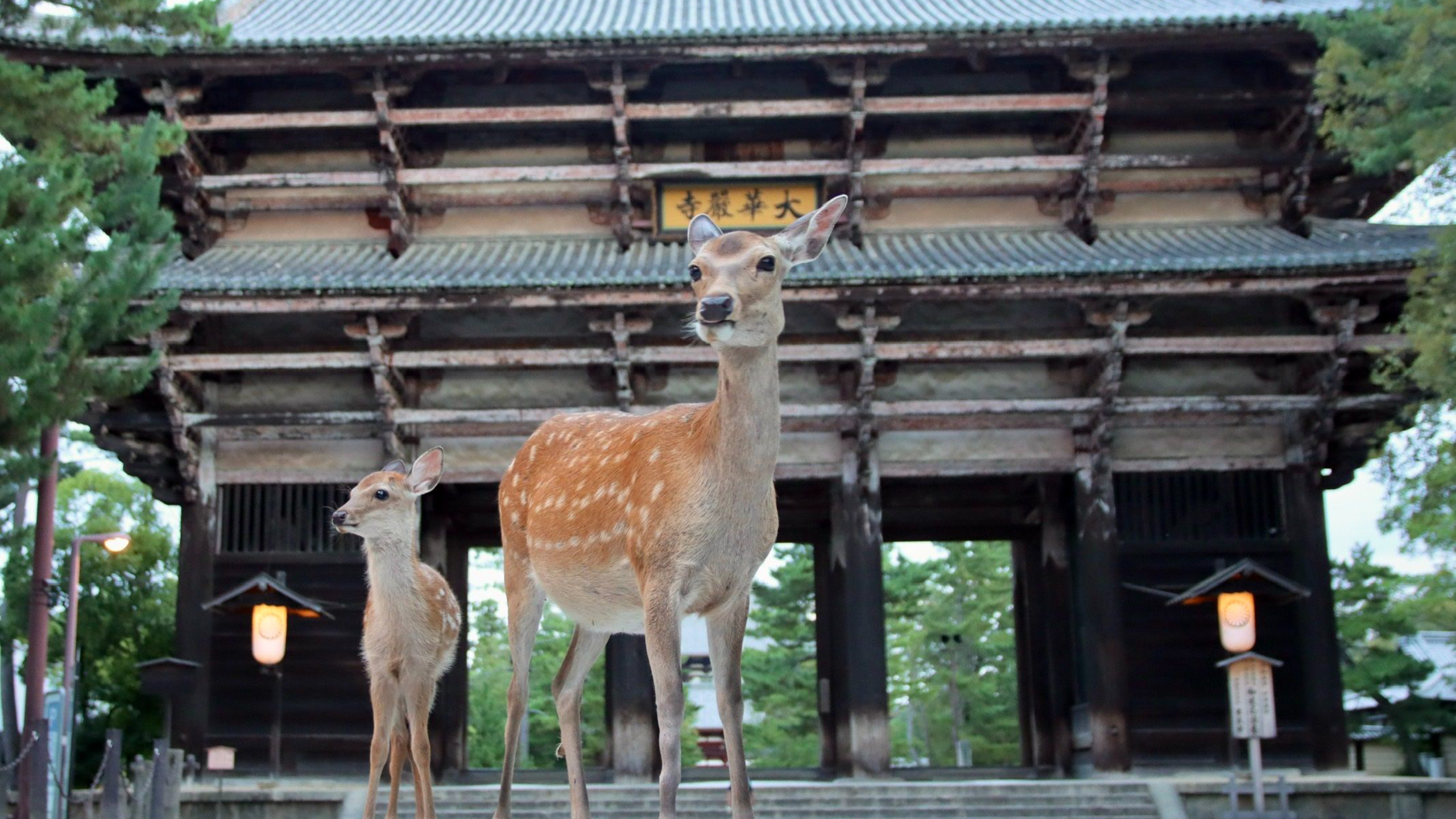
Todai-ji Temple is a UNESCO World Heritage Site and one of Japan's most famous temples. It houses the Great Buddha (Daibutsu), a massive bronze statue of Buddha that is a symbol of Nara.
Historical/Religious
1.5 to 2 hours
¥600
Nara Park
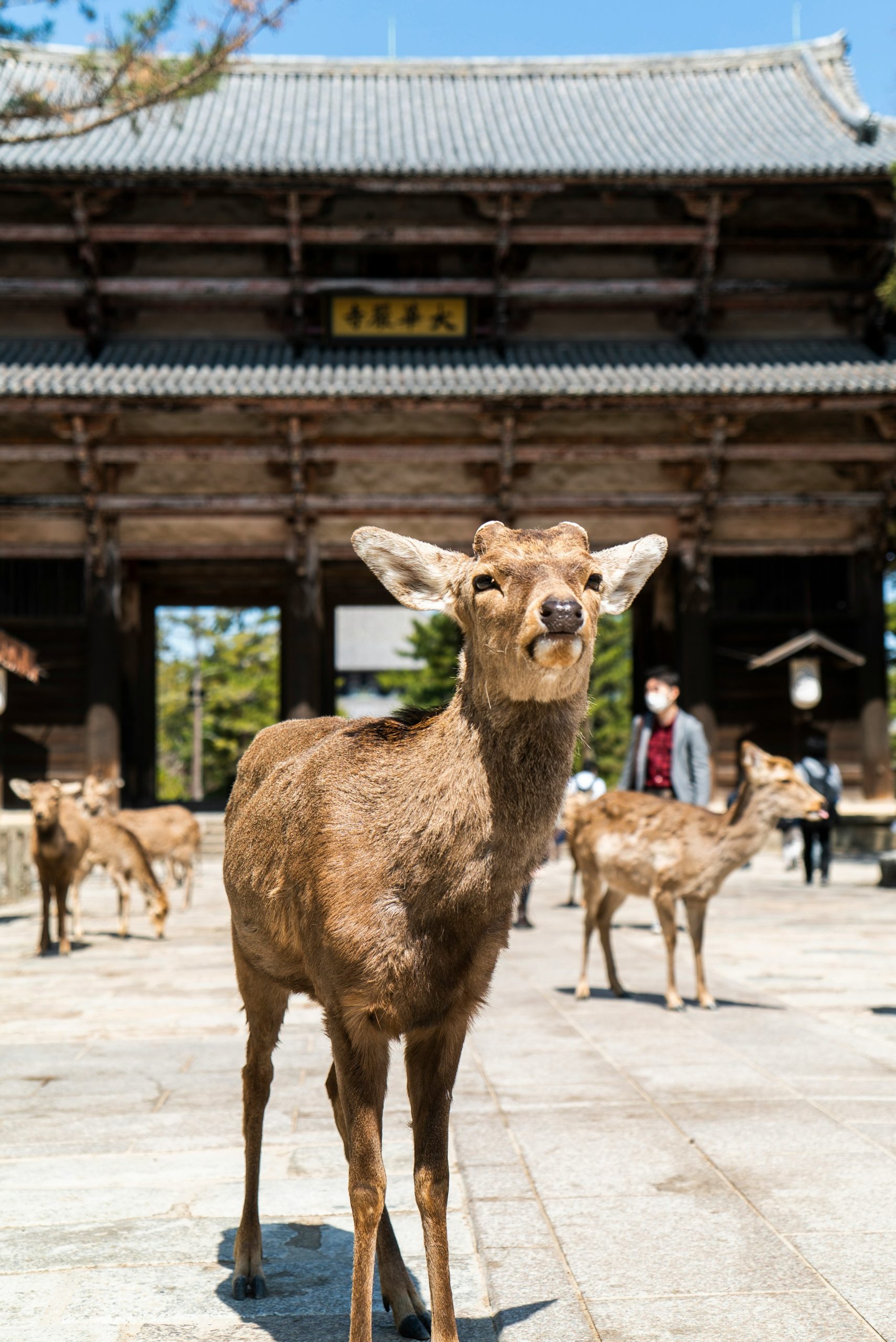
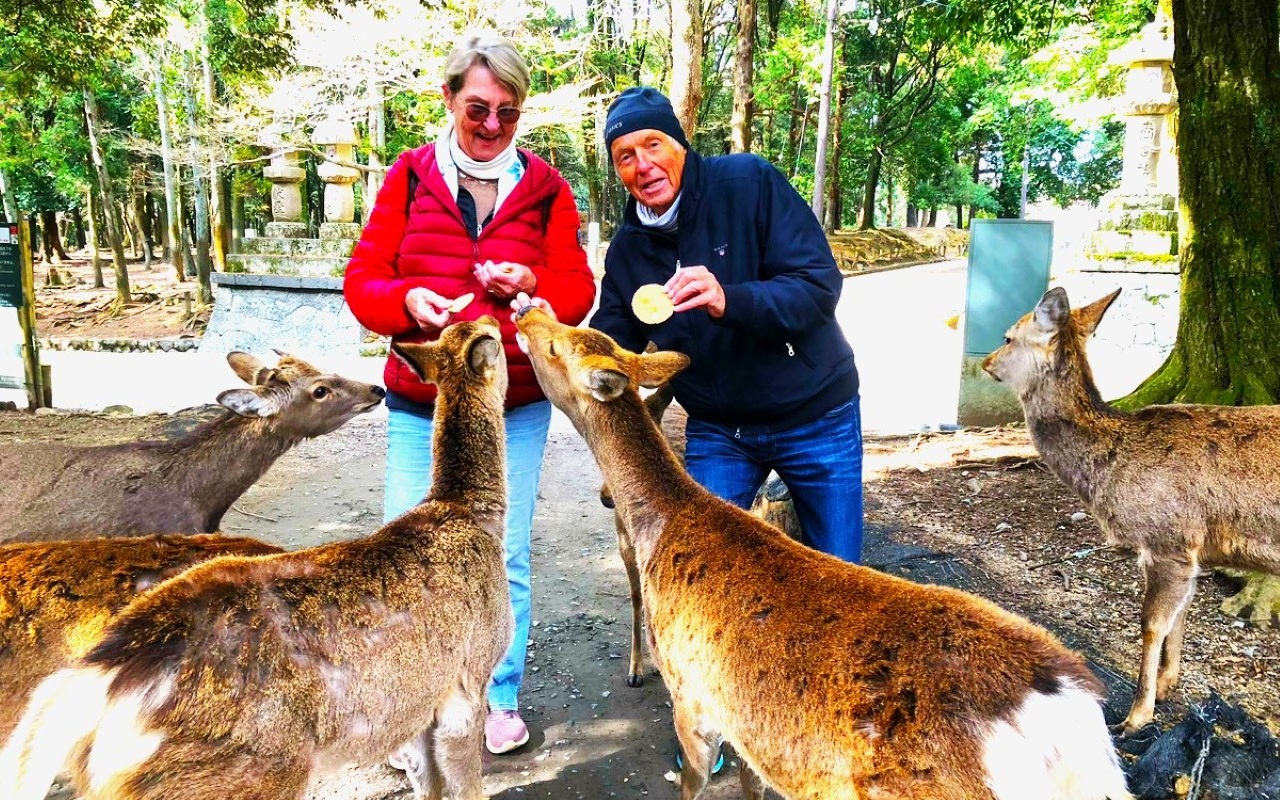
Nara Park is famous for its friendly wild deer, which are considered messengers of the Shinto gods. The park is a beautiful green space with scenic walking paths and historic temples.
Nature/Cultural
1 to 2 hours
Free (¥200 for deer crackers)
Kasuga Taisha Shrine
Kasuga Taisha is a renowned Shinto shrine with a history dating back to 768 AD. It is famous for its lanterns, which are donated by worshippers and hang from the shrine's buildings.
Religious/Cultural
1 to 1.5 hours
Free (¥500 for the Treasure Museum)
Nara National Museum
The Nara National Museum houses a vast collection of Buddhist art and artifacts, providing insight into Japan's religious and cultural history.
Museum/Cultural
1 to 1.5 hours
¥700
Isuien Garden
Isuien Garden is a beautiful traditional Japanese garden with a history dating back to the Edo period. It offers stunning views of Mount Wakakusa and the surrounding city.
Nature/Cultural
30 minutes to 1 hour
¥310
Must-Try Local Dishes
Kakinoha-zushi
Sushi wrapped in persimmon leaves, a traditional Nara delicacy with a unique flavor and aroma
Lunch/Dinner
Contains fish and rice, may contain allergens
Miso-ni
A comforting miso-based soup with tofu, vegetables, and sometimes meat, reflecting Nara's Buddhist culinary traditions
Lunch/Dinner
Vegetarian options available, may contain soy
Kudzu-mochi
A traditional Japanese sweet made from kudzu starch, often served with kinako (roasted soybean flour) and kuromitsu (brown sugar syrup)
Dessert
Vegetarian, may contain gluten
Popular Activities
Hiking in Mount Yoshino
Cycling around Nara Park
Tea ceremony at a traditional tea house
Strolling through Isuien Garden
Visiting historic temples and shrines
Participating in a traditional craft workshop
Visiting hot springs (onsen) in nearby areas
Enjoying winter illuminations at temples
Best Time to Visit
Spring (March to May) and Autumn (October to November)
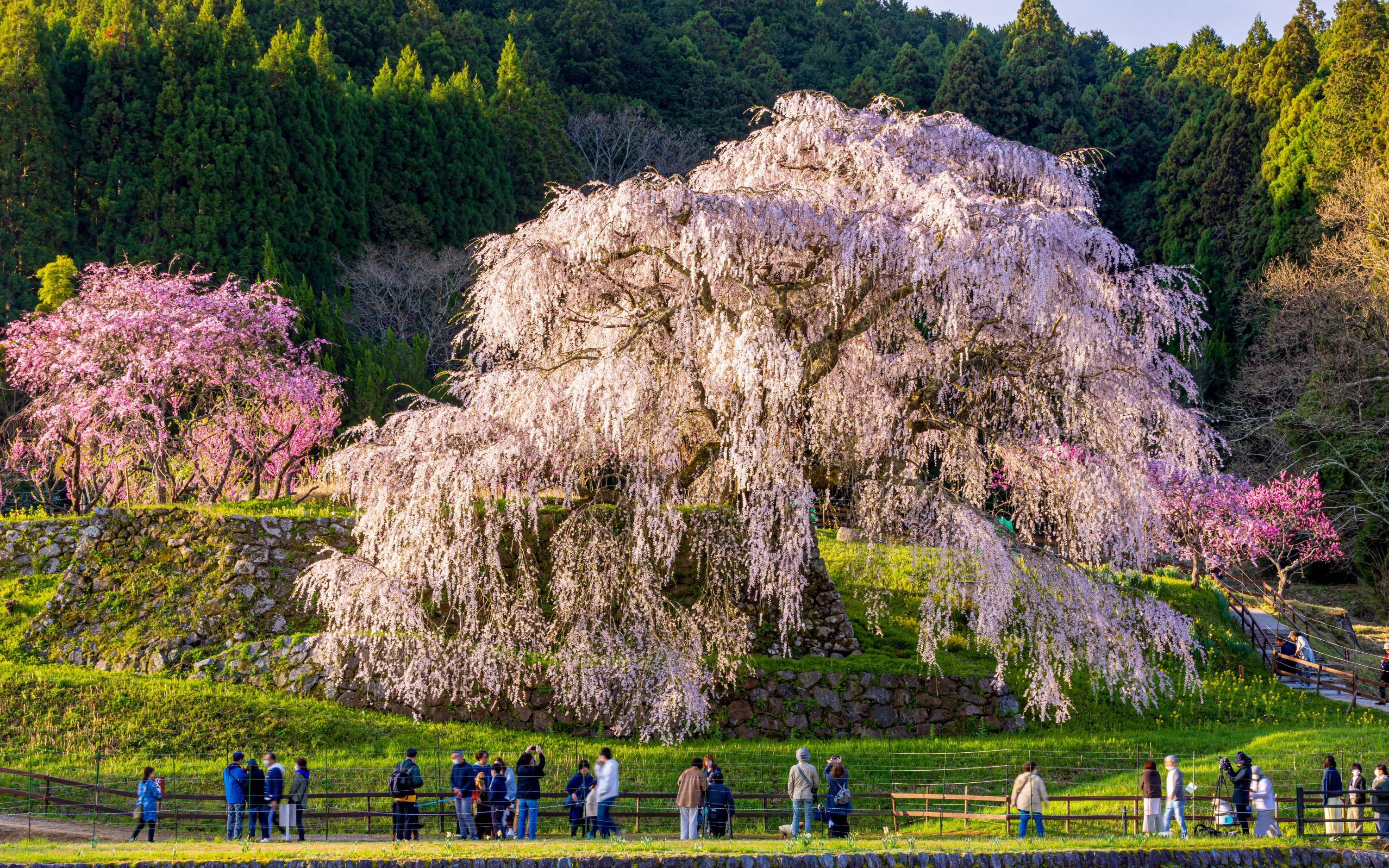
Spring brings cherry blossoms, while autumn offers stunning fall foliage. These seasons provide comfortable weather for outdoor activities and sightseeing. Expect large crowds and higher prices for accommodations.
10°C to 25°C
50°F to 77°F
Practical Information
Language
- Official: Japanese
- Widely spoken: English (limited)
- English: Limited
Currency
Japanese Yen (JPY)
Time Zone
GMT+9
Electricity
100VV, 50/60HzHz
Safety Information
Overall Safety Rating: Very safe
Nara is a very safe destination with low crime rates. Violent crime is rare, and petty crime is uncommon. However, as with any destination, it's important to take basic precautions to ensure a safe and enjoyable trip.
Important Precautions:
- • Keep valuables secure and out of sight
- • Be cautious of your surroundings, especially in crowded areas
- • Use reputable tour guides and vendors
Getting there
By air
- Kansai International Airport • 50 km from Nara city center
- Osaka International Airport (Itami) • 35 km from Nara city center
By train
Nara Station, Kintetsu Nara Station
By bus
Nara Station Bus Terminal, Kintetsu Nara Station Bus Terminal
Getting around
Public transport
The Nara City Loop Bus is a convenient and affordable way to get around. Buses are frequent and easy to use, with English announcements and signage.
Taxis
Available • Apps: JapanTaxi
Rentals
Car, Bike, Scooter
Neighborhoods
Nara Park and Todai-ji Area
Nakatanicho
Sanjo Dori
Day trips
Asuka Village
15 km from Nara • Half day to full day
Asuka Village is a historic site with ancient tombs, temples, and ruins, offering a glimpse into Japan's ancient past. It is known as the birthplace of Japanese civilization and the first permanent capital of Japan.
Mount Yoshino
25 km from Nara • Full day
Mount Yoshino is famous for its stunning cherry blossoms in the spring and beautiful autumn foliage. It is also a sacred site with numerous temples and shrines, including the famous Kinpusen-ji Temple.
Osaka
40 km from Nara • Full day
Osaka is a vibrant city with a mix of modern attractions, historic sites, and delicious street food. It offers a diverse range of experiences, from shopping and dining to cultural and historical exploration.
Festivals
Nara Tokae Shogyo Festival • April 1st
Nara Matsuri • October (second weekend)
Shinji-kawase Festival • July 14th-15th
Pro tips
- Visit Todai-ji Temple early in the morning to avoid crowds and enjoy the serene atmosphere
- Buy deer crackers (shika senbei) to feed the friendly deer in Nara Park, but be cautious and follow the park's guidelines
- Consider purchasing a Kintetsu Railway Pass for unlimited travel on Kintetsu lines, which can be cost-effective for tourists
- Explore Nara-machi, the old town, for a glimpse into traditional Japanese architecture and local crafts
- Try kakinoha-zushi, a unique Nara delicacy made with sushi wrapped in persimmon leaves
From $25
per person
Price varies by option
Secure booking
Free cancellation available
Instant confirmation


![[Nara & Uji] Nara Park & Todai-ji Temple & Byodo-in Temple & Uji Matcha Gourmet & World Heritage Onsen Day Trip (From Osaka)](https://res.klook.com/image/upload/activities/op8ebikytywpfcwudenb.jpg)
![[Nara Cherry Blossom Day Trip] Todai-ji Temple Nara Park, Tsubosaka-dera Temple, and Takamino-sato Garden in the Sky Cherry Blossom Viewing (Departure from Osaka)](https://res.klook.com/image/upload/activities/bwcfnzvz55hgvqlwojom.jpg)