Gifu: Sekigahara Samurai Battlefields & Museum Guided Tour
Active
4h
For a full refund, cancel at least 24 hours before the scheduled departure time.
Instant confirmation
Mobile or paper ticket accepted
About this experience
Experience Japan’s greatest battle at Sekigahara from the perspective of the samurai.
A local guide will lead you to key sites like Ishida Mitsunari’s and Tokugawa Ieyasu’s camps, explaining the strategies and stories of the warriors in an easy-to-understand way. Stand at reconstructed camps, memorials, and vantage points to feel the battle’s intensity firsthand.
You’ll also visit the modern, multilingual Gifu Sekigahara Battlefield Memorial Museum, designed to help international visitors grasp the full story. This isn’t just sightseeing — it’s a unique chance to truly feel history come alive.
Available options
Sekigahara: Samurai Battlefields and Museum Guided Tour
Eastern Army Camps Option
Eastern Army Camps Option
What's included
Museum entrance
Local guide
Battlefield tour
Detailed itinerary
1
Step quietly into this solemn site, where the heads of defeated warriors were once gathered after the Battle of Sekigahara. Higashi Kubizuka serves as a poignant reminder of the lives lost in this pivotal conflict. Interestingly, this location also overlaps with the camp site of Tokugawa allies Matsudaira Tadayoshi and Ii Naomasa—two key figures in securing victory for the Eastern Army. As you stand here, reflect not only on the loss of life, but also on the fierce fighting that unfolded on this very ground.
2
Dive into the heart of samurai history at this modern, interactive museum. Designed with international visitors in mind, the Gifu Sekigahara Battlefield Memorial Museum offers a truly immersive learning experience. Through state-of-the-art exhibits, multilingual information panels, and a stunning panoramic theater, the museum vividly illustrates the people, tactics, and legacy of the 1600 battle. Learn about the rivalries between warlords, discover the chain of events that led to the conflict, and explore how Sekigahara set the stage for over 260 years of Tokugawa rule. Whether you're a history buff or a casual traveler, this museum will give you the context and insight needed to appreciate the battlefield with new eyes.
3
Stand where Tokugawa Ieyasu himself observed the final stages of the battle that would define his legacy. From this commanding hilltop, Ieyasu oversaw the decisive clash, leading to the unification of Japan.
4
This wide-open field was the very heart of the clash on October 21, 1600. Surrounded by former camp sites of major warlords, you can almost hear the thunder of hooves and clash of steel.
5
Visit the former stronghold of Sakon Shima, Ishida Mitsunari’s famed strategist. Known for his tactical brilliance, Shima played a key role in the opening moves of the battle.
6
Climb to the commanding spot where Mitsunari, the leader of the Western Army, made his final stand. From here, he directed his troops in a desperate effort to resist Tokugawa’s forces.
7
Discover the camp of Shimazu Yoshihiro, the Southern daimyo known for his fierce independence and legendary retreat strategy.
8
This is where it all began—the location believed to be the site of the first clash between the Eastern and Western armies.
9
Perched on a forested hill, this was the base of Konishi Yukinaga, a Christian samurai general.
10
Explore the command post of Tanaka Yoshimasa, a key figure in the Eastern Army. Though often overlooked, his contribution to Tokugawa’s victory was significant.
Available languages
Guide guide
EN
Important information
Public transportation options are available nearby
Suitable for all physical fitness levels
Meeting point
Please meet at the ticket gate of Sekigahara Station.
Your guide will be waiting for you holding a yellow sign. For exact location details, please refer to the map.
About Gifu Prefecture
Gifu Prefecture, located in the Chubu region of Japan, is renowned for its stunning natural landscapes, rich history, and traditional crafts. From the iconic Mount Kinka to the serene Gifu Castle, this destination offers a unique blend of cultural heritage and outdoor adventures, making it a must-visit for travelers seeking an authentic Japanese experience.
Top Attractions
Gifu Castle
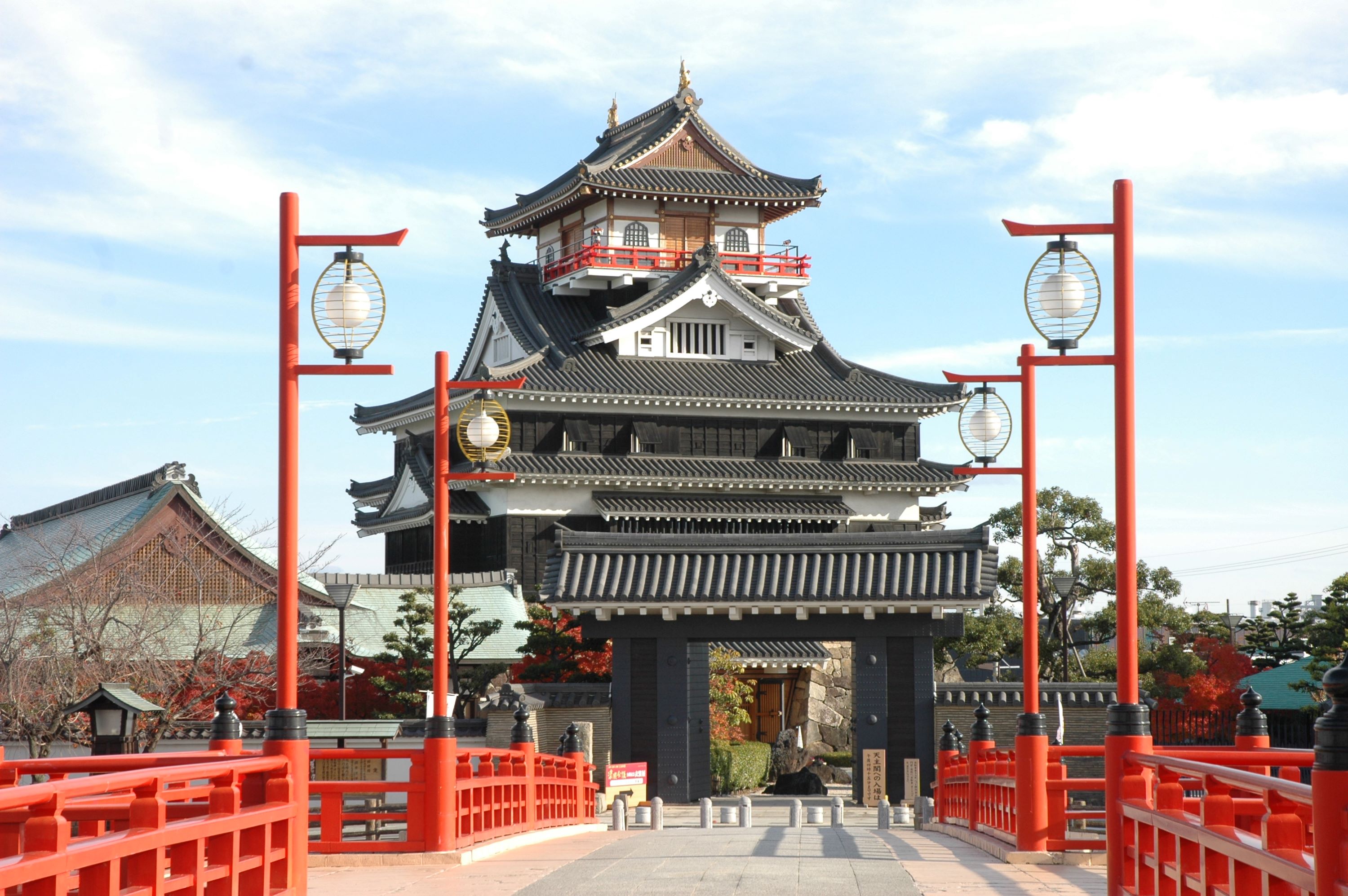
Gifu Castle, also known as Inabayama Castle, is a reconstructed castle with a rich history dating back to the 13th century. It offers panoramic views of the city and the surrounding mountains.
Historical
1-2 hours
¥350
Mount Kinka
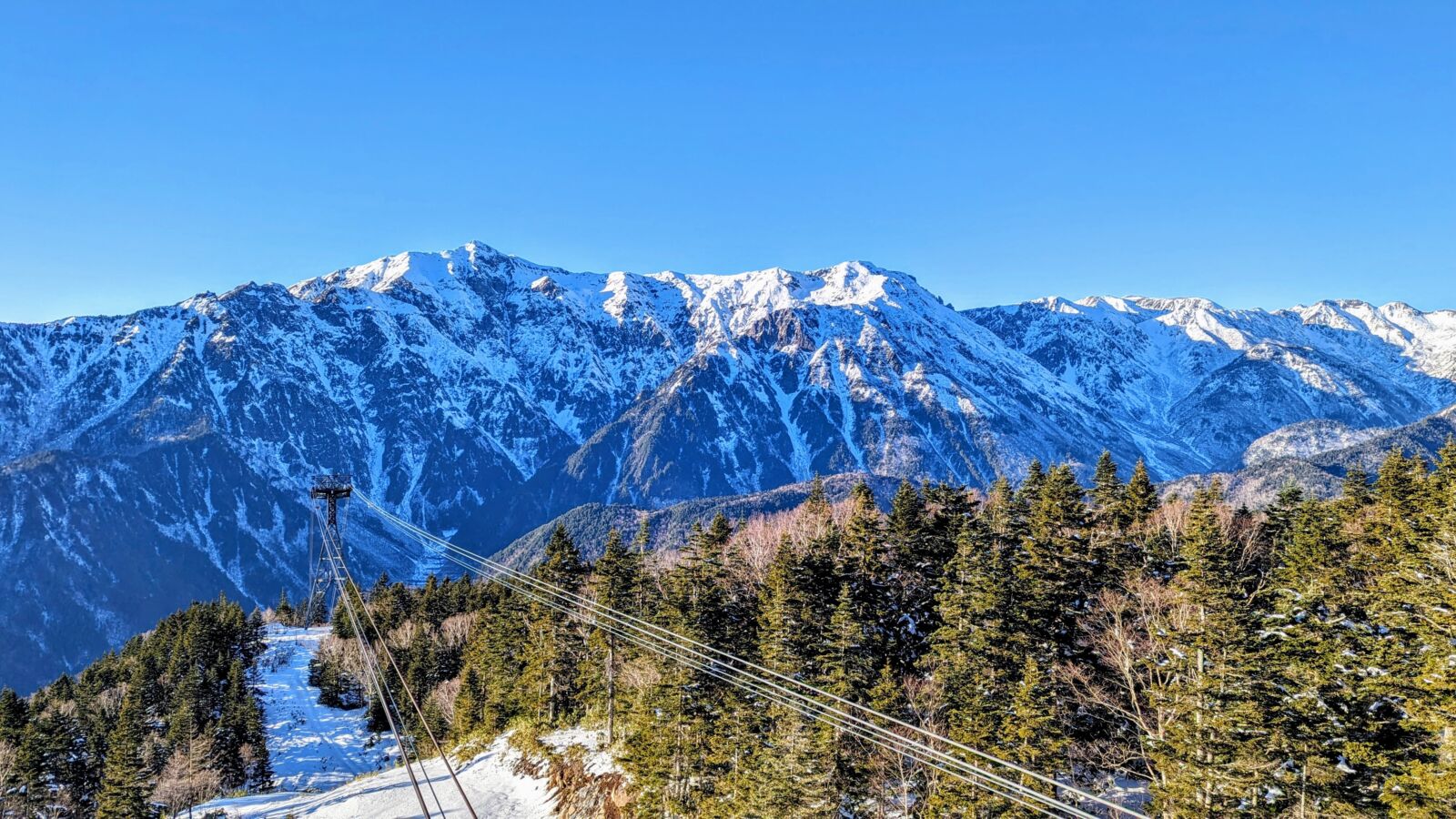
Mount Kinka is a scenic mountain located in the heart of Gifu City. It is home to Gifu Castle and offers hiking trails with beautiful views of the city and the surrounding landscape.
Nature
2-3 hours
Free (except for castle entry fee)
Shirakawa-go
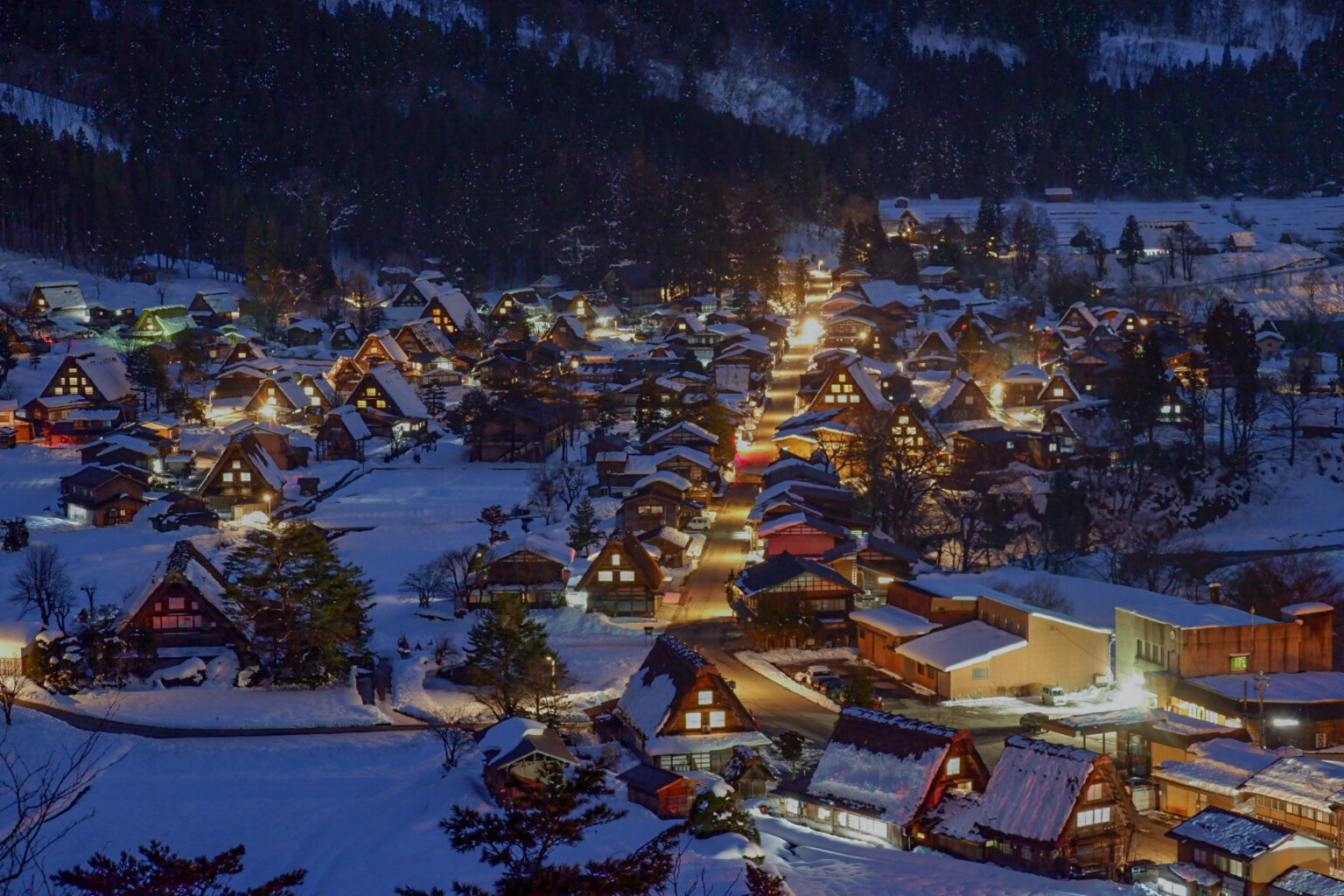
Shirakawa-go is a UNESCO World Heritage Site known for its traditional gassho-zukuri farmhouses. This picturesque village offers a glimpse into rural Japanese life and is especially beautiful during the winter when the thatched roofs are covered in snow.
Cultural
Half day to full day
Free to explore, ¥800 for the Shirakawa-go Gassho Style Houses Museum
Takayama
Takayama is a charming town known for its well-preserved Edo-period streets, traditional architecture, and rich cultural heritage. It is also famous for its annual Takayama Festival, one of Japan's most important festivals.
Historical
Full day to overnight
Free to explore, ¥600 for the Hida Folk Village
Gujo Hachiman Castle
Gujo Hachiman Castle is a beautifully preserved castle with a rich history dating back to the 16th century. It is known for its unique architecture and stunning views of the surrounding countryside.
Historical
2-3 hours
¥500
Must-Try Local Dishes
Hida Beef
Hida beef is a high-quality, tender beef from the Hida region, known for its marbling and rich flavor. It is often served as sushi, steak, or hot pot.
Main Dish
Contains meat
Gifu Crab
Gifu crab, particularly snow crab and horsehair crab, is a delicacy in the region. It is often served steamed, grilled, or in hot pot dishes.
Main Dish
Contains shellfish
Takayama Ramen
Takayama ramen is a local specialty featuring a rich, miso-based broth with noodles, topped with ingredients like Hida beef, green onions, and bamboo shoots.
Main Dish
Contains meat and soy
Gohei Mochi
Gohei mochi is a traditional Gifu sweet made from glutinous rice dough grilled over an open flame and topped with sweet soy glaze and bonito flakes.
Snack
Vegetarian (without bonito flakes)
Popular Activities
Hiking in the Japanese Alps
White-water rafting on the Nagara River
Mountain biking in the countryside
Onsen (hot spring) visits
Picnicking by the Nagara River
Tea ceremonies in traditional settings
Visiting historic castles and temples
Participating in traditional festivals
Best Time to Visit
April to May (Spring), October to November (Autumn)
Spring offers cherry blossoms and mild weather, while autumn provides vibrant foliage and comfortable temperatures. These seasons are ideal for outdoor activities and sightseeing.
10°C to 25°C
50°F to 77°F
Practical Information
Language
- Official: Japanese
- Widely spoken: English (limited)
- English: Limited
Currency
Japanese Yen (JPY)
Time Zone
JST (UTC+9)
Electricity
100VV, 50/60HzHz
Safety Information
Overall Safety Rating: Very safe
Gifu Prefecture is generally very safe, with low crime rates and a friendly local population. However, as with any destination, it is important to take basic precautions to ensure a safe and enjoyable trip.
Important Precautions:
- • Keep valuables secure and out of sight
- • Be cautious when using ATMs, especially at night
- • Avoid unlicensed taxis or tour guides
Getting there
By air
- Chubu Centrair International Airport • 60 km from Gifu City
- Gifu Airport • 10 km from Gifu City
By train
Gifu Station, Nagoya Station
By bus
Gifu Bus Center, Meitetsu Bus Center
Getting around
Public transport
Buses are the primary mode of public transport in Gifu, connecting major attractions and neighborhoods. The system is efficient and affordable.
Taxis
Available • Apps: JapanTaxi, DiDi
Rentals
Car, Bike, Scooter
Neighborhoods
Gifu City
Takayama
Shirakawa-go
Gujo Hachiman
Day trips
Shirakawa-go
60 km from Gifu City • Full day
Shirakawa-go is a UNESCO World Heritage Site known for its traditional gassho-zukuri farmhouses. This picturesque village offers a glimpse into rural Japanese life and is especially beautiful during the winter when the thatched roofs are covered in snow.
Takayama
100 km from Gifu City • Full day to overnight
Takayama is a charming town known for its well-preserved Edo-period streets, traditional architecture, and rich cultural heritage. It is also famous for its annual Takayama Festival, one of Japan's most important festivals.
Gujo Hachiman
50 km from Gifu City • Half day to full day
Gujo Hachiman is a charming town known for its well-preserved castle, historic streets, and the famous Gujo Odori Dance Festival. It offers a mix of traditional and modern attractions, making it a great day trip destination.
Festivals
Takayama Festival • April 14-15 (Spring Festival) and October 9-10 (Autumn Festival)
Gujo Odori Dance Festival • July 31 - August 1 (Main festival) and throughout the summer (Evening dances)
Shirakawa-go Winter Light-Up • January 15 - February 15 (Dates may vary)
Pro tips
- Visit Gifu Castle early in the morning or late in the afternoon to avoid crowds and enjoy the best views.
- Try Hida beef, a local delicacy, at one of the many specialty restaurants in Takayama or Gifu City.
- Explore the historic streets of Takayama on foot, and don't miss the morning markets for fresh local produce and street food.
- Experience the magical winter light-up event in Shirakawa-go, where the traditional gassho-zukuri farmhouses are illuminated at night.
- Participate in a traditional tea ceremony or onsen (hot spring) experience for a unique and relaxing cultural activity.
From $25
per person
Price varies by option
Secure booking
Free cancellation available
Instant confirmation


![[Nagoya Fairy Tale World Shirakawa-go] Hida Takayama & Old Town Stroll & Shirakawa-go Gassho Village Day Trip (From Nagoya)](https://res.klook.com/image/upload/activities/pccajtwny56jtvazl3ti.jpg)