Kyoto: Discover Uji’s Two Hidden World Heritage Treasures
Active
2h
For a full refund, cancel at least 24 hours before the scheduled departure time.
Instant confirmation
Mobile or paper ticket accepted
About this experience
This is not just a visit to UNESCO sites—it’s a journey into the heart of Japan’s cultural soul. Led by a professional local guide, this 1.5-hour walking tour uncovers the deep stories behind Uji’s most iconic landmarks: the elegant Byodoin Temple, the ancient stillness of Ujigami Shrine, the serenity of Uji Shrine, and the poetic beauty of Uji Bridge.
What makes this experience truly special is the seamless blend of world-class heritage and quiet local charm. As you stroll along the riverside paths and through temple gates, you’ll not only learn about history—you’ll feel it. With rich storytelling, historical context, and thoughtful pacing, this tour turns sightseeing into cultural immersion.
Whether you're a first-time visitor or a returning traveler, you’ll walk away with a new appreciation for Uji—one of Japan’s most beautiful, yet often overlooked, destinations.
Available options
Kyoto: Discover Uji’s Two Hidden World Heritage Treasures
What's included
Visit to Ujigami Shrine
Guided walking tour
Local professional guide
Visit to Byodoin Temple
Detailed itinerary
1
Stop 1
Spanning the tranquil waters of the Uji River, Uji Bridge is more than a simple crossing—it is one of the oldest and most historically significant bridges in Japan. First built in the 7th century, the bridge has long been a vital link between Kyoto and Nara, and a setting for many key scenes in classical literature such as The Tale of Genji. Today’s structure is a modern reconstruction, but the spirit of the past lingers in every stone. Standing here, with views of the river, temples, and mountains beyond, you can feel the timeless flow of culture, history, and nature that defines Uji.
2
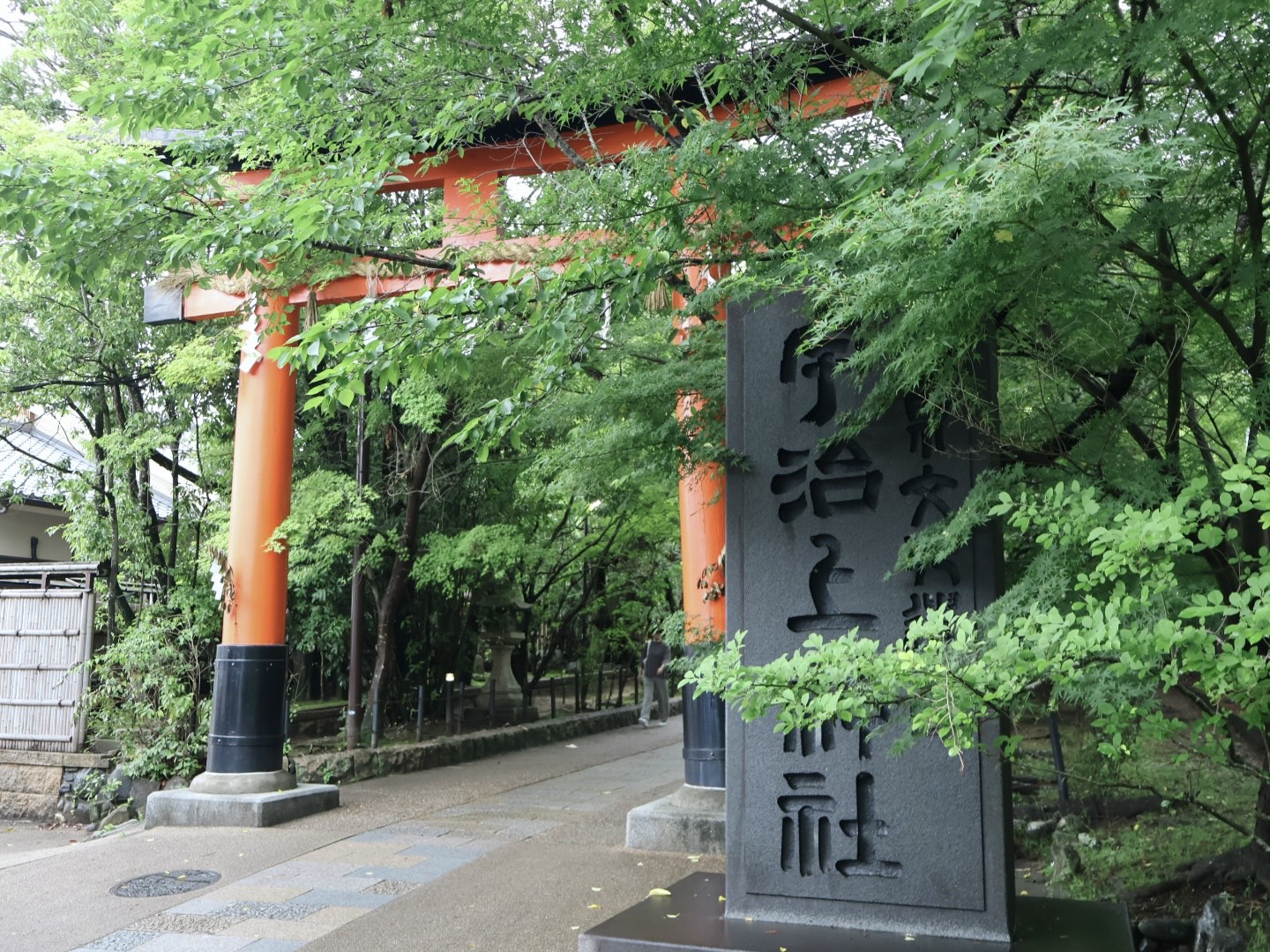
Tucked at the foot of Mount Asahi, Uji Shrine is a serene and lesser-known Shinto sanctuary with deep local significance. Dedicated to the spirit of Prince Uji no Wakiiratsuko, a figure associated with loyalty and familial devotion, the shrine is believed to bring blessings of harmony and protection. Its bright vermilion torii gates, quiet wooded grounds, and peaceful atmosphere offer a gentle, spiritual entry point to your cultural journey through Uji.
3
Just a short walk uphill from Uji Shrine stands Ujigami Shrine, a UNESCO World Heritage Site and Japan’s oldest existing Shinto shrine structure. Dating back to the 11th century, it served as the protective shrine for nearby Byodoin Temple. The shrine’s architecture has remained largely untouched for nearly a thousand years, preserving a rare glimpse into the Heian period's sacred design. Surrounded by towering trees and mossy stones, Ujigami Shrine invites quiet reflection and a deep sense of timeless spirituality.
4
Stop 4
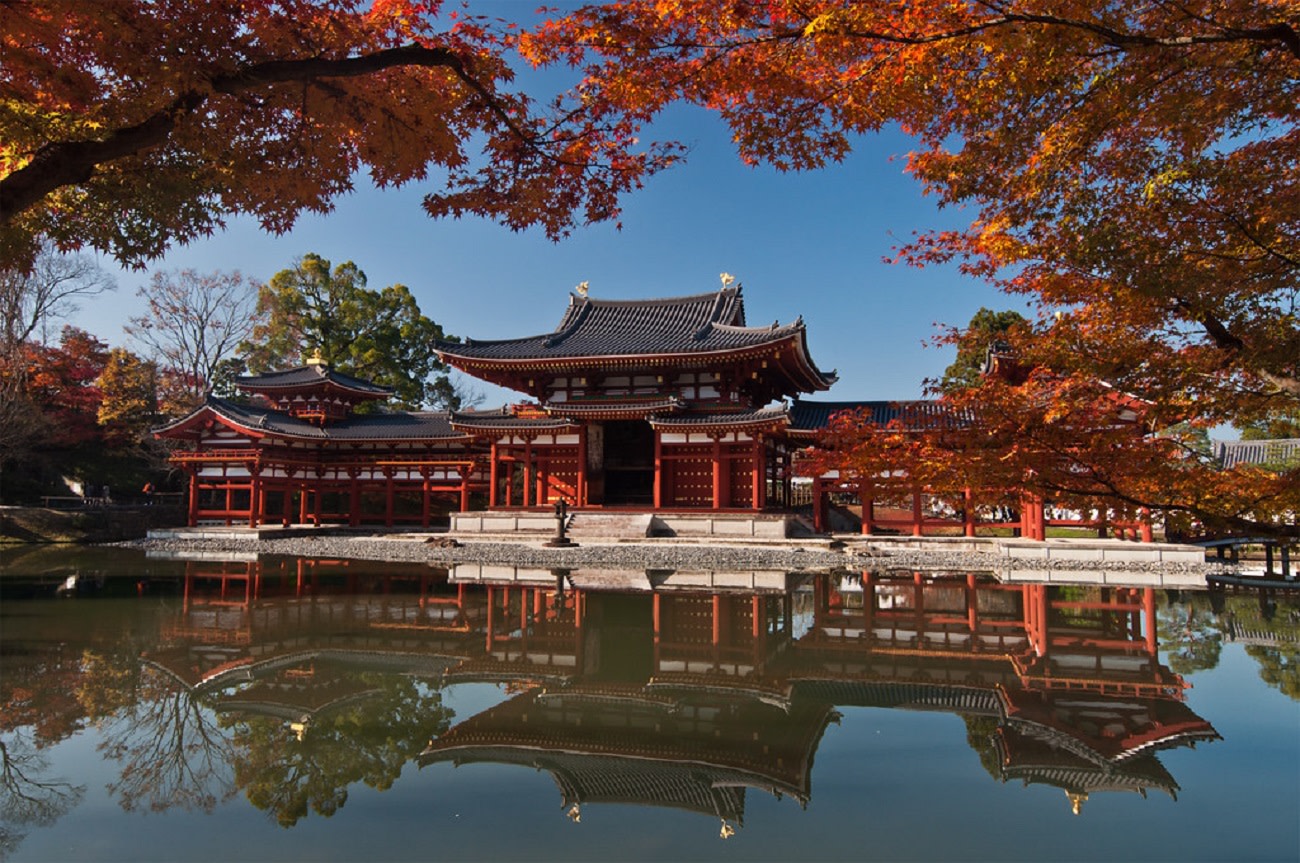
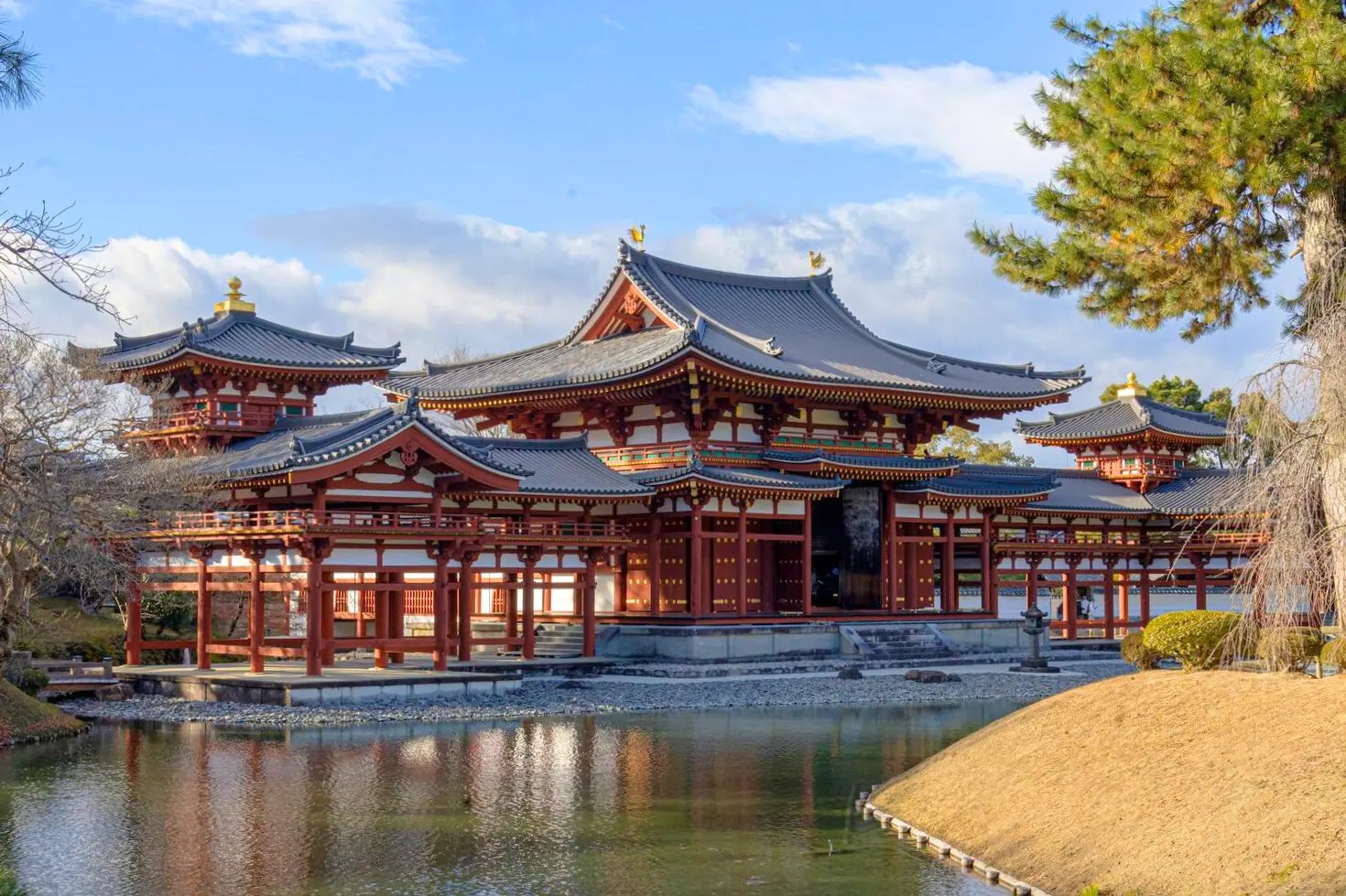
Byodoin Temple is the crown jewel of Uji’s cultural heritage. Built in 1052, its famous Phoenix Hall is one of the finest surviving examples of Pure Land Buddhist architecture and a national icon featured on the 10-yen coin. Designed to represent the Buddhist paradise, the temple's soaring rooftops and shimmering reflection pond evoke a sense of both elegance and spiritual aspiration. As you walk its historic grounds, you’ll sense the aristocratic grace of the Heian era and the enduring beauty of Japan’s Buddhist tradition.
Available languages
Guide guide
JA
EN
Reviews breakdown
Viator
5.0
1 reviews
5★
1
4★
0
3★
0
2★
0
1★
0
Important information
Public transportation options are available nearby
Suitable for all physical fitness levels
Meeting point
Please meet your guide in front of the statue of Murasaki Shikibu at the foot of Uji Bridge (the stone statue of a woman holding a scroll). Your guide will be waiting with a yellow sign. For exact directions, please refer to the map provided.
About Uji
Uji is a historic city in Kyoto Prefecture, renowned for its deep connection to Japanese tea culture. It is home to the famous Uji Matcha, a high-quality green tea, and is also celebrated for its rich literary history, including ties to the famous Tale of Genji. The city offers a serene blend of natural beauty, historic temples, and cultural heritage.
Top Attractions
Byōdō-in Temple
A UNESCO World Heritage Site and one of Japan's most iconic temples, famous for its Phoenix Hall, which is depicted on the 10 yen coin.
Historical/Religious
1-2 hours
Moderate (around 600 JPY)
Uji River
A scenic river that flows through Uji, offering beautiful walking paths and picnic spots. It's particularly famous for its cherry blossoms in spring.
Nature
1-2 hours
Free
Togetsukyo Bridge
A historic bridge that spans the Uji River, offering stunning views of the surrounding landscape. It's a popular spot for photos and leisurely strolls.
Historical/Architecture
30 minutes to 1 hour
Free
Uji Museum of Art
A museum dedicated to the art and culture of Uji, featuring exhibits on tea culture, local history, and traditional crafts.
Museum/Cultural
1-2 hours
Moderate (around 500 JPY)
Mampuku-ji Temple
A historic temple and the headquarters of the Obaku school of Zen Buddhism. It's known for its beautiful gardens and historic architecture.
Religious/Historical
1-2 hours
Moderate (around 400 JPY)
Must-Try Local Dishes
Matcha Ice Cream
A sweet and creamy ice cream made with high-quality matcha (green tea) from Uji. It's a popular treat and a must-try for visitors.
Dessert
Contains dairy (can be made vegan upon request)
Uji Matcha Latte
A latte made with Uji's famous matcha, offering a unique and delicious flavor. It's a refreshing and energizing drink.
Drink
Contains dairy (can be made with plant-based milk upon request)
Matcha Parfait
A layered dessert featuring matcha ice cream, whipped cream, and various toppings. It's a popular and indulgent treat.
Dessert
Contains dairy (can be made vegan upon request)
Popular Activities
Hiking in nearby mountains
Biking along the Uji River
Tea tasting at local tea shops
Picnicking by the Uji River
Visiting historic temples and shrines
Participating in a traditional tea ceremony
Boat tours on the Uji River
Visiting during the winter for a peaceful and less crowded experience
Best Time to Visit
Spring (March to May) and Autumn (October to November)
Spring brings cherry blossoms and pleasant weather, while autumn offers stunning fall foliage and comfortable temperatures. These seasons are ideal for outdoor activities and sightseeing.
10°C to 25°C
50°F to 77°F
Practical Information
Language
- Official: Japanese
- Widely spoken: English (limited)
- English: Limited
Currency
Japanese Yen (JPY)
Time Zone
GMT+9
Electricity
100VV, 50/60HzHz
Safety Information
Overall Safety Rating: Very safe
Uji is a safe and welcoming destination for travelers. Violent crime is rare, and the city is generally clean and well-maintained. However, as with any destination, it's important to stay aware of your surroundings and take precautions to protect your belongings.
Important Precautions:
- • Keep your belongings secure and be aware of your surroundings in crowded areas.
- • Use reputable taxis and restaurants to avoid overcharging.
- • Be cautious of strangers offering tours or services, and always research and book through reputable companies.
Getting there
By air
- Kansai International Airport • 120 km
- Osaka International Airport (Itami) • 50 km
By train
Uji Station
By bus
Uji Bus Terminal
Getting around
Public transport
Trains are efficient and punctual, with frequent services connecting major attractions.
Taxis
Available • Apps: JapanTaxi, DiDi
Rentals
Car, Bike, Scooter
Neighborhoods
Uji City Center
Uji Station Area
Tea Plantation Area
Day trips
Kyoto
20 km • Half day to full day
Kyoto is a historic city known for its temples, shrines, and traditional Japanese culture. It's a great destination for those interested in history, architecture, and traditional arts.
Nara
30 km • Full day
Nara is a historic city known for its ancient temples, shrines, and the famous Nara Park, home to hundreds of free-roaming deer. It's a great destination for those interested in history, nature, and traditional Japanese culture.
Osaka
30 km • Full day
Osaka is a vibrant city known for its modern architecture, shopping, and dining. It's a great destination for those interested in contemporary Japanese culture, shopping, and nightlife.
Festivals
Uji Matcha Festival • May
Uji Tea Festival • November
Uji Fireworks Festival • July
Pro tips
- Visit Byōdō-in Temple early in the morning or late in the afternoon to avoid crowds and enjoy the best lighting for photos.
- Try matcha treats and drinks at local tea shops, such as Tsukiji Uji Matcha and Ippodo Tea.
- Explore the tea fields and learn about tea production by visiting local tea farms and participating in tea tasting experiences.
- Walk along the Uji River for a peaceful and scenic experience, especially during the cherry blossom and fall foliage seasons.
- Take a day trip to nearby cities like Kyoto, Osaka, or Nara to explore more of the Kansai region's cultural and historic attractions.
From $25
per person
Price varies by option
Secure booking
Free cancellation available
Instant confirmation


![[Kyoto & Uji Day Trip] Kinkaku-ji (Golden Pavilion) & Kiyomizu-dera Temple & Byodo-in Temple & Uji River & Matcha Food Street & Rabbit Shrine & Lady Murasaki Statue (From Osaka or Kyoto)](https://res.klook.com/image/upload/activities/fcvsx3iy6rtmczptcua9.jpg)