Nara: Todai-ji Temple & Great Buddha 2-Hour Guided Tour
Active
2h
For a full refund, cancel at least 24 hours before the scheduled departure time.
Instant confirmation
Mobile or paper ticket accepted
About this experience
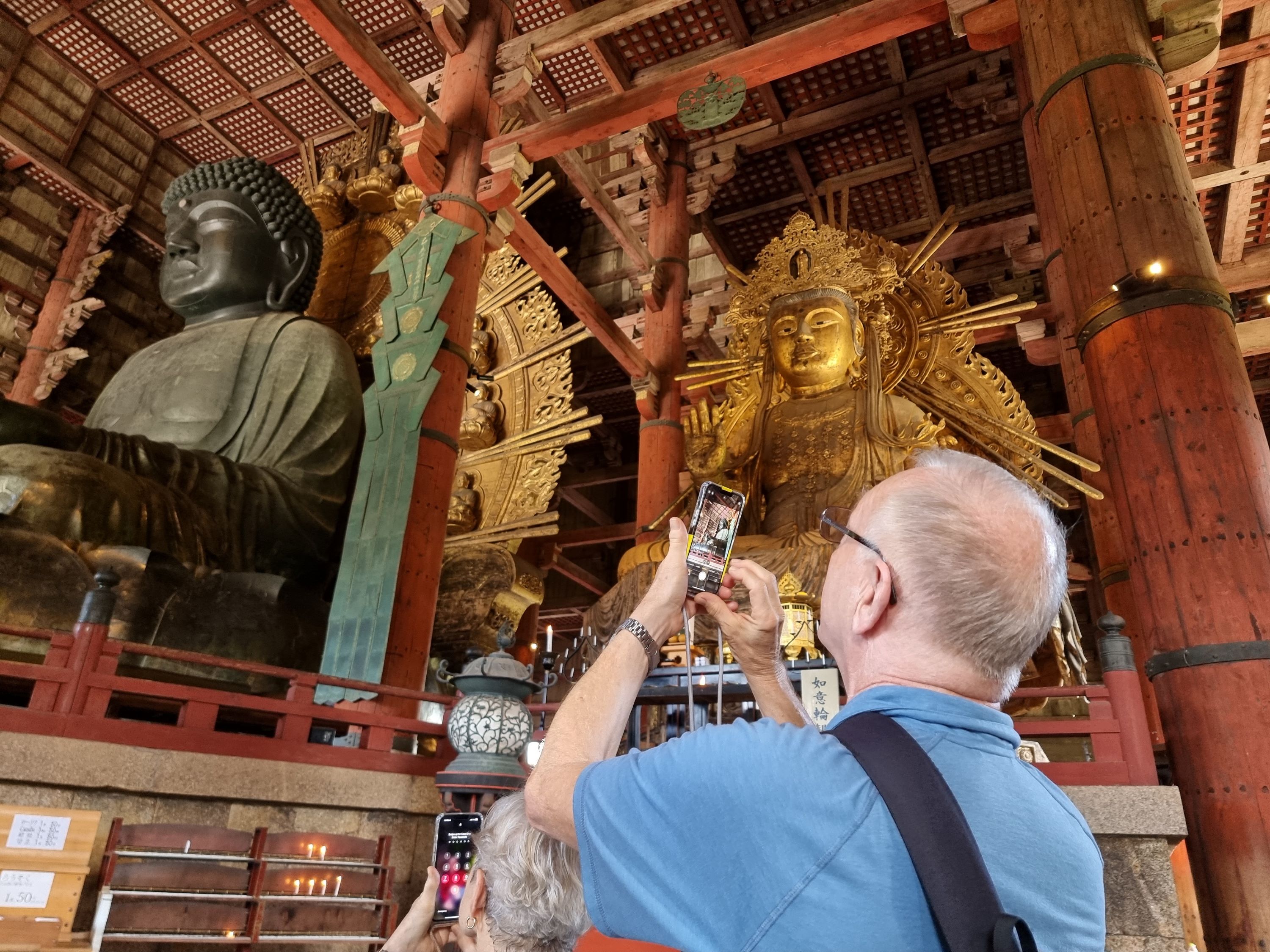
Founded in the early 8th century, Todai-ji Temple is a monumental testament to Japanese architecture and Buddhist devotion. At its heart is the Daibutsuden, or Great Buddha Hall, which houses a colossal bronze statue of Buddha Vairocana, radiating spiritual tranquility.
As you explore Todai-ji, admire its intricate design and deep spiritual symbolism. The temple has endured centuries, remaining a vital center of Buddhist practice and cultural significance.
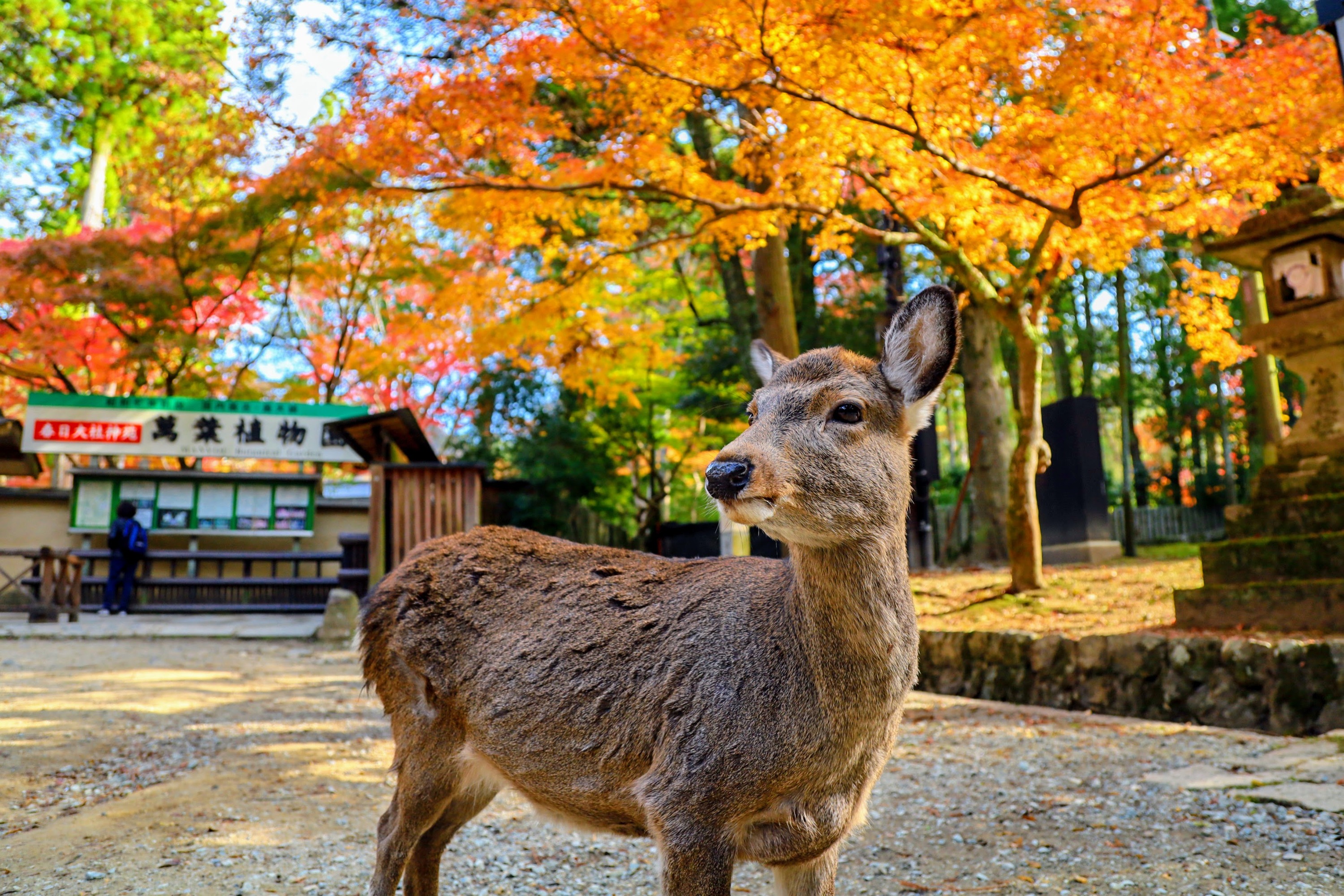
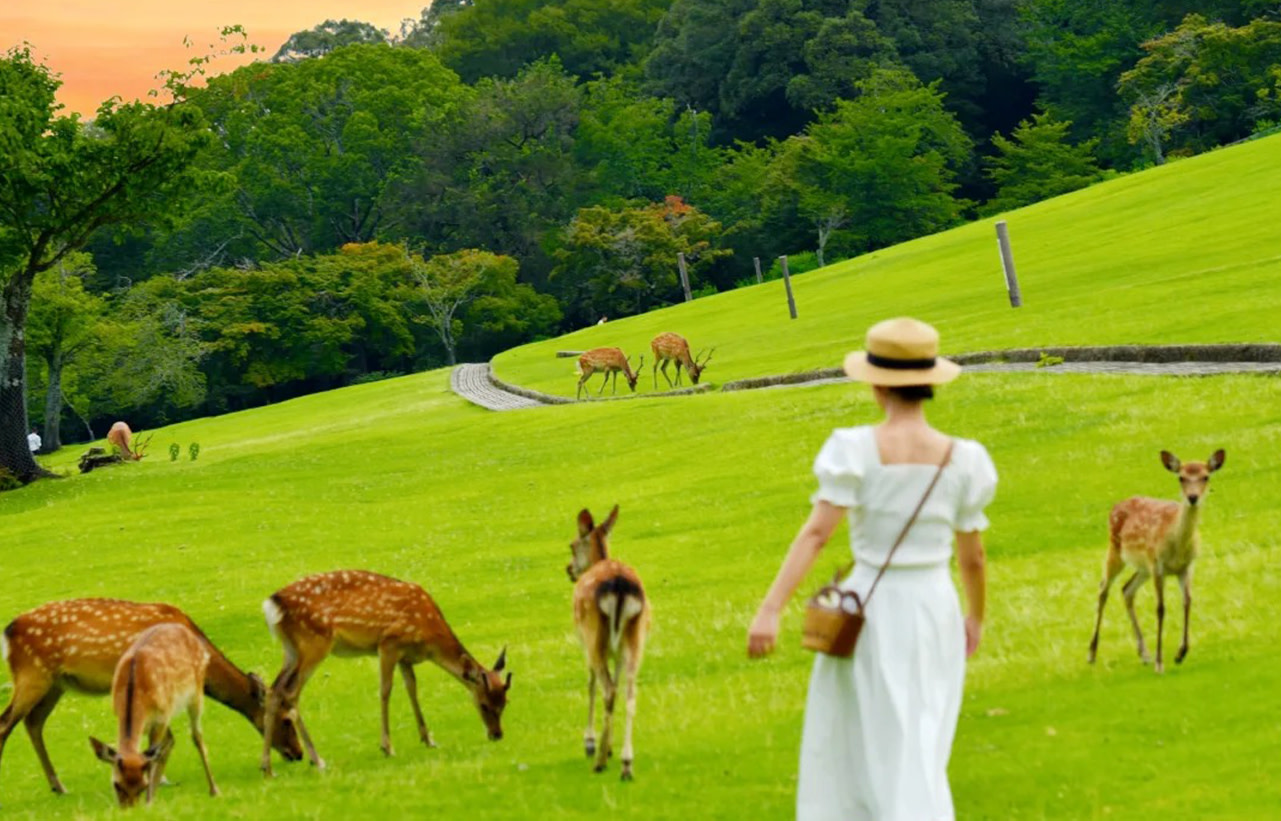
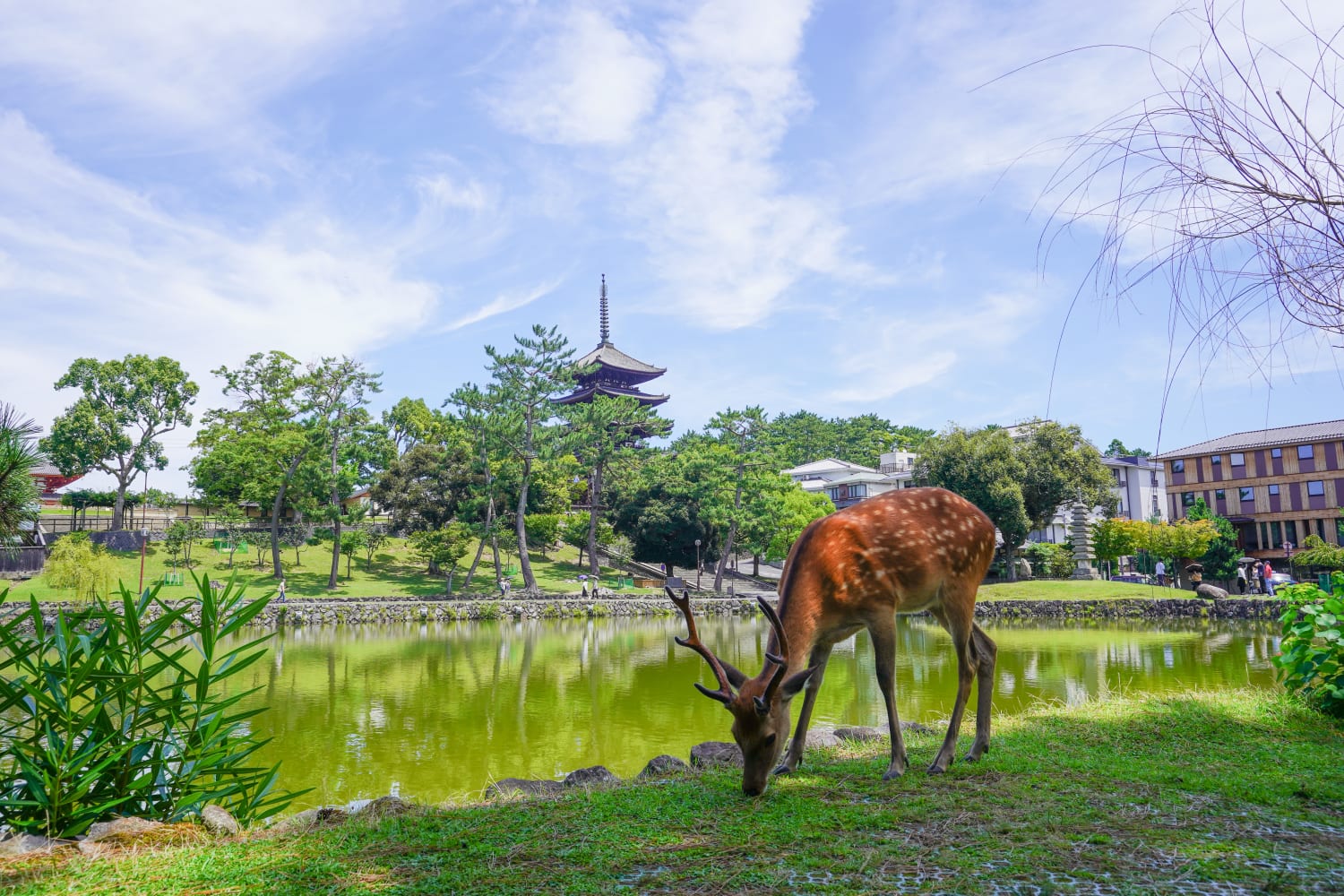
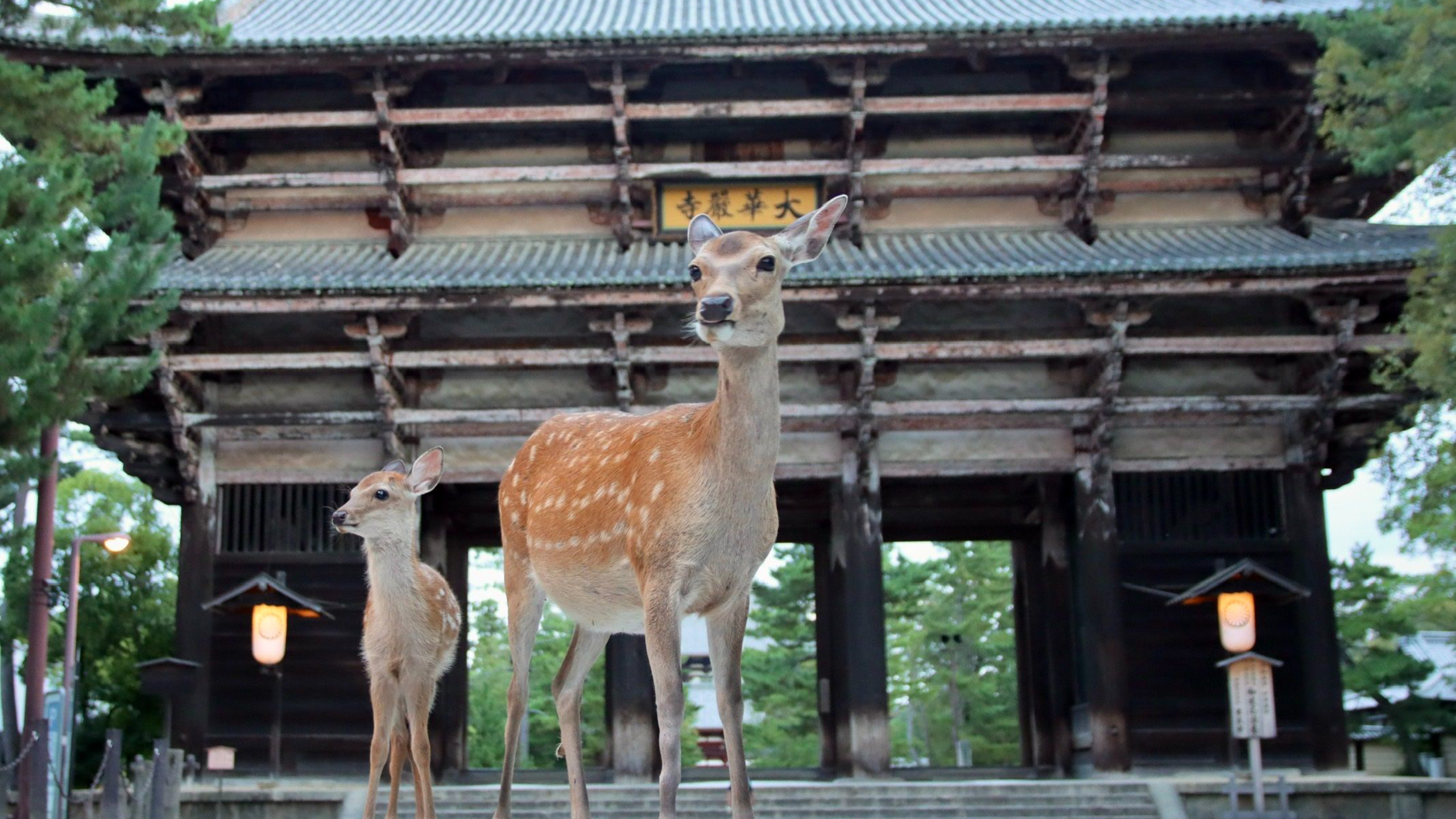
Nearby Nara Park provides a serene retreat, with sacred deer roaming freely among lush greenery and tranquil ponds. Nigatsu-do Hall offers panoramic views of Nara and hosts rituals spanning over 1,200 years, while Sangatsu-do Hall displays lavishly decorated Buddha statues, enhancing the temple's rich cultural and historical heritage.
Available options
Nara: Todai-ji Temple & Great Buddha 2-Hour Guided Tour
What's included
Tour guide
All Fees and Taxes
Detailed itinerary
1
Stop 1
In Nara, Todai-ji Daibutsuden, or the Great Buddha Hall, is a must-see for its immense historical and spiritual significance. Home to one of Japan's largest bronze Buddha statues, standing at about 15 meters (50 feet) tall, the Great Buddha (Daibutsu) exudes a powerful sense of serenity.
The hall itself, one of the world’s largest wooden buildings, was originally constructed in the 8th century and rebuilt in the 17th century. Its grand architecture and spacious interior highlight traditional Japanese craftsmanship.
Visitors will be struck by the hall’s impressive scale and the peaceful presence of the Great Buddha. The surrounding area also includes the grand Nandaimon Gate with its fierce guardian statues. A visit to Todai-ji offers a profound glimpse into Japan’s cultural and spiritual heritage, making it an unforgettable experience.
2
Perched on a cliff, Nigatsudo Hall in Nara offers breathtaking views of the ancient city below. This historic structure, part of Todai-ji Temple, is renowned for its dramatic location and spiritual significance.
Nigatsudo’s name comes from its traditional ritual held every March (the second month of the lunar calendar), where worshippers seek to atone for their sins before the enshrined Kannon Bosatsu (Bodhisattva of Compassion). This ritual has been conducted for over 1,200 years, adding a mystical aura to the hall.
Visitors are captivated not only by the stunning vistas of Nara but also by the hall’s ancient and enigmatic atmosphere. Nigatsudo offers a unique blend of scenic beauty and deep-rooted spiritual tradition, making it a memorable destination for anyone exploring Japan's cultural heritage.
3
Stop 3
Hokkedo, also known as Sangatsudo, is one of the oldest buildings within the Todai-ji Temple complex in Nara. Known for its deep historical roots, it stands out among the many halls on the temple grounds.
Inside Hokkedo, visitors are enveloped in a tranquil atmosphere that invites quiet reflection. The hall houses several national treasures, with the central deity enshrined in an ornate jeweled crown being particularly captivating. The grandeur and intricate beauty of this central figure leave a lasting impression.
The serene environment and the artistic splendor of Hokkedo make it a special place to experience Japan’s cultural and spiritual heritage.
What's not included
Transportation from station
Brunch
Available languages
Guide guide
EN
Reviews breakdown
Viator
5.0
1 reviews
5★
1
4★
0
3★
0
2★
0
1★
0
Important information
Public transportation options are available nearby
Not recommended for travelers with spinal injuries
Not recommended for pregnant travelers
Not recommended for travelers with poor cardiovascular health
Suitable for all physical fitness levels
Meeting point
In Nandai-monn main gate. The guide will be holding the yellow sign.
About Nara
Nara, Japan's first permanent capital, is a city steeped in history and culture. Known for its ancient temples, friendly deer, and UNESCO World Heritage Sites, Nara offers a unique blend of natural beauty and historical significance. The city's well-preserved heritage sites and serene landscapes make it a must-visit destination in Japan.
Top Attractions
Todai-ji Temple
Todai-ji Temple is a UNESCO World Heritage Site and one of Japan's most famous and historically significant temples. It houses the Great Buddha Hall, which contains a giant bronze Buddha statue.
Historical/Religious
2-3 hours
600 JPY (5.50 USD)
Nara Park
Nara Park is famous for its friendly deer, which are considered sacred in Shinto tradition. The park is also home to several important temples and shrines.
Nature/Cultural
1-2 hours
Free (200 JPY for deer crackers)
Kasuga Taisha Shrine
Kasuga Taisha is a famous Shinto shrine with a history dating back to 768 AD. It is known for its many lanterns, which are donated by worshippers.
Religious/Cultural
1-2 hours
Free (500 JPY for the Botanical Garden)
Kofuku-ji Temple
Kofuku-ji Temple was once one of the most powerful and influential temples in Japan. It is known for its pagoda and museum, which houses many important artifacts.
Historical/Religious
1-2 hours
300 JPY (Museum) (3 USD)
Nara National Museum
Nara National Museum is dedicated to the art and history of Nara and its temples. It houses a collection of Buddhist sculptures, paintings, and other artifacts.
Museum
1-2 hours
620 JPY (5.50 USD)
Must-Try Local Dishes
Kakinoha-zushi
A type of sushi where vinegared rice and fish are wrapped in persimmon leaves, giving it a unique flavor and aroma.
Lunch/Dinner
Contains fish
Nara zuiki
A traditional Nara dish made with chicken, mushrooms, and vegetables cooked in a sweet soy-based sauce.
Dinner
Contains chicken
Nara pickles
A variety of pickled vegetables, including radish, eggplant, and cucumber, known for their unique flavors and textures.
Snack/Side
Vegetarian
Popular Activities
Hiking in Nara Park
Biking around the city
Tea ceremony
Onsen (hot spring) visit
Temple visits
Traditional crafts workshops
Winter illuminations at temples and shrines
Deer feeding in Nara Park
Best Time to Visit
Spring (March to May) and Autumn (October to November)
These seasons offer pleasant weather and are ideal for outdoor activities. Spring brings cherry blossoms, while autumn features beautiful fall foliage.
15-25°C
59-77°F
Practical Information
Language
- Official: Japanese
- Widely spoken: English (limited)
- English: Limited
Currency
Japanese Yen (JPY)
Time Zone
GMT+9
Electricity
100VV, 50/60HzHz
Safety Information
Overall Safety Rating: Very safe
Nara is a very safe city with low crime rates. Violent crime is rare, and petty crime is uncommon. However, as with any destination, it's important to take basic precautions to ensure a safe and enjoyable trip.
Important Precautions:
- • Keep valuables secure
- • Be cautious of deer in Nara Park, as they can be aggressive when looking for food
- • Avoid walking alone in poorly lit or deserted areas at night
Getting there
By air
- Kansai International Airport • 50 km (31 miles)
- Osaka International Airport (Itami) • 35 km (22 miles)
By train
Nara Station
By bus
Nara Station, Kintetsu Nara Station
Getting around
Public transport
The bus system is efficient and covers most major attractions. Day passes are available for frequent travelers.
Taxis
Available • Apps: JapanTaxi, DiDi
Rentals
Car, Bike, Scooter
Neighborhoods
Nakasenbon
Zakuracho
Sanjo-dori
Day trips
Osaka
40 km (25 miles) • Half day to full day
Osaka is a vibrant city known for its food, shopping, and nightlife. It offers a mix of modern attractions and historic sites.
Kyoto
40 km (25 miles) • Full day
Kyoto is a city rich in history and culture, with numerous temples, shrines, and gardens. It's known for its traditional tea houses, geisha districts, and historic streets.
Ise
80 km (50 miles) • Full day
Ise is home to the Ise Grand Shrine, one of Shinto's holiest sites. The city offers a serene and spiritual experience, with beautiful forests and traditional architecture.
Festivals
Nara Matsuri • April 25-26
Lantern Festival at Kasuga Taisha • February 3-4
Pro tips
- Visit Todai-ji Temple early in the morning to avoid crowds and enjoy a more serene experience.
- Buy deer crackers to feed the deer in Nara Park, but be cautious and follow the rules to ensure a safe and enjoyable interaction.
- Consider staying in a ryokan for a unique cultural experience, complete with traditional tatami rooms, onsen (hot springs), and kaiseki meals.
- Explore Nara-machi, the historic district, for a glimpse into the city's past and to shop for local crafts and souvenirs.
- Use an IC card like ICOCA for easy payments on public transportation, buses, and some shops and vending machines.
From $25
per person
Price varies by option
Secure booking
Free cancellation available
Instant confirmation


![[Kyoto & Nara & Uji Day Trip] Nara Park's Adorable Deer & Fushimi Inari Shrine's Thousand Torii Gates & World Heritage Site Todai-ji Temple & Byodo-in Temple & Uji Matcha Food Street & Uji River & Uji Park & Asagiri Bridge Day Trip](https://res.klook.com/image/upload/activities/ldngpfhcjg0mts875udl.jpg)
![[Small Group Tour for 4-9 People] Kyoto & Nara Day Trip | Kiyomizu-dera Temple & Fushimi Inari Shrine & Nara Park | Optional Osaka Hotel Pickup/Drop-off | Round Trip from Osaka | Chinese Service](https://res.klook.com/image/upload/activities/fhj0httwd7v9dvgkciij.jpg)

![[Sakura Season Limited] Day Trip from Osaka | Nara Park Deer Interaction, Todai-ji Temple World Heritage Site, Mount Yoshino Thousand Cherry Trees | Complimentary Cherry Blossom Bell](https://res.klook.com/image/upload/activities/y5ueknasalth6yzcxerv.jpg)