Sacred Valley VIP (Full Day)
Active
8h
For a full refund, cancel at least 24 hours before the scheduled departure time.
Instant confirmation
Mobile or paper ticket accepted
About this experience
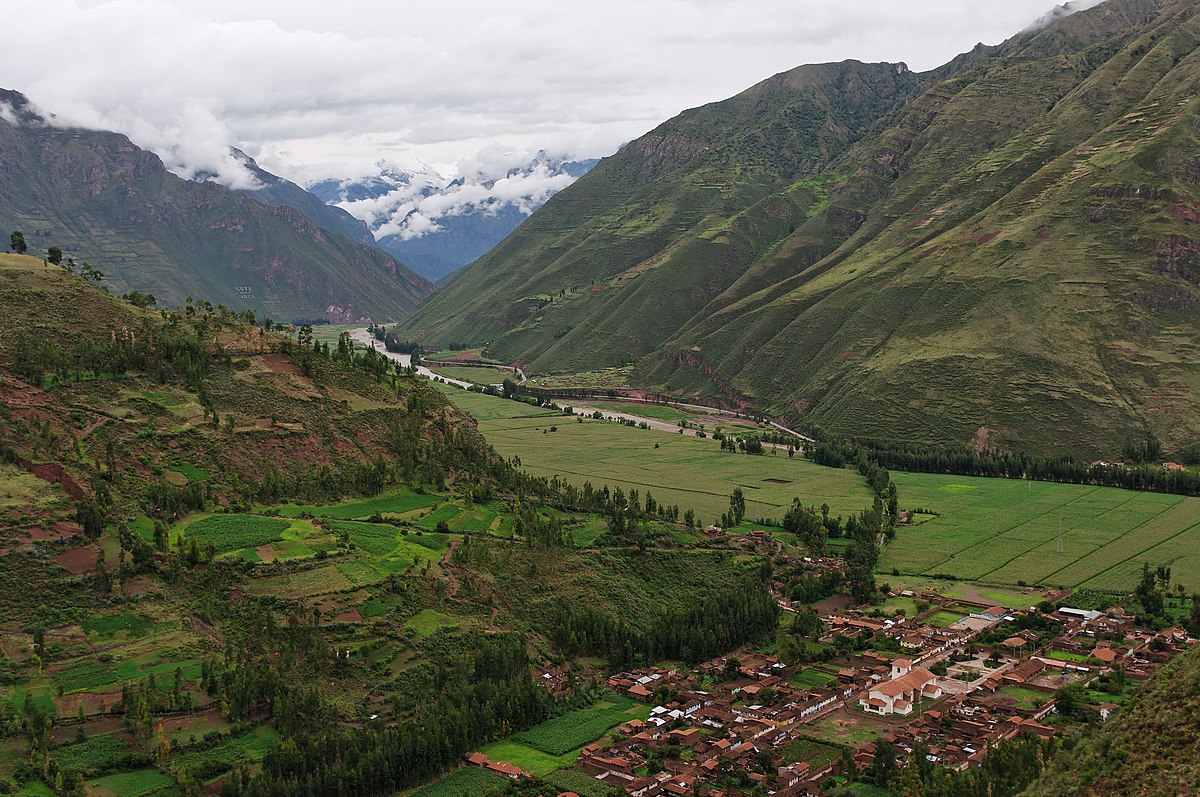
Stretching from Pisac in the South to Machu Picchu in the north, the Sacred Valley is a cornucopia of majestic and steep mountains, ancient ruins, rushing rivers, craft markets, terraced hillsides, good food and native people who value and take care of their homeland.
Available options
Sacred Valley VIP (Full Day)
Pickup included
What's included
Transport
Bi-lingual Guide (Spanish & English)
Buffet Lunch in Urubamba (Vegan option)
Detailed itinerary
1
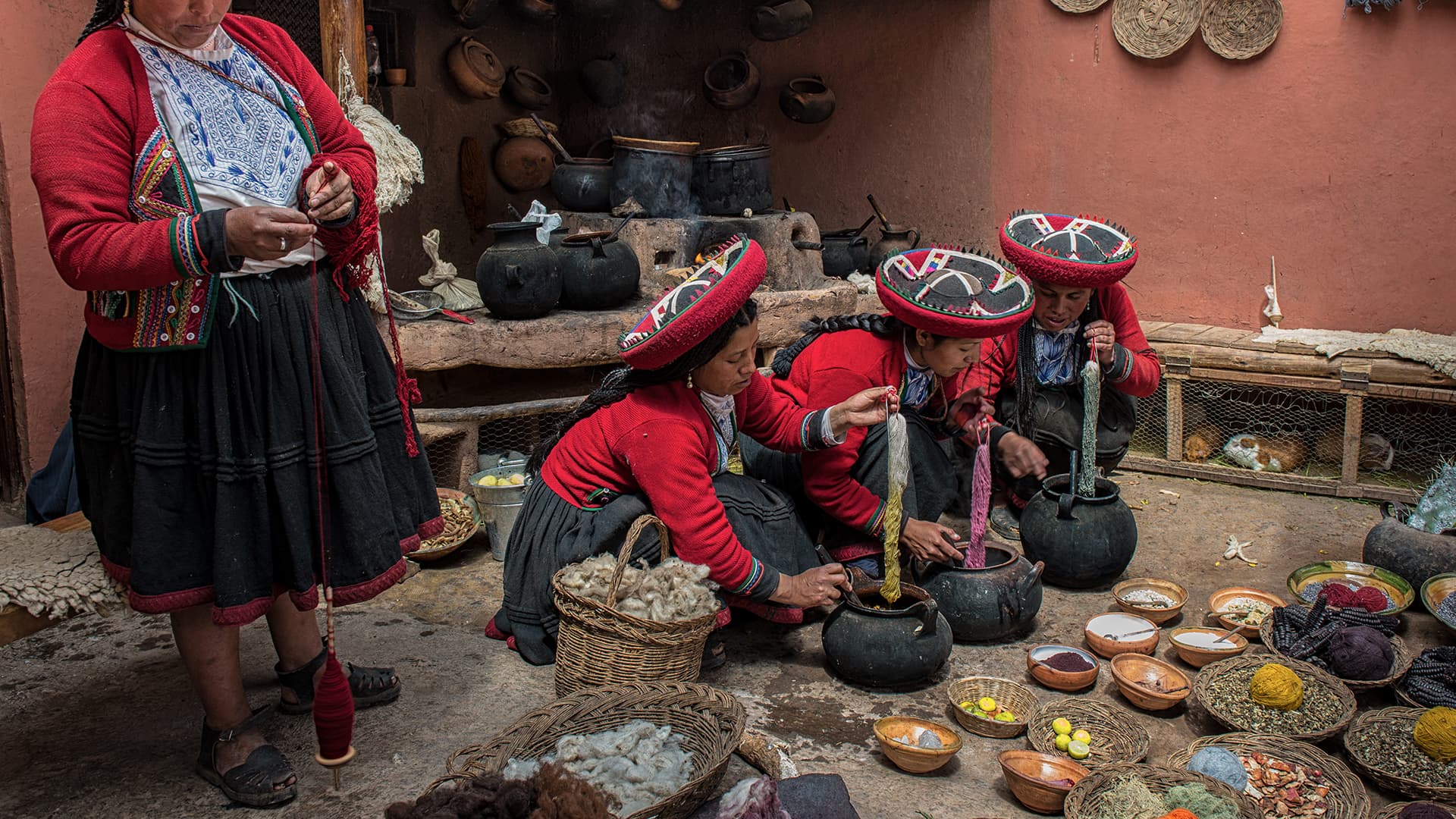
Chinchero is a small Andean Indian village located high up on the windswept plains of Anta at 3765m about 30km from Cusco. There are beautiful views overlooking the Sacred Valley of the Incas, with the Cordillera Vilcabamba and the snow-capped peak of Salkantay dominating the western horizon. Chinchero is believed to be the mythical birthplace of the rainbow. Its major claim to tourism is its colourful Sunday market which is much less tourist-orientated than the market at Pisac. The village mainly comprises mud brick (adobe) houses, and locals still go about their business in traditional dress. The village may have been an important town in Inca times. The most striking remnant of this period is the massive stone wall in the main plaza which has ten trapezoidal niches. The construction of the wall and many other ruins and agricultural terraces (which are still in use) are attributed to Inca Tupac Yupanqui who possibly used Chinchero as a kind of country resort.
In the main plaza an adobe colonial church, dating from the early seventeenth century, has been built upon the foundations of an Inca temple or palace. The ceiling and walls are covered in beautiful floral and religious designs. The church is open on Sundays for mass.
2
Stop 2
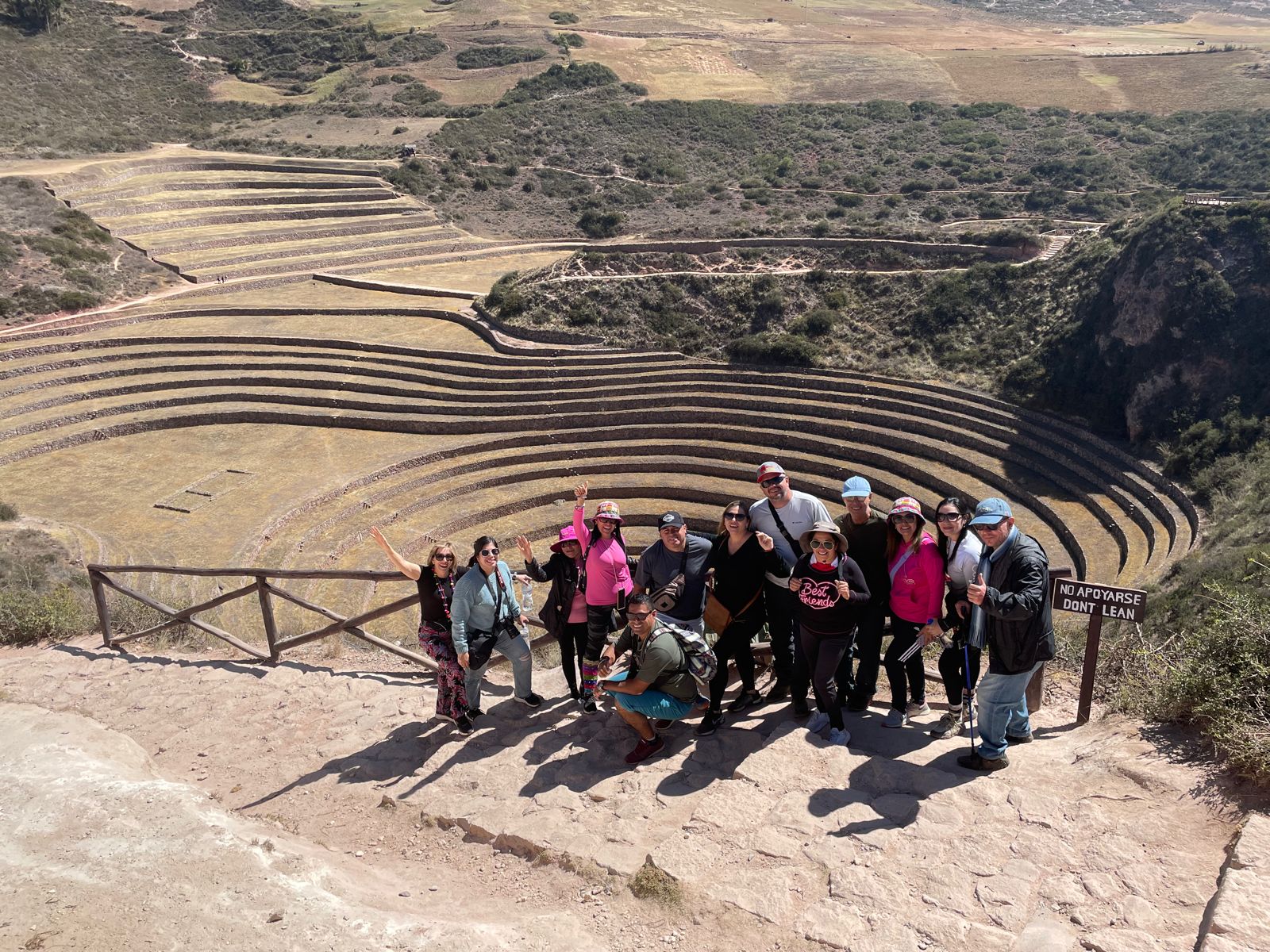
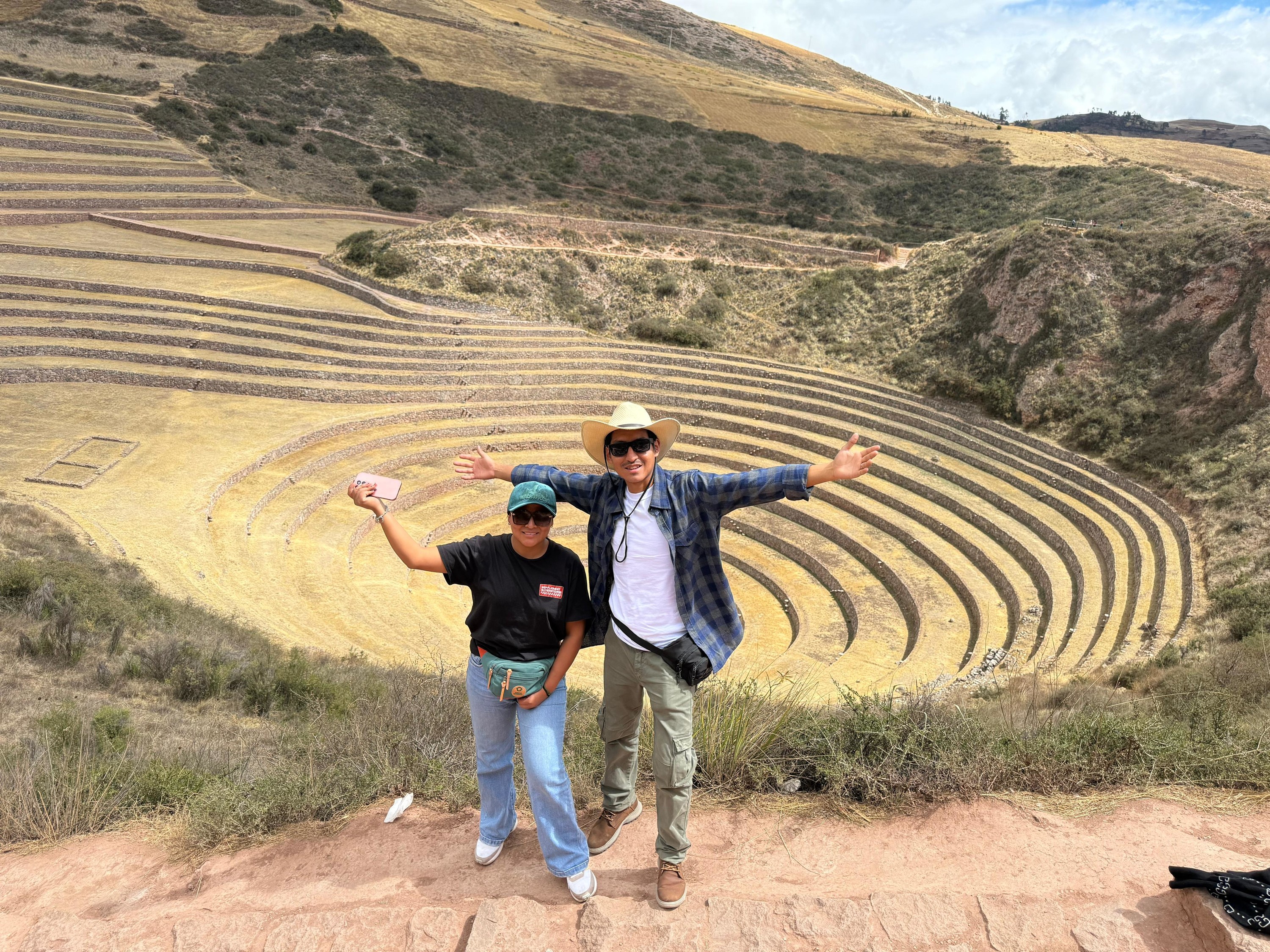
Everywhere you look in Cusco you can see how advanced the Incas were in their agricultural techniques, such as the terracing system and irrigation using aqueducts. In Moray, for example, they used circular terraces that demonstrate the high level of culture the Inca civilization achieved.
Moray is 4.5 miles from the town of Maras and 39 miles from Cusco. The main feature that impresses travelers is its system of circular agricultural terraces, which are up to 330 feet deep. They are build using retaining walls connected by an irrigation system.
Moray can be considered a crop lab– they used the terraces to create micro-climates and grow various products.
3
The salt mines, or the famous "salt pools" of Maras are located in the rural community of Pichingoto. This site is highly recommended for photography lovers because of its impressive landscape that stretches out in all of its splendor. It is also perfect for hikers and mountain bikers, since this trail connects the salt mines with the villages of Tarabamba and Pichingoto.
Highlights of this area include the Moray archaeological site, a sort of amphitheater formed of various circular terraces. Also worth visiting is the Sanctuary of Tiobamaba, a colonial church built of adobe that houses paintings from Cusco such as The Last Supper.
4
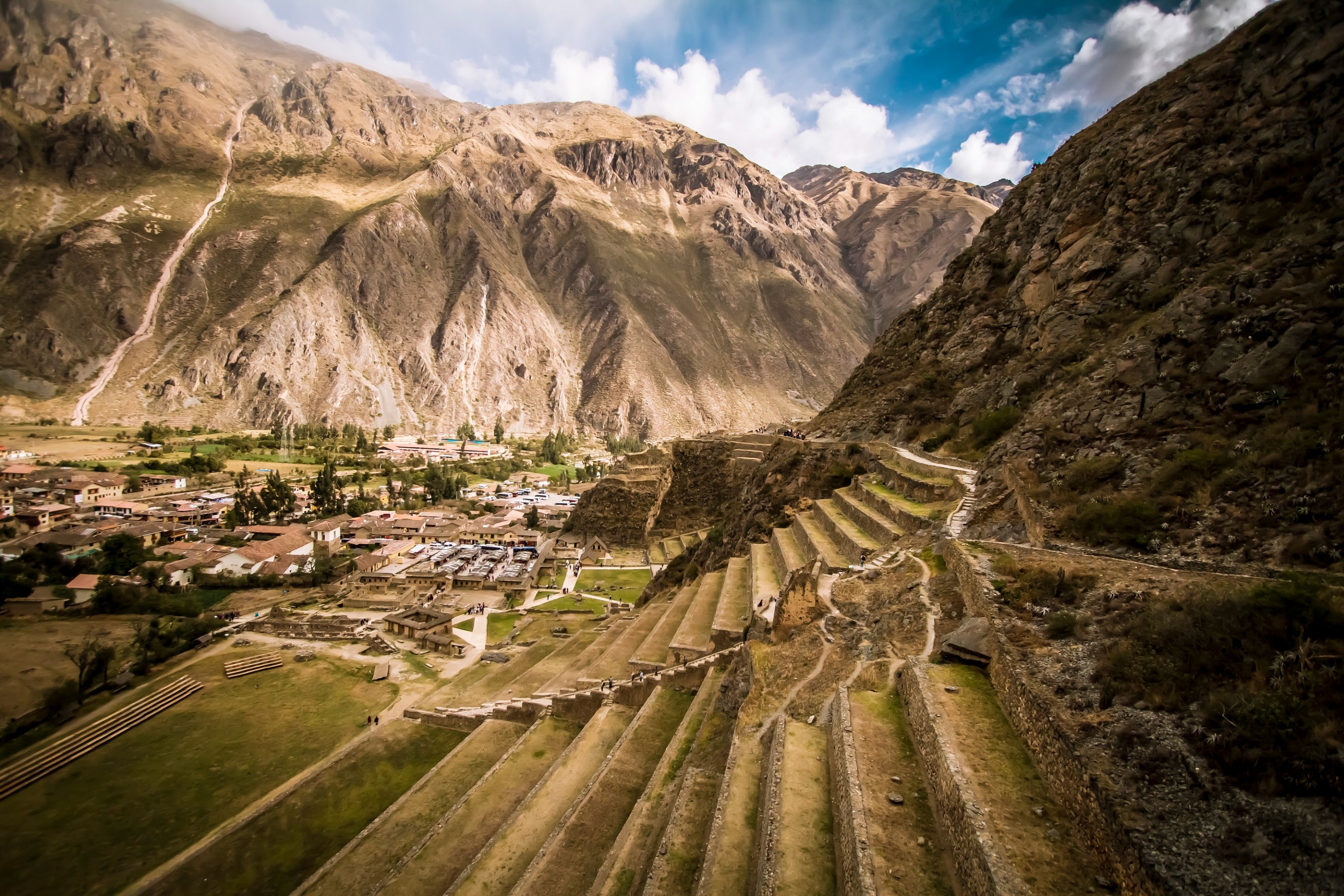
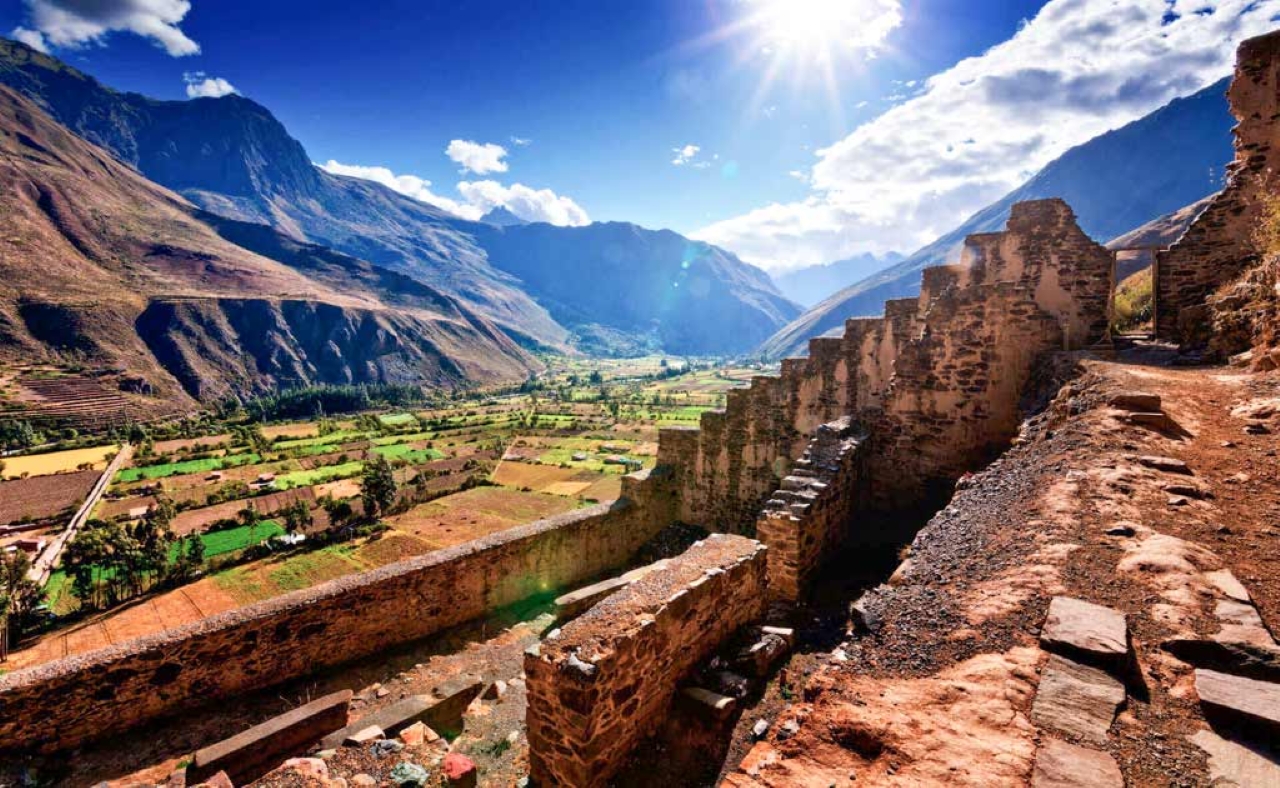
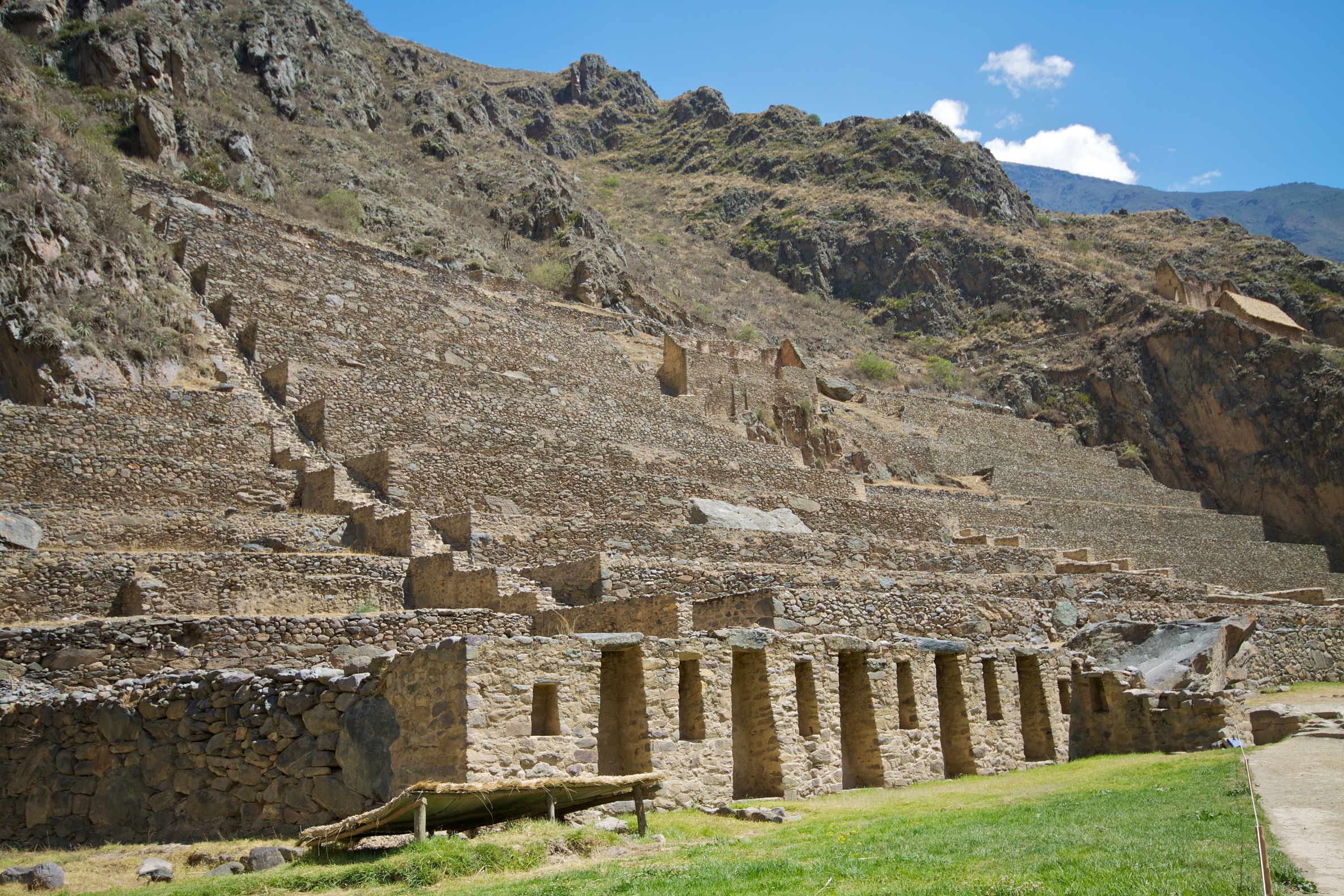
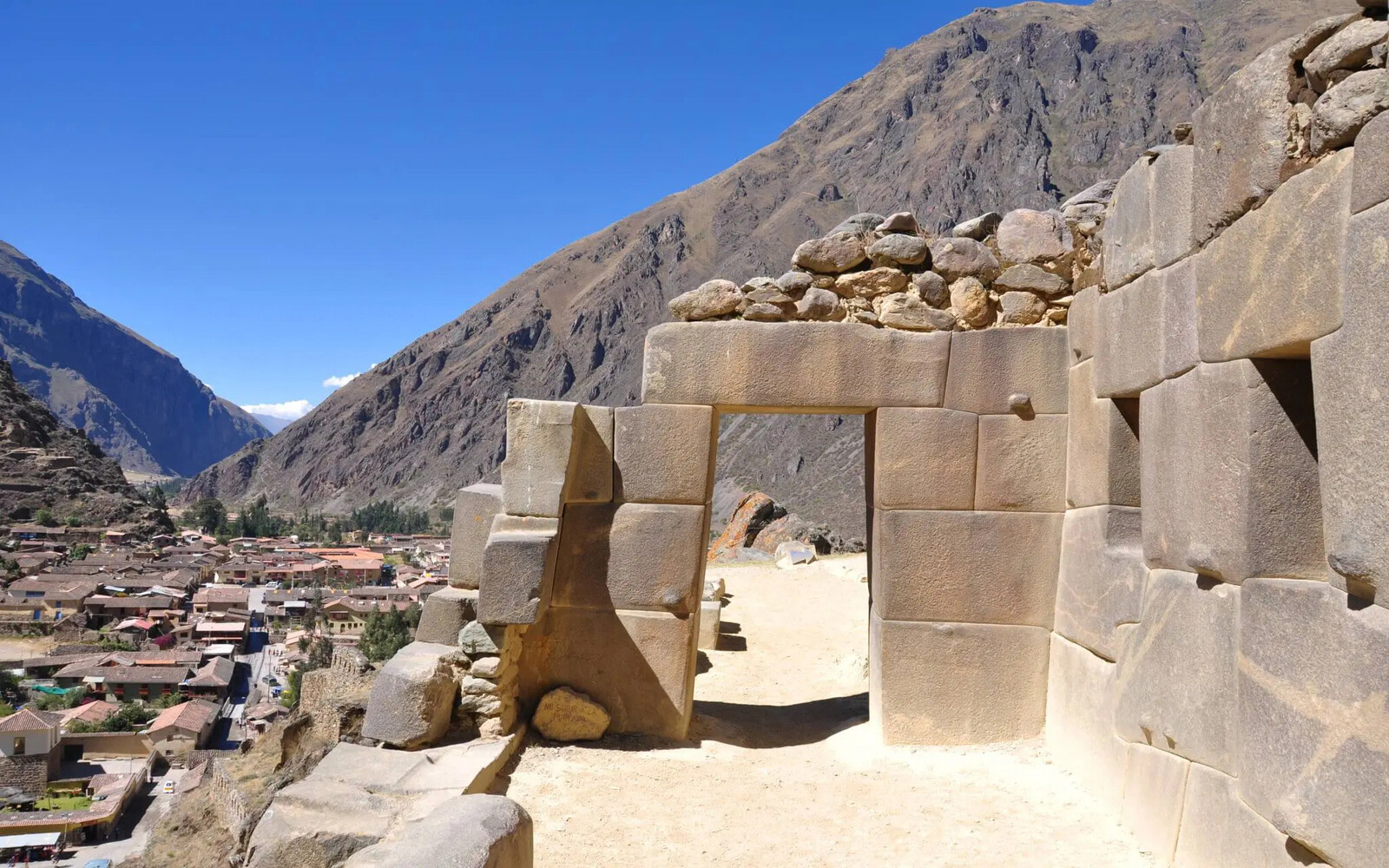
48.5 miles by paved road from Cusco is Ollantaytambo, a lovely village that preserves the designs of Inca buildings located at an altitude of 9160 feet in the province of Urubamba. Among this place's most impressive attractions are the ceremonial temple in worship of water and a fortress that guarded the entrance to the valley to repel any invasions. The temple has a set of terraces lying one atop the other which visitors scale via a steep stairway.
The fortress is a stone colossus that was built between two mountains to protect the valley. The area also holds the Temple of Inti (the sun god), Incamisana, the baths of the Ñustas (princesses), the Cachiccata funerary towers, and a group of tiered and very steep terraces on the side of a hill.
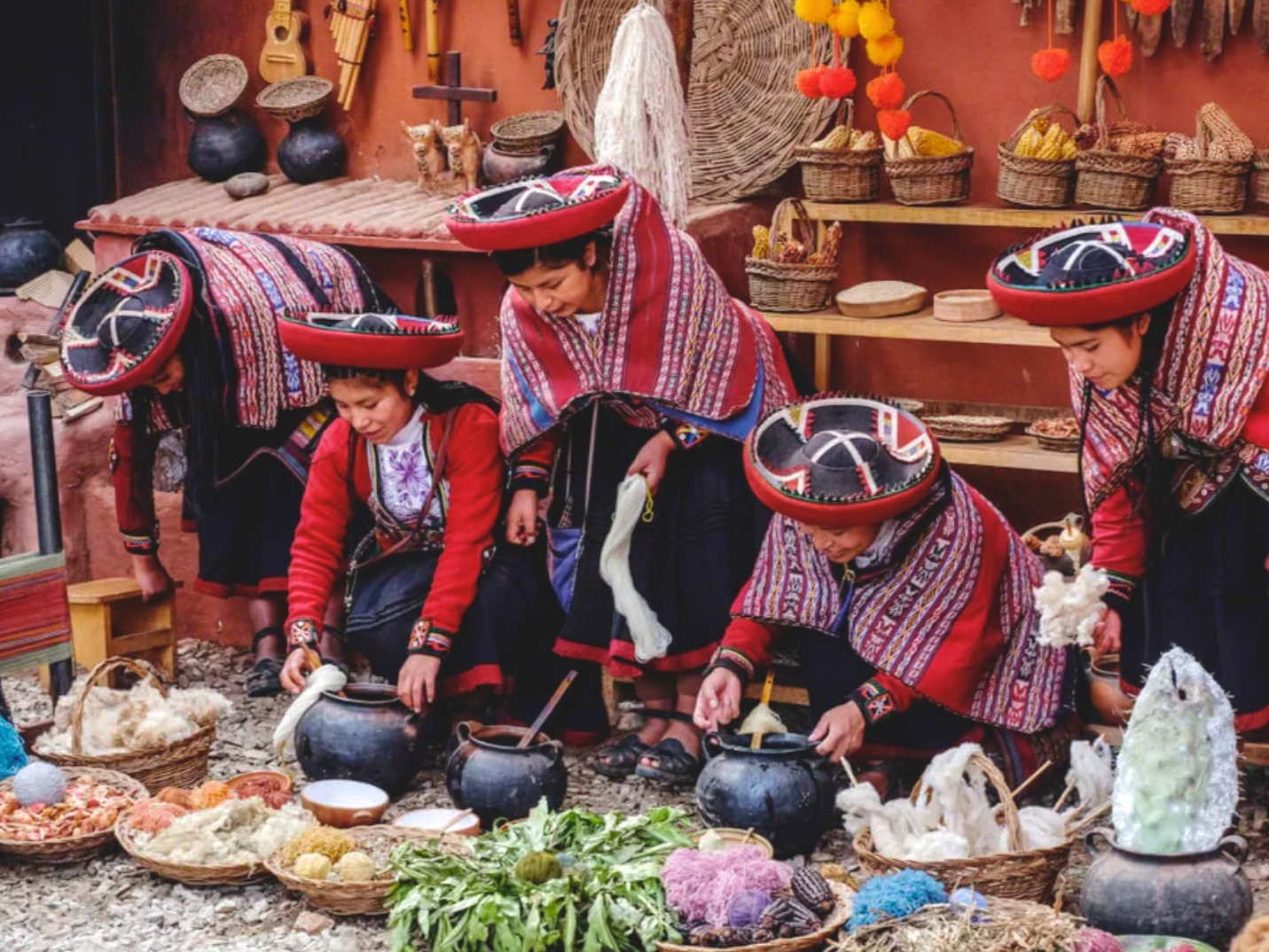
Ollantaytambo also contains the mountain called Pinculluna or Tunupa, which holds the vestiges of Inca architectural structures which seem to have been a storehouse for various foodstuffs. Ollantaytambo is also a meeting place for nearby communities, such as the Huayruros de Willoc, who can be recognized by their red and black ponchos and hats.
5
Travelling through the Urubamba Valley, starting at the town of Pisac, enables tourists to visit an archaeological area in the highest mountain areas. Here there are many different buildings, plazas, temples, pools and other structures, all built between the 10th and 11th centuries AD. Inca architecture continues to stun admirers with the technique used to build its enormous walls, palaces and turrets with stone blocks, all done without any type of cement or adhesive.
The Intihuatana solar observatory receives the greatest admiration. Fine quality stone carved into the shape of many hands forming a semi-circle.
The terraces that encircle the mountain are impressive due to the location varying from 3,000-3,450 masl (9,843 - 11,319 fasl). There are 14 different styles of broad terraces. To manage their water supply, the Incas carried out engineering works creating many channels that travel the length of the terraces, and, despite the height of construction, they even included decorative fountains.
Pisac is one of the few archaeological zones with two open tunnels cut into the hills, one which heads north for 15 meters (49 feet) and another 3 meter (10 feet) tunnel that leads to the summit.
What's not included
Partial Tourist ticket (Boleto Turistico) 70 soles por person | Full sites (130 Soles) for 10 days
Entrance fee for the salt mines of Maras (10 soles per person)
Available languages
Guide guide
EN
ES
Reviews breakdown
Tripadvisor
3.7
3 reviews
5★
2
4★
0
3★
0
2★
0
1★
1
Important information
Not recommended for travelers with poor cardiovascular health
Suitable for all physical fitness levels
Important notes
Excludes:
Partial Tourist ticket (Boleto Turistico) 70 soles por person | Full sites (130 Soles) for 10 days
Entrance fee for the salt mines of Maras (10 soles per person )
About Cusco
Cusco, the historic capital of the Inca Empire, is a captivating blend of Indigenous and colonial influences. Known for its well-preserved archaeological sites, vibrant culture, and stunning Andean landscapes, it's a gateway to Machu Picchu and the Sacred Valley. The city's rich history, combined with its lively arts scene and delicious cuisine, makes it a must-visit destination in South America.
Top Attractions
Sacred Valley
The Sacred Valley is a stunning region filled with Inca ruins, traditional villages, and breathtaking landscapes. It's a must-visit for history and nature lovers.
Historical/Nature
Full day
PEN 10-50 (USD 2.50-12.50) depending on the site
Machu Picchu
Machu Picchu is the iconic Inca citadel and one of the most famous archaeological sites in the world. Its breathtaking views and rich history make it a must-see.
Historical/Adventure
Full day or overnight
PEN 152 (USD 38) for entrance, train tickets vary
Qorikancha
Qorikancha, or the Temple of the Sun, was the most important temple in the Inca Empire. It's a fascinating blend of Inca and colonial architecture.
Historical/Religious
1-2 hours
PEN 10 (USD 2.50)
Sacsayhuaman
Sacsayhuaman is a massive Inca fortress with impressive stone walls and panoramic views of Cusco. It's a testament to Inca engineering and military might.
Historical
1-2 hours
PEN 10 (USD 2.50)
San Pedro Market
San Pedro Market is a bustling market offering a variety of fresh produce, local crafts, and traditional foods. It's a great place to experience local life.
Cultural/Food
1-2 hours
Free to enter, prices vary for purchases
Must-Try Local Dishes
Cuy al Horno
Roasted guinea pig, a traditional Andean dish.
Main Course
Not vegetarian
Lomo Saltado
Stir-fried beef with onions, tomatoes, and fries.
Main Course
Can be made vegetarian
Aji de Gallina
Shredded chicken in a creamy, spicy sauce.
Main Course
Not vegetarian
Sopa de Quinoa
Quinoa soup, a nutritious and traditional dish.
Soup
Can be made vegetarian
Popular Activities
Hiking
Trekking
Mountain biking
Whitewater rafting
Visiting spas
Exploring parks
Enjoying local cafes
Visiting museums
Best Time to Visit
May to September
This is the dry season, offering the best weather for exploring the city and its archaeological sites. The skies are clear, and temperatures are mild.
5°C to 20°C (41°F to 68°F)
41°F to 68°F
Practical Information
Language
- Official: Spanish
- Widely spoken: Quechua, English (in tourist areas)
- English: Moderately spoken in tourist areas, limited elsewhere
Currency
Peruvian Sol (PEN)
Time Zone
GMT-5
Electricity
220VV, 50HzHz
Safety Information
Overall Safety Rating: Generally safe with common-sense precautions
Cusco is generally safe for tourists, but petty crime can occur, especially in crowded areas. Be cautious with your belongings and avoid walking alone at night in poorly lit areas.
Important Precautions:
- • Keep valuables secure
- • Use reputable tour operators
- • Be cautious with street food
Getting there
By air
- Alejandro Velasco Astete International Airport • 5 km (3 miles) from city center
By train
San Pedro Station
By bus
Cusco Bus Terminal
Getting around
Public transport
Shared taxis (colectivos) are a common and affordable way to get around Cusco. They follow specific routes and can be flagged down.
Taxis
Available • Apps: InDriver, Easy Taxi
Rentals
Car, Bike, Scooter
Neighborhoods
Historic Center
San Blas
San Cristobal
Day trips
Pisac
35 km (22 miles) from Cusco • Full day
Pisac is a charming town known for its vibrant market and impressive Inca ruins. It's a great day trip from Cusco.
Ollantaytambo
60 km (37 miles) from Cusco • Full day or overnight
Ollantaytambo is a picturesque town with well-preserved Inca ruins and a gateway to Machu Picchu. It's a must-visit for history and adventure lovers.
Tipon
25 km (16 miles) from Cusco • Half day
Tipon is a beautiful archaeological site with well-preserved Inca terraces and water channels. It's a peaceful and less crowded alternative to other Inca sites.
Festivals
Inti Raymi • June 24
Cusco Festival of Music and Dance • August
Pro tips
- Acclimatize to the altitude before engaging in strenuous activities
- Dress in layers to accommodate changing temperatures
- Learn a few basic phrases in Spanish or Quechua to enhance your experience
- Visit the San Pedro Market early in the morning for the best selection and prices
- Book tickets and train tickets in advance for Machu Picchu and other popular attractions
From $25
per person
Price varies by option
Secure booking
Free cancellation available
Instant confirmation