Day Trip - Fez > Chefchaouen
Active
12h
For a full refund, cancel at least 24 hours before the scheduled departure time.
Instant confirmation
Mobile or paper ticket accepted
About this experience
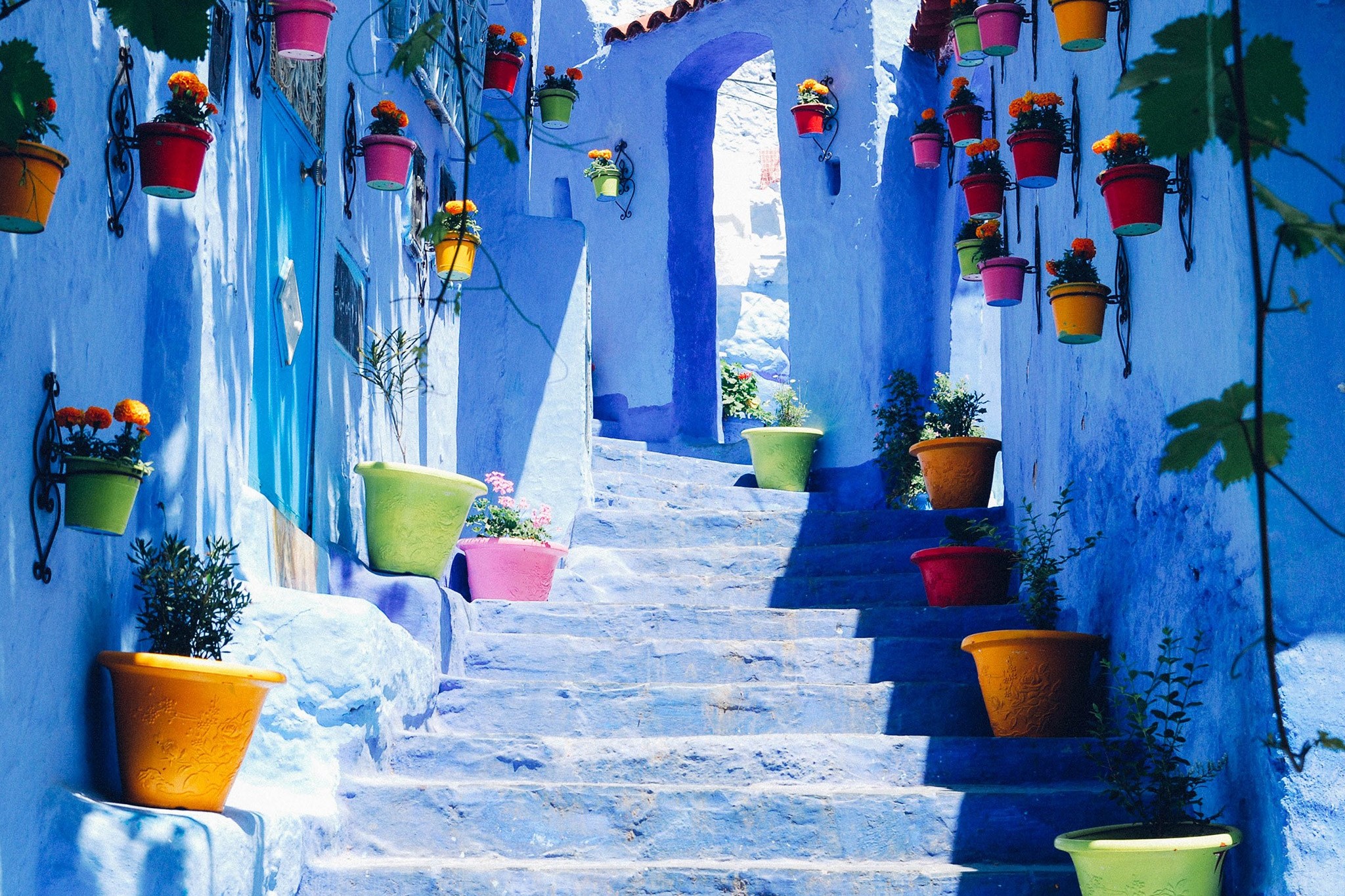
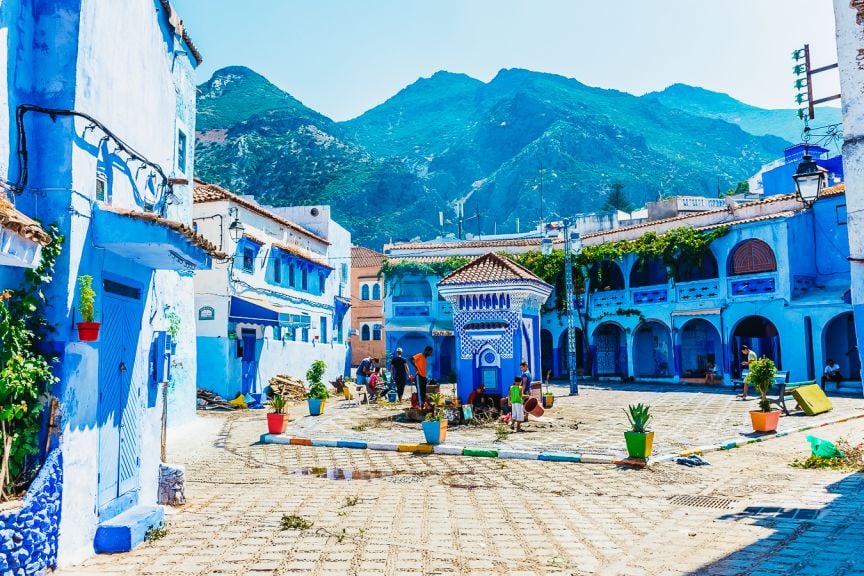
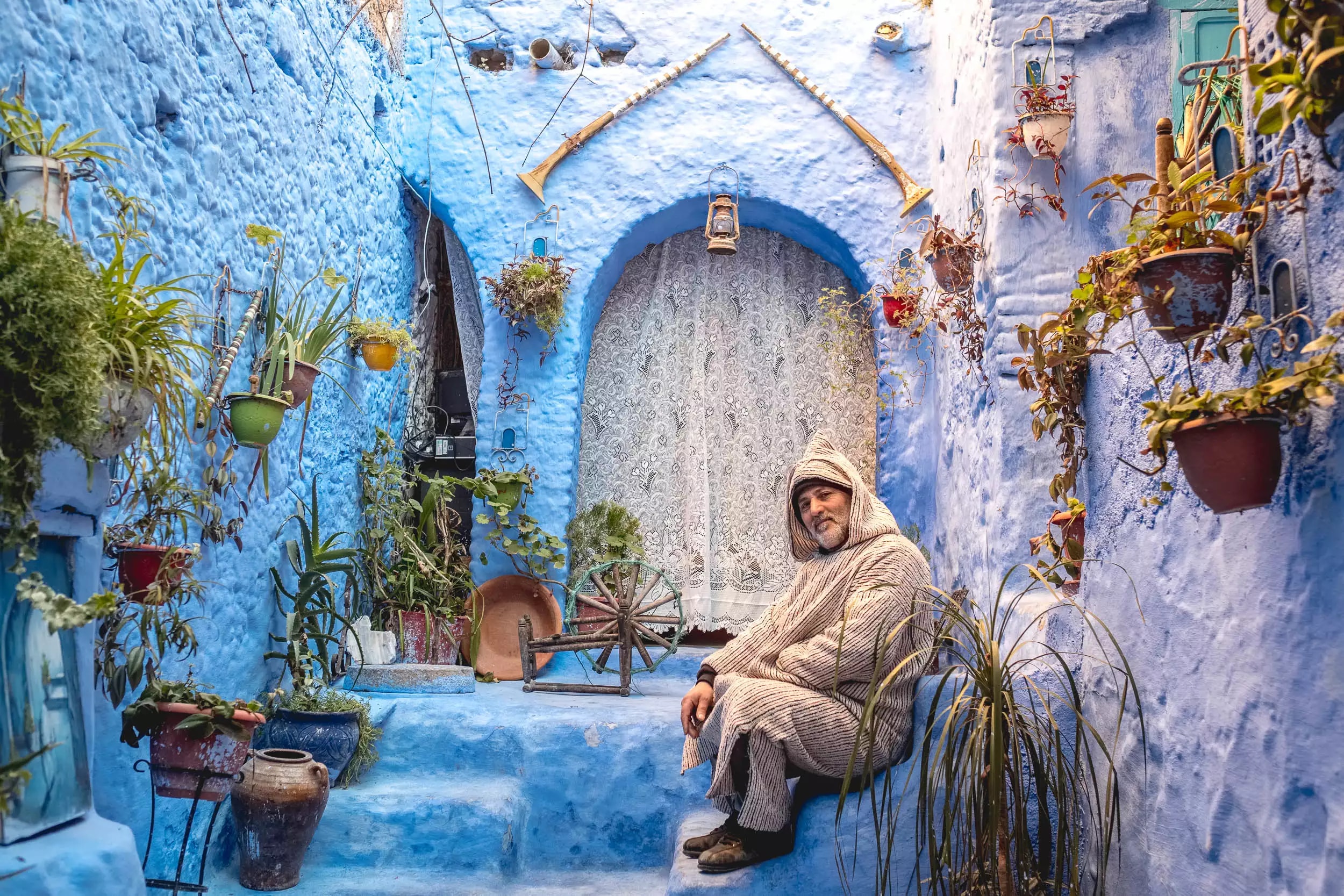
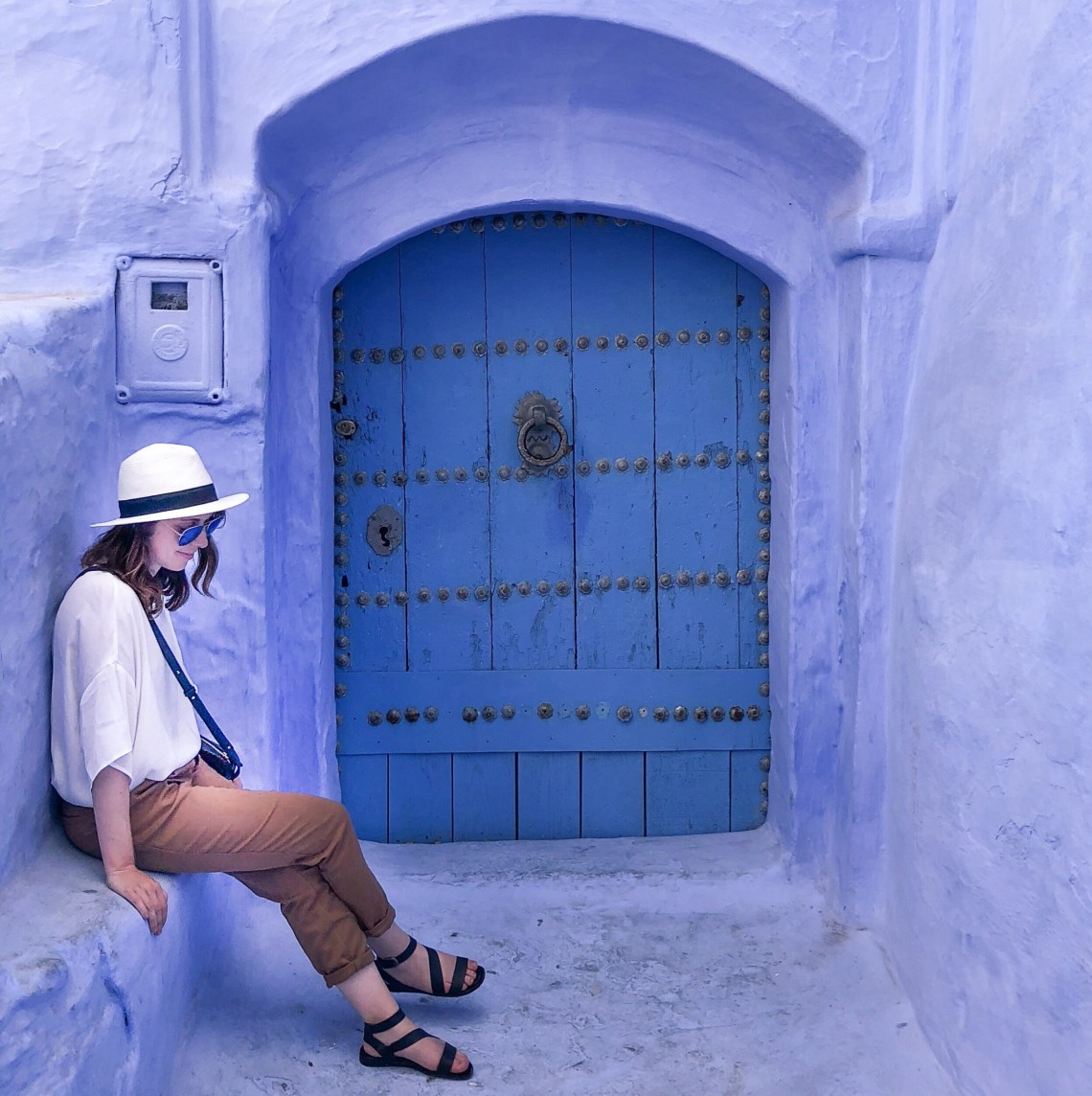
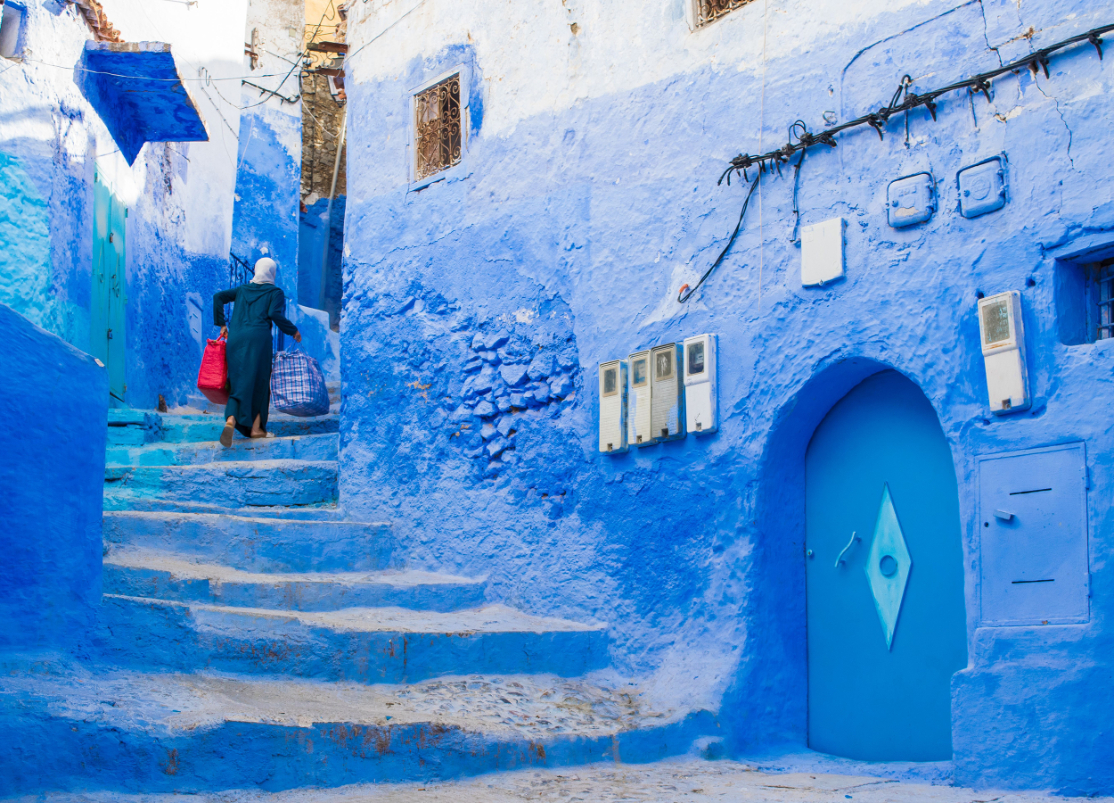
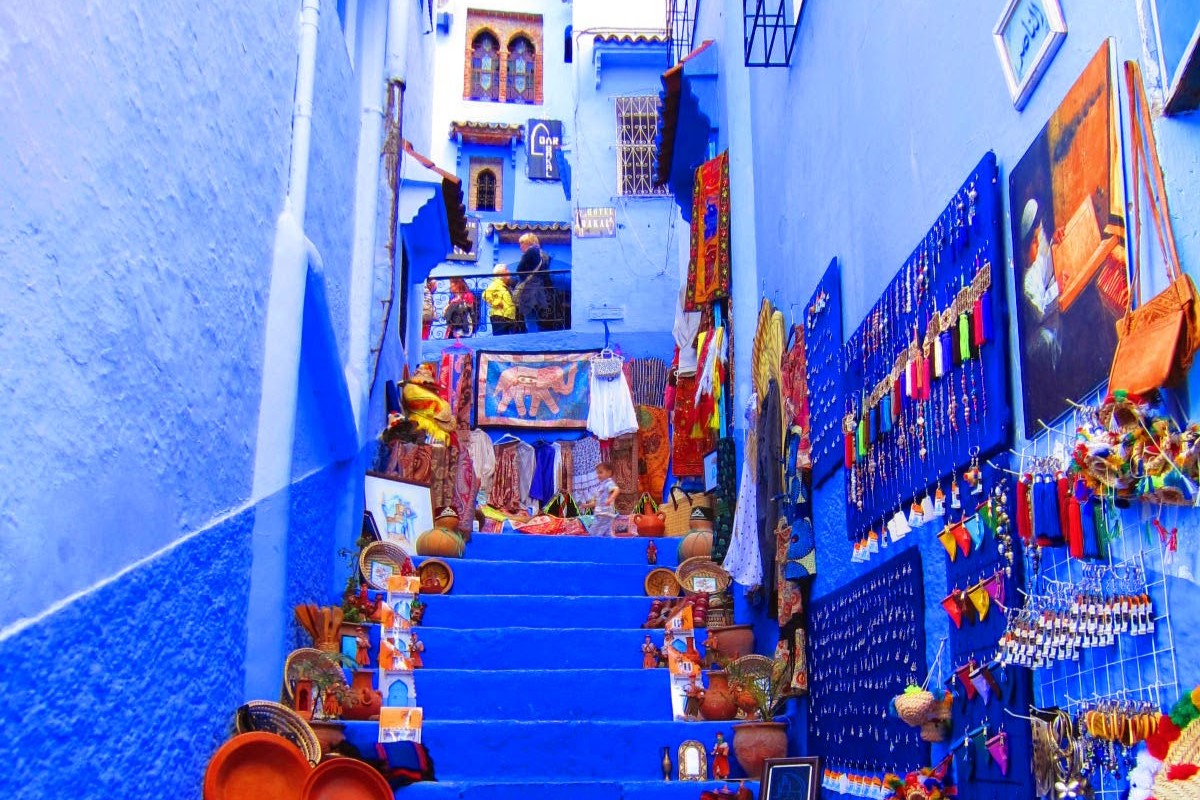
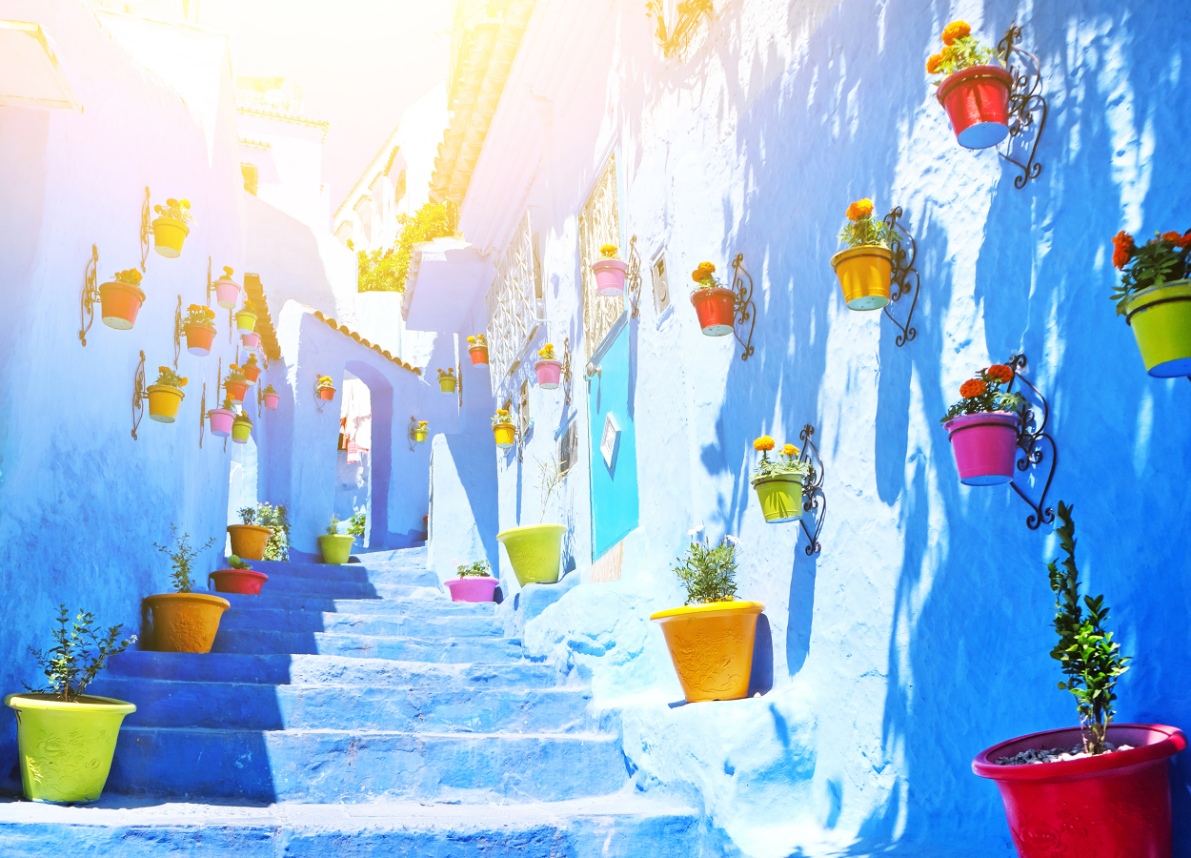
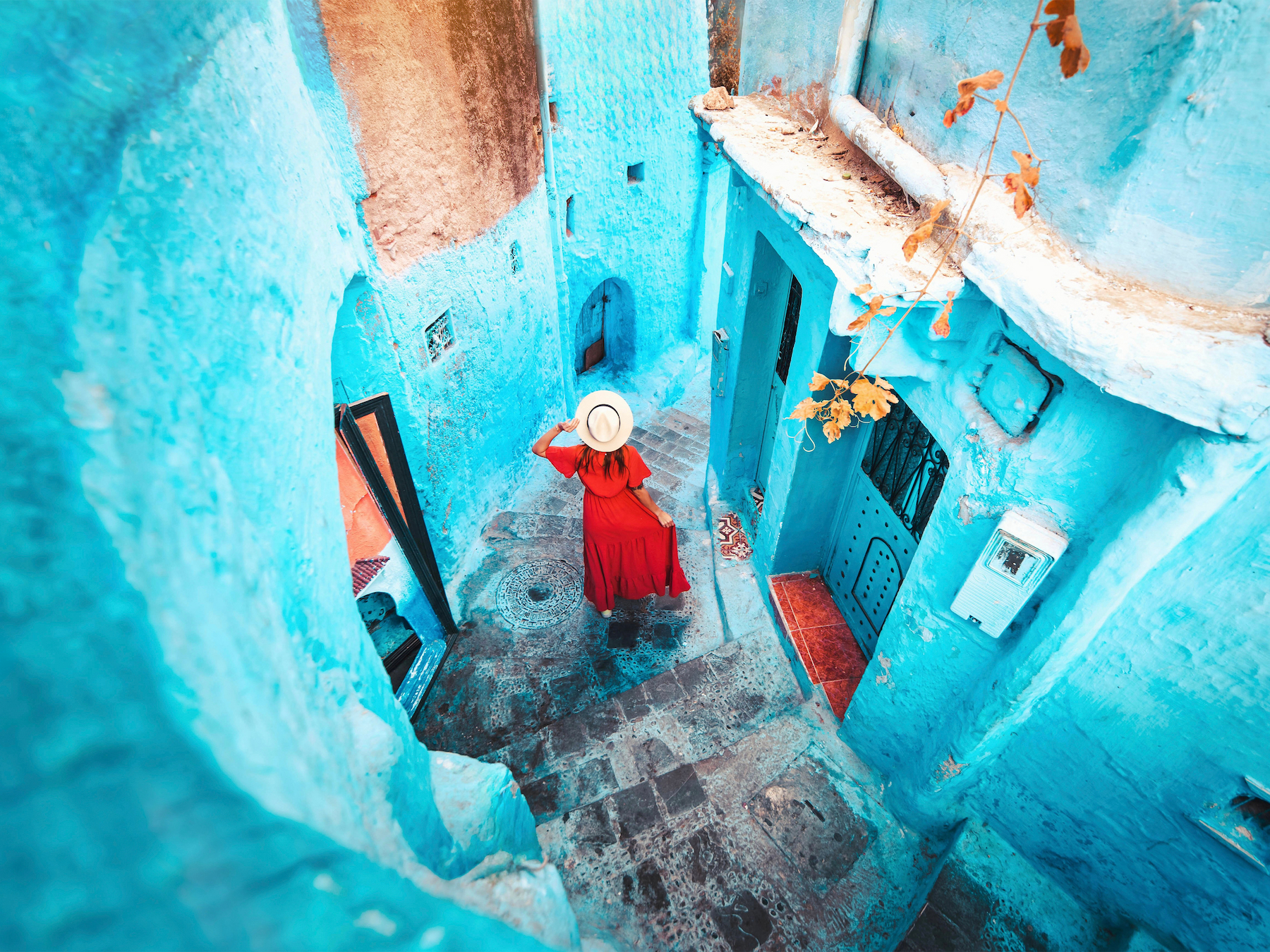
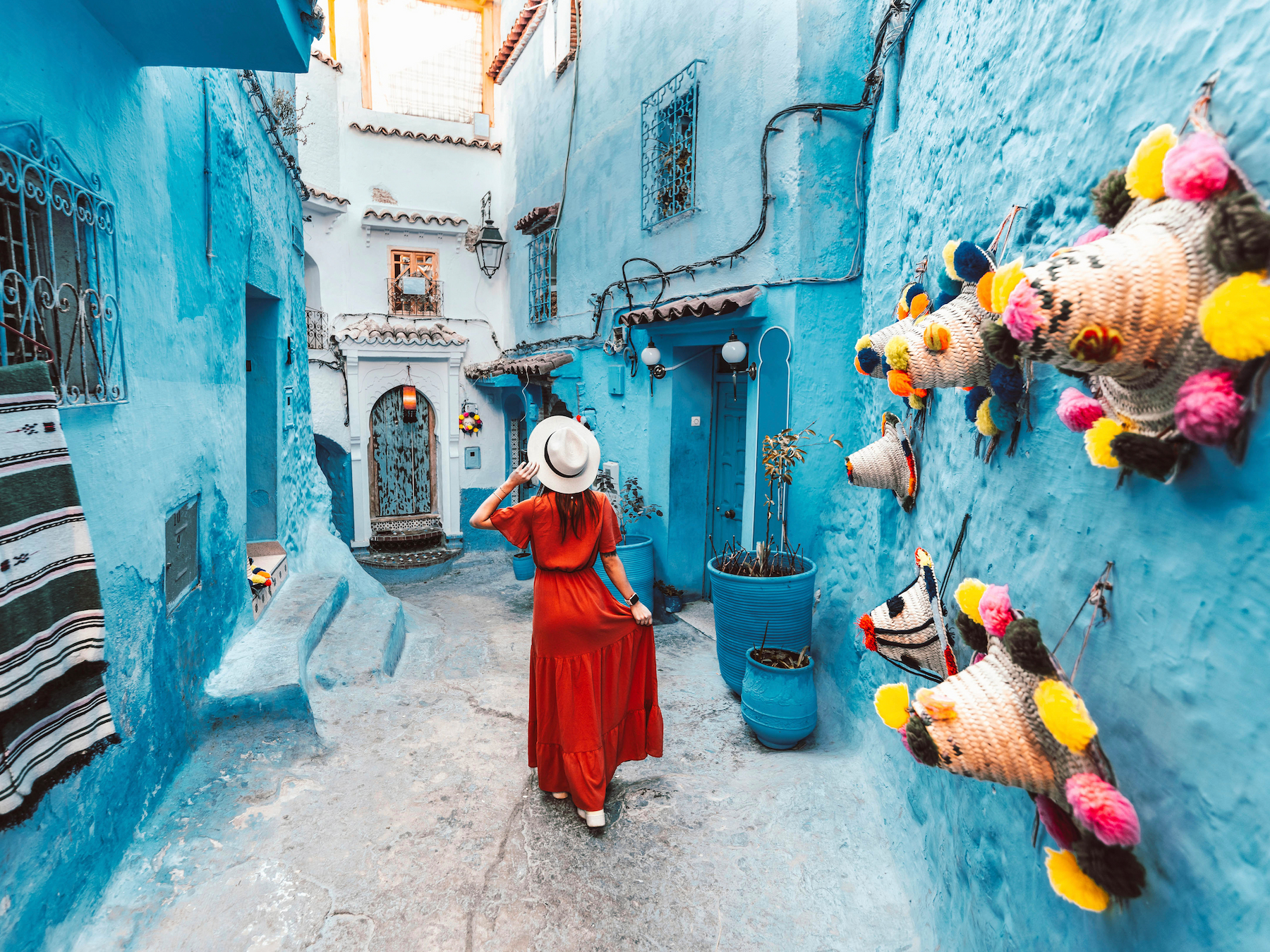
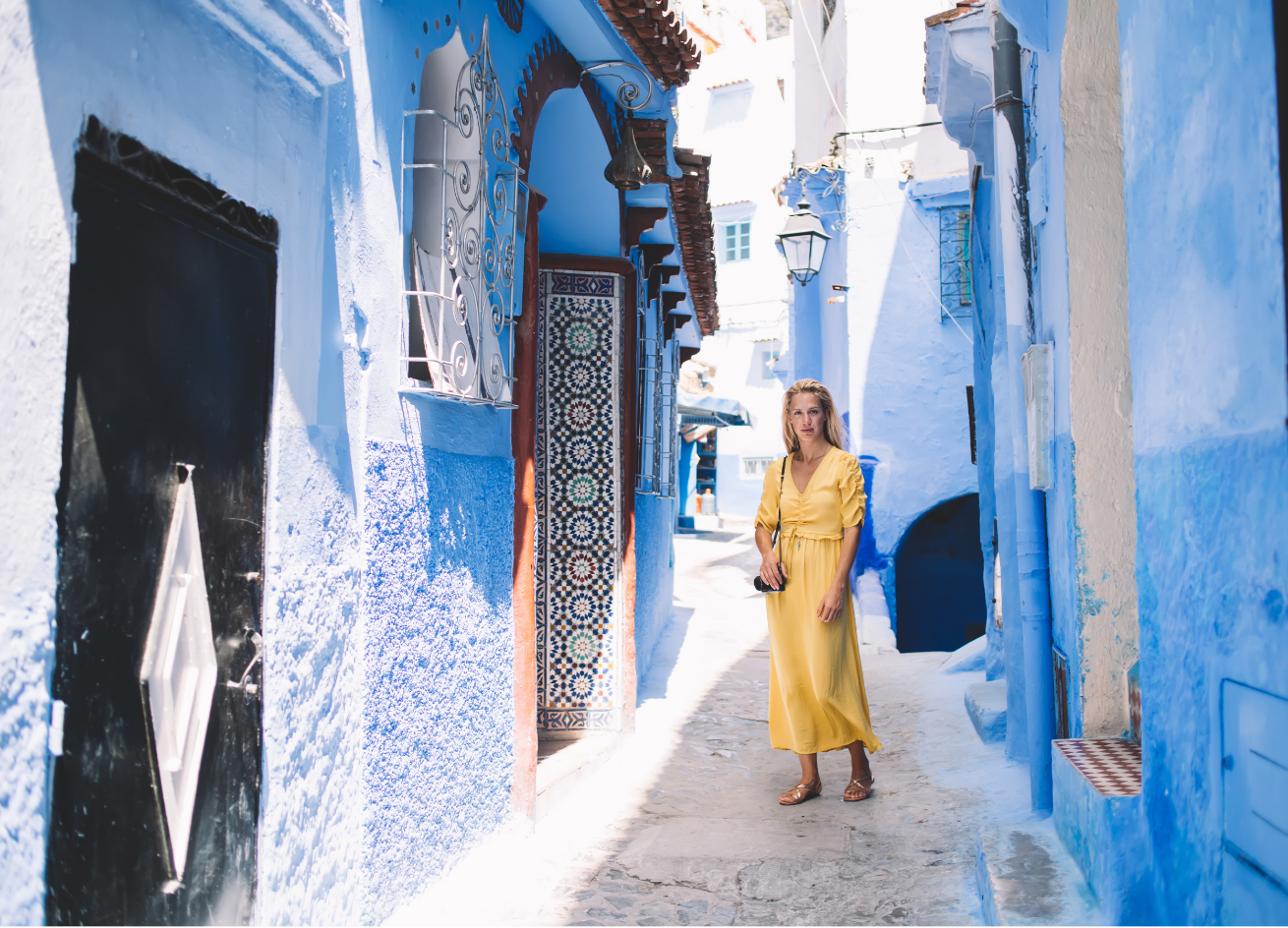
Drive to Chefchaouen, known as “The Blue City of Morocco”, which is also the main city in the Rif Mountain Region. The City is known for its blue walls and there are several theories for why the walls are painted blue. One theory is that the blue keeps mosquitos away and yet another is that Jews introduced the blue when they took refuge from Hitler in the 1930s. The blue is also said to symbolize the sky and heaven, and serve as a reminder to lead a spiritual life. Chefchaouen is also popular for shopping, make sure you get some souvenirs of native handicrafts that you will not find anywhere else in Morocco, such as wool garments and woven blankets. The main square in the medina is lined with cafes and filled with locals and tourist intermingle. Have lunch, shop, and stroll the Medina at your leisure. After your tour, drive back to Fez in the evening.
Available options
Fez > Chefchaouen Group
Pickup included
Fez > Chefchaouen
Private Tour<br/>Pickup included
What's included
Tour Fees and Guide Fees
What's not included
Attraction Entry Fees
Lunch
Available languages
Guide guide
AR
EN
FR
Important information
Infants are required to sit on an adult’s lap
Public transportation options are available nearby
Suitable for all physical fitness levels
Meeting point
Check-in is 15 minutes prior to the booked tour start time, please look out for the sign saying JD Morocco Tours.
Important notes
Check-in is 15 minutes prior to the booked tour start time, please look out for the sign saying JD Morocco Tours.
About Fez
Fez is the cultural and spiritual heart of Morocco, known for its ancient medina, a UNESCO World Heritage site, and the oldest university in the world, the University of al-Qarawiyyin. It offers a rich tapestry of history, architecture, and traditional crafts.
Top Attractions
Fez Medina
The Fez Medina is a UNESCO World Heritage site and one of the largest and best-preserved medieval old cities in the world. It's a labyrinth of narrow streets, bustling markets, and historic sites.
Historical/Cultural
Full day
Free to explore, fees for specific sites
Al-Qarawiyyin University
Founded in 859 AD, Al-Qarawiyyin is the oldest continuously operating university in the world. It's a significant cultural and historical site.
Historical/Educational
1-2 hours
Free
Bou Inania Madrasa
A beautiful example of Marinid architecture, this madrasa (Islamic school) is one of the few religious sites in Fez open to non-Muslims.
Historical/Architectural
30-60 minutes
Moderate
Chouara Tanneries
One of the last remaining traditional tanneries in the world, the Chouara Tanneries offer a glimpse into an ancient craft that has changed little over centuries.
Cultural/Industrial
30-60 minutes
Free (donations appreciated)
Bab Bou Jeloud
The main gate to the Fez Medina, Bab Bou Jeloud is a beautiful example of Moroccan architecture and a great photo opportunity.
Architectural
15-30 minutes
Free
Must-Try Local Dishes
Tagine
A slow-cooked stew made with meat, vegetables, and spices, served in a conical clay pot.
Dinner
Can be made with various meats or vegetables, some vegetarian options available.
Couscous
Steamed semolina grains served with vegetables and meat, often with a rich sauce.
Lunch/Dinner
Can be made with various meats or vegetables, some vegetarian options available.
Pastilla
A savory-sweet pie made with layers of thin pastry, filled with spiced pigeon meat, almonds, and sugar.
Lunch/Dinner
Contains meat and nuts.
Harira
A hearty soup made with lentils, chickpeas, tomatoes, and spices, often served during Ramadan.
Lunch/Dinner
Vegetarian and vegan options available.
Popular Activities
Hiking in the Rif Mountains
Horseback riding in the countryside
Spa and hammam treatments
Strolling through the gardens of the Royal Palace
Exploring the Fez Medina
Visiting historic sites and museums
Attending traditional music and dance performances
Experiencing a traditional hammam
Best Time to Visit
Spring (March to May) and Fall (September to November)
The weather is pleasant, with mild temperatures and lower humidity. This is the best time for sightseeing and exploring the city.
15°C to 25°C
59°F to 77°F
Practical Information
Language
- Official: Arabic, Berber
- Widely spoken: French, English (in tourist areas)
- English: Moderately spoken in tourist areas, limited elsewhere
Currency
Moroccan Dirham (MAD)
Time Zone
GMT+1
Electricity
220VV, 50HzHz
Safety Information
Overall Safety Rating: Generally safe, but exercise caution
Fez is generally safe for travelers, but petty crime and scams can occur, especially in crowded areas. Be aware of your surroundings and take precautions to protect your belongings.
Important Precautions:
- • Keep valuables secure and out of sight
- • Be cautious of strangers offering help or services
- • Use reputable tour operators and guides
Getting there
By air
- Fes-Saïss Airport • 15 km from city center
By train
Fez Railway Station
By bus
Fez CTM Bus Station, Fez Supratours Bus Station
Getting around
Public transport
Buses are the most common form of public transport in Fez. They are affordable but can be crowded.
Taxis
Available • Apps: None widely used
Rentals
Car, Bike, Scooter
Neighborhoods
Fez Medina
Fes el Jdid
Ville Nouvelle
Day trips
Meknes
60 km • Full day
Meknes is a historic city with a rich past, known for its imperial palaces, mosques, and the famous Bab Mansour gate. It offers a mix of history, architecture, and local culture.
Volubilis
80 km • Full day
Volubilis is a UNESCO World Heritage site and the remains of a Roman city. It's one of the most important archaeological sites in Morocco, offering a glimpse into the country's Roman past.
Chefchaouen
120 km • Overnight
Chefchaouen is a picturesque mountain town known for its blue-washed buildings, narrow streets, and relaxed atmosphere. It's a great place to escape the hustle and bustle of the city and enjoy the natural beauty of the Rif Mountains.
Festivals
Fez Festival of World Sacred Music • June
Fez Festival of Sufi Culture • April
Ramadan • Date varies (Islamic calendar)
Pro tips
- Hire a local guide to navigate the medina and learn about its history and culture
- Visit the Chouara Tanneries early in the morning to avoid the heat and crowds
- Try a traditional hammam experience for relaxation and rejuvenation
- Learn a few basic phrases in Arabic or French to enhance your interactions with locals
- Bargain politely in markets and souks, but be prepared to walk away if the price is not agreeable
From $25
per person
Price varies by option
Secure booking
Free cancellation available
Instant confirmation