Casa Gourgion Museum Ticket, Mdina
Active
30m - 1h
For a full refund, cancel at least 24 hours before the scheduled departure time.
Instant confirmation
Mobile or paper ticket accepted
About this experience
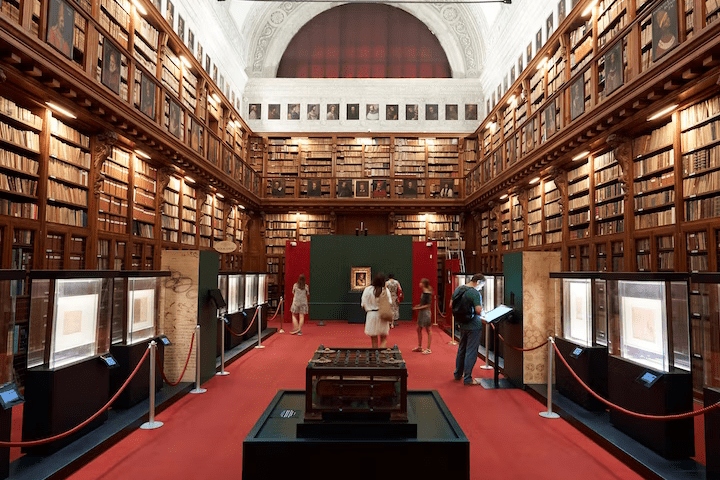
Discover the rich history of Casa Gourgion, a stunning Neo-Gothic residence in Mdina, originally built in the 19th century for Baron Giuseppe De Piro Gourgion. This house museum showcases the legacy and collection of the De Piro Gourgion family, offering a glimpse into Malta's noble past. Wander through meticulously restored rooms, each filled with unique artifacts and historical significance, and learn about the architectural evolution of this remarkable building in the heart of a fortified city with over 4000 years of history. A visit to Casa Gourgion is an essential experience for anyone interested in Malta's cultural heritage.
Available options
Family 2 adults + 2 children
Family: 2 adults + 2 children
Casa Gourgion House Museum Ticket, Mdina
5 adults
5 adults
What's included
Entrance fee
Government Fees
Audio guide in English on your own mobile device
Detailed itinerary
1
Welcome to Casa Gourgion, the Neo-Gothic residence of Baron Giuseppe De Piro Gourgion, known for his piety, eccentricity, and prominence in socio-political circles.
Casa Gourgion is a privately owned 19th-century nobleman’s home situated at the heart of Mdina, a fortified town boasting more than 4000 years of history.
The meticulously restored rooms showcase the architectural grandeur of the late 19th century, adorned with unique design elements that reflect the refined taste of Baron Giuseppe Depiro Gourgion (Pinu).
Explore a treasure trove of history with period furnishings and artifacts: each room is furnished with original pieces, offering a glimpse into the everyday life of Pinu.
Two permanent exhibitions are on display in the basement: 'Mdina Through The Ages' and a tribute to the life and works of the Casa Gourgion's Architect, Andrea Vassallo.
A self-guided audio tour accessible on your own mobile device allows you to explore Pinu's fascinating home at your own pace.
2
If you have just 30 minutes…
Head straight to Pinu’s Study to see his writing desk and leather armchair where he administered his public and private affairs. Here you will find some of the baron’s favourite antiques and prints along with original certificates reflecting Giuseppe’s key personal achievements and status.
From here, enter the Reading Room equipped with a traditional Maltese wooden balcony from where the baron would have contemplated scenic views of Mdina’s main piazza while seated in his cabriolet chair. Subsequently, venture into Pinu’s Master Bedroom and Bathroom to get a better idea of the baron’s private life when not in the public eye.
Admire the Gourgion four-poster bed and fireplace as well as the magnificent gold-gilded mirror where Giuseppe spent several hours perfecting his signature dandy look. Finally, head up to the rooftop terrace and take in stunning views of the Cathedral Square and the surroundings of the old capital and beyond.
3
If you have 60 minutes…
Spend some time in the Parlour and Sitting Room areas on the ground floor where to get a sense of the baron’s acquired taste for fine arts and antiques and his lavish sense of style.
Just left of the main hall, explore the intricately decorated Dining Room where Giuseppe would have entertained family, friends, and important religious and socio-political figures with his ceremonious luncheons and dinners. Admire the baron’s fine collection of silver and crockery before ending your visit back at the reception area where you can admire the floral stone decorations and faces of ‘putti’ or cherubs on the internal ceiling designed in the Italian Art Noveau style known as the ‘Stile Floreale’.
Observe the armorial shields of the De Piro Gourgion and Sceberras families placed above the doorways within the central hallway where above the main entrance you can take in the splendor of one of Casa Gourgion’s polychromic rose windows before exiting onto the main piazza.
4
If you have 90 minutes…
Explore our basement exhibition, accessible from the museum’s secondary staircase where our ‘Mdina Through The Ages’ temporary exhibition will transport you back in time through key 19th and 20th century milestones in the history of the Citta’ Notabile.
Descend below to view Casa Gourgion’s Private Washroom and Kitchen where Pinu’s household staff would have spent most of their time handling the baron’s laundry and preparing scrumptious meals and delicacies for Giuseppe and his highly esteemed guests.
View our unique feature on wartime Mdina before finishing your visit in the Andrea Vassallo Room, a space dedicated to celebrate the life and career of architect Andrea Vassallo (1856-1928) the author and hidden genius who designed the Neo-Gothic architectural folly that is Casa Gourgion. Finish your visit and lounge in our back garden where you can take in the house’s historic setting and also view our custom-made range of souvenirs and merchandise.
Available languages
Audio guide
EN
Important information
Public transportation options are available nearby
Suitable for all physical fitness levels
Important notes
A direct entry ticket for Casa Gourgion will be sent to you 1 day prior to your visit via
the Viator/Tripadvisor platform. The direct entry ticket may be presented at Gourgion either electronically or in printed form.
About Mdina
Mdina, the ancient capital of Malta, is a fortified medieval city known for its rich history, stunning architecture, and tranquil atmosphere. Perched on a hill, it offers breathtaking views of the surrounding countryside and the island of Malta.
Top Attractions
St. Paul's Cathedral
St. Paul's Cathedral is a Baroque masterpiece and the most prominent landmark in Mdina. It is dedicated to St. Paul, who is said to have stayed in Mdina after his shipwreck on Malta.
Religious
1 hour
Free entry, donations welcome
Palace of the Grand Master
The Palace of the Grand Master is a historic building that served as the residence of the Grand Masters of the Knights of St. John. It now houses the Malta Experience, a multimedia show about the island's history.
Historical
1-2 hours
€10 for the Malta Experience
Mdina Dungeons
The Mdina Dungeons offer a glimpse into the dark history of the city. These underground chambers were used for various purposes, including as a prison and torture chamber.
Historical
30-45 minutes
€5
St. Paul's Pro-Cathedral
St. Paul's Pro-Cathedral is a beautiful neo-Gothic church located in Mdina. It is dedicated to St. Paul and is known for its stunning architecture and intricate details.
Religious
30-45 minutes
Free entry, donations welcome
Must-Try Local Dishes
Pastizzi
A flaky pastry filled with either ricotta cheese or mushy peas. A popular Maltese snack.
Snack
Vegetarian
Ftira
A traditional Maltese bread, often served with various fillings such as tuna, olives, and capers.
Bread
Vegetarian (check fillings for specific dietary needs)
Rabbit Stew
A traditional Maltese dish made with rabbit meat, garlic, wine, and herbs.
Dinner
Contains meat
Popular Activities
Hiking in the countryside
Exploring historical sites
Enjoying a tea at Fontanella Tea Garden
Strolling through the quiet streets of Mdina
Visiting St. Paul's Cathedral
Exploring the Mdina Dungeons
Not applicable
Enjoying the mild winter weather
Best Time to Visit
Spring (March to May) and Autumn (September to November)
The best time to visit Mdina is during the spring and autumn when the weather is pleasant, and the tourist crowds are smaller. These seasons offer ideal conditions for exploring the city's historical sites and enjoying the scenic views.
18°C to 28°C
64°F to 82°F
Practical Information
Language
- Official: Maltese, English
- Widely spoken: English, Italian
- English: Widely spoken
Currency
Euro (EUR)
Time Zone
GMT+1 (CET), GMT+2 (CEST) during daylight saving time
Electricity
230VV, 50HzHz
Safety Information
Overall Safety Rating: Generally safe
Mdina is generally safe for travelers, with low crime rates. However, as with any destination, it's important to take standard precautions to ensure a safe and enjoyable trip.
Important Precautions:
- • Keep valuables secure
- • Use licensed taxis
- • Be cautious of pickpockets in crowded areas
Getting there
By air
- Malta International Airport • 15 km from Mdina
By bus
Valletta Bus Terminal, Birkirkara Bus Terminal
Getting around
Public transport
Buses are the primary mode of public transport in Malta. They are affordable and connect most parts of the island, including Mdina.
Taxis
Available • Apps: eCabs, Bolt
Rentals
Car, Bike, Scooter
Neighborhoods
Mdina
Day trips
Rabbat
5 km from Mdina • Half day
Rabbat is a small town located near Mdina, known for its historical sites and cultural attractions. It is home to the Wignacourt Museum and the St. Paul's Cathedral Museum.
Rabato
3 km from Mdina • Half day
Rabato is a small village near Mdina, known for its historical sites and cultural attractions. It is home to the St. Paul's Pro-Cathedral and the Mdina Gate.
Baħrija
8 km from Mdina • Half day
Baħrija is a small village located near Mdina, known for its beautiful countryside and historical sites. It is home to the Baħrija Tower and the Baħrija Valley.
Festivals
Feast of St. Publius • Mid-June
Pro tips
- Visit Mdina early in the morning or late in the afternoon to avoid crowds and enjoy the peaceful atmosphere.
- Explore the narrow streets and hidden alleys to discover the city's charm and hidden gems.
- Combine a visit to Mdina with a day trip to nearby towns and historical sites for a comprehensive Maltese experience.
- Try traditional Maltese pastries and snacks, such as pastizzi and ftira, at local bakeries and cafes.
- Stay in a historic palace or boutique hotel in Mdina for a unique and authentic experience.
From $25
per person
Price varies by option
Secure booking
Free cancellation available
Instant confirmation