Bali Full Day Tour - Bali Temple Tour
Active
11h
For a full refund, cancel at least 24 hours before the scheduled departure time.
Instant confirmation
Mobile or paper ticket accepted
About this experience
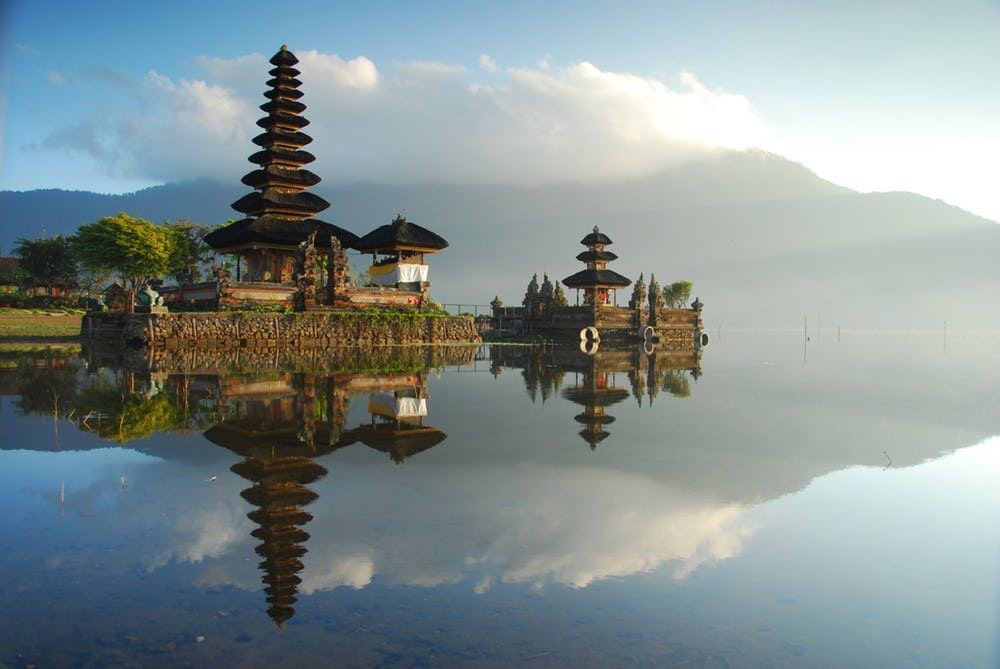
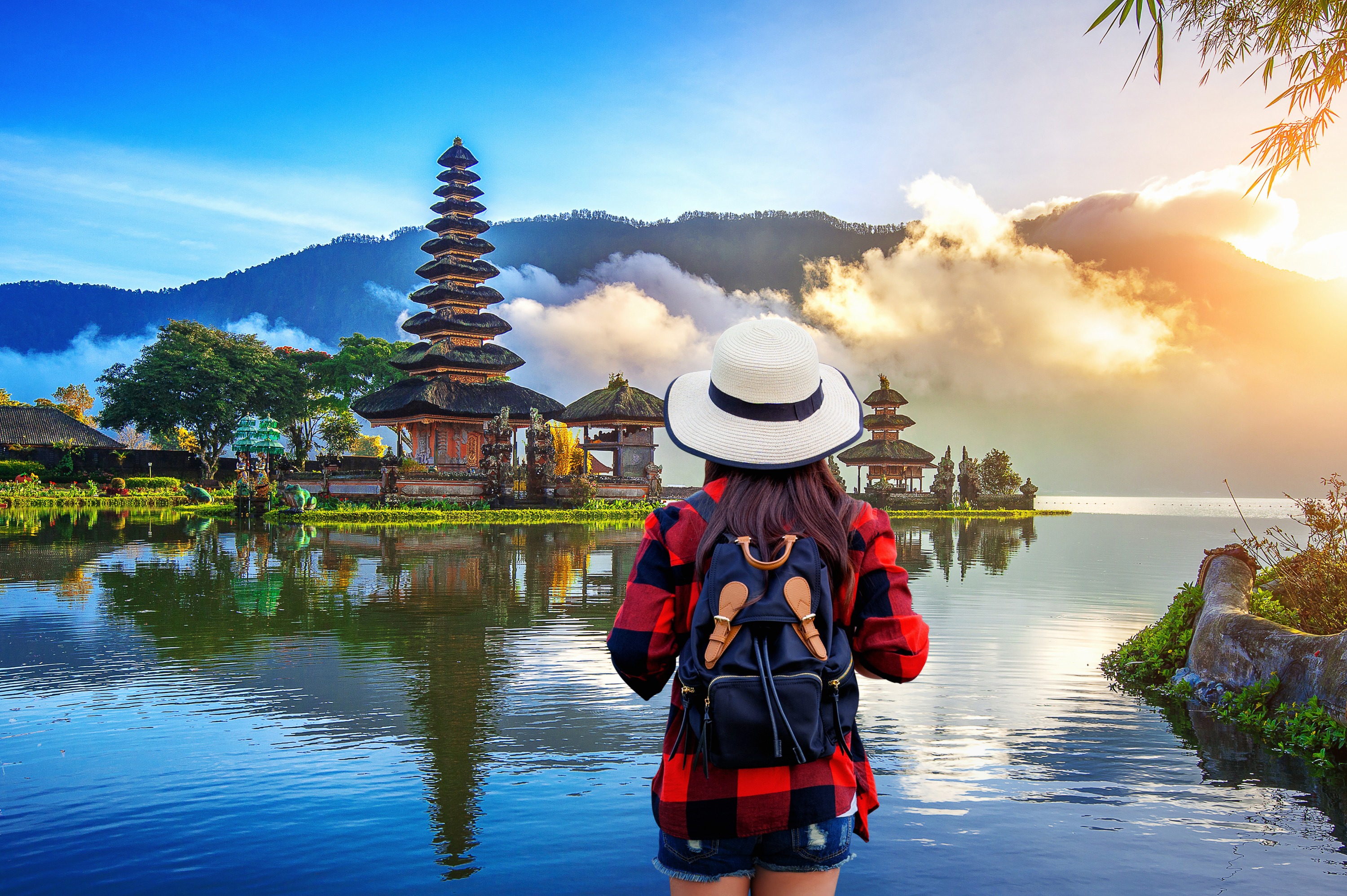
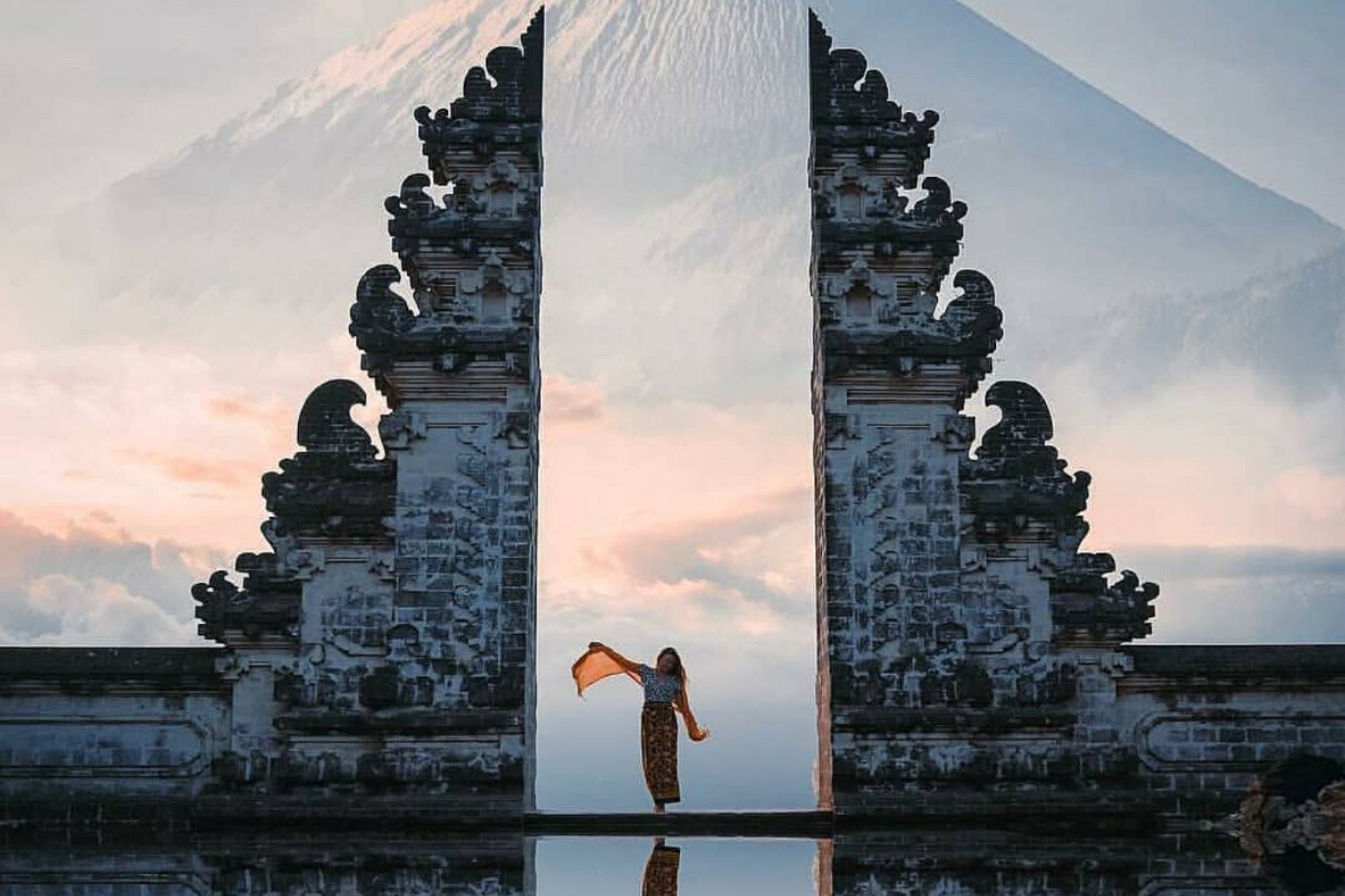
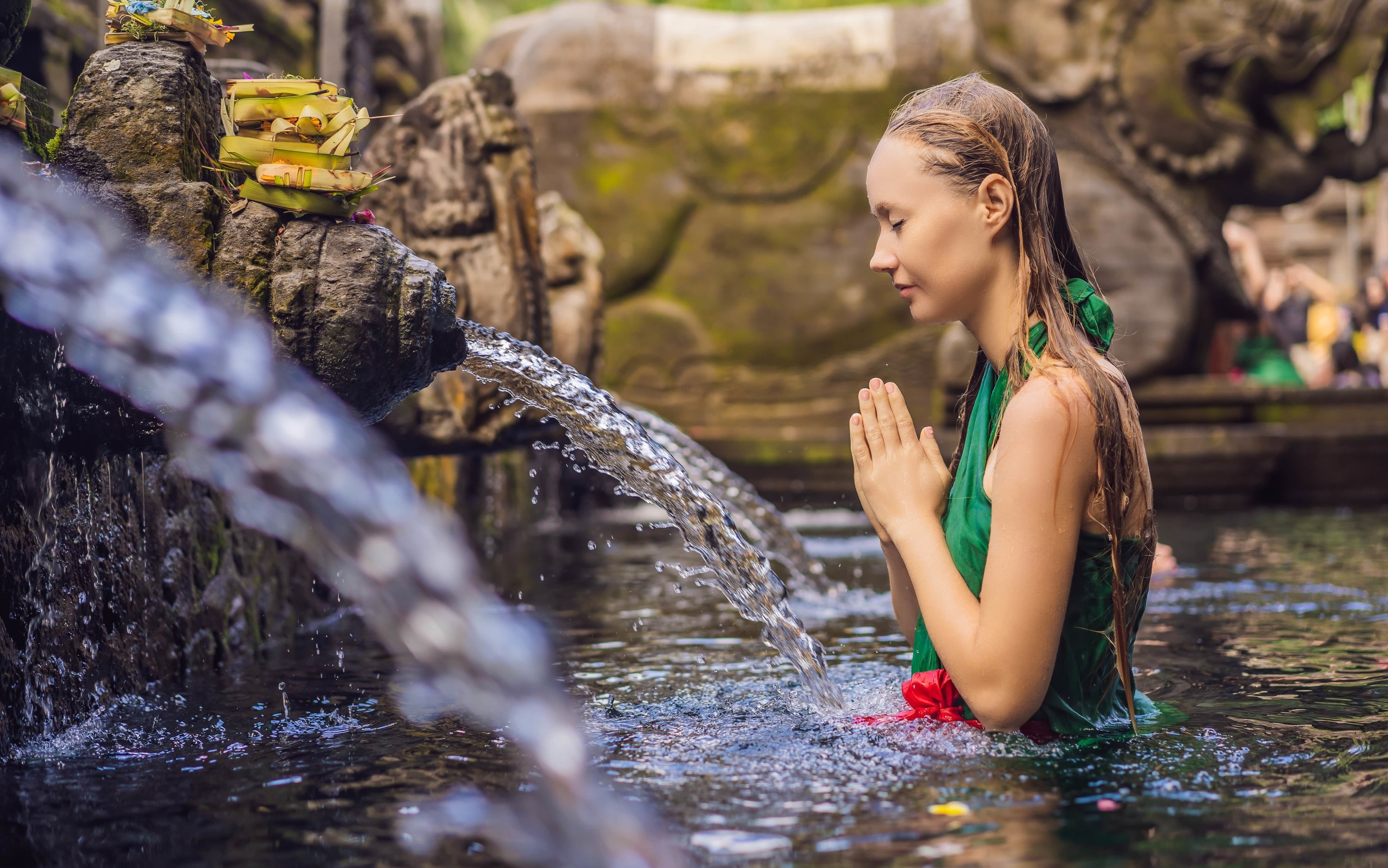
Bali is known as the island of a thousand temples and unique culture. On this tour we offer special tour to visit some temple are very famous and fantastic, and see the Balinese culture.
Available options
Bali Full Day Tour - Bali Temple Tour
Pickup included
What's included
english speaking driver or tour guide
Lunch
entrance fee at all tourist destinations
private full AC car
Detailed itinerary
1
Batubulan to see Barong ans Kris dance.
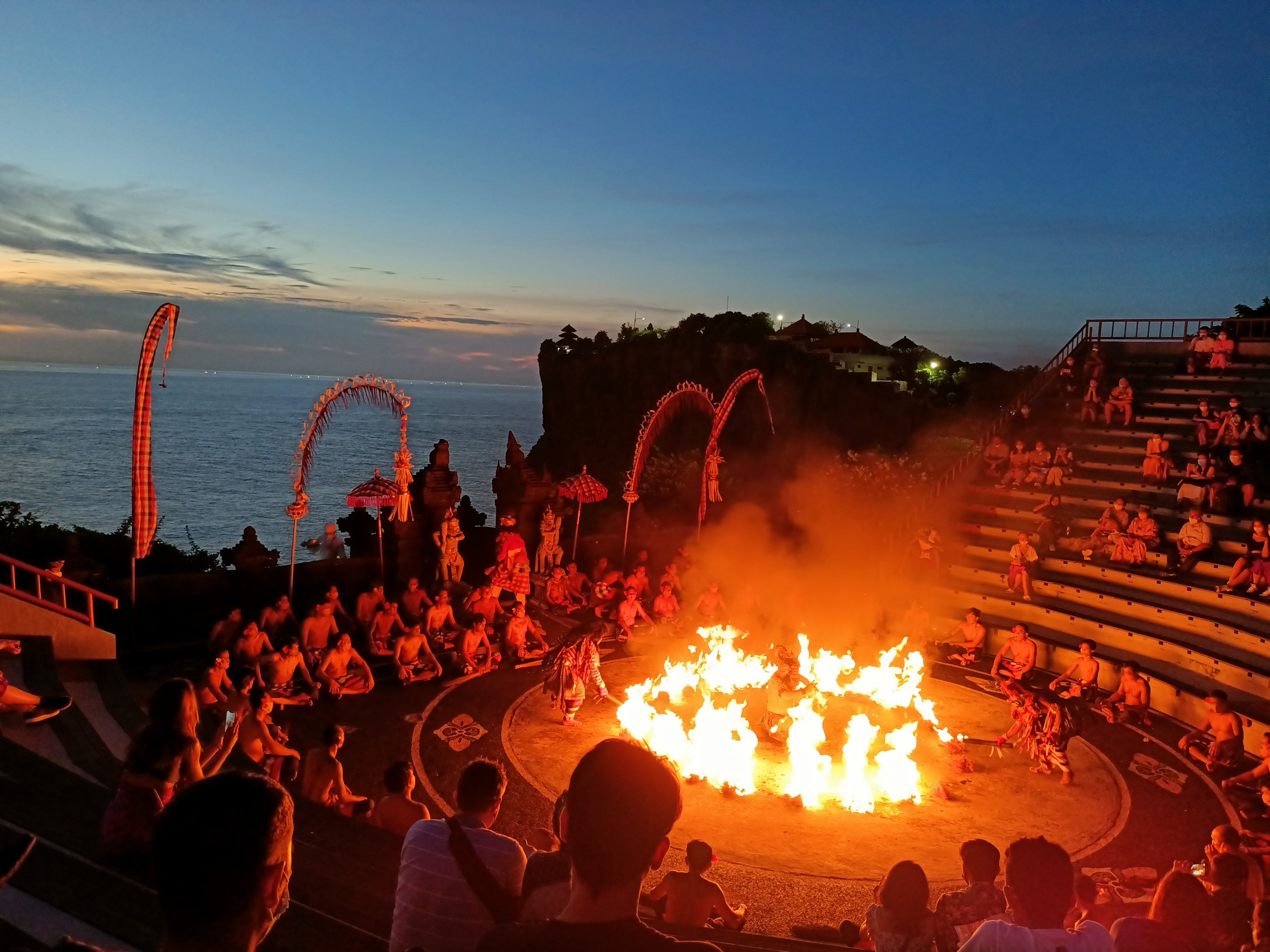
Batubulan others great claim to fame is trance - every morning at 9.30 sharp. Here you can witness the eternal conflict between Ratu Barong, the faithful guardian of community, who looks like an overdressed cross between a lion and a Pekinese dog, and the pendulous-breasted Rangda, denomic mistress of the graveyard. At the height of the drama, Barong’s entranced acolytes turn their serpentine-bladed krises upon themselves, ussully with no ill effect. Even the Balinese, who find a trance state easy to slip into, draw the line at trancing every day, so they have invented more mundane tricks to avoid being wounded by their sharp blades. The Barong dance, as the perfomance has recently been renamed for accuracy, is nonetheless an impressive spectacle, and it is not unusual for one or teo of the players to unexpectedly drop into a gunuine trance. Three very professional groups perform the Barong Dance each morning. Barong and kris dance is included in the bali nature holiday package that we offered to you.
2
Stop 2
Batuan Village as Trinity temple.
Our bali nature holiday package will visit this temple because there is a healthy population here of every religious sect and caste, each requiring its own complete set of temples, Batuan boasts more iteresting temples than many far larger villages. Probably the most impressive among these is the Pura Puseh Batuan ( the Temple of origin, literally the “Navel Temple” ), a short distance down a secondary road heading west from the crossroad, where the main road takes a sharp right-angle turn to the north. Directly opposite a large meeting hall, the temple is difficult to miss as a pair of six-foot stone raksasa ( guardian giants ), standing either side of the road, guard the approach from both directions. Almost all the sculpture on this temple, whether dating from past centuries or made for the 1992 restoration, combine superb technical craftsmanship with imaginative personality. The newly rebuilt gedong rum, a three-tiered rectangular shrine on east side of the inner courtyard, and the meru alit, the shrine next to it, both with traditional murals of the gods beneath their eaves, are fine example of what is still possible in sacred Balinese architecture. The lively stone faces growing out of a floral scroll at the base of the meru alit are particularly striking. The earnest scholar can profit from the small signs which name each of the temple’s shrines in both Balinese and modern Indonesia text for benefit of worshipers who do not wish to misplace their offerings. A doorway through the west wall, flanked by two reclining rams, leads to an unusual water garden whose massive gate, reminiscent of Javanese Hindu temple, and pond have been freshly restored for the first time since their collapes in the eartquake of 1917. At the center of the pond is Bedawang, the cosmic turtle upon whom the universe rests. In a peaceful corner, an orderly array of broken statues and architectural details, casualities of the earthquake, await their turn to be incorporated in future restorations of the pavilions.
3
Stop 3
Goa Gajah Temple
Our bali nature holiday package offer and will visit one of famous temple in Bali called Elephant Cave Temple. About a mile due east from southern Peliatan, the road crosses a stone bridge over the long-accursed Petanu River and reaches the vast bus-park and gauntlet of souvenir stalls which must be negotiated before climbing down to the great head hewn from living rock Goa Gajah. No one is sure what the figure represents, but the monstrous face, whose fanged mouth is the entrance to a man-made cave, appears to represent an earth spirit clawing its way out of the cosmical array of animals and phantoms. According to 14th-century Javanese scribes, this was one of Bali’s principal Buddhist santuaries. Yet in the dark tunnels of it’s cave we find Hindu linggas and a statue of Siwa’s son Ganesha, the elephant God of Hinduism. At every turn one is confronted with elements of both religions, ranging from the 8th to 14th centuries, suggesting that Bali’s religiuos syncretism goes back a very long way. To the left of the cave is small shrine housing a 1000-year-old statue of the Buddhist goddess Hariti, protector of children, surrounded by a brood of her young charges. Hariti had been a notorious baby-eating ogress until Buddhism changed her wicked ways. At the bottom of the ravine some unusual broken fragments of collapsed cliff have been found with very old and rare relief carvings of delicate stupas in the style of 8th-century Java. Farther on are two small Buddhas in the lotus position, also tentatively dated to the time of the great Javanese monument, Borobodur. Beyond the Buddhas lies the entrance to what may have been a hermit’s cave. So far, it has been excavated to a depth of only 30 feet; whatever lies beyond that remains a mystery.
Elephant Cave
In the 1920’s, the first Westerner seeing the head carved at Goa Gajah thought it was the face of an elephant. From this the site earned its name “Elephant Cave” , although the name Lwa Gajah meaning “Elephant Water” is far more ancient. Many Balinese insist the carving is a self-portrait of the giant, Kebo Iwa.
Bathing Pool
The top halves of several life-sized nymphs, clearly water spouts, once guarded the mouth of the Goa Gajah cave, but a 1954 excavation revealed the rest of their bodies some distance away in a large sunken bathing place that had been buried for centuries.
4
Gunung Kawi.
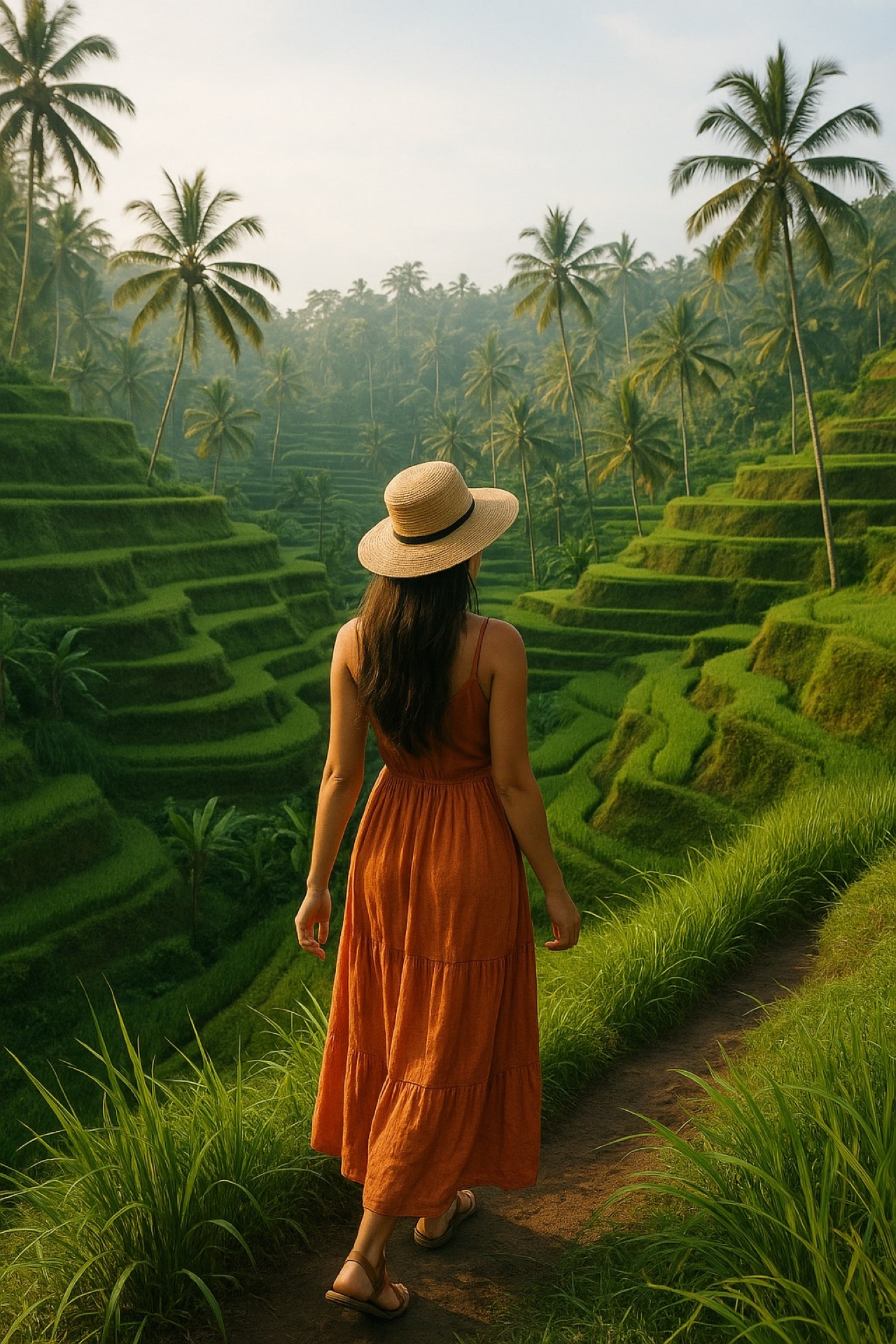
These 11th century tomb, carved out of the rock face of the gorge of the Pakerisan River, are approached by a step descent through breat-taking rice terrain scenery. Historically, the tomb probably have some connection with King Anak Wungsu. Across to the gorge are some more impressive tombs that were the resident meditation caves of the holy men who were the keeper of the tomb.
5
Stop 5
Kintamani to explore coffee plantation and Batur volcano.
Kintamani and Batur Volcano
This village will visit on our daily bali nature holiday package and Kintamani Village is Batur Volcano and creater lake.
1500 meters high, the village of Kintamani has a cool, damp climate suited to growing oranges and passion fruite and on martket day, which falls every third day, the main street becomes a bustling chaos of vendors, some of whom have travelled from far away, carrying their wares on horseback.
Batur
In 1926, during the violent eruption of Mt.Batur, the original village of Batur, at the sourthern foot of the mountain, was totally destroyed. The villagers, unharmed but homeless, moved up into the high ridge overlooking their original home, and began the task of rebuilding their temple, Pura Ulun Danu. Work on this temple is still underway, and they are creating one of the most impressive temples on the island. It’s strark meru towers stand out againts the backdrop of the smoking volcano.
Temen Village of Coffee Plantation
The village of the best producer of bali coffee and the village is also a producer of Luwak coffee, firstly the civet in this village were hunted by residents to make satay because they were considered pests, and after they learned from laboratory tests that the coffee from civet droppings was the best coffee and beneficial to the health of the body, the civet is now preserved in Bali,
The benefits of civet coffee are: Improve stamina, Lower cholesterol, Improved sexually, etc. Civet coffee is sold a little expensive, in Bali Rp 50,000 per glass is sold and for per kilogram is around Rp 1,000 000. In addition to civet coffee in the village, it is also produced in traditional ways such as: Coffee ginseng, Bali copy, Coconut coffee, Etc.
The process of coffee in this village is still very traditional and guaranteed 100% without preservatives or other chemicals. We also enter the map on some of our tour schedules to look directly at this coffee garden and see the process, and introduce to you, in addition to seeing this beautiful coffee garden, you can also try all their home-made coffee for free. , if you want to try Luwak coffee you will be charged a fee of IDR 65,000 / cup.
6
Stop 6
Besakih of Mother temple or biggest temple in Bali,
Bali’s largest and most famous temple, Pura Besakih, is situated high on the slopes of Mount Agung. Established around about 1007 A.D., it has been regarded as the major temple on the island of Bali, focal point of the Hindu religion, since the 15th Century. Each regency of Bali has its own sub-temple within the great Besakih complex, and all Balinese pay homage here. There are 18 separate sanctuaries, all belonging to different affiliations and caste groups. The three major temples are Pura Penataran Agung, once belonging to the royal family of Klungkung, dedicated to the Supreme God Sang Hyang Widi Wasa, Pura Kiduling Kreteg, dedicated to Brahma, and Pura Batu Medog, dedicated to Wisnu. Each of these temples has a reguler six-monthly anniversary celebration or odalan, and on the full moon of the tenth month, “Kedasa” , the entire temple celebrates a visitation of the gods. “Bhatara Turun Kabeh” , and roads are packed with busloads, bemoloads, and even truckloads of visiting worshippers bearing offerings from afar. The ceremonies last for ever a week. During this period the temple is filled with magnificent offerings.
Available languages
Guide guide
EN
Reviews breakdown
Viator
4.0
2 reviews
5★
1
4★
0
3★
1
2★
0
1★
0
Tripadvisor
4.8
5 reviews
5★
4
4★
1
3★
0
2★
0
1★
0
Important information
Wheelchair accessible
Infants and small children can ride in a pram or stroller
Public transportation options are available nearby
Infants are required to sit on an adult’s lap
Suitable for all physical fitness levels
About Kuta
Kuta is a vibrant coastal town in Bali, renowned for its stunning beaches, world-class surfing, and lively nightlife. It's a perfect blend of natural beauty, adventure, and cultural experiences, making it a top destination for travelers seeking both relaxation and excitement.
Top Attractions
Kuta Beach
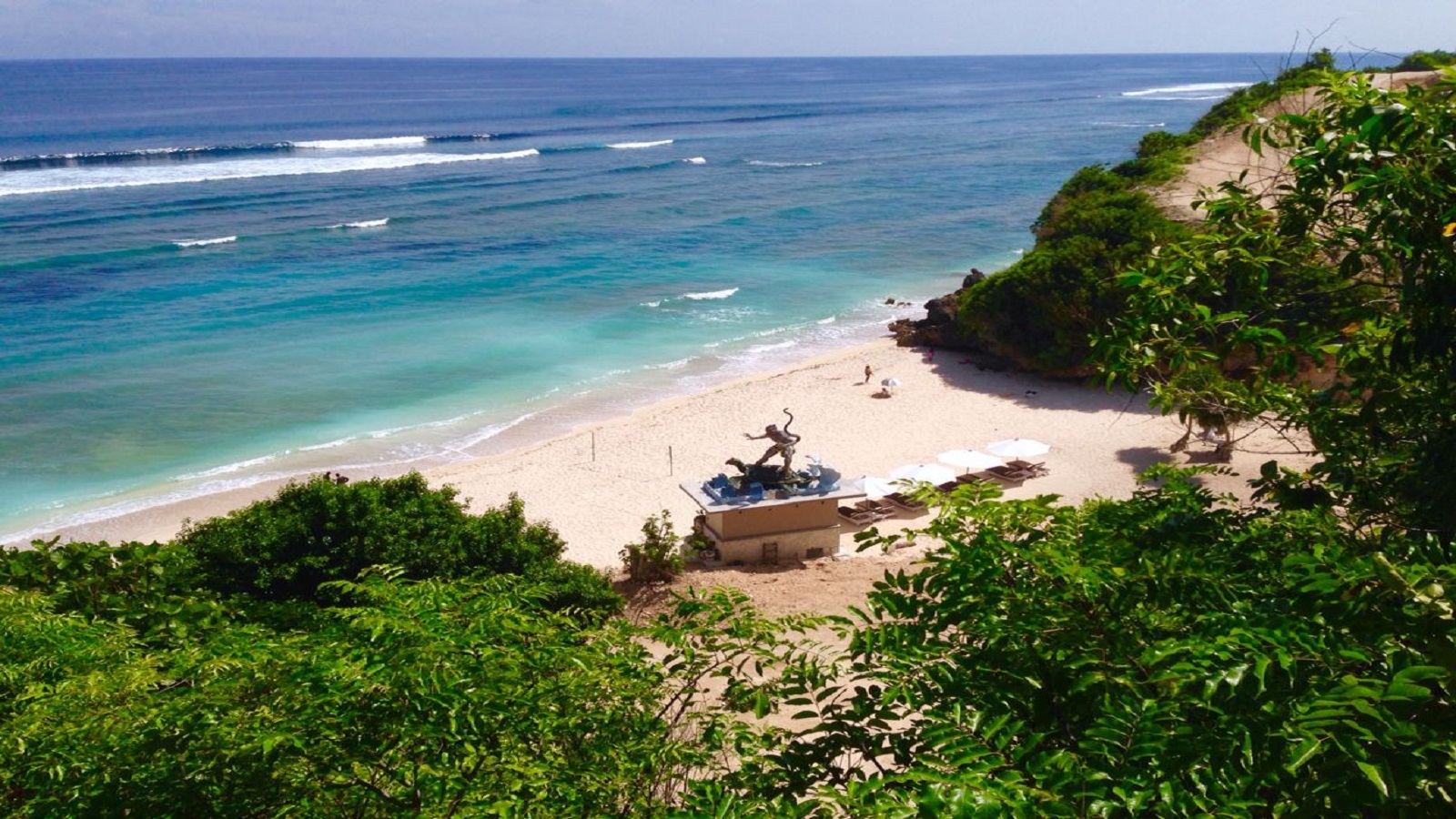
Kuta Beach is the most famous beach in Bali, known for its white sand, clear waters, and stunning sunsets. It's a popular spot for surfing, swimming, and beachside relaxation.
Beach
Half day to full day
Free
Waterbom Bali
Waterbom Bali is one of the world's best water parks, featuring a variety of slides, pools, and attractions for all ages.
Entertainment
Full day
Moderate (around 400,000 IDR for adults)
Discovery Shopping Mall
Discovery Shopping Mall is a large shopping center offering a wide range of international and local brands, dining options, and entertainment.
Shopping
Half day
Free entry, budget to expensive for shopping and dining
Must-Try Local Dishes
Nasi Goreng
Fried rice with vegetables, meat, and spices, often served with a fried egg.
Lunch/Dinner
Can be made vegetarian or with specific meat choices.
Babi Guling
Suckling pig roasted with traditional Balinese spices.
Lunch/Dinner
Not suitable for vegetarians or those avoiding pork.
Sate Lilit
Minced seafood or meat skewers with Balinese spices.
Appetizer
Can be made with chicken, pork, or seafood.
Popular Activities
Surfing
Snorkeling
Jet skiing
Beach lounging
Spa treatments
Yoga
Visiting temples
Traditional dance performances
Best Time to Visit
April to September
The best time to visit Kuta is during the dry season when the weather is sunny and ideal for beach activities, surfing, and exploring the outdoors. This is also the peak tourist season, offering the most vibrant atmosphere and a wide range of events.
24-30°C
75-86°F
Practical Information
Language
- Official: Indonesian
- Widely spoken: Balinese, English
- English: Moderately spoken
Currency
Indonesian Rupiah (IDR)
Time Zone
GMT+8
Electricity
220VV, 50HzHz
Safety Information
Overall Safety Rating: Generally safe
Kuta is generally safe for tourists, but petty crime and scams can occur. Be cautious of your surroundings, especially in crowded areas and at night.
Important Precautions:
- • Use reputable tour operators and taxi services.
- • Keep valuables secure and out of sight.
- • Be cautious of strangers offering unsolicited help or services.
Getting there
By air
- Ngurah Rai International Airport • 5 km from Kuta
By bus
Kuta Central Park (KCP) Bus Terminal
Getting around
Public transport
Buses are a budget-friendly way to get around, but they can be crowded and slow. Local buses, known as 'bemos,' are also available for shorter distances.
Taxis
Available • Apps: Gojek, Grab
Rentals
Car, Bike, Scooter
Neighborhoods
Kuta Beachwalk
Poppies Lane
Day trips
Uluwatu Temple
20 km from Kuta • Half day
Uluwatu Temple is a stunning sea temple perched on a cliff, offering breathtaking views and a rich cultural experience.
Ubud
30 km from Kuta • Full day
Ubud is the cultural heart of Bali, known for its lush landscapes, traditional arts, and wellness retreats.
Festivals
Nyepi (Day of Silence) • March (date varies based on the Balinese lunar calendar)
Pro tips
- Rent a scooter or hire a driver for flexibility in exploring Kuta and nearby areas.
- Visit Kuta Beach early in the morning or late afternoon to avoid crowds and enjoy the best views.
- Try local Balinese dishes at warungs (local eateries) for an authentic and affordable dining experience.
- Book tours and activities in advance, especially during peak season, to secure availability and better prices.
- Carry a reusable water bottle and shop for eco-friendly souvenirs to support sustainable travel.
From $25
per person
Price varies by option
Secure booking
Free cancellation available
Instant confirmation