Private Day Tour in Yala National Park with Lunch
Active
13h
For a full refund, cancel at least 24 hours before the scheduled departure time.
Instant confirmation
Mobile or paper ticket accepted
About this experience
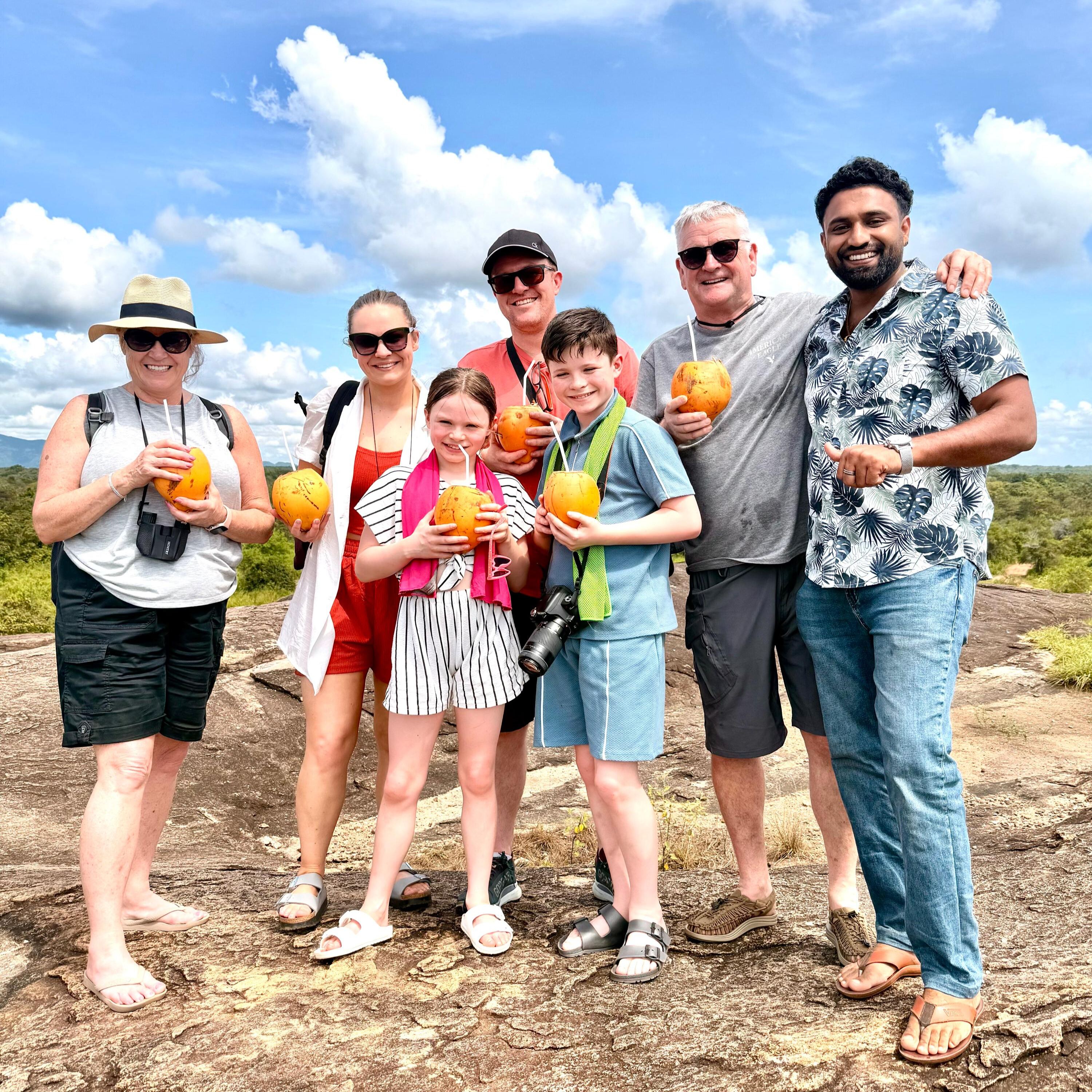
For me, someone who never went on a wildlife safari before, Yala National Park was, without a doubt one of the most rewarding and exciting adventures during my trip through Sri Lanka.
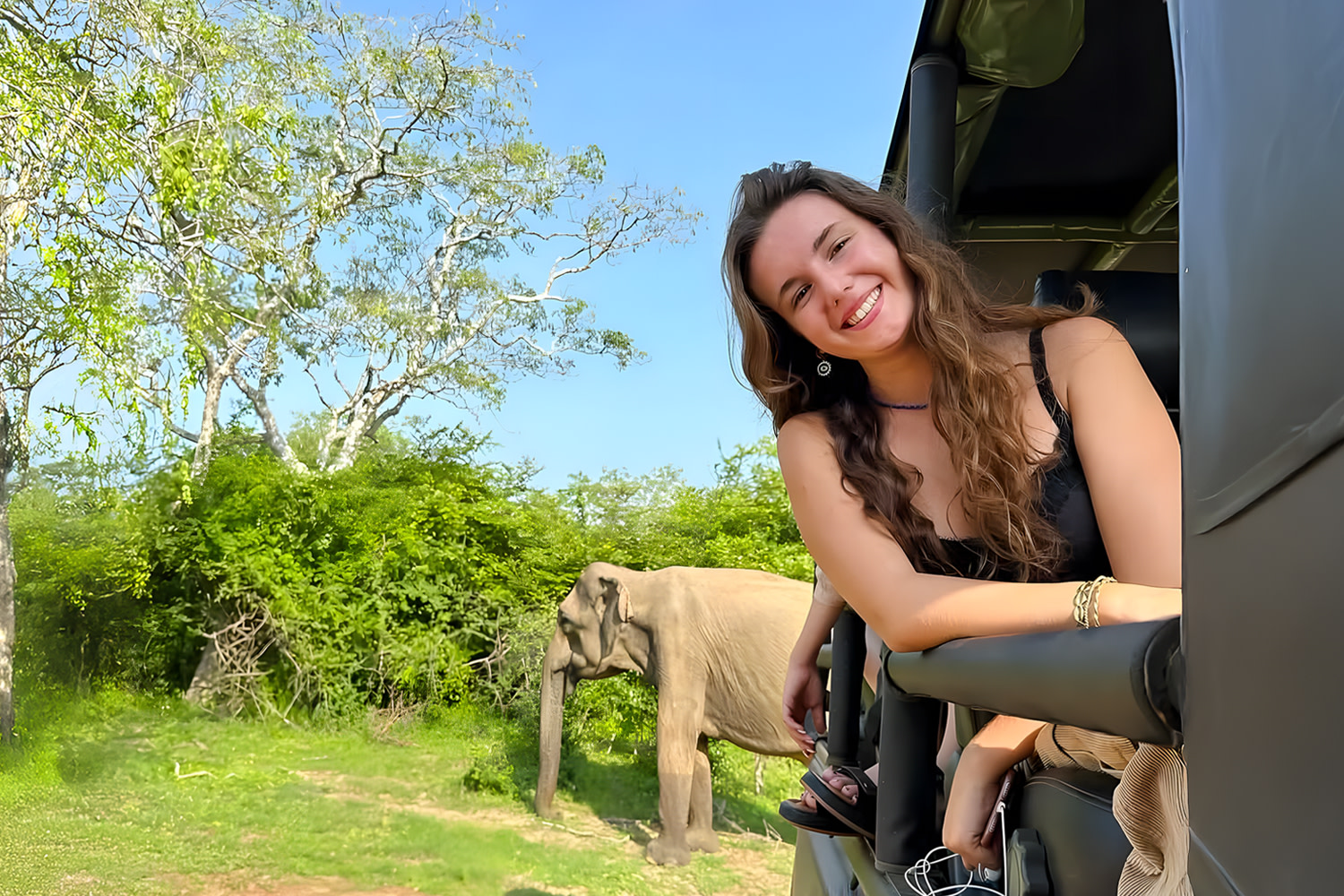
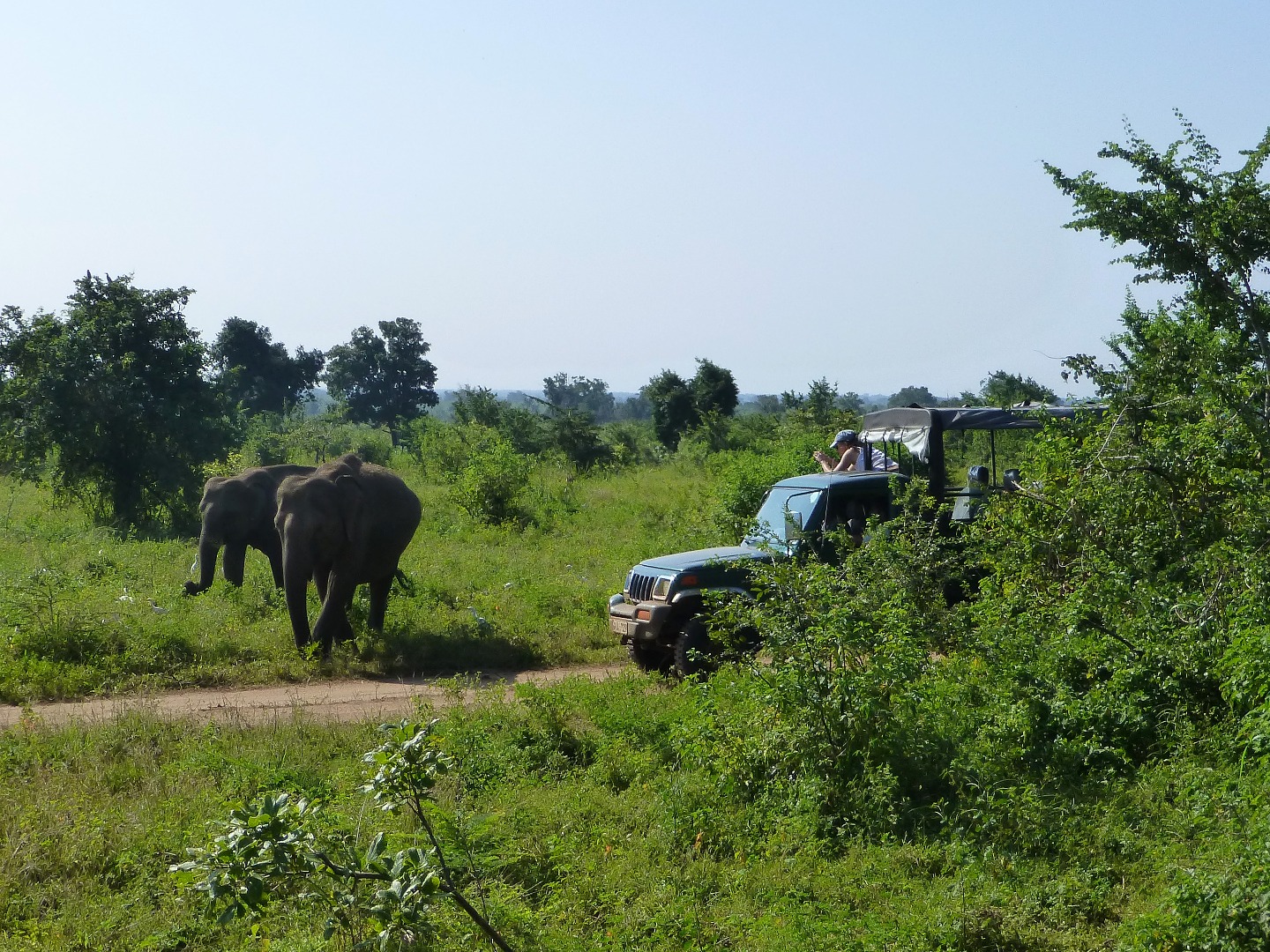
It’s an exhilarating happening to embark on a jeep safari, knowing you’re about to observe extraordinary animals in their natural habitat while driving along the bumpy roads of the wildlife park.
Especially if you realize that Yala National Park is considered the most popular wildlife park on Sri Lanka’s teardrop-shaped island.
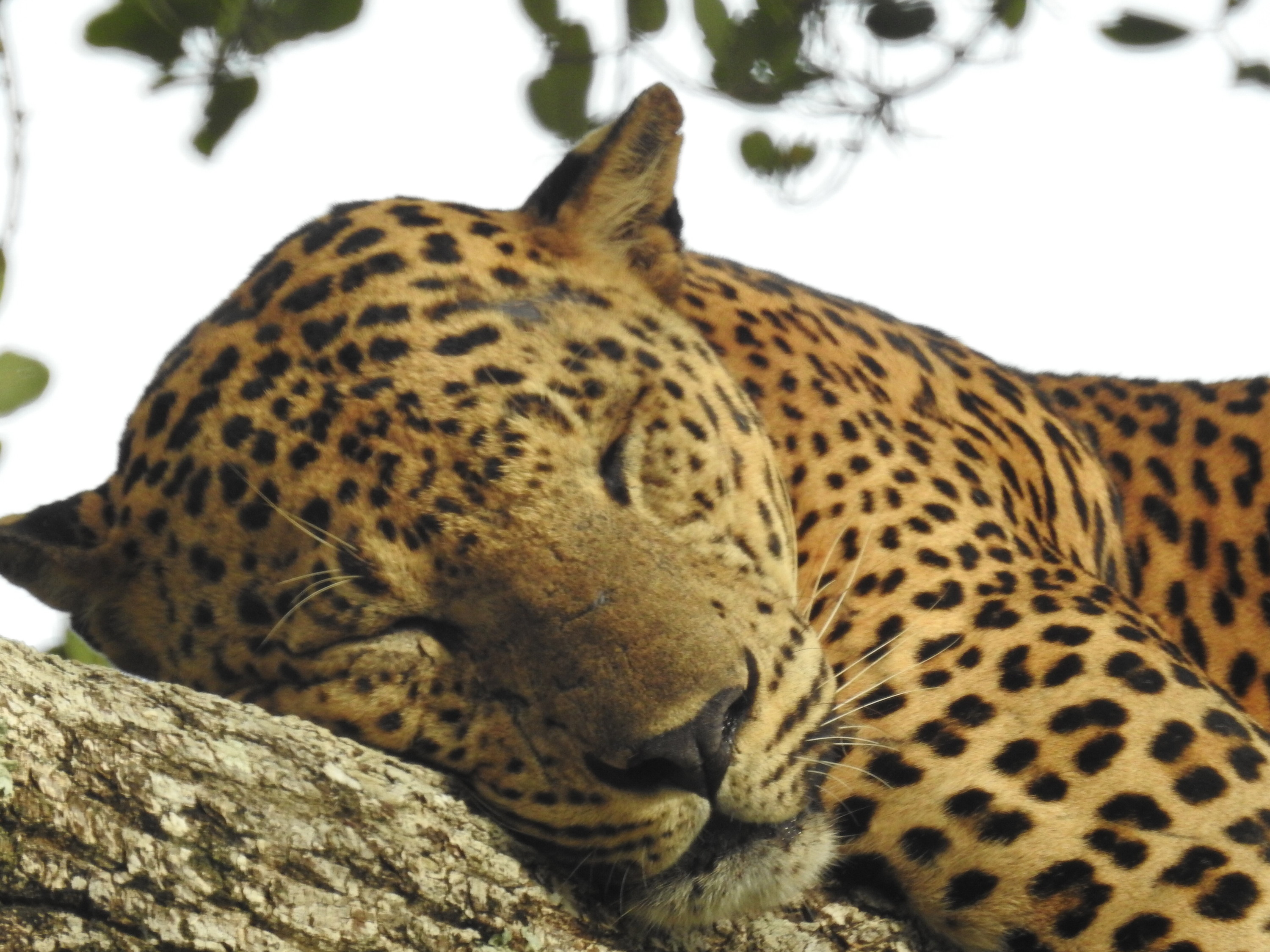
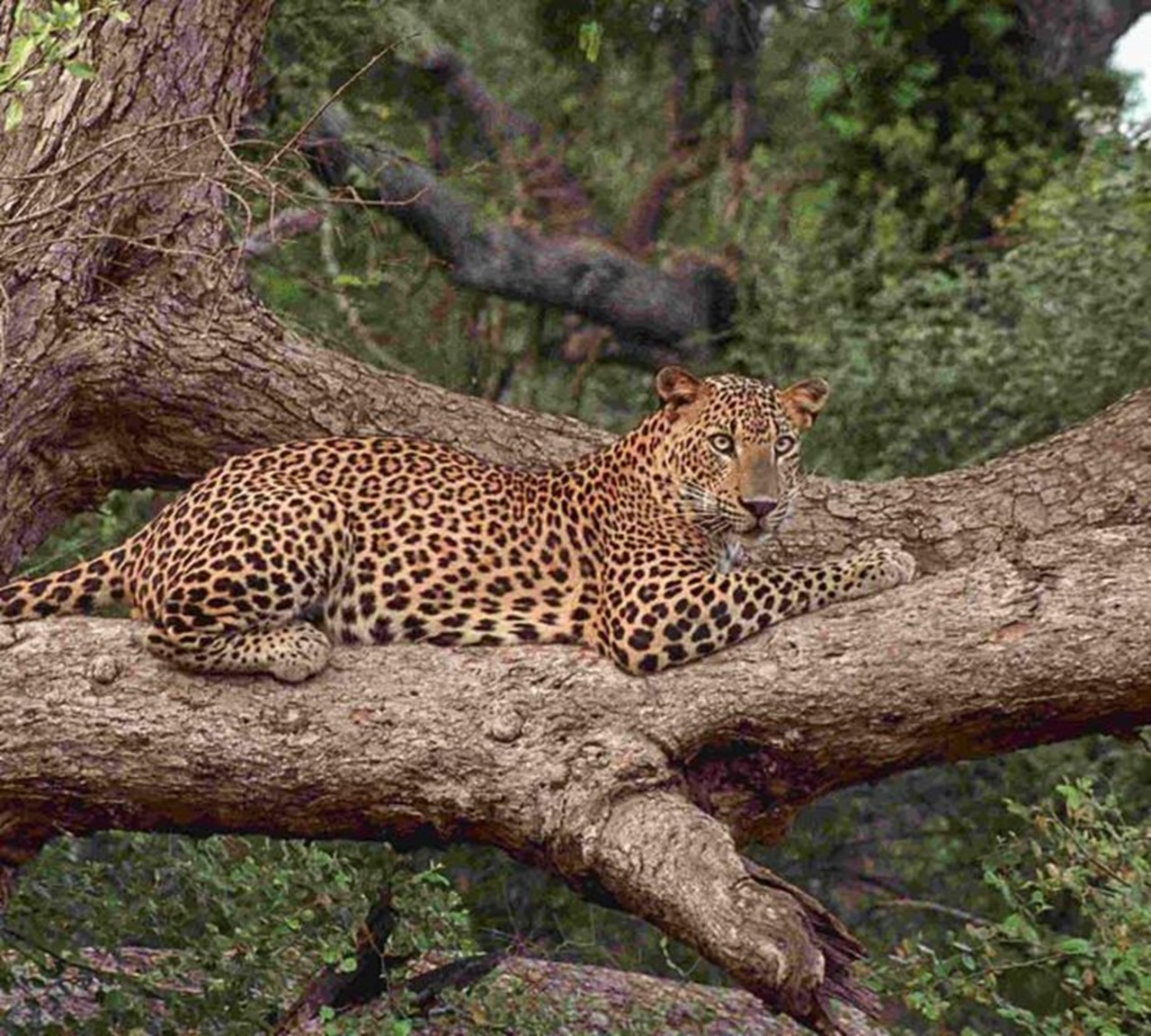
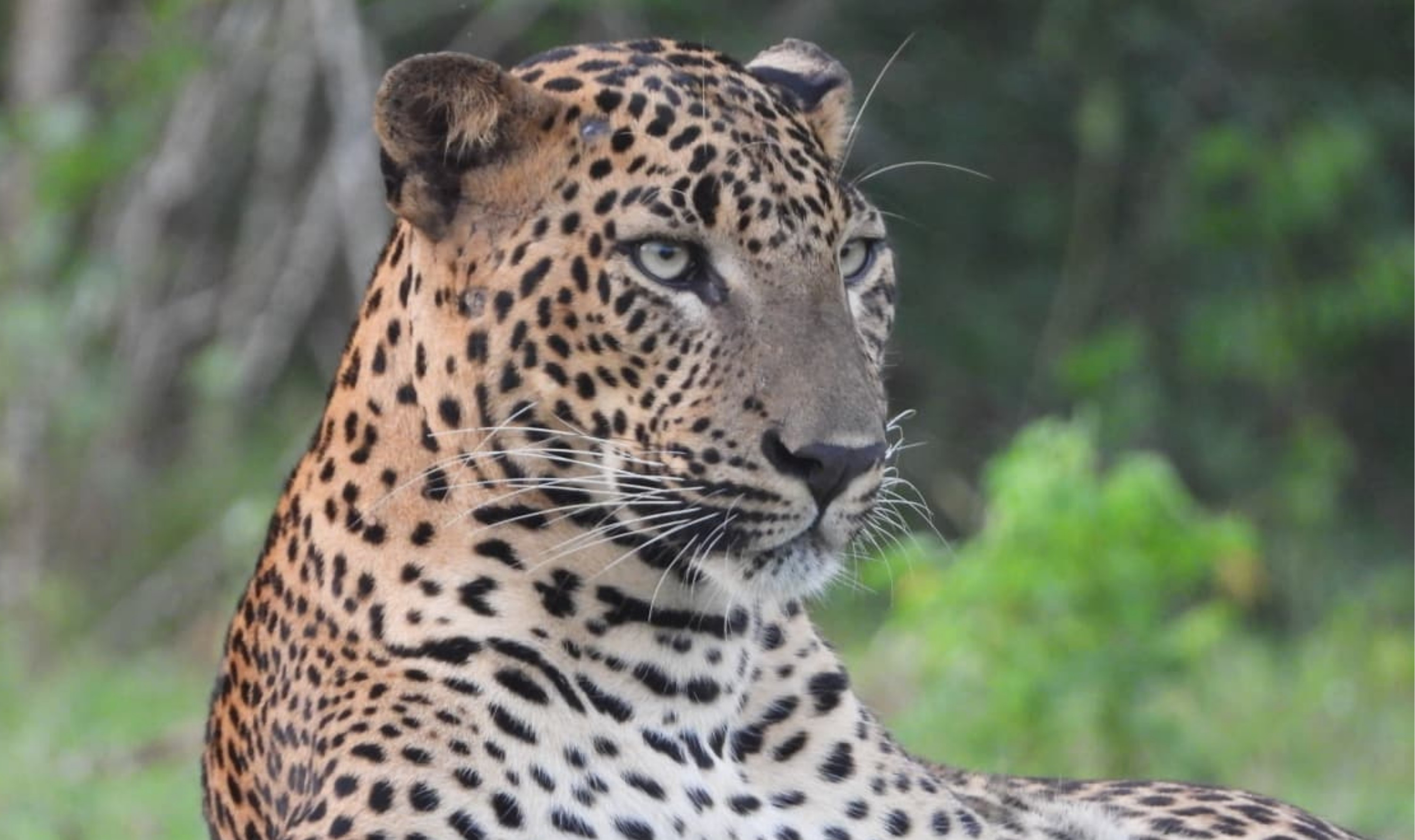
This excellent reputation is due to its dynamic landscape, great variety and density of wildlife – plus the fact that the park is acknowledged as one of the best places in the world to see leopards in the wild.
Available options
Private Day Tour in Yala National Park with Lunch
Pickup included
What's included
Private transportation
Sri Lankan Rice and Curry for Lunch
Hotel Pickup & Drop-off
Bottled water
All Fees and Taxes for Yala Jeep Safari (with Safari Jeep)
Air-conditioned vehicle
English or German Speaking Chauffeur Guide
Parking Fees
Detailed itinerary
1
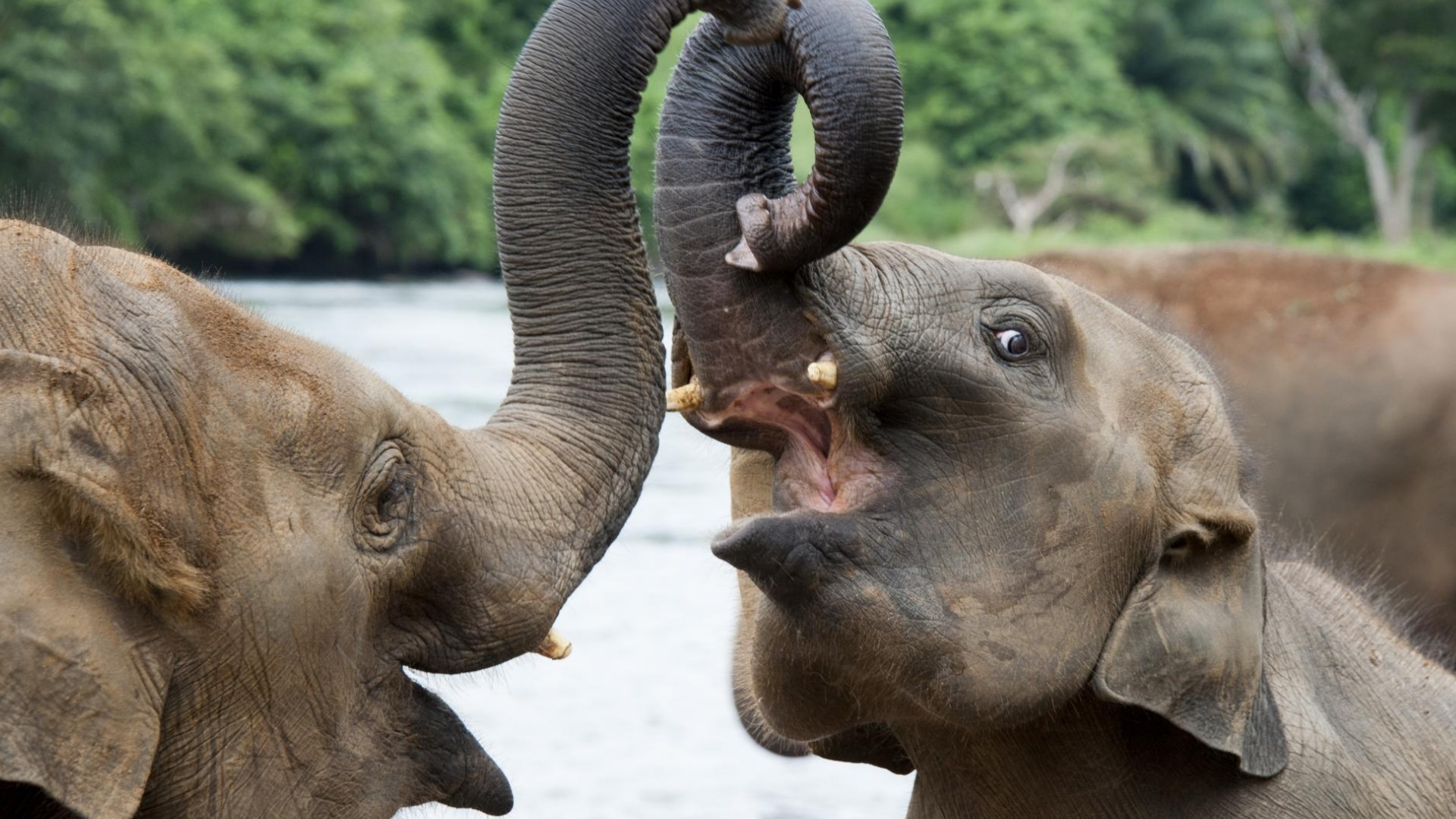
This is a leopard country, and they are the Lords of the Jungle! With a leopard density that's higher than anywhere else on this planet, these menacing predators prowl majestically in Yala, while elephants roam in their numbers with cautious deer scampering by their side.
Yala combines a strict nature reserve with a national park. Divided into 5 blocks, the park has a protected area of nearly 130,000 hectares of land consisting of light forests, scrubs, grasslands, tanks, and lagoons.
Situated in Sri Lanka’s southeast hugging the panoramic Indian Ocean, Yala was designated a wildlife sanctuary in 1900 and was designated a national park in 1938. Ironically, the park was initially used as a hunting ground for the elite under British rule. Yala is home to 44 varieties of mammals and 215 bird species. Among its more famous residents are the world’s biggest concentration of leopards, majestic elephants, sloth bears, sambars, jackals, spotted dear, peacocks, and crocodiles.
What's not included
Personal Nature
Available languages
Guide guide
DE
EN
Reviews breakdown
Tripadvisor
4.9
9 reviews
5★
8
4★
1
3★
0
2★
0
1★
0
Important information
Specialized infant seats are available
Suitable for all physical fitness levels
The Total Tour duration includes the travel time
About Colombo
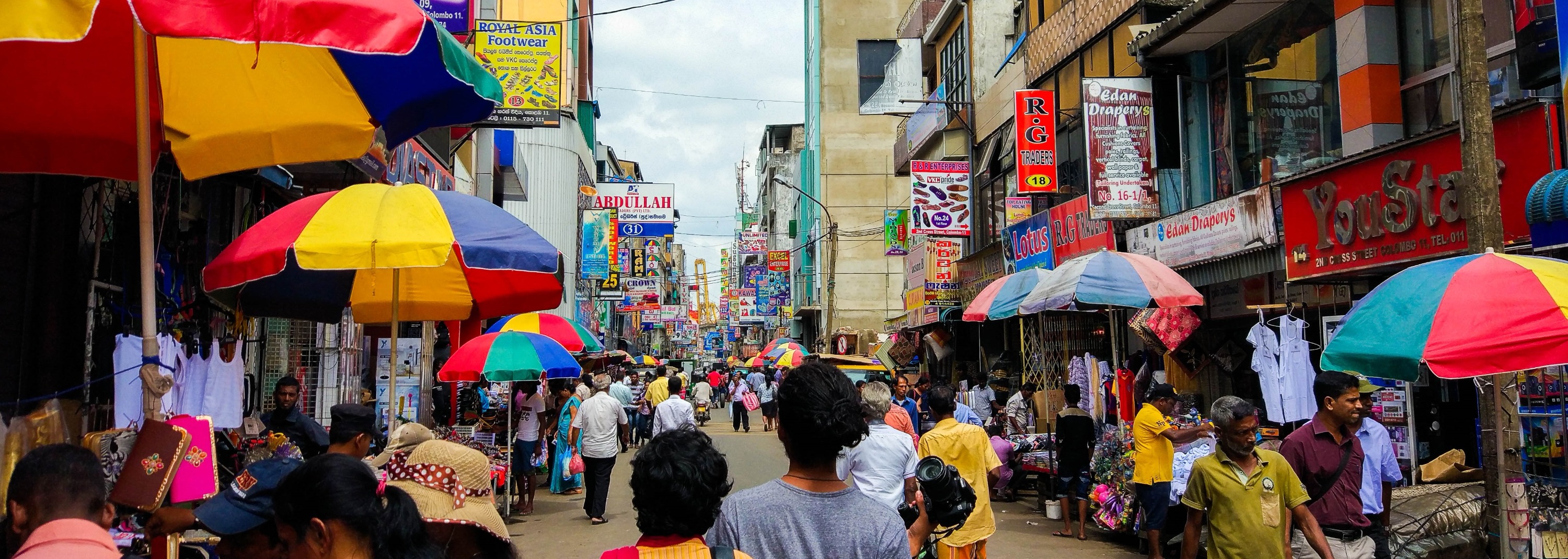
Colombo, Sri Lanka's bustling commercial capital, is a vibrant blend of modern life and colonial charm. With its diverse culture, rich history, and tropical beauty, the city offers everything from historic sites and religious landmarks to lively markets and beautiful beaches.
Top Attractions
Galle Face Green
A scenic promenade along the Indian Ocean, popular for kite flying, evening strolls, and street food.
Beach
1-2 hours
Free
National Museum of Colombo
Sri Lanka's largest museum, showcasing the country's rich history and cultural heritage.
Museum
2-3 hours
LKR 1,000 (foreigners)
Kelaniya Raja Maha Vihara
An ancient Buddhist temple with significant historical and religious importance.
Religious
1-2 hours
Free (donations welcome)
Beira Lake
A scenic lake in the heart of Colombo, offering boat rides and beautiful views.
Nature
1-2 hours
Free (boat rides may have a small fee)
Colombo Dutch Hospital Shopping Precinct
A historic building transformed into a vibrant shopping and dining destination.
Shopping
1-3 hours
Varies by shop
Must-Try Local Dishes
Rice and Curry
A traditional Sri Lankan meal consisting of rice served with a variety of curries made from vegetables, meat, or fish.
Main Dish
Vegetarian and non-vegetarian options available, may contain allergens like nuts and seafood.
Hoppers (Appa)
Bowl-shaped pancakes made from fermented rice flour and coconut milk, often served with an egg in the center.
Breakfast/Dinner
Vegetarian, can be made vegan without egg.
Kottu Roti
A popular street food made from chopped roti (flatbread) cooked with vegetables, meat, or fish, and spices.
Dinner/Snack
Vegetarian and non-vegetarian options available, may contain allergens like nuts and seafood.
Lamprais
A Dutch-influenced dish consisting of rice, meat, and vegetables cooked in banana leaves.
Main Dish
Non-vegetarian, may contain allergens like nuts and seafood.
Popular Activities
Hiking
Water sports
Wildlife safaris
Beach activities
Spa treatments
Yoga
Temple visits
Museum tours
Best Time to Visit
December to March
This period offers the best weather for visiting, with warm temperatures and less rainfall, making it ideal for exploring the city and its attractions.
28-32°C
82-90°F
Practical Information
Language
- Official: Sinhala, Tamil
- Widely spoken: English
- English: Widely spoken in tourist areas and by younger generations
Currency
Sri Lankan Rupee (LKR)
Time Zone
GMT+5:30
Electricity
230VV, 50HzHz
Safety Information
Overall Safety Rating: Generally safe, but exercise caution in crowded areas and at night
Colombo is generally safe for tourists, but petty crime and scams can occur, especially in crowded areas and tourist hotspots. Be cautious of pickpocketing, bag snatching, and overcharging by taxis and vendors.
Important Precautions:
- • Use reputable tour operators and guides
- • Agree on fares before using taxis or tuk-tuks
- • Keep valuables secure and out of sight
Getting there
By air
- Bandaranaike International Airport • 35 km south of Colombo
By train
Colombo Fort Station
By bus
Bastion Street Bus Terminal, Colombo Central Bus Stand
Getting around
Public transport
Buses are the most common and affordable way to get around, but they can be crowded and slow.
Taxis
Available • Apps: Uber, PickMe
Rentals
Car, Bike, Scooter
Neighborhoods
Colombo Fort
Cinnamon Gardens
Galle Face
Pettah
Day trips
Kandy
115 km • Full day
Kandy, the last capital of the ancient kings' era, is a UNESCO World Heritage Site known for its rich history, cultural landmarks, and scenic beauty.
Galle
120 km • Full day
Galle is a historic coastal city known for its UNESCO World Heritage-listed Dutch Fort, beautiful beaches, and rich cultural heritage.
Negombo
35 km • Half day
Negombo is a coastal town known for its beautiful beaches, historic sites, and vibrant fishing industry.
Festivals
Vesak • May (full moon day)
Esala Perahera • July or August (full moon day)
Christmas • December 25
Pro tips
- Use app-based taxi services like Uber or PickMe for reliable and transparent pricing
- Carry small denominations of cash for markets and street vendors, as change may be limited
- Bargain politely when shopping at markets and with street vendors, as prices are often negotiable
- Try local street food for an authentic and affordable culinary experience, but be cautious of food hygiene and choose busy stalls with high turnover
- Visit popular attractions early in the morning or late in the afternoon to avoid crowds and the heat
From $25
per person
Price varies by option
Secure booking
Free cancellation available
Instant confirmation