Panorama of Athens in 6 hours
Active
5h - 6h
For a full refund, cancel at least 24 hours before the scheduled departure time.
Instant confirmation
Mobile or paper ticket accepted
About this experience
Visit the most archeologically important sites in Athens. The Acropolis, the Propylaea, the Temple of Athena Nike, the Erechthion, the Parthenon the theater of Dionysus, the Roman Odeon, and the Areopagus the Panathenaic Stadium where the first modern Olympic Games were revived in 1896, Then the three buildings of knowledge (the University, the Academy, the National Library) the Parliament building and the Tomb of the Unknown Soldier.
The Lycabettus hill with the panoramic view of Athens and then in the famous Plaka visit the Roman market, Monastiraki with the flea market and at the end lunch in a Greek grill restaurant.
Available options
Panorama of Athens in 6 hours
Duration: 6 hours<br/>MERCEDES E CLASS YELLOW CAB : Or SUV VOLKSWAGEN <br/>Pickup included
What's included
Hotel pickup and drop-off
Bottled water
Professional Drivers with knowledge of history. [Not licensed to accompany you in any site.]
VEHICLE SUV KODIAQ OR MERCEDES E CLASS TAXICAB
Transport by private air-conditioning Vehicle
Detailed itinerary
1
Stop 1
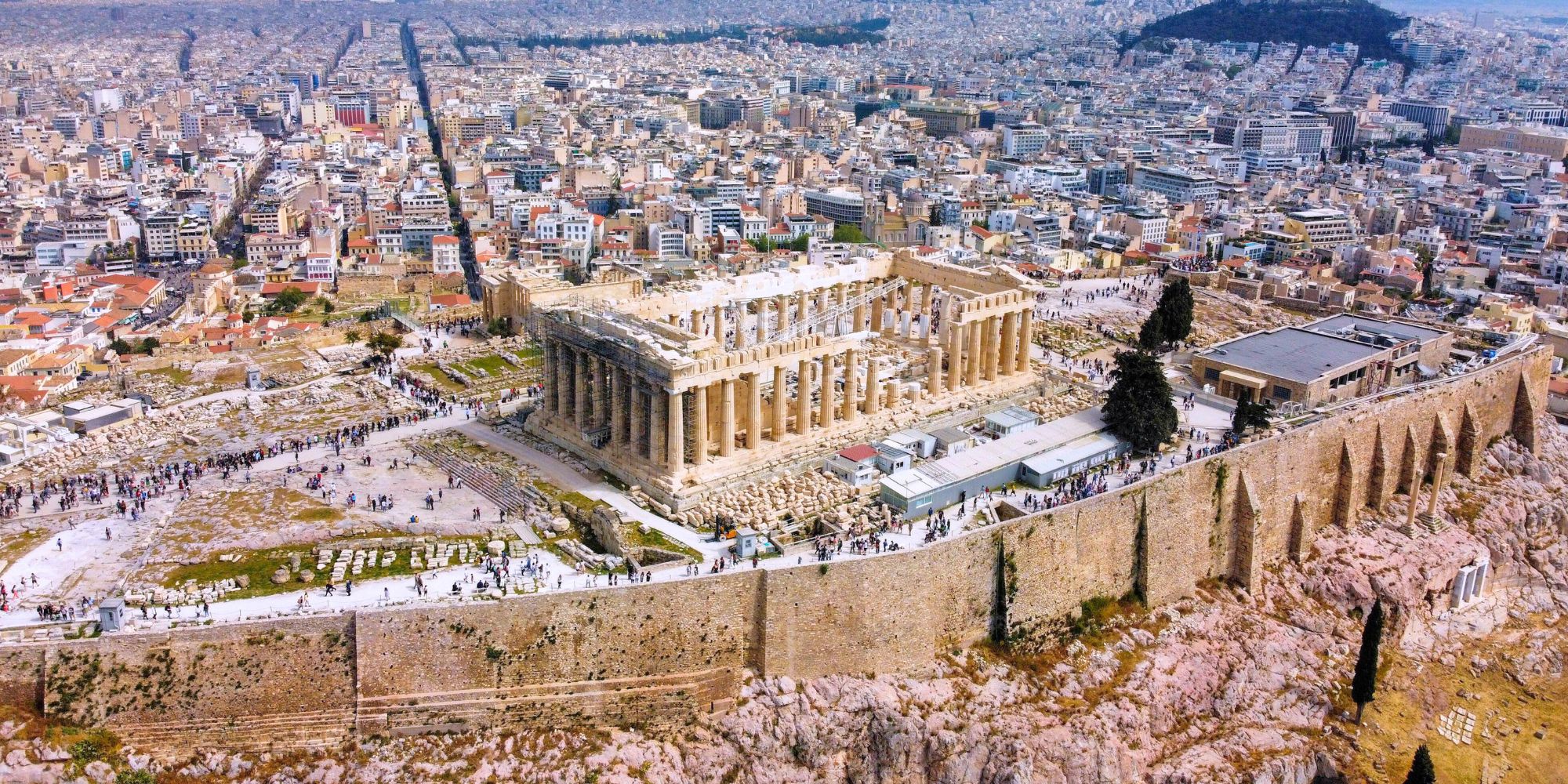
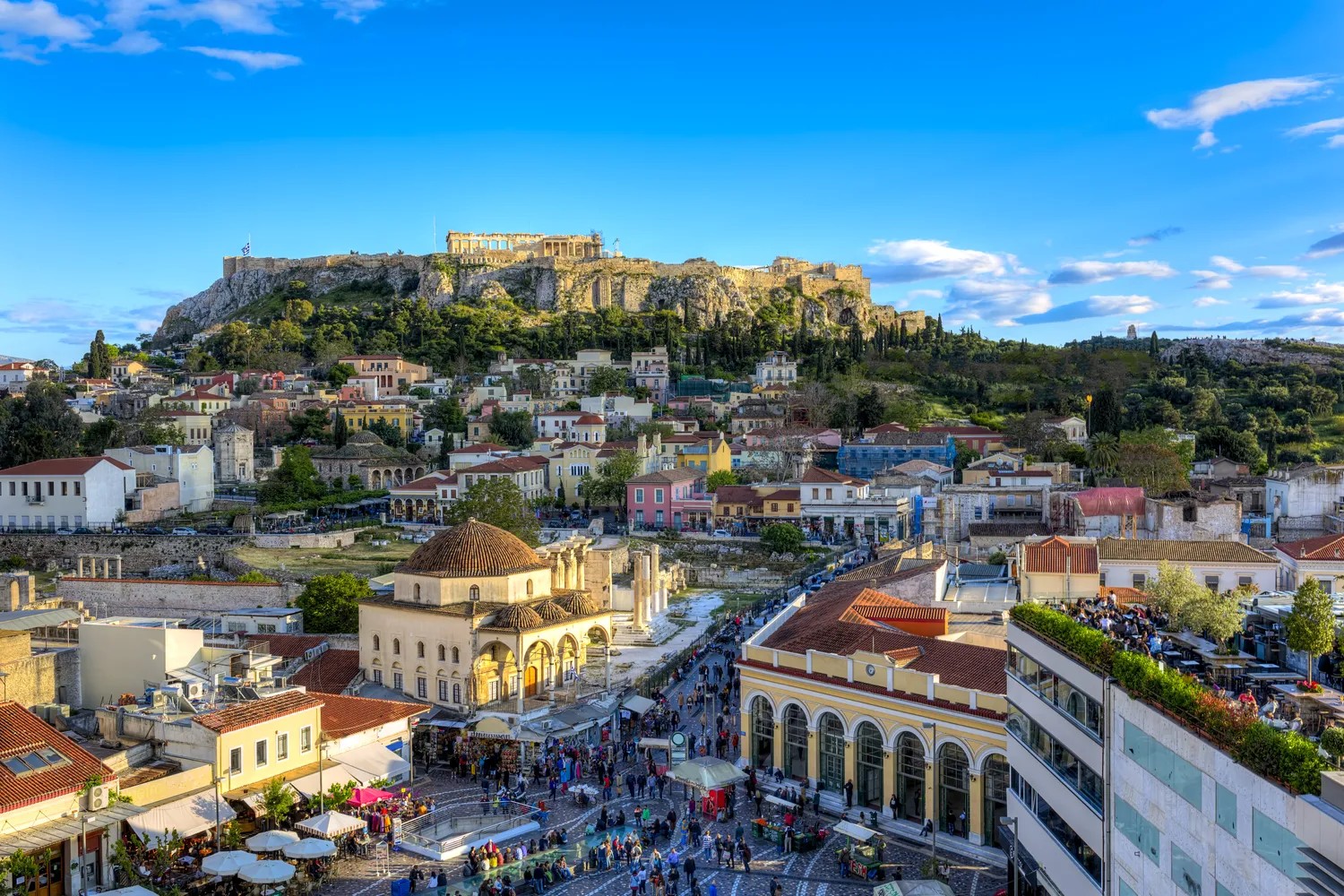
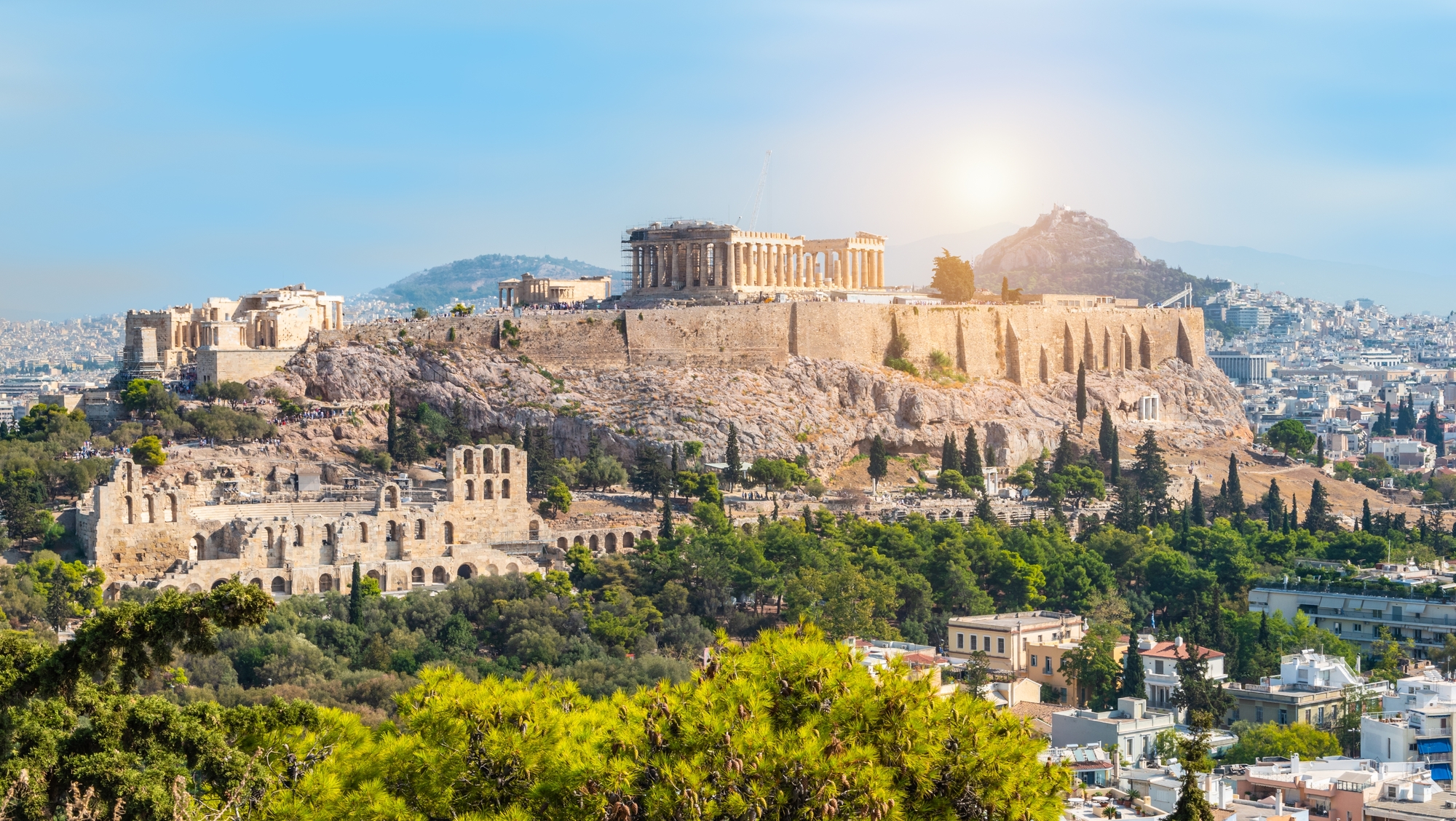
The Athens sightseeing tour starts by visiting the imposing naturally fortified hill of the Acropolis. The tour includes a walk that travels the visitors through ancient times in one of the oldest cities in the world, which was considered as the cradle of the western civilization, birthplace of the philosophy, the theatre and the democracy.
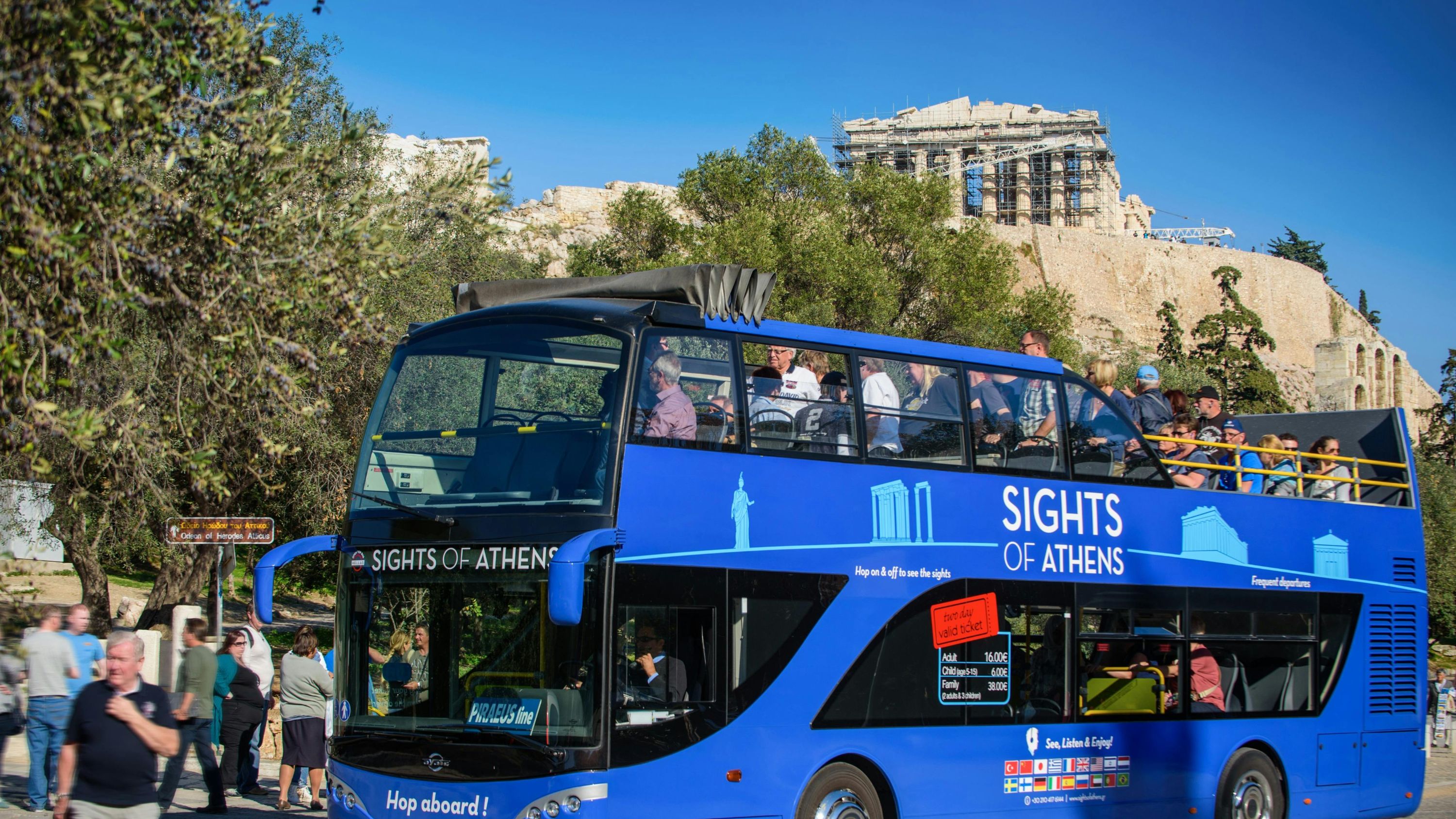
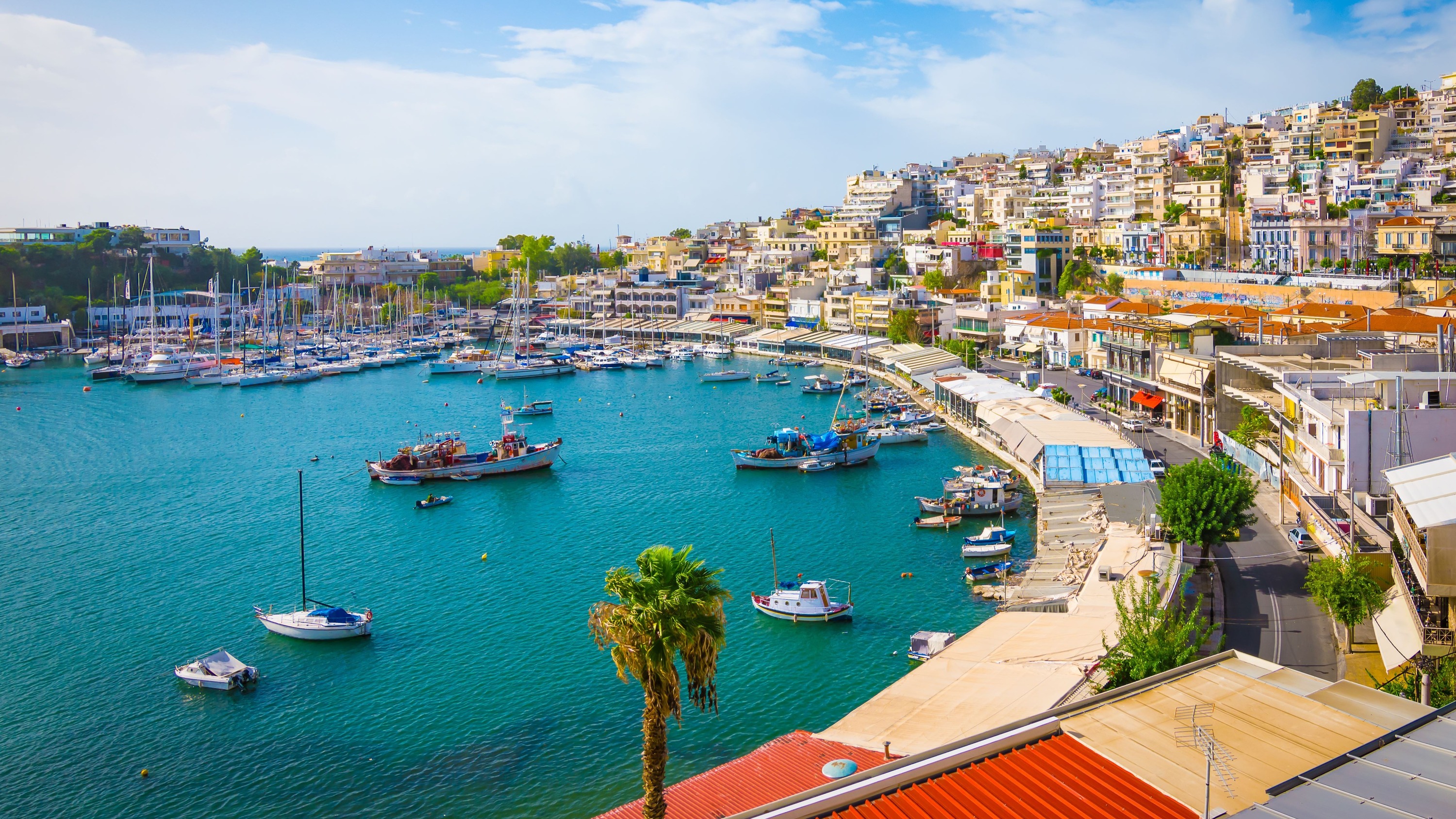
By passing the monumental gate of Propylaea you’ll see the Temple of Athena Nike, the Erechteion and the Parthenon. You will enjoy the panoramic view of Athens and Piraeus port. At the foot of the Acropolis hill you’ll see the ancient theater of Dionysos (the oldest theatre of the world), the Odeon of Herodus Atticus and the Areopagus (Mars Hill).
2
Stop 2
The first propylon, or gate, was constructed in the age of Peisistratos (mid-sixth century BC) after the Acropolis had become a sanctuary dedicated to Athena. A new propylon, built-in 510-480 BC, was destroyed by the Persians in 480 BC and repaired after the end of the Persian Wars, during the fortification of the Acropolis by Themistokles and Kimon. The monumental Propylaia admired by modern visitors was part of the great Periklean building program. They were erected in 437-432 BC, after the completion of the Parthenon, by architect Mnesikles.
3
Stop 3
Pass by
The Temple of Athena Nike is a temple on the Acropolis of Athens, dedicated to the goddesses Athena and Nike. Built around 420 BC, the temple is the earliest fully Ionic temple on the Acropolis.
4
Stop 4
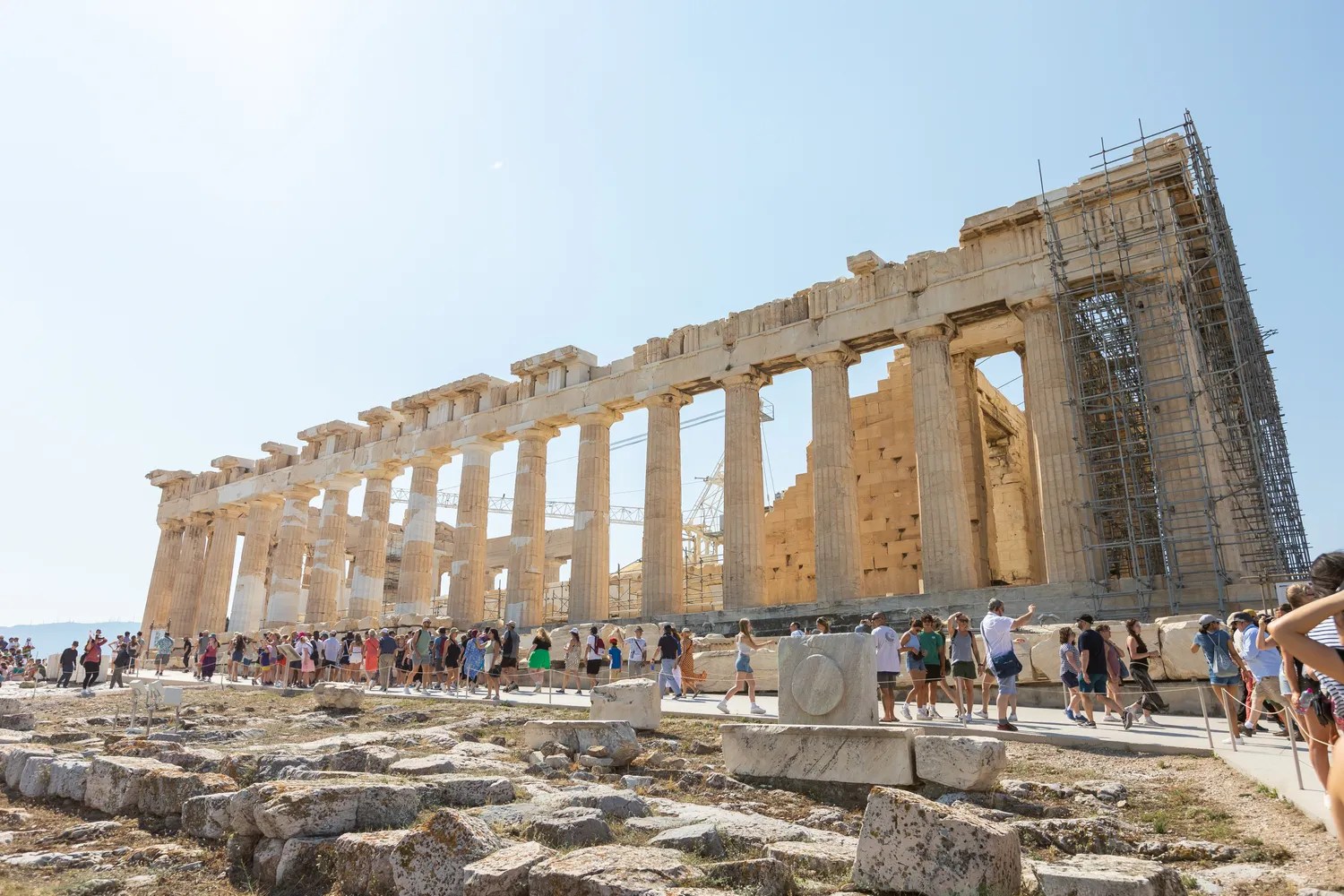
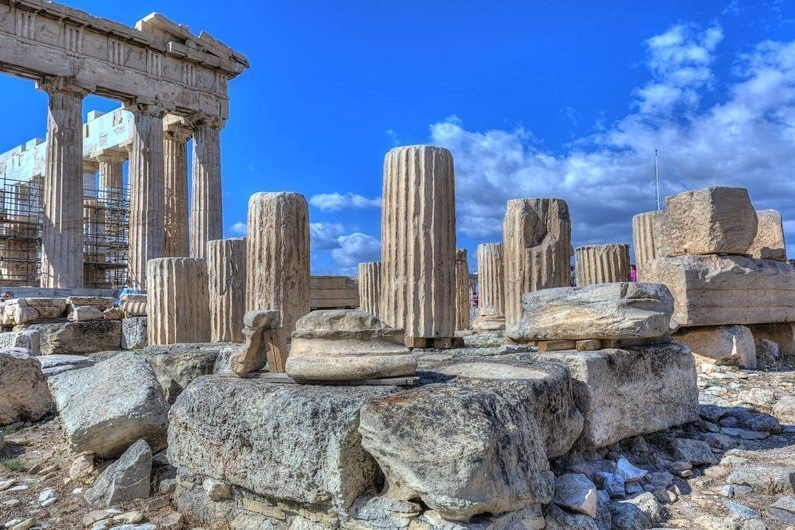
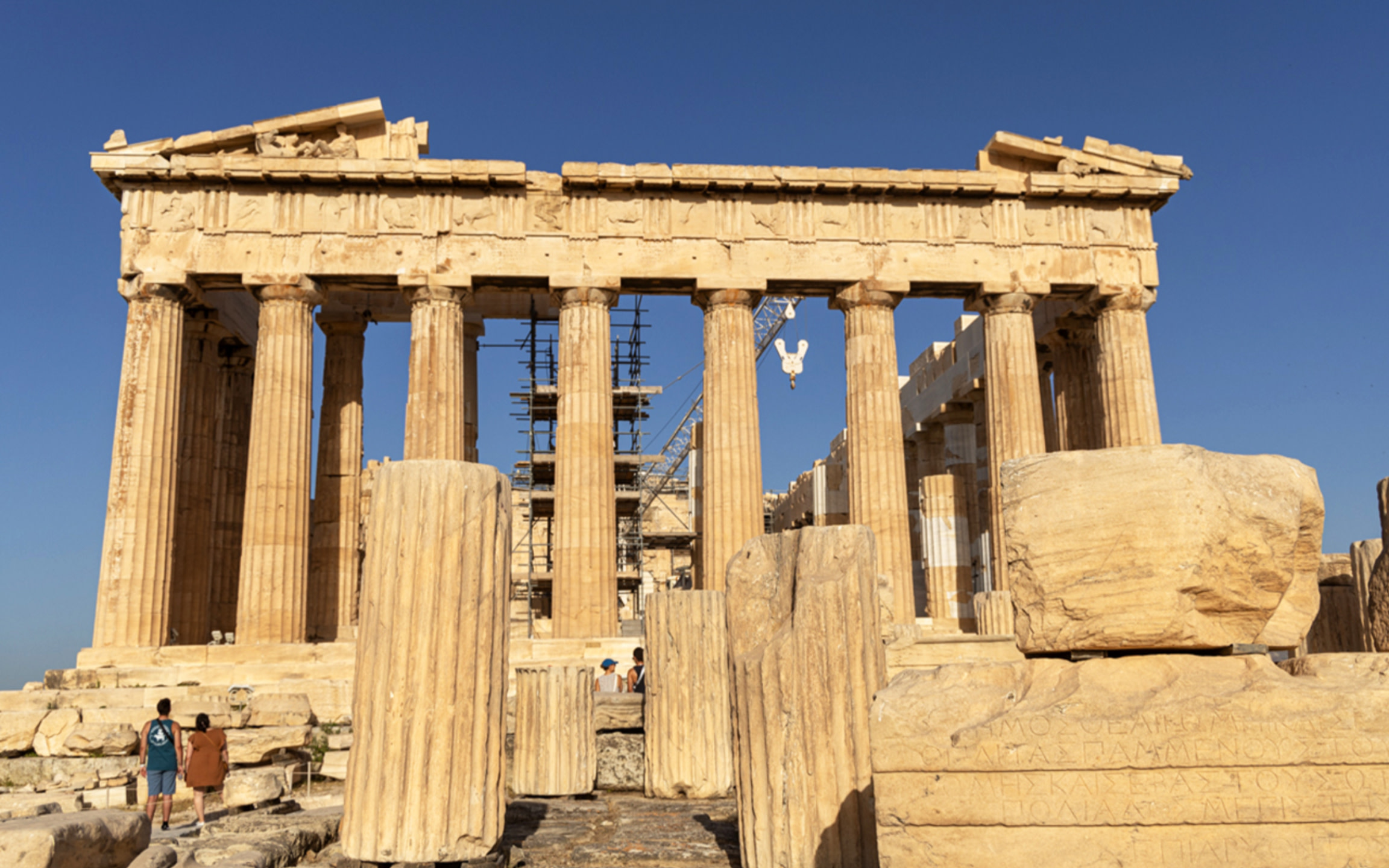
The Parthenon is a temple dedicated by the Athenians to Goddess Athena Parthenos(Vergin), the patron of their city, is the most magnificent creation of Athenian democracy at the height of its power. It is also the finest monument on the Acropolis in terms of both conception and execution. Built between 447 and 438 BC.
5
Stop 5
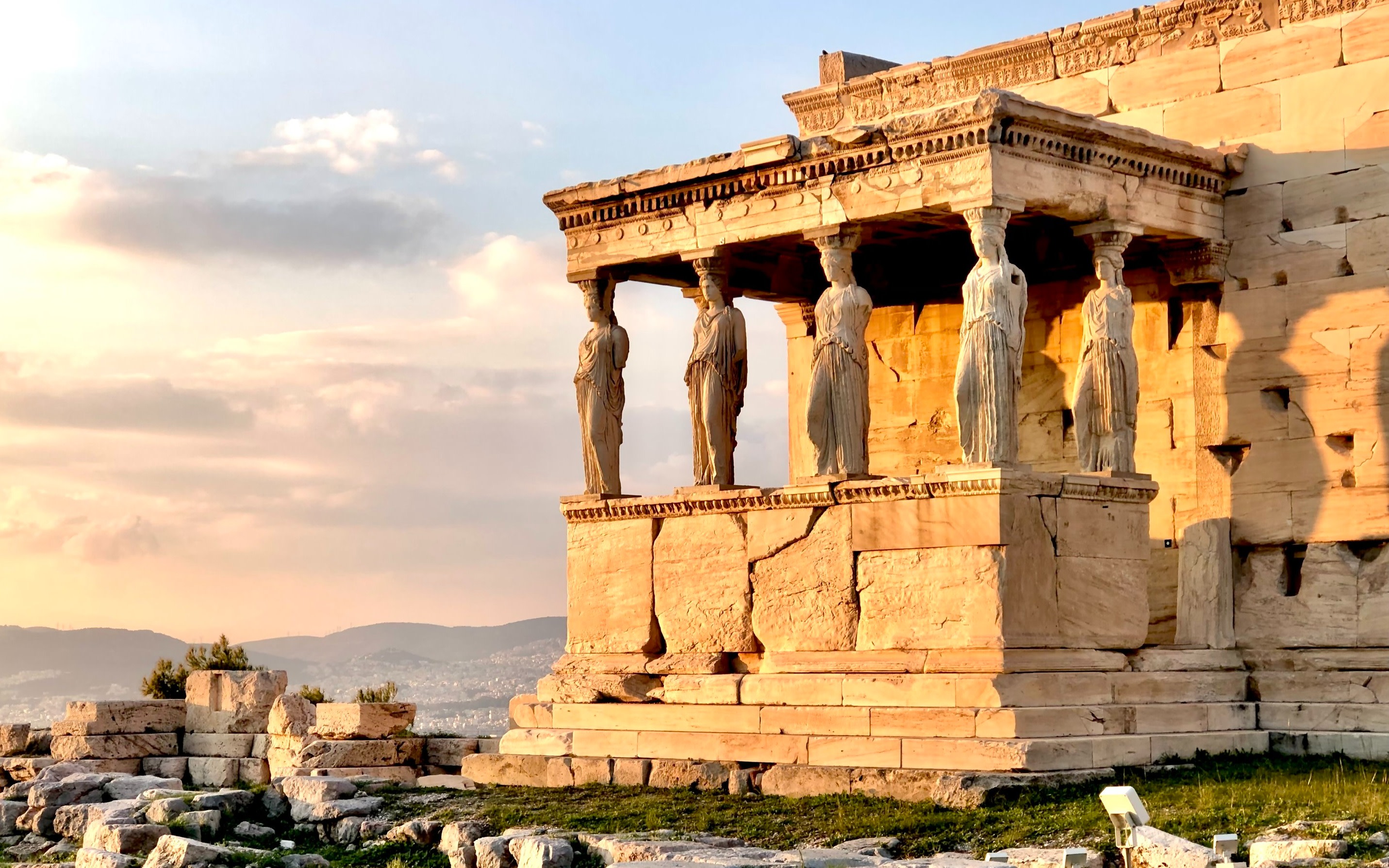
The Erechtheion is a temple on the top of the Acropolis. It was designed by the architect Mnesikles and was a complex building constructed in the last twenty years of the 5th century BC. It replaced the ancient Temple of Athena Polias, part of which had been destroyed by the Persians sixty years earlier. The new temple was divided into two chambers: an eastern room dedicated to Athena, which held the goddess’ wooden cult statue; and a lower western room that accommodated shrines of Poseidon-Erechtheus, Hephaistos, and Boutes, the brother of Erechtheus.
6
Stop 6
The Theatre of Dionysus is the oldest open-air theatre in the world. It was here that the most important works of the great playwrights, Aeschylus, Sophocles, Euripides, and Aristophanes, were presented.
7
Stop 7
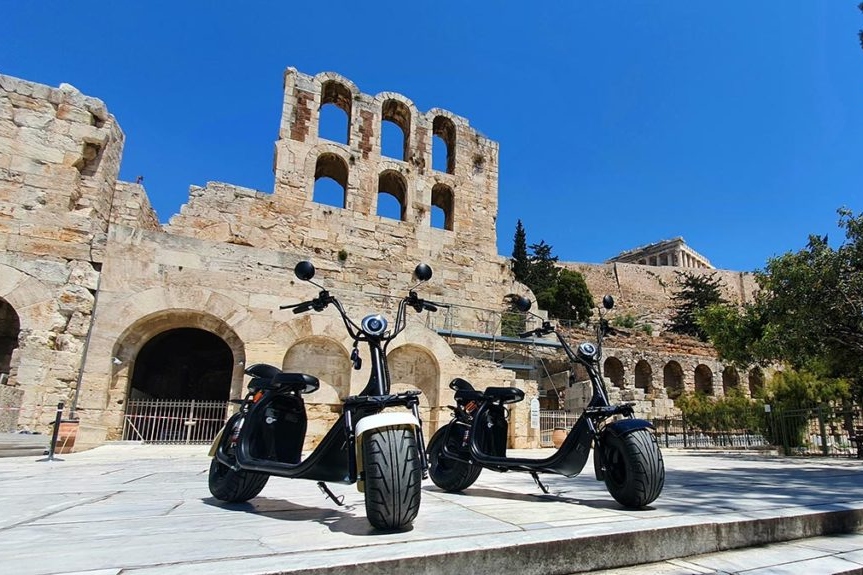
The Odeon of Herodes Atticus, known as the "Herodeon
It is a stone Roman theatre structure located on the southwest slope of the Acropolis of Athens.
8
Stop 8
Pass by
The Temple of Olympian Zeus ,also known as the Olympieion or Columns of the Olympian Zeus, is a former colossal temple at the centre of the Greek capital, Athens. It was dedicated to "Olympian" Zeus, a name originating from his position as head of the Olympian gods. Construction began in the 6th century BC during the rule of the Athenian tyrants.but it was not completed until the reign of Roman Emperor Hadrian in the 2nd century AD.
9
Something that is unique to Greece are the Evzones and the Changing of the Guard at the presidential mansion which occurs every day, every one hour.
10
Stop 10
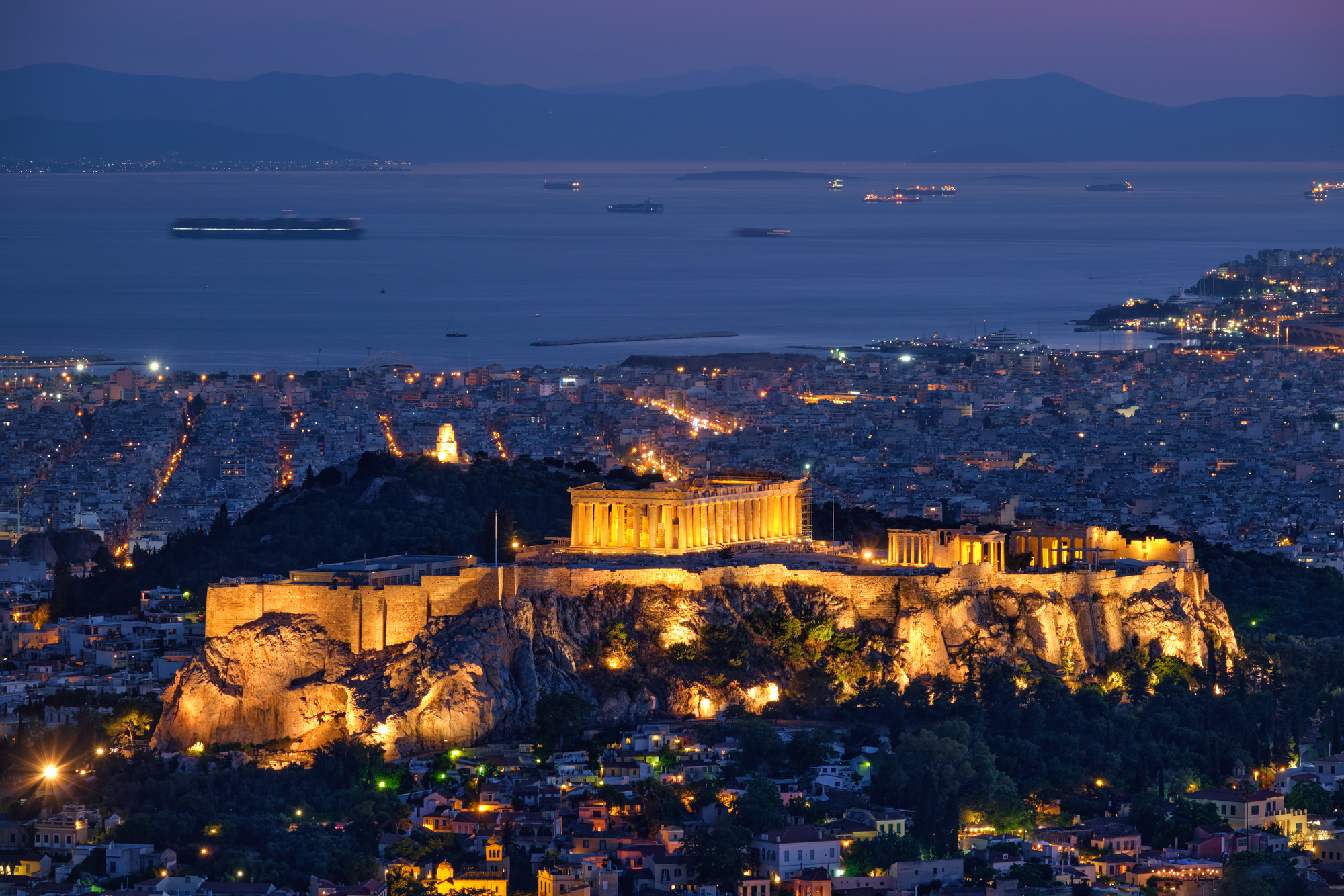
Lycabettus hill is the highest point in the center of Athens. Thousands of Athenians and tourists climb up to the top every year to enjoy the view from a height of 277 meters.
11
Stop 11
The Panathenaic stadium provides you with a nice opportunity to learn how an ancient stadium of the 4th century BC was. The stadium doesn't look like an ordinary archaeological site. There are no ruins. This stadium was not rebuilt during modern times. However, in 1896, during the first modern Olympic Games, there were works for the renovation of its marble covering. The work was financed by Georgios Averof. The present-day shape of the stadium is the same as the ancient stadium of the 4th century BC, was.
12
Stop 12
Pass by
The Academy of Athens was founded with the Constitutional Decree of March 18th, 1926, as an Academy of Sciences, Humanities and Fine Arts. This building is a copy of the Propylaea of the Acropolis.
13
Stop 13
Pass by
The University of Athens was founded on 3 May 1837 by King Otto of Greece (in Greek, Óthon) and was named in his honour Othonian University. It was the first university in the liberated Greek state and in the surrounding area of Southeast Europe as well.
14
Stop 14
Pass by
The National Library of Greece. Founded by Ioannis Kapodistrias in 1832, its mission is to locate collect, organize, describe and preserve the perpetual evidence of Greek culture and its uptake over time, as well as important representative evidence of human intellectual production.
15
The biggest, best and most popular flea market in Athens is without a doubt the Monastiraki Flea Market, a shopper’s paradise located right in the heart of Athens, at the legendary Monastiraki Square.
16
Stop 16
The Plaka area is the old historical neighborhood of Athens, is situated under the Acropolis, around the northeastern slopes of the Sacred Rock, between Syntagma and Monastiraki metro stations. Its village-like atmosphere, neoclassical buildings, quaint cafes, souvenir shops, and museums make it a favorite among visitors and Athenians who stroll along its narrow streets. Plaka is visited by hundreds of thousands of tourists around the year.
17
Stop 17
The Agora was the heart of ancient Athens, the focus of political, commercial, administrative, and social activity, the religious and cultural center, and the seat of justice.
18
Stop 18
The Stoa of Attalos dominates the north side of the slop of the Acropolis and is the main monument and museum at the Ancient Agora of Athens after the Temple of Hephaestus.
19
Stop 19
The Temple of Hephaestus in Athens (also known as Thissio, is among the best-preserved ancient temples in Greece.
It was dedicated to Hephaestus, the Olympian god of fire.
What's not included
Licensed Tour Guide not included
Airport pick up and drop off.
Food and drinks
Entrance tickets you have to book on your own we'll send you a link with details.
Acropolis & Slopes (€30 per person , must be purchased in advance )up to 18 years is free
Acropolis
Available languages
Audio guide
EN
Guide guide
EN
Reviews breakdown
Viator
5.0
10 reviews
5★
10
4★
0
3★
0
2★
0
1★
0
Tripadvisor
5.0
129 reviews
5★
127
4★
2
3★
0
2★
0
1★
0
Important information
Infants are required to sit on an adult’s lap
Specialized infant seats are available
Not recommended for travelers with spinal injuries
Not recommended for pregnant travelers
Not recommended for travelers with poor cardiovascular health
Travelers should have at least a moderate level of physical fitness
About Athens
Athens, the capital of Greece, is a city rich in history and culture, often considered the cradle of Western civilization. It is home to iconic ancient landmarks, vibrant neighborhoods, and a thriving modern scene.
Top Attractions
Acropolis of Athens
The Acropolis is the most iconic landmark in Athens, featuring ancient ruins and temples, including the Parthenon.
Historical
2-3 hours
€20 (combined ticket for multiple sites)
Ancient Agora of Athens
The heart of ancient Athens, featuring the Temple of Hephaestus and the Stoa of Attalos.
Historical
1-2 hours
€8 (included in the combined ticket)
Plaka
A charming, historic neighborhood with narrow streets, neoclassical houses, and vibrant nightlife.
Cultural
2-3 hours
Free to explore
Acropolis Museum
A modern museum showcasing artifacts from the Acropolis and its surroundings.
Museum
1-2 hours
€10
Temple of Olympian Zeus
An ancient temple dedicated to Zeus, once the largest temple in Greece.
Historical
30 minutes to 1 hour
€6 (included in the combined ticket)
Must-Try Local Dishes
Moussaka
A baked dish with layers of eggplant, minced meat, and béchamel sauce.
Dinner
Vegetarian versions available
Souvlaki
Grilled meat skewers, often served with pita bread and tzatziki.
Snack
Can be made with chicken, pork, or vegetarian options
Tzatziki
A yogurt-based dip with cucumber, garlic, and herbs.
Snack
Vegetarian and vegan options available
Baklava
A sweet pastry made with layers of filo, nuts, and honey syrup.
Dessert
Vegetarian
Popular Activities
Hiking in the mountains
Rock climbing
Scuba diving
Beach visits
Spa treatments
Café hopping
Museum visits
Theater performances
Best Time to Visit
April to June, September to October
The best time to visit Athens is during the spring and autumn months when the weather is pleasant and the tourist crowds are smaller.
18°C to 32°C
64°F to 90°F
Practical Information
Language
- Official: Greek
- Widely spoken: English, French, German
- English: Moderately spoken
Currency
Euro (EUR)
Time Zone
GMT+2 (EET)
Electricity
230VV, 50HzHz
Safety Information
Overall Safety Rating: Generally safe
Athens is generally safe for travelers, but petty crime and pickpocketing can occur in tourist areas. Be cautious with your belongings and avoid poorly lit areas at night.
Important Precautions:
- • Keep valuables secure
- • Use licensed taxis or ride-sharing apps
- • Be cautious with ATMs and credit cards
Getting there
By air
- Eleftherios Venizelos International Airport • 30 km from city center
By train
Athens Central Railway Station
By bus
KTEL Bus Station
Getting around
Public transport
Clean, efficient, and air-conditioned. Easy to navigate with clear signage in English.
Taxis
Available • Apps: Beat, Uber
Rentals
Car, Bike, Scooter
Neighborhoods
Plaka
Monastiraki
Psiri
Koukaki
Kolonaki
Day trips
Cape Sounion
65 km from Athens • Half day to full day
A scenic coastal area featuring the Temple of Poseidon with stunning views of the Aegean Sea.
Delphi
180 km from Athens • Full day
An ancient archaeological site and home to the famous Oracle of Delphi.
Meteora
350 km from Athens • Overnight
A unique landscape featuring rock formations and medieval monasteries perched atop cliffs.
Festivals
Athens Festival • May to October
Athens Epidaurus Festival • June to August
Athens International Film Festival • October
Pro tips
- Visit major attractions early in the morning or late in the afternoon to avoid crowds and heat
- Use the metro for easy and efficient travel around the city
- Explore local neighborhoods for an authentic Greek experience
- Try local street food for a quick and delicious meal
- Learn a few basic Greek phrases to enhance your experience and connect with locals
From $25
per person
Price varies by option
Secure booking
Free cancellation available
Instant confirmation