Tijuca Forest w/ Chinese View,cascatinha Taunay,horto waterfall and parque laje
Active
4h
For a full refund, cancel at least 24 hours before the scheduled departure time.
Instant confirmation
Mobile or paper ticket accepted
About this experience
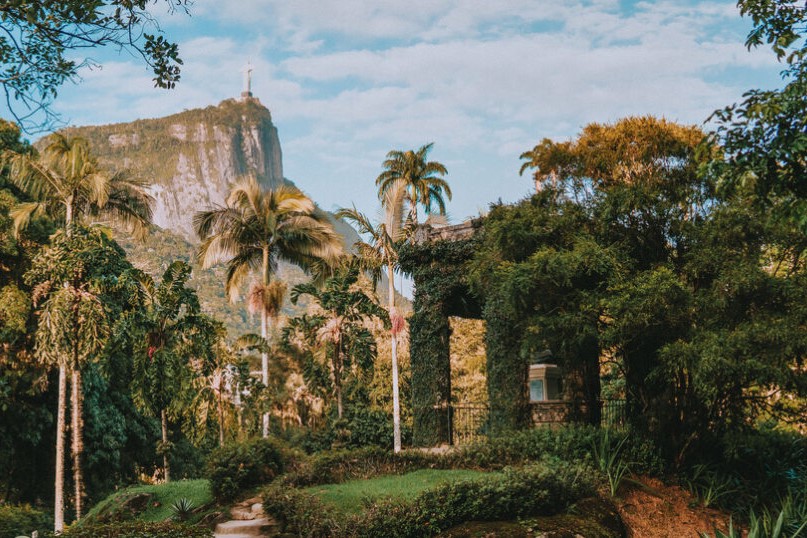
The Tijuca Forest represents one of the greatest natural treasures of the city of Rio de Janeiro. Trip in Rio offers the best guides and all the conditions necessary for you to have the best experience in our marvelous city. During this trip you will get to see some of Tijuca's most famous attractions such as the Chinese view, the emperor's table and Taunay cascatinha. See wildlife and feel nature in its most beautiful and full natural beauty.
Available options
Tijuca Forest w/ Chinese View,cascatinha Taunay,horto waterfall and parque laje
Pickup included
What's included
Tour guide
Car or Jeep (more than 5 people)
Detailed itinerary
1
Stop 1
Built in the early twentieth century in honor of the Chinese and imported tea cultivation in Brazil, the monument of Vista Chinesa offers a wide panorama full of green of the southern zone of Rio. The trail has easy access and is fully paved, leading to the lookout on a demanding, steep climb, but it pays off with one of the most beautiful peaks in town!
2
From 1856 the Botanic Garden was connected to Alto de Boa Vista by a cantilevered road, opened by influence of Baron of Bom Retiro and whose execution and maintenance was contracted to Thomas Cochrane. It records the chronicle of the age that, in this work, workers were employed "cules" brought from China (Macau) to develop the rice crop, but which, having demonstrated no ability to agriculture, were used to build the road. This region presents an astounding coincidence of Chinese presence, begun with the arrival of the tea planters of D. João VI. After the failure of this crop, according to Brazil Gerson, the Chinese would have spread "through the diapers of Tijuca." In 1844 a map of the area records a building called "Casa dos Chinas", probably a remnant of this primitive experience. This "vocation" probably explains why the City Hall (Mayor Pereira Passos, in 1903, with a project by the architect Luis Rey, in mortar copying the bamboo) built a pavilion called "Vista Chinesa", a few years later, which can still be visited. Above, a place prepared to serve as a resting place on the frequent walks of the Royal Family gained the name of Table of the Emperor.
3
In 1860, engineer Job de Alcântara was commissioned by the Imperial Government to construct the beautiful stone bridge, in Roman arch format, which stands in front of the Taunay Cascatinha. The highest PNT waterfall is formed by the fall of the waters of the Tijuca River, the Conde River and other tributaries. In 1817, the artist Nicolas Antoine Taunay built a small house near the cascatinha and, enchanting, immortalized the beauty of the waterfall in his pictures. He became the great host of the forest, organizing meetings for the court. The house of Taunay was demolished in 1946. On the site, the old Cascatinha restaurant was built, which is currently being prepared and refurbished to house a café and a new restaurant.
4
Stop 4
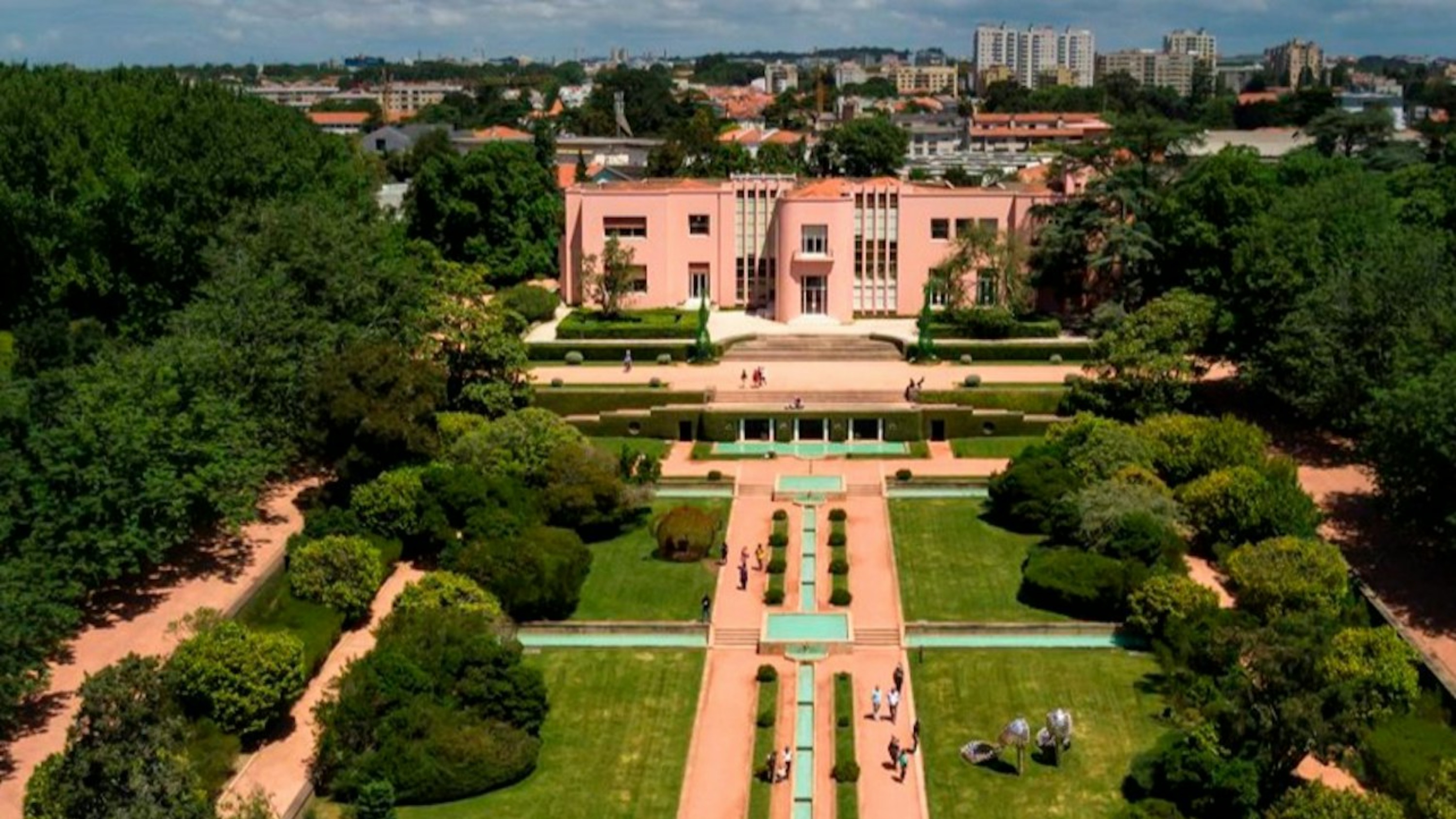
Parque Lage is located in the Jardim Botânico neighborhood, in the south of Rio de Janeiro, close to attractions such as the Jardim Botânico and the Cristo Redentor. With an area of 52 hectares of forests, the space is surrounded by the Atlantic Forest and is part of the Tijuca National Park.
What's not included
Snacks
Bottled water
Available languages
Guide guide
PT
EN
ES
Reviews breakdown
Viator
4.6
9 reviews
5★
8
4★
0
3★
0
2★
0
1★
1
Tripadvisor
4.8
20 reviews
5★
19
4★
0
3★
0
2★
0
1★
1
Important information
Wheelchair accessible
Infants and small children can ride in a pram or stroller
Suitable for all physical fitness levels
About Rio de Janeiro
Rio de Janeiro, known as the 'Marvelous City,' is famous for its natural settings, Carnival, samba, bossa nova, and Balneario beaches such as Copacabana and Ipanema. It's a vibrant city with a rich cultural heritage and stunning landscapes, including the iconic Christ the Redeemer statue and Sugarloaf Mountain.
Top Attractions
Christ the Redeemer
One of the New Seven Wonders of the World, this iconic statue offers breathtaking views of Rio de Janeiro.
Historical/Religious
2-3 hours
R$84 (including train ticket)
Sugarloaf Mountain
A famous peak offering stunning views of Rio de Janeiro and its beaches.
Nature
2-3 hours
R$88 (round-trip cable car)
Copacabana Beach
One of the most famous beaches in the world, known for its vibrant atmosphere and beautiful sunsets.
Beach
Half day or full day
Free
Tijuca National Park
The world's largest urban forest, offering hiking trails, waterfalls, and diverse wildlife.
Nature
Half day or full day
Free (some attractions may have fees)
Santa Teresa
A historic and bohemian neighborhood known for its cobblestone streets, art galleries, and scenic views.
Cultural
Half day
Free to explore
Must-Try Local Dishes
Feijoada
A hearty stew made with black beans and various cuts of pork, often served with rice, collard greens, and orange slices.
Dinner
Contains pork, not suitable for vegetarians or vegans.
Pão de Queijo
Cheese bread made with tapioca flour, giving it a unique texture and flavor.
Snack
Vegetarian, but contains dairy.
Moqueca
A traditional fish stew cooked in coconut milk and dendê oil, with various seafood and vegetables.
Dinner
Can be made vegetarian or vegan with vegetable broth and tofu.
Açaí
A thick, creamy fruit pulp from the açaí palm, often served with granola and condensed milk.
Dessert/Drink
Can be made vegan with plant-based milk.
Popular Activities
Hiking in Tijuca National Park
Surfing in Arpoador
Paragliding in Pedra Bonita
Beach lounging in Ipanema
Spa treatments in Copacabana
Yoga in Botafogo
Visiting museums in Centro
Attending a samba show
Best Time to Visit
December to March
This is the peak tourist season with warm weather and the famous Carnival in February/March. Expect crowded beaches and higher prices.
25-30°C
77-86°F
Practical Information
Language
- Official: Portuguese
- Widely spoken: English (limited)
- English: Limited
Currency
Brazilian Real (BRL)
Time Zone
GMT-3 (Brasília Time)
Electricity
110V/220VV, 60HzHz
Safety Information
Overall Safety Rating: Exercise caution
Rio de Janeiro is generally safe for tourists, but petty crime and violence can occur. Exercise caution, especially in less touristy areas and at night.
Important Precautions:
- • Avoid walking alone at night in unsafe areas
- • Use common sense and stay alert to your surroundings
- • Keep valuables secure and out of sight
Getting there
By air
- Rio de Janeiro-Galeão International Airport • 20 km (12 miles) from city center
- Santos Dumont Airport • 12 km (7.5 miles) from city center
By train
Central do Brasil
By bus
Rodoviária Novo Rio, Terminal Rodoviário da Gavea
Getting around
Public transport
Efficient and air-conditioned, the metro is a great way to avoid traffic.
Taxis
Available • Apps: Uber, 99 Taxis
Rentals
Car, Bike, Scooter
Neighborhoods
Copacabana
Ipanema
Santa Teresa
Lapa
Botafogo
Day trips
Petrópolis
65 km (40 miles) • Full day
A charming colonial town in the mountains, known for its historic architecture and cool climate.
Paraty
170 km (105 miles) • Full day or overnight
A historic coastal town with cobblestone streets, colonial architecture, and beautiful beaches.
Búzios
170 km (105 miles) • Full day or overnight
A picturesque beach town known for its stunning beaches, clear waters, and vibrant nightlife.
Festivals
Carnival • February/March (dates vary)
Rio Carnival Samba Parade • February/March (dates vary)
New Year's Eve (Réveillon) • December 31
Pro tips
- Visit Christ the Redeemer early in the morning to avoid crowds and enjoy the best views
- Take a helicopter tour for a unique perspective of the city
- Explore the less touristy neighborhoods like Santa Teresa and Botafogo for a more authentic experience
- Try local street food like pão de queijo and coxinha for a taste of Brazilian flavors
- Learn some basic Portuguese phrases to enhance your interactions with locals
From $25
per person
Price varies by option
Secure booking
Free cancellation available
Instant confirmation