Luxor Highlights Shore Excursion from Safaga - Temples and Tombs
Active
14h
For a full refund, cancel at least 24 hours before the scheduled departure time.
Instant confirmation
Mobile or paper ticket accepted
About this experience
You will be picked up at Safaga Port-gate and have a private tour to the ancient capital of Thebes, Luxor. We start at the spectacular Valley of the Kings where you will descend into 3 Royal Tombs. Next is a visit to the rock hewn mortuary Temple of Queen Hatshepsut in Deir El Bahari where you are pointed out the most beautiful murals and have time to wander around yourself. We continue for a quick photo-stop at the Colossi of Memnon, two immense statues guarding the ongoing excavation of the palace of Amenhotep III. We drive to the East Bank for lunch at a 5* hotel after which we visit the Karnak Temple where Pharaohs like Tutankhamun, Hatshepsut and Ramses II performed their sacred rituals. The Karnak Temple complex contains holy lakes, hypostyle halls, obelisks, pylons and shrines. A short stop for some pictures at the Luxor Temple ends the tour. Transfer back to Safaga Port.
Available options
Luxor Highlights Shore Excursion from Safaga - Temples and Tombs
all inclusive: Private English-speaking guide BUT other Languages Egyptologist up to request at supplement $20 per group to be paid in cash.<br/>Private Car+ Guide+ fee+ Lunch<br/>Pickup included
car+driver only
include car+driver only: Exclude guide, ticket fees, meals, Which you are responsible to manage/pay all of it yourself,<br/>Pickup included
What's included
Private transportation
sightseeing tickets / admission fees… if option is selected
Souvenirs shopping time
All Fees and Taxes
Lunch meal in Local Restaurant only exclude beverages… if option is selected
Air-conditioned vehicle
one Bottled water each person
Private English-speaking Professional Egyptologist tour guide… if option is selected
Detailed itinerary
1
Stop 1
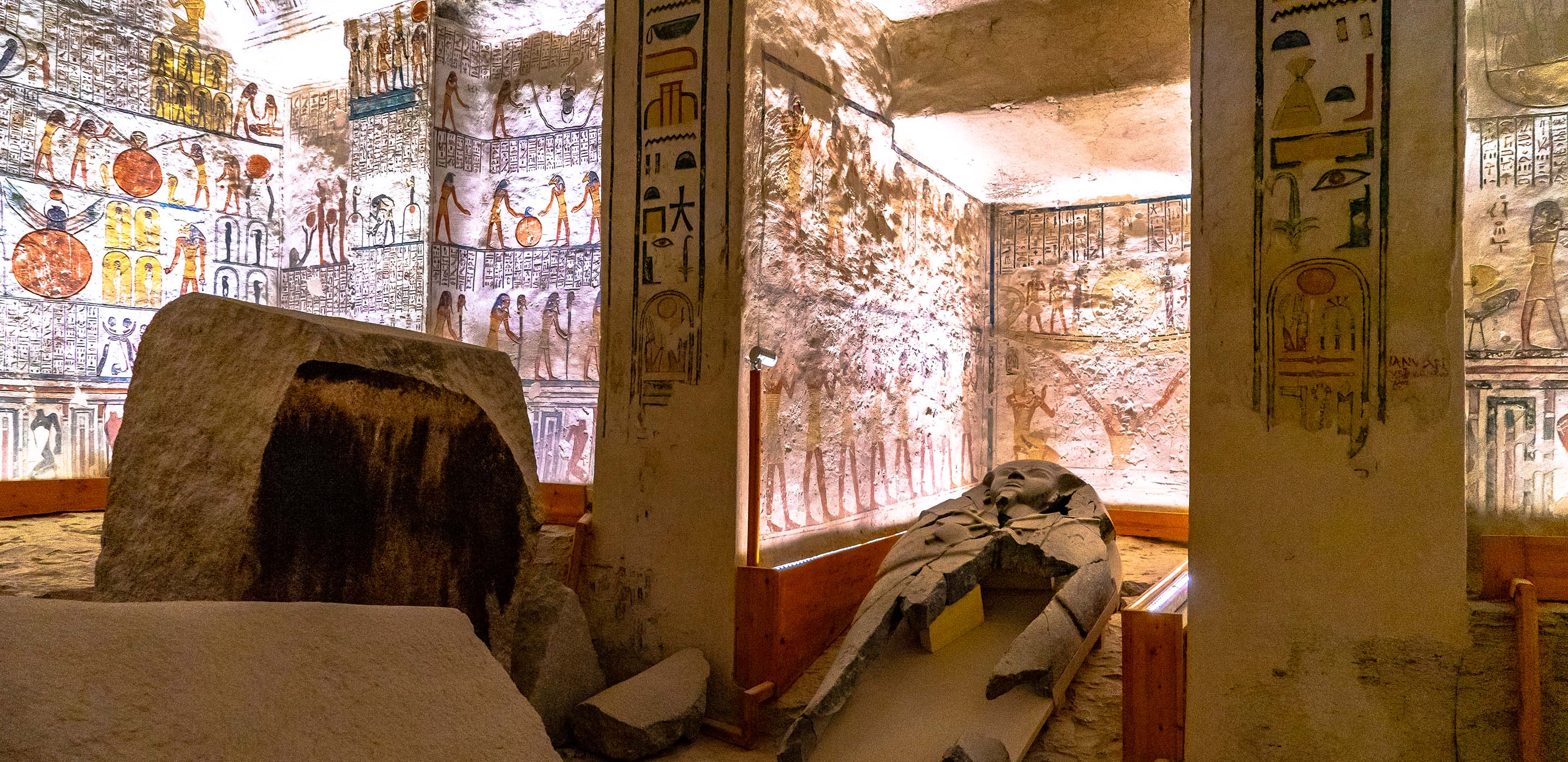
You will visit the old necropolis of ancient Thebes on the West Bank of Luxor. We will take you to the spectacular Valley of the Kings, where up to now, 63 tombs have been found varying from a one chamber crypt (KV54) to a tomb with 120 chambers (KV5). You will be able to visit 3 tombs with the entrance ticket. The tombs of Tutankhamen and Seti I require separate tickets (not included).
2
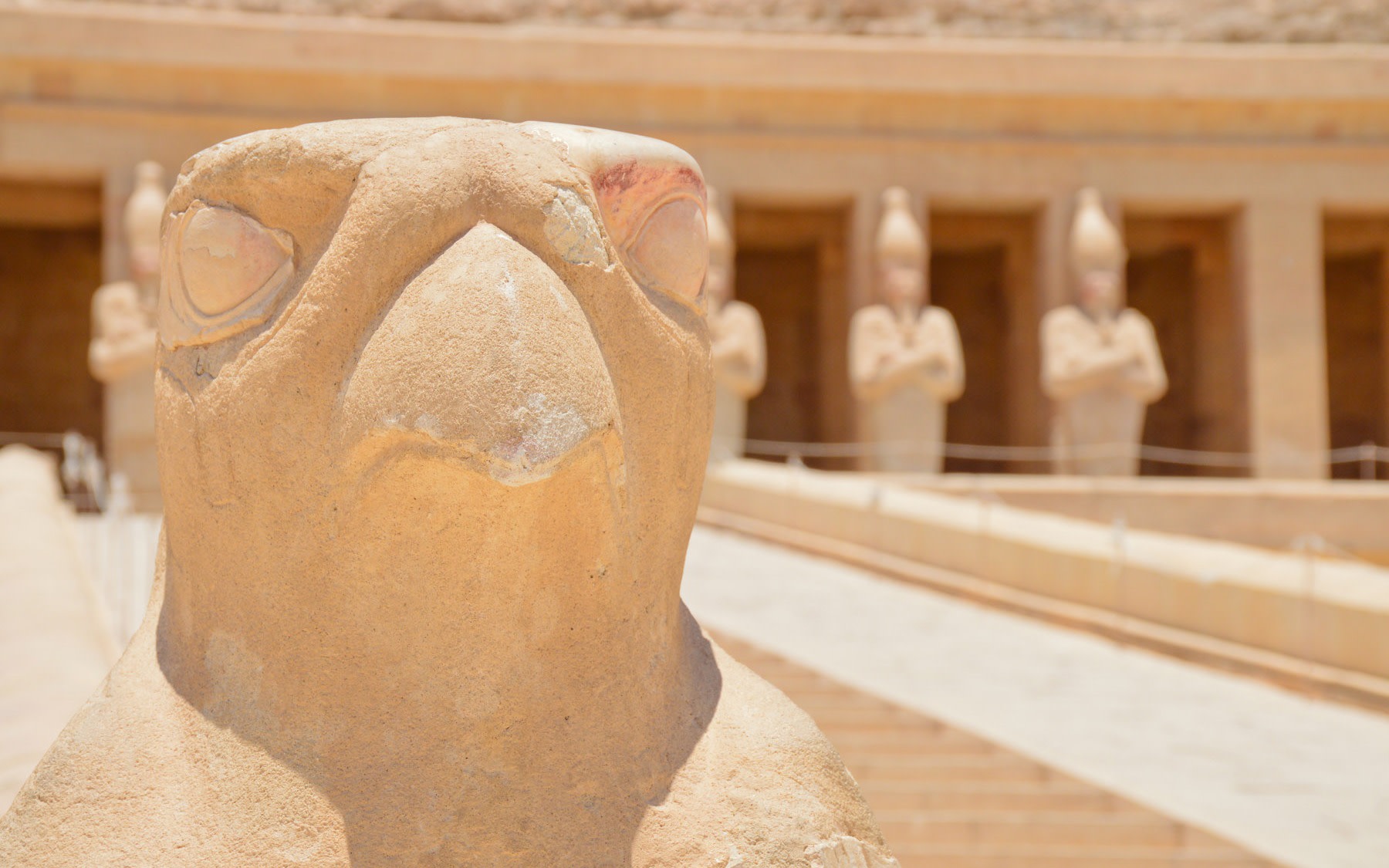
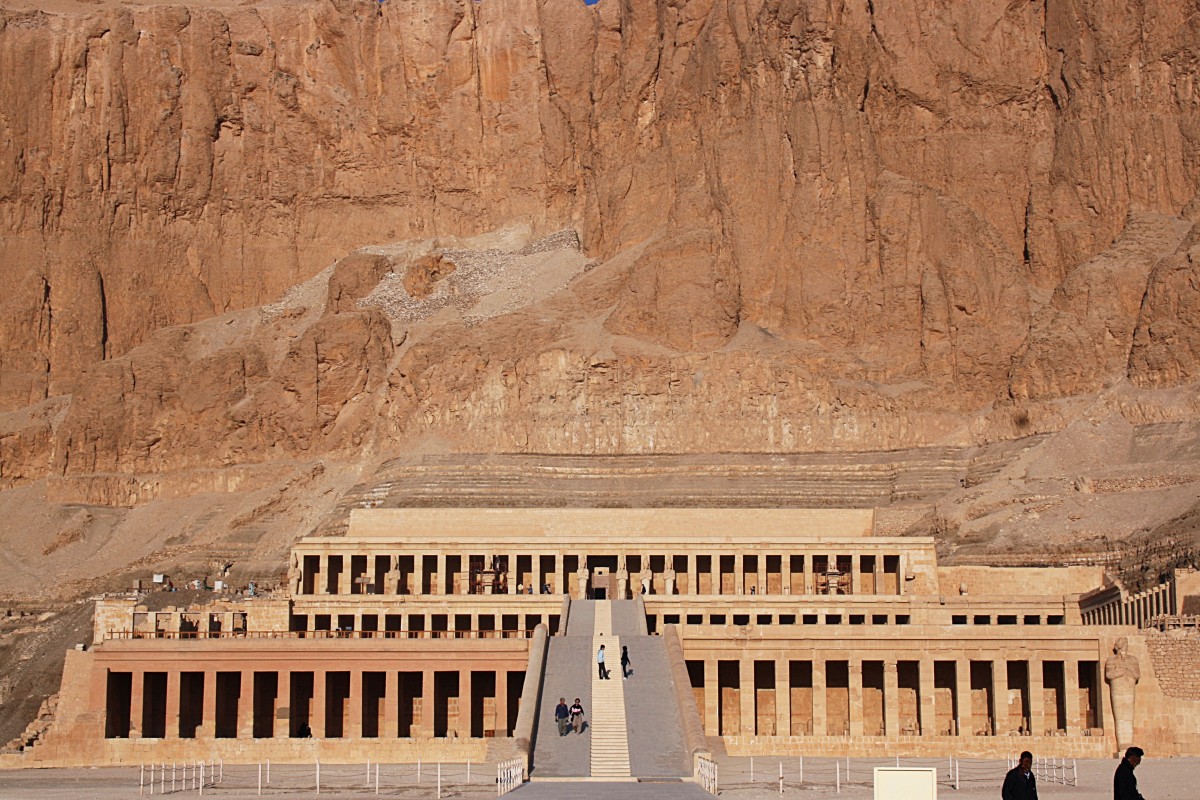
We visit the rock hewn mortuary Temple of Hatshepsut. After the death of her husband, Thutmose II, Hatshepsut took the reign as either co-regent with or self-proclaimed Pharaoh instead of Thutmose III. Either way, she was a skillful warrior and strong ruler re-establishing trade routes with foreign countries. Prove of her successes and accomplishments are written on the walls of her memorial Temple at Deir El-Bahari.
3
Stop 3
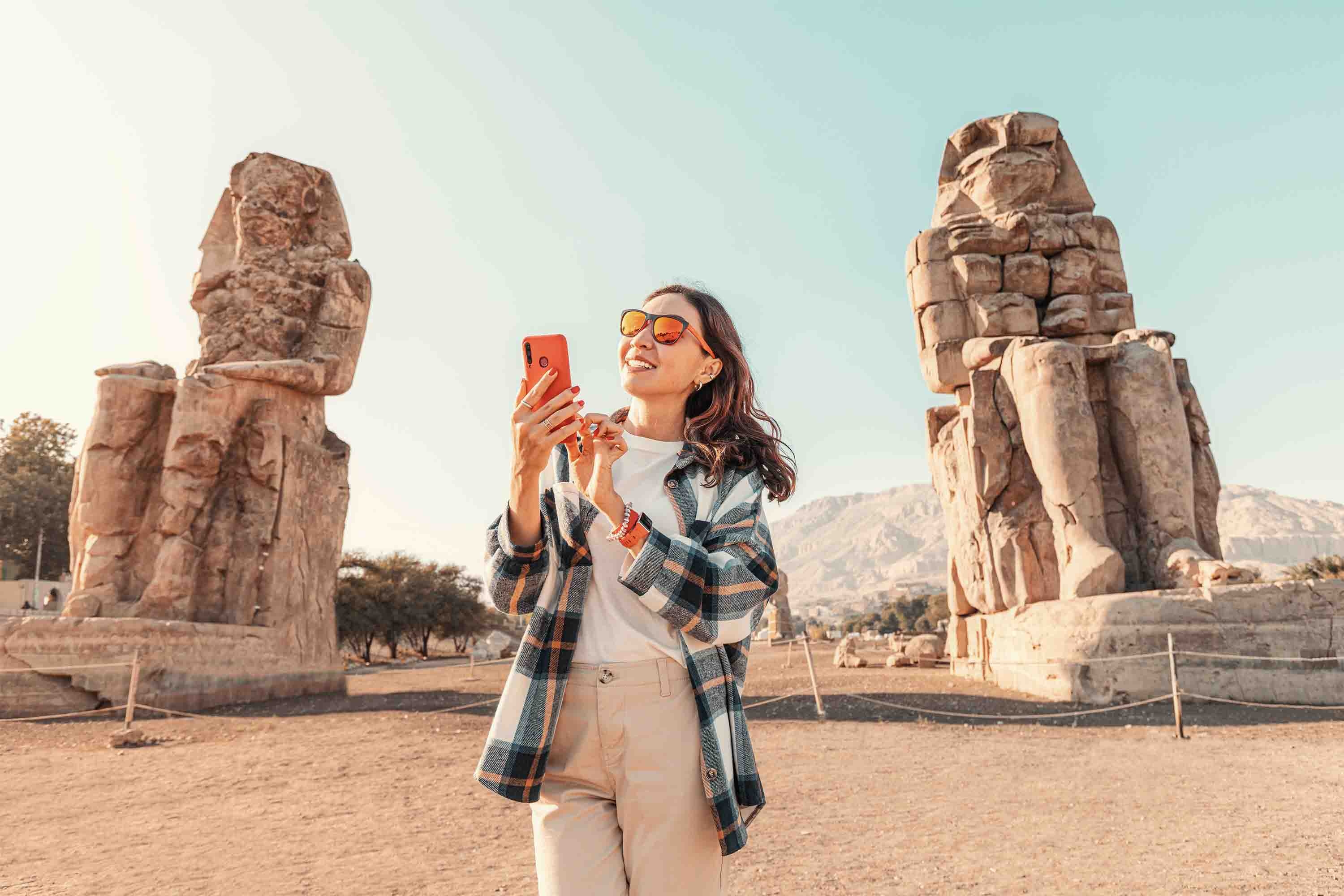
We stop at the base of the magnificent Colossi of Memnon, two immense statues guarding the ongoing excavation of the palace of Amenophis III. The statues are actually likenesses of Pharaoh Amenophis III. Memnon was a hero of the Trojan wars, said to be the son of Eos, Goddess of Dawn. Because of an earthquake in 27BC, one of the statues was damaged and due to forces of nature, was said to "whistle" or "sing" at dawn.
4
Stop 4
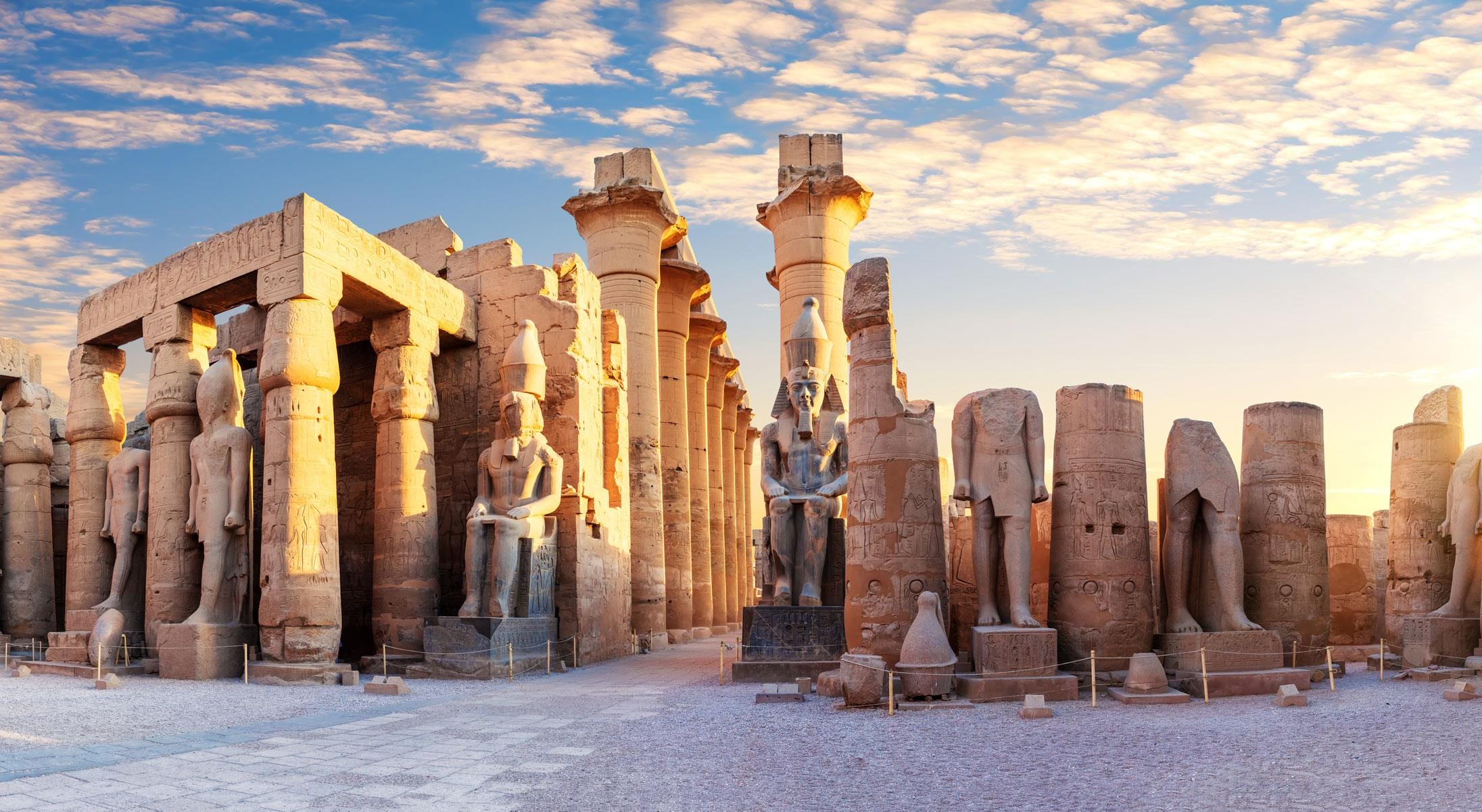
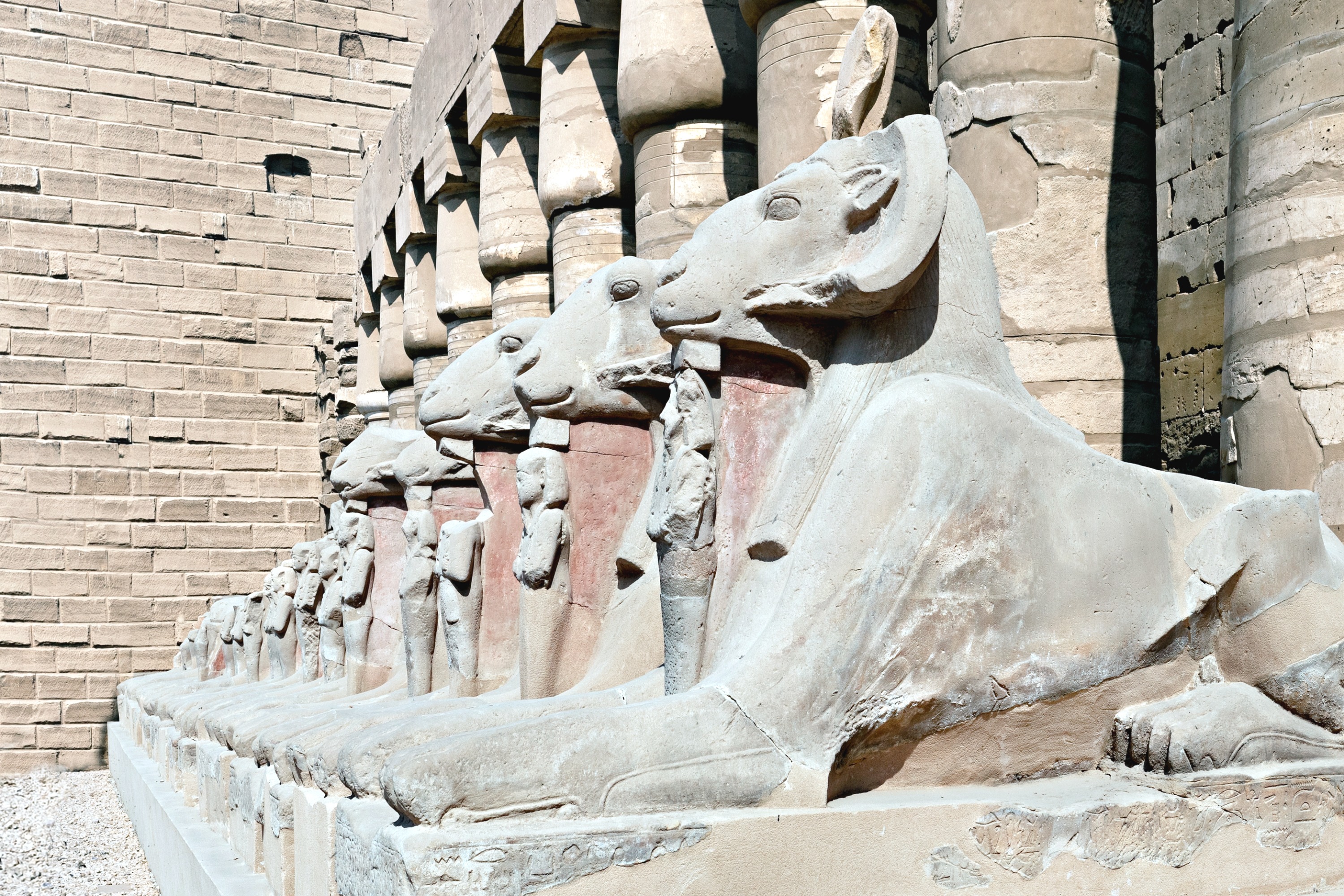
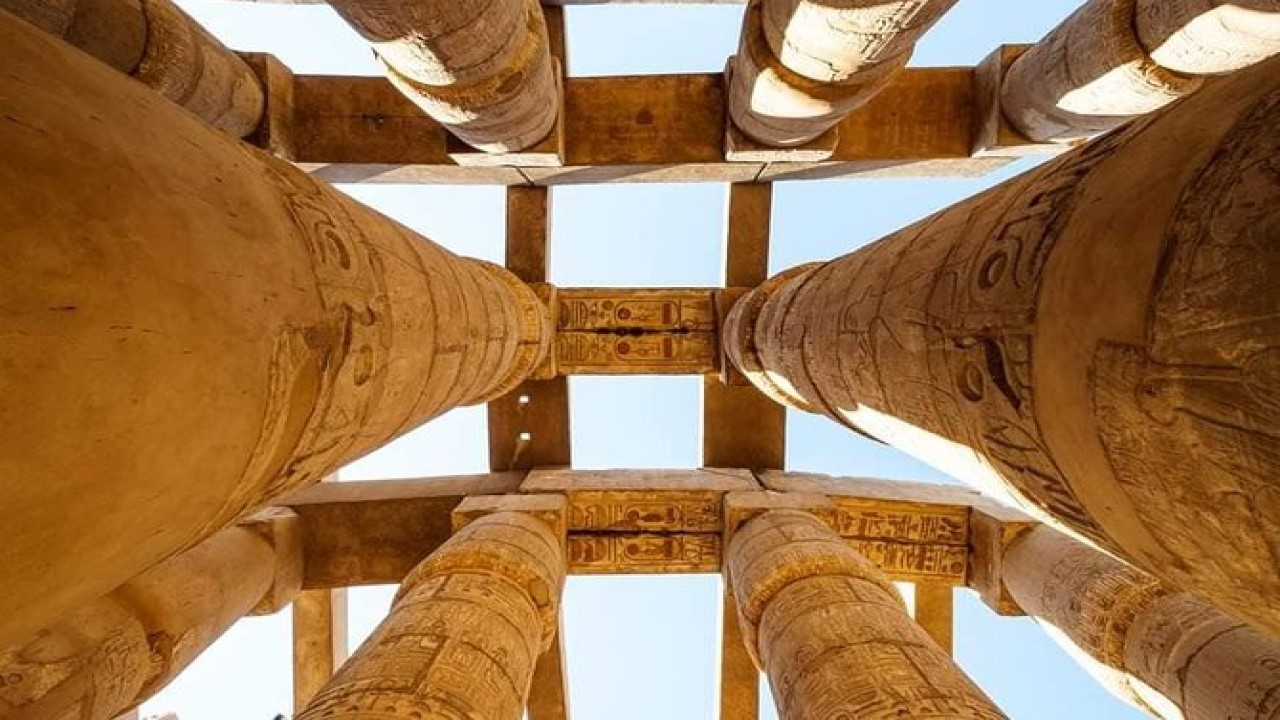
You will visit the Karnak Temple, the second largest religious temple in the world after Angkor Wat in Cambodia. Construction of the first temple complex started about 3,500 years ago and stopped in the Ptolemaic era. The Karnak Temple is a collection of precincts for Amun Re, Mut and Monsu and contains holy lakes, hypostyle halls, obelisks, pylons and shrines. Within the walls is a separate open air museum that requires an additional entrance ticket, as does the Mut precinct. Your guide will lead you through the temple, sharing the historical highlights and giving you plenty of time to wander around between the ancient walls.
5
Stop 5
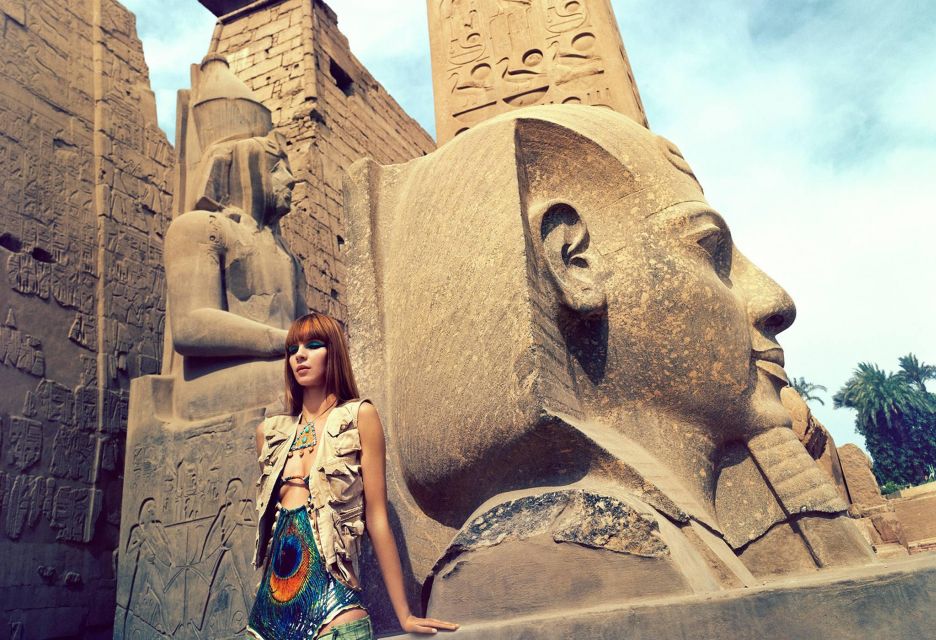
You will drive by the Luxor Temple, dedicated, not to a deity or pharaoh but to the Rejuvenation of Kingship and center of the Opet Festival. In ancient times, the Karnak and Luxor Temples were connected by the sphinx alley which is still being excavated. Many pharaohs were crowned here, either in reality or theoretically (like Alexander the Great who claimed he was crowned in Thebes but probably never visited the ancient capital).
What's not included
Tips, Beverages, extra activities not mentioned, and personal spending
other Languages guides at extra supplement to be paid in cash
Egypt Entry Visa
Extra charged tombs in the Valley of the Kings (Tutankhamun, Seti I, Ramses V/VI)
Optional oriental homemade typical Egyptian meals/beverages at villager house, $10/person
Available languages
Guide guide
AR
DE
EN
IT
FR
ES
Reviews breakdown
Tripadvisor
5.0
1 reviews
5★
1
4★
0
3★
0
2★
0
1★
0
Important information
Wheelchair accessible
Infants and small children can ride in a pram or stroller
Service animals allowed
Public transportation options are available nearby
Specialized infant seats are available
Transportation options are wheelchair accessible
All areas and surfaces are wheelchair accessible
Suitable for all physical fitness levels
Tombs at the Valley of the Kings are not wheelchair accessible
Important notes
Tickets will be with the tour guide at Safaga Port
About Safaga
Safaga is a charming coastal city on the Red Sea known for its pristine beaches, clear waters, and excellent diving opportunities. It's a popular destination for both relaxation and adventure, offering a more tranquil alternative to the busier Red Sea resorts.
Top Attractions
Safaga Beach
A beautiful, less crowded beach with clear waters perfect for swimming, snorkeling, and relaxing.
Beach
Half day to full day
Free or low cost for beach resorts
Gebel Elba National Park
A remote and diverse national park with unique wildlife, stunning landscapes, and ancient rock art.
Nature
Full day trip or overnight
Moderate to expensive (guided tours recommended)
Safaga Diving Center
A premier diving center offering access to some of the best dive sites in the Red Sea.
Adventure
Half day to full day
Moderate to expensive
Must-Try Local Dishes
Grilled Seafood
Freshly caught fish, prawns, and squid grilled to perfection with local spices and herbs.
Dinner
Can be prepared to suit various dietary needs.
Ful Medames
A traditional Egyptian breakfast dish made from slow-cooked fava beans, often served with eggs, cheese, and vegetables.
Breakfast
Vegetarian, can be vegan if made without tahini.
Koshari
A popular Egyptian street food made with rice, lentils, pasta, and fried onions, topped with a spicy tomato sauce and garlic vinegar.
Lunch
Vegetarian, can be vegan if made without fried onions.
Popular Activities
Diving
Snorkeling
Quad Biking
Beach Lounging
Spa Treatments
Yoga
Visiting Local Markets
Exploring Historical Sites
Best Time to Visit
October to April
This is the most pleasant time to visit, with warm but not overly hot temperatures. It's ideal for beach activities, diving, and sightseeing.
20°C to 28°C (68°F to 82°F)
68°F to 82°F
Practical Information
Language
- Official: Arabic
- Widely spoken: English, French
- English: Moderately spoken in tourist areas, limited elsewhere
Currency
Egyptian Pound (EGP)
Time Zone
EET (UTC+2)
Electricity
220VV, 50HzHz
Safety Information
Overall Safety Rating: Generally safe but exercise caution
Safaga is generally safe for tourists, but standard precautions should be taken to avoid petty crime and scams. Be cautious of your surroundings, especially in crowded areas.
Important Precautions:
- • Be cautious of your belongings in crowded areas
- • Use reputable tour operators and taxis
- • Avoid walking alone at night, especially in isolated areas
Getting there
By air
- Hurghada International Airport • 60 km (37 miles) north of Safaga
By train
Safaga Station
By bus
Safaga Bus Station
Getting around
Public transport
Affordable but can be crowded. Not always punctual.
Taxis
Available • Apps: Uber, Careem
Rentals
Car, Bike, Scooter
Neighborhoods
Downtown Safaga
Beachfront Area
Day trips
Hurghada
60 km (37 miles) north • Half day to full day
A larger and more bustling resort town with a variety of attractions, from beaches to nightlife.
Luxor
280 km (174 miles) south • Full day or overnight
An ancient city with a wealth of historical sites, including the Valley of the Kings and Karnak Temple.
Festivals
Eid al-Fitr • Changes annually based on the lunar calendar
Eid al-Adha • Changes annually based on the lunar calendar
Pro tips
- Visit the local markets early in the morning for the best selection and prices
- Book diving and water sports tours in advance for the best availability and rates
- Stay hydrated and protect yourself from the sun, especially during the hotter months
- Learn a few basic Arabic phrases to enhance your interaction with locals
- Explore the lesser-known beaches and dive sites for a more unique experience
From $25
per person
Price varies by option
Secure booking
Free cancellation available
Instant confirmation