Quilombo Afro Heritage Tour
Active
7h
For a full refund, cancel at least 24 hours before the scheduled departure time.
Instant confirmation
Mobile or paper ticket accepted
About this experience
Experience the Afro-Brazilian culture of the Recôncavo Baiano on our shared Quilombo Kaonge tour. This activity requires a minimum of 3 participants, and your reservation is accepted immediately; however, final confirmation depends on completing the group. We will keep you updated until the tour date. If the minimum is not reached, you may pay the difference to enjoy the tour as a private experience.
Travel from Salvador to Santo Amaro and Quilombo Kaonge, explore historic streets, markets, and Afro heritage, and immerse yourself in the daily life, traditions, cuisine, and cultural practices of the community, including a traditional “quilombola chat” with the Griot. Enjoy a deep and authentic cultural experience in this 7-hour tour.
Available options
Tour Privativo para 1 pessoa
Serviço Privativo <br/>Pickup included
Quilombo Afro Heritage Tour
Pickup included
What's included
Hotel pickup and drop-off
Lunch
Workshops
Transportation
Accredited Guide
Detailed itinerary
1
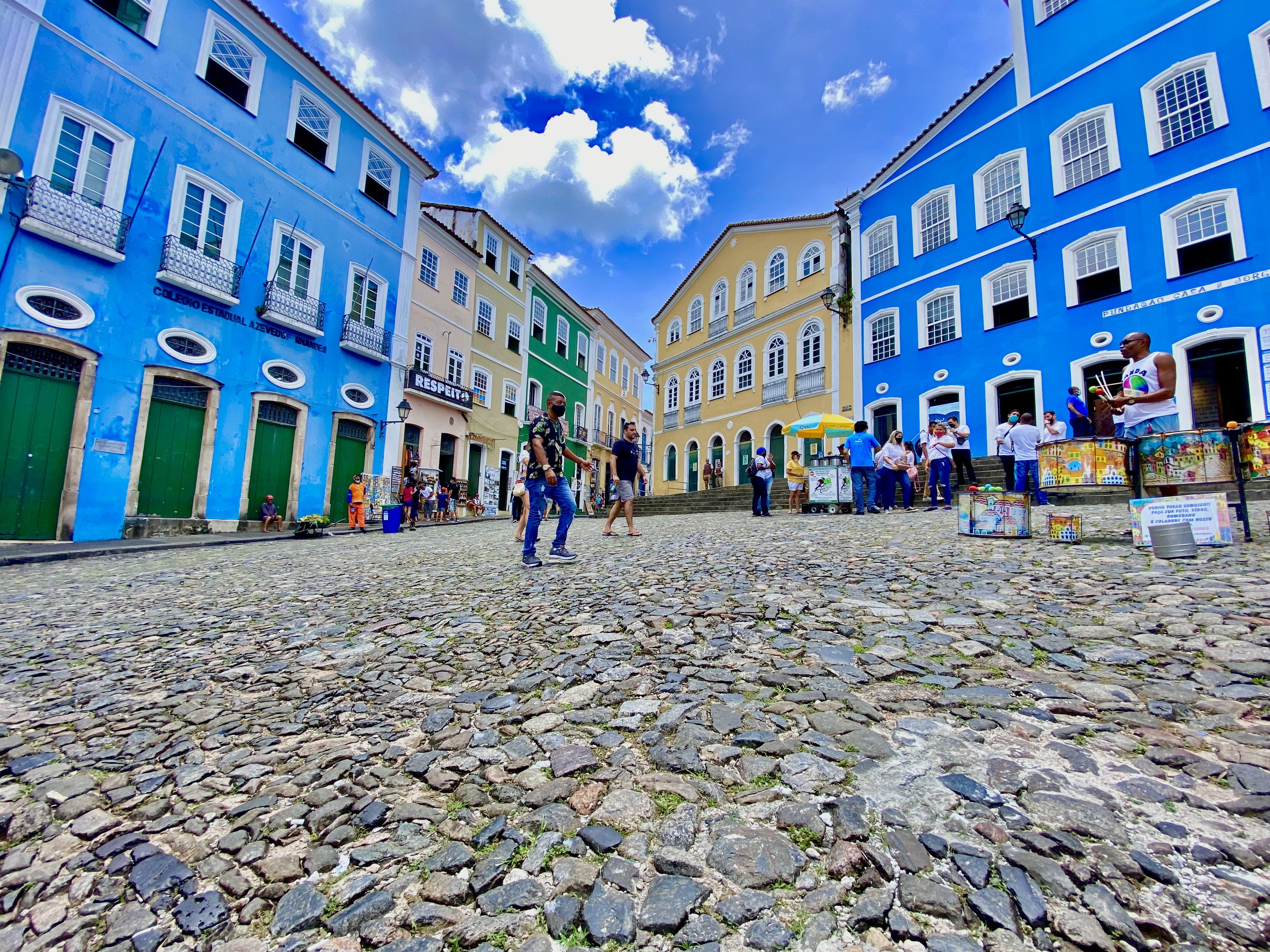
On this town, we will have a walking tour through the cobblestone street visiting:
1. Food market, stop for tasting local fruits and special cheese and candy of banana and guava.
2. See the church of Humildes (No access in).
3. See the Church of Rosário ( possible to visit in, depending on the daily schedule from the city hall employees.
4. Walking to the main square to see the colonial architecture and stop for photos from the matriz church and câmara e cadeia (parlament and prison).
2
Stop for photos and walking in front of the church, with a possibility to go in depending on the local city hall schedule that is irregular.
3
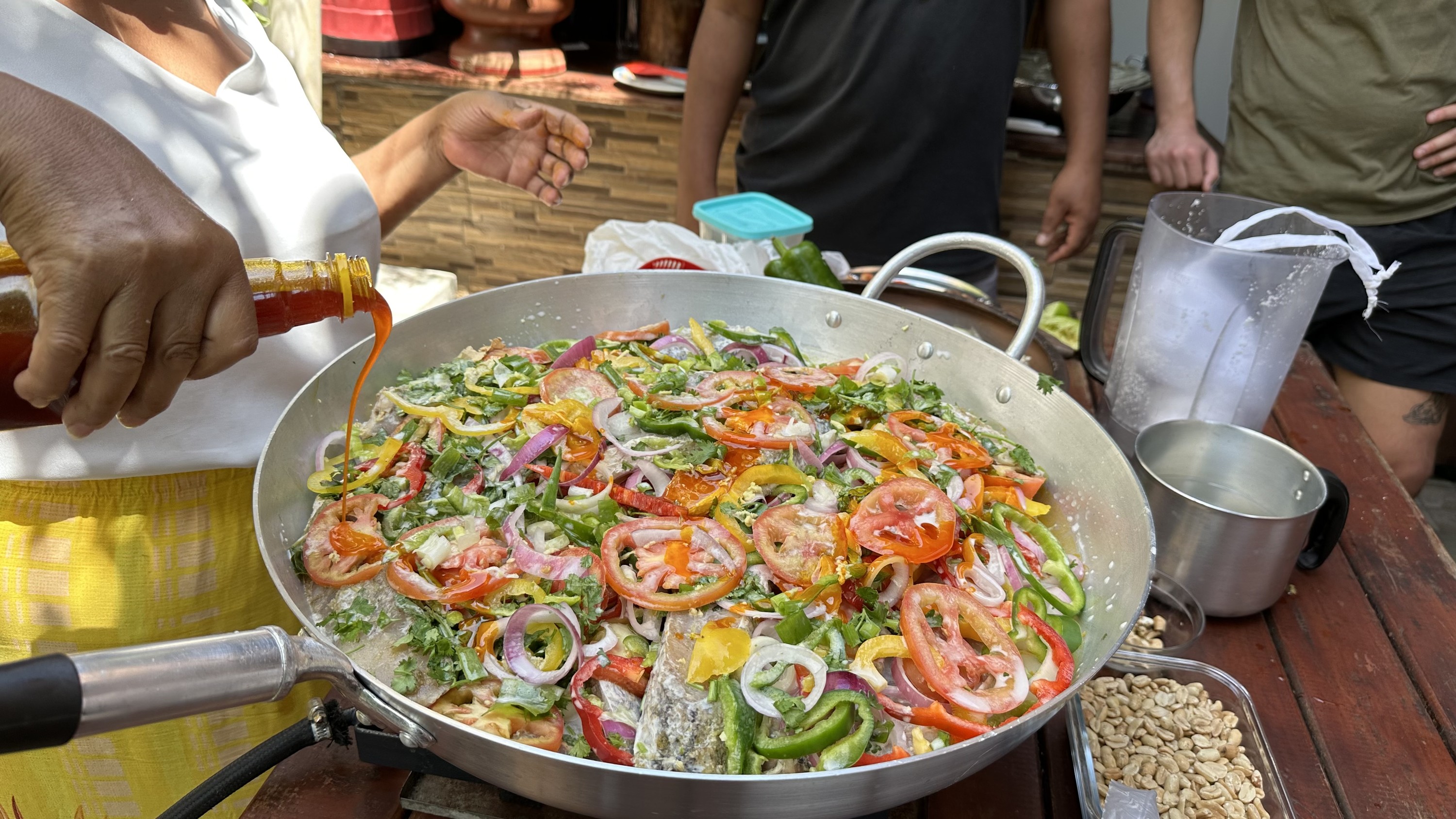
We will pass by sugarcane, cassava and tobacco farms, towards Quilombo Kaonge, where we will have a great opportunity to experience their daily lives and share their wisdom and flavors. In order not to escape the experience we will have a short talk with the Griô of the community then we will put our hands on the practice and learn the process of making the flour and palm oil, soon after we have local lunch.
4
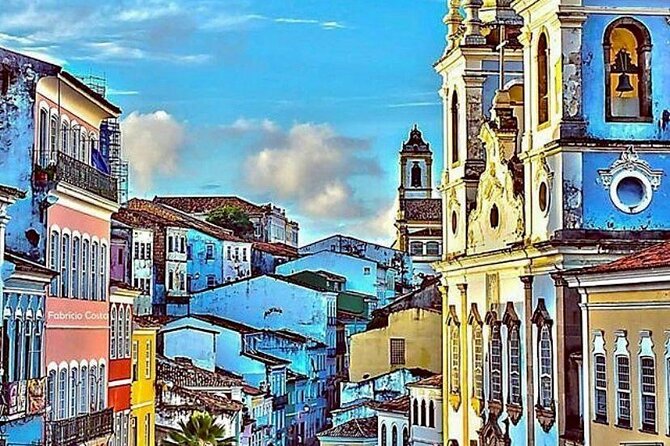
walking tour through the street market and the colonial town of Santo Amaro da Purificação
What's not included
Drinks
Gratuities
Available languages
Guide guide
PT
EN
IT
ES
Reviews breakdown
Viator
5.0
1 reviews
5★
1
4★
0
3★
0
2★
0
1★
0
Tripadvisor
5.0
9 reviews
5★
9
4★
0
3★
0
2★
0
1★
0
Important information
Infants and small children can ride in a pram or stroller
Specialized infant seats are available
Suitable for all physical fitness levels
Vegetarian option is available, please advise at time of booking if required
dress comfortable
use insect screem
Important notes
• Comfortable walking shoes are recommended
• Please note that departure times and locations may vary slightly
Times are subject to change due to local traffic conditions.
About Salvador da Bahia
Salvador da Bahia, often simply called Salvador, is a vibrant coastal city in northeastern Brazil. Known for its rich Afro-Brazilian culture, colonial architecture, and lively Carnival celebrations, Salvador is a city that captivates visitors with its unique blend of history, music, and natural beauty. The historic Pelourinho district, a UNESCO World Heritage site, offers a glimpse into the city's colonial past, while the lively neighborhoods of Barra and Rio Vermelho provide a taste of its modern, cultural vibrancy.
Top Attractions
Pelourinho
The historic heart of Salvador, Pelourinho is a UNESCO World Heritage site known for its colonial architecture, cobblestone streets, and vibrant culture. It's home to numerous churches, museums, and art galleries, as well as lively bars and restaurants.
Historical
Half day to full day
Free to enter the area, individual attractions may have fees
Elevador Lacerda
This iconic Art Deco elevator connects the upper and lower parts of Salvador, offering stunning views of the city and the bay. It's a symbol of Salvador and a must-visit attraction.
Architecture
15-30 minutes
Free to ride
Farol da Barra
This historic lighthouse is one of the oldest in Brazil and offers stunning views of the Atlantic Ocean. The surrounding park is a great place to relax and enjoy the ocean breeze.
Historical
1-2 hours
Free
Mercado Modelo
This large market is a great place to shop for souvenirs, crafts, and local products. It's located in the historic center and is easily accessible from the Lacerda Elevator.
Shopping
1-2 hours
Free to enter, prices vary
Praia do Farol da Barra
This beautiful beach is located near the Farol da Barra lighthouse and offers a great place to relax and enjoy the ocean. It's one of the most popular beaches in Salvador and is known for its clear waters and golden sand.
Beach
Half day to full day
Free
Pelourinho Square
This iconic square is the heart of the Pelourinho district and is surrounded by beautiful colonial buildings, churches, and museums. It's a great place to soak up the history and culture of Salvador.
Historical
1-2 hours
Free
Must-Try Local Dishes
Moqueca
A traditional Bahian seafood stew made with fish, shrimp, and spices, cooked in coconut milk and palm oil. It's typically served with rice, farofa (toasted cassava flour), and pirão (a thick sauce made from cassava flour and broth).
Dinner
Contains seafood and dairy (coconut milk).
Acarajé
Deep-fried black-eyed pea fritters stuffed with spicy shrimp paste, vatapá (a creamy paste made from bread, shrimp, and spices), and sometimes other fillings like heart of palm or caruru (a leafy green vegetable).
Snack
Vegetarian if ordered without the shrimp paste filling.
Bobó de Camarão
A creamy coconut sauce made with shrimp, cassava flour, and spices. It's typically served with rice and farofa.
Dinner
Contains seafood and dairy (coconut milk).
Coxinha
A popular Brazilian snack made from shredded chicken, cream cheese, and spices, rolled in dough and deep-fried. It's typically served with a side of tomato sauce.
Snack
Contains chicken and dairy (cream cheese).
Popular Activities
Hiking
Snorkeling
Surfing
Kayaking
Zip-lining
Beach lounging
Sunbathing
Spa treatments
Best Time to Visit
December to March
This is the peak tourist season in Salvador, with warm temperatures and high humidity. It's the best time to experience the city's famous Carnival and enjoy the beaches. However, it's also the most crowded and expensive time to visit.
28°C to 32°C
82°F to 90°F
Practical Information
Language
- Official: Portuguese
- Widely spoken: English, Spanish
- English: Moderately spoken in tourist areas, limited elsewhere
Currency
Brazilian Real (BRL)
Time Zone
UTC-3 (Brasília Time, BRT)
Electricity
127VV, 60HzHz
Safety Information
Overall Safety Rating: Exercise caution
Salvador is a vibrant and exciting city, but it's important to be aware of your surroundings and take precautions to ensure your safety. Petty crime, such as pickpocketing and theft, is common in crowded areas and on public transportation. Violent crime, such as armed robbery and assault, can also occur, especially at night and in isolated areas. It's important to be cautious and take steps to protect yourself and your belongings.
Important Precautions:
- • Be aware of your surroundings and avoid walking alone at night.
- • Keep your belongings secure and out of sight.
- • Use licensed taxis or ride-sharing services like Uber or Cabify.
Getting there
By air
- Deputado Luís Eduardo Magalhães International Airport • 25 km (15.5 miles) from city center
By bus
Terminal Rodoviário de Salvador
Getting around
Public transport
The bus system in Salvador is the primary mode of public transportation. It's affordable and covers most of the city, including the historic center and beach areas. However, buses can be crowded and may not be the most comfortable option for tourists.
Taxis
Available • Apps: 99 Taxis, Uber
Rentals
Car, Bike, Scooter
Neighborhoods
Pelourinho
Barra
Rio Vermelho
Comércio
Itaigara
Day trips
Praia do Forte
85 km (53 miles) from Salvador • Full day
This beautiful beach is located about an hour's drive from Salvador and is known for its clear waters, golden sand, and stunning coastline. It's a great place to relax and enjoy the ocean, as well as explore the nearby TAMAR Project, which is dedicated to the conservation of sea turtles.
Morro de São Paulo
150 km (93 miles) from Salvador • Overnight
This beautiful island is located about 3 hours from Salvador and is known for its stunning beaches, clear waters, and laid-back vibe. It's a great place to relax and enjoy the ocean, as well as explore the island's historic sites and natural beauty.
Cachoeira
120 km (75 miles) from Salvador • Full day
This historic town is located about 2 hours from Salvador and is known for its beautiful colonial architecture, rich history, and stunning natural beauty. It's a great place to explore the region's history and culture, as well as enjoy the town's laid-back vibe and delicious local cuisine.
Festivals
Carnival • February or March (depending on the date of Easter)
Lavagem do Bonfim • January
Yemanjá Festival • February 2nd
Pro tips
- Visit the historic Pelourinho district in the early morning or late afternoon to avoid the heat and crowds.
- Try some local street food, such as acarajé and coxinha, for a taste of Bahian cuisine.
- Take a guided tour of the city to learn about its history and culture from a local expert.
- Explore the city's many beaches, such as Praia do Farol da Barra and Praia do Forte, for a relaxing and enjoyable experience.
- Attend a traditional Capoeira performance or candomblé ceremony to experience the city's rich Afro-Brazilian heritage.
From $25
per person
Price varies by option
Secure booking
Free cancellation available
Instant confirmation