Naples Historical and Street Art Walking Tour
Active
2h
For a full refund, cancel at least 24 hours before the scheduled departure time.
Instant confirmation
Mobile or paper ticket accepted
About this experience
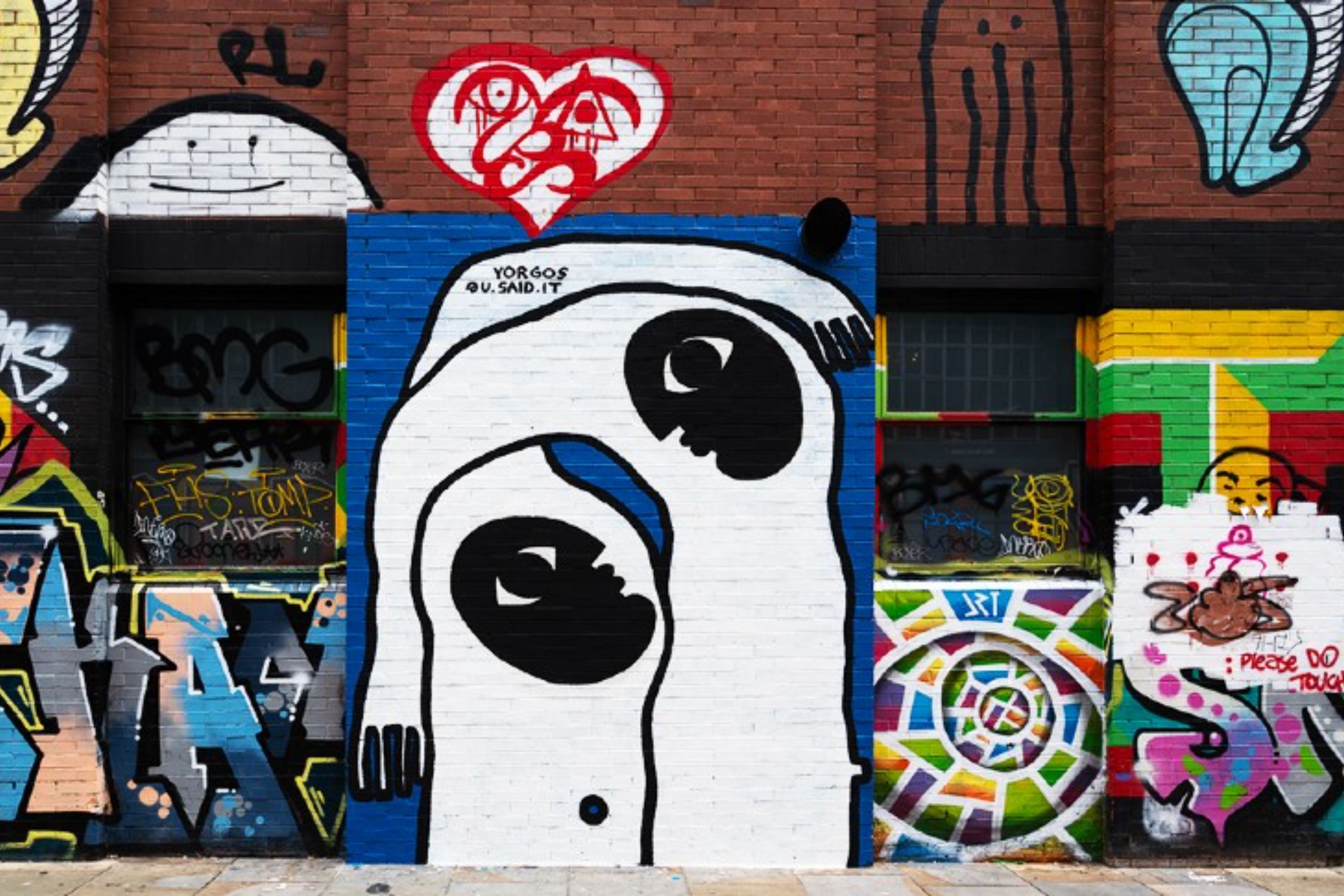
Discover Naples through the eyes of its streets on a 2-hour walking tour of the legendary Spanish Quarters. Guided by a passionate local expert, you’ll explore colorful murals honoring icons like Maradona, as well as hidden gems tucked away in narrow alleys rich with history and character.
Along the way, hear stories of urban transformation, local resistance, and Neapolitan pride, told exactly where they happened. This experience goes beyond street art — it’s about people, culture, and identity, offering a deeper understanding of Naples.
Perfect for art lovers, culture seekers, and curious travelers, this tour reveals the heart of the city and leaves you with a true connection to its vibrant soul.
Available options
Naples Historical and Street Art Walking Tour
What's included
Open street art museum
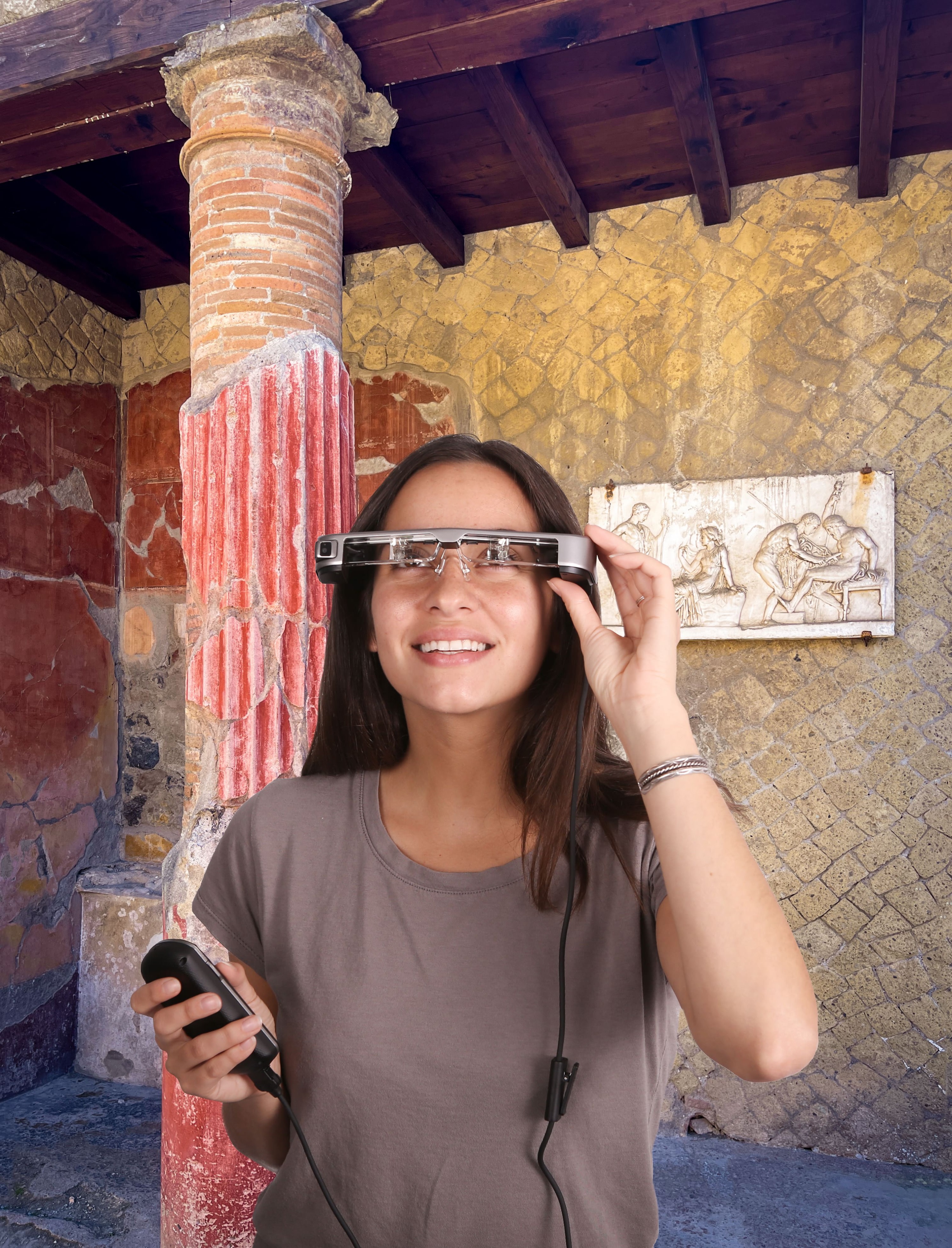
Visual material
Guide
Detailed itinerary
1
Stop 1
The Spanish Quarters — or Quartieri Spagnoli — lie in the heart of Naples’ historic center, weaving together centuries of architecture, history, and local life. Built in the 16th century under the rule of Spanish viceroy Pedro de Toledo, these narrow, lively streets were originally created to house Spanish military troops.
Their unique grid-like urban design flows down from Castel Sant’Elmo, creating a maze of alleys full of character, color, and contradiction. Once a symbol of military control, the neighborhood has evolved into one of the city’s most iconic and expressive areas — a living museum of street art, resilience, and Neapolitan identity.
As we walk through the San Ferdinando, Avvocata, and Montecalvario districts, your guide will reveal how this once-marginalized area became a vibrant canvas of rebellion, memory, and hope.
2
Stop 2
Pass by
Our journey takes us along Via Toledo, one of Naples’ most iconic and historic streets. Stretching from Piazza Dante to Piazza Trieste e Trento, this vibrant road has been a cornerstone of Neapolitan life, shopping, and culture since the 16th century.
Commissioned in 1536 by Spanish viceroy Pedro Álvarez de Toledo, and designed by royal architects Ferdinando Manlio and Giovanni Benincasa, the street once ran parallel to the now-vanished Aragonese city walls. As Naples expanded under Toledo’s rule, the walls were demolished — making way for a new vision of the city.
Today, Via Toledo is a lively mix of historic palaces, churches, and piazzas, where the echoes of the past blend with the energy of modern-day Naples. You'll walk the same path as generations of locals, revolutionaries, and artists — all under the watchful eye of Naples’ ever-evolving identity.
What's not included
Food & Drinks
Available languages
Guide guide
EN
IT
FR
ES
Reviews breakdown
Viator
4.7
58 reviews
5★
52
4★
2
3★
1
2★
1
1★
2
Tripadvisor
4.9
653 reviews
5★
619
4★
28
3★
0
2★
0
1★
6
Important information
Infants and small children can ride in a pram or stroller
Service animals allowed
Public transportation options are available nearby
Suitable for all physical fitness levels
Meeting point
Piazzetta Matilde Serao 2
About Naples
Naples, Italy's third-largest city, is a vibrant and chaotic metropolis known for its rich history, incredible food, and vibrant street life. As the birthplace of pizza, Naples offers a unique blend of ancient ruins, stunning coastal views, and a bustling urban atmosphere.
Top Attractions
Naples National Archaeological Museum
One of the most important archaeological museums in the world, housing a vast collection of artifacts from the Roman era, including those from Pompeii and Herculaneum.
Museum
2-3 hours
€15
Pompeii
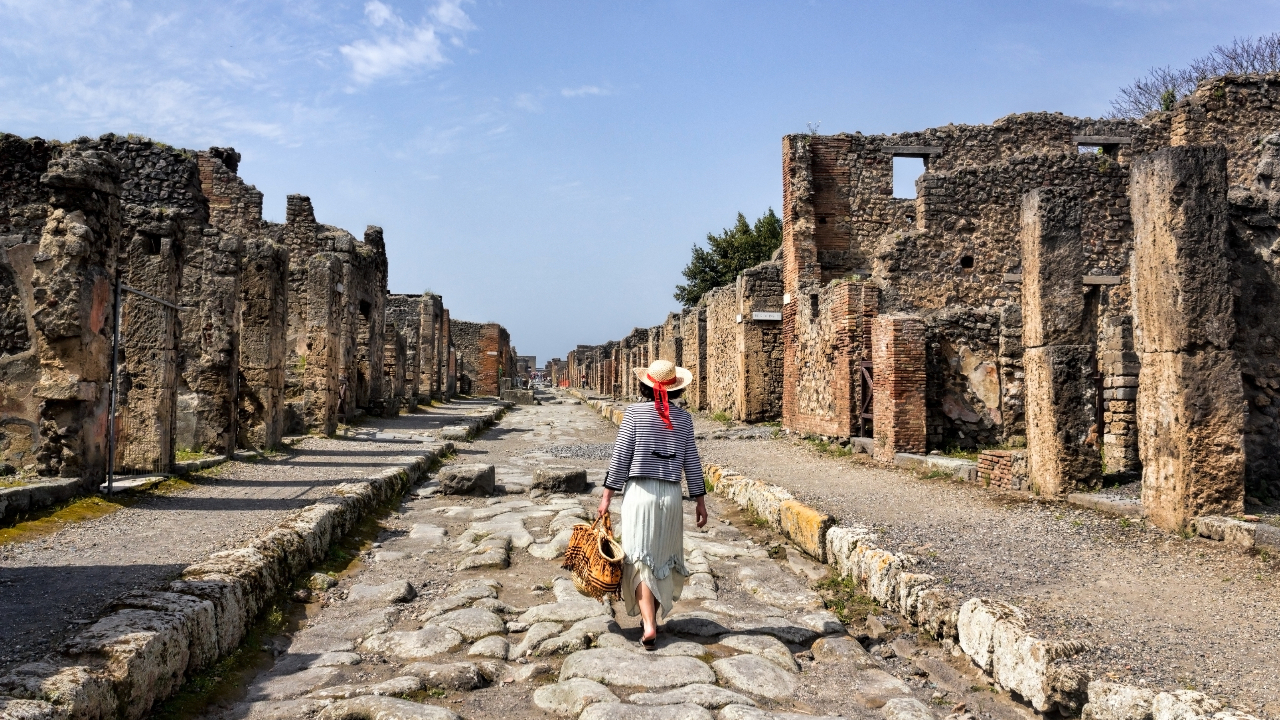
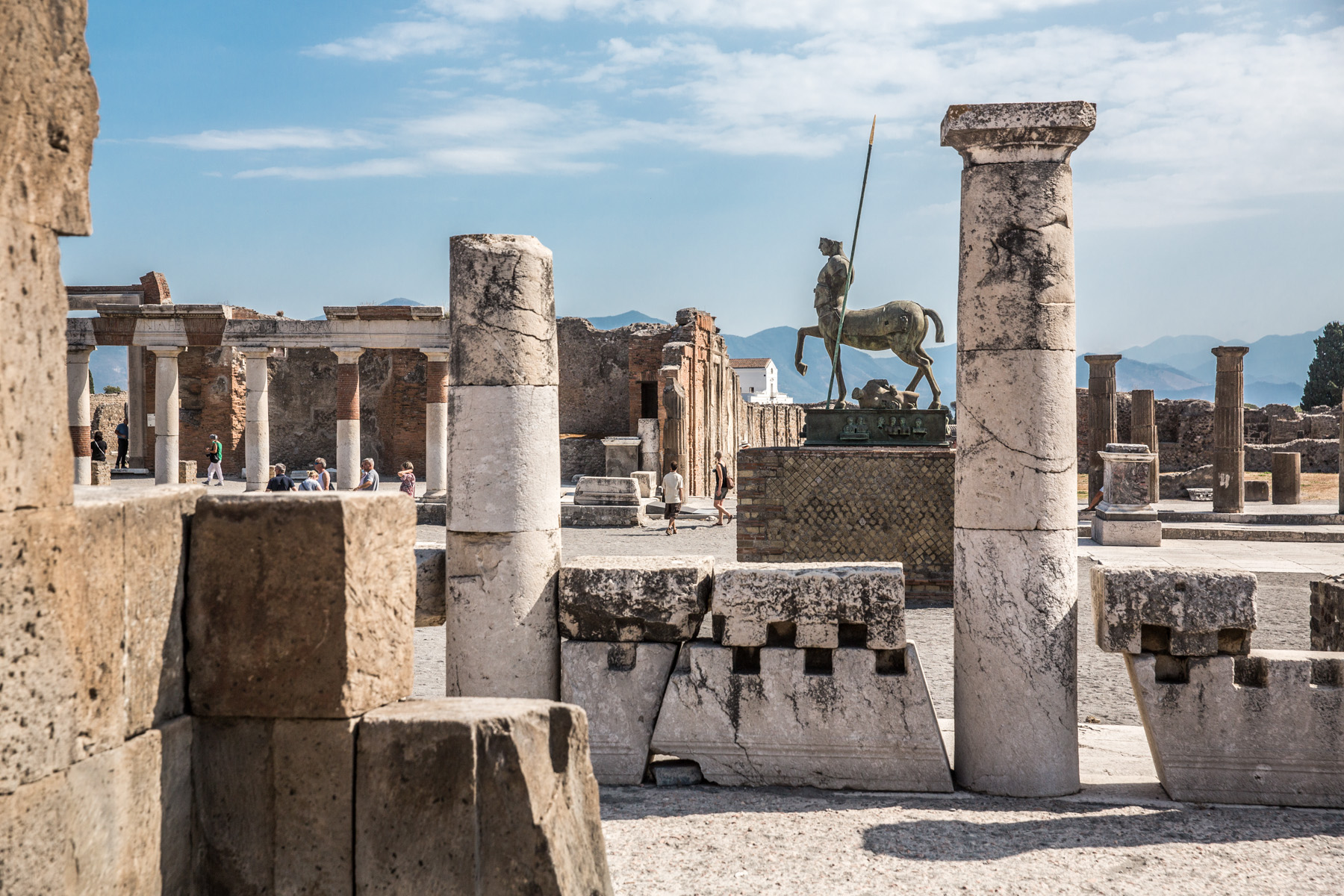
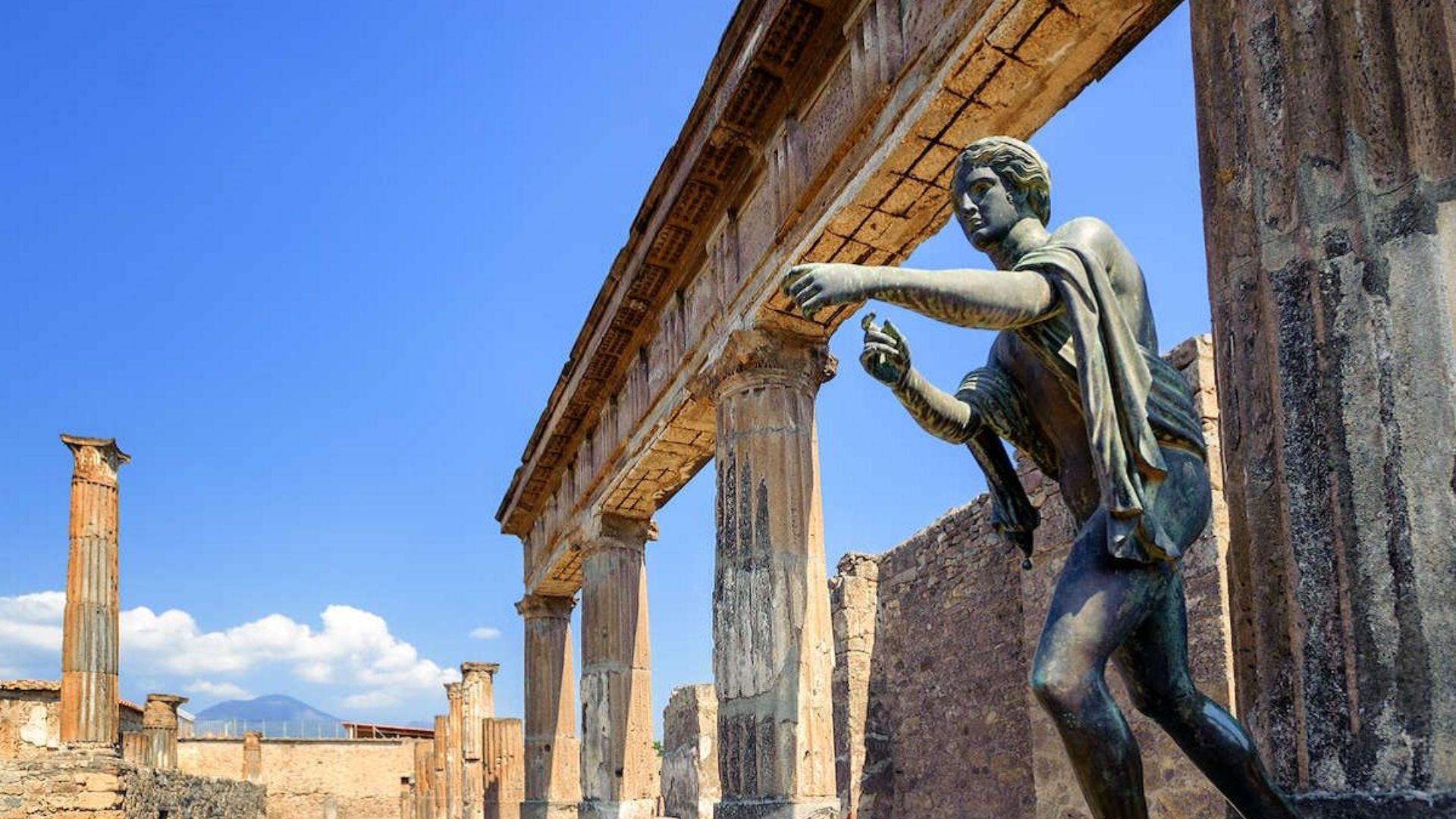
The ancient Roman city of Pompeii, preserved by volcanic ash from the eruption of Mount Vesuvius in 79 AD. It's a UNESCO World Heritage site and one of the most famous archaeological sites in the world.
Historical
Half day to full day
€15
Castel dell'Ovo
A medieval castle located on the former island of Megaride, connected to the mainland by a causeway. It offers stunning views of the Bay of Naples and a rich history.
Historical
1-2 hours
Free
Mount Vesuvius
The famous volcano that erupted in 79 AD, destroying Pompeii and Herculaneum. It's an active volcano and offers a unique hiking experience with breathtaking views.
Nature
Half day
€10
Galleria Umberto I
A beautiful 19th-century shopping gallery with a stunning glass and iron roof, elegant shops, and cafes. It's a great place to experience the city's vibrant atmosphere.
Architecture
1-2 hours
Free to enter
Must-Try Local Dishes
Pizza Margherita
The original Neapolitan pizza, made with simple ingredients: tomatoes, mozzarella, basil, and olive oil. It's a UNESCO Intangible Cultural Heritage and a must-try in Naples.
Dinner
Contains gluten and dairy.
Spaghetti alle Vongole
A classic Neapolitan dish made with spaghetti, clams, garlic, white wine, and parsley. It's a delicious and simple representation of the local seafood cuisine.
Dinner
Contains gluten and seafood.
Sfogliatella
A traditional Neapolitan pastry made with layers of crispy, flaky dough filled with sweet ricotta cheese and semolina. It's a popular breakfast or snack item.
Dessert
Contains gluten and dairy.
Babà al Rhum
A small, rum-soaked cake that's a popular dessert or afternoon snack in Naples. It's often served with whipped cream or pastry cream.
Dessert
Contains gluten and dairy.
Popular Activities
Hiking Mount Vesuvius
Boat tours to nearby islands
Scuba diving in the Bay of Naples
Beach relaxation on the Amalfi Coast
Spas and wellness centers
Coffee and pastry at historic cafes
Visiting museums and historical sites
Attending local festivals and events
Best Time to Visit
April to June, September to October
The peak season offers the best weather for exploring the city's attractions and enjoying outdoor activities. The weather is warm but not too hot, and the crowds are manageable.
15-28°C
59-82°F
Practical Information
Language
- Official: Italian
- Widely spoken: English, Napolitan (local dialect)
- English: Moderately spoken
Currency
Euro (EUR)
Time Zone
GMT+1 (CET), GMT+2 (CEST) during daylight saving time
Electricity
230VV, 50HzHz
Safety Information
Overall Safety Rating: Exercise caution
Naples is a vibrant and exciting city, but it can also be chaotic and overwhelming. While violent crime is relatively low, petty crime such as pickpocketing and scams is common, especially in tourist areas. It's important to be aware of your surroundings and take precautions to protect yourself and your belongings.
Important Precautions:
- • Keep your valuables secure and out of sight.
- • Be cautious of your surroundings, especially in crowded areas and on public transportation.
- • Use licensed taxis or ride-sharing services, and always ensure the meter is running.
Getting there
By air
- Naples International Airport • 5 km from city center
By train
Napoli Centrale, Napoli Garibaldi
By bus
Napoli Centrale, Napoli Garibaldi
Getting around
Public transport
The metro system is clean and efficient but has limited coverage. It's useful for reaching major attractions and connecting to other public transport.
Taxis
Available • Apps: MyTaxi, FreeNow
Rentals
Car, Bike, Scooter
Neighborhoods
Historic Center (Centro Storico)
Chiaia
Posillipo
Quartieri Spagnoli
Day trips
Pompeii
25 km • Half day to full day
The ancient Roman city of Pompeii, preserved by volcanic ash from the eruption of Mount Vesuvius in 79 AD. It's a UNESCO World Heritage site and one of the most famous archaeological sites in the world.
Herculaneum
15 km • Half day
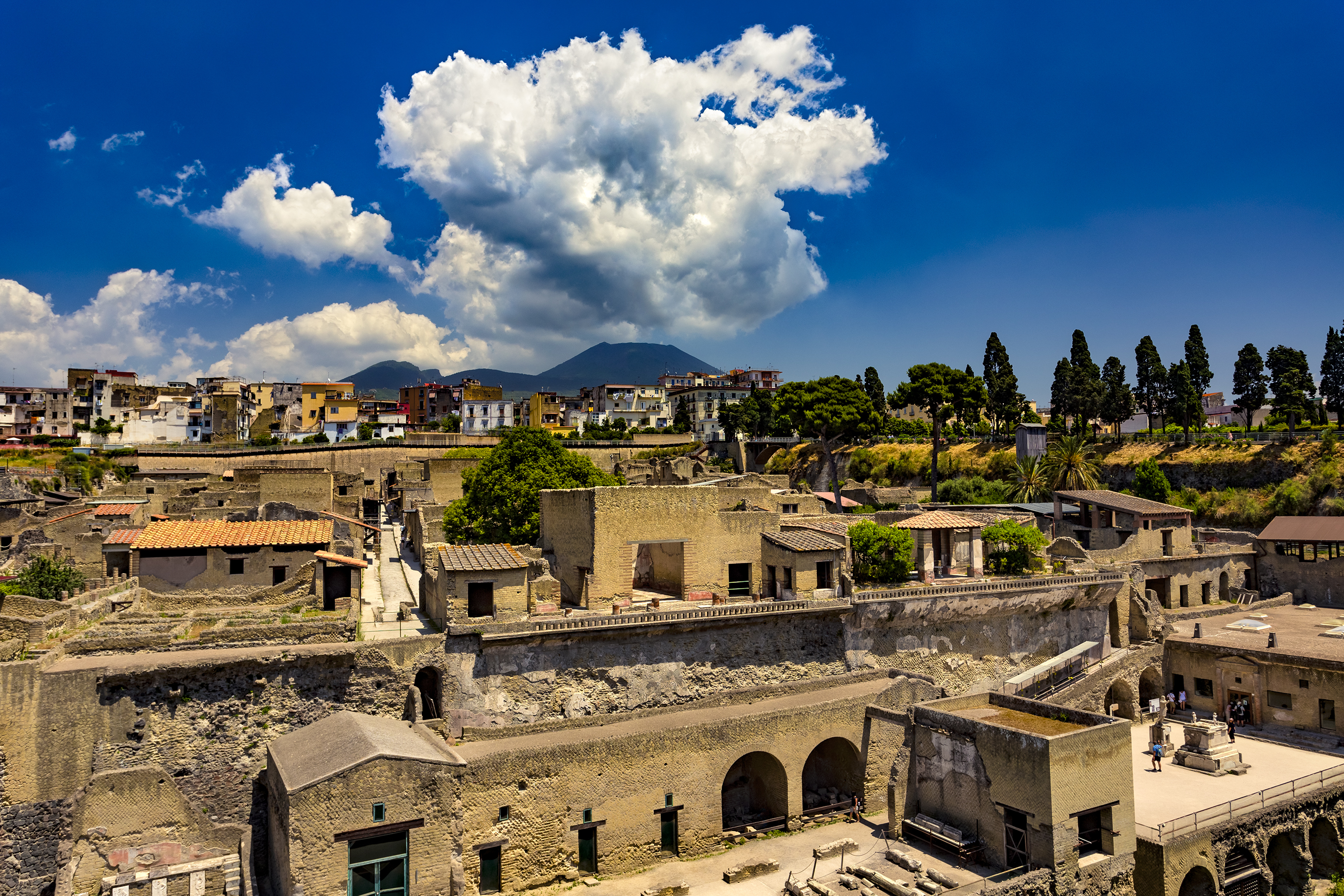
An ancient Roman town, also preserved by the eruption of Mount Vesuvius in 79 AD. Herculaneum is smaller and less crowded than Pompeii, offering a more intimate and well-preserved look at Roman life.
Sorrento
50 km • Full day
A charming coastal town known for its stunning views of the Bay of Naples, lemon groves, and historic center. It's a popular destination for day trips from Naples.
Festivals
Festa di San Gennaro • September 19
Pizzafest • June
Napoli Teatro Festival • June to July
Pro tips
- Learn a few basic Italian phrases to communicate with locals and enhance your experience.
- Try the local specialties, such as pizza, seafood, and pastries, and support local businesses.
- Be cautious of your surroundings, especially in crowded areas and on public transportation, and take precautions to protect yourself and your belongings.
- Visit the historic center and other attractions early in the morning or late in the afternoon to avoid crowds and the heat.
- Use public transportation, walk, or bike instead of driving to reduce your environmental impact and experience the city like a local.
From $25
per person
Price varies by option
Secure booking
Free cancellation available
Instant confirmation