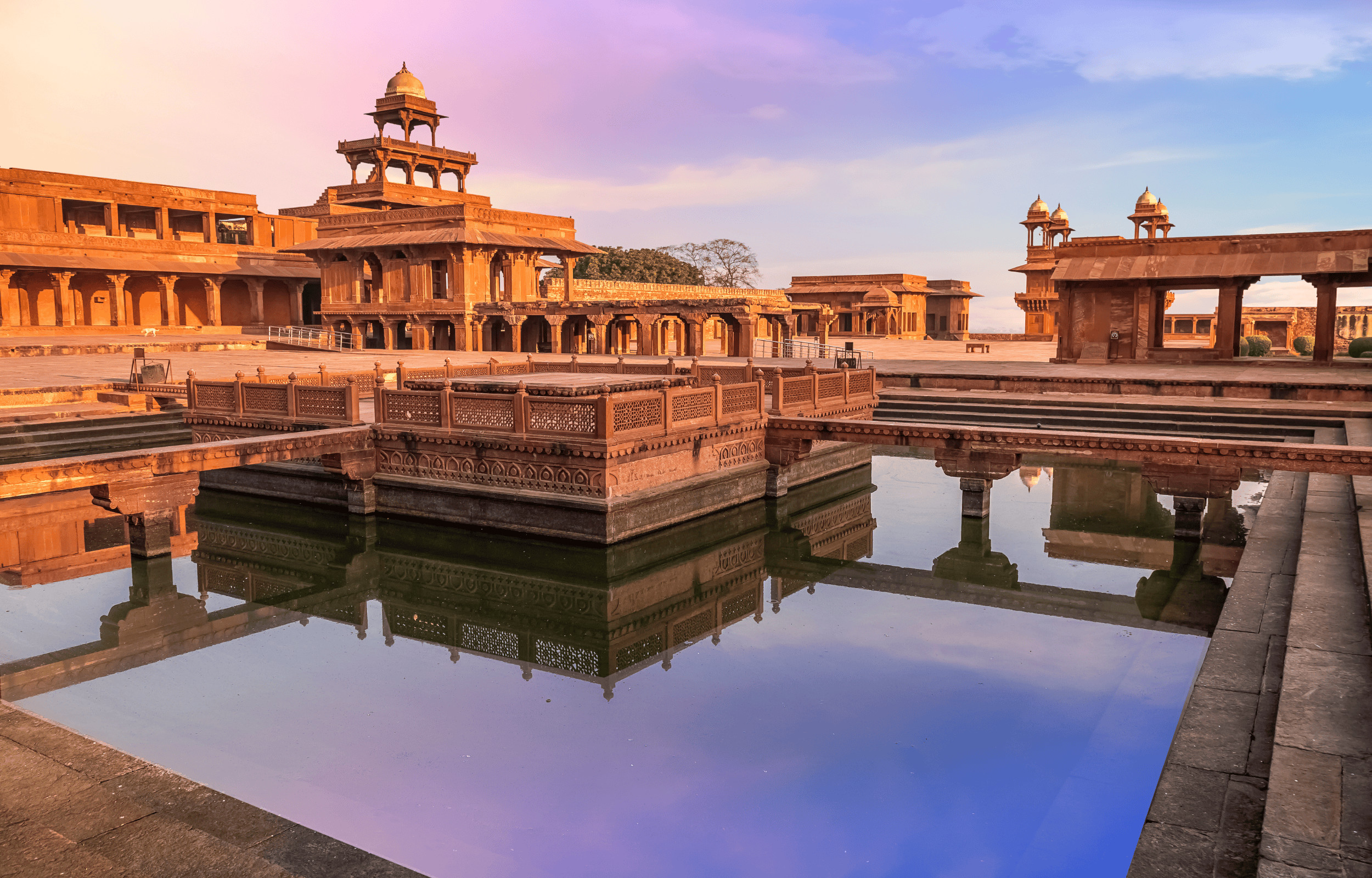
Sacred City of Anuradhapura from Habarana
Active
10h
For a full refund, cancel at least 24 hours before the scheduled departure time.
Instant confirmation
Mobile or paper ticket accepted
About this experience
Discover Anuradhapura and Mihintale on this 10-hour tour from Habarana. Accompanied by a guide, explore cultural sites in Anuradhapura, including Sri Maha Bodhi and Thuparamaya. Visit Mihintale, a central mountain peak thought to be a symbol of Buddhism. Travel comfortably in a private vehicle. Hotel pickup and drop-off is included.
Available options
Per Person
Pickup included
What's included
Transport in a private air-conditioned vehicle.
Service of an English speaking chauffeur guide.
2 x 500 ml water bottles per person.
Hotel pickup and drop-off from your hotel in Habarana.
Detailed itinerary
1
Habarana, nestled in the heart of Sri Lanka, is a picturesque town renowned for its natural beauty and rich cultural heritage. Surrounded by lush greenery and tranquil lakes, it serves as the perfect gateway to the island's cultural triangle, including Sigiriya, Polonnaruwa, and Dambulla. Visitors to Habarana can immerse themselves in the region's vibrant history, explore ancient ruins, and indulge in thrilling wildlife safaris in nearby national parks, making it a captivating destination for nature lovers and history enthusiasts alike.
2
Isurumuniya Temple, built by King Devanampiyatissa, is located close to the Royal Pleasure Gardens by the side of Tisaweva (Tissa rainwater reservoir). The Isurumuniya temple, built partly into a cave with a lovely pool in the front and with a boulder forming the rear wall, is a treasure-trove of exquisitely carved stone sculptures.
The rock face bordering the rear of the pond is well adorned with a couple of exquisite rock carvings. One is of a herd of Elephants giving the impression of their playful antics in the pond. The sculpture has also captured the majesty of the leader elephant of the herd. The other one is of a noble horseman and his horse. The horseman’s right hand rests on his raised right knee.
3
Mirisawetiya Stupa, located in Anuradhapura, Sri Lanka, is a sacred Buddhist site revered for its historical significance and spiritual aura. Constructed by King Dutugemunu in the 3rd century BC, it stands as a testament to Sri Lanka's rich heritage. The stupa is believed to enshrine a relic of Lord Buddha, making it a focal point for pilgrims and devotees. Surrounded by tranquil surroundings, including a picturesque lotus pond, Mirisawetiya exudes a serene ambiance, inviting visitors to reflect and connect with the profound teachings of Buddhism. Its imposing structure and cultural significance make it a must-visit destination for travelers exploring Sri Lanka's cultural treasures.
4
The Jaya Sri Maha Bodhi is a sacred fig tree located in Anuradhapura, Sri Lanka, believed to be the oldest living human-planted tree in the world. It is a symbol of immense religious and cultural significance for Buddhists worldwide. Planted in 288 BCE, it is said to have grown from a cutting of the Bodhi tree under which Siddhartha Gautama, the Buddha, attained enlightenment.
Devoted pilgrims from all over the world visit the Jaya Sri Maha Bodhi to pay homage, meditate, and offer prayers. The site is surrounded by serene gardens and ancient ruins, adding to its mystique and spiritual ambiance. The tree is meticulously cared for, with rituals performed regularly to ensure its health and longevity.
For Buddhists, the Jaya Sri Maha Bodhi represents a direct link to the Buddha's enlightenment and serves as a focal point for devotion and introspection, making it an enduring symbol of peace and enlightenment.
5
Stop 5
Standing at a circumference of 370 feet and a height of 180 feet, Ruwanweliseya, the third largest stupa of Sri Lanka, is the focal point of the Maha Vihara, the first monastery of Sri Lanka. It is believed that a considerable amount of relics of Buddha is enshrined in this glorious stupa, built in replicating the shape of a bubble of water. At the eastern entrance to the stupa is a statue of King Dutugamunu. According to the records made by Fa Hsien, the Chinese Buddhist monk, who toured Sri Lanka in the 5th century CE, Maha Vihara monastery housed no less than 3000 Buddhist monks.
Since the death of King Dutugamunu, “The Hero of the Nation”, the great stupa had been renovated by a succession of Sinhalese kings till King Nissanka Malla (1187-1196 AC). By the 19th century, Anuradhapura, once the greatest monastic city of the world, also named Anurogrammon, by the Greek cartographer Claudius Ptolemy (90-168 AD) was deserted; Ruwanweliseya was in ruins.
6
Thuparama dagoba, 20m in height and 60ft in diameter, one of the smallest of ancient stupas was built by King Devanampiya Tissa in the third century BC. Thuparama dagoba is believed to enshrine the collar bone relic of Buddha. By the seventh century, the stupa was renovated by King Aggabodhi the second in the 7th century.
The graceful monolithic pillars surrounding it once upheld a circular roof making the shrine a Vata Dage (Circular – Relic – house) a characteristically Sinhalese architectural feature.
7
Abhayagiri Monastery spreading over an area of 200 hectares,was founded by King Valagamba also known by Vattagamini Abhaya (109 BC-89-77 BC) following his ascent to the throne for the second time,having the Dravidian invaders put to sword and fire. The monastery was built following the destruction of the Jain hermitage,whose ascetic Giri had taunted King Valagamaba while he was fleeing from invaders from Southern India 14 years back.The monastery was donated to Buddhist monk Thera Mahatissa as a token of gratitude for the moral and material support extended to the king,at a time of adversity,in exile building an army to regain his kingdom.
The main stupa at Abhayagiri Monastery ,Abhayagiri Stupa was built over a footprint of Buddha.The Bo tree at the monastery is an off-shoot of the Sri Maha Bodhi tree also at Anuradhapura. Standing at 370 ft in height,when it was first built, Abhayagiri Dagoba was the second tallest dagoba in Sri Lanka.
8
The Jetavanarama Dagoba’s massive dome rises above the entire eastern part of Anuradhapura. Built in the 3rd century by Mahasena, it may have originally topped 120m, but today is about 70m – similar to the Abhayagiri. When it was built it was almost certainly the third-tallest monument in the world, the first two being Egyptian pyramids.
Its vast, bulbous form is unplastered and said to consist of more than 90 million bricks.
9
Stop 9
Mihintale, located near Anuradhapura in Sri Lanka, holds great historical and religious significance as the birthplace of Buddhism in the country. This sacred site is where the Indian Buddhist monk Mahinda, son of Emperor Ashoka, is believed to have converted King Devanampiya Tissa to Buddhism in the 3rd century BCE.
Pilgrims ascend the grand staircase adorned with intricate carvings to reach the summit, where they find the impressive Mahaseya Stupa, a central focus of reverence.
Visitors can explore various monastic ruins, including cave dwellings, meditation platforms, and historic inscriptions, offering glimpses into ancient Buddhist practices and the cultural heritage of Sri Lanka.
Mihintale serves as a spiritual sanctuary and a cultural treasure, drawing both devout Buddhists and curious travelers seeking to immerse themselves in the island's rich history and religious heritage.
What's not included
Entrance tickets.
Food and beverages.
Expenses of personal nature.
Gratuities.
Available languages
Guide guide
EN
Important information
Public transportation options are available nearby
Suitable for all physical fitness levels
About Anuradhapura
Anuradhapura is a major city in Sri Lanka, famous for its well-preserved ruins of an ancient Sri Lankan civilization. It is one of the oldest continuously inhabited cities in the world and a UNESCO World Heritage Site. The city is a pilgrimage site for Buddhists and offers a rich cultural and historical experience.
Top Attractions
Sacred City of Anuradhapura
A UNESCO World Heritage Site, the Sacred City of Anuradhapura is home to ancient stupas, temples, and ruins that date back over 2,000 years.
Historical
Full day
Free
Ruwanwelisaya Dagoba
One of the tallest stupas in the world, this iconic structure is a significant pilgrimage site for Buddhists.
Religious
1-2 hours
Free
Sri Maha Bodhi
A sacred fig tree that is said to have been propagated from the original Bodhi tree under which Buddha attained enlightenment.
Religious
30 minutes to 1 hour
Free
Jethawanaramaya Dagoba
The tallest stupa in Anuradhapura, known for its impressive size and historical significance.
Historical
1 hour
Free
Isurumuniya Temple
A beautiful temple known for its rock carvings and serene atmosphere.
Religious
1-2 hours
Free
Must-Try Local Dishes
Kottu Roti
A popular Sri Lankan dish made with chopped roti, vegetables, and meat or seafood, cooked on a hot plate.
Dinner
Can be made vegetarian or vegan.
Hoppers
Bowl-shaped pancakes made from fermented rice flour and coconut milk, often served with eggs or sambal.
Breakfast
Vegetarian.
Rice and Curry
A staple Sri Lankan meal consisting of steamed rice served with a variety of curries.
Lunch/Dinner
Can be made vegetarian or vegan.
Lamprais
A Dutch-influenced dish consisting of rice, meat, and vegetables cooked in banana leaves.
Lunch/Dinner
Contains meat.
Popular Activities
Hiking in Mihintale
Exploring Ritigala Forest Monastery
Tea tasting
Visiting temples
Exploring ancient ruins
Attending religious ceremonies
Witnessing the Esala Perahera festival
Best Time to Visit
January to March
This is the best time to visit Anuradhapura as the weather is pleasant and dry, making it ideal for exploring the ancient ruins and enjoying outdoor activities.
28-32°C
82-90°F
Practical Information
Language
- Official: Sinhala, Tamil
- Widely spoken: English
- English: Moderately spoken
Currency
Sri Lankan Rupee (LKR)
Time Zone
UTC+5:30
Electricity
230VV, 50HzHz
Safety Information
Overall Safety Rating: Generally safe
Anuradhapura is generally safe for travelers, but standard precautions should be taken to avoid petty theft and scams.
Important Precautions:
- • Keep valuables secure.
- • Use reputable tour operators.
- • Be cautious of strangers offering unsolicited help.
Getting there
By air
- Colombo Bandaranaike International Airport • 200 km
By train
Anuradhapura Railway Station
By bus
Anuradhapura Bus Stand
Getting around
Public transport
Buses are the most common form of public transport and cover most areas of the city.
Taxis
Available • Apps: PickMe, Uber
Rentals
Car, Bike, Scooter
Neighborhoods
Sacred City
New Town
Tuktukaraya
Day trips
Mihintale
12 km • Half day
A sacred mountain site where Buddhism was first introduced to Sri Lanka, featuring ancient ruins and temples.
Ritigala Forest Monastery
30 km • Full day
A UNESCO-listed forest monastery with ancient ruins and a rich biodiversity.
Avukana Buddha Statue
50 km • Full day
A colossal Buddha statue carved out of a single rock, standing 40 feet tall.
Festivals
Esala Perahera • July/August (full moon day)
Poson Festival • June (full moon day)
Vesak Festival • April/May (full moon day)
Pro tips
- Visit the Sacred City early in the morning to avoid the heat and crowds.
- Hire a local guide for a more in-depth understanding of the historical sites.
- Try local street food for an authentic culinary experience.
- Respect the religious customs and traditions when visiting temples.
- Carry a water bottle and sunscreen to stay hydrated and protected from the sun.
From $25
per person
Price varies by option
Secure booking
Free cancellation available
Instant confirmation


![Minneriya National Park Safari [Morning / Evening]](https://media-cdn.tripadvisor.com/media/attractions-splice-spp-674x446/15/1f/89/35.jpg)