Zipaquira Salt Cathedral Shared Excursion Daily Departure
Active
5h - 6h
For a full refund, cancel at least 24 hours before the scheduled departure time.
Instant confirmation
Mobile or paper ticket accepted
About this experience
Experience the magic of the First Wonder of Colombia!
Let us accompany you on this fantastic private tour with one of our driver-guides, who will make your trip an unforgettable experience.
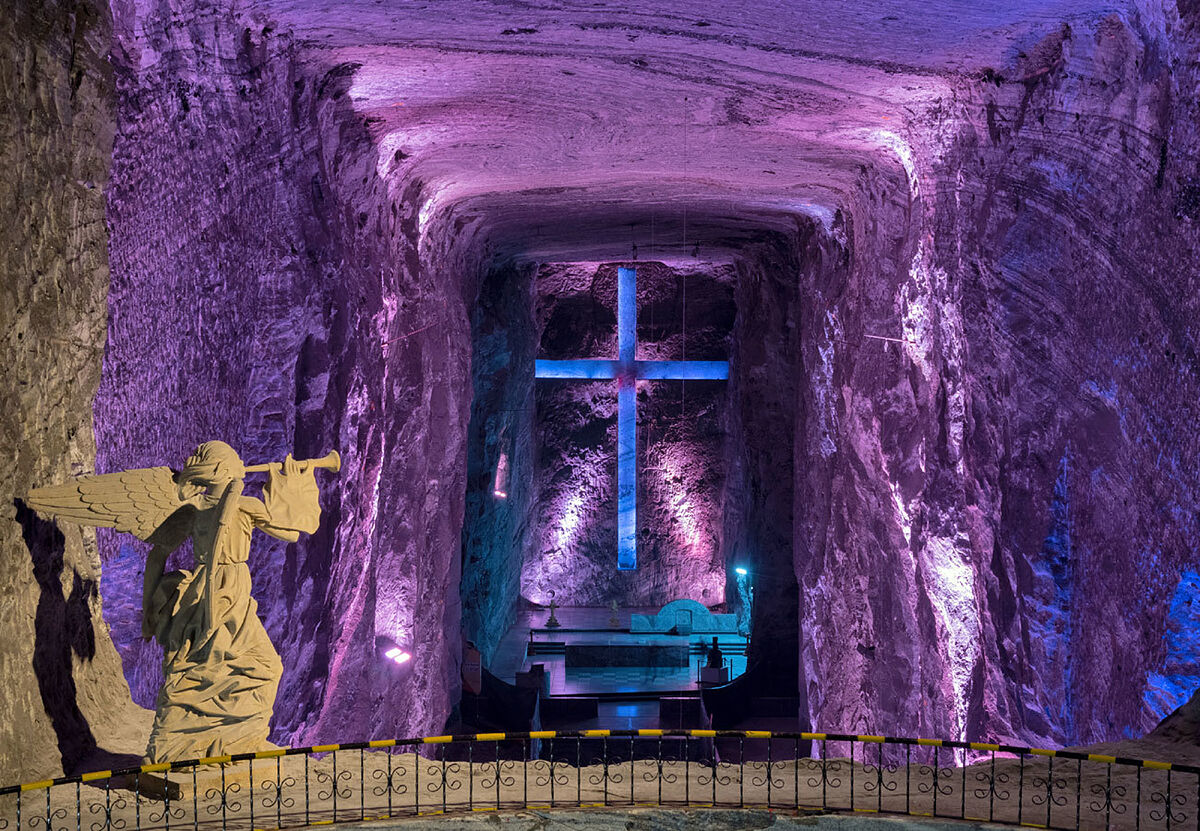
The Cathedral is an enclosure built inside the mines, carved completely in salt, discover the imposing architecture of this great cultural and religious heritage, in this tour you will learn about history, customs, folklore and the typical food of our region, you will know the historic center of Zipaquira and you can admire its colonial architecture, sites such as the Plaza de los Comuneros, Plaza de la Independencia, school where our literature Nobel Prize winner (Gabriel Gracia Marquez) studied, train station, time for lunch (optional) and return to Bogota.
In this experience we will also make a tour of the town and you will taste a delicious coffee accompanied by almojábana, empanada, among other surprises that we have for you.
We are waiting for you!
Available options
Shared Excursion Zipaquira Salt Cathedral + Walking Tour
What's included
Bottled water
Onboard wifi connection
Guide in Spanish - English
Audioguides in Different Languages in the Salt Cathedral
Entrance fees to the Salt Mine
Travel Medical Insurance
Detailed itinerary
1
Stop 1
The Cathedral is an enclosure built inside the mines, discover the imposing architecture of this great cultural and religious heritage. It is a place away from the everyday, which invites reflection, self-discovery and inner encounter.
You will find the Stations of the Cross in the first section of the subway route which is 386 meters long and 13 meters high in which are arranged 14 Stations of the Cross, these were carved in Salt Rock by the Miners and represent the different stages lived by Jesus until his crucifixion and burial.
The dome is the place where the Tunnel that arrives from the 14 Stations converges with the first visual encounter of the Great Central Chamber of the Salt Cathedral. There, only 145 meters away, is the largest carved cross in the world.
Fantastic!
2
Inaugurated in 2010, formerly where the market square was located, in its center stands a statue of Antonio Nariño with a book representing the Human Rights of the people and under it lies a time capsule. The flags allude to the countries liberated by Bolivar.
3
The station, declared national architectural heritage, was an important point of commercial and industrial interest in the center of the country during the train boom, between the decades of the 20's and 70's in the last century.
In 1926, while General Pedro Nel Ospina was President of the Republic, he began the construction of the building known as Tres Esquinas station, part of the northbound route of the Sabana Railroad; on December 8, 1927, it was inaugurated with the presence of several government officials, with great fanfare, as it marked the starting point for the progress of the city.
4
The Liceo Nacional de Varones, where the author of “One Hundred Years of Solitude” lived as a boarding student until he graduated from high school in 1946, is now the Casa del Nobel Gabriel García Márquez Cultural Center, a space for art and to remember one of the links in the writer's life.
5
This colonial square is one of the most representative spaces of Zipaquirá, it has been named Plaza Mayor and Plaza González Forero.
In the Plaza de los Comuneros is located the Diocesan Cathedral, the Government House, the Municipal Palace, the Municipal Council Hall and the Bishop's House, among other spaces. The colonial architecture is one of the attractions of the aforementioned places.
It is called Plaza de los Comuneros because it was the scene of the first revolution in America and the center of freedom in the new world. Nearly 20 thousand men, led by Juan Francisco Berbeo, who came from Socorro, Santander, to sign the capitulations, gathered here.
The Plaza was paved in 1823 and in 1938 it was remodeled by placing a central basin. The Diocesan Cathedral, a building that stands out in the square, was inaugurated and consecrated on November 9, 1916. The interior decoration of the Cathedral was completed in 1937.
What's not included
Other services not included in the tour
Lunch
Breakfast
Available languages
Audio guide
PT
EN
IT
FR
ES
Guide guide
PT
EN
IT
FR
ES
Written guide
EN
ES
Reviews breakdown
Viator
5.0
1 reviews
5★
1
4★
0
3★
0
2★
0
1★
0
Tripadvisor
5.0
7 reviews
5★
7
4★
0
3★
0
2★
0
1★
0
Important information
Wheelchair accessible
Infants and small children can ride in a pram or stroller
Service animals allowed
Specialized infant seats are available
Not recommended for travelers with spinal injuries
Not recommended for travelers with poor cardiovascular health
Travelers should have at least a moderate level of physical fitness
About Bogotá
Bogotá, the capital of Colombia, is a vibrant city nestled in the Andes Mountains. Known for its rich history, cultural landmarks, and bustling urban life, it offers a unique blend of colonial charm and modern sophistication. The city's high altitude and pleasant spring-like climate make it an appealing destination year-round.
Top Attractions
La Candelaria
La Candelaria is Bogotá's historic center, known for its colonial architecture, cobblestone streets, and vibrant cultural scene. It's home to museums, churches, and colorful houses.
Historical
Half day to full day
Free to explore, museum entry fees vary
Museo del Oro
The Gold Museum is one of the most important museums in Colombia, housing an extensive collection of pre-Columbian gold artifacts and offering insights into the region's indigenous cultures.
Museum
1-2 hours
COP 4,000 ($1 USD)
Montserrate
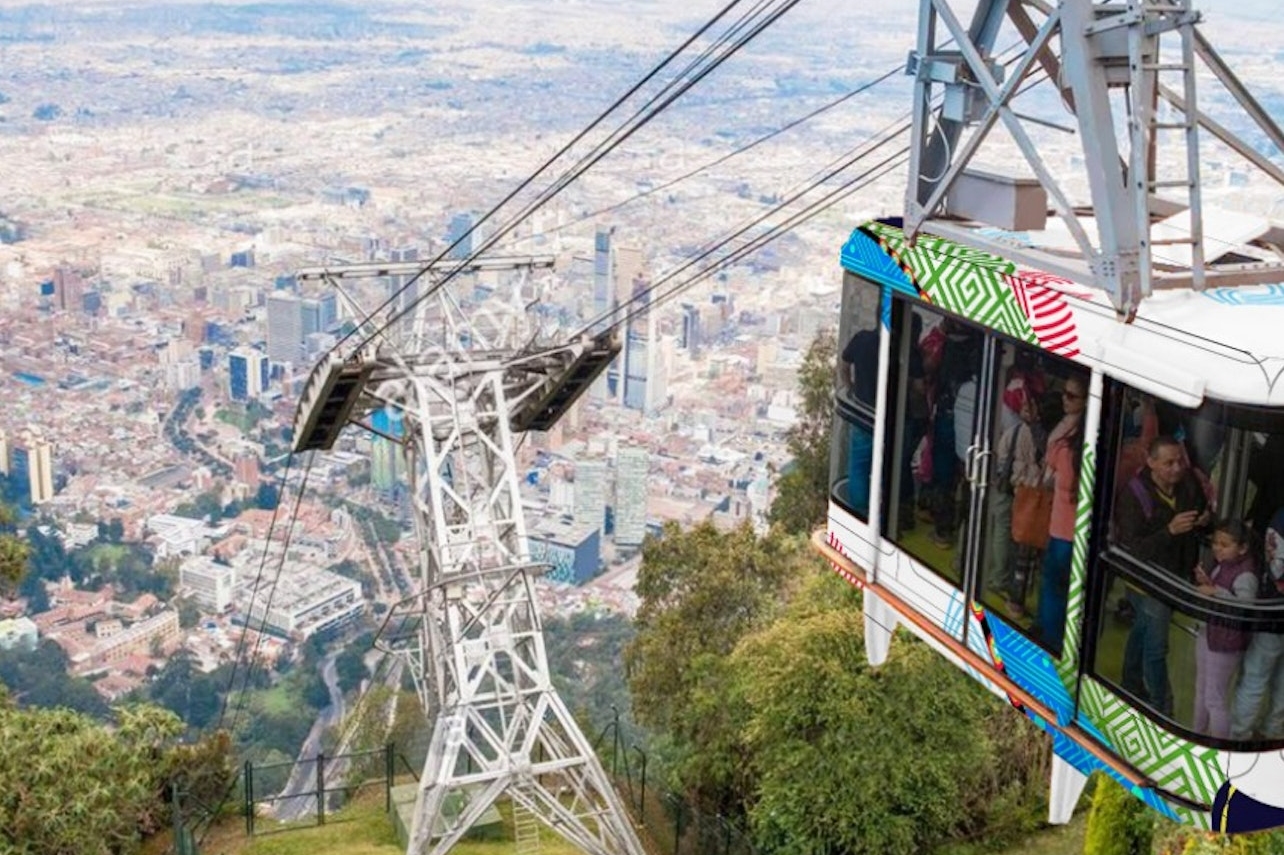
Montserrate is a mountain overlooking Bogotá, offering panoramic views of the city. Visitors can reach the summit by funicular, cable car, or hiking trail.
Nature
Half day
Funicular: COP 16,000 ($4 USD), Cable car: COP 18,000 ($4.50 USD)
Zona G
Zona G is Bogotá's upscale dining and shopping district, known for its high-end restaurants, boutique shops, and trendy cafes.
Cultural
Few hours
Varies by establishment
Must-Try Local Dishes
Bandeja Paisa
A hearty platter featuring beans, rice, ground beef, chicharrón, plantain, avocado, and arepa. A must-try for meat lovers.
Lunch
Not vegetarian or vegan
Ajiaco
A creamy chicken and potato soup with corn, capers, and guascas herb. A comforting and traditional dish.
Lunch
Can be made vegetarian with tofu
Arepa
A versatile cornmeal flatbread that can be stuffed with various ingredients like cheese, meat, or beans.
Snack
Can be vegetarian or vegan
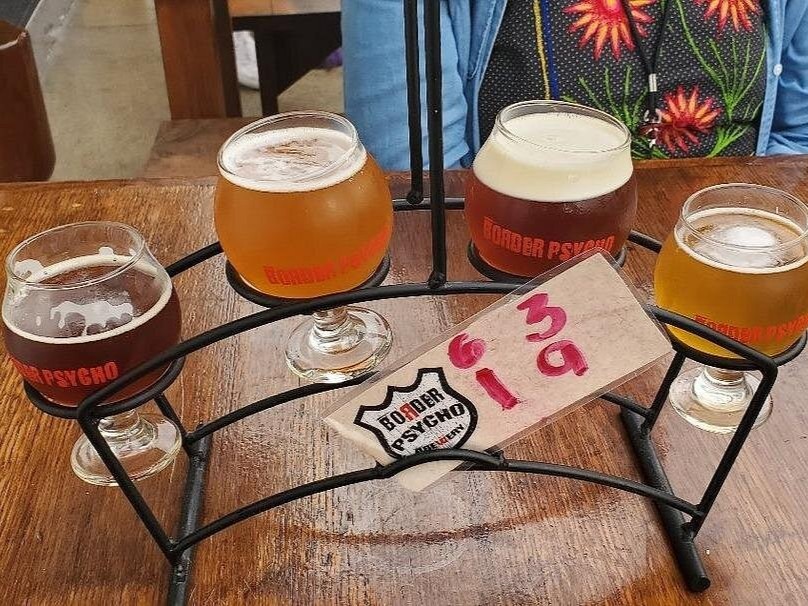
Bogotá Brewing Company Craft Beer
Bogotá has a thriving craft beer scene, with local breweries offering a variety of unique and flavorful beers.
Drink
Contains gluten
Popular Activities
Hiking in Chingaza National Park
Paragliding in Zipaquirá
Spa day in Chapinero
Coffee tasting in La Candelaria
Visiting museums in La Candelaria
Attending a concert at Teatro Mayor Julio Mario Santo Domingo
Boat tour on Lake Guatavita
Skiing in Nevado del Ruiz (seasonal)
Best Time to Visit
December to February, June to August
These months offer the best weather with lower rainfall and mild temperatures, making it ideal for outdoor activities and sightseeing.
12°C to 21°C (54°F to 70°F)
54°F to 70°F
Practical Information
Language
- Official: Spanish
- Widely spoken: English (in tourist areas)
- English: Moderately spoken in tourist areas, limited elsewhere
Currency
Colombian Peso (COP)
Time Zone
GMT-5
Electricity
110VV, 60HzHz
Safety Information
Overall Safety Rating: Exercise caution
Bogotá has made significant improvements in safety in recent years, but it's still important to be aware of your surroundings and take precautions, especially in certain areas and at night.
Important Precautions:
- • Avoid walking alone at night, especially in less touristy areas
- • Use reputable transportation services, such as app-based taxis or official tour operators
- • Be cautious with valuables, especially in crowded areas
Getting there
By air
- El Dorado International Airport • 15 km (9 miles) from city center
By bus
Terminal de Transportes de Bogotá
Getting around
Public transport
TransMilenio is Bogotá's primary public transport system, consisting of a network of bus rapid transit (BRT) lines and feeder buses. It is efficient but can be crowded during peak hours.
Taxis
Available • Apps: Uber, Didi
Rentals
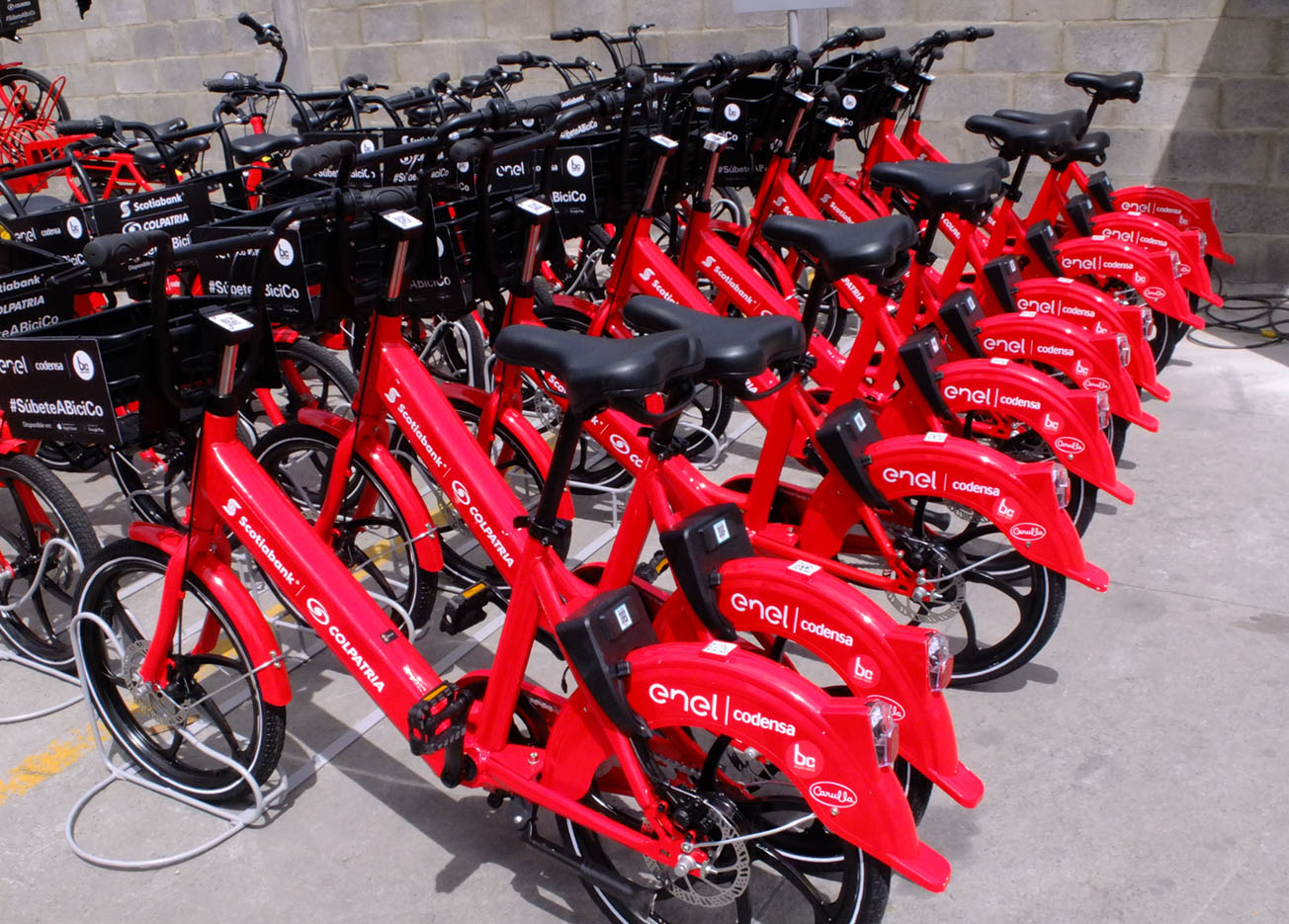
Car, Bike, Scooter
Neighborhoods
La Candelaria
Chapinero
Usaquén
Day trips
Zipaquirá Salt Cathedral
48 km (30 miles) from Bogotá • Half day
The Zipaquirá Salt Cathedral is an underground Roman Catholic church built within the tunnels of a salt mine. It's a unique and awe-inspiring attraction that offers a glimpse into Colombia's mining history.
Villa de Leyva
150 km (93 miles) from Bogotá • Full day
Villa de Leyva is a charming colonial town known for its well-preserved architecture, cobblestone streets, and historic plazas. It's a popular day trip destination for those looking to explore Colombia's colonial past.
Lake Guatavita
50 km (31 miles) from Bogotá • Half day
Lake Guatavita is a scenic lake known for its association with the legend of El Dorado. Visitors can take a boat tour of the lake, learn about its history, and enjoy the beautiful surroundings.
Festivals
Bogotá International Book Fair • April
Bogotá Festival of Theater • June
Pro tips
- Learn some basic Spanish phrases to enhance your experience and connect with locals
- Visit the Museo del Oro early in the morning to avoid crowds and enjoy a quieter experience
- Explore the city's diverse neighborhoods, each offering a unique atmosphere and attractions
- Try the local street food, such as empanadas, arepas, and chorizos, for an authentic and delicious culinary experience
- Take a day trip to the Zipaquirá Salt Cathedral or Lake Guatavita for a unique and unforgettable experience
From $25
per person
Price varies by option
Secure booking
Free cancellation available
Instant confirmation