Pompeii private small group tour - 4 hours including transfers
Active
3h - 4h
For a full refund, cancel at least 24 hours before the scheduled departure time.
Instant confirmation
Mobile or paper ticket accepted
About this experience
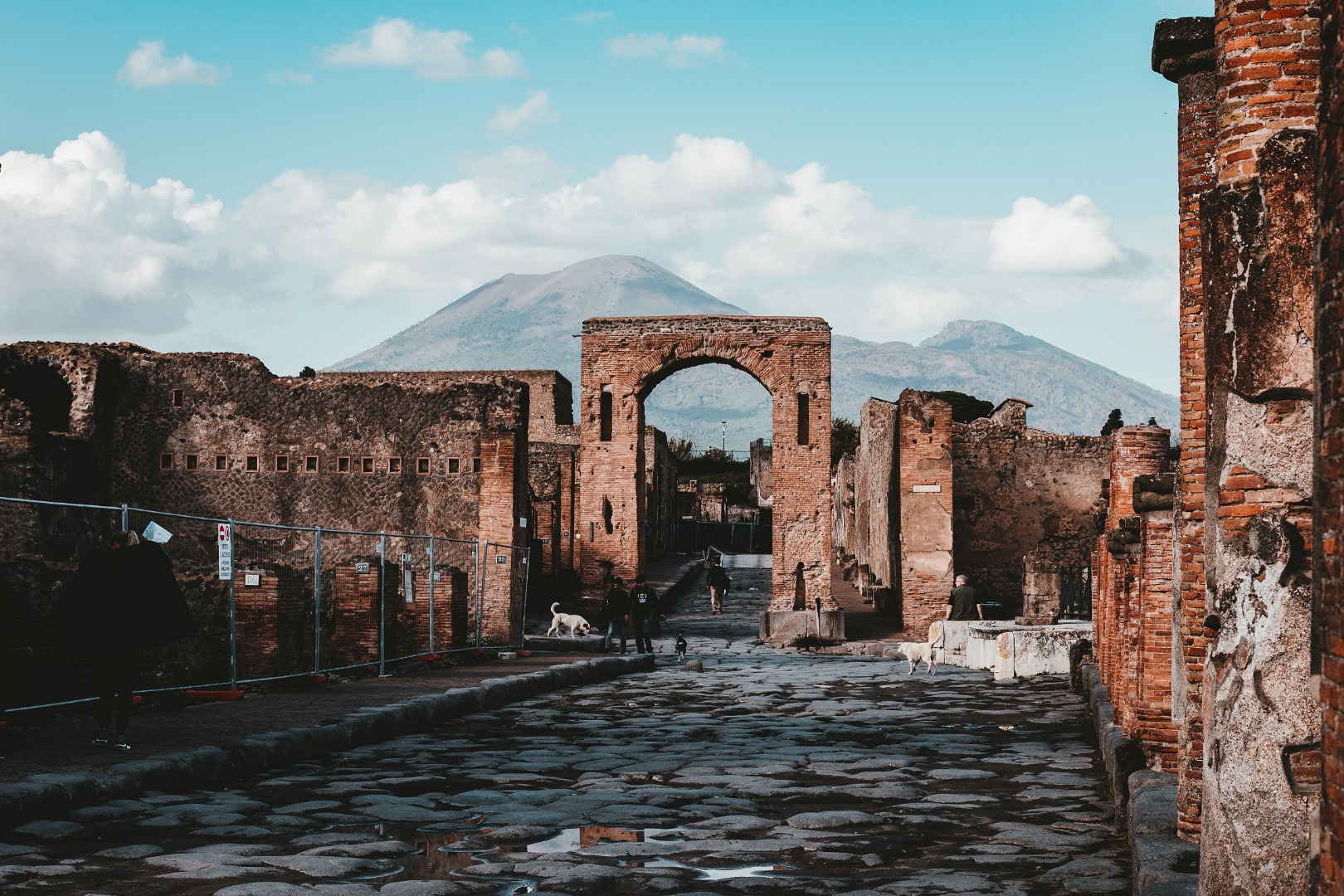
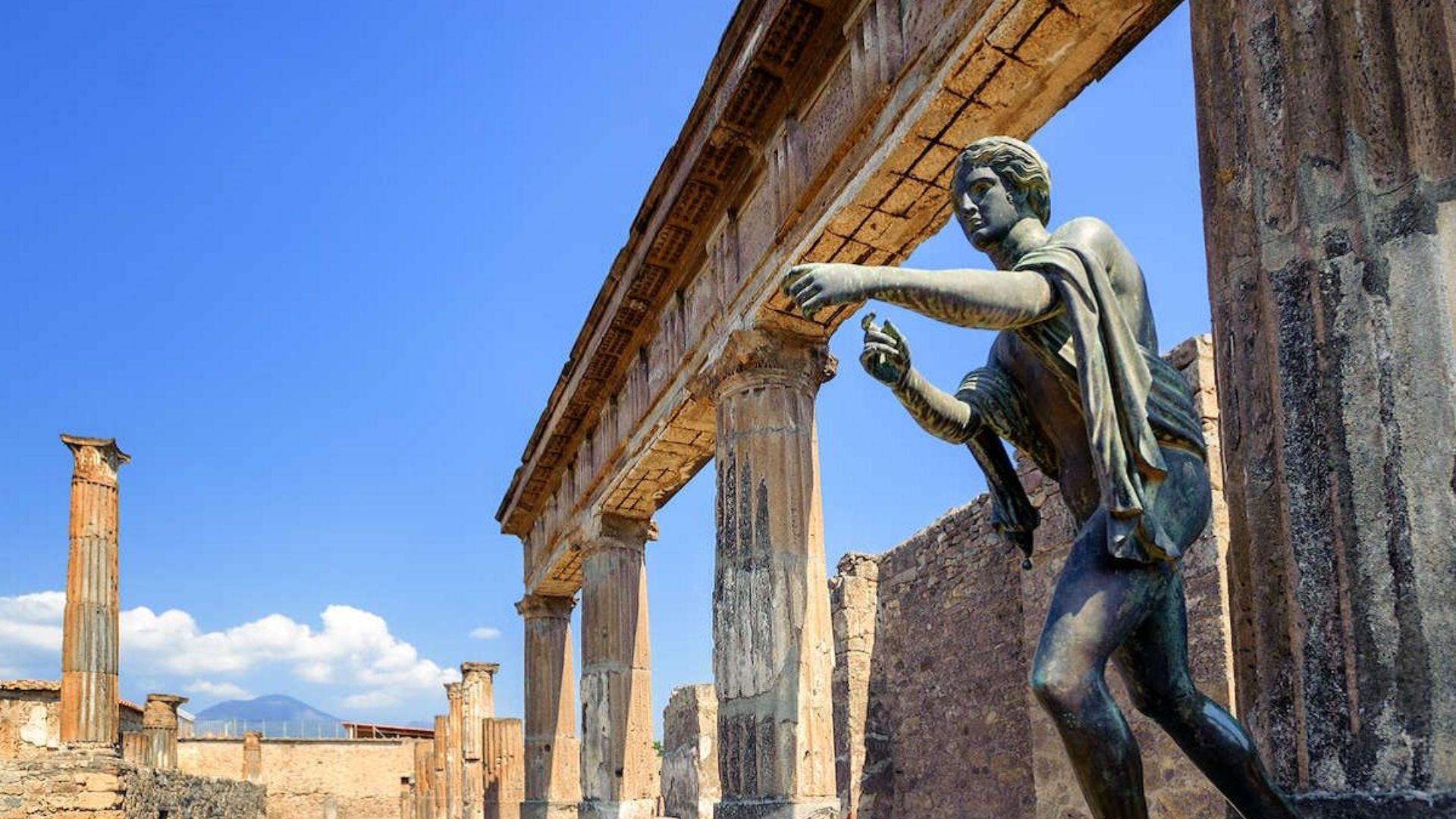
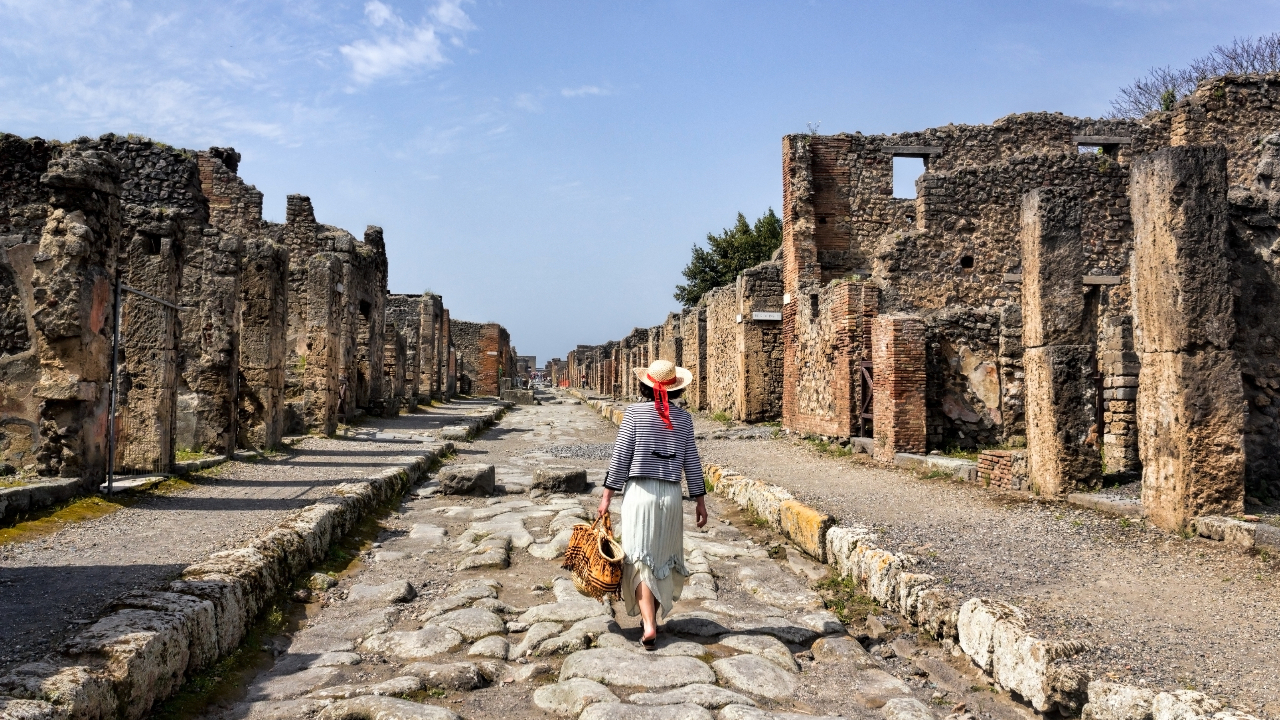
Go back in time with this private 4-hour trip to Pompeii. Explore the archaeological site on your own or with a guide (if you select this tour option). You will have about two hours to visit the ruins of Pompeii itself, not including transportation time.
Available options
Naples & surrounding p/u
Guidance<br/>Duration: 4 hours: up to 4.45 hours including transfer<br/>Inclusions : 1) Car 2) licensed Guide 3) Tickets to Pompeii<br/>Pickup included
Driver and Guide min. #
Inclusions: 1) Vehicle availability 2) Driver/Guide. The driver will be the same as the guide. Not included tickets to Pompeii.<br/>Pickup included
Sorrento & Amalfi coast p/u
Duration: 5 hours: up to 5.45 hours including time for the transfer<br/>Round-trip to Pompei: Option applied for pickups within the Sorrento and Amalfi coast area.<br/>Sedan - Minivan: Mercedes sedan of Minivan.<br/>Inclusions: 1) Vehicle availability. 2) Driver/Guide 3) Tickets to Pompei<br/>Pickup included
What's included
Bottled water
Driver
Professional guide (if option selected)
Tickets (if option selected)
Hotel/port/train station pickup and drop-off
Detailed itinerary
1
Stop 1
Begin the day with a pickup from your accommodation or the cruise port at approximately 8:00 - 8:30 am
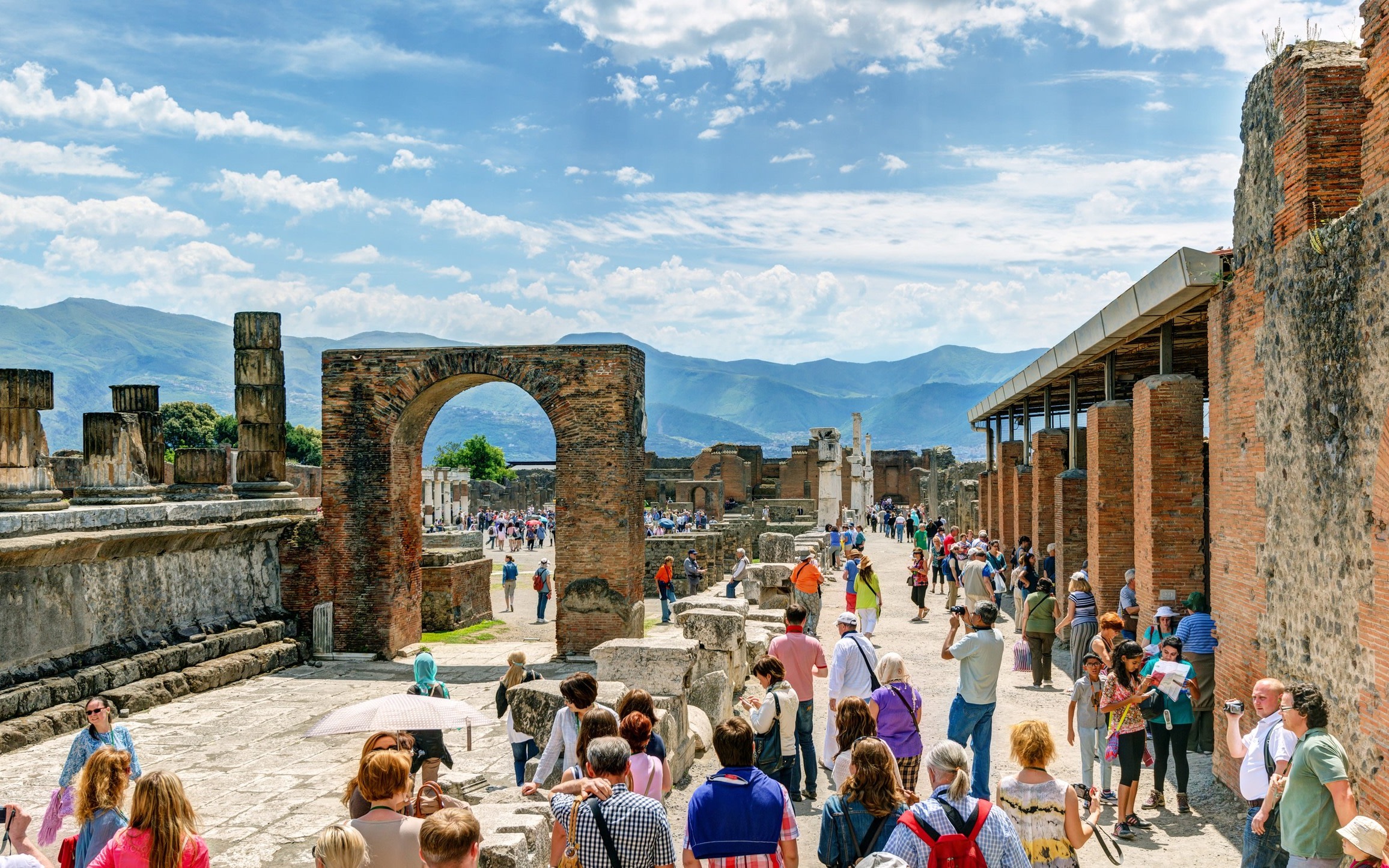
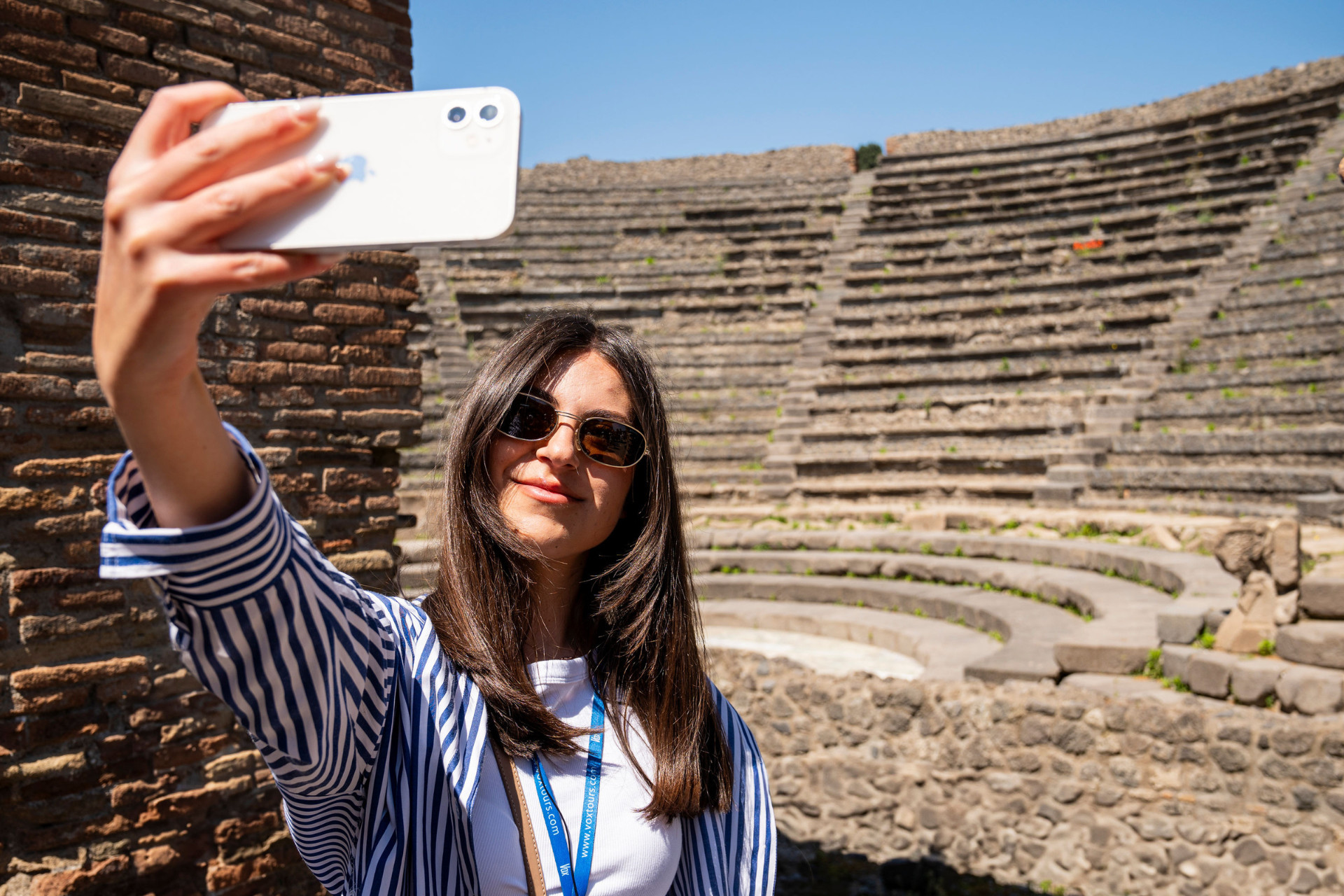
Arrive at the entrance of the site at Pompeii. There, you'll either purchase your entry ticket and explore the ruins on your own or, if you have chosen the option including a guide, you'll meet your licensed tour guide for a tour of the site. In both cases, you have about two hours to explore Pompeii.
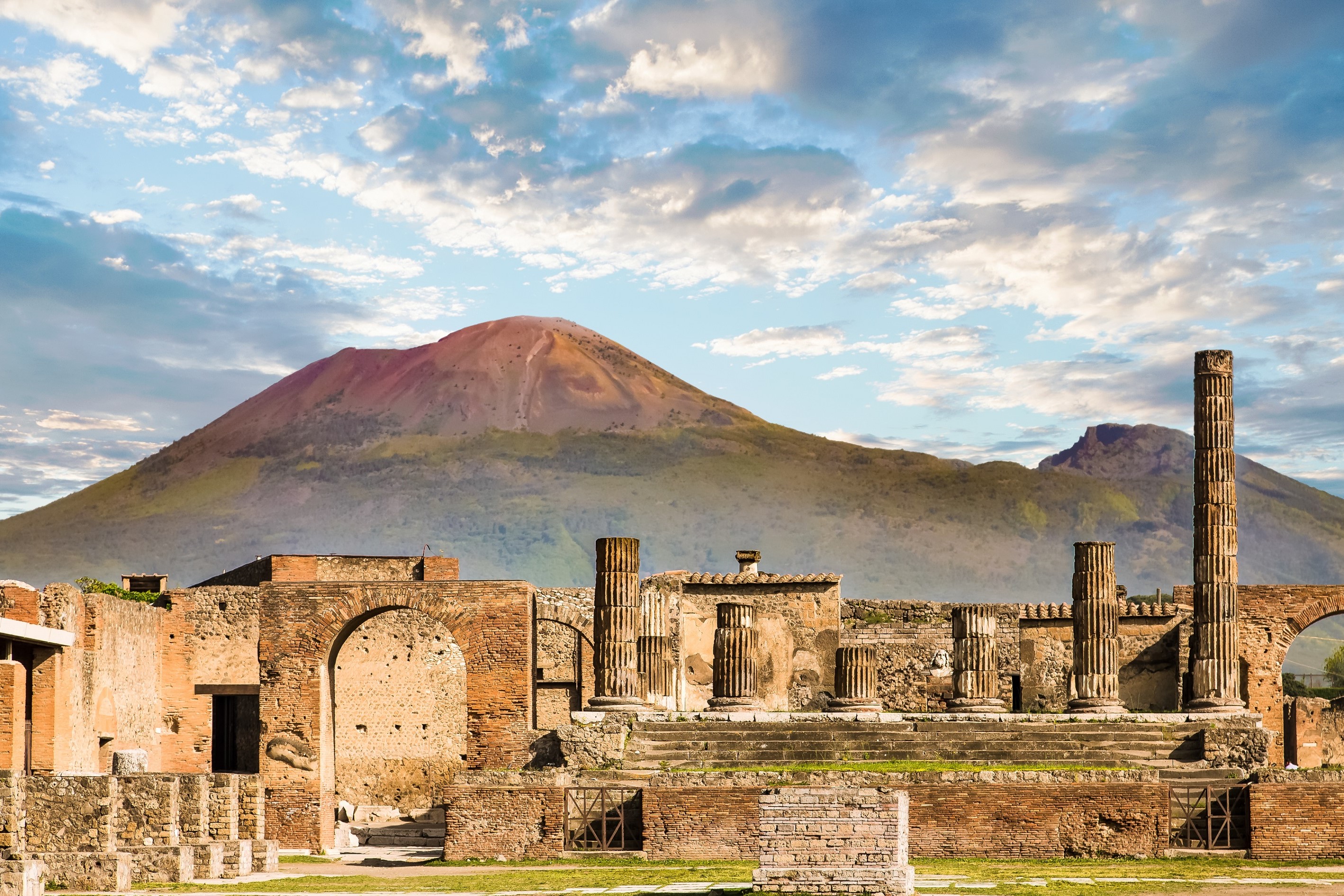
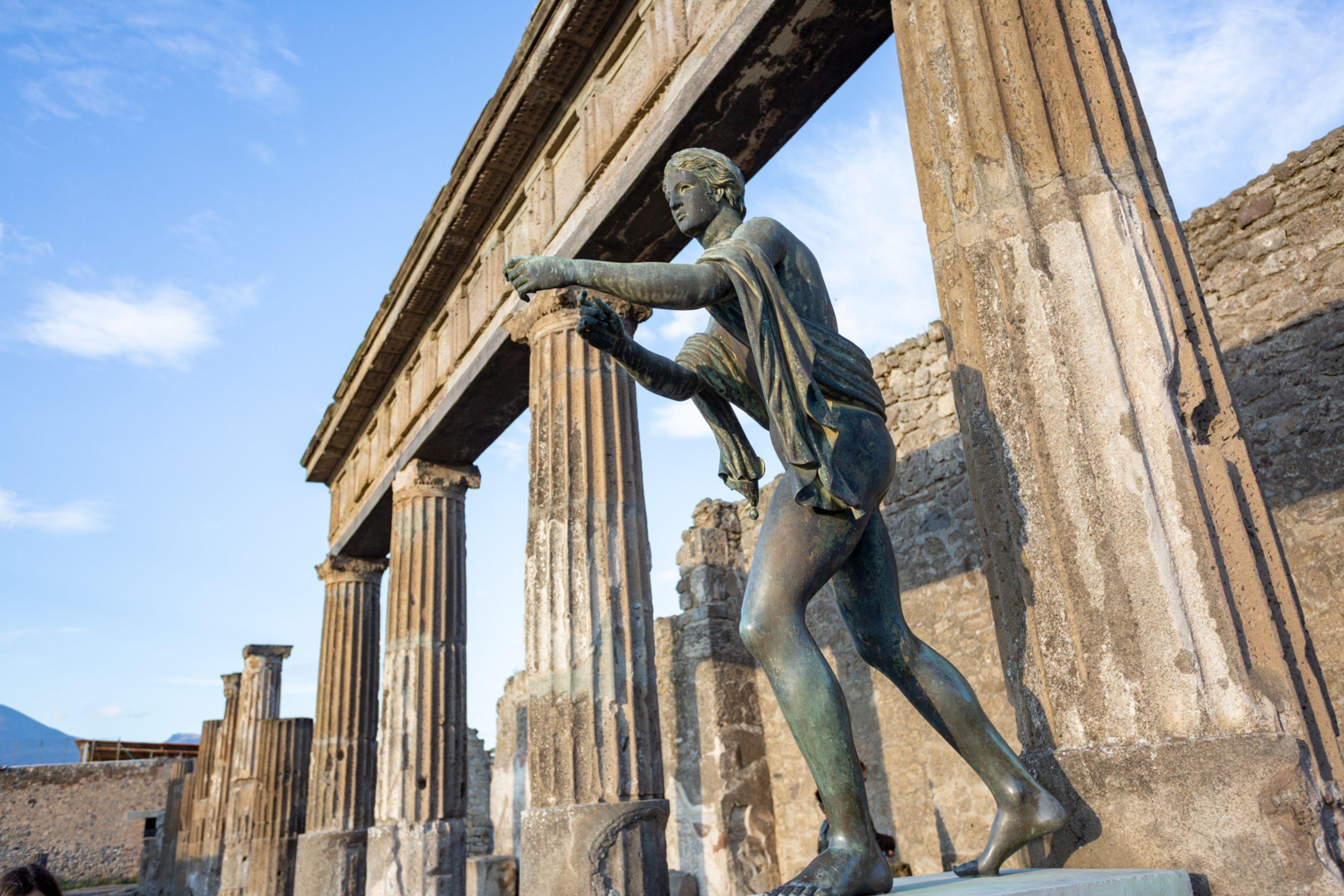
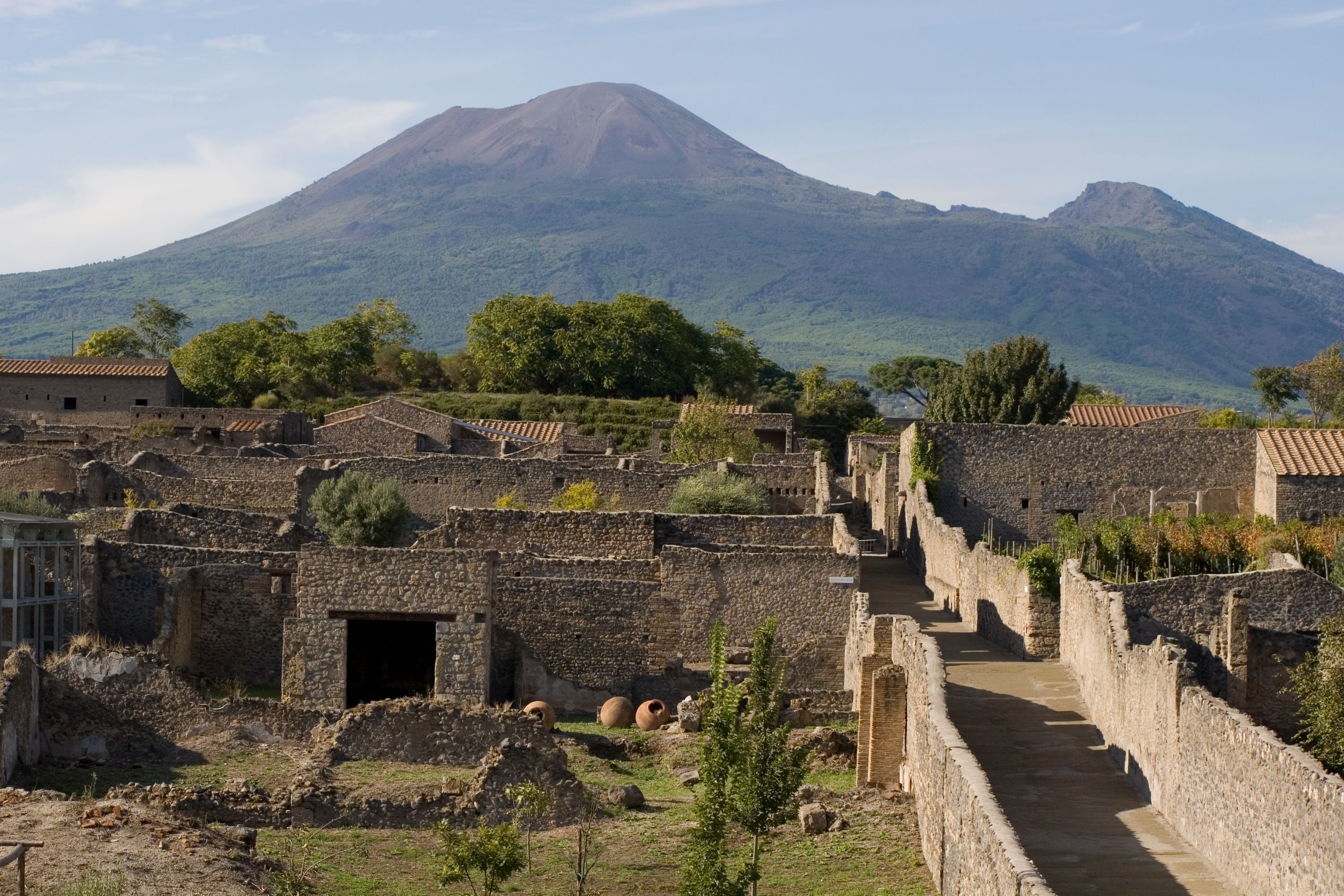
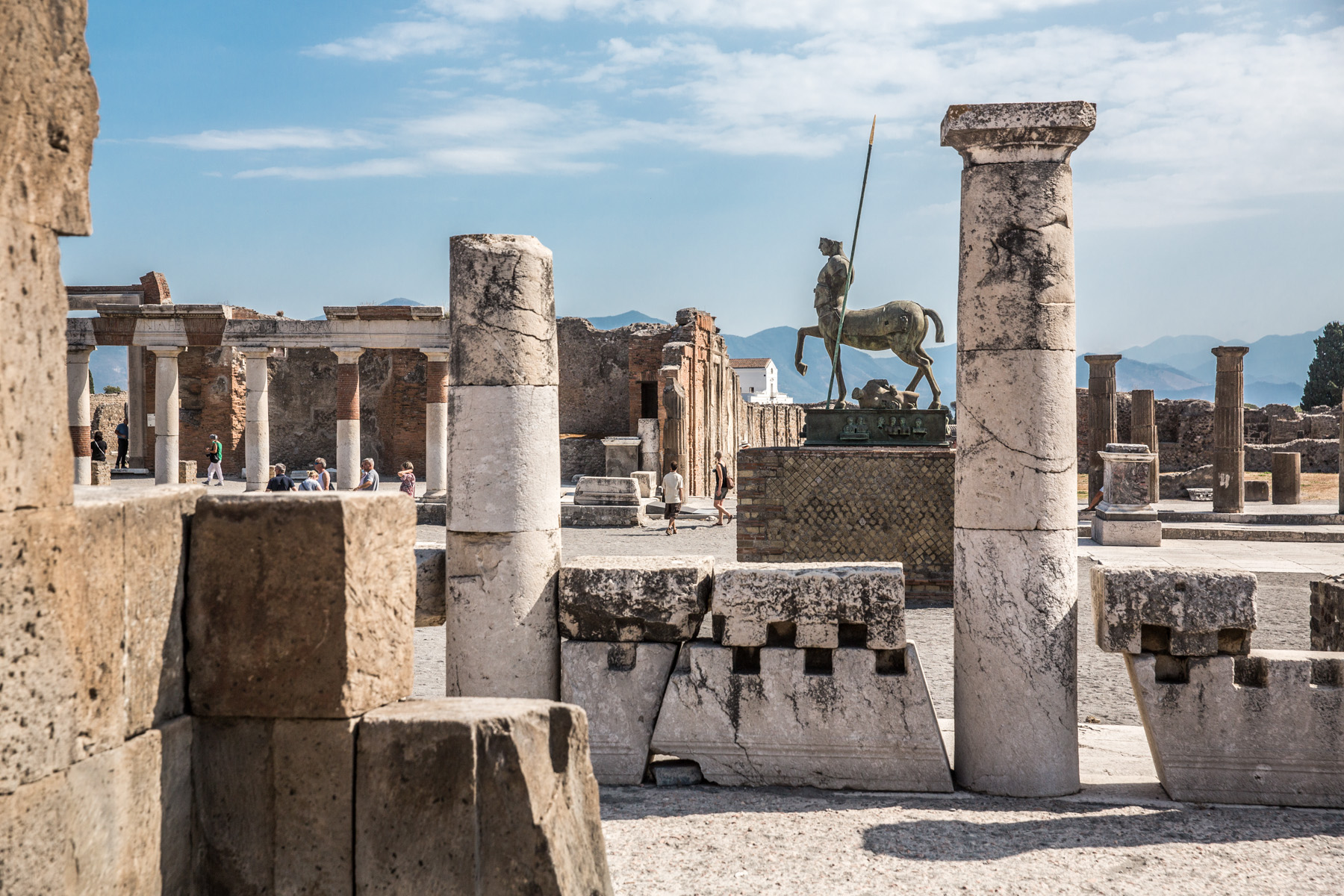
Founded in 600 B.C., from Greek and Etruscan roots to become an important Roman city. Then on August 24, A.D. 79, everything changed. Vesuvius erupted and began to bury the city under 30 feet of hot volcanic ash. For the archaeologists who excavated it centuries later, the ruins taught them volumes about daily Roman life. Today Pompeii offers the best look anywhere at what life in Rome must have been like around 2,000 years ago. This city of well-preserved ruins is yours to explore. Not rich, not poor, it was middle class—a perfect example of typical Roman life.
2
This was the ancient city’s main square, the city’s most important spot for civic, commercial, political-religious activities.
3
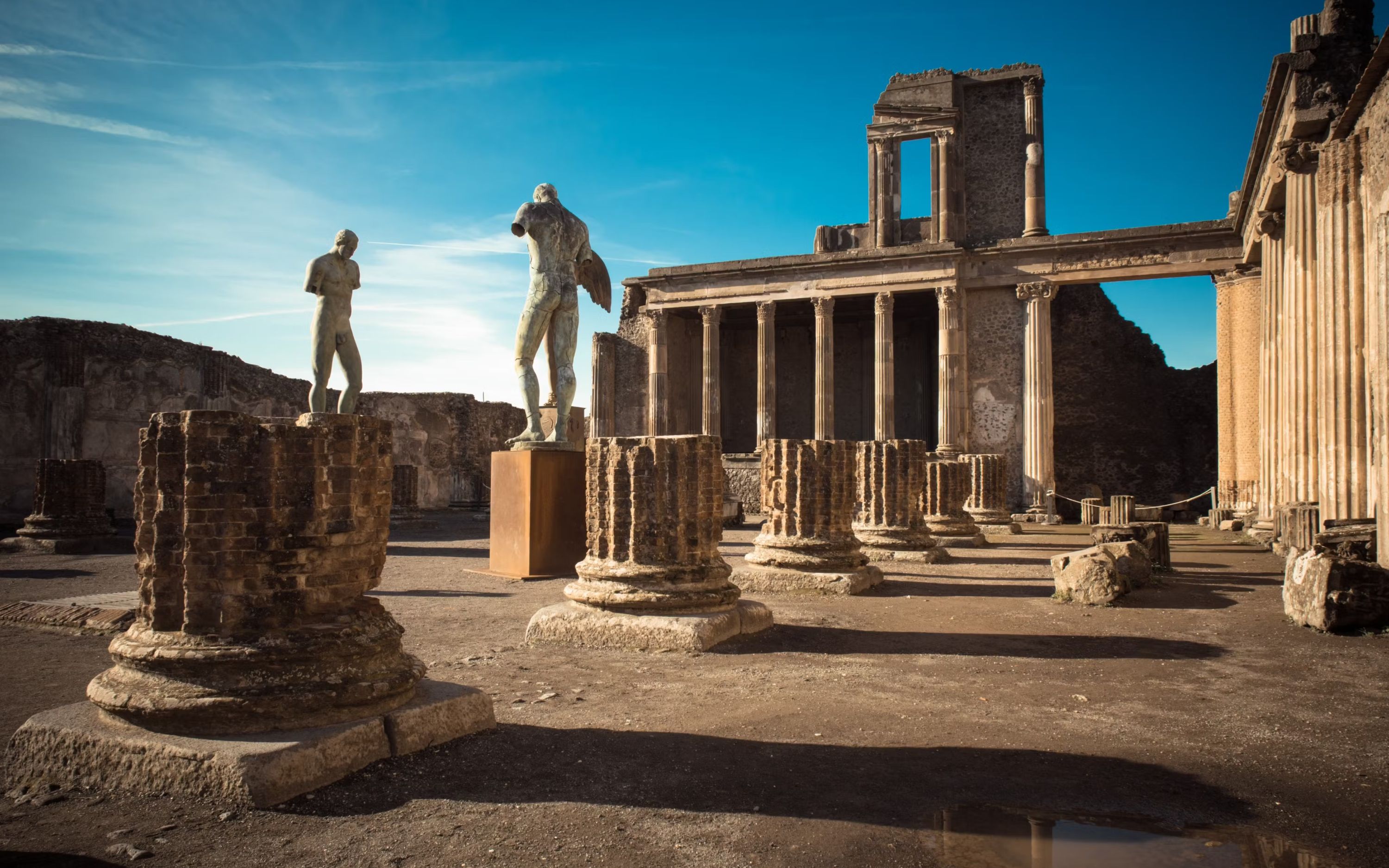
The basilica, the seat of the city’s law courts, and the most significant business spot. In their model, the Christian churches were constructed.
4
Stop 4
The Lupanar, the city’s brothel.
5
Stop 5
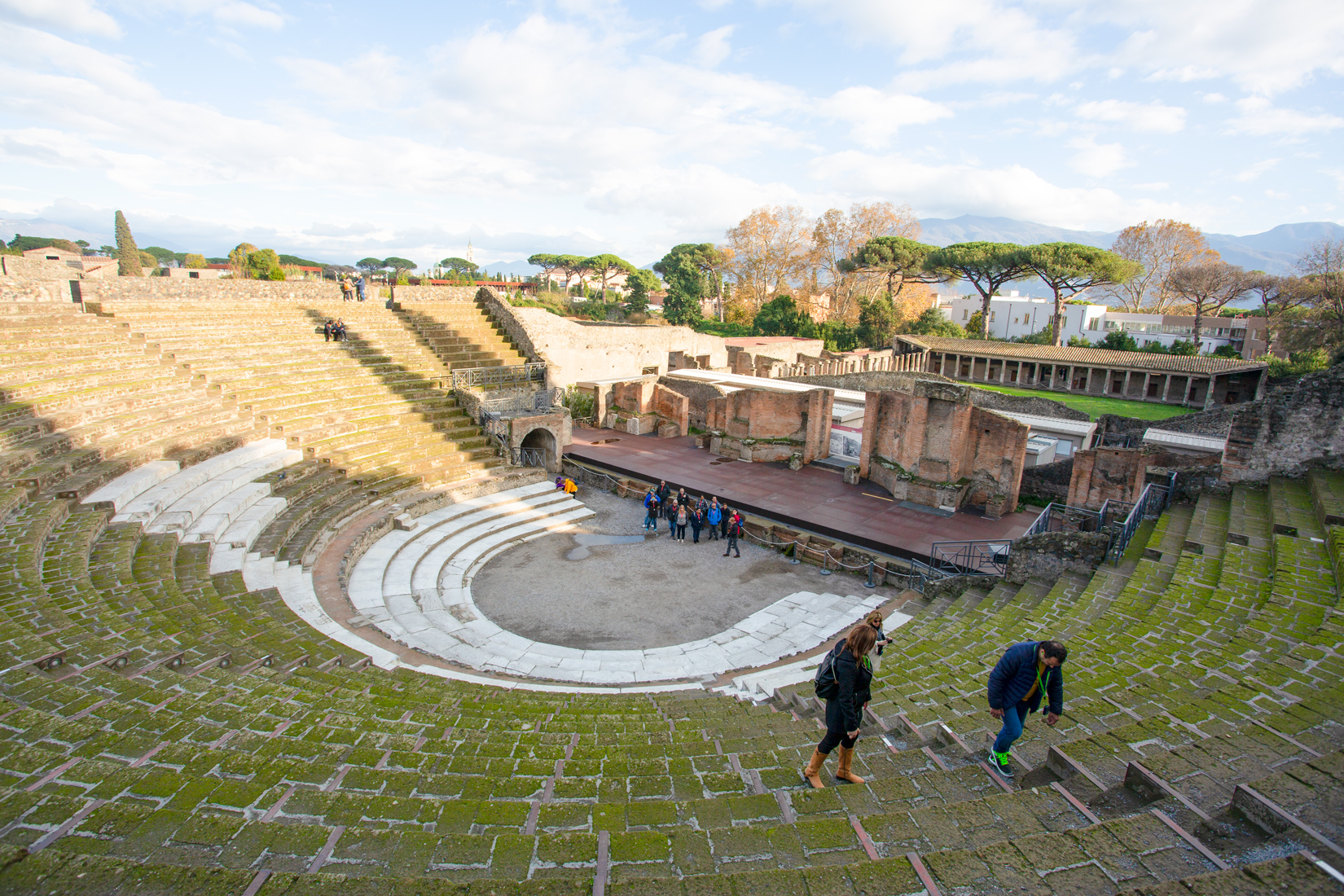
The Teatro Grande, a very well preserved Greek-Roman 5000-seat theatre.
6
Stop 6
The Terme Stabiane, a typical spa complex. To not be missed, the three pools: the frigidarium (cold water), the tepidarium ( warm water) and caldarium (hot water).
7
a typical sample of what a wealthy Pompeian's home looked like.
What's not included
Lunch
Food and drinks
Gratuities
Available languages
Guide guide
EN
IT
Reviews breakdown
Viator
4.4
9 reviews
5★
6
4★
2
3★
0
2★
1
1★
0
Tripadvisor
3.0
4 reviews
5★
2
4★
0
3★
0
2★
0
1★
2
Important information
Wheelchair accessible
Infants and small children can ride in a pram or stroller
Public transportation options are available nearby
Specialized infant seats are available
Transportation options are wheelchair accessible
Suitable for all physical fitness levels
At time of booking, Cruise ship passengers must provide the following information at time of booking: ship name, docking time, disembarkation time and re-boarding time
Dress code is smart casual
A minimum of 2 people per booking is required
Important notes
• Dress code is smart casual
• Comfortable walking shoes are recommended
About Naples
Naples, Italy's third-largest city, is a vibrant and chaotic metropolis known for its rich history, incredible food, and vibrant street life. As the birthplace of pizza, Naples offers a unique blend of ancient ruins, stunning coastal views, and a bustling urban atmosphere.
Top Attractions
Naples National Archaeological Museum
One of the most important archaeological museums in the world, housing a vast collection of artifacts from the Roman era, including those from Pompeii and Herculaneum.
Museum
2-3 hours
€15
Pompeii
The ancient Roman city of Pompeii, preserved by volcanic ash from the eruption of Mount Vesuvius in 79 AD. It's a UNESCO World Heritage site and one of the most famous archaeological sites in the world.
Historical
Half day to full day
€15
Castel dell'Ovo
A medieval castle located on the former island of Megaride, connected to the mainland by a causeway. It offers stunning views of the Bay of Naples and a rich history.
Historical
1-2 hours
Free
Mount Vesuvius
The famous volcano that erupted in 79 AD, destroying Pompeii and Herculaneum. It's an active volcano and offers a unique hiking experience with breathtaking views.
Nature
Half day
€10
Galleria Umberto I
A beautiful 19th-century shopping gallery with a stunning glass and iron roof, elegant shops, and cafes. It's a great place to experience the city's vibrant atmosphere.
Architecture
1-2 hours
Free to enter
Must-Try Local Dishes
Pizza Margherita
The original Neapolitan pizza, made with simple ingredients: tomatoes, mozzarella, basil, and olive oil. It's a UNESCO Intangible Cultural Heritage and a must-try in Naples.
Dinner
Contains gluten and dairy.
Spaghetti alle Vongole
A classic Neapolitan dish made with spaghetti, clams, garlic, white wine, and parsley. It's a delicious and simple representation of the local seafood cuisine.
Dinner
Contains gluten and seafood.
Sfogliatella
A traditional Neapolitan pastry made with layers of crispy, flaky dough filled with sweet ricotta cheese and semolina. It's a popular breakfast or snack item.
Dessert
Contains gluten and dairy.
Babà al Rhum
A small, rum-soaked cake that's a popular dessert or afternoon snack in Naples. It's often served with whipped cream or pastry cream.
Dessert
Contains gluten and dairy.
Popular Activities
Hiking Mount Vesuvius
Boat tours to nearby islands
Scuba diving in the Bay of Naples
Beach relaxation on the Amalfi Coast
Spas and wellness centers
Coffee and pastry at historic cafes
Visiting museums and historical sites
Attending local festivals and events
Best Time to Visit
April to June, September to October
The peak season offers the best weather for exploring the city's attractions and enjoying outdoor activities. The weather is warm but not too hot, and the crowds are manageable.
15-28°C
59-82°F
Practical Information
Language
- Official: Italian
- Widely spoken: English, Napolitan (local dialect)
- English: Moderately spoken
Currency
Euro (EUR)
Time Zone
GMT+1 (CET), GMT+2 (CEST) during daylight saving time
Electricity
230VV, 50HzHz
Safety Information
Overall Safety Rating: Exercise caution
Naples is a vibrant and exciting city, but it can also be chaotic and overwhelming. While violent crime is relatively low, petty crime such as pickpocketing and scams is common, especially in tourist areas. It's important to be aware of your surroundings and take precautions to protect yourself and your belongings.
Important Precautions:
- • Keep your valuables secure and out of sight.
- • Be cautious of your surroundings, especially in crowded areas and on public transportation.
- • Use licensed taxis or ride-sharing services, and always ensure the meter is running.
Getting there
By air
- Naples International Airport • 5 km from city center
By train
Napoli Centrale, Napoli Garibaldi
By bus
Napoli Centrale, Napoli Garibaldi
Getting around
Public transport
The metro system is clean and efficient but has limited coverage. It's useful for reaching major attractions and connecting to other public transport.
Taxis
Available • Apps: MyTaxi, FreeNow
Rentals
Car, Bike, Scooter
Neighborhoods
Historic Center (Centro Storico)
Chiaia
Posillipo
Quartieri Spagnoli
Day trips
Pompeii
25 km • Half day to full day
The ancient Roman city of Pompeii, preserved by volcanic ash from the eruption of Mount Vesuvius in 79 AD. It's a UNESCO World Heritage site and one of the most famous archaeological sites in the world.
Herculaneum
15 km • Half day
An ancient Roman town, also preserved by the eruption of Mount Vesuvius in 79 AD. Herculaneum is smaller and less crowded than Pompeii, offering a more intimate and well-preserved look at Roman life.
Sorrento
50 km • Full day
A charming coastal town known for its stunning views of the Bay of Naples, lemon groves, and historic center. It's a popular destination for day trips from Naples.
Festivals
Festa di San Gennaro • September 19
Pizzafest • June
Napoli Teatro Festival • June to July
Pro tips
- Learn a few basic Italian phrases to communicate with locals and enhance your experience.
- Try the local specialties, such as pizza, seafood, and pastries, and support local businesses.
- Be cautious of your surroundings, especially in crowded areas and on public transportation, and take precautions to protect yourself and your belongings.
- Visit the historic center and other attractions early in the morning or late in the afternoon to avoid crowds and the heat.
- Use public transportation, walk, or bike instead of driving to reduce your environmental impact and experience the city like a local.
From $25
per person
Price varies by option
Secure booking
Free cancellation available
Instant confirmation