Le Havre to D-Day Canadian Sector : Small Group Private Tour
Active
9h
For a full refund, cancel at least 24 hours before the scheduled departure time.
Instant confirmation
Mobile or paper ticket accepted
About this experience
Immerse into a day of history and learn about the Canadian landings and battles of the summer of 1944.
Your first stop will be at Juno Beach where Canadian assault troops first stormed ashore in the face of fierce attacks from German strongholds.
Next, visit the Juno Beach Centre, a museum dedicated to the 45,000 Canadians who lost their lives in the war. Chart the story of these Canadians through the photos, archives, first-hand accounts, and artifacts.
Lunch break may be taken in one of the restaurants near the center.
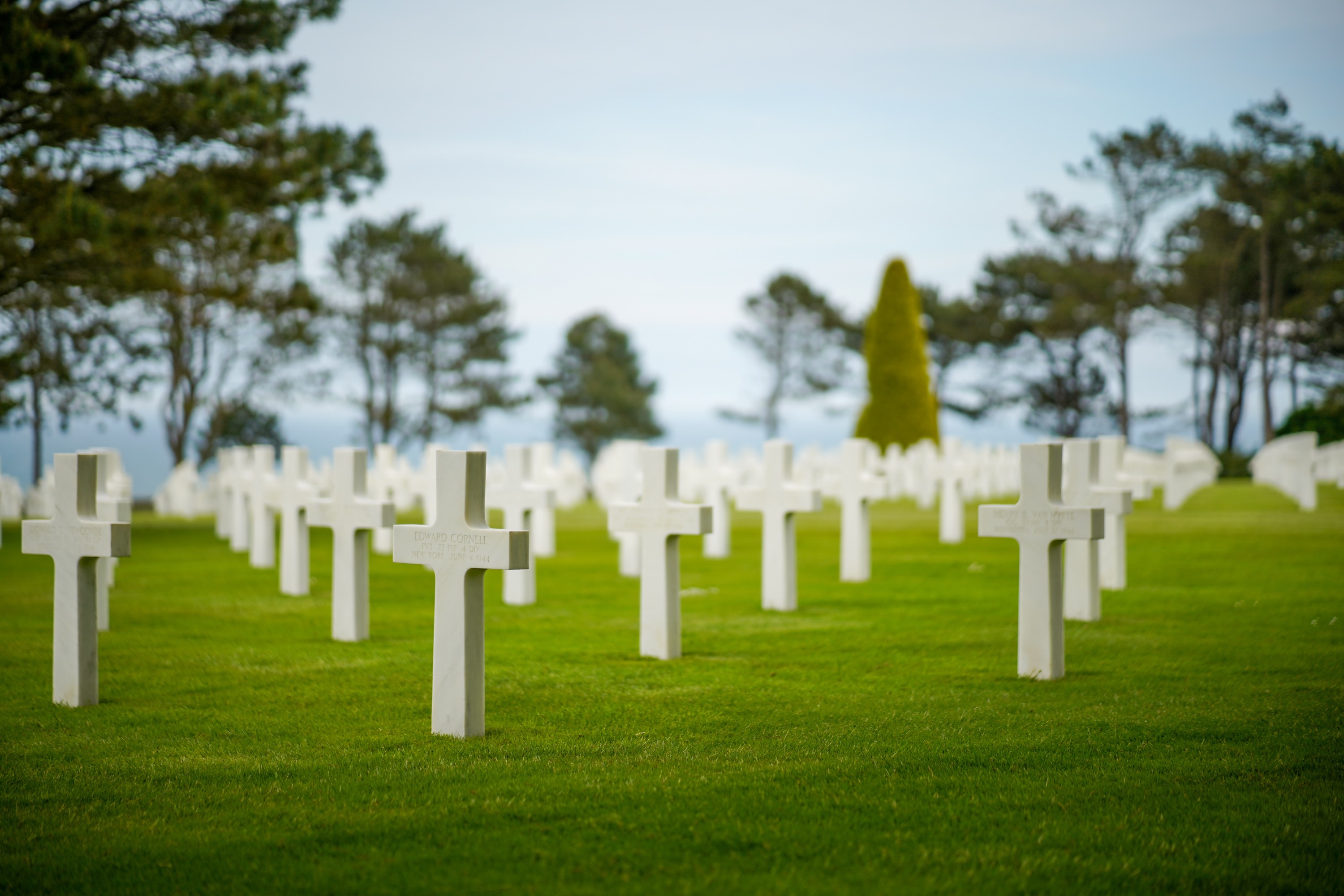
Your last stop will be at the Canadian War Cemetery where you can pay your respects brave soldiers who fought for our liberation.
For cruisers, we guarantee back to ship in time, we have more than 15 years experience to organize tours for cruisers, we arrange dedicate pick up and drop off at Cruise terminal
Available options
Van with Driver (No Guide) 8px
Explore on your own: Travel comfortably with a private driver who will take you to all points of interest. No guided commentary is provided.
<br/>Pickup included
Van with Guide - up to 7pax
Enrich your experience: A professional guide who will accompany you throughout the day, providing in-depth historical context, stories, and insights <br/>Pickup included
What's included
Private transportation
Air-conditioned vehicle
Detailed itinerary
1
Stop 1
Your first stop will be at Juno Beach where Canadian assault troops first stormed ashore in the face of fierce attacks from German strongholds. The Canadians suffered the second-highest number of casualties here, with the Americans losing the most at Omaha Beach.
2
Stop 2
This museum is the only Canadian one in Normandy. Divided in seven parts, it explains what Canada was before the war started, how the country turned completely toward the war effort, the different Canadian campaigns in Europe and the total human cost. The museum always houses a temporary exhibition.
Located just behind the sand dunes of Juno Beach, it is surrounded by German bunkers and beach obstacles, Canadian and Allied military equipment, monuments, sculpture, inukshuk and information signs.
3
Stop 3
Located between Beny and Reviers, inland from Juno Beach on top of the little hill that overlooks the coast, this cemetery is beautifully maintained by the Commonwealth War Graves Commission. It is the final resting place of 2.043 Canadians (as well as one French and four British soldiers) including the 359 Canadians killed on D-day.
The entrance is decorated with four maples and the Stone of Remembrance. At the center of the graveyard is the Cross of Sacrifice, surrounded by the limestone headstones (all of which have recently been replaced).
4
On this eastern side of Juno Beach, two other infantry regiments attacked : the Queen’s Own Rifles and the North Shore. At Bernières, where La Chaudière Regiment later landed, is located the main monument close to the famous "Canadian House" that is in so many D-Day pictures, and which still permanently flies a Canadian flag.
The German resistance in this area and then the counter-attack from the south caused the slow progression inland toward Caen and stopped the troops from reaching the Carpiquet airfield.
What's not included
Lunch
Juno Beach Centre
Available languages
Guide guide
EN
FR
ES
Reviews breakdown
Viator
5.0
1 reviews
5★
1
4★
0
3★
0
2★
0
1★
0
Important information
Specialized infant seats are available
Not recommended for travelers with spinal injuries
Not recommended for travelers with poor cardiovascular health
Not recommended for pregnant travelers
Public transportation options are available nearby
Infants and small children can ride in a pram or stroller
Suitable for all physical fitness levels
Tour duration is travel time included
About Le Havre
Le Havre is a vibrant port city in Normandy, known for its modernist architecture, rich maritime history, and stunning coastal views. Rebuilt after World War II, it offers a unique blend of contemporary design and traditional French charm.
Top Attractions
André Malraux Museum of Modern Art
This museum houses an impressive collection of modern and contemporary art, including works by Picasso and Matisse.
Museum
2-3 hours
€7
Le Volcan
A striking modern building designed by architect Oscar Niemeyer, serving as a cultural center and concert hall.
Architecture
1-2 hours
Free to explore, event tickets vary
Jardin des Plantes
A beautiful botanical garden with a variety of plant species, greenhouses, and a small zoo.
Nature
1-2 hours
Free
Saint-Joseph Church
A unique church with a distinctive modern design, featuring a concrete facade and a tall spire.
Historical
30-45 minutes
Free
Le Havre Beach
A long sandy beach with clear waters, perfect for swimming, sunbathing, and water sports.
Beach
Half day
Free
Must-Try Local Dishes
Moules à la Crème
Mussels cooked in a creamy sauce with butter and white wine.
Main dish
Contains seafood and dairy.
Tarte Normande
A traditional apple tart with a caramelized top, often served with crème fraîche.
Dessert
Contains dairy and gluten.
Camembert
A famous Norman cheese made from cow's milk, with a creamy texture and strong flavor.
Dairy
Contains dairy.
Popular Activities
Hiking along the coast
Water sports at Le Havre Beach
Sunbathing at Le Havre Beach
Strolling through Jardin des Plantes
Visiting museums and historic sites
Attending local festivals and events
Swimming
Sailing
Best Time to Visit
June to August
This is the warmest and driest period, ideal for outdoor activities and beach visits. The city is lively with festivals and events.
15-25°C
59-77°F
Practical Information
Language
- Official: French
- Widely spoken: English
- English: Moderately spoken
Currency
Euro (EUR)
Time Zone
GMT+1 (CET), GMT+2 (CEST during daylight saving time)
Electricity
230VV, 50HzHz
Safety Information
Overall Safety Rating: Generally safe
Le Havre is generally safe, with low crime rates. However, as with any city, it's important to stay aware of your surroundings and take basic precautions.
Important Precautions:
- • Keep valuables secure
- • Use licensed taxis
- • Be cautious of strangers offering help
Getting there
By air
- Le Havre Octeville Airport • 5 km from city center
- Paris Charles de Gaulle Airport • 200 km from Le Havre
By train
Le Havre Train Station
By bus
Le Havre Bus Station
Getting around
Public transport
The bus network covers the entire city and is efficient and affordable.
Taxis
Available • Apps: G7, Uber
Rentals
Car, Bike, Scooter
Neighborhoods
City Center
Caucriauville
Montivilliers
Day trips
Rouen
50 km • Full day
A historic city known for its medieval architecture, cathedral, and association with Joan of Arc.
Étretat
40 km • Half day
A picturesque coastal town famous for its dramatic white cliffs and stunning views.
Honfleur
30 km • Half day
A charming fishing town with a rich artistic history and beautiful harbor.
Festivals
Le Havre Film Festival • October
Fête de la Musique • June 21st
Le Havre Maritime Festival • August
Pro tips
- Visit the André Malraux Museum of Modern Art for a unique collection of modern and contemporary art.
- Explore the Jardin des Plantes for a peaceful retreat in the heart of the city.
- Take a day trip to Étretat to see the stunning white cliffs and enjoy the coastal scenery.
- Try local Norman specialties like moules à la crème and tarte Normande.
- Use the Twisto app for real-time bus information and to plan your routes.
From $25
per person
Price varies by option
Secure booking
Free cancellation available
Instant confirmation