4-Hour City Tour of Cusco Including Four Ruins
Active
5h
For a full refund, cancel at least 24 hours before the scheduled departure time.
Instant confirmation
Mobile or paper ticket accepted
About this experience
The city tours is one of the best options to start our visit to the Imperial City of Cusco as it allows you to know the archaeological sites closer to the City and would give you enough time to acclimatise to the height of this City.
Available options
4-Hour City Tour of Cusco Including Four Ruins
What's included
Transport
Bi-lingual guide
Detailed itinerary
1
Stop 1
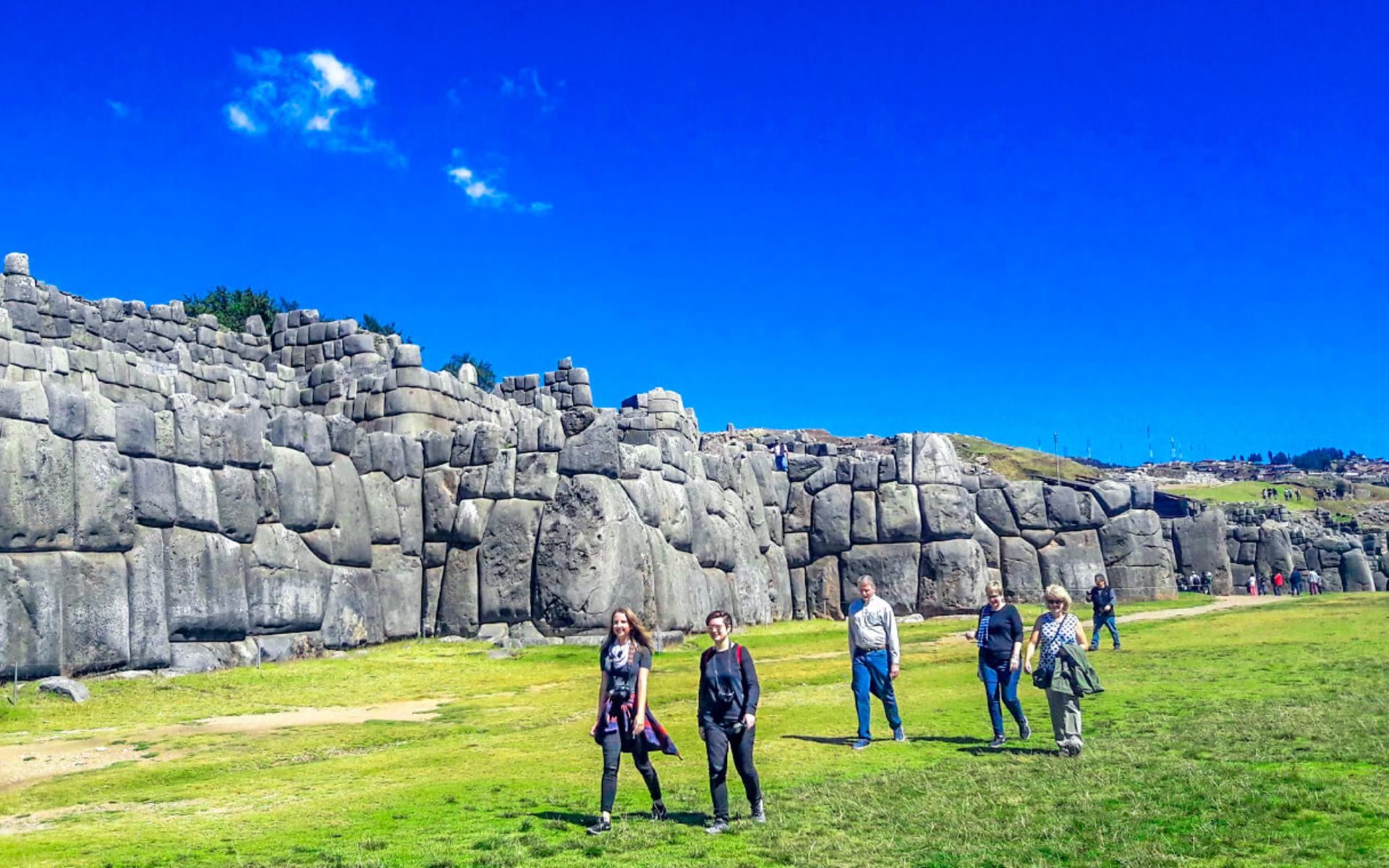
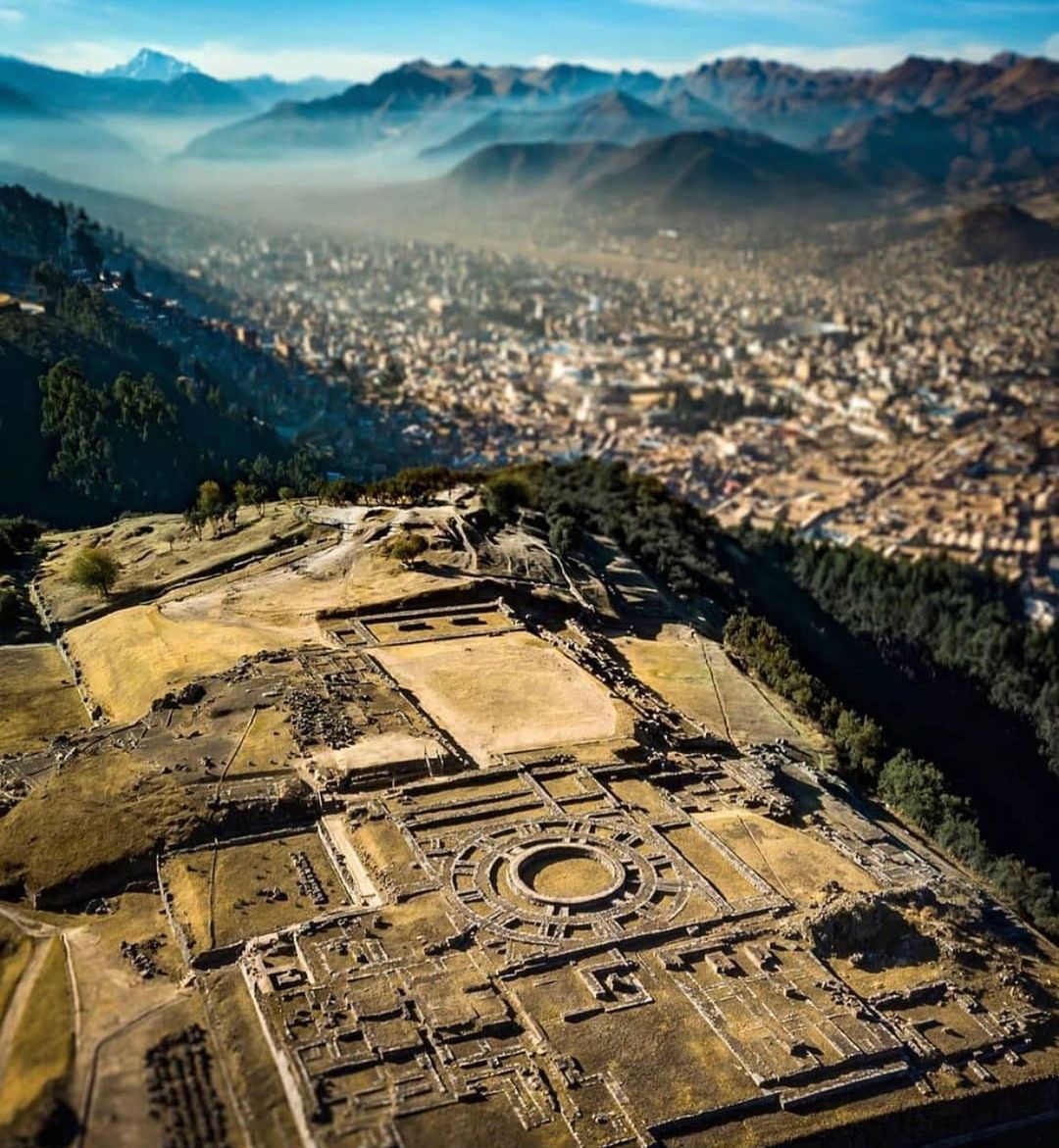
The name Sacsaywaman or Sacsayhuamán is derived from two Quechua words: “Sacsay,” which means satiate and “wamán," which means hawk; together they mean “eat your fill, hawk.” This puzzling meaning is a reference to the fact that the birds were divine protectors of the Incas and the military battalions.
t is believed that around 20,000 men worked to cut and transport gigantic stones from Huaqoto and Rumiqolqa and build this ceremonial Inca fortress. Sacsayhuamán is an architectural work with megalithic walls made of stones than can weigh from 99 to 138 tons. The stones are different sizes and some have more than one hundred angles, each fitted and joined to the other with no mortar of any kind.
2
Stop 2
What is left today of Q´enqo archeological complex are carved rocks that couldn´t be destroyed by the Spanish; there is little left of the paths and aqueducts, as well as of the enclosures, the deposits or the liturgical baths, besides the great layer of gold that illuminated the whole place.
Q´enqo was possibly used by the Incas as a worship center; its passages, that resemble a labyrinth, have in their flanks several channels in the form of Amarus (snakes), through which ran the blood of animal sacrifices- that were usually the most beautiful and unique; maybe this was the reason that the black animals were the chosen ones. Some chroniclers like Juan de Betanzos describe it as “a savage act committed by the Incas to sacrifice not only animals, but also newborns that possessed special beauty; according to the Incas, these beings were born beautiful in order to join the gods”.
Q´enqo has a sacrifice room in one of its underground chambers, where a large rock stands out, that according to chroniclers, was covered in gold. In the upper part of the chamber you can see a hole, which was exactly above the said rock. The light of the moon penetrated through this hole, radiating through the golden layer, illuminating the whole place. Some historians claimed that in Q´enqo lies the tomb of the Inca Pachacuteq, the most important of all.
3
Stop 3
At 12,350 feet above sea level, the architecture of this Inca bath consists of a group of structures built with precisely cut stones. Water from nearby streams runs through the site in aqueducts and small cascades.
Tambomachay was linked to the veneration of water, an important element in the Andean world view. For that reason, it has two aqueducts with artistic engravings in the rock that transport and supply a constant flow of clean water all year round. Its name, which means "place of rest," leads experts to believe the Inca came to this bath to rest.
Today it is one of the best hiking routes because it offers tourists an adventure amid fascinating natural scenery.
4
Stop 4
The complex holds numerous halls, inner plazas, aqueducts, watchtowers and paths. Its role would have been a “tambo” or a place of rest and lodging. According to legend, each time the Inca visited Tambomachay, he was accompanied by a large retinue that stayed in Puka Pukara. Its fortified appearance led to it being called a fortress.
What's not included
Food and Beverages
Entrance fee
Available languages
Guide guide
EN
ES
Reviews breakdown
Viator
4.6
5 reviews
5★
4
4★
0
3★
1
2★
0
1★
0
Tripadvisor
4.6
21 reviews
5★
15
4★
5
3★
0
2★
1
1★
0
Important information
Infants and small children can ride in a pram or stroller
Public transportation options are available nearby
Infants are required to sit on an adult’s lap
Suitable for all physical fitness levels
Meeting point
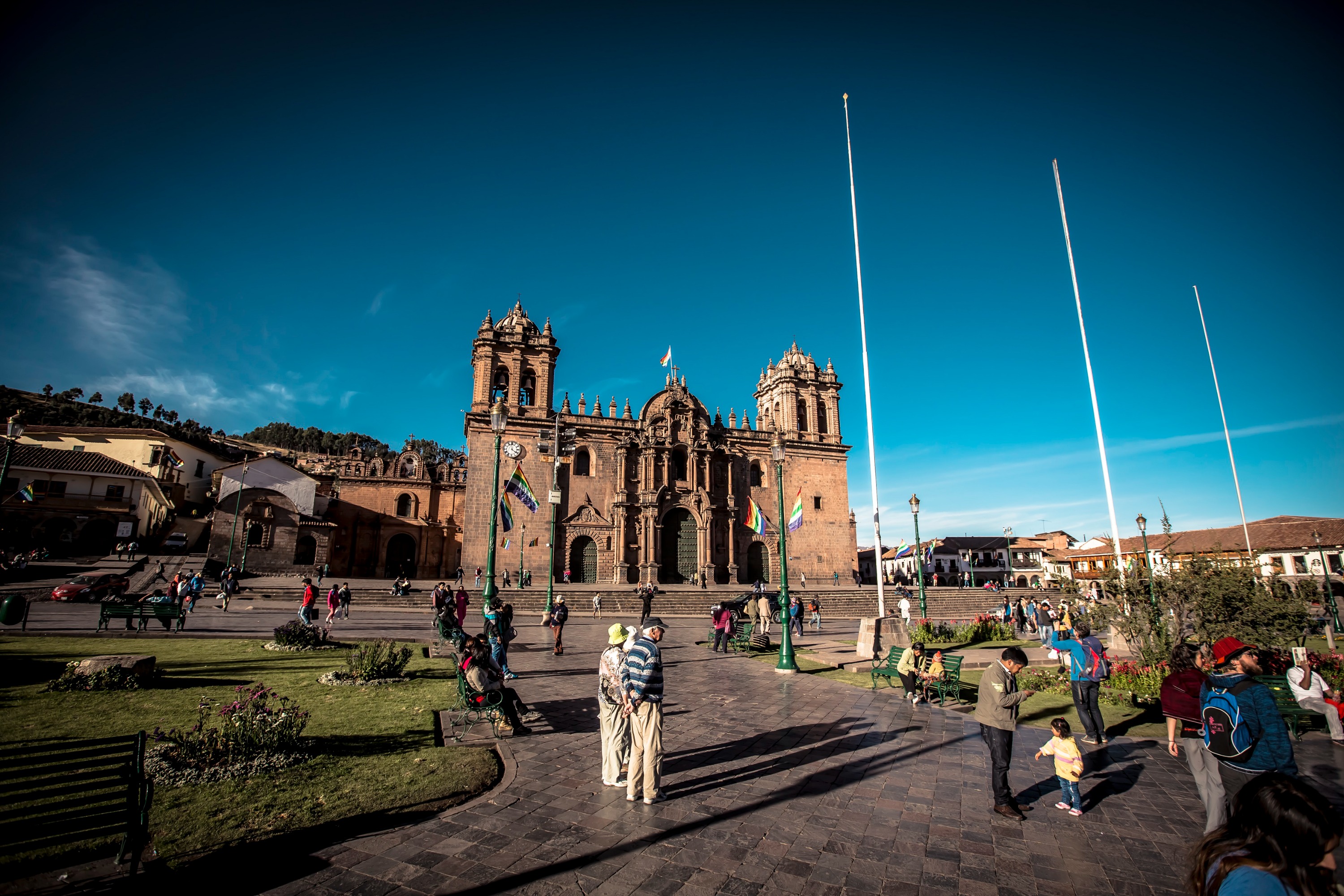
We will meet all travellers at our office in 324 - Calle Plateros (a block from Plaza De Armas - Main Square).
About Cusco
Cusco, the historic capital of the Inca Empire, is a captivating blend of Indigenous and colonial influences. Known for its well-preserved archaeological sites, vibrant culture, and stunning Andean landscapes, it's a gateway to Machu Picchu and the Sacred Valley. The city's rich history, combined with its lively arts scene and delicious cuisine, makes it a must-visit destination in South America.
Top Attractions
Sacred Valley
The Sacred Valley is a stunning region filled with Inca ruins, traditional villages, and breathtaking landscapes. It's a must-visit for history and nature lovers.
Historical/Nature
Full day
PEN 10-50 (USD 2.50-12.50) depending on the site
Machu Picchu
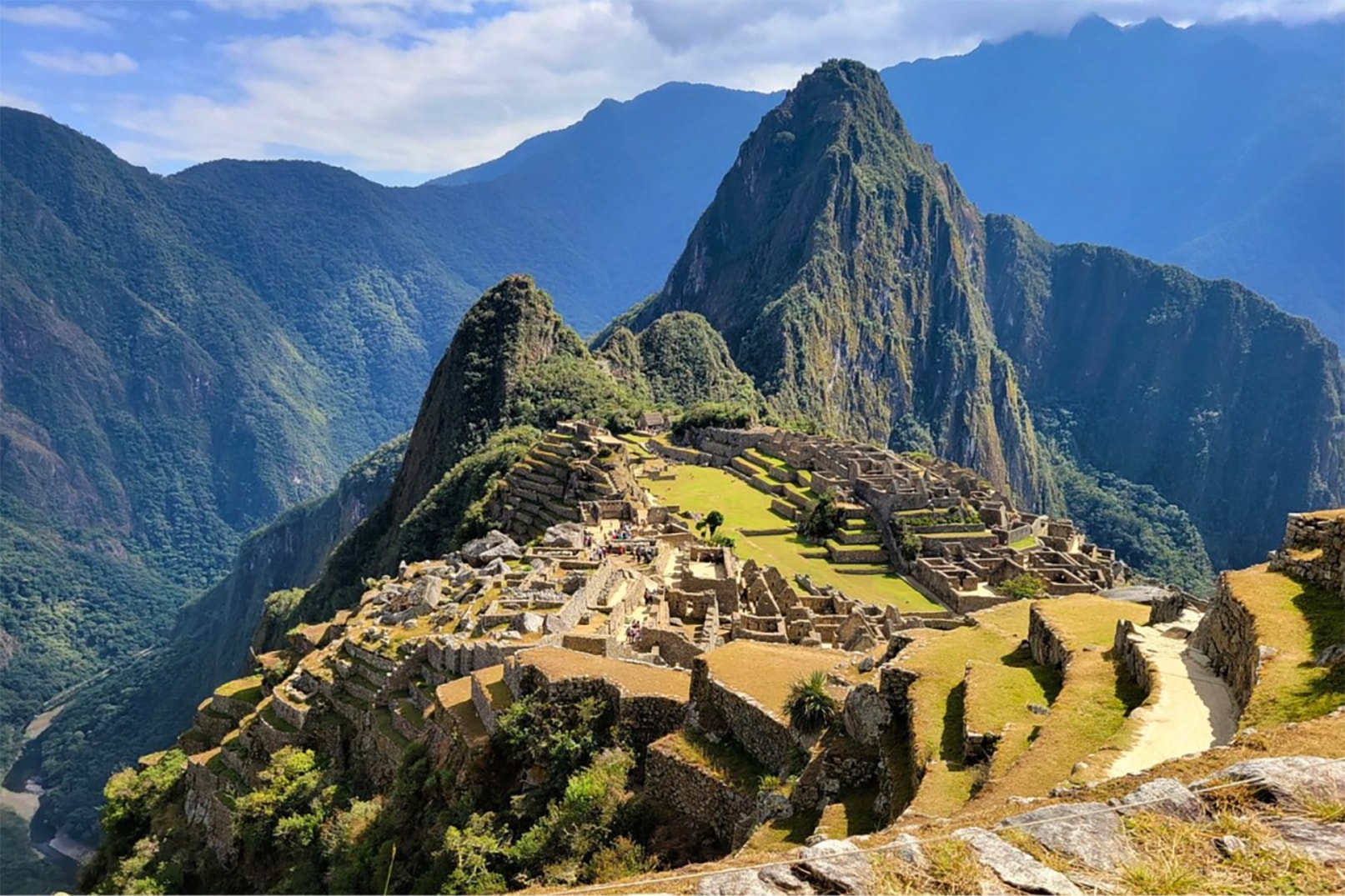
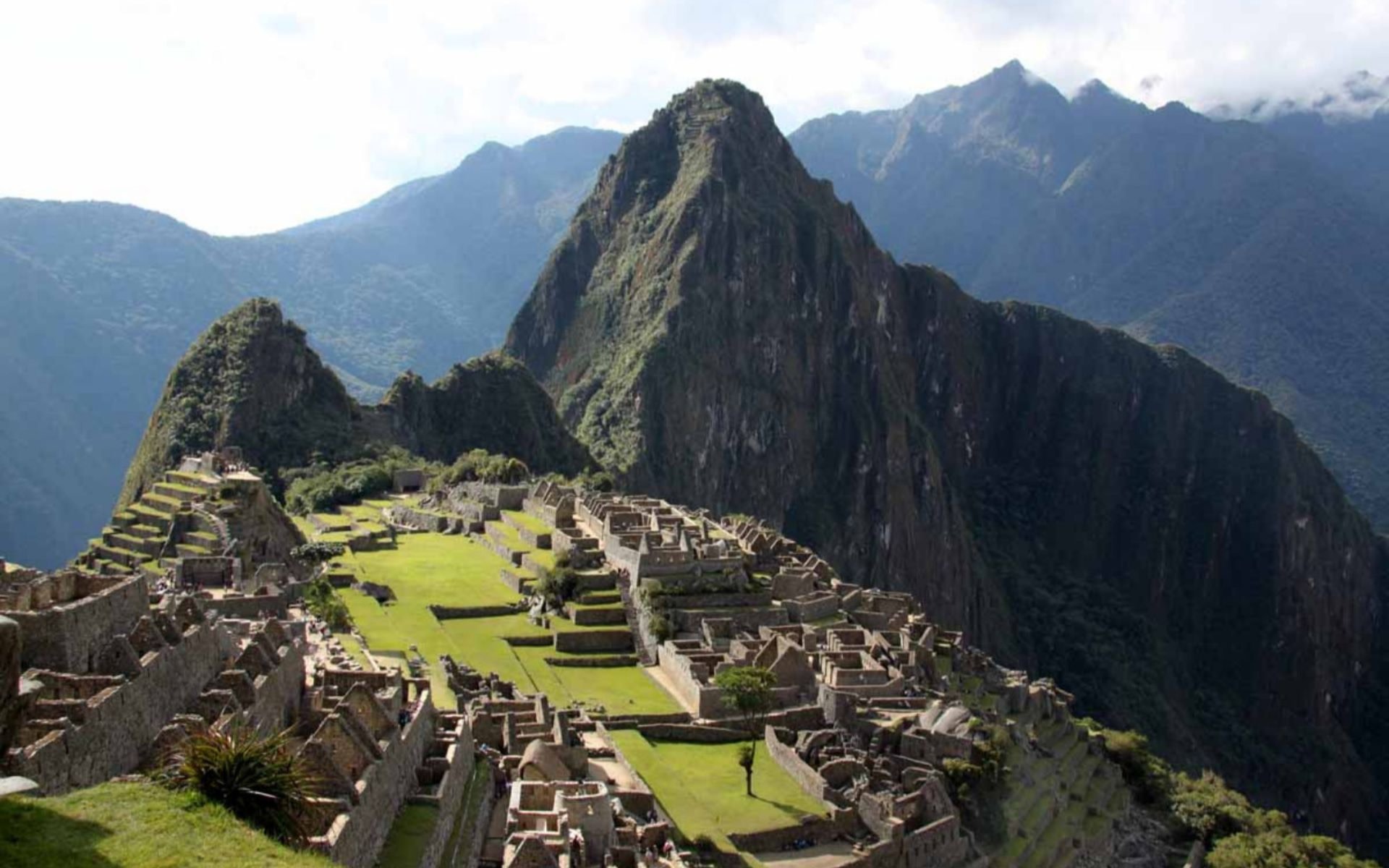
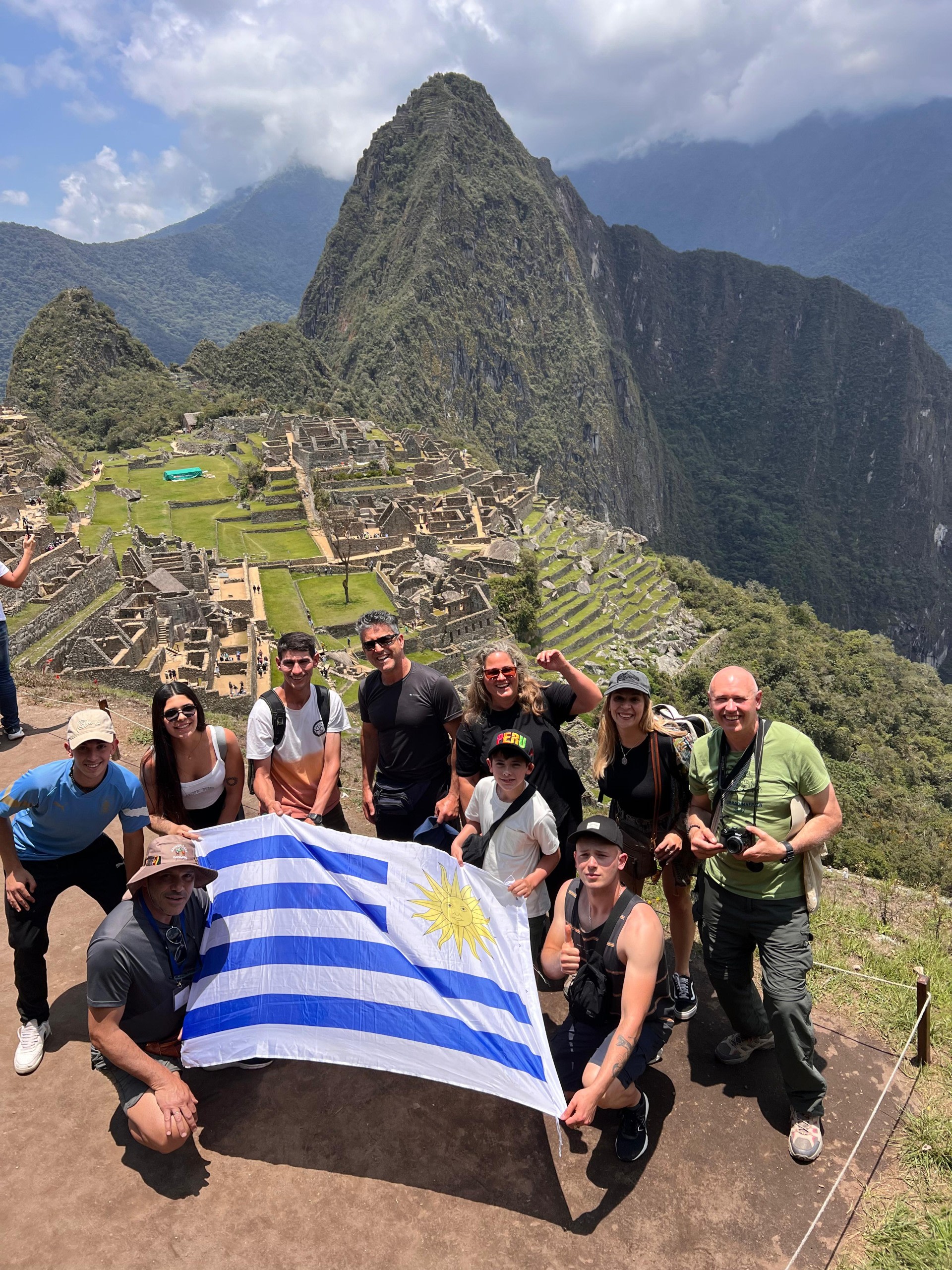
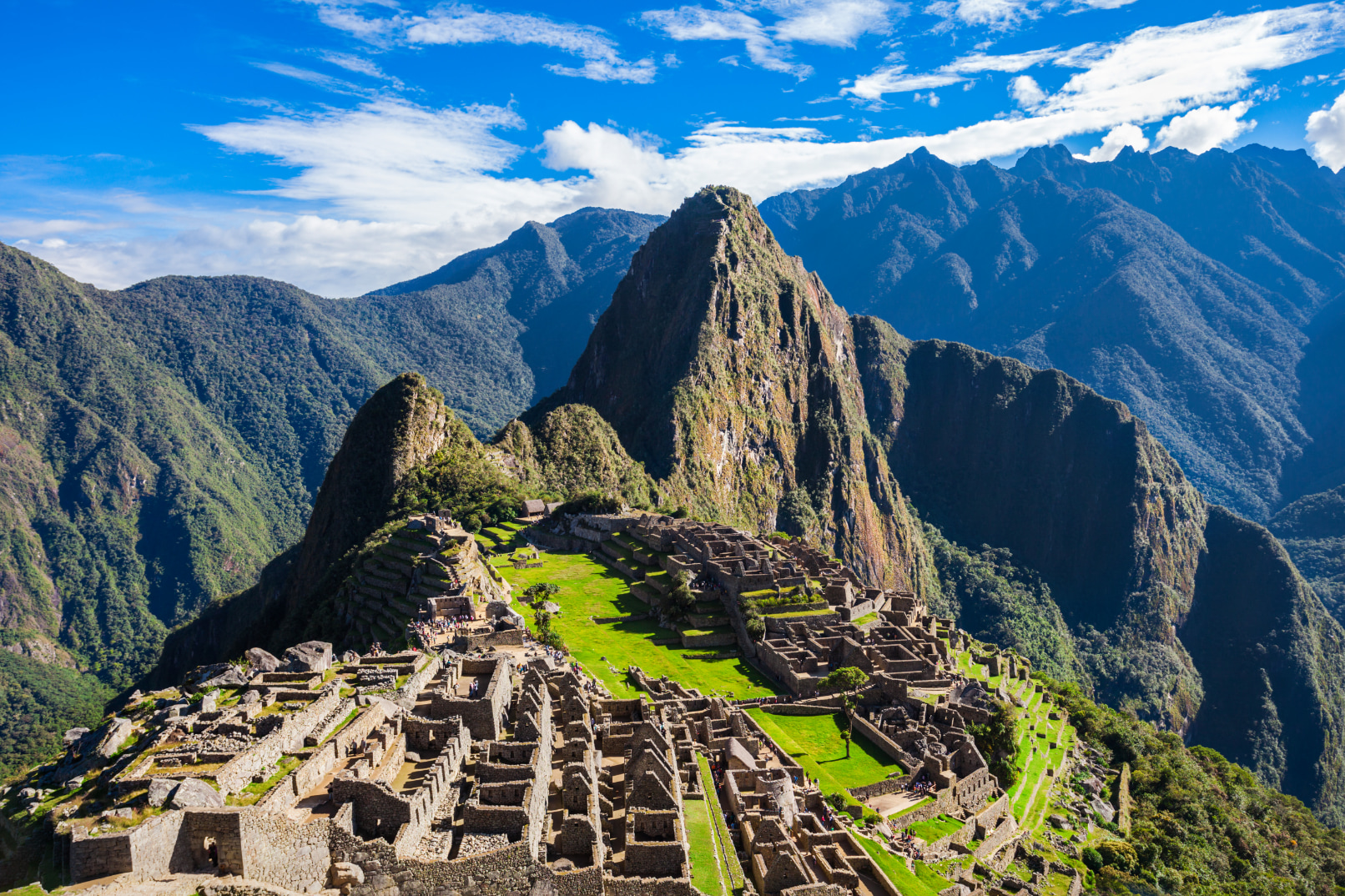
Machu Picchu is the iconic Inca citadel and one of the most famous archaeological sites in the world. Its breathtaking views and rich history make it a must-see.
Historical/Adventure
Full day or overnight
PEN 152 (USD 38) for entrance, train tickets vary
Qorikancha
Qorikancha, or the Temple of the Sun, was the most important temple in the Inca Empire. It's a fascinating blend of Inca and colonial architecture.
Historical/Religious
1-2 hours
PEN 10 (USD 2.50)
Sacsayhuaman
Sacsayhuaman is a massive Inca fortress with impressive stone walls and panoramic views of Cusco. It's a testament to Inca engineering and military might.
Historical
1-2 hours
PEN 10 (USD 2.50)
San Pedro Market
San Pedro Market is a bustling market offering a variety of fresh produce, local crafts, and traditional foods. It's a great place to experience local life.
Cultural/Food
1-2 hours
Free to enter, prices vary for purchases
Must-Try Local Dishes
Cuy al Horno
Roasted guinea pig, a traditional Andean dish.
Main Course
Not vegetarian
Lomo Saltado
Stir-fried beef with onions, tomatoes, and fries.
Main Course
Can be made vegetarian
Aji de Gallina
Shredded chicken in a creamy, spicy sauce.
Main Course
Not vegetarian
Sopa de Quinoa
Quinoa soup, a nutritious and traditional dish.
Soup
Can be made vegetarian
Popular Activities
Hiking
Trekking
Mountain biking
Whitewater rafting
Visiting spas
Exploring parks
Enjoying local cafes
Visiting museums
Best Time to Visit
May to September
This is the dry season, offering the best weather for exploring the city and its archaeological sites. The skies are clear, and temperatures are mild.
5°C to 20°C (41°F to 68°F)
41°F to 68°F
Practical Information
Language
- Official: Spanish
- Widely spoken: Quechua, English (in tourist areas)
- English: Moderately spoken in tourist areas, limited elsewhere
Currency
Peruvian Sol (PEN)
Time Zone
GMT-5
Electricity
220VV, 50HzHz
Safety Information
Overall Safety Rating: Generally safe with common-sense precautions
Cusco is generally safe for tourists, but petty crime can occur, especially in crowded areas. Be cautious with your belongings and avoid walking alone at night in poorly lit areas.
Important Precautions:
- • Keep valuables secure
- • Use reputable tour operators
- • Be cautious with street food
Getting there
By air
- Alejandro Velasco Astete International Airport • 5 km (3 miles) from city center
By train
San Pedro Station
By bus
Cusco Bus Terminal
Getting around
Public transport
Shared taxis (colectivos) are a common and affordable way to get around Cusco. They follow specific routes and can be flagged down.
Taxis
Available • Apps: InDriver, Easy Taxi
Rentals
Car, Bike, Scooter
Neighborhoods
Historic Center
San Blas
San Cristobal
Day trips
Pisac
35 km (22 miles) from Cusco • Full day
Pisac is a charming town known for its vibrant market and impressive Inca ruins. It's a great day trip from Cusco.
Ollantaytambo
60 km (37 miles) from Cusco • Full day or overnight
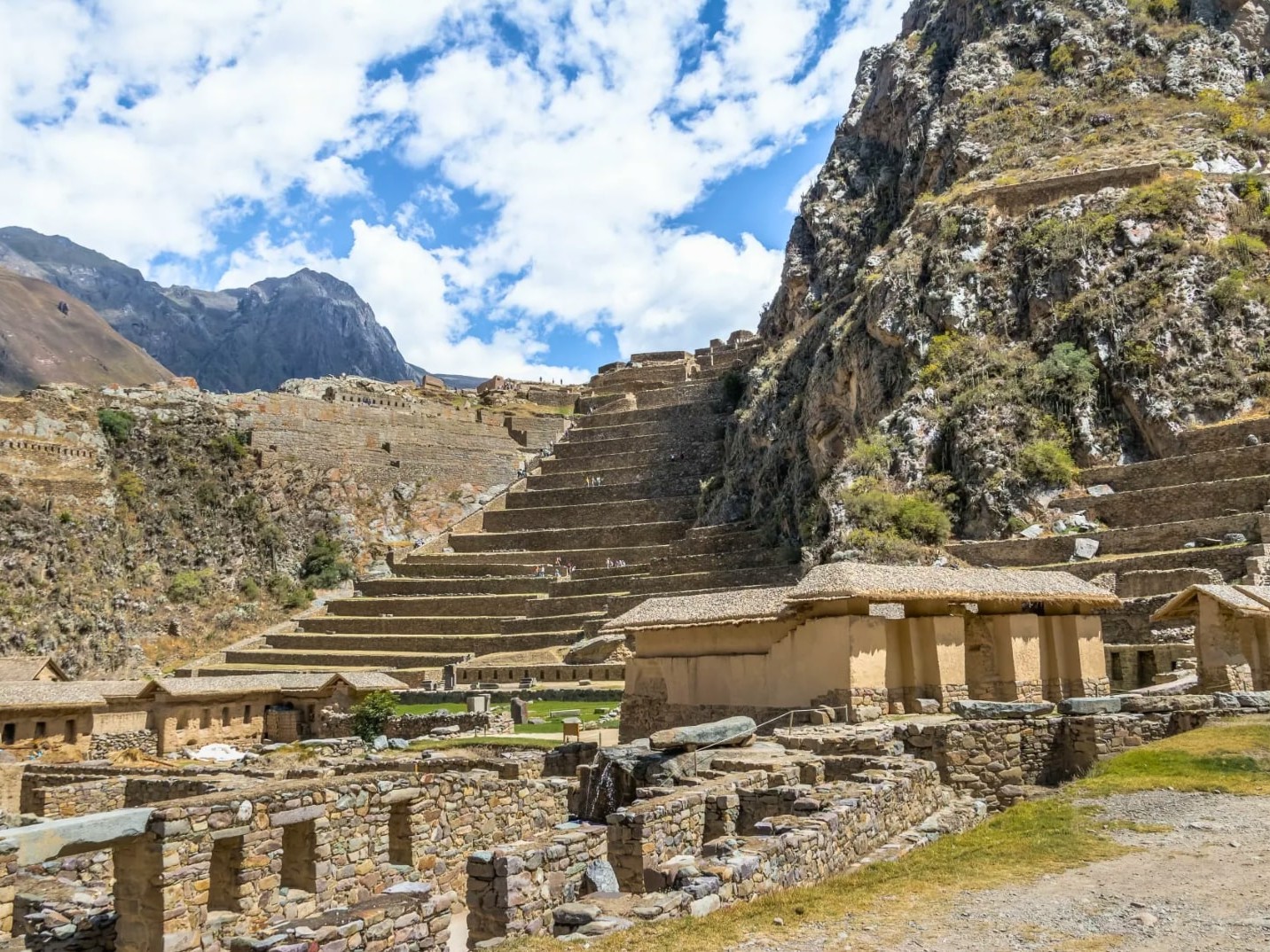
Ollantaytambo is a picturesque town with well-preserved Inca ruins and a gateway to Machu Picchu. It's a must-visit for history and adventure lovers.
Tipon
25 km (16 miles) from Cusco • Half day
Tipon is a beautiful archaeological site with well-preserved Inca terraces and water channels. It's a peaceful and less crowded alternative to other Inca sites.
Festivals
Inti Raymi • June 24
Cusco Festival of Music and Dance • August
Pro tips
- Acclimatize to the altitude before engaging in strenuous activities
- Dress in layers to accommodate changing temperatures
- Learn a few basic phrases in Spanish or Quechua to enhance your experience
- Visit the San Pedro Market early in the morning for the best selection and prices
- Book tickets and train tickets in advance for Machu Picchu and other popular attractions
From $25
per person
Price varies by option
Secure booking
Free cancellation available
Instant confirmation