Ancient Corinth Half Day Private Tour from Athens
Active
5h
For a full refund, cancel at least 24 hours before the scheduled departure time.
Instant confirmation
Mobile or paper ticket accepted
About this experience
Embark on a captivating journey discovering Ancient Corinth. This tour offers a unique journey through history, blending Greek, Roman, and Byzantine influences in one remarkable site. Visitors can explore the Temple of Apollo, a stunning 6th-century BC relic, and marvel at the Acrocorinth, a massive fortress with panoramic views. The site’s proximity to the Corinth Canal adds modern engineering intrigue to the ancient marvels. Ancient Corinth's well-preserved ruins, such as the Agora, the Fountain of Peirene, and the Bema where Apostle Paul preached, provide a vivid sense of life in a thriving city at the crossroads of trade, culture, and religion.
Available options
Ancient Corinth Half Day Private Tour from Athens
Pickup included
What's included
Private transportation
WiFi on board
Bottled water
Driver with deep knowledge of history not licensed to accompany you to any sight
Air-conditioned vehicle
Fluent english speaking driver
Detailed itinerary
1
Stop 1
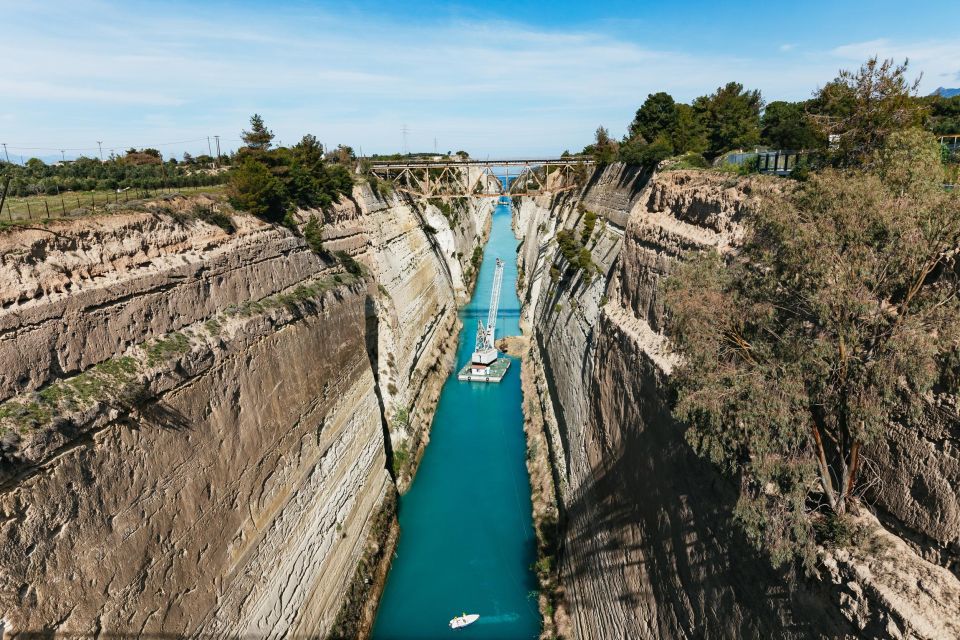
The Corinth Canal is a strategic, man-made waterway in Greece, cutting through the narrow Isthmus of Corinth to connect the Gulf of Corinth with the Saronic Gulf in the Aegean Sea. Completed in 1893 after several failed attempts dating back to ancient times, the canal is 6.4 kilometers (4 miles) long and 21.4 meters (70 feet) wide at its base. It significantly reduces the maritime travel distance by 700 kilometers (430 miles), avoiding the lengthy circumnavigation of the Peloponnese peninsula.
The successful completion in the 19th century was a significant engineering feat, symbolizing the triumph of modern technology over ancient ambitions. Despite its narrow width limiting the size of vessels that can navigate it, the canal remains a vital maritime route for smaller ships and a popular tourist attraction, highlighting Greece's rich history and engineering prowess.
2
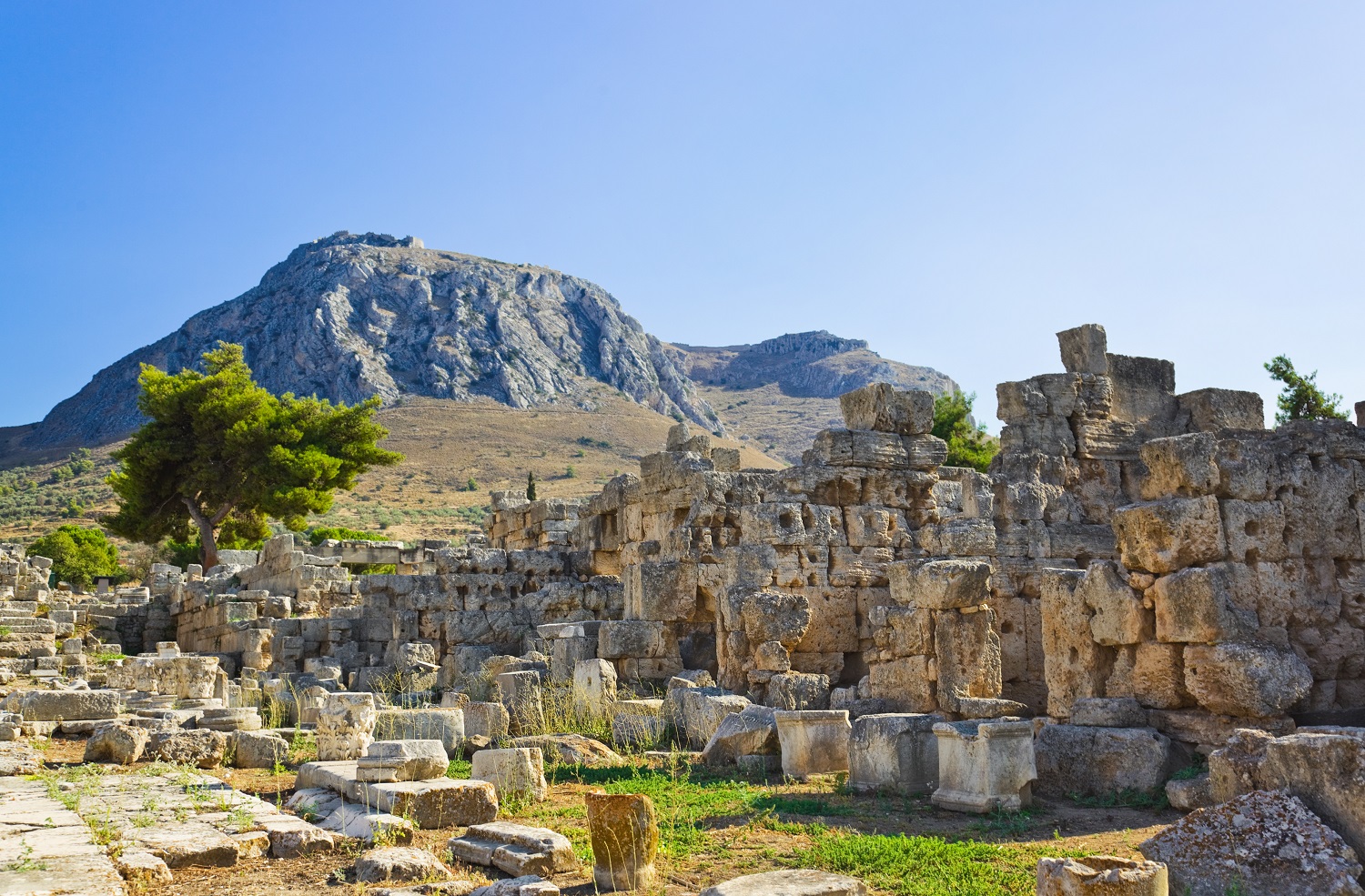
The historical site of ancient Corinth, located on the narrow stretch of land connecting mainland Greece with the Peloponnese, was a major city in antiquity renowned for its wealth and strategic location. Key landmarks include the Temple of Apollo, one of Greece's oldest Doric temples, and the impressive Acrocorinth, a fortified hill providing defense and spectacular views.
Corinth thrived as a commercial hub, facilitated by its two ports, Lechaeum and Kenchreai, linking trade routes between the Aegean and Adriatic seas. The city was also famous for the Isthmian Games, held in honor of Poseidon. In Roman times, Corinth became a significant administrative center.
Excavations reveal a vibrant city with public buildings, shops, and fountains, reflecting its prosperity. The ancient city is also significant in Christian history, as the Apostle Paul visited and wrote two epistles to the Corinthians, contributing to its rich historical tapestry.
3
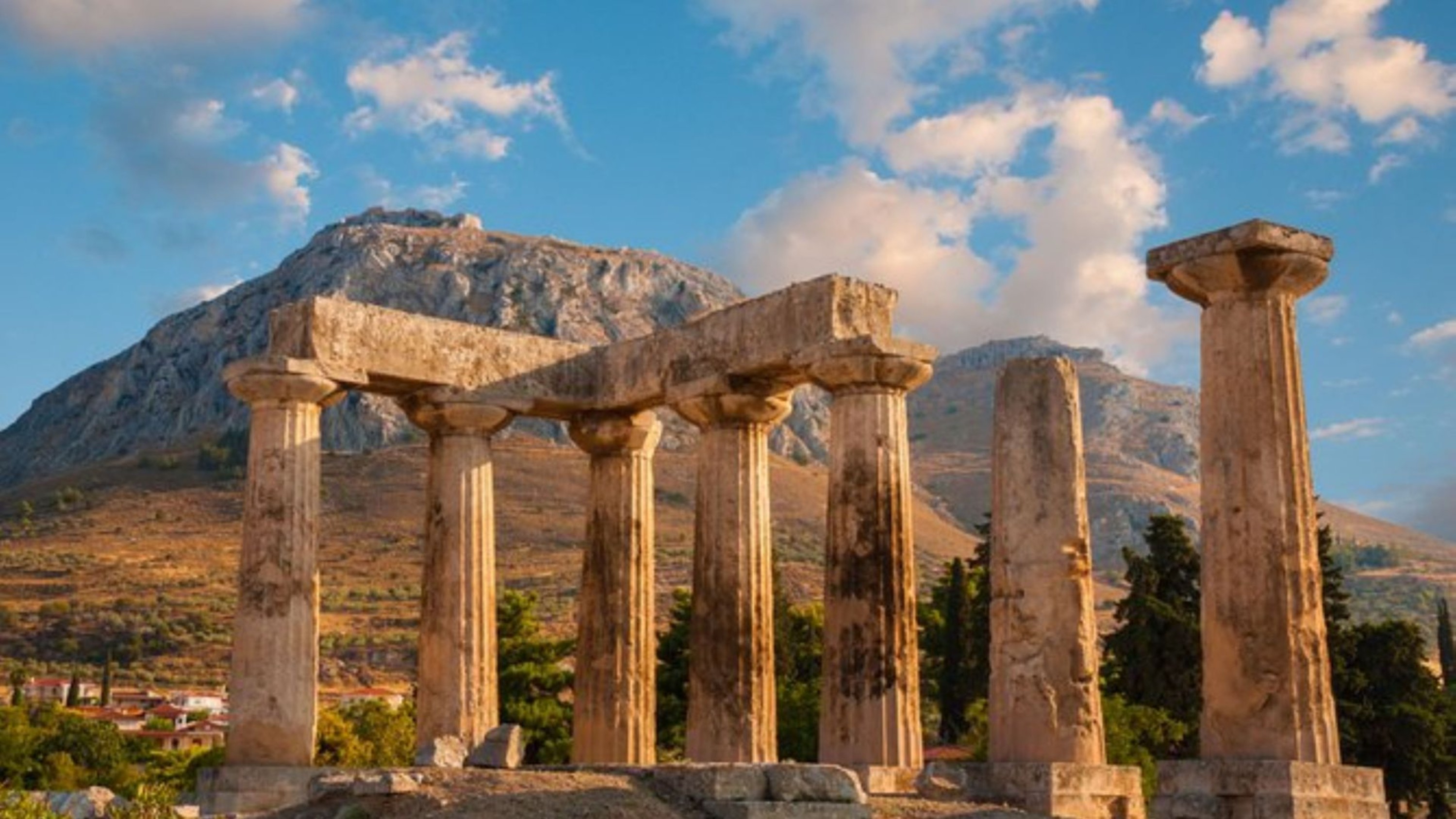
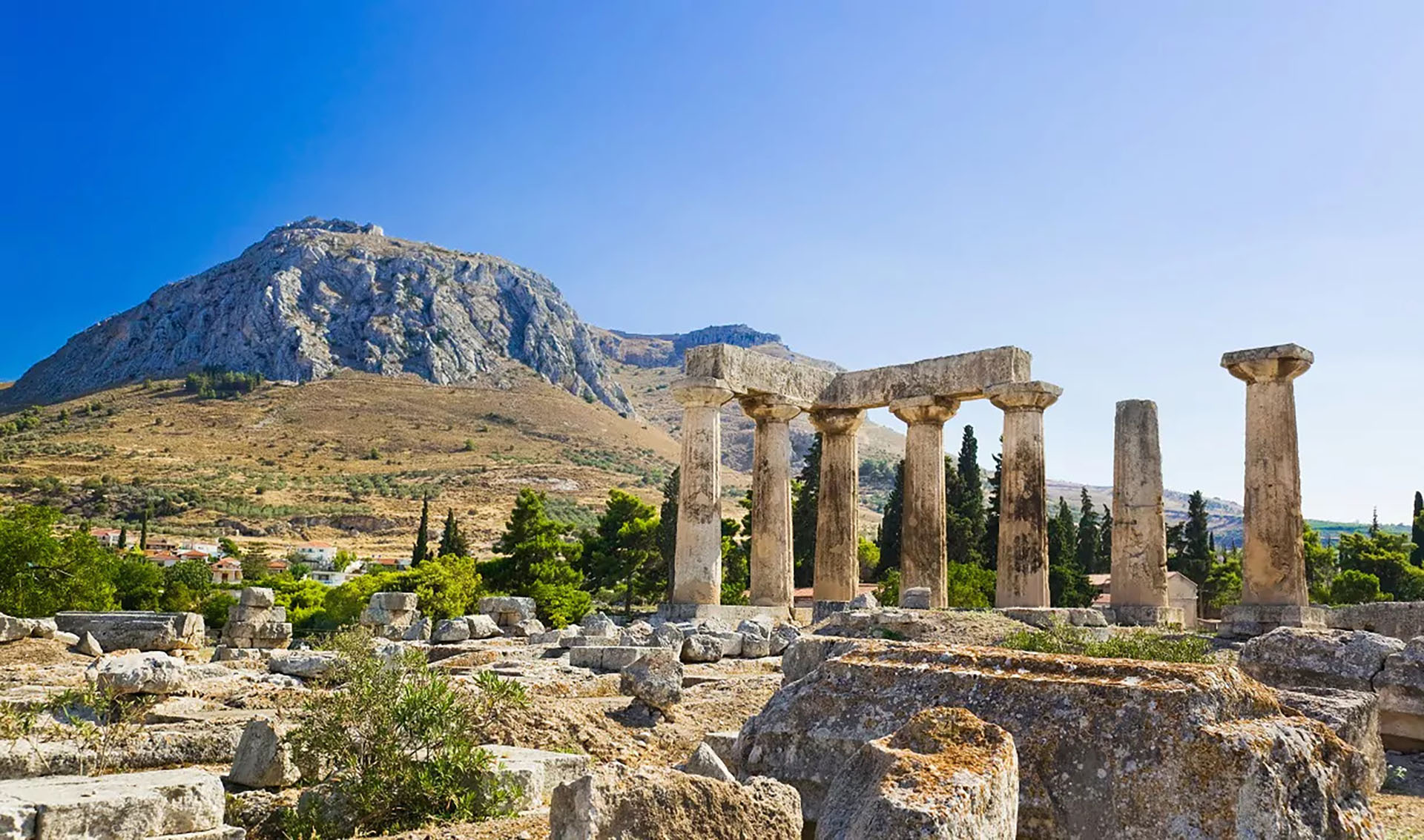
The Temple of Apollo in ancient Corinth, built in the 6th century BCE, is one of the earliest Doric temples in Greece. It originally featured 38 monolithic columns, each standing about 7 meters (23 feet) tall, of which seven remain today. The temple, dedicated to Apollo, the god of music, prophecy, and healing, was constructed on a hill overlooking the city, symbolizing its religious and cultural significance. Its imposing structure and architectural style reflect the prosperity and artistic achievement of ancient Corinth.
4
The Bema of Saint Paul in ancient Corinth is a prominent archaeological site where the Apostle Paul is believed to have stood trial around 52 CE, as described in the Acts of the Apostles. The bema, an elevated platform in the city's Roman forum, was used for public addresses and judicial purposes. This site holds significant historical and religious importance, symbolizing Paul's missionary efforts and the spread of Christianity in Greece. Today, it features inscriptions and remains a focal point for Christian pilgrimage.
5
The Archaeological Museum of Corinth, located on the site of ancient Corinth, houses an extensive collection of artifacts spanning from the prehistoric period to Roman times. Highlights include statues, mosaics, pottery, and inscriptions, reflecting the city's rich history. Notable exhibits are the marble statues of Roman emperors and the intricate floor mosaics depicting mythological scenes. The museum's layout is designed to complement the adjacent ruins, providing a comprehensive understanding of Corinth's cultural and historical significance.
6
Acrocorinth, the acropolis of ancient Corinth, is a massive and strategically significant fortress situated on a rocky hill towering over the city, approximately 575 meters (1,886 feet) high. It served as a primary defense site from ancient Greek times through the medieval period. Acrocorinth's fortifications include walls, gates, and towers, offering panoramic views of the surrounding region. The site also housed temples, such as the Temple of Aphrodite, and later, churches and mosques, reflecting its diverse historical usage.
What's not included
Gratuities
Archeological sight of Corinth
Available languages
Guide guide
EN
Reviews breakdown
Viator
5.0
1 reviews
5★
1
4★
0
3★
0
2★
0
1★
0
Tripadvisor
5.0
1 reviews
5★
1
4★
0
3★
0
2★
0
1★
0
Important information
Service animals allowed
Public transportation options are available nearby
Suitable for all physical fitness levels
Available child seat or booster
Wear comfortable shoes for exploring
About Athens
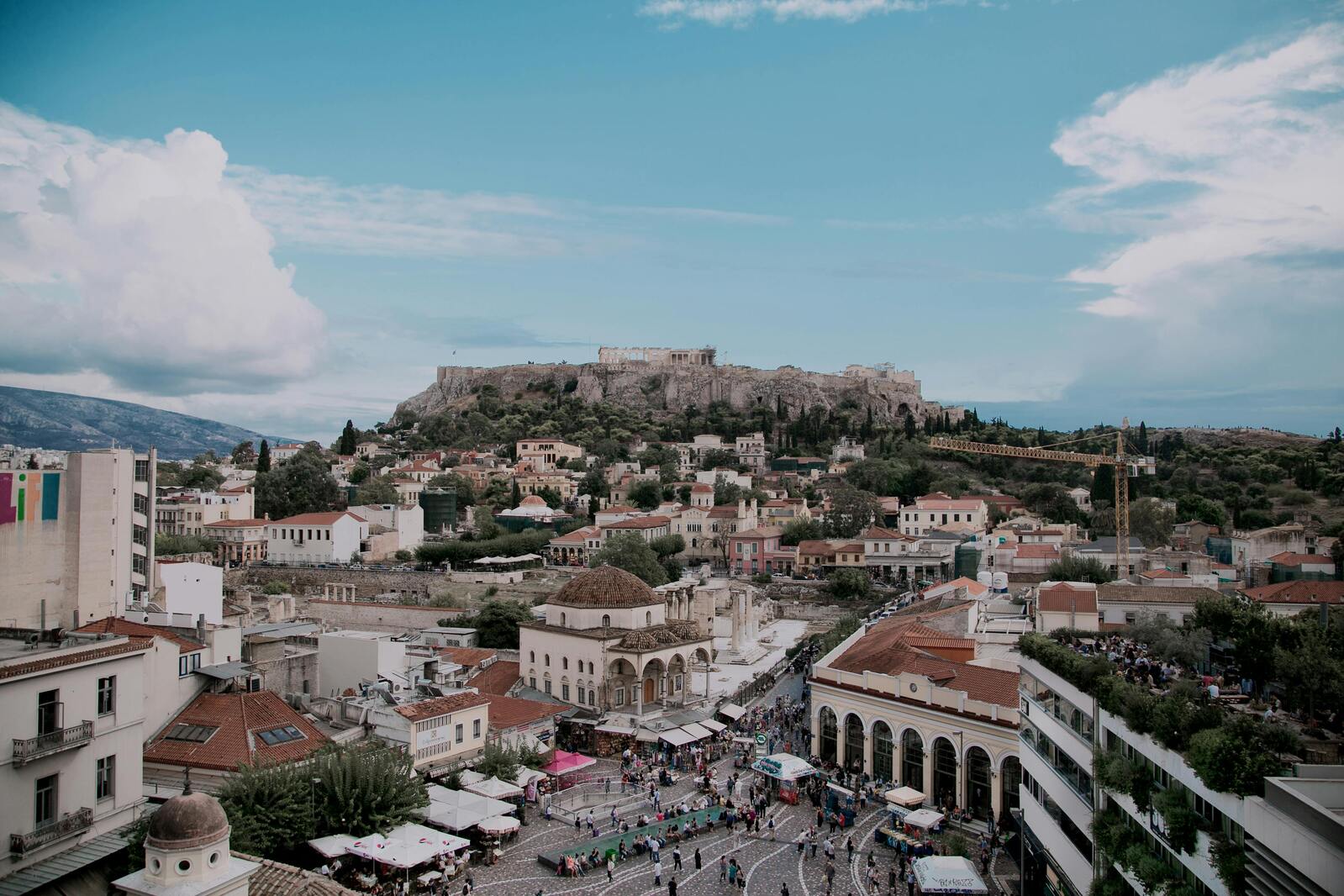
Athens, the capital of Greece, is a city rich in history and culture, often considered the cradle of Western civilization. It is home to iconic ancient landmarks, vibrant neighborhoods, and a thriving modern scene.
Top Attractions
Acropolis of Athens
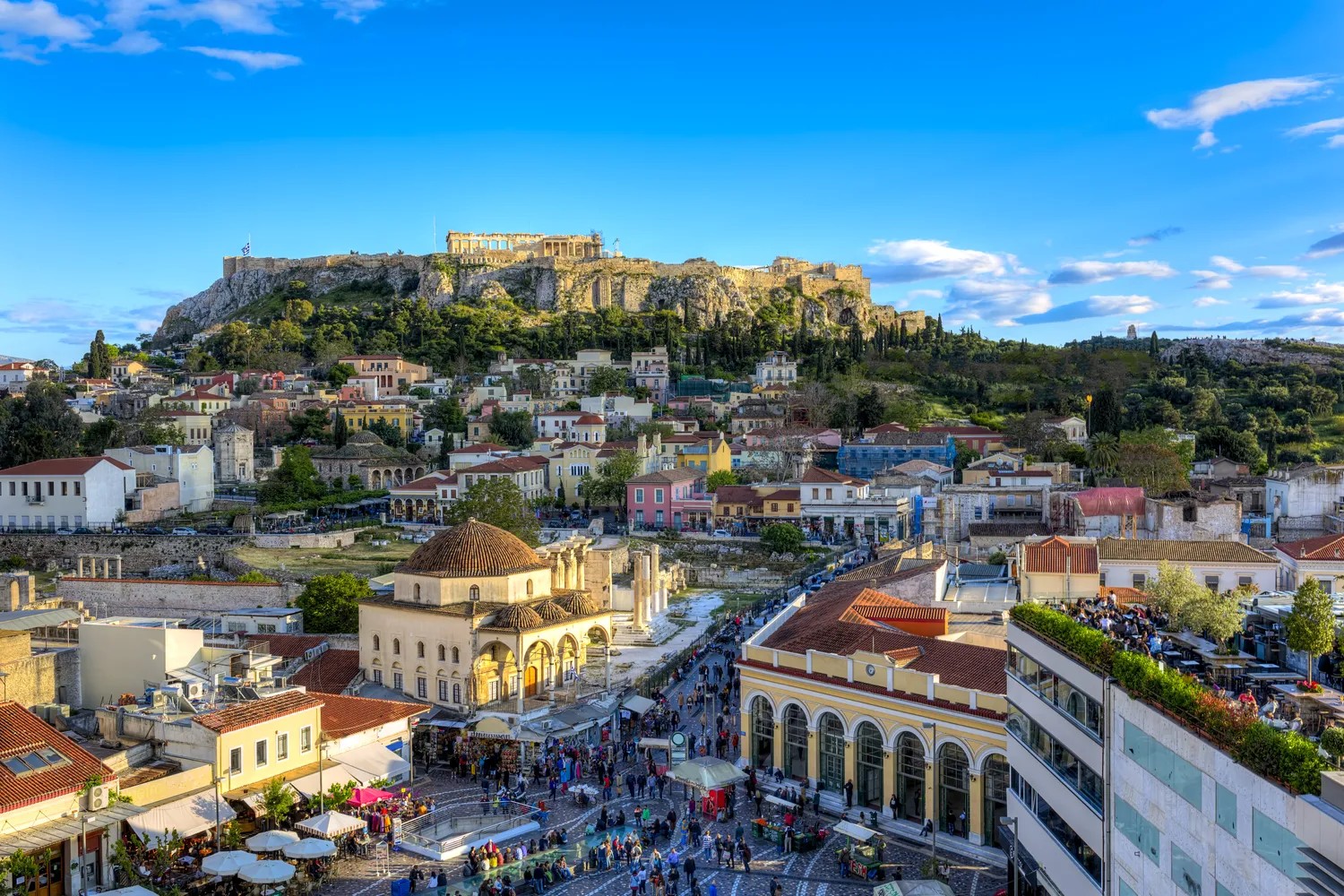
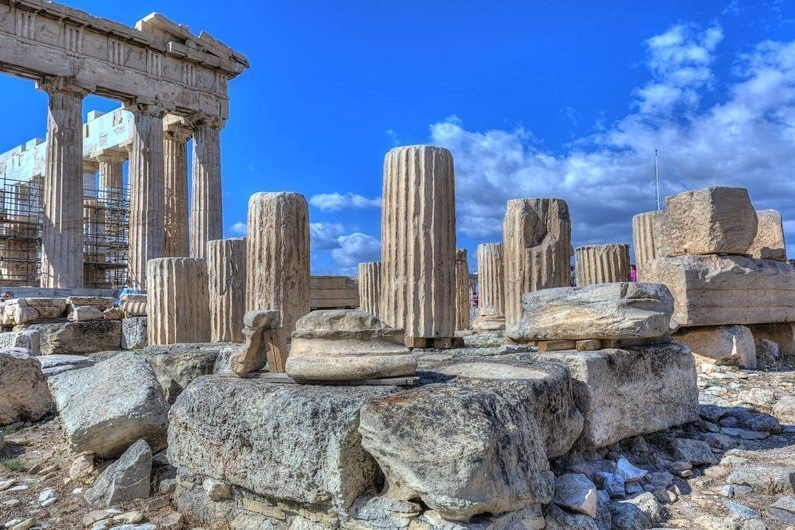
The Acropolis is the most iconic landmark in Athens, featuring ancient ruins and temples, including the Parthenon.
Historical
2-3 hours
€20 (combined ticket for multiple sites)
Ancient Agora of Athens
The heart of ancient Athens, featuring the Temple of Hephaestus and the Stoa of Attalos.
Historical
1-2 hours
€8 (included in the combined ticket)
Plaka
A charming, historic neighborhood with narrow streets, neoclassical houses, and vibrant nightlife.
Cultural
2-3 hours
Free to explore
Acropolis Museum
A modern museum showcasing artifacts from the Acropolis and its surroundings.
Museum
1-2 hours
€10
Temple of Olympian Zeus
An ancient temple dedicated to Zeus, once the largest temple in Greece.
Historical
30 minutes to 1 hour
€6 (included in the combined ticket)
Must-Try Local Dishes
Moussaka
A baked dish with layers of eggplant, minced meat, and béchamel sauce.
Dinner
Vegetarian versions available
Souvlaki
Grilled meat skewers, often served with pita bread and tzatziki.
Snack
Can be made with chicken, pork, or vegetarian options
Tzatziki
A yogurt-based dip with cucumber, garlic, and herbs.
Snack
Vegetarian and vegan options available
Baklava
A sweet pastry made with layers of filo, nuts, and honey syrup.
Dessert
Vegetarian
Popular Activities
Hiking in the mountains
Rock climbing
Scuba diving
Beach visits
Spa treatments
Café hopping
Museum visits
Theater performances
Best Time to Visit
April to June, September to October
The best time to visit Athens is during the spring and autumn months when the weather is pleasant and the tourist crowds are smaller.
18°C to 32°C
64°F to 90°F
Practical Information
Language
- Official: Greek
- Widely spoken: English, French, German
- English: Moderately spoken
Currency
Euro (EUR)
Time Zone
GMT+2 (EET)
Electricity
230VV, 50HzHz
Safety Information
Overall Safety Rating: Generally safe
Athens is generally safe for travelers, but petty crime and pickpocketing can occur in tourist areas. Be cautious with your belongings and avoid poorly lit areas at night.
Important Precautions:
- • Keep valuables secure
- • Use licensed taxis or ride-sharing apps
- • Be cautious with ATMs and credit cards
Getting there
By air
- Eleftherios Venizelos International Airport • 30 km from city center
By train
Athens Central Railway Station
By bus
KTEL Bus Station
Getting around
Public transport
Clean, efficient, and air-conditioned. Easy to navigate with clear signage in English.
Taxis
Available • Apps: Beat, Uber
Rentals
Car, Bike, Scooter
Neighborhoods
Plaka
Monastiraki
Psiri
Koukaki
Kolonaki
Day trips
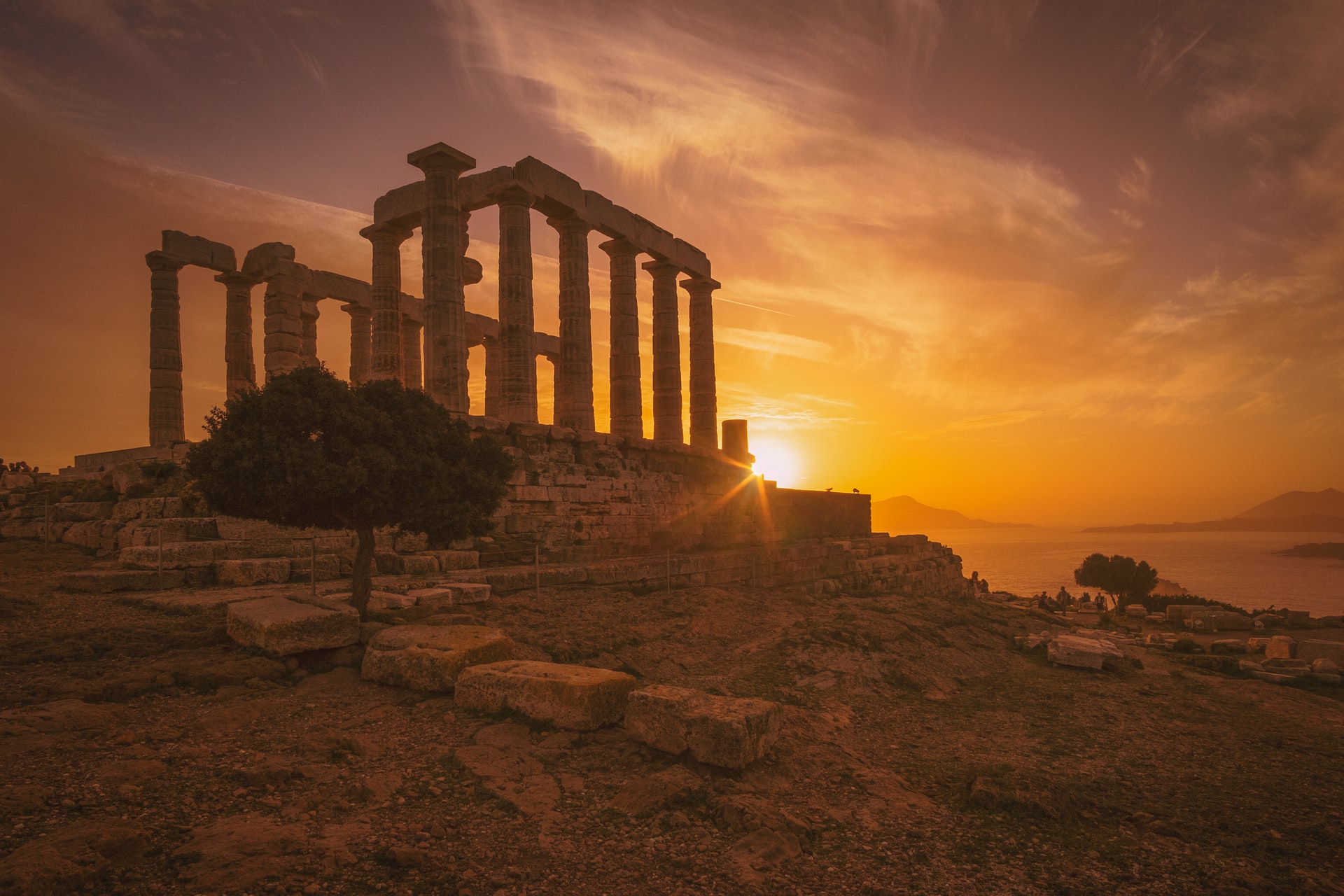
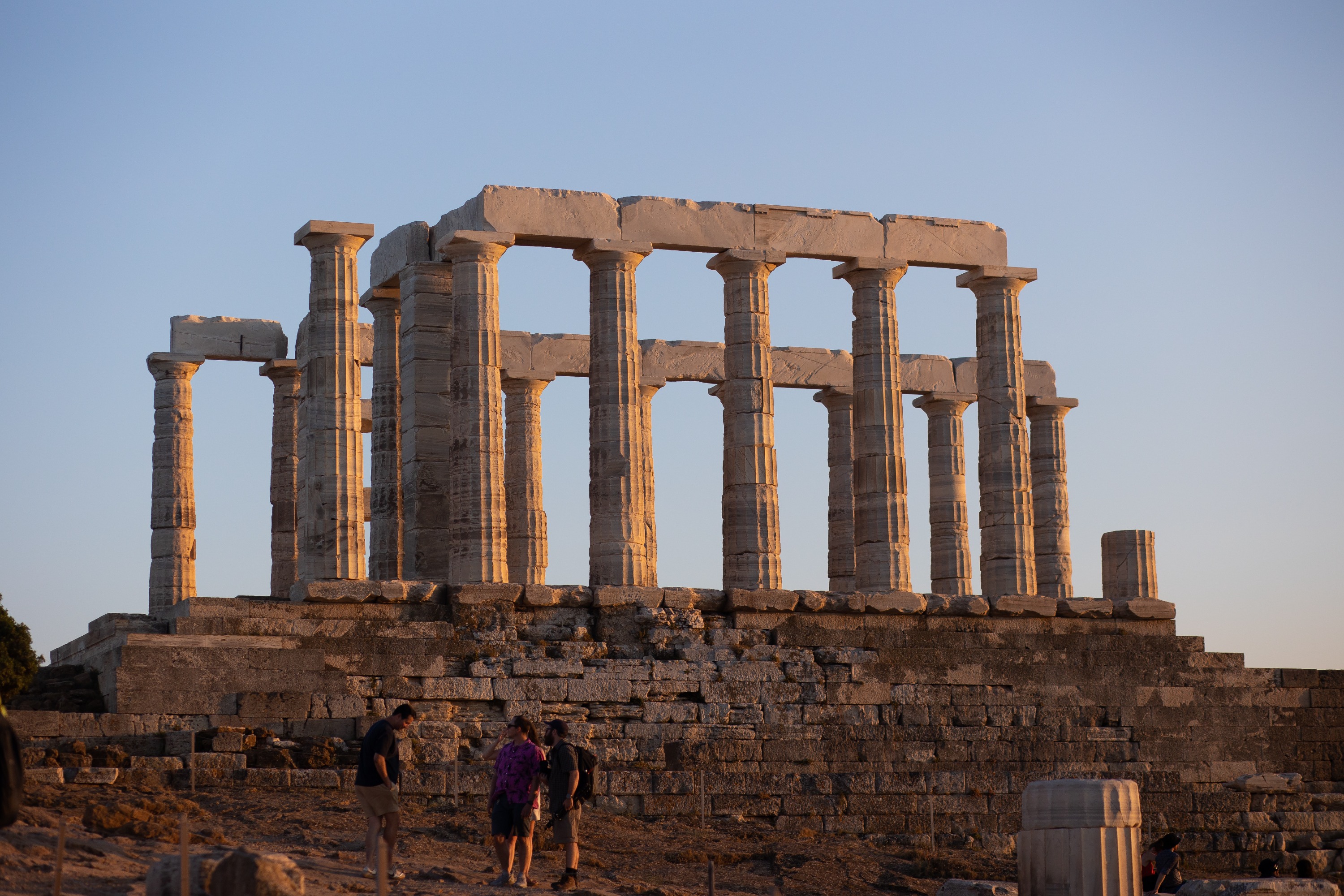
Cape Sounion
65 km from Athens • Half day to full day
A scenic coastal area featuring the Temple of Poseidon with stunning views of the Aegean Sea.
Delphi
180 km from Athens • Full day
An ancient archaeological site and home to the famous Oracle of Delphi.
Meteora
350 km from Athens • Overnight
A unique landscape featuring rock formations and medieval monasteries perched atop cliffs.
Festivals
Athens Festival • May to October
Athens Epidaurus Festival • June to August
Athens International Film Festival • October
Pro tips
- Visit major attractions early in the morning or late in the afternoon to avoid crowds and heat
- Use the metro for easy and efficient travel around the city
- Explore local neighborhoods for an authentic Greek experience
- Try local street food for a quick and delicious meal
- Learn a few basic Greek phrases to enhance your experience and connect with locals
From $25
per person
Price varies by option
Secure booking
Free cancellation available
Instant confirmation