Nuremberg Walking Tour
Active
2h
For a full refund, cancel at least 24 hours before the scheduled departure time.
Instant confirmation
Mobile or paper ticket accepted
About this experience
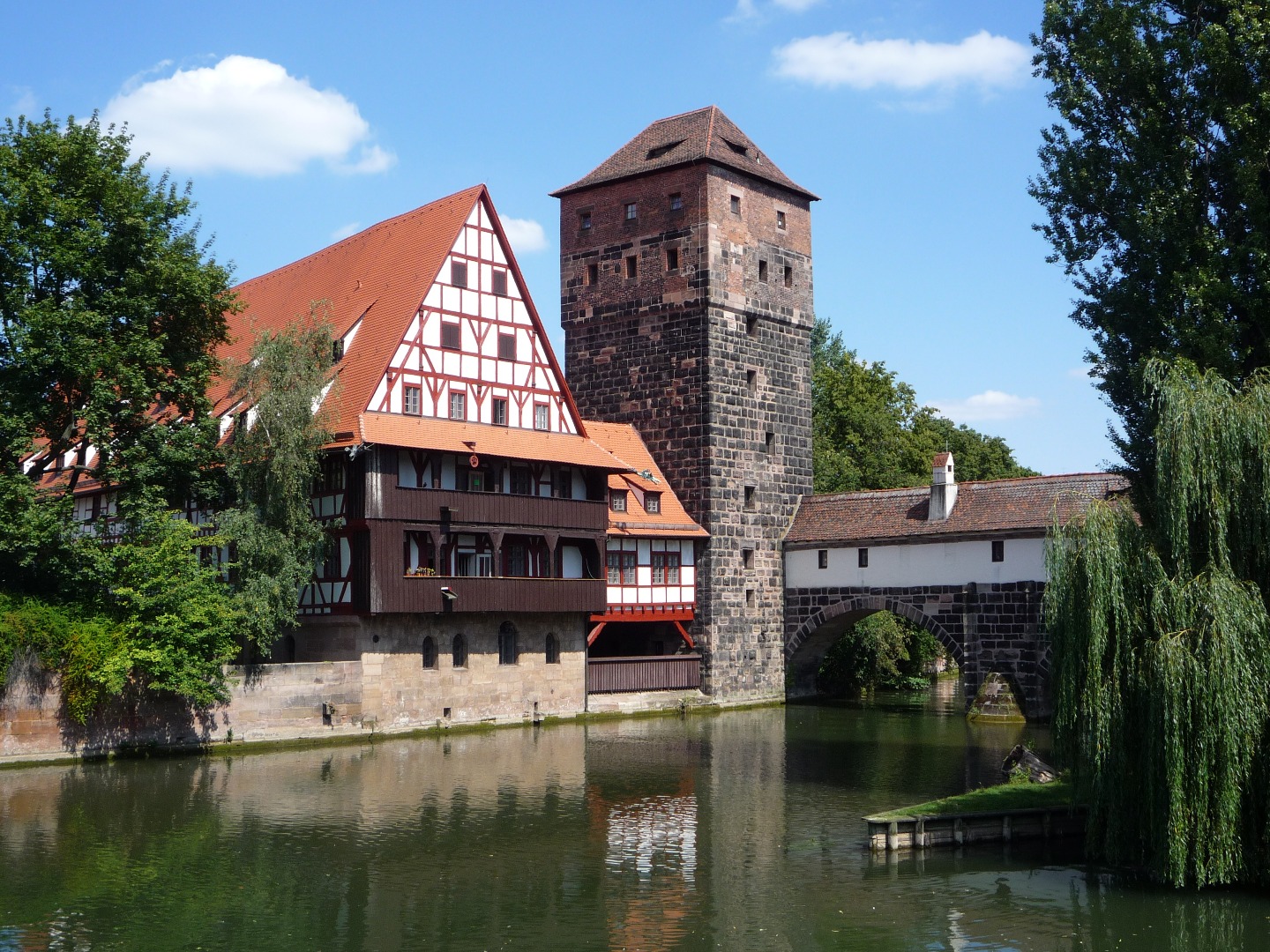
Explore the enchanting streets of Nuremberg on this free walking tour, designed to immerse you in the city's rich history and cultural heritage. Guided by a knowledgeable local expert, you will navigate the intricate network of cobblestone streets, uncovering fascinating stories and historical details unique to this imperial city. From medieval origins through to the pivotal events of the 20th century, including the famous Nuremberg Trials, this tour offers a comprehensive understanding of Nuremberg's past, ensuring you leave feeling like a true Nuremberger.
- Discover the beauty and history of Nuremberg on a guided walking tour
- Learn about the city's origins and key historical events, including the Nuremberg Trials
- Navigate the charming streets and squares with an expert local guide
- Experience the old town's unique architecture and stories firsthand
Available options
Nuremberg Walking Tour
What's included
Guide service
Detailed itinerary
1
Stop 1
The tour begins at the Hauptmarkt, a place full of history, colors and aromas from the fruit, vegetable and flower stalls.
2
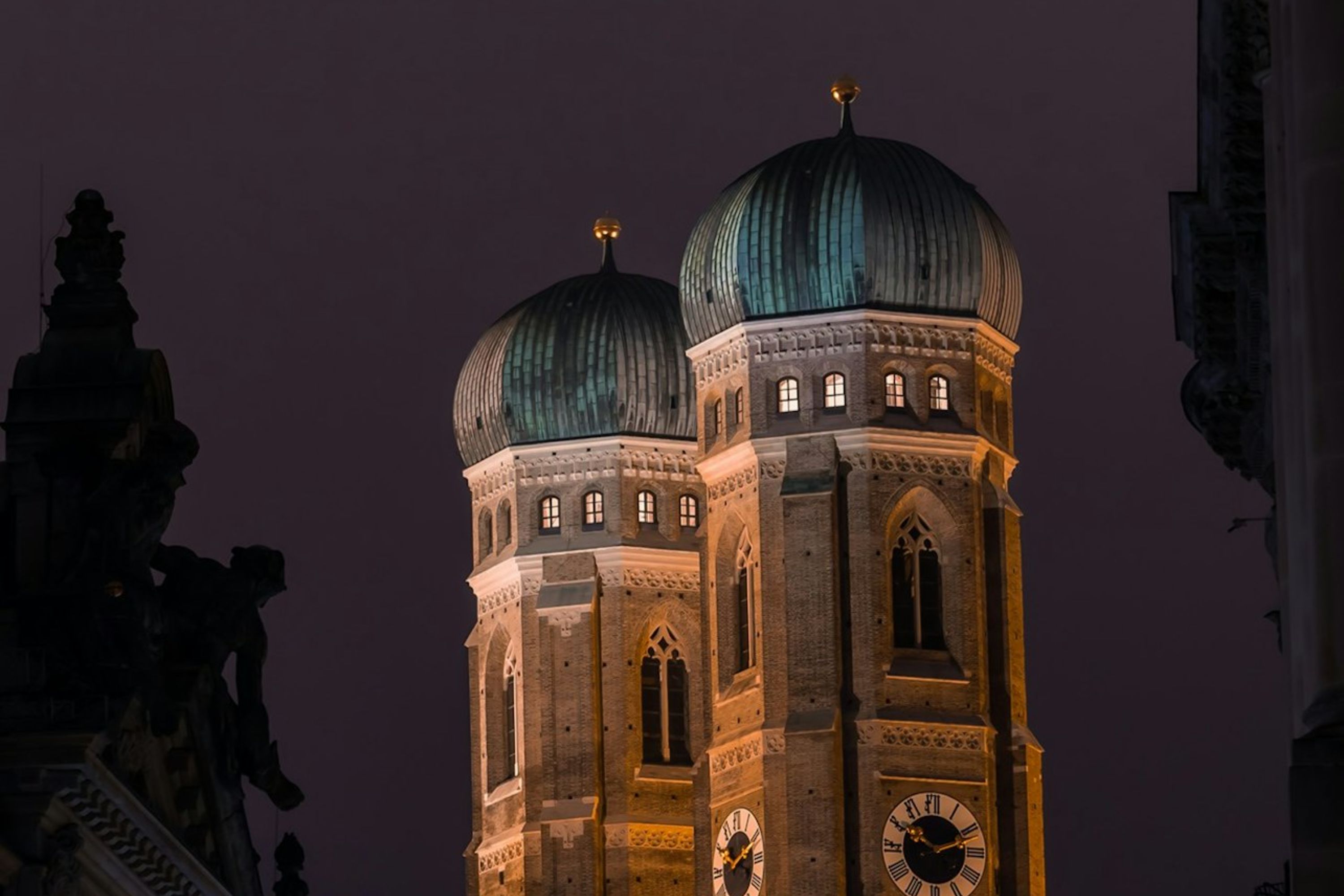
At 12 noon the bells of the Frauenkirche ring and the "Männleinlaufen" come into play, 16th-century automata that tell us the imperial history of Nuremberg. The Männleinlaufen gives us an insight into the importance of Nuremberg for the Nazi Party conventions. A fascinating story not to be missed.
3
The Fleischbrücke is the only bridge that remained standing despite the bombing of the city during World War II.
4
Stop 4
Completed in 1477, the Church of St. Lawrence has a long tradition in the southern district of Nuremberg. Next to the church, we find a monument that speaks to the victims of National Socialism. A place of reflection and understanding of 20th-century history.
5
The Holy Spirit Hospital was once the largest hospital building in the Holy Roman Empire. A place steeped in history that speaks to Nuremberg's economic and political power.
6
Stop 6
The Beautiful Fountain is a summary of the worldview of an ordinary citizen in the medieval Gothic period. Despite the passing of time, the traditions remain, and anyone who touches the ring achieves a certain degree of good fortune.
7
The Old Town Hall in Nuremberg demonstrates the power of the city's bourgeoisie.
8
St. Sebald's Church is the most important church in Nuremberg. A Protestant church worth visiting for its history and religious objects.
9
Stop 9
Nuremberg Castle is the city's hallmark. From every angle, you can appreciate this marvelous medieval complex, which showcases the power of the Holy Roman Empire and which National Socialism adopted as the Secret Capital of the Third Reich.
Here we will also discuss the importance of the Nuremberg Trials as a way to overcome the madness of war through justice and reason.
10
Stop 10
Germany's greatest artist, Albrecht Dürer, was born and lived in Nuremberg. His story and work are scattered throughout museums, but his roots and sources of inspiration lie in this city.
11
Tiergärtnertor Square is one of the city's most beautiful squares, frequented by locals and a typical meeting place. The area is full of bars and restaurants inviting us to relax after a fascinating tour of Nuremberg.
What's not included
The payment made is to secure the tour. The payment does not include tips for the guide, which are always appreciated ;)
Available languages
Guide guide
EN
ES
Reviews breakdown
Viator
5.0
6 reviews
5★
6
4★
0
3★
0
2★
0
1★
0
Tripadvisor
4.9
14 reviews
5★
13
4★
0
3★
1
2★
0
1★
0
Important information
Wheelchair accessible
Infants and small children can ride in a pram or stroller
Service animals allowed
Public transportation options are available nearby
Infants are required to sit on an adult’s lap
Transportation options are wheelchair accessible
Travelers should have at least a moderate level of physical fitness
Meeting point
In front of the Frauenkirche in Hauptmarkt, Nuremberg.
You can spot the guide with a red and white umbrella.
About Nuremberg
Nuremberg is a historic city in the Franconia region of Bavaria, known for its medieval architecture, rich history, and as the unofficial capital of the Holy Roman Empire. It offers a blend of cultural heritage, vibrant markets, and modern attractions, making it a unique destination for travelers.
Top Attractions
Nuremberg Castle
A complex of medieval fortified buildings that served as the seat of the Holy Roman Empire. It offers stunning views of the city and insights into its rich history.
Historical
2-3 hours
€7-€10
Nuremberg Christmas Market
One of the most famous Christmas markets in Germany, featuring traditional wooden stalls, festive decorations, and a variety of local crafts and foods.
Cultural
2-4 hours
Free entry, variable for purchases
Germanisches Nationalmuseum
The largest museum of cultural history in the German-speaking world, housing a vast collection of art and historical artifacts.
Museum
2-3 hours
€12-€14
Nuremberg Zoo
One of the largest and most popular zoos in Germany, featuring a wide variety of animals and beautiful landscapes.
Nature
3-4 hours
€18-€22
St. Lorenz Church
A magnificent example of Gothic architecture, known for its intricate design and historical significance.
Architectural
1-2 hours
Free entry, €3 for tower climb
Must-Try Local Dishes
Nuremberg sausages (Nürnberger Rostbratwurst)
Small, grilled sausages made from pork, typically served with mustard and bread.
Snack
Contains pork, gluten-free if served without bread
Bratwurst
A traditional German sausage, often served with sauerkraut and mustard.
Main dish
Contains pork, gluten-free if served without bread
Schäufele
A roasted pork dish, typically served with potato salad or dumplings.
Main dish
Contains pork, not gluten-free
Bier
Nuremberg is known for its local breweries and beer culture. Try a local beer like Tucher or Spezial.
Drink
Contains gluten, not suitable for vegetarians or vegans
Popular Activities
Hiking in the nearby forests
Cycling along the Pegnitz River
Rock climbing at the nearby quarries
Visiting the city's parks and gardens
Enjoying a spa day at one of the local wellness centers
Strolling along the Pegnitz River
Visiting museums and historic sites
Attending local festivals and events
Best Time to Visit
May to September
This is the best time to visit Nuremberg, with pleasant weather and numerous outdoor festivals and events. The city is vibrant and lively during these months.
15°C to 25°C
59°F to 77°F
Practical Information
Language
- Official: German
- Widely spoken: English, French, Turkish
- English: Moderately spoken
Currency
Euro (EUR)
Time Zone
CET (GMT+1), CEST (GMT+2 during daylight saving time)
Electricity
230VV, 50HzHz
Safety Information
Overall Safety Rating: Generally safe
Nuremberg is generally safe for travelers, with low crime rates and a welcoming atmosphere. However, as with any destination, it's important to be aware of your surroundings and take basic precautions to ensure a safe and enjoyable trip.
Important Precautions:
- • Be aware of your surroundings
- • Keep valuables secure
- • Use reputable taxis and public transport
Getting there
By air
- Nuremberg Airport • 5 km from city center
By train
Nuremberg Hauptbahnhof
By bus
Nuremberg Central Bus Station
Getting around
Public transport
Nuremberg's public transport system is efficient and covers most of the city. The U-Bahn (subway) and Straßenbahn (tram) are the primary modes of transport.
Taxis
Available • Apps: Free Now, Taxi Nuremberg
Rentals
Car, Bike, Scooter
Neighborhoods
Old Town (Altstadt)
Gostenhof
St. Johannis
Südstadt
Day trips
Bamberg
70 km from Nuremberg • Full day
A UNESCO World Heritage site known for its medieval architecture, historic breweries, and unique culture. Bamberg is a charming city with a rich history and beautiful landscapes.
Rothenburg ob der Tauber
110 km from Nuremberg • Full day
A picturesque medieval town known for its well-preserved old town, Christmas markets, and fairy-tale atmosphere. Rothenburg ob der Tauber is a must-visit for history and culture enthusiasts.
Regensburg
100 km from Nuremberg • Full day
A historic city known for its well-preserved medieval architecture, UNESCO World Heritage sites, and vibrant culture. Regensburg offers a mix of history, art, and local cuisine.
Festivals
Nuremberg Christmas Market • Late November to December 24
Bardentreffen • Early June
Nuremberg International Human Rights Film Festival • Early March
Pro tips
- Visit the Nuremberg Castle early in the morning to avoid crowds and enjoy the best views of the city
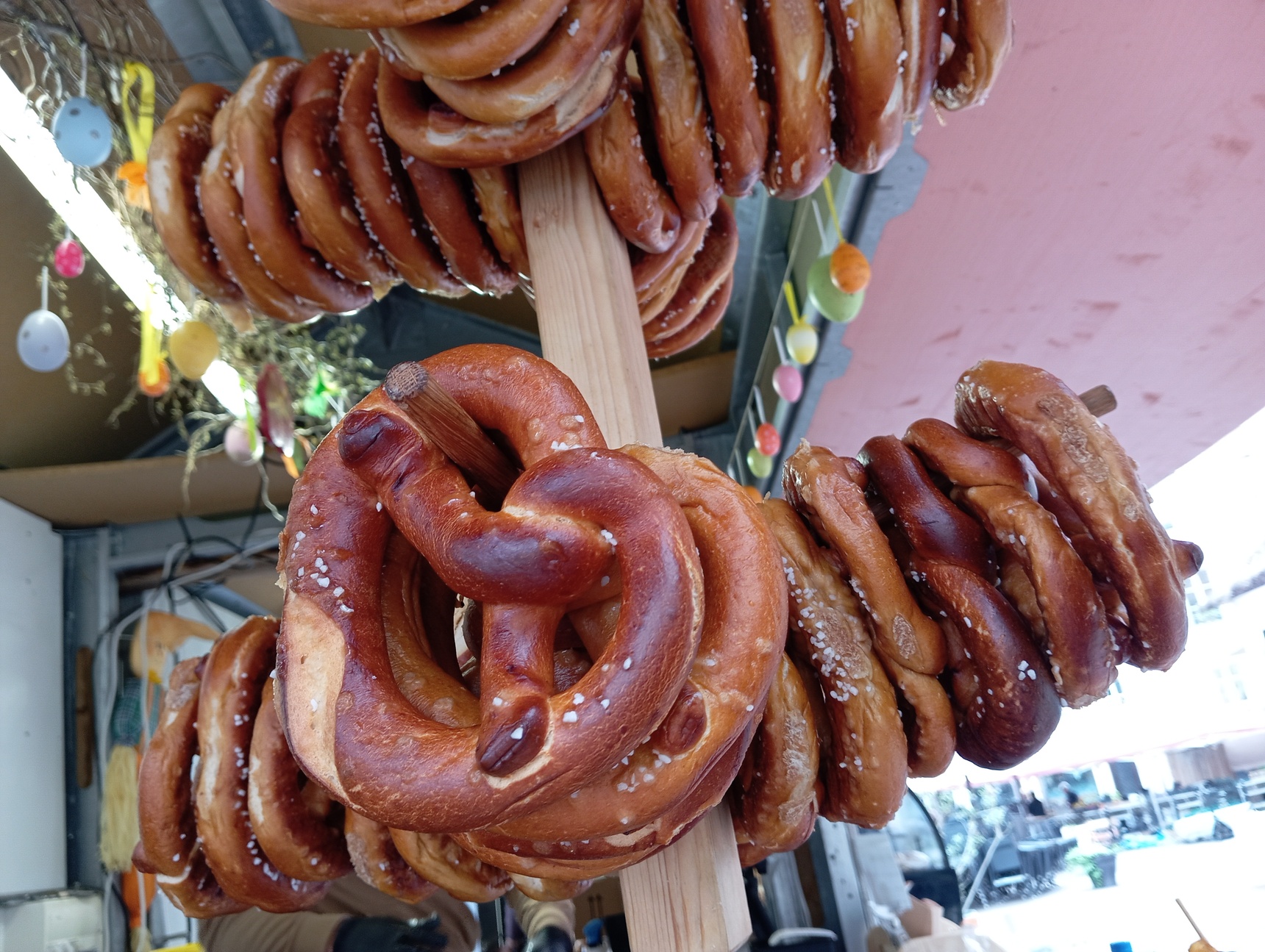
- Try the local specialties, such as Nuremberg sausages, schnitzel, and Lebkuchen (gingerbread)
- Explore the city's hidden gems, such as the underground tunnels and bunkers, for a unique and fascinating experience
- Attend a local festival or event, such as the Christmas market or the Bardentreffen music festival, for a taste of Nuremberg's vibrant culture
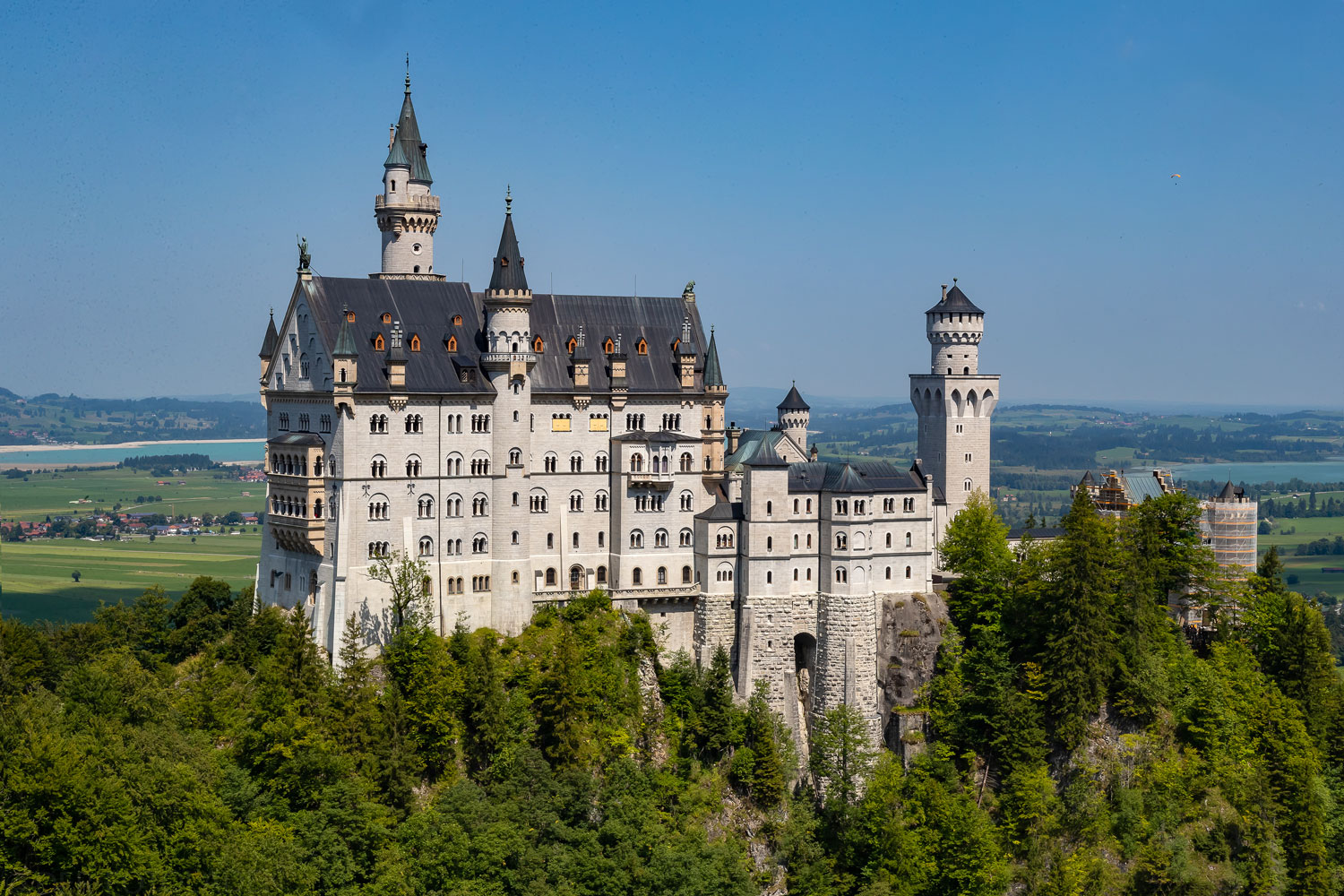
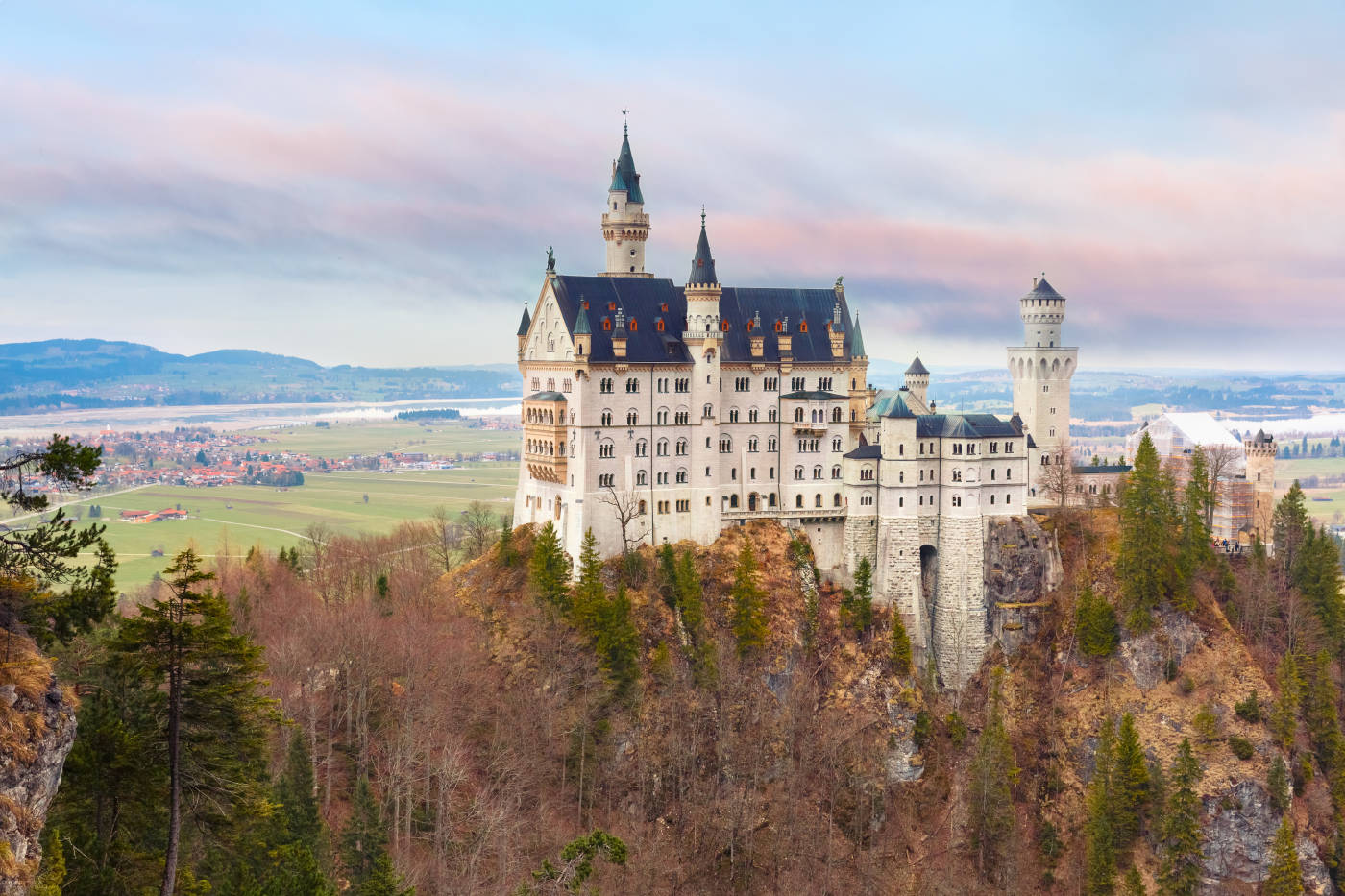
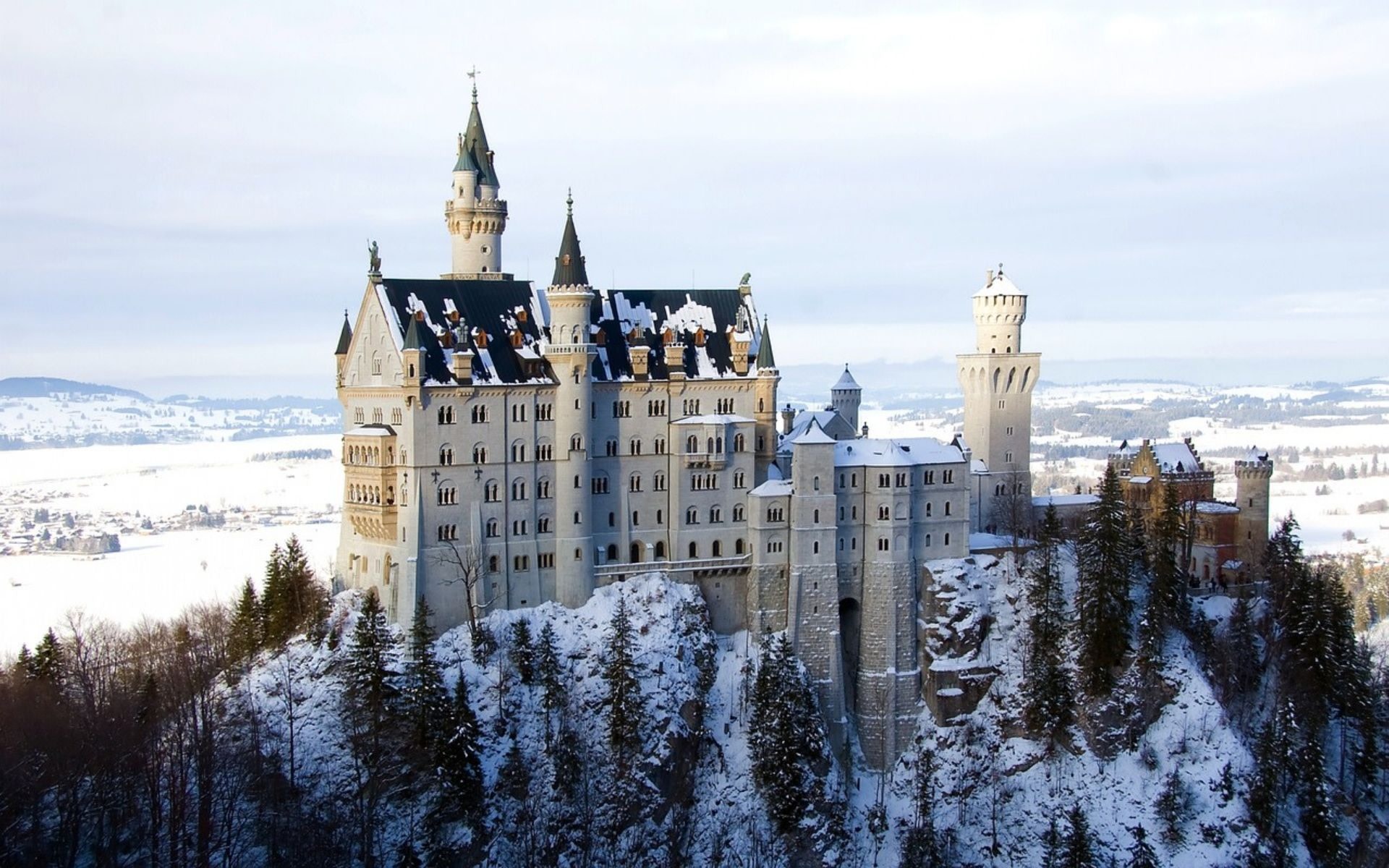
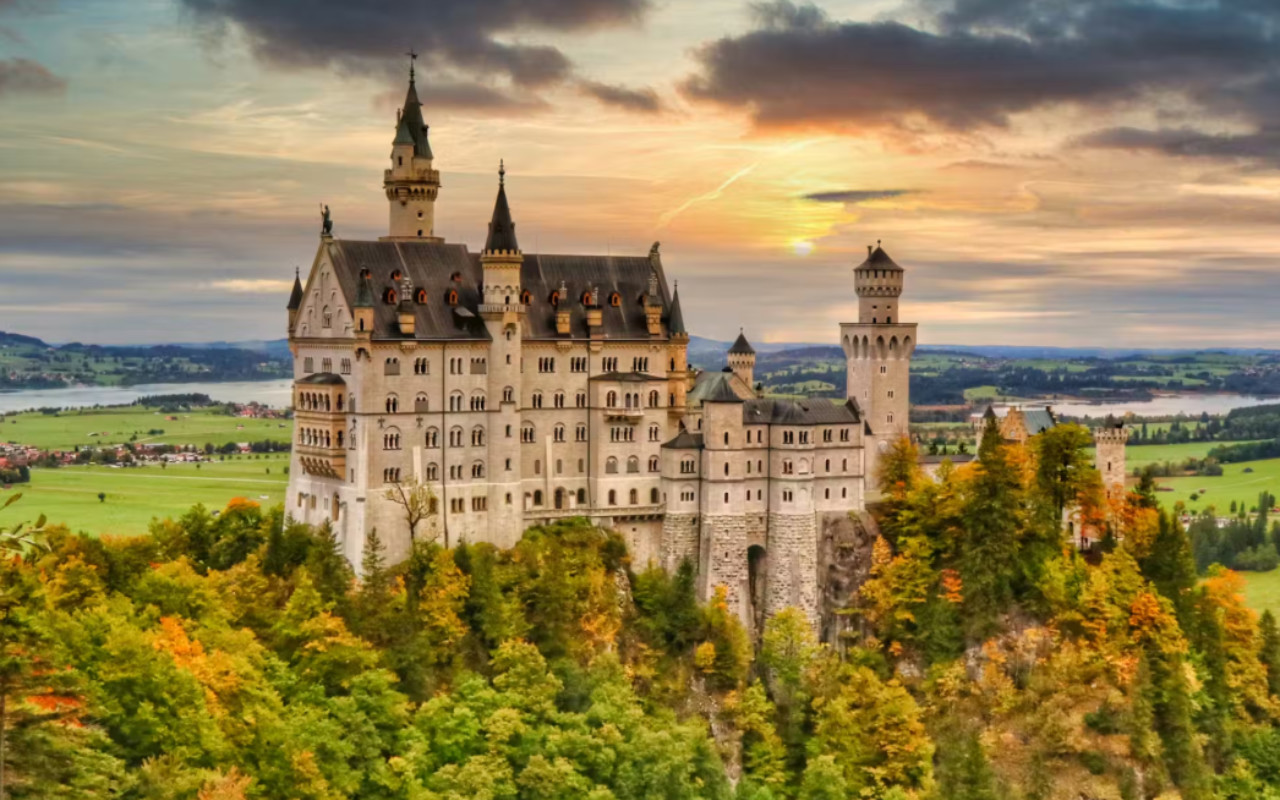
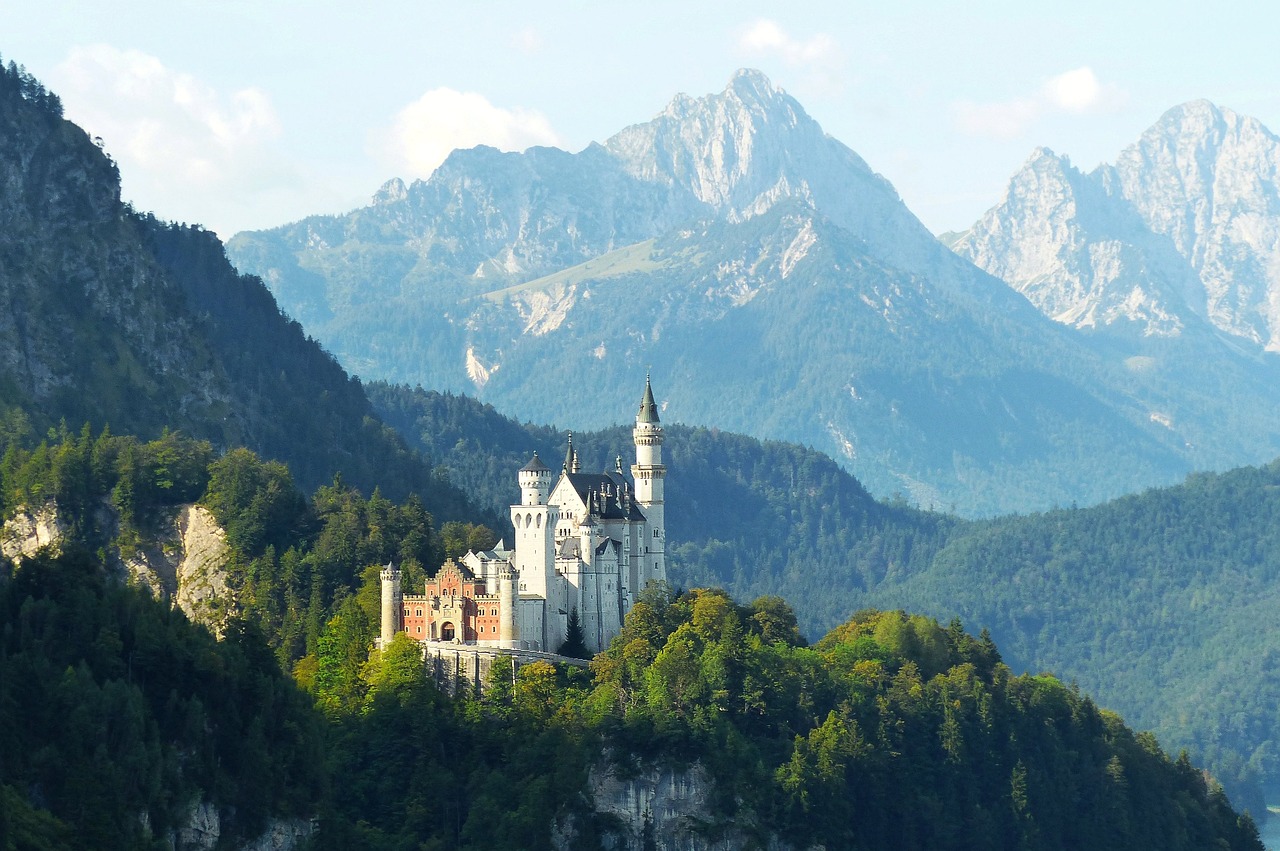
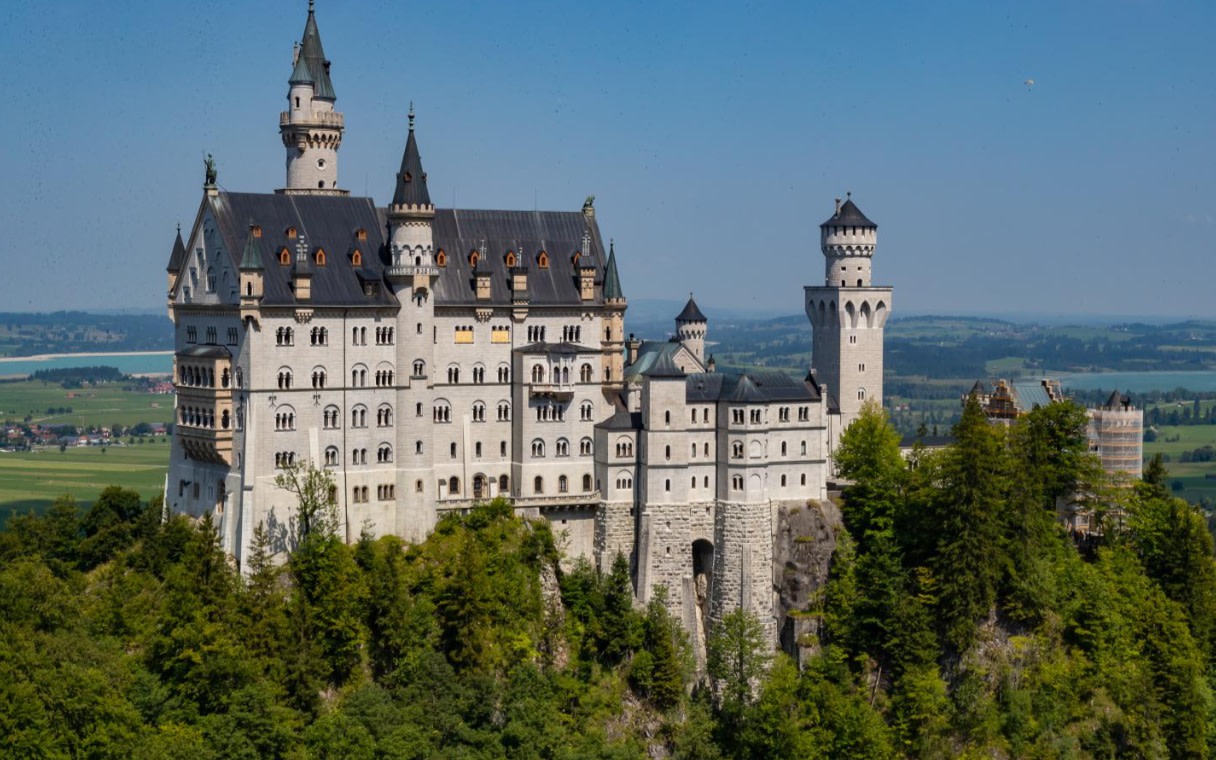
- Take a day trip to nearby cities and attractions, such as Bamberg, Rothenburg ob der Tauber, or the Neuschwanstein Castle, for a more comprehensive exploration of the region
From $25
per person
Price varies by option
Secure booking
Free cancellation available
Instant confirmation