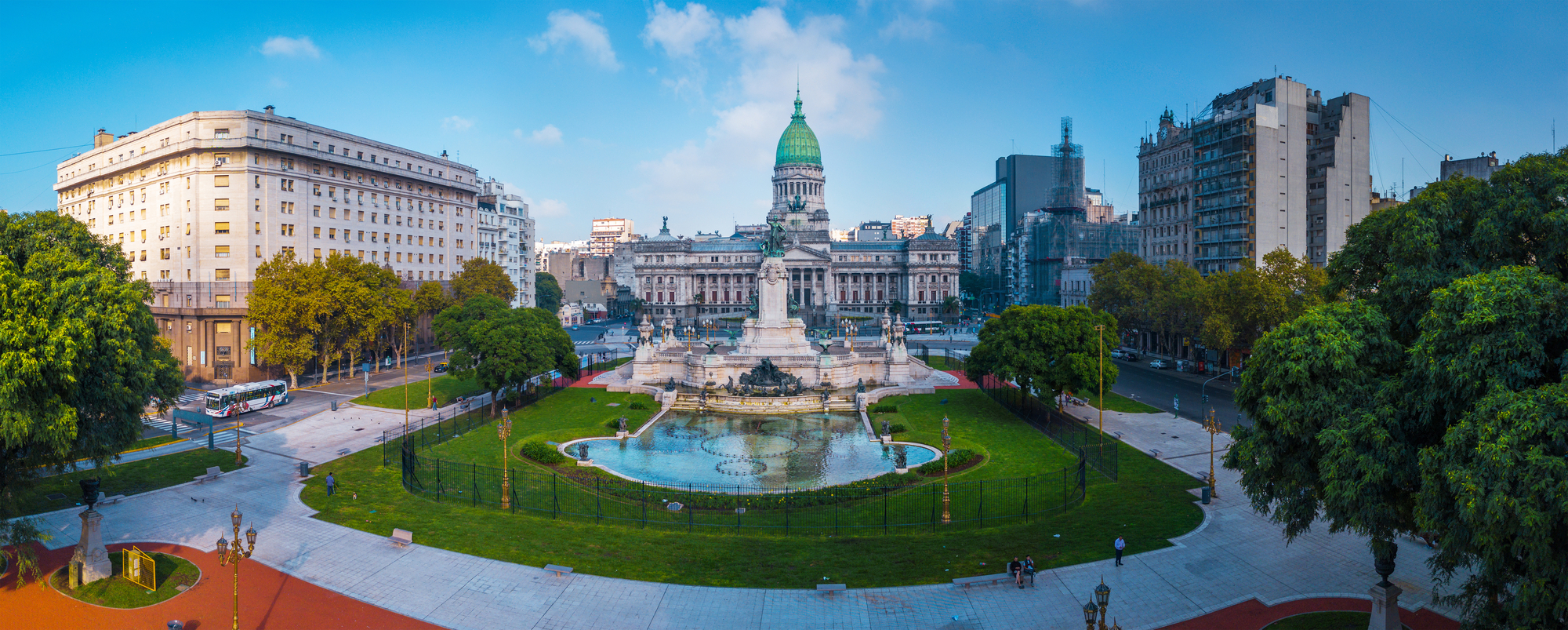
Buenos Aires for curious people
Active
2h - 3h
For a full refund, cancel at least 24 hours before the scheduled departure time.
Instant confirmation
Mobile or paper ticket accepted
About this experience
Go beyond a simple walk-and-listen tour. This is a conversational journey where you are encouraged to talk, ask questions, and discuss the layered past, present, and future of Argentina’s capital.
This walking experience decodes the cityscape. We’ll trace the historical roots of contemporary Buenos Aires, using the city itself as our guidebook.
Who were the first inhabitants? Why were the British so intent on invading these shores? What happened to Buenos Aires’ significant African-descendant population? How did Argentina become a nation of immigrants? What is the deal with Evita and Perón? Who were the desaparecidos, and how does their memory shape modern Argentina? Why does the US dollar hold such power over the local economy?
These are not just historical trivia; they are the essential questions that unlock the soul of the city. Join us for a walk where we’ll work together to find the answers. Book your spot now and see Buenos Aires in a way you never have before!
Available options
Français
Français
English
English
Português
Português
Español
Español
What's included
University degree guide
Detailed itinerary
1
Old town of Buenos Aires.
2
Stop 2
Our starting point. Place in which the first fort was stablished in 1536.
3
Swedish church (1944)
4
Former clandestine center for detention, torture and extermination (1976-1979)
5
Colonial catholic church.
6
Stop 6
Old town's main square.
7
Local market built up by italian immigrants.
8
Stop 8
Woman's Bridge designed by the Spanish architect and structural engineer Santiago Calatrava.
9
Stop 9
President's office.
Available languages
Guide guide
PT
EN
FR
ES
Reviews breakdown
Viator
5.0
21 reviews
5★
20
4★
1
3★
0
2★
0
1★
0
Tripadvisor
4.9
58 reviews
5★
57
4★
0
3★
0
2★
0
1★
1
Important information
Wheelchair accessible
Infants and small children can ride in a pram or stroller
Service animals allowed
Public transportation options are available nearby
Transportation options are wheelchair accessible
Suitable for all physical fitness levels
Meeting point
Bar Británico
About Buenos Aires and The Pampas
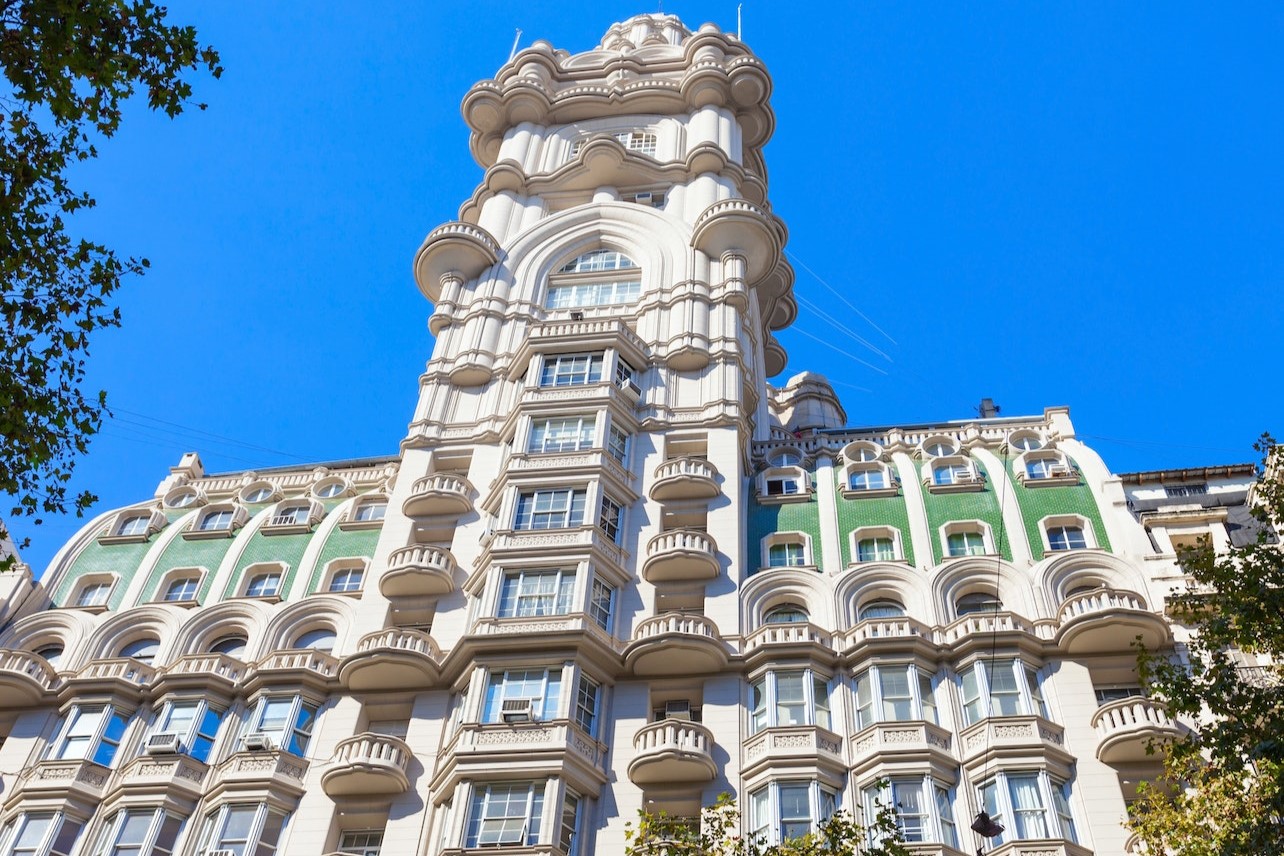
Buenos Aires, the vibrant capital of Argentina, is known for its European-influenced architecture, rich cultural scene, and passionate tango. The Pampas, a vast fertile plain, offers a glimpse into Argentina's gaucho (cowboy) culture and stunning landscapes. Together, they provide a unique blend of urban sophistication and rural charm.
Top Attractions
Recoleta Cemetery
A famous cemetery where Eva Perón is buried, featuring ornate mausoleums and a rich history.
Historical
1-2 hours
Free
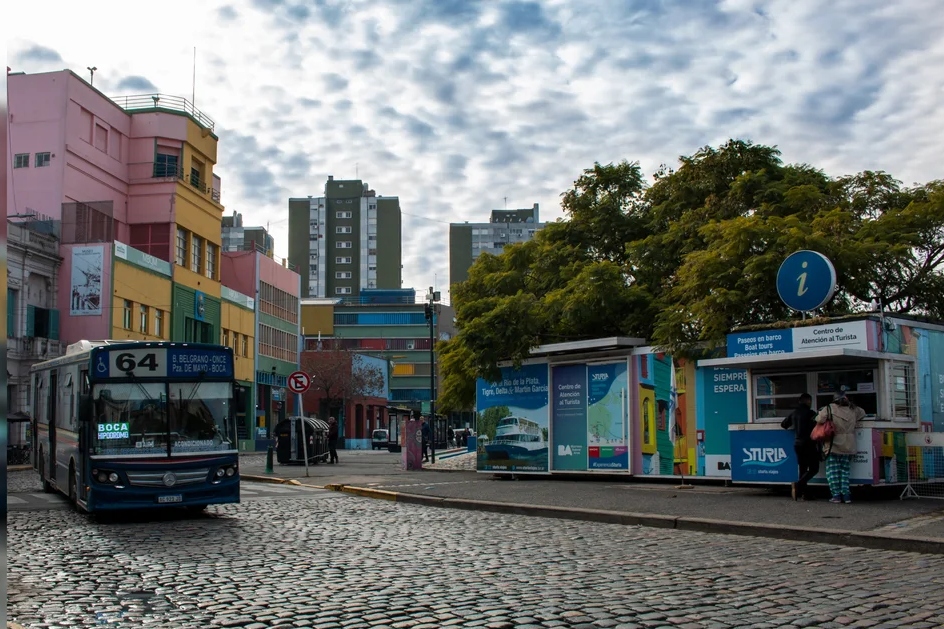
La Boca
A colorful neighborhood known for its vibrant street art, tango performances, and the famous Caminito street.
Cultural
2-3 hours
Free to explore, paid shows
The Pampas
A vast fertile plain offering a glimpse into Argentina's gaucho culture, with estancias (ranches) and beautiful landscapes.
Nature
Full day or overnight
Varies by estancia (ARS 1,000-5,000 approx. USD 13-65)
Teatro Colón
One of the world's most famous opera houses, known for its stunning architecture and acoustics.
Cultural
1-2 hours (tour), longer for performances
Tour: ARS 1,200 (approx. USD 16), Performances: ARS 500-5,000 (approx. USD 6.50-65)
San Telmo Market
A historic market offering antiques, collectibles, and local crafts, with a lively Sunday market atmosphere.
Market
1-3 hours
Free to explore, varies for purchases
Must-Try Local Dishes
Asado
Argentine barbecue featuring various cuts of beef, sausages, and other meats, cooked over an open fire.
Dinner
Not vegetarian or vegan
Empanadas
Savory pastries filled with various ingredients like beef, chicken, or cheese.
Snack or Lunch
Can be vegetarian or vegan
Milanesa
Breaded and fried meat cutlet, similar to schnitzel, often served with mashed potatoes or salad.
Lunch or Dinner
Not vegetarian or vegan
Dulce de Leche
A sweet, caramel-like spread made from milk and sugar, used in various desserts.
Dessert
Vegetarian
Popular Activities
Horseback riding in The Pampas
Kayaking in Tigre Delta
Hiking in Sierra de la Ventana
Wine tasting in Palermo
Spa day in Recoleta
Strolling through Bosques de Palermo
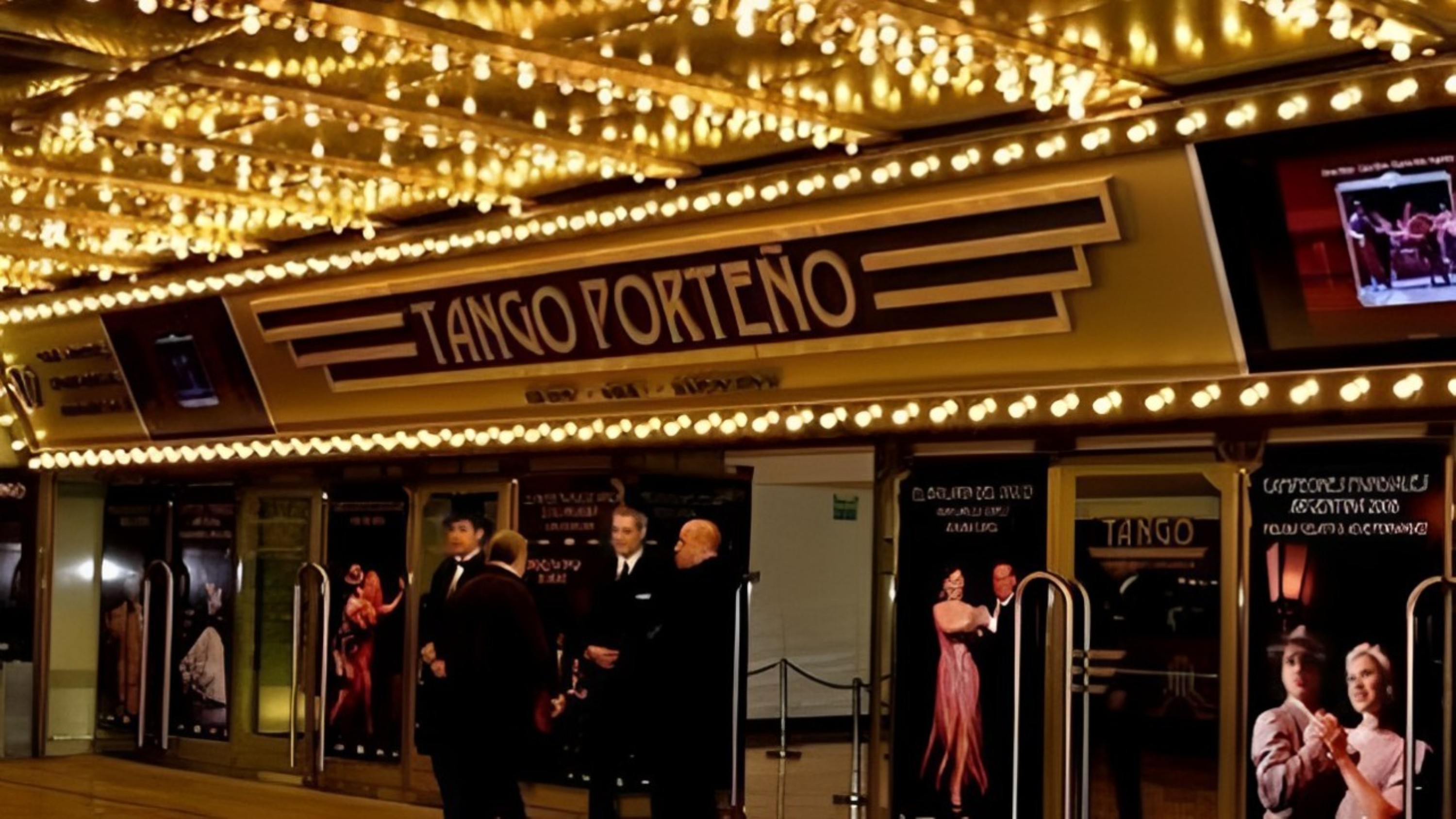
Tango shows in La Boca
Visiting museums in Recoleta
Best Time to Visit
Spring (September to November) and Fall (March to May)
Pleasant weather, fewer crowds, and vibrant city life. Ideal for outdoor activities and exploring both the city and the Pampas.
15-25°C
59-77°F
Practical Information
Language
- Official: Spanish
- Widely spoken: English, Italian, French
- English: Moderately spoken in tourist areas, limited elsewhere
Currency
Argentine Peso (ARS)
Time Zone
GMT-3
Electricity
220VV, 50HzHz
Safety Information
Overall Safety Rating: Exercise caution
Buenos Aires is generally safe for tourists, but petty crime like pickpocketing and scams can occur, especially in crowded areas. Be aware of your surroundings and take precautions.
Important Precautions:
- • Keep valuables secure
- • Avoid flashing expensive items
- • Use reputable taxi services or app-based taxis
Getting there
By air
- Ministro Pistarini International Airport • 35 km from city center
- Aeroparque Jorge Newbery • 4 km from city center
By train
Retiro Station
By bus
Retiro Bus Terminal, Constitución Bus Terminal
Getting around
Public transport
Efficient and affordable, with six lines connecting major neighborhoods.
Taxis
Available • Apps: Uber, Cabify
Rentals
Car, Bike, Scooter
Neighborhoods
Palermo
Recoleta
La Boca
San Telmo
Day trips
Estancia Santa Susana
100 km from Buenos Aires • Full day
A traditional estancia offering horseback riding, gaucho shows, and authentic Argentine asado.
Colonia del Sacramento
100 km from Buenos Aires (by ferry) • Full day
A charming colonial town in Uruguay with cobblestone streets, historic buildings, and a relaxed atmosphere.
Tigre Delta
35 km from Buenos Aires • Half day to full day
A network of islands and waterways offering boat tours, kayaking, and nature walks.
Festivals
Carnaval de Buenos Aires • February or March (dates vary)
Festival Internacional de Cine Independiente de Buenos Aires (BAFICI) • April (dates vary)
La Noche de los Museos • November (dates vary)
Pro tips
- Use the SUBE card for convenient and discounted public transport
- Learn a few basic Spanish phrases to enhance your experience and connect with locals
- Explore beyond the tourist hotspots to discover the city's hidden gems
- Try local specialties like empanadas, milanesa, and dulce de leche
- Visit during the shoulder seasons (spring and fall) for pleasant weather and fewer crowds
From $25
per person
Price varies by option
Secure booking
Free cancellation available
Instant confirmation