Half-Day São Paulo Highlights Tour
Active
4h
For a full refund, cancel at least 24 hours before the scheduled departure time.
Instant confirmation
Mobile or paper ticket accepted
About this experience
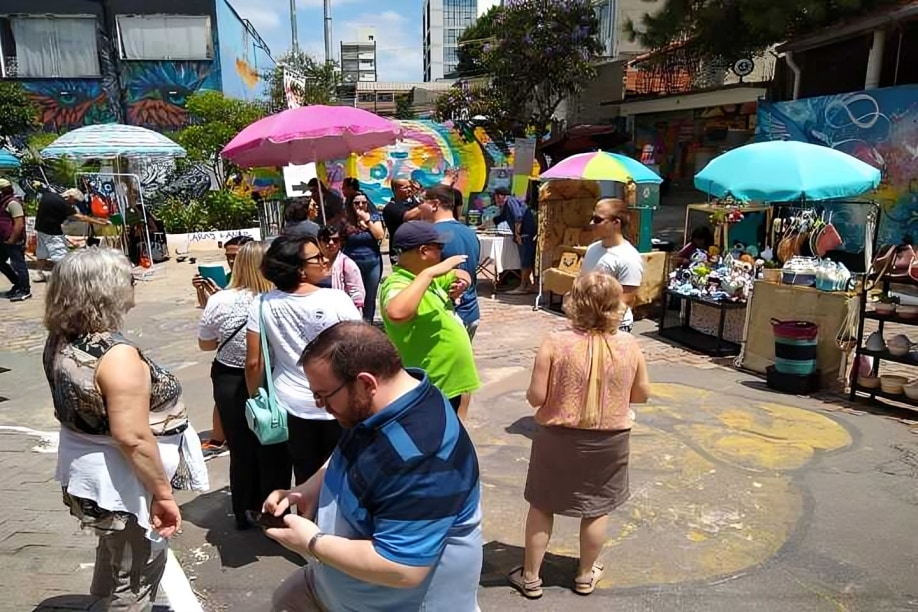
Wander through the mesmerizing metropolis that is the city of São Paulo. Let yourself be enticed by the buzzing of one of the largest and most diverse cities in Brazil as your local guide helps you discover the finest gems of the city. You’ll stroll through the city’s foundation site, historical center, major landmarks, and a classic Victorian train station which will contrast the current modernity and bustle you’ll experience while journeying past some of São Paulo’s major museums, the financial heart of the city, Liberdade district, and the Pacaembu soccer stadium. It´s a Greater opportunity to see the main highlights of the big São Paulo in a fun way to share your experience with other travelers.
Available options
Private Option
Private Option
São Paulo Highlights - Shared tour
Duration: 4 hours
What's included
All Fees and Taxes
Air-conditioned vehicle
Detailed itinerary
1
Stop 1
Pass by
Republica Square
2
The Jew Neighborhood of São Paulo
3
Stop 3
Estádio Municipal Paulo Machado de Carvalho, colloquially known as Estádio do Pacaembu (Portuguese pronunciation: [isˈtadʒiu du pakaẽˈbu]) is a football and rugby union stadium in São Paulo, located in the Pacaembu neighborhood. The stadium is owned by the Municipal Prefecture of São Paulo. The stadium was inaugurated on 27 April 1940, in the presence of the Brazilian President Getúlio Vargas, the intervener Adhemar de Barros and the mayor of São Paulo, Prestes Maia. The stadium holds 40,199 people and its pitch dimensions are 104 m of length by 70 m of width.
4
Stop 4
Stop to take some pictures
5
Stop to take pictures and information
6
Stop 6
Quick stop at special place to see the park
7
Stop 7
Pass by
Oriental District
8
Stop 8
Cathedral
9
Stop 9
Place of São Paulo City Foundation
10
The station was built in the late nineteenth century in order to host the newly created company Sao Paulo Railway, of British origin, as well as to be in São Paulo stop its railway line, which ran from Santos, in the state's coast in Jundiaí, in the interior. In the first decades of the twentieth century, it was the main gateway to the city of São Paulo. His greatest importance, however, was provided economic infrastructure for the country, passed by the coffee to be exported at the port of Santos, as well as there came consumer goods and capital imports that supplied the city (in an under-industrialized phase). The current station was built between 1895 and 1901, instead of the original Light of 1867. Presumably chosen in an English catalog by local authorities, the metal structure of cast iron that supports it was brought from England, through pre pieces molded and assembled here - Masonry station, however, is locally sourced. Its design is attributed to Henry Driver English engineer and similar to Flinders Street Station, an existing station in Melbourne, Australia.
What's not included
Food and Beverages
Lunch
Available languages
Guide guide
PT
EN
ES
Reviews breakdown
Viator
4.8
4 reviews
5★
3
4★
1
3★
0
2★
0
1★
0
Tripadvisor
4.8
5 reviews
5★
4
4★
1
3★
0
2★
0
1★
0
Important information
Wheelchair accessible
Infants and small children can ride in a pram or stroller
Public transportation options are available nearby
Infants are required to sit on an adult’s lap
Specialized infant seats are available
Suitable for all physical fitness levels
We need to be informed to provide Wheelchair accesible vehicles
About São Paulo
São Paulo is a vibrant, cosmopolitan city known for its dynamic culture, diverse cuisine, and bustling urban life. As Brazil's financial and cultural hub, it offers a unique blend of modern skyscrapers, historic landmarks, and lush parks, making it a must-visit destination for travelers seeking a mix of excitement and relaxation.
Top Attractions
Ibirapuera Park
Ibirapuera Park is São Paulo's most famous green space, offering a vast area for recreation, cultural events, and relaxation. It's a great place for picnics, jogging, and enjoying outdoor activities.
Nature
2-4 hours
Free (some attractions may have entry fees)
São Paulo Museum of Art (MASP)
MASP is one of the most important art museums in Brazil, housing a vast collection of European and Brazilian art. The museum's iconic modernist building is a landmark in itself.
Museum
2-3 hours
R$ 70 (USD 14) for general admission
São Paulo Cathedral
The São Paulo Cathedral is a stunning example of Neo-Gothic architecture and one of the city's most iconic landmarks. The cathedral's towering spires and intricate details make it a must-visit for architecture enthusiasts.
Historical
1-2 hours
Free (donations welcome)
Mercado Municipal
Mercado Municipal is a bustling market offering a wide variety of fresh produce, meats, cheeses, and local delicacies. It's a great place to sample São Paulo's diverse culinary scene and shop for souvenirs.
Market
1-2 hours
Free entry, prices vary by item
Jardim Botânico
Jardim Botânico is a beautiful botanical garden featuring a diverse collection of plants, trees, and flowers. The garden's peaceful atmosphere and scenic paths make it a perfect escape from the city's hustle and bustle.
Nature
1-2 hours
R$ 7 (USD 1.40) for general admission
Must-Try Local Dishes
Pão de Queijo
Delicious cheese bread made with tapioca flour, originating from Minas Gerais but popular throughout Brazil.
Snack
Gluten-free, contains dairy
Feijoada
A hearty stew made with black beans, pork, and sausages, often served with rice, collard greens, and orange slices.
Dinner
Contains pork and beans, can be made vegetarian
Acarajé
Deep-fried black-eyed pea fritters stuffed with shrimp, vatapá (a spicy paste), and salad, originating from Bahia but popular in São Paulo.
Snack
Contains shrimp and peanuts, gluten-free
Pastel
Crispy fried pastry pockets filled with various savory ingredients, such as cheese, meat, or hearts of palm.
Snack
Can be made vegetarian or vegan
Popular Activities
Hiking in nearby nature reserves
Water sports at Santos Beach
Exploring the city's street art and graffiti scene
Relaxing in Ibirapuera Park
Enjoying a traditional Brazilian massage
Visiting a local café or spa
Visiting museums and galleries
Attending local festivals and events
Best Time to Visit
April to June and September to November
These months offer pleasant weather with lower humidity and less rain, making it ideal for outdoor activities and sightseeing.
18-28°C (64-82°F)
64-82°F
Practical Information
Language
- Official: Portuguese
- Widely spoken: English, Spanish, Italian, Japanese
- English: Moderately spoken in tourist areas, limited in other parts of the city
Currency
Brazilian Real (BRL)
Time Zone
GMT-3 (Brasília Time, BRT)
Electricity
110-127V and 220V (varies by region and establishment)V, 60HzHz
Safety Information
Overall Safety Rating: Exercise caution
São Paulo is a vibrant and exciting city, but it also has its share of safety concerns. Petty crime, such as pickpocketing and bag snatching, is common in crowded areas and on public transport. Violent crime, including robbery and assault, can occur, especially in certain neighborhoods and at night. Exercise caution and be aware of your surroundings, especially when traveling alone or at night.
Important Precautions:
- • Be aware of your surroundings and keep your valuables secure and out of sight
- • Avoid walking alone in isolated or unfamiliar neighborhoods, especially at night
- • Use reputable taxi services or ride-sharing apps like Uber, and avoid unmarked or unlicensed taxis
Getting there
By air
- São Paulo/Guarulhos International Airport • 25 km (15.5 miles) from city center
- São Paulo/Congonhas Airport • 10 km (6.2 miles) from city center
By train
Estação da Luz, Estação da Sé
By bus
Terminal Tietê, Terminal Jabaquara
Getting around
Public transport
The metro is efficient, clean, and air-conditioned, making it the preferred mode of transport for locals and tourists alike.
Taxis
Available • Apps: Uber, 99 Taxis
Rentals
Car, Bike, Scooter
Neighborhoods
Jardins
Vila Madalena
Liberdade
Pinheiros
Santa Cecilia
Day trips
Campinas
95 km (59 miles) from São Paulo • Full day
Campinas is a vibrant city known for its universities, cultural attractions, and proximity to nature. It's a great destination for a day trip from São Paulo, offering a mix of urban and outdoor activities.
Santos
75 km (47 miles) from São Paulo • Full day
Santos is a popular beach destination known for its beautiful coastline, historic landmarks, and vibrant cultural scene. It's a great escape from the city for a relaxing day by the sea.
Paraty
250 km (155 miles) from São Paulo • Overnight
Paraty is a charming colonial town known for its historic architecture, beautiful beaches, and lush rainforests. It's a great destination for a longer day trip or overnight stay from São Paulo.
Festivals
Carnival • February or March (varies by year)
São Paulo Fashion Week • July and October
Virada Cultural • May (specific dates vary by year)
Pro tips
- Use the metro or bus to get around the city, as traffic can be heavy and unpredictable
- Be cautious of pickpockets and bag snatchers, especially in crowded areas and on public transport
- Learn a few basic Portuguese phrases, as this will be appreciated by locals and can enhance your travel experience
- Try the local street food and cuisine, as São Paulo is known for its diverse and flavorful food scene
- Visit the city's museums and cultural attractions, as São Paulo has a rich and vibrant artistic scene
From $25
per person
Price varies by option
Secure booking
Free cancellation available
Instant confirmation