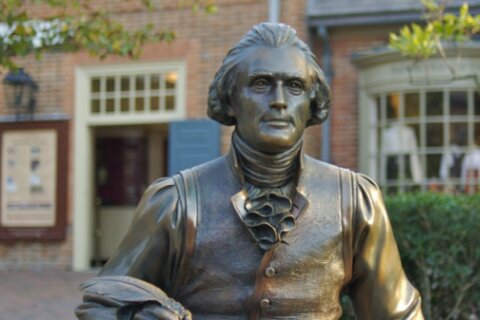


Secrets of Colonial Williamsburg Hidden History Walking Tour
Active
2h
For a full refund, cancel at least 24 hours before the scheduled departure time.
Manual confirmation
Mobile or paper ticket accepted
About this experience
Come on our historical tour presented by Junket!
Colonial Williamsburg is a living history museum. We'll examine Williamsburg in its early colonial guise. You'll experience what it was like to reside in the colonial capital during a time when ruthless businesspeople, ruthless politicians, enslaved Africans, and possibly a few pirates walked these streets. Investigate the homes, business, places of government, and houses of worship that were integral to society in Colonial Williamsburg. Rewind to a period when the cries of emancipation reverberated through the halls of power and the murmurs of American independence hung thick in the air.
Available options
Secrets of Colonial Williamsburg Hidden History Walking Tour
What's included
Thoroughly researched and accurate history
Professional and courteous guide
Detailed itinerary
1
Formerly known as Boundary Street, this historic avenue served as the border between English colonists and Native Americans.
2
Stop 2
Pass by
"Idiots, lunatics, and those of insane mind" were to be housed in this institution, according to its founding documents. Although conditions were frequently not much better than those in jails, several doctors tried to make things better for their patients. After the Civil War, the situation worsened once again, and in the 1890s, the original structure burned down.
3
Stop 3
Pass by
The church was established in 1682, and the current structure was built in 1715. At various times during their lifetimes, five presidents frequented this church. Martha Washington's first husband and two of their children are interred in the church's cemetery.
4
Professor of law, politician, judge, and signer of the Declaration of Independence: George Wythe was an accomplished man. John Marshall (Supreme Court Justice) and Thomas Jefferson were among his pupils. Examine the controversy surrounding his passing.
5
The city's fire engine previously resided in this center of activity in Williamsburg. Residents were concerned about traffic after vehicles were introduced, but W.A.R. Goodwin, the head of the Williamsburg restoration effort, came up with a brilliant solution.
6
When this courthouse was erected in 1770, it had distinctive design elements. The whipping post and stockyards just outside are evidence that justice was swiftly delivered in Williamsburg.
7
This tavern, which was first constructed in 1717, was a popular among politicians and college students. Patrick Henry, Thomas Jefferson, and others founded the Committees of Correspondence in this location, which served as the primary vehicle for political coordination and preparation among the colonies prior to the start of the Revolutionary War.
8
Since many significant records had been destroyed in a fire at the Capitol, this building was built in 1748 as a location to store critical papers. At the moment, the Secretary's Office is the oldest archival structure in the Western Hemisphere.
9
The construction of this old mansion was exceptional, and it featured a cutting-edge water drainage system to catch rainfall.
The history of this house includes a fascinating chapter about a group of African slaves.
10
Stop 10
Pass by
The structure you'll see was a replica completed in 1934, but Thomas Jefferson, who previously lived there while serving as governor of Virginia after the Revolutionary War, had the original ideas for its construction.
What's not included
Transportation
Available languages
Guide guide
EN
Reviews breakdown
Viator
4.8
28 reviews
5★
25
4★
2
3★
0
2★
0
1★
1
Tripadvisor
5.0
44 reviews
5★
43
4★
1
3★
0
2★
0
1★
0
Important information
Wheelchair accessible
Infants and small children can ride in a pram or stroller
Service animals allowed
Public transportation options are available nearby
Transportation options are wheelchair accessible
All areas and surfaces are wheelchair accessible
Not recommended for travelers with poor cardiovascular health
Travelers should have at least a moderate level of physical fitness
Meeting point
Meet your guide outside the Kimball Theater. Your guide will be wearing a white Junket T-shirt and carrying a flag!
Important notes
Please check in with your tour guide at the meeting location 10-15 minutes before the tour's start time.
About Williamsburg
Williamsburg, Virginia, is a historic city that brings the American Revolution to life. It is home to Colonial Williamsburg, the world's largest living history museum, where visitors can experience 18th-century life firsthand. The city is also part of the Historic Triangle, along with Jamestown and Yorktown, offering a rich tapestry of American history.
Top Attractions
Colonial Williamsburg
The world's largest living history museum, Colonial Williamsburg, brings the 18th century to life. Visitors can explore historic buildings, interact with costumed interpreters, and experience the daily life of colonial America.
Historical
Full day
Moderate/Expensive
Jamestown Settlement
A short drive from Williamsburg, the Jamestown Settlement offers a fascinating look at the first permanent English settlement in America. Visitors can explore re-created ships, a Powhatan Indian village, and a colonial fort.
Historical
Half day
Moderate
Yorktown Battlefield
The Yorktown Battlefield is where the American Revolution effectively ended with the surrender of British General Cornwallis. Visitors can explore the historic battlefield, visit the Yorktown Victory Monument, and learn about the pivotal role Yorktown played in American history.
Historical
Half day
Free/Moderate
Bush Gardens Williamsburg
Bush Gardens Williamsburg is a popular theme park featuring thrilling roller coasters, live entertainment, and beautifully landscaped gardens. The park is known for its European-themed areas and seasonal events.
Entertainment
Full day
Moderate/Expensive
College of William & Mary
Founded in 1693, the College of William & Mary is the second-oldest institution of higher education in the United States. The historic campus features beautiful architecture, scenic gardens, and the famous Wren Building.
Historical
Half day
Free
Must-Try Local Dishes
Peanut Soup
A creamy and savory soup made with peanuts, vegetables, and sometimes chicken or other meats. It's a classic Southern dish with colonial roots.
Soup
Contains peanuts, can be made vegetarian or vegan
Fried Green Tomatoes
Sliced unripe green tomatoes, coated in cornmeal and fried until crispy. Served with various dipping sauces, such as remoulade or spicy mayo.
Appetizer
Vegetarian, can be made gluten-free
Ham Biscuits
A popular Southern snack consisting of a flaky biscuit filled with slices of Virginia ham. It's a quick and delicious bite, often enjoyed for breakfast or as an afternoon snack.
Snack
Contains meat, can be made with gluten-free biscuits
Popular Activities
Hiking
Kayaking
Zip-lining
Spa treatments
Wine tasting
Scenic walks
Museum visits
Live theater
Best Time to Visit
April to October
This is the best time to visit Williamsburg for pleasant weather and outdoor activities. The historic sites are fully operational, and various festivals and events take place.
15-32°C
60-90°F
Practical Information
Language
- Official: English
- Widely spoken: Spanish
- English: Widely spoken
Currency
United States Dollar (USD)
Time Zone
GMT-5 (Eastern Standard Time, EST) or GMT-4 (Eastern Daylight Time, EDT)
Electricity
120VV, 60HzHz
Safety Information
Overall Safety Rating: Generally safe
Williamsburg is generally a safe destination for travelers, with low crime rates and a welcoming atmosphere. However, visitors should still take basic precautions to ensure a safe and enjoyable trip.
Important Precautions:
- • Keep valuables secure and out of sight
- • Be cautious when using ATMs and avoid carrying large amounts of cash
- • Be aware of your surroundings, especially in crowded areas and at night
Getting there
By air
- Richmond International Airport • 80 km (50 miles)
- Norfolk International Airport • 90 km (56 miles)
By train
Williamsburg Station
By bus
Greyhound Bus Station in Williamsburg
Getting around
Public transport
WAT provides affordable and convenient public transportation with multiple routes serving the city and nearby attractions.
Taxis
Available • Apps: Uber, Lyft
Rentals
Car, Bike, Scooter
Neighborhoods
Historic Area
Merchants Square
Williamsburg Village
Day trips
Jamestown and Yorktown
10-20 km (6-12 miles) • Full day
Jamestown and Yorktown are two of the most important historic sites in the United States, marking the beginning and end of the American Revolution. Visitors can explore the historic sites, museums, and battlefields that bring these pivotal moments in history to life.
Richmond
80 km (50 miles) • Full day
Richmond, the capital of Virginia, is a vibrant city with a rich history and a thriving arts and culture scene. Visitors can explore historic sites, museums, and galleries, as well as enjoy the city's diverse dining and shopping options.
Chesapeake Bay
50-100 km (30-60 miles) • Full day
Chesapeake Bay is the largest estuary in the United States, offering a variety of outdoor activities and scenic views. Visitors can enjoy boating, fishing, kayaking, and wildlife watching, as well as exploring the charming towns and villages along the bay.
Festivals
Virginia Wine Expo • April
Yorktown Day • October 19
Grand Illumination • December
Pro tips
- Visit Colonial Williamsburg early in the morning or late in the afternoon to avoid crowds and enjoy a more immersive experience
- Purchase tickets for popular attractions, such as Colonial Williamsburg and Busch Gardens, in advance to save money and skip the lines
- Take advantage of free shuttles and public transportation to get around the city and nearby attractions
- Explore the city's historic sites and museums on foot or by bike to fully appreciate their beauty and significance
- Try local specialties, such as peanut soup, fried green tomatoes, and ham biscuits, at historic taverns and restaurants
From $25
per person
Price varies by option
Secure booking
Free cancellation available