4 Days India Golden Triangle Tour with Private Guide
Active
4d
For a full refund, cancel at least 24 hours before the scheduled departure time.
Instant confirmation
Mobile or paper ticket accepted
About this experience
India's Golden Triangle
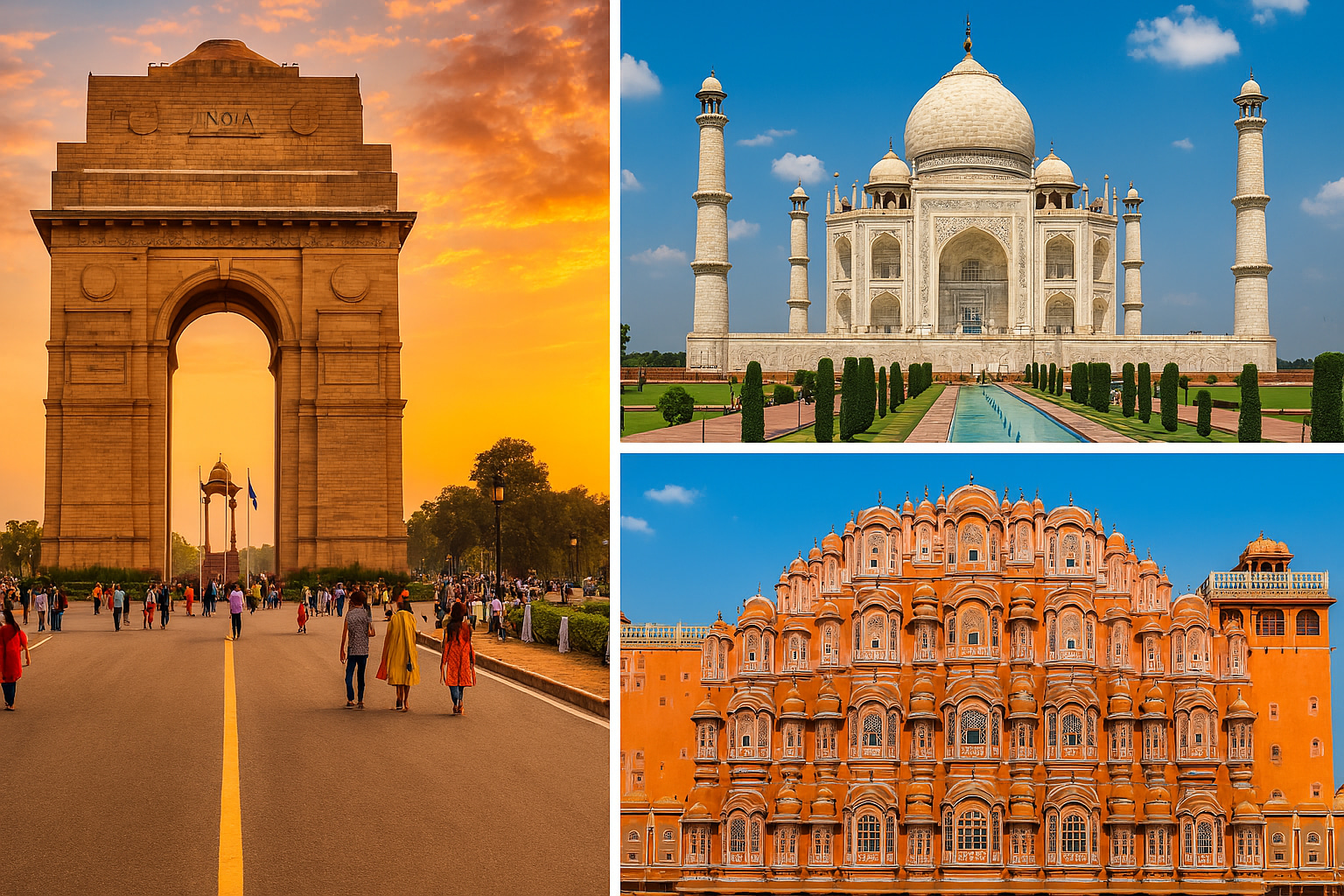
The Golden Triangle of India, one of the most interesting excursion programs in India, which introduces you to incredible India. India, this true mystery of the east, the land of maharajas and snake charmers, reveals its secrets to us. The most popular program for the first acquaintance with the amazing continent, the excursion program, the Golden Triangle, covers the most famous and most interesting cities of central India. This is the route of the Golden Triangle serving Delhi, Jaipur, and Agra
Available options
All inclusive
Three star hotels with breakfa<br/>Duration: 4 days<br/>Delhi-Agra-Jaipur<br/>Sedan, suv, mini bus<br/>Monuments entrance tickets <br/>Pickup included
4 Days India Golden Triangle Tour with Private Guide
Pickup included
What's included
Private Tour Guide
Air-conditioned vehicle with private driver
Drinking bottled water
Airport pick up and drop
All toll taxes, parking fees and fuel charges
Detailed itinerary
1
Stop 1
Day: 01. Delhi
Meeting you at the airport in Delhi.
Hotel accommodation.
A little rest.
Delhi sightseeing.
The twenty million metropolis is divided into a new and an old city. The most important administrative buildings are concentrated in new Delhi. Most of the local nobility live here, and in old Delhi life rages according to the laws of the multimillion-dollar jungle and medieval exoticism. Narrow streets, low houses, and very close to modern high-rise buildings and wide avenues. Delhi is truly a city of contrasts!
2
Stop 2
The Jami Mosque was built by order of the 5th Mughal Emperor Shah Jahan, which is one of the largest mosques in India.
3
Stop 3
The Chandni Chowk area was designed by the eldest daughter of Emperor Shah Jahan to attract traders from different countries. Her name was Jahanara.
4
Stop 4
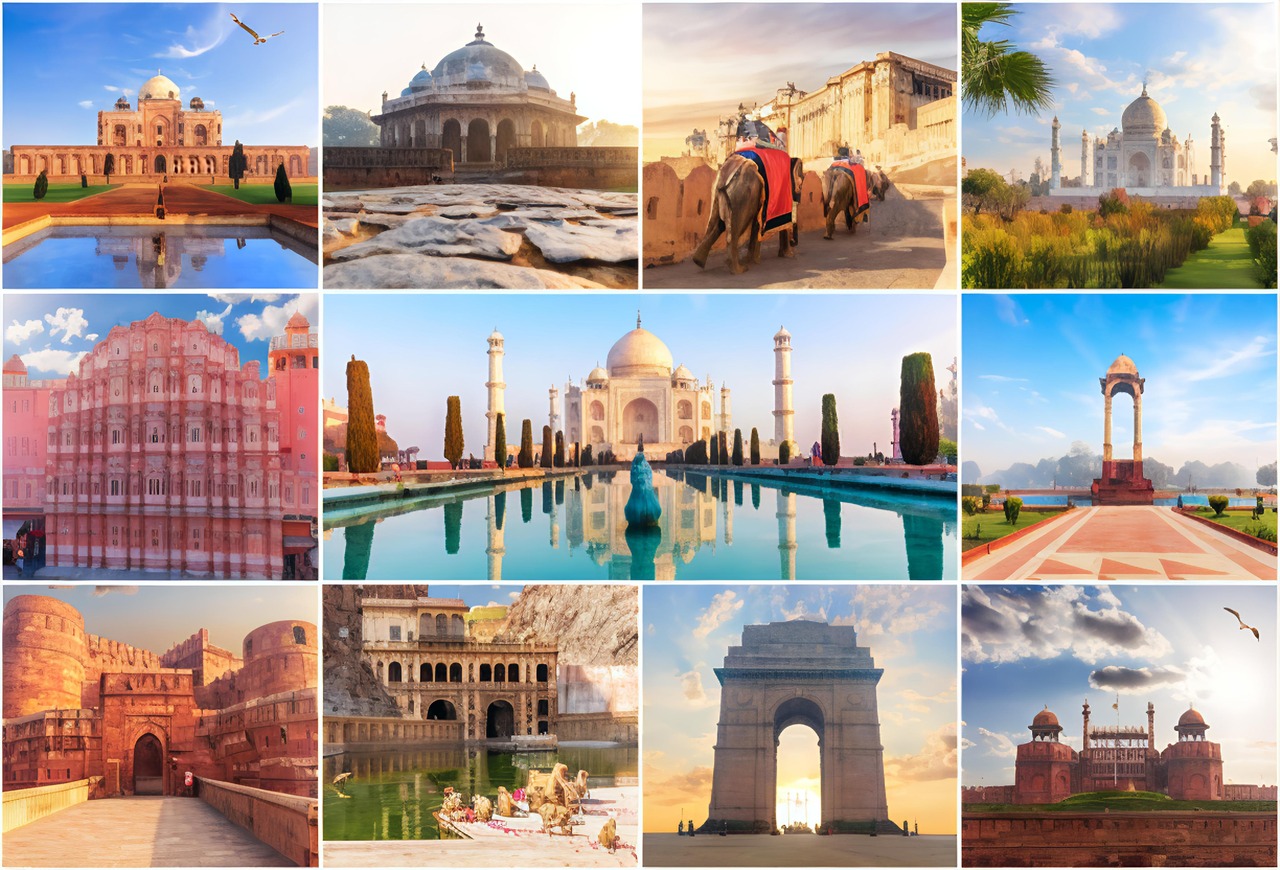
One of the outstanding architectural structures of Indian culture. The Red Fort in Delhi was completed in 1648. This huge and at the same time beautiful structure was intended for the residence of the Mughal Emperor Shah Jahan. After the colonization of India, the English garrison was located in the fortress until 1947. Particular attention was paid to the beauty of the building. Inside, many palaces, pavilions, swimming pools, green spaces were placed, which in general make an impression today. ( we will see from outside )
5
Stop 5
The temple is called Gurudwara Sis Ganj Sahib which is one of the main Sikh temples in Delhi. It was built in 1783 to commemorate the martyrdom of the ninth Guru of the Sikh religions, whose name was Guru Tag Bahadur.
6
Stop 6
Qutub Minar is the world's tallest brick minaret. Built in Delhi (Mehrawi district) by several generations of the rulers of the Delhi Sultanate. The minaret is the focus of a complex of historical monuments from different eras.
7
Stop 7
Lodhi Garden is a city park in Delhi. The park contains the tomb of Muhammad Shah, Sikander Lodi, Shish Gumbad and Bara Gumbad, examples of architecture from the 15th century, when Delhi was dominated by the Pashtun dynasties of Sayyid and Lodi.
8
Stop 8
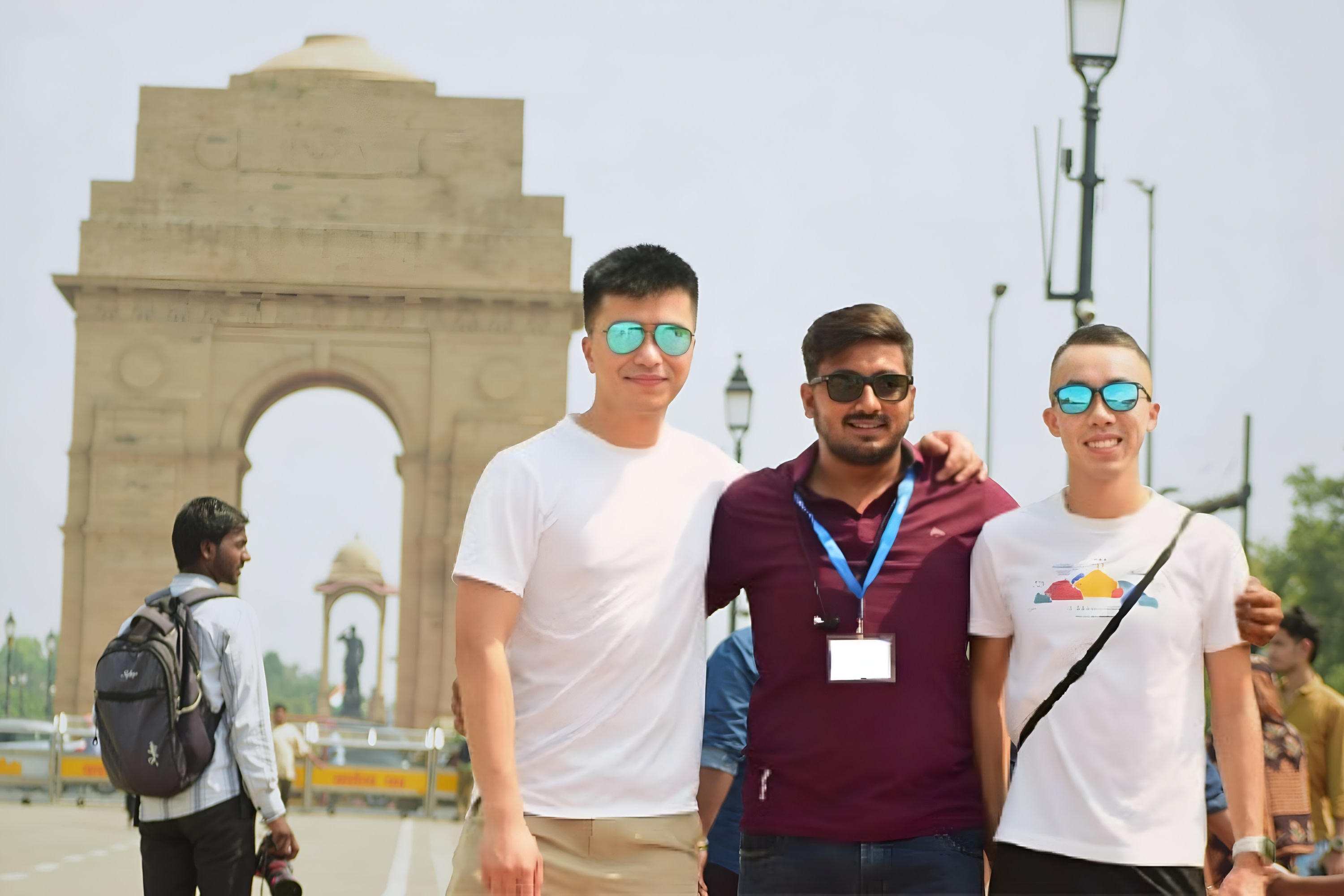
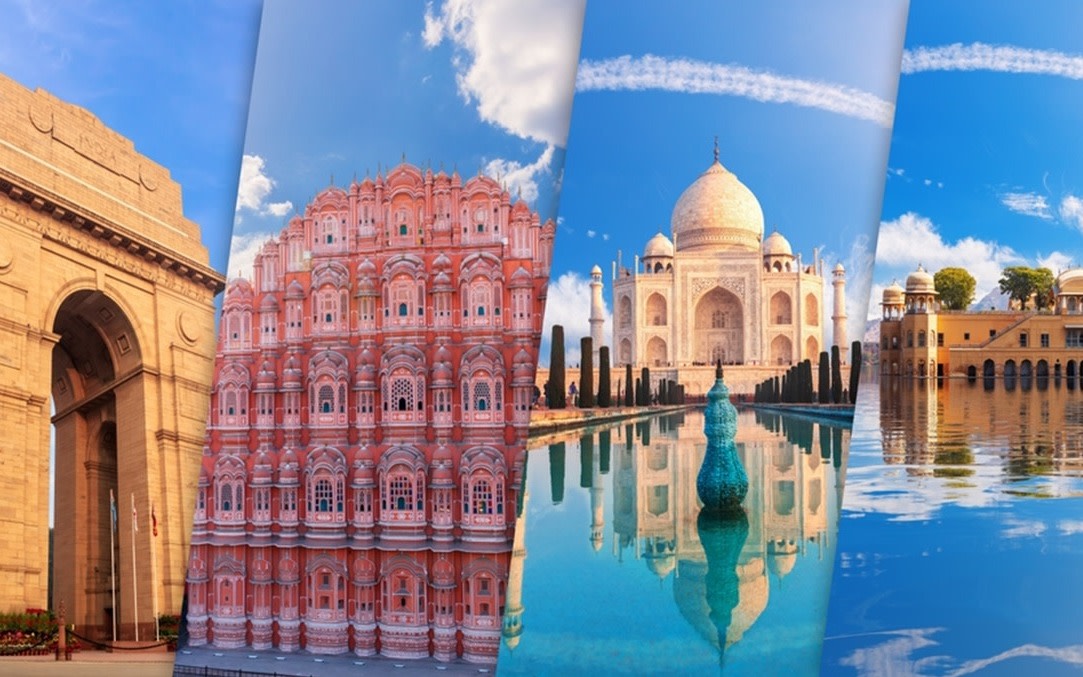
Gateway of India, originally called the whole of India war memorial.
9
Stop 9
The official residence of the President of India in New Delhi. Construction on the complex began in the 1910s, designed by renowned British architect Edwin Lutches, and continued intermittently until 1929, although minor improvements continued until 1930.
10
Stop 10
Lakshmi Narayan Mandir Hindu temple is also known as Birla Mandir. The temple was built in honor of the goddess of happiness and abundance Lakshmi and Narayana, who is one of the incarnations of the god Vishnu.
11
Stop 11
The Lotus Temple is the main temple of the Bahá'í religion in India and neighboring countries, built in 1986. Located in the city of New Delhi.
12
Stop 12
Located in Delhi, the Akshardham temple complex is the largest Hindu temple in the world. Akshardham Temple was entered in the Guinness Book of Records.
Lunch: Enjoy a traditional Indian set lunch at one of New Delhi's premier restaurant.
Return to the hotel.
Overnight in Delhi.
13
Day: 02 Delhi-Jaipur
Moving to Jaipur city.
The road takes 4 hours.
Lunch on the way to Jaipur (optional).
Arrival in Jaipur.
Hotel accommodation.
A little rest.
Dinner
In the evening, enjoy an open-air dinner at a local restaurant accompanied by folk music and dancing.
Return to the hotel.
Overnight in Jaipur.
14
Day: 03 Jaipur-Agra
Jaipur, the "pink city", the capital of the state of Rajasthan, is divided into nine rectangular sectors in accordance with the canons of ancient Indian architecture. Most of the attractions are concentrated within the city walls, as well as one of the busiest markets in India and many craft workshops.
15
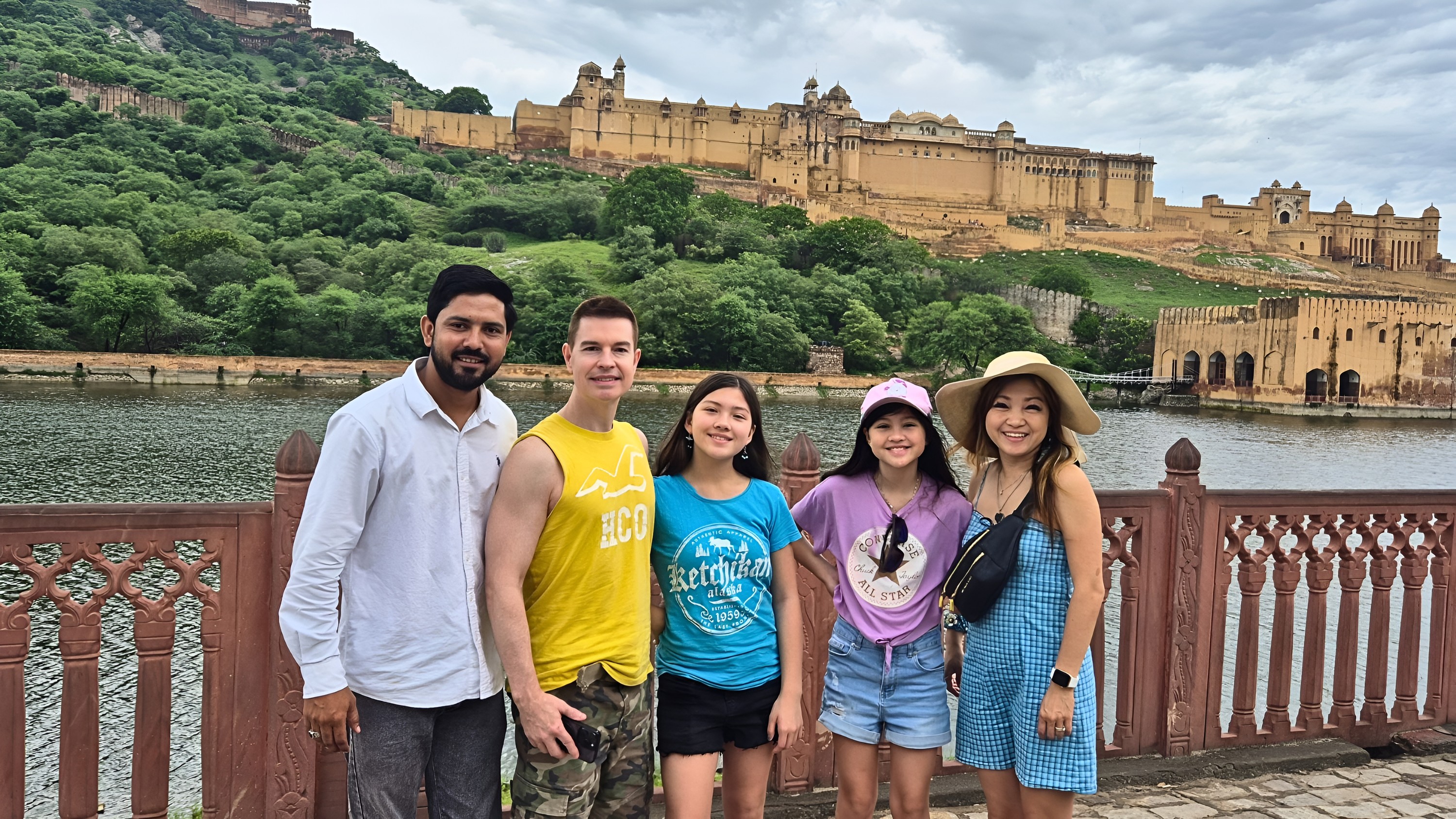
The Amber Fort or Amer Fort is famous for its large fortified walls with a series of gates and cobbled paths. The fort overlooks Maota Lake. The Amber Fortress was built in the 16th century for Rajah Man Singhg. But the construction was finally completed only after his death, by his successor Jai Sing I.
16
Stop 16
Located in the middle of Man Sagar Lake, an artificial reservoir, the Jal Mahal (or "Water Palace") looks like a one-story building, although the building has four more floors hidden under the water.
17
Stop 17
Hawa Mahal - a five-tiered harem wing of the palace complex of the Jaipur maharaja Sawai Pratap Singhga (ruled 1778-1803), built of pink sandstone in the shape of Krishna's crown no later than 1799.
18
Stop 18
Jaipur City Palace is an amazing palace complex in one of the oldest quarters of Pink City.
19
Stop 19
This is an observatory and the main purpose of its construction is drawing up astronomical maps and tables, determining the time and movement of the sun, moon and planets.
Lunch: Lunch at a local restaurant accompanied by folk music.
20
10 km from Jaipur in a picturesque mountainous place is the monastery and pilgrimage center of Galt. The temple complex is located between the rocks and attracts with its unusual architecture, its pools and a whole population of monkeys.
Moving to the city of Agra.
The road takes 4 hours.
Arrival in Agra.
Hotel accommodation.
Overnight in Agra.
21
Day: 04 Agra-Delhi
Agra is a city in northern India, in the state of Uttar Pradesh. From 1528 to 1658 it was the capital of the Mughal Empire. Now it is one of the largest tourist centers in India, thanks to the structures of the Mughal Empire and, in particular, the Taj Mahal. Agra is located on the banks of the Yamuna River.
22
Stop 22
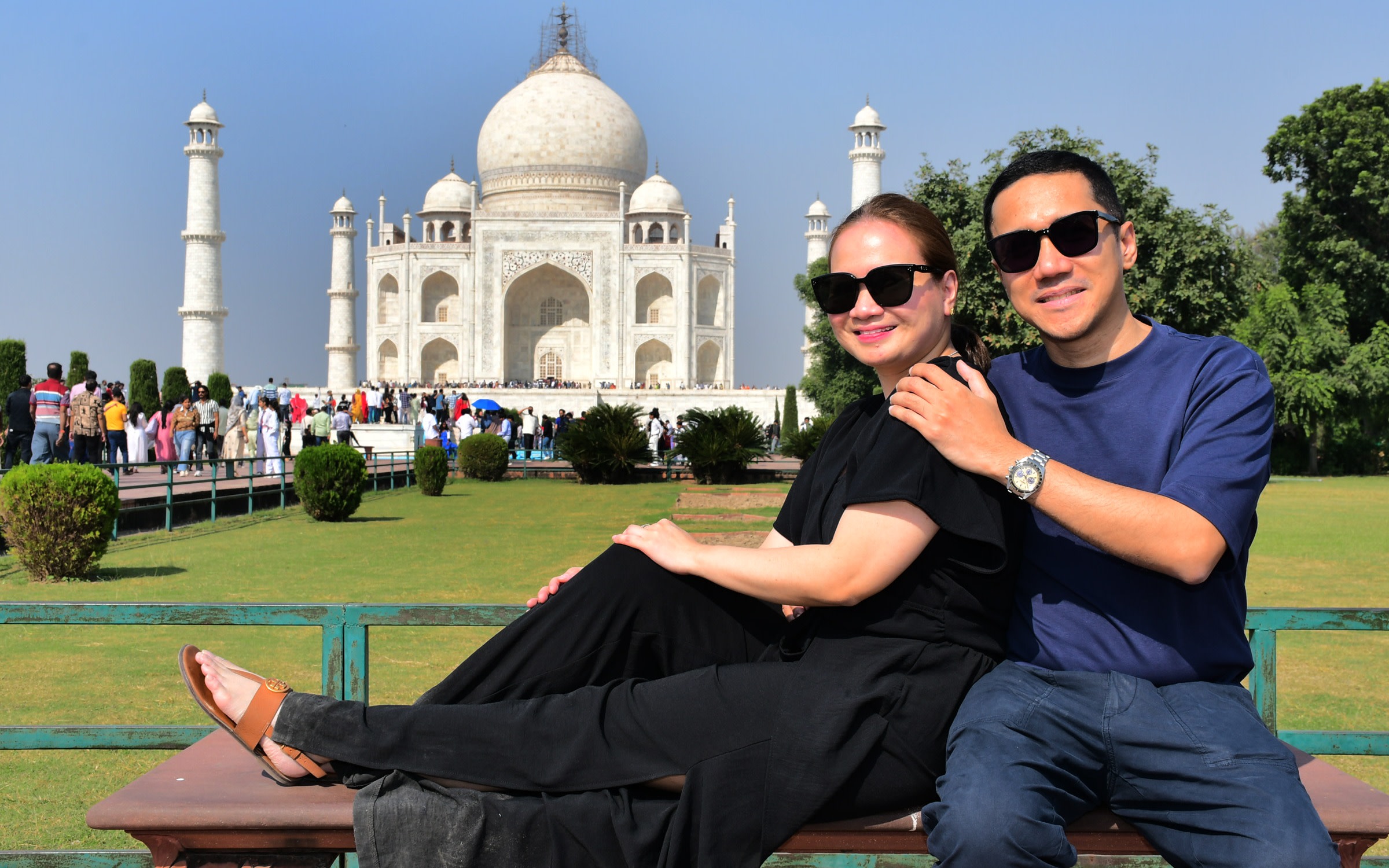
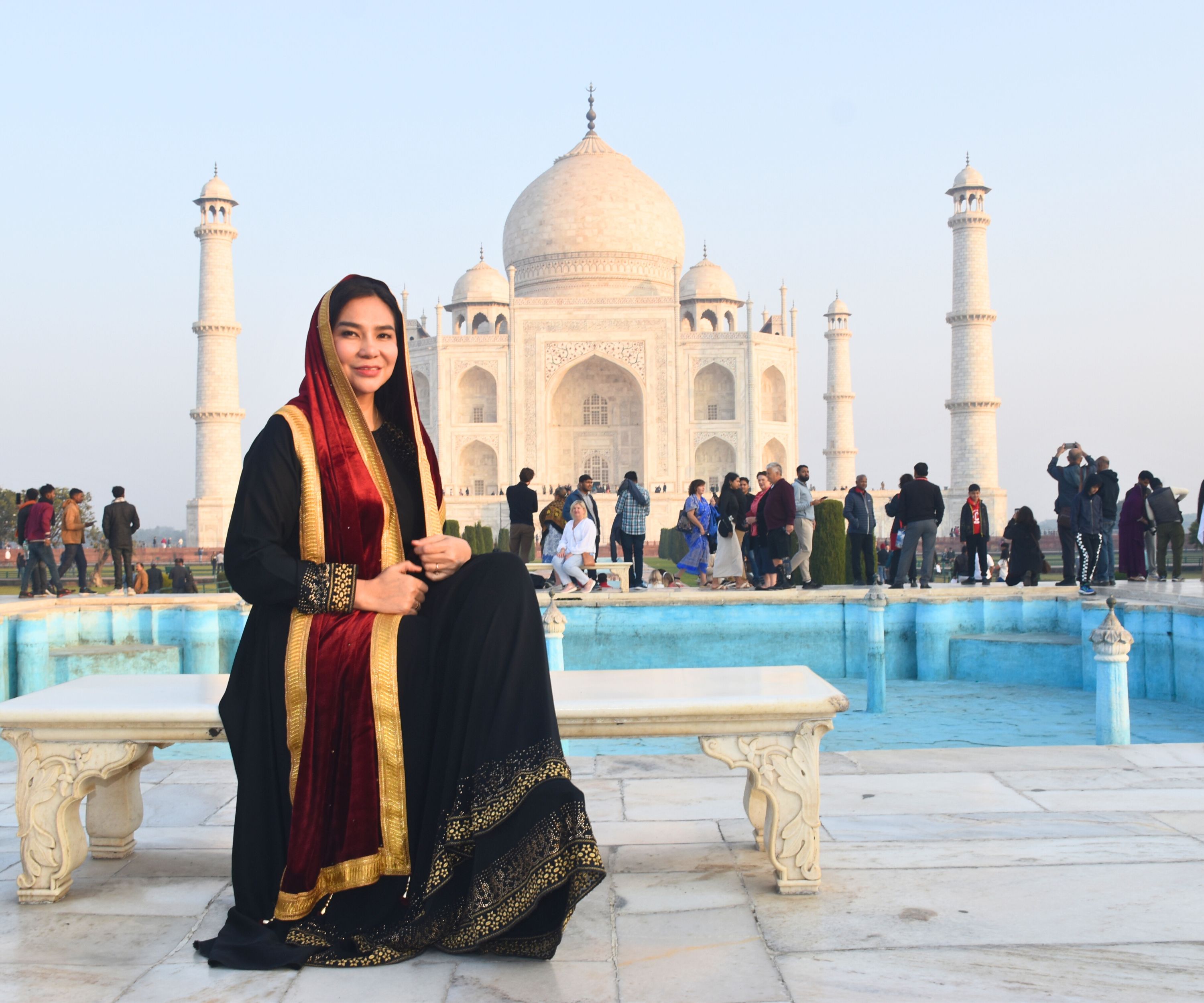
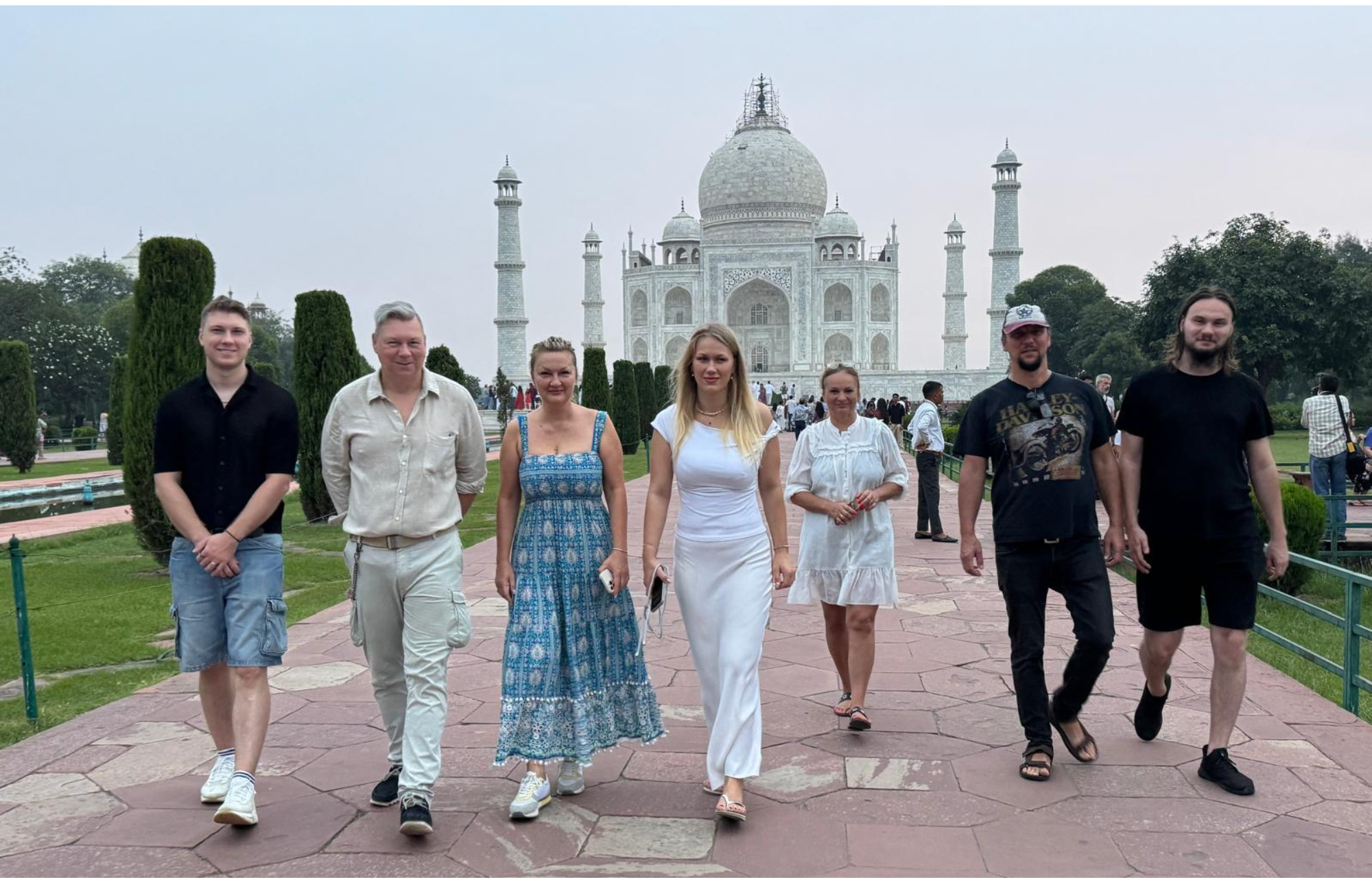
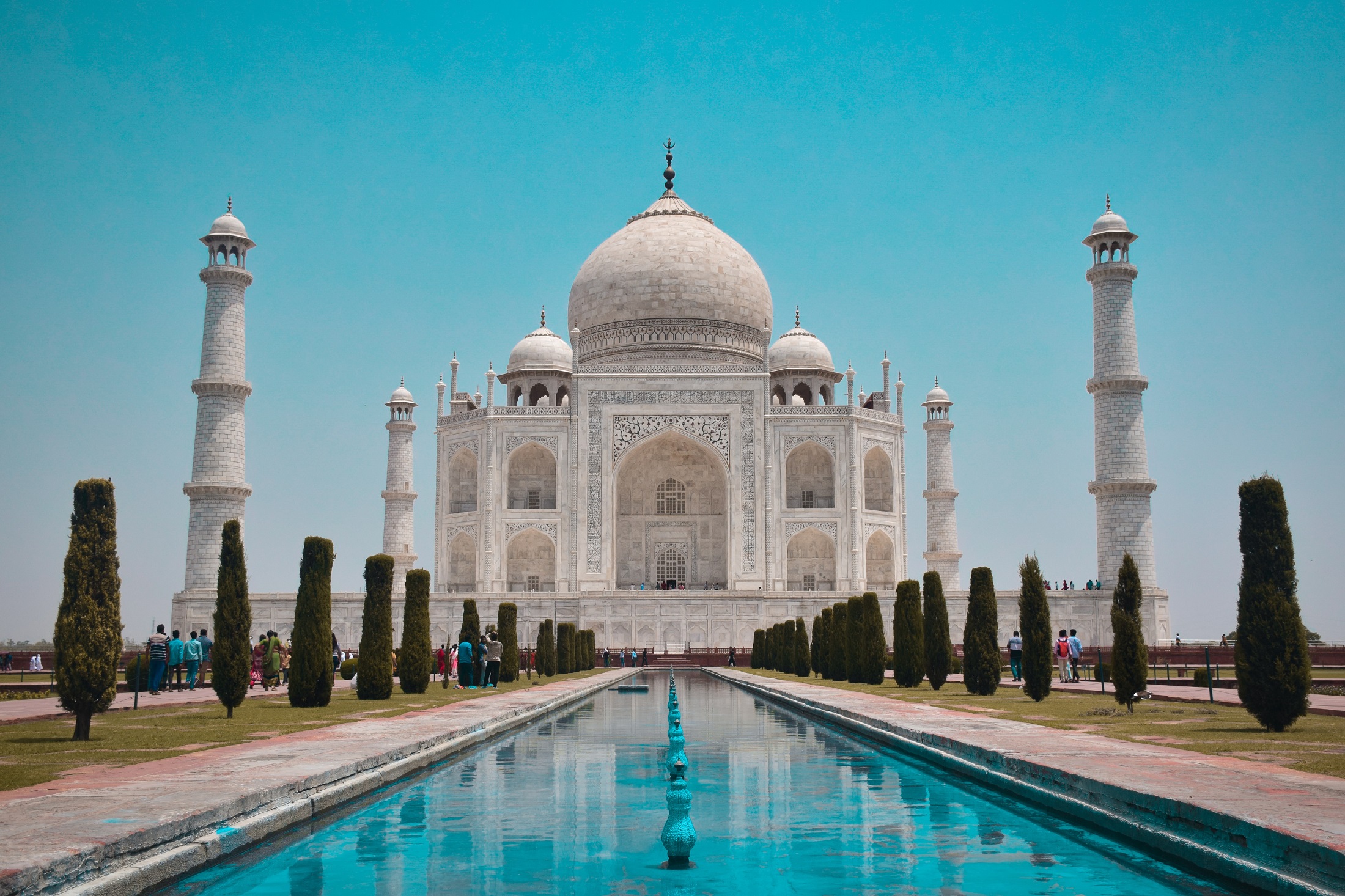
Taj Mahal is a grandiose temple built in memory of his wife by the fifth Mughal emperor Shah Jahan. It is a masterpiece of Muslim art and a UNESCO World Heritage Site. I will tell you interesting legends about its construction and real facts from the life of the building.
23
Stop 23
Agra Fort is a medieval fortress that was built in the 16th century on the site of the dilapidated fort of Badalgar by order of the third Mughal emperor Akbar. The fort is composed of red sandstone from Rajasthan. In the fort, you will see the Jahangir Palace, the Summer Palace, the Bedroom of Emperor Shah Jahan and Mumtaj Mahal, Mussamman Burj, Mirror Palace, Black Onyx Throne, Audience Hall, Mother of Pearl Mosque and many other interesting palaces and halls.
Traditional Indian Lunch: After visiting the Agra Fort, enjoy a delicious Indian lunch at a local restaurant in Agra.
24
Stop 24
The Tomb of Itimad-Ud-Daula was built in Agra by Empress Nur Jahan, wife of Jahangir, for her parents.
25
Stop 25
Another chance to see the Taj Mahal from the other side of the Yamuna River.
26
Stop 26
Return to Delhi.
It takes 3 hours to reach.
Transfer to hotel or airport upon arrival.
What's not included
Accomodations
Food and drinks
Personal expenses, tipping and gratitude
Entrance tickets
Available languages
Guide guide
EN
Reviews breakdown
Tripadvisor
4.9
18 reviews
5★
17
4★
1
3★
0
2★
0
1★
0
Important information
Wheelchair accessible
Public transportation options are available nearby
Infants are required to sit on an adult’s lap
Suitable for all physical fitness levels
About New Delhi
New Delhi, the capital of India, is a vibrant blend of ancient history and modern development. It offers a rich cultural experience with its historic monuments, bustling markets, and diverse cuisine. The city is a gateway to understanding India's past and present.
Top Attractions
Red Fort
A UNESCO World Heritage Site and a symbol of India's struggle for independence. Built by Emperor Shah Jahan in the 17th century.
Historical
2-3 hours
₹35 ($0.50) for Indians, ₹500 ($7) for foreigners
Qutub Minar
Another UNESCO World Heritage Site, this towering minaret is a fine example of early Indo-Islamic architecture.
Historical
1-2 hours
₹30 ($0.40) for Indians, ₹500 ($7) for foreigners
India Gate
A war memorial dedicated to the soldiers who died in World War I and the Afghan Wars. A popular evening spot for locals and tourists.
Historical
1 hour
Free
Humayun's Tomb
A UNESCO World Heritage Site and a precursor to the Taj Mahal. This beautiful Mughal garden tomb is a must-visit.
Historical
1-2 hours
₹30 ($0.40) for Indians, ₹500 ($7) for foreigners
Lotus Temple
A Baha'i House of Worship known for its flower-like shape. It is a symbol of peace and unity.
Religious
1 hour
Free
Must-Try Local Dishes
Butter Chicken
Creamy tomato-based curry with tender chicken pieces, originated in Delhi.
Dinner
Non-vegetarian
Chole Bhature
Spicy chickpea curry served with deep-fried bread.
Lunch
Vegetarian
Chaat
A variety of savory snacks like Pani Puri, Bhel Puri, and Aloo Tikki.
Snack
Vegetarian, some options vegan
Paratha
Stuffed flatbread cooked on a griddle, often served with yogurt or pickle.
Breakfast
Vegetarian, some options vegan
Popular Activities
River rafting in Rishikesh
Hot air ballooning in Jaipur
Trekking in the Aravalli Range
Spa treatments in luxury hotels
Yoga and meditation in Rishikesh
Strolls in Lutyens' Delhi
Attending a classical music or dance performance
Visiting art galleries and museums
Best Time to Visit
October to March
This is the most pleasant time to visit with cooler temperatures and various festivals. It's ideal for sightseeing and outdoor activities.
15°C to 35°C
59°F to 95°F
Practical Information
Language
- Official: Hindi, English
- Widely spoken: Punjabi, Urdu, Bhojpuri
- English: Widely spoken in urban areas
Currency
Indian Rupee (INR)
Time Zone
IST (GMT+5:30)
Electricity
230VV, 50HzHz
Safety Information
Overall Safety Rating: Exercise caution
New Delhi is generally safe for tourists, but petty crimes like pickpocketing and scams can occur. Be cautious, especially in crowded areas.
Important Precautions:
- • Use trusted transport options
- • Avoid walking alone at night
- • Be cautious of strangers offering help
Getting there
By air
- Indira Gandhi International Airport • 16 km from city center
By train
New Delhi Railway Station, Old Delhi Railway Station
By bus
Inter-State Bus Terminal (ISBT), Dhaula Kuan Bus Stand
Getting around
Public transport
Clean, efficient, and air-conditioned. Connects major attractions and neighborhoods.
Taxis
Available • Apps: Ola, Uber
Rentals
Car, Bike, Scooter
Neighborhoods
Connaught Place
Old Delhi
Lutyens' Delhi
Hauz Khas
Day trips
Agra
233 km from Delhi • Full day
Home to the iconic Taj Mahal, Agra is a must-visit for history and architecture lovers.
Jaipur
268 km from Delhi • Full day or overnight
The Pink City is known for its palaces, forts, and vibrant culture.
Rishikesh
240 km from Delhi • Full day or overnight
A spiritual and adventure hub, Rishikesh is famous for yoga, meditation, and river rafting.
Festivals
Diwali • October-November (dates vary)
Holi • March (dates vary)
Republic Day • January 26
Pro tips
- Use the Delhi Metro for efficient and affordable travel around the city.
- Try street food from busy stalls to ensure freshness and hygiene.
- Bargain politely in markets, but be prepared to pay a fair price.
- Carry small denominations for shopping and street food.
- Respect local customs and traditions, especially when visiting religious sites.
From $25
per person
Price varies by option
Secure booking
Free cancellation available
Instant confirmation