Sarnath Audio Tour on HopOn India App – Land of Buddha's First Sermon, Varanasi
Active
1h - 1h
All sales are final. No refund is available for cancellations.
Instant confirmation
Mobile or paper ticket accepted
About this experience
As you take the tour through HopOn India app you will walk on the very soil that the Buddha had walked. Sarnath is the place where the Buddha gave his first sermon. We will tell you the story of how Buddha spread his teachings and the full perspective of monuments and structure at Sarnath.
The most special features of this experience are : 1. This is an end to end do it yourself App opens up new places and new stories for you in the same old cities 2. Each walk is crafted like a masterpiece to offer an immersive experience to the traveller with the correct mix of history, culture, myth, food. 3. There is no need for you to depend on a guide - the traveller can take the walk anytime as per will, at his/ her own pace 4. The content is developed by domain experts and curated with utmost care, leaving no room for dependence on the guide's knowhow 5.You pay once for three months and need not pay the guide repeatedly.
Available options
Sarnath Audio Tour on HopOn India App – Land of Buddha's First Sermon, Varanasi
What's included
The tour can be accessed multiple times up to a certain validity period
Audio Guided Walking Tour Through HopOn India App
Detailed itinerary
1
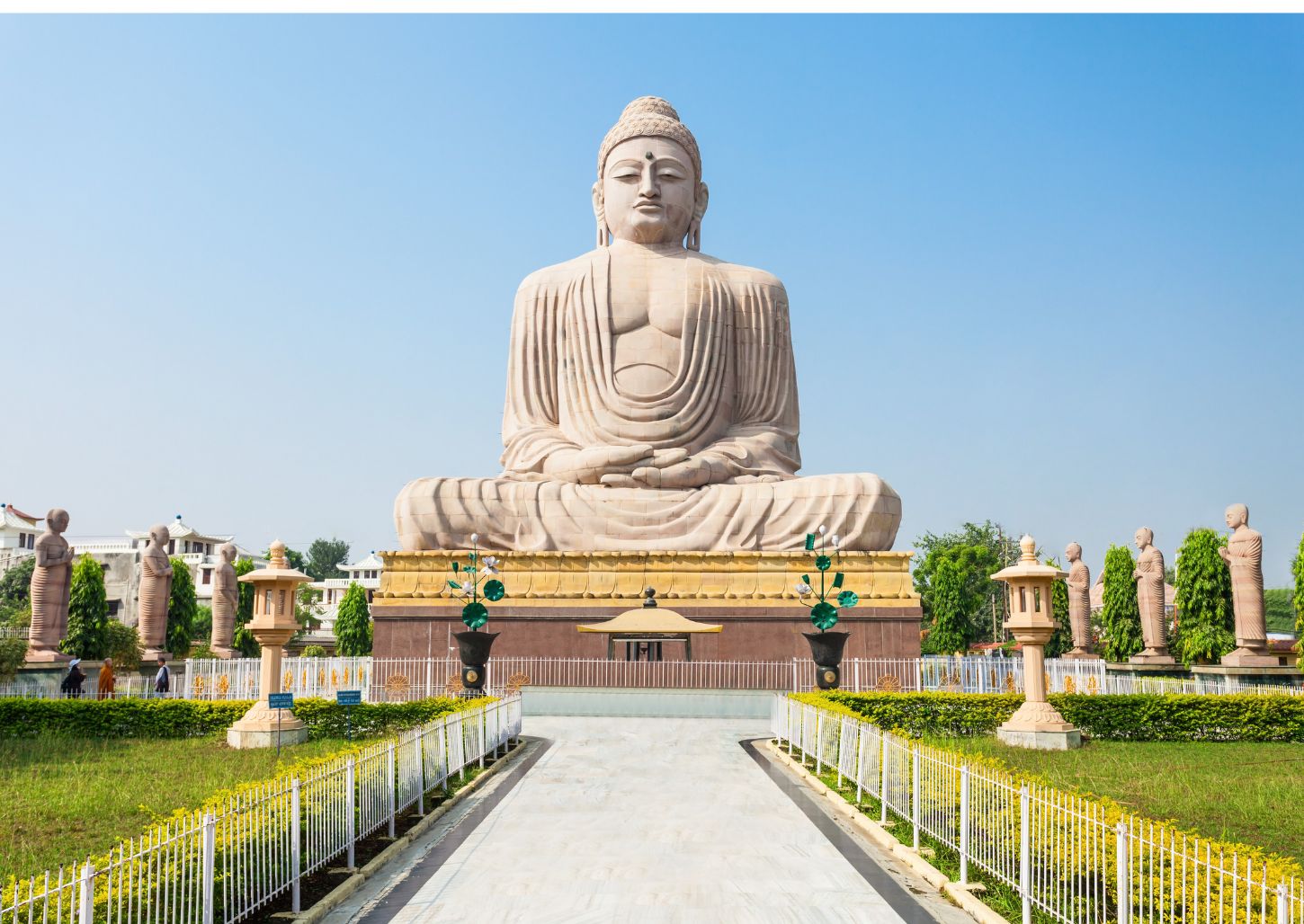
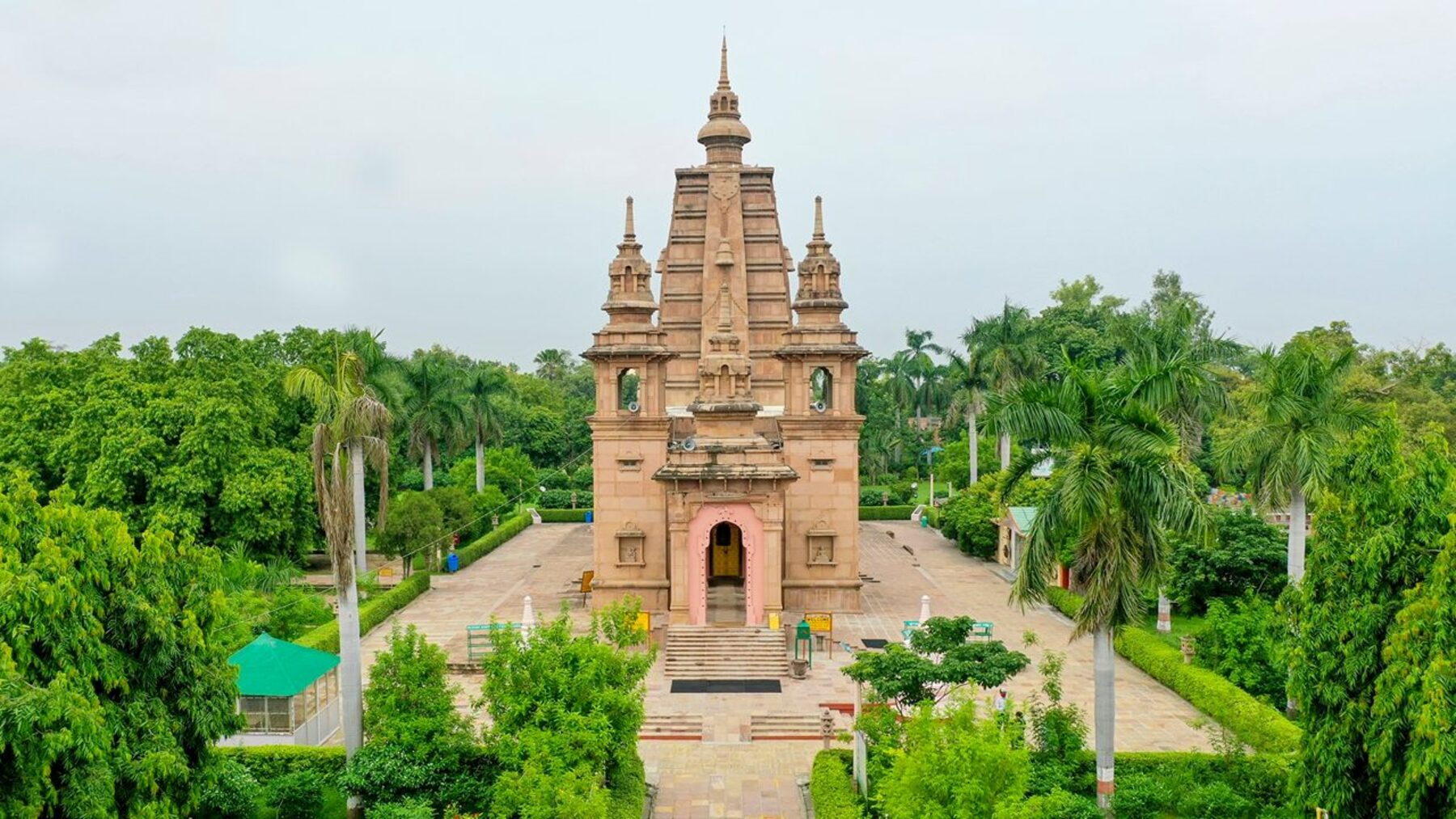
This temple was built in the year 1939. It is a
huge temple, built across acres of land. It is
said that the stone used to make the statues of
this temple were brought from China and
Myanmar. This style of making statues is called
brusni style, and Chinese artisans are experts in
the art of carving. You can see
the idol of Lord Buddha right in front of you.
Along with the idol, you will also see pictures
of the five main Chinese religious saints Mozi,
Mencius, Lolaozi, Confucius and Zhuang Zhou.
Here is a golden opportunity for you to sit
before lord Buddha and reflect or meditate.
2
During his visit to India, when Hiuen Tsang
came to Sarnath, this temple was not there.
The MulagandhaKutiVihara of that time was
located at a little distancefrom this temple.
Hiuen Tsang has provideda detailed
description of that Vihara. He has written that
its height was about 61 meters. On the basis of
the remains of the temple and the style of
brick-making and decorations, archaeologists
believe that the vihara of that time was built in
the Gupta period.
With the passage of time that temple turned
into ruins. The temple which you see today was
built by AngarikaDharmapala, who came from
Srilanka and founded Maha Bodhi Society in
India. In the modern history of Sarnath, he has
a special place.
3
MrigaVihara or deer park is a kind of mini zoo now, with
lots of deer,and some other animals and birds
as well. If you have children with you, then you
must visit this zoo. But even otherwise, if you
have an interest in birds and animals and like
to spend some time in the lap of nature, don’t
hesitate--go and visit the zoo.
4
This stupa
was initially built here by Emperor Ashoka in
249 BC, who also build many other
monuments here.
Emperor Ashoka was one of the great kings of
Indian history and the third king of the famous
Mauryan dynasty. He was the son of king
Bindusara and queen JanpadaKalyani. It is
believed that he was born sometime around
297 BC.
Ashoka was a chakravartin king, whose empire
expanded to almost all of present-dayIndia
and Pakistan and also stretched up to
Hindukush and the border of Iran in the north-
west. To expand his empire, he fought
numerous battles and shed a lot of blood.
Then the dreadful battle of Kalinga happened.
Ashoka was shaken by the sight of such gore.
His distressed heart foundsolace in Buddhism.
He decided to give up violence and to move
on the path of dharma. The teachings of Lord
Buddha converted emperor Ashoka into saint
Ashoka.
5
If India’s history and archaeology pique your
interest, then this place will turn out to be a
treasure trove for you. Towards your right, you
can see relics of an ancient civilization
scattered all around. These relics are extremely
important sources of historical information
about the area — its society and culture.
Across the enormous ground stretching to the
right of the path you can catch glimpses of the
ruins of an ancient Buddha Vihara, or
monastery.
6
The broken pillar that you will see here is what
remains of the famous pillar of Ashoka now.
When unbroken, the pillar, like
Dharmarajikastupa, was very tall. Along with
stupas, Ashoka had built many pillars in the
whole of north India. The height of his stupas
was between 40 to 50 feet, and they weighted
around 50 tons. The broken upper part of this pillar is kept
well-preserved in a museum, right here in
Sarnath. A little later on this very walk, we will
go to that museum.
7
Archaeological excavation started in 1904 in
Sarnath. Soon, such a large number of
archaeological artefacts were unearthed that a
need was felt to build an archaeological
museum here. Consequently, this museum was
founded in 1910. You can visit the museum
between 10:00 am and 05:00 pm. I hope it’s
not a Friday today, because the museum
remains closed on Fridays. Cameras and
mobile phones etc. are not allowed inside this
museum; hence, pause my narration, deposite
your electronic devices and then go inside.
It is probably not the biggest museum you
have seen, but it is an extremely important
one, simply because the top of the Ashoka
pillar is kept here. As soon as you enter the
museum, you will be able to catch the first
glimpse of this column head, made of
sandstone.
The entire museum is divided into many
galleries. Each gallery has a touchscreen
computer, which tells you about the artefacts
displayed in that particular gallery.
8
Buddhism is an important
religion in South-east Asia, and many countries
from the region have constructed their own
temples in Sarnath. This temple that you see
now was constructed by the government of
Thailand, and it will give you a glimpse of the
culture of Thailand.. The Thai temple you will
observe thatthis temple stands right in the
middle of a big open ground. The temple is
not the only thing to see in this campus. There
are many beautiful statues here as well. The
moment you enter the temple campus, you will
see an extremely large statue of Lord Buddha.
This is the main attraction of this temple. At
the time of its construction, this was the tallest
statue of standing Buddha in India.
9
It
is said that this is the place where Buddha first
met with his five disciples--Vappa, Mahanama,
Kaundinya, Bhaddiya and Ashwavijit. From
here, they went to the place where today
stands the Dhamekhstupa, and there,Lord
Buddha gave his first sermon. Here I must tell
you one thing -- the day when Buddha gave
his first sermon was the day of
VaishakhPurnima. Call it a coincidence or a
miracle -- the day when he was born and the
day he died were also Vaishakhpurnimas.
Today, in his honor, the day is also known as
Buddha Purnima.
As we move closer to the stupa, you should
know that this is the same road bywhich we
had come to Sarnath from Varanasi, which
means that we have completed almost one full
round of Sarnath.
It is said that this stupa was originally built as a
terraced temple. It was constructed in the 4th
or 5th century. Hiuen Tsang, the famous
Chinese traveler who visited Sarnath in the 7th
century, has described this stupa in his
writings.
This 93 ft. tall stupa is constructed on a
quadrilateral base. During the excavation
around this stupa, numerous statues were
found. Among them, the statue of the turning
of the wheel of dharma -- or Buddha
delivering his first sermon -- is the most
important one
What's not included
Headphones/Earphones (We request please carry your Headphones/Earphones)
Hand Sanitizer (We suggest please carry Hand sanitizer)
Available languages
Audio guide
HI
AR
DE
RU
JA
EN
ZH-CN
FR
ES
Reviews breakdown
Tripadvisor
5.0
1 reviews
5★
1
4★
0
3★
0
2★
0
1★
0
Important information
Public transportation options are available nearby
Infants are required to sit on an adult’s lap
Suitable for all physical fitness levels
Meeting point
At the Sarnath Chauraha or Crossing towards the Sarnath Station Road lane to Chinese Temple
About Varanasi
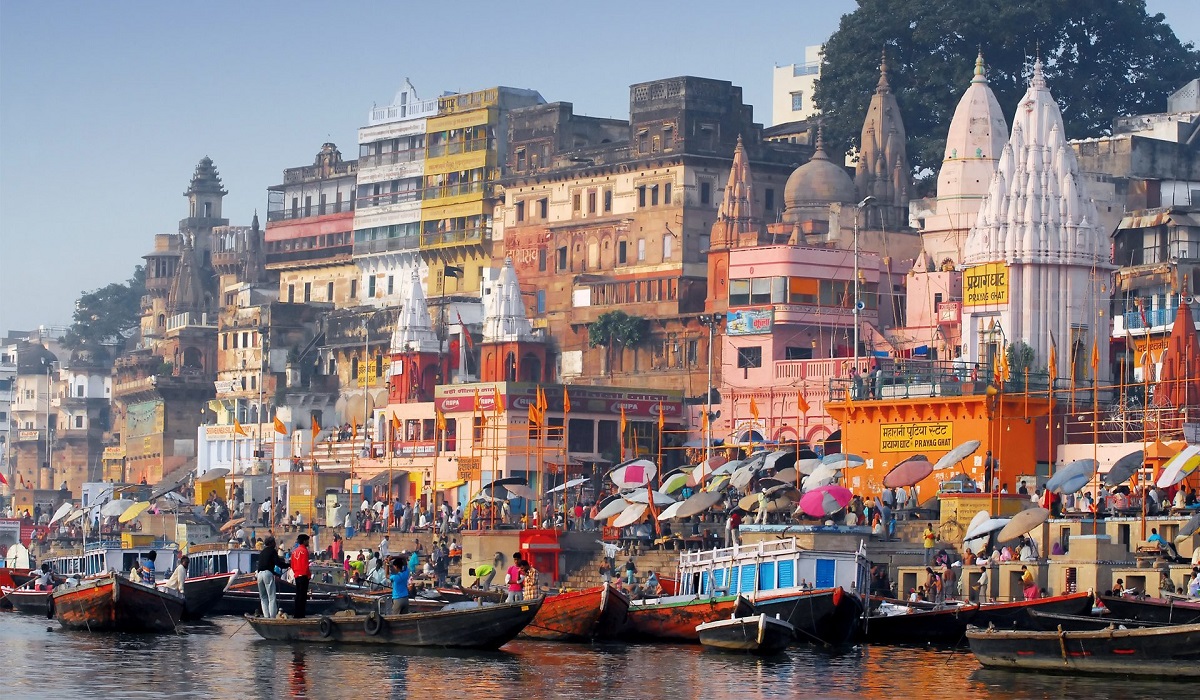
Varanasi, one of the oldest living cities in the world, is a spiritual and cultural hub on the banks of the Ganges River. Known for its ancient temples, vibrant ghats (riverfront steps), and rich cultural heritage, it offers a profound experience of India's spiritual traditions and historical depth.
Top Attractions
Kashi Vishwanath Temple
One of the most sacred Hindu temples dedicated to Lord Shiva, the Kashi Vishwanath Temple is a major pilgrimage site. The temple's golden spire and intricate architecture are awe-inspiring.
Religious
1-2 hours
Free (donations welcome)
Dasaswamedh Ghat
One of the most famous ghats in Varanasi, Dasaswamedh Ghat is a bustling hub of activity. It's known for its evening Ganga Aarti, a spectacular ritual of worshipping the Ganges River.
Historical
1-2 hours
Free (boat rides cost INR 200-500)
Sarnath
A significant Buddhist pilgrimage site, Sarnath is where Lord Buddha delivered his first sermon. It's home to several ancient stupas, temples, and museums.
Historical
Half day
Free (entry fees for some sites)
Manikarnika Ghat
One of the oldest and most sacred ghats in Varanasi, Manikarnika Ghat is primarily used for cremation ceremonies. It's a profound and moving experience to witness the rituals here.
Religious
1-2 hours
Free
Banaras Hindu University (BHU)
Founded by Madan Mohan Malaviya, BHU is one of India's most prestigious universities. The campus is vast and beautiful, with museums, temples, and lush gardens.
Educational
2-3 hours
Free (entry fees for some sites)
Must-Try Local Dishes
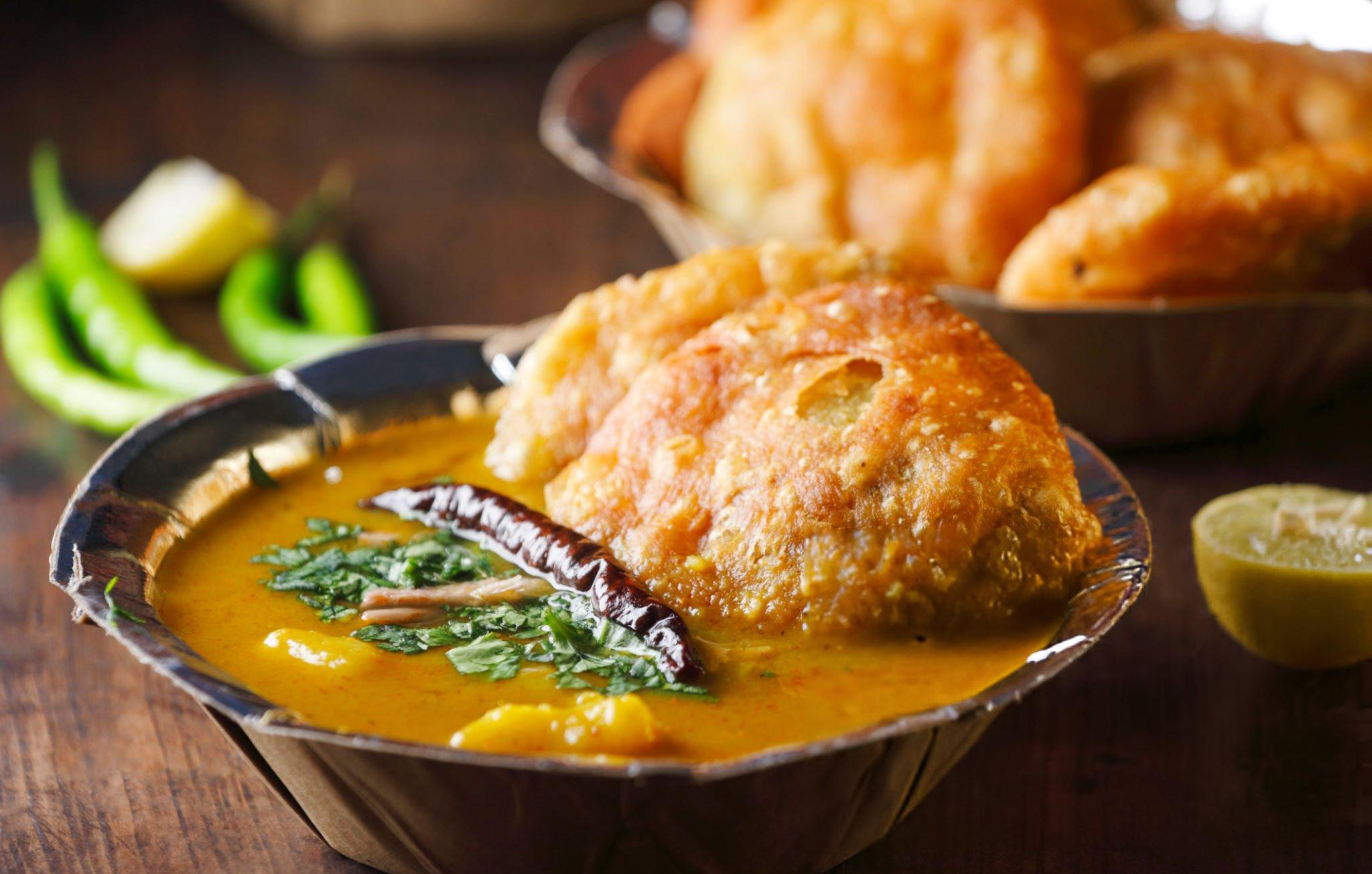
Kachori
A deep-fried, spiced pastry filled with a mixture of lentils, onions, and spices. It's a popular street food item in Varanasi.
Breakfast
Vegetarian
Peda
A sweet made from condensed milk and sugar, often flavored with cardamom. Banarasi peda is famous for its rich and creamy texture.
Dessert
Vegetarian
Malaiyo
A traditional Banarasi sweet made from reduced milk, sugar, and saffron. It's often served during festivals and special occasions.
Dessert
Vegetarian
Chaat
A savory snack made with a variety of ingredients like potatoes, onions, chickpeas, and tangy tamarind sauce. It's a popular street food item.
Snack
Vegetarian
Popular Activities
Boat rides on the Ganges River
Exploring narrow alleys and hidden temples
Meditation and yoga sessions
Attending the Ganga Aarti at Dasaswamedh Ghat
Visiting ancient temples and historical sites
Swimming in the Ganges River (not recommended due to pollution)
Attending winter festivals and fairs
Visiting historical sites and museums
Best Time to Visit
October to March
This period offers pleasant weather, making it ideal for sightseeing and participating in various festivals. The city is lively with tourists and pilgrims.
15°C to 30°C
59°F to 86°F
Practical Information
Language
- Official: Hindi
- Widely spoken: English, Bhojpuri
- English: Moderately spoken in tourist areas, limited in other areas
Currency
Indian Rupee (INR)
Time Zone
GMT+5:30
Electricity
230VV, 50HzHz
Safety Information
Overall Safety Rating: Exercise caution
Varanasi is generally safe for tourists, but pickpocketing, scams, and petty crime can occur, especially in crowded areas. Be cautious and aware of your surroundings, and take precautions to protect your belongings.
Important Precautions:
- • Use common sense and stay alert
- • Avoid walking alone at night
- • Be cautious of strangers and touts
Getting there
By air
- Lal Bahadur Shastri International Airport • 24 km from city center
By train
Varanasi Junction, Manduar Diara
By bus
Varanasi Bus Stand, Sarnath Bus Stand
Getting around
Public transport
Buses are the most common form of public transport in Varanasi. They are affordable but can be crowded.
Taxis
Available • Apps: Ola, Uber
Rentals
Car, Bike, Scooter
Neighborhoods
Old Varanasi
Sarnath
Cantt (Cantonment)
Day trips
Sarnath
10 km from Varanasi • Half day to full day
Sarnath is a significant Buddhist pilgrimage site, known for its ancient stupas, temples, and museums. It's a peaceful and historically rich area, offering a contrast to the bustling old city of Varanasi.
Chunar
55 km from Varanasi • Full day
Chunar is a historic town known for its ancient fort, located on the banks of the Ganges River. The fort offers panoramic views of the river and surrounding countryside.
Rajghat
20 km from Varanasi • Half day
Rajghat is an ancient site located on the banks of the Ganges River, known for its historic significance and scenic beauty. It's a peaceful and serene place to visit, offering a break from the bustling city of Varanasi.
Festivals
Diwali • October or November (dates vary by lunar calendar)
Maha Shivaratri • February or March (dates vary by lunar calendar)
Ganga Mahotsav • November (dates vary by year)
Pro tips
- Hire a local guide to navigate the city's narrow alleys and hidden temples.
- Attend the Ganga Aarti at Dasaswamedh Ghat for a spectacular and moving cultural experience.
- Try local street food and sweets, but be cautious and choose stalls with high turnover and good hygiene practices.
- Dress modestly and respectfully, especially when visiting temples and religious sites.
- Use common sense and stay alert to avoid scams, pickpocketing, and petty crime.
From $25
per person
Price varies by option
Secure booking
Free cancellation available
Instant confirmation