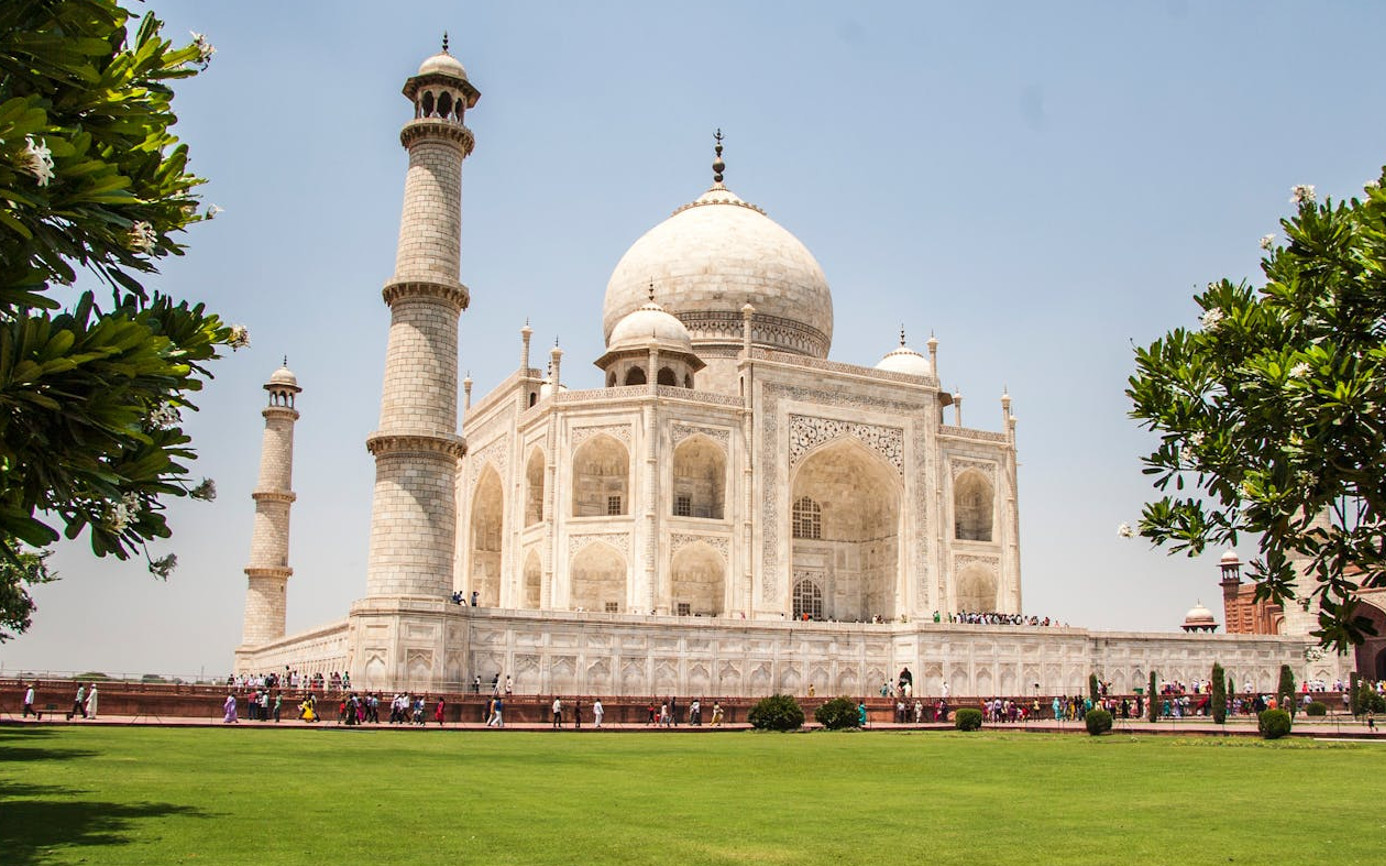
Witness the Hindu process of Cremation near Taj Mahal
Active
4h
For a full refund, cancel at least 24 hours before the scheduled departure time.
Instant confirmation
Mobile or paper ticket accepted
About this experience
-In hindu religion there are 16 sacraments (samskars) of every individual emanating from pre birth rituals up to the death ritual. Death is the ultimate reality of life as rightly said, ‘The paths of glory lead but to the grave.’ Every religion has its own way of death ritual like in Islam and Christianity burial is done, In Zoroastrianism the corpse is left in the open for the vultures, In Hindu, Buddhist, Sikh and Jain religion cremation is done on the pyre. In this tour product we arrange your visit to view the cremation process in age old crematorium of Agra just in surroundings of Taj Mahal. We will conduct this tour to give you a live experience of Hindu culture and their mythology. In this tour provide you an A/c vehicle and a local tour guide pickup from your hotel and drop back after the visit
Available options
Witness the Hindu process of Cremation near Taj Mahal
What's included
Hotel pickup and drop-off
Local guide
Private tour
Bottled water
GST (Goods and Services Tax)
TripAdvisor Experiences brokerage fee
Transport by private vehicle
Detailed itinerary
1
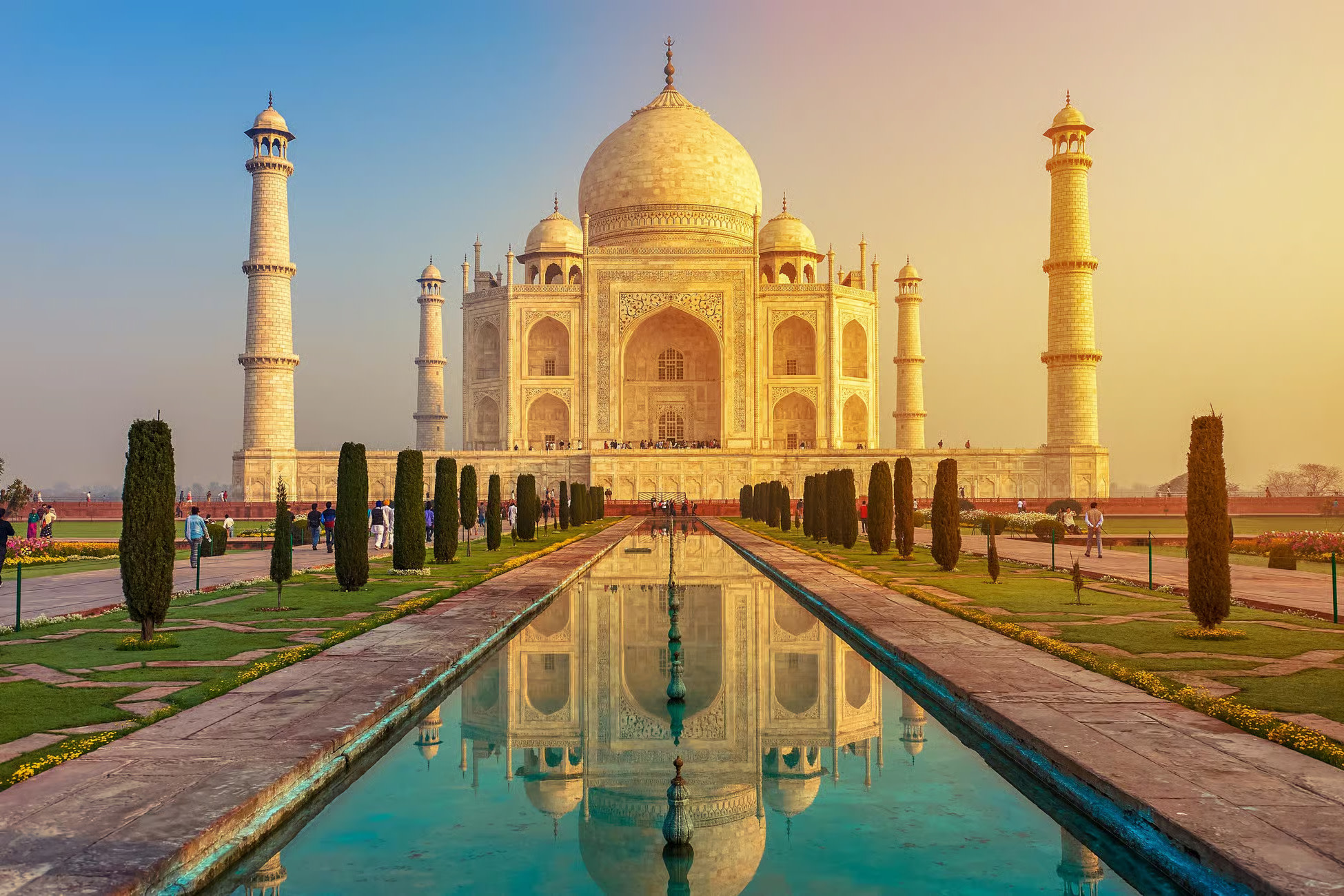
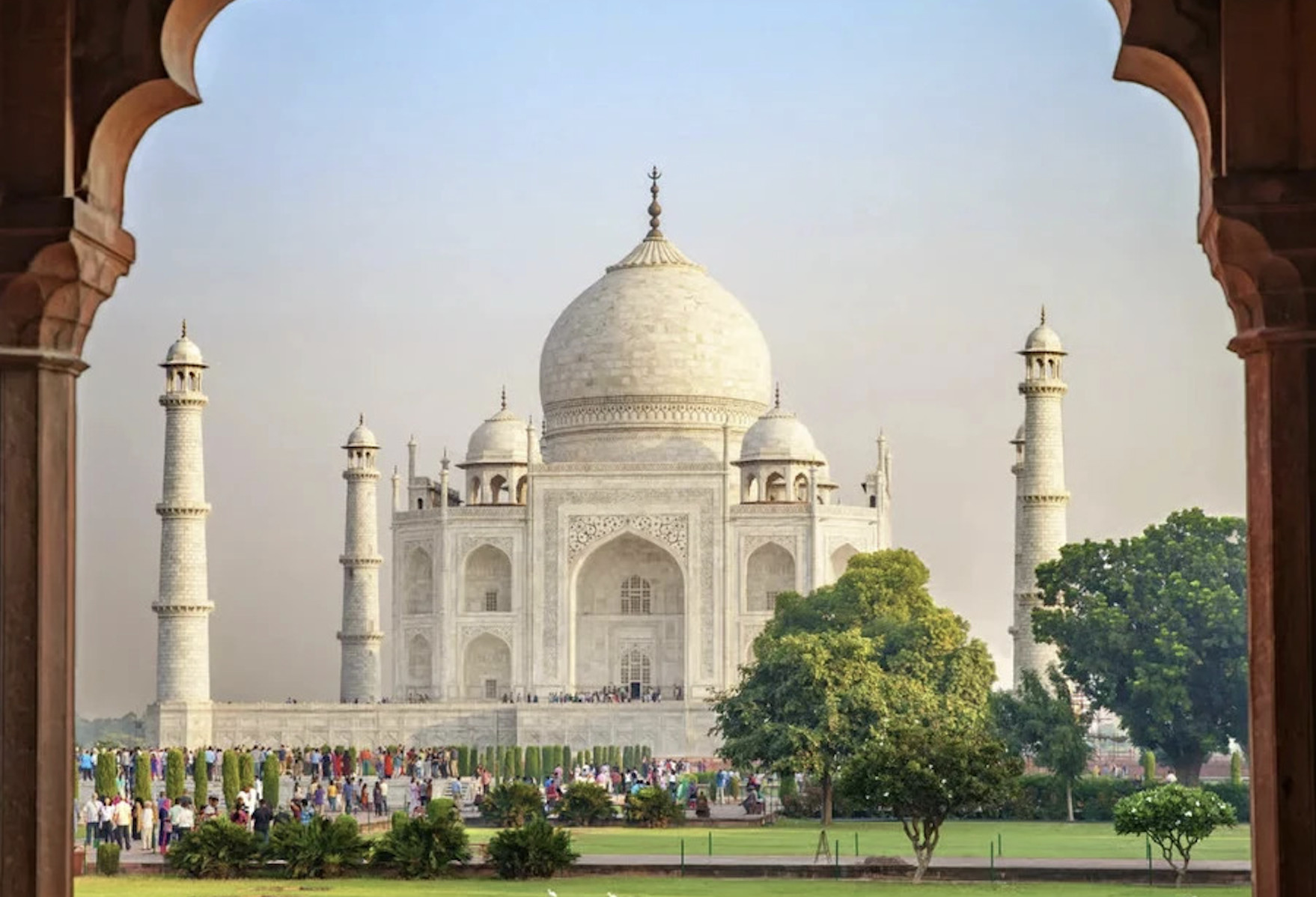
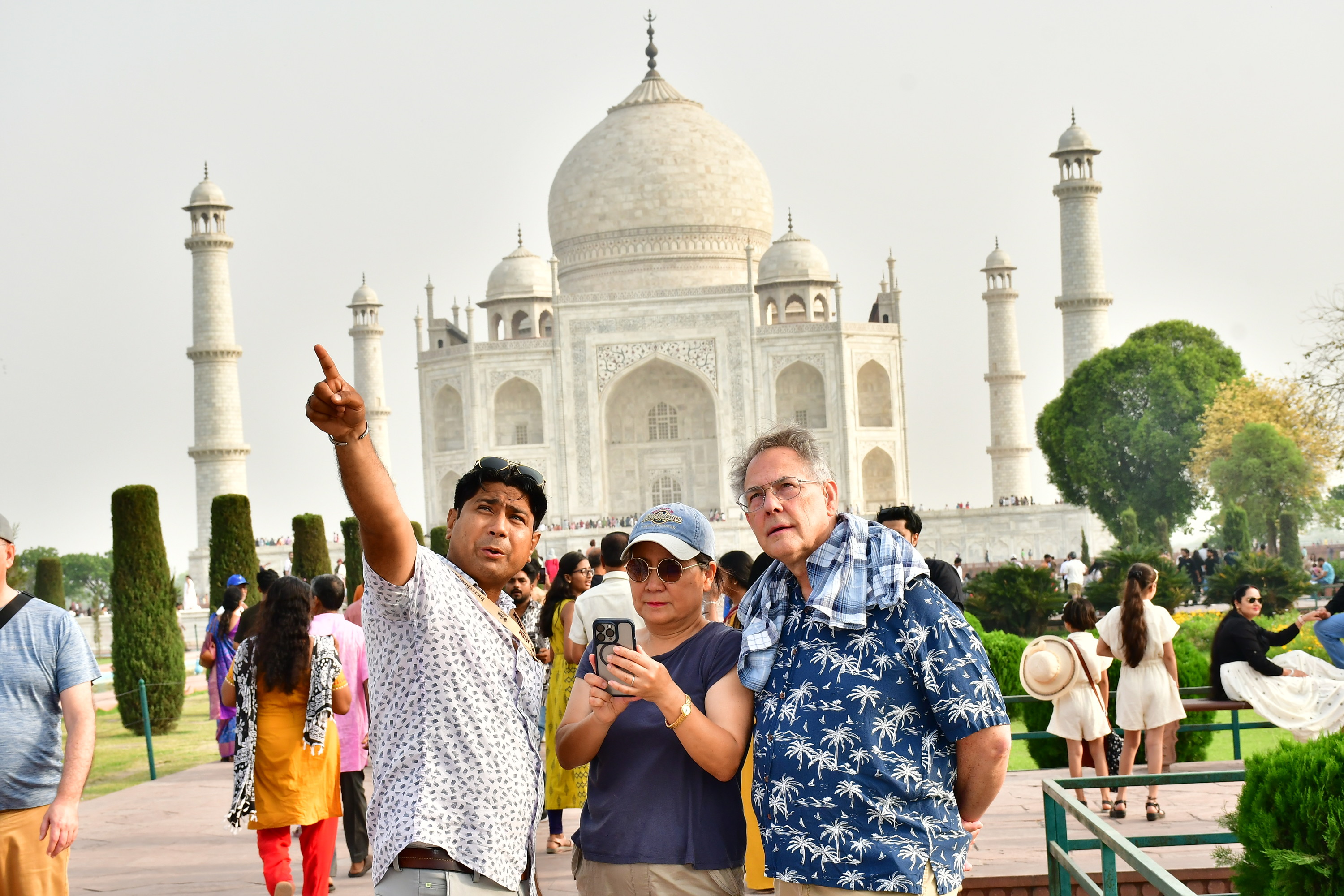
Our Local tour guide and A/c car will report to your hotel as per the pre decided timings. And he will take you straight to the Hindu crematorium just behind the Taj Mahal where you can see the cremation process after the death as per the Hindu way. This samshan ghat (Crematorium) is one of the oldest and popular crematorium very close to the Taj Mahal where nearly 50 people are cremated every day. You will have a culture shock by viewing the different atmosphere while people bring dead bodies on their shoulders and chanting the word ‘Ram Naam Satya hai (Lord Rama’s name is the eternal truth) and the body is fully decorated with colors and flowers. You can also visit few very old temples like Kaal Bhairav temple and Shiva temple on the banks of Yamuna River. Our local tour guide will describe you regarding the death ceremony and will help you while visiting these places.You can also see Taj Mahal from there and take beautiful pictures of Taj Mahal and Yamuna River. At the end of the tour we will drop you back to your hotel.
What's not included
Food and drinks
Gratuities
Available languages
Guide guide
EN
Important information
Not recommended for travelers with poor cardiovascular health
Suitable for all physical fitness levels
Meeting point
We will pick you from the hotel in Agra
About Agra
Agra, a historic city on the banks of the Yamuna River, is famous for the iconic Taj Mahal, a UNESCO World Heritage Site. This Mughal-era city is a treasure trove of architectural marvels, rich history, and vibrant culture, making it a must-visit destination in India.
Top Attractions
Taj Mahal
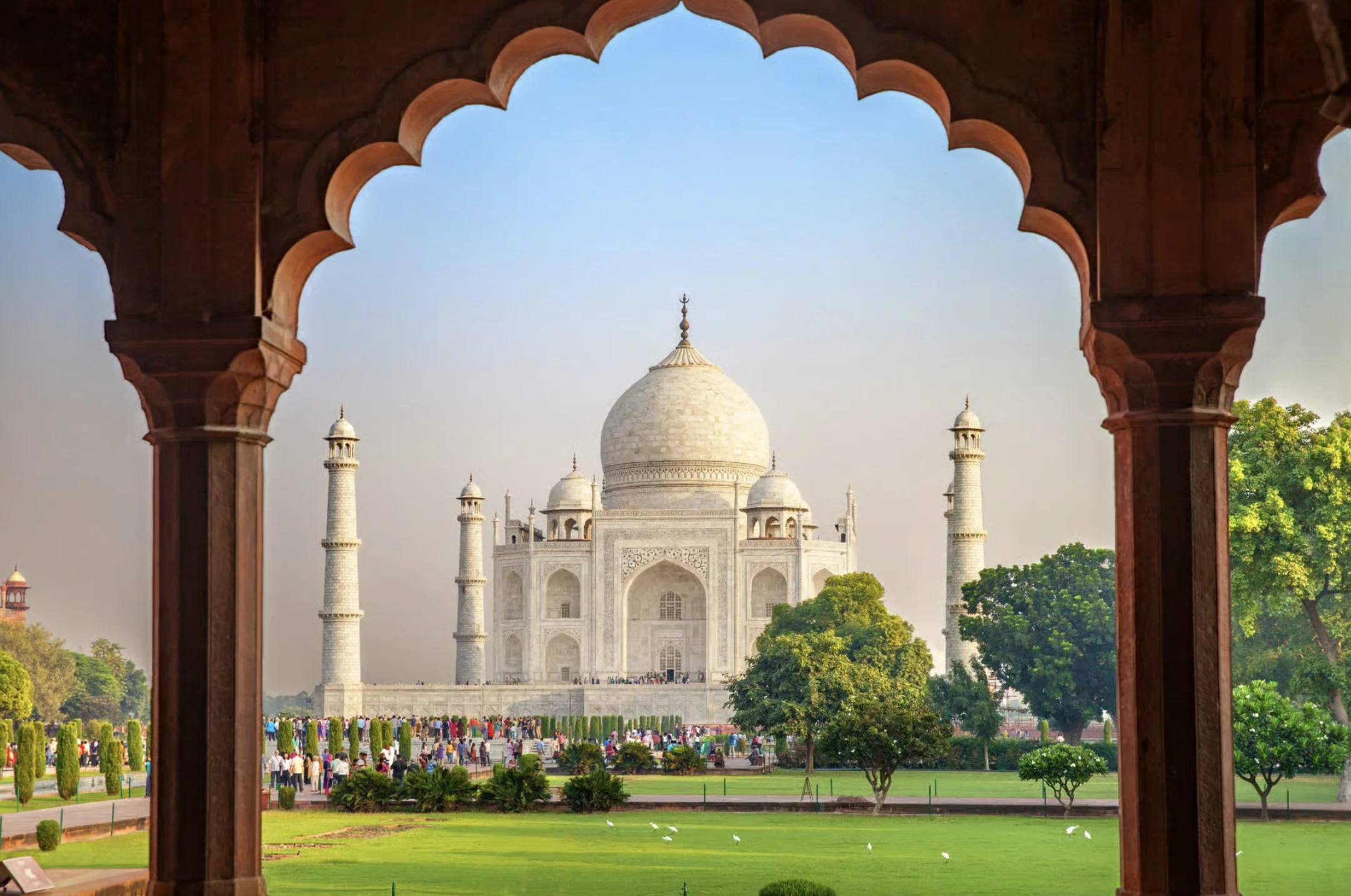
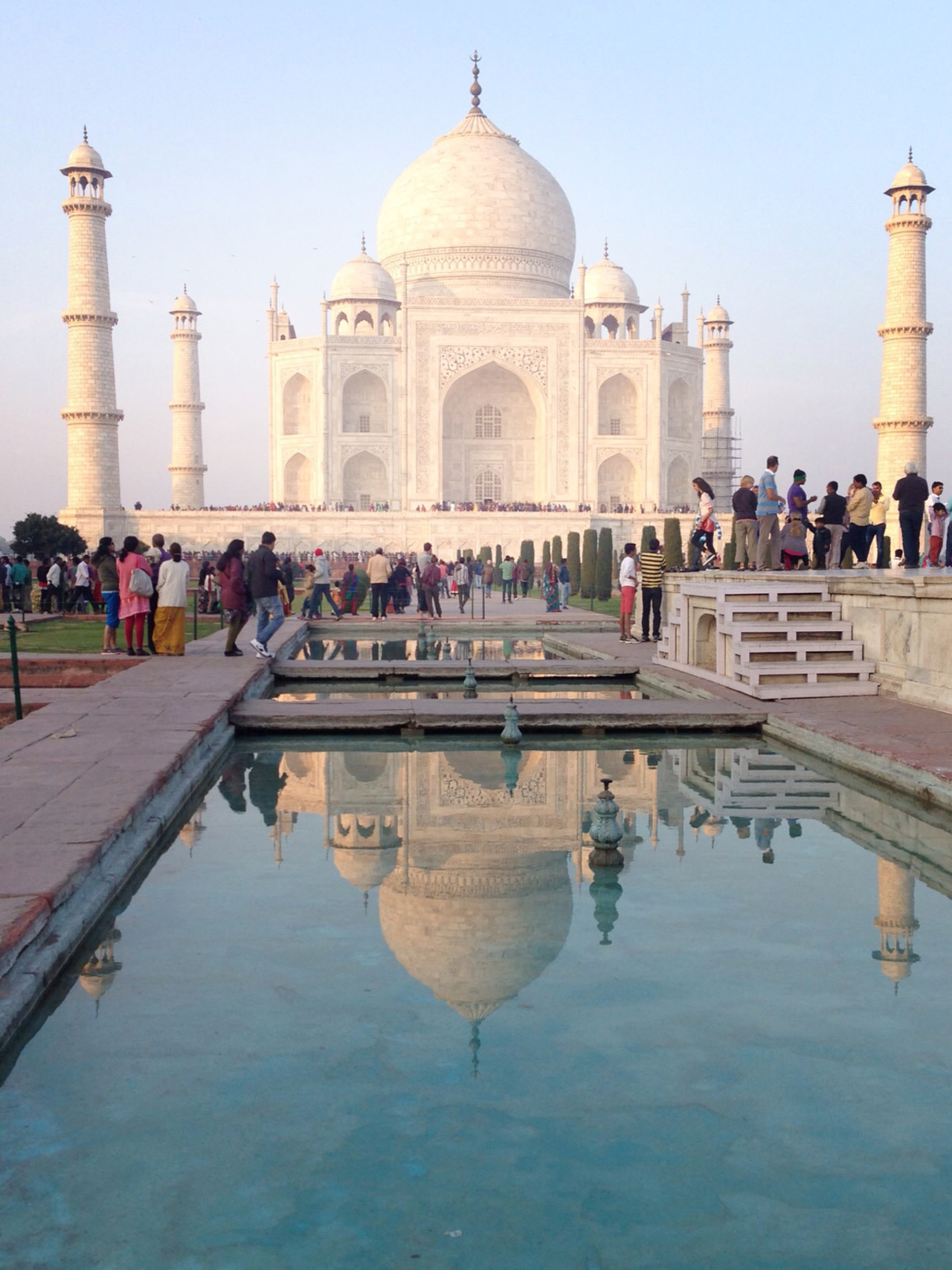
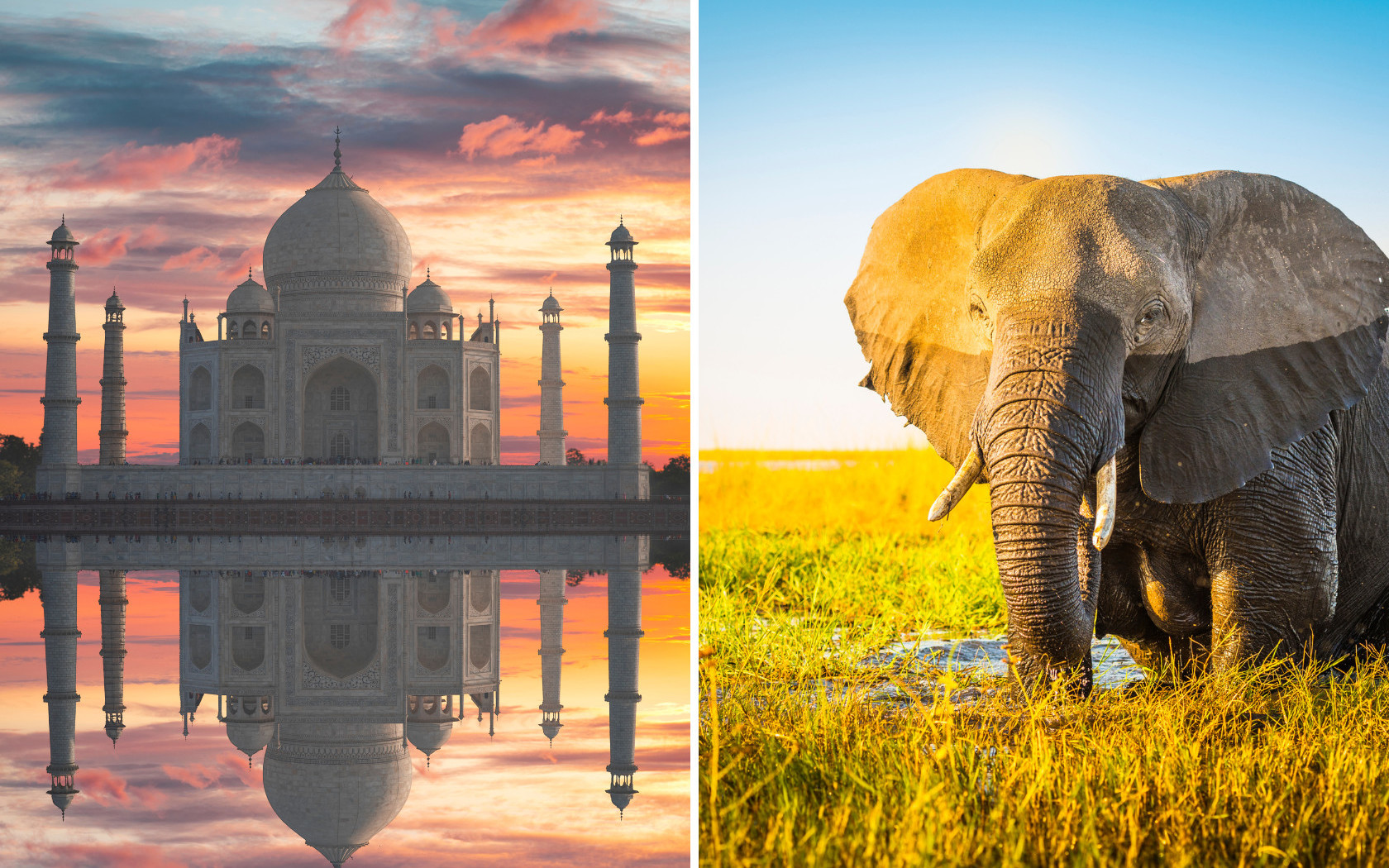
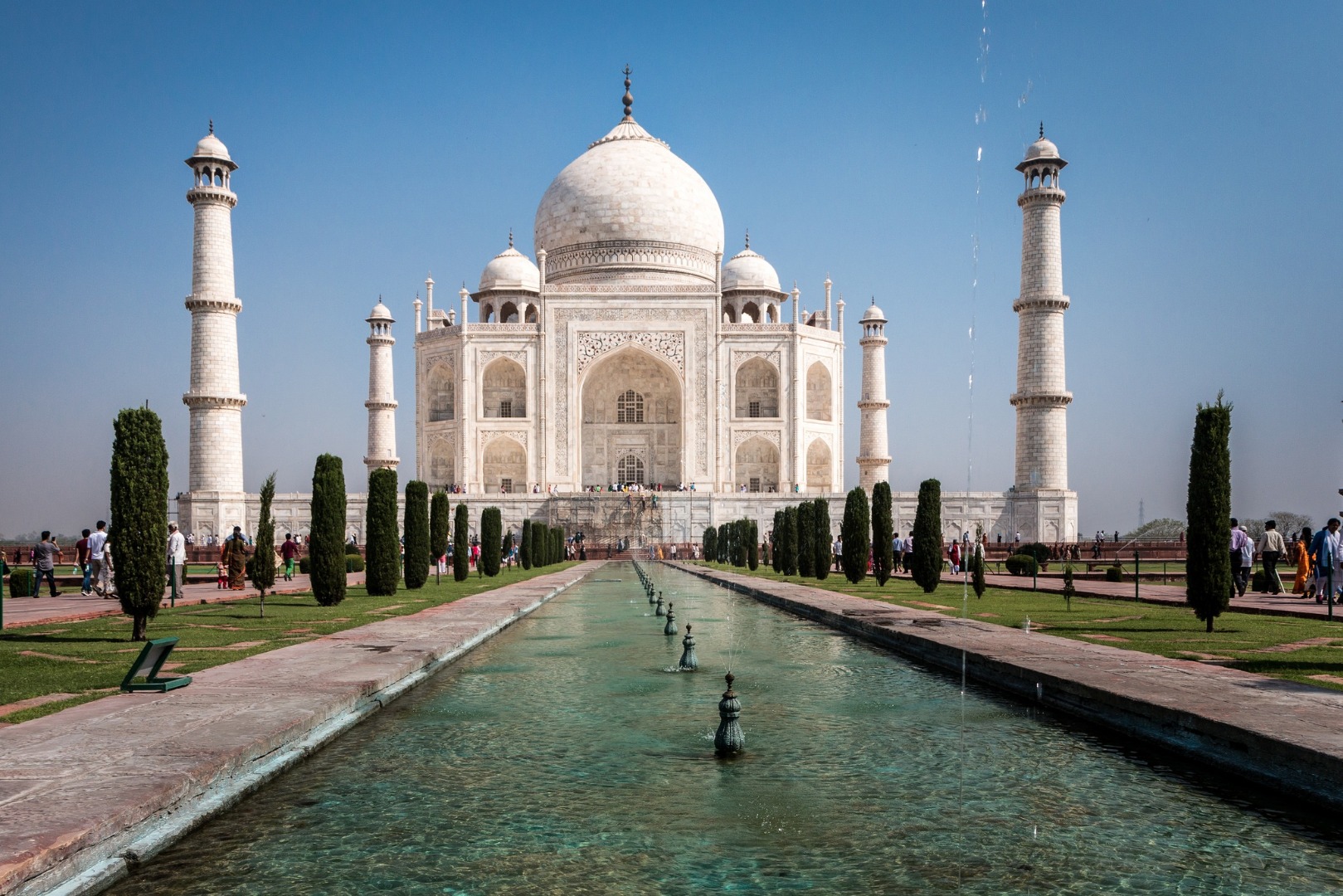
The Taj Mahal is a white marble mausoleum built by Mughal Emperor Shah Jahan in memory of his wife Mumtaz Mahal. It is a UNESCO World Heritage Site and one of the New Seven Wonders of the World.
Architecture
2-3 hours
INR 1300 (foreign tourists), INR 50 (Indian tourists)
Agra Fort
Agra Fort is a UNESCO World Heritage Site and a major Mughal-era military structure. It houses several palaces, mosques, and other buildings.
Historical
2-3 hours
INR 600 (foreign tourists), INR 50 (Indian tourists)
Fatehpur Sikri
Fatehpur Sikri is a UNESCO World Heritage Site and a ghost city built by Emperor Akbar. It features a mix of Mughal and Hindu architecture.
Historical
4-5 hours
INR 610 (foreign tourists), INR 550 (Indian tourists)
Itimad-ud-Daulah
Known as the 'Baby Taj', this mausoleum is a precursor to the Taj Mahal and features beautiful marble inlay work.
Architecture
1-2 hours
INR 400 (foreign tourists), INR 40 (Indian tourists)
Mehtab Bagh
Mehtab Bagh is a beautiful garden complex with views of the Taj Mahal. It is a great spot for photography and relaxation.
Nature
1-2 hours
Free
Must-Try Local Dishes
Petha
A sweet candy made from ash gourd, a specialty of Agra.
Snack
Vegetarian, Vegan
Mughlai Cuisine
Rich and flavorful dishes like biryani, kebabs, and curries.
Dinner
Contains meat, vegetarian options available
Bedai
A deep-fried bread stuffed with spiced lentils, served with potato curry.
Breakfast
Vegetarian
Dalmoth
A savory snack made from lentils, spices, and nuts.
Snack
Vegetarian, Vegan
Popular Activities
Hot air balloon ride over the Taj Mahal
Cycling tours around Agra
Yoga and meditation sessions
Spa and wellness treatments
Visiting historical monuments and museums
Attending local festivals and events
Boat ride on the Yamuna River
Visiting during the winter festival
Best Time to Visit
October to March
The best time to visit Agra is during the winter months when the weather is pleasant and cool. This is the peak tourist season with clear skies and comfortable temperatures.
15°C to 30°C
59°F to 86°F
Practical Information
Language
- Official: Hindi
- Widely spoken: English, Urdu
- English: Moderately spoken in tourist areas, limited in rural areas
Currency
Indian Rupee (INR)
Time Zone
GMT+5:30
Electricity
230VV, 50HzHz
Safety Information
Overall Safety Rating: Generally safe, but exercise caution
Agra is generally safe for tourists, but petty crimes like pickpocketing and scams can occur. Be cautious of your surroundings and take necessary precautions.
Important Precautions:
- • Use reputable taxi services and agree on the fare before starting the journey.
- • Be cautious of strangers offering unsolicited help or services.
- • Keep valuables secure and be aware of your surroundings in crowded areas.
Getting there
By air
- Pandit Deen Dayal Upadhyay Airport • 12 km from city center
By train
Agra Cantt, Agra Fort
By bus
Idgah Bus Stand, Taj Express Highway Bus Stand
Getting around
Public transport
Buses are the most common and affordable mode of transport. Routes cover most parts of the city.
Taxis
Available • Apps: Ola, Uber
Rentals
Car, Bike, Scooter
Neighborhoods
Tajganj
Kinchwal Bagh
Ramlila Ground
Day trips
Fatehpur Sikri
40 km from Agra • Half day to full day
A UNESCO World Heritage Site and a ghost city built by Emperor Akbar. It features a mix of Mughal and Hindu architecture.
Mathura and Vrindavan
55 km from Agra • Full day
Mathura and Vrindavan are important religious sites for Hindus, associated with the birth and childhood of Lord Krishna.
Bharatpur Bird Sanctuary
55 km from Agra • Full day
A UNESCO World Heritage Site and a haven for birdwatchers, featuring a variety of bird species and wildlife.
Festivals
Taj Mahotsav • February
Ram Navami • March or April (varies by lunar calendar)
Diwali • October or November (varies by lunar calendar)
Pro tips
- Visit the Taj Mahal at sunrise to avoid crowds and experience the magical lighting.
- Hire a local guide for a deeper understanding of Agra's history and culture.
- Try local street food like petha, bedai, and chaat for an authentic culinary experience.
- Carry a hat, sunscreen, and a reusable water bottle, especially during the hot summer months.
- Learn a few basic Hindi phrases to enhance your interaction with locals and show respect for their culture.
From $25
per person
Price varies by option
Secure booking
Free cancellation available
Instant confirmation