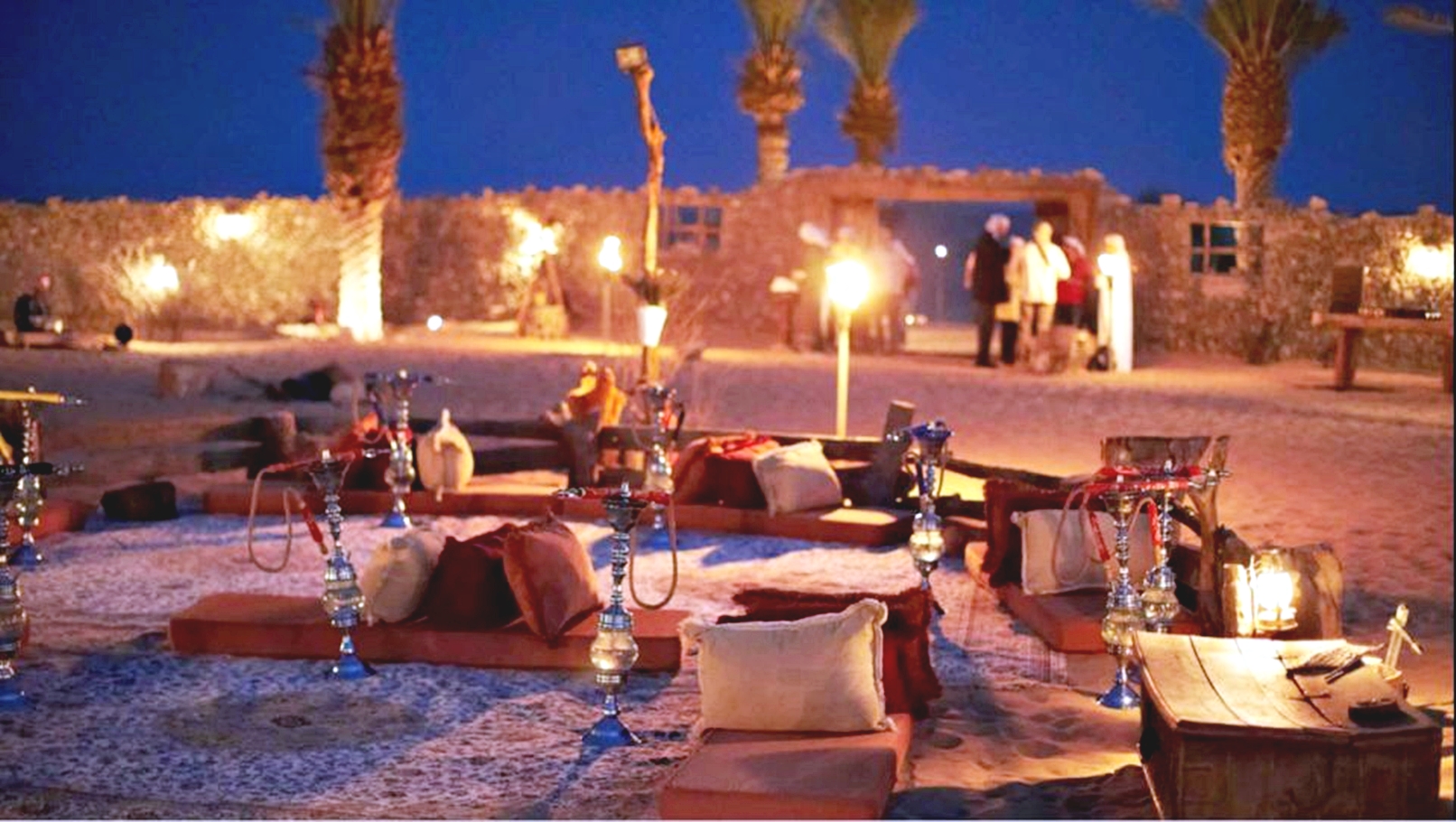
Safari Trip in Hurghada
Active
12h - 14h
For a full refund, cancel at least 24 hours before the scheduled departure time.
Instant confirmation
Mobile or paper ticket accepted
About this experience
Visit Luxor’s UNESCO World Heritage Sites on a full-day, private tour from Hurghada featuring five major ancient landmarks. Early-morning departure from Hurghada ensures time to explore places on the East and West Bank of the Nile River. See Valley of the Kings, the Temple of Hatshepsut (at Deir el-Bahari), and the Colossi of Memnon on the East Bank, then continue to the West Bank for tours of Luxor Temple and Karnak Temple.
Tour Luxor with a private guide for more personal service
Hotel pickup and drop-off from Hurghada
Private day trip to Luxor from Hurghada with a qualified Egyptologist
Available options
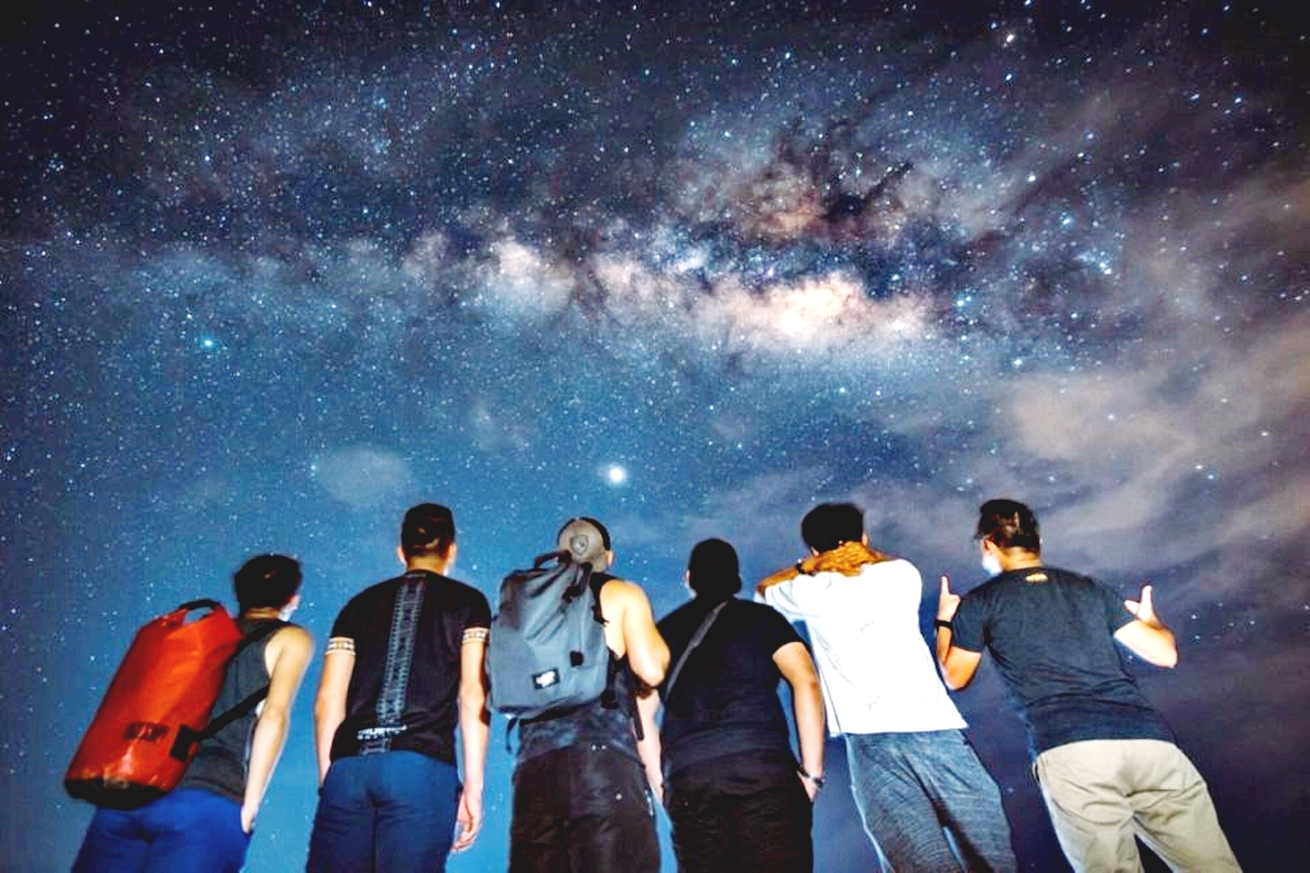
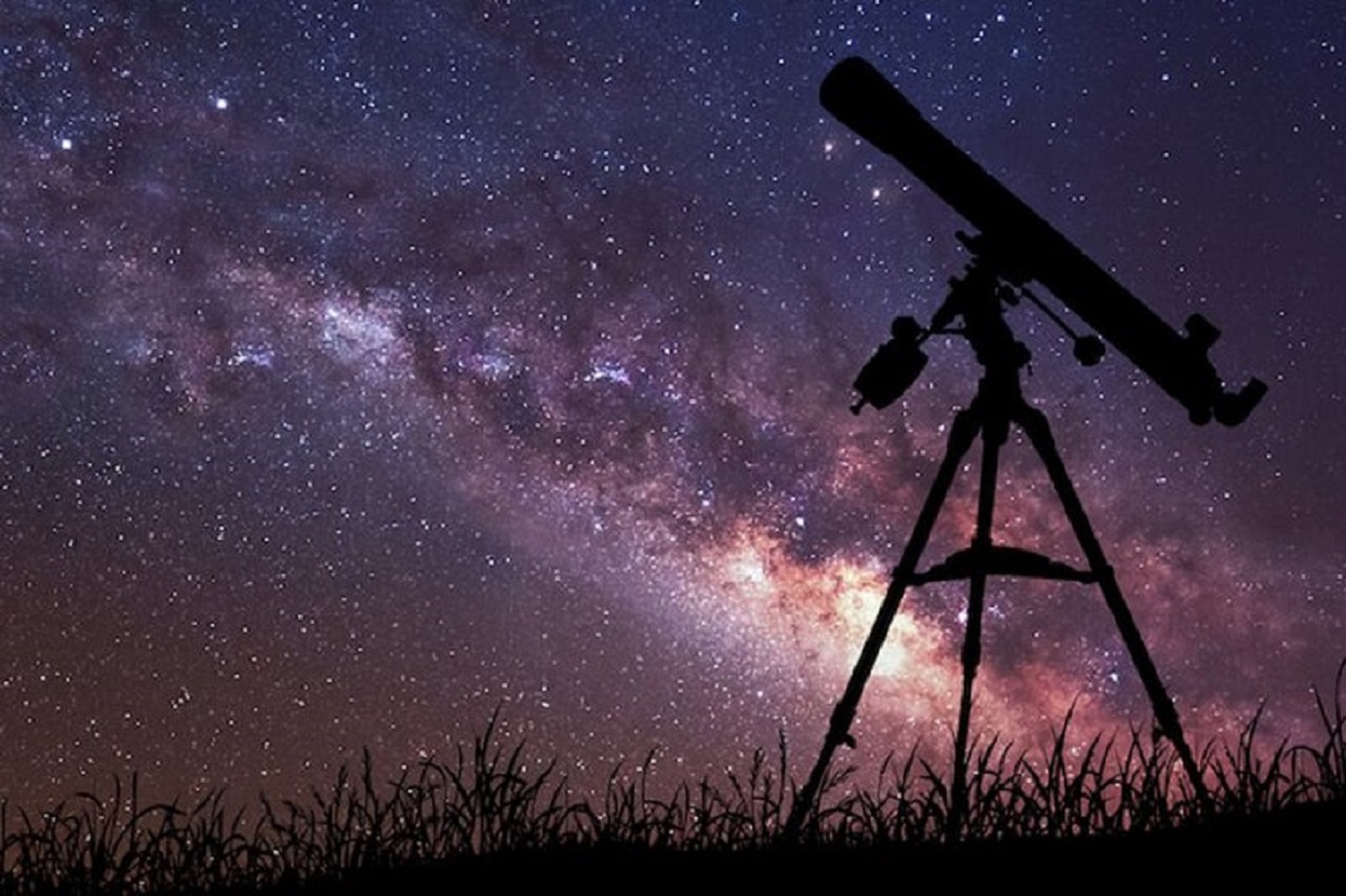
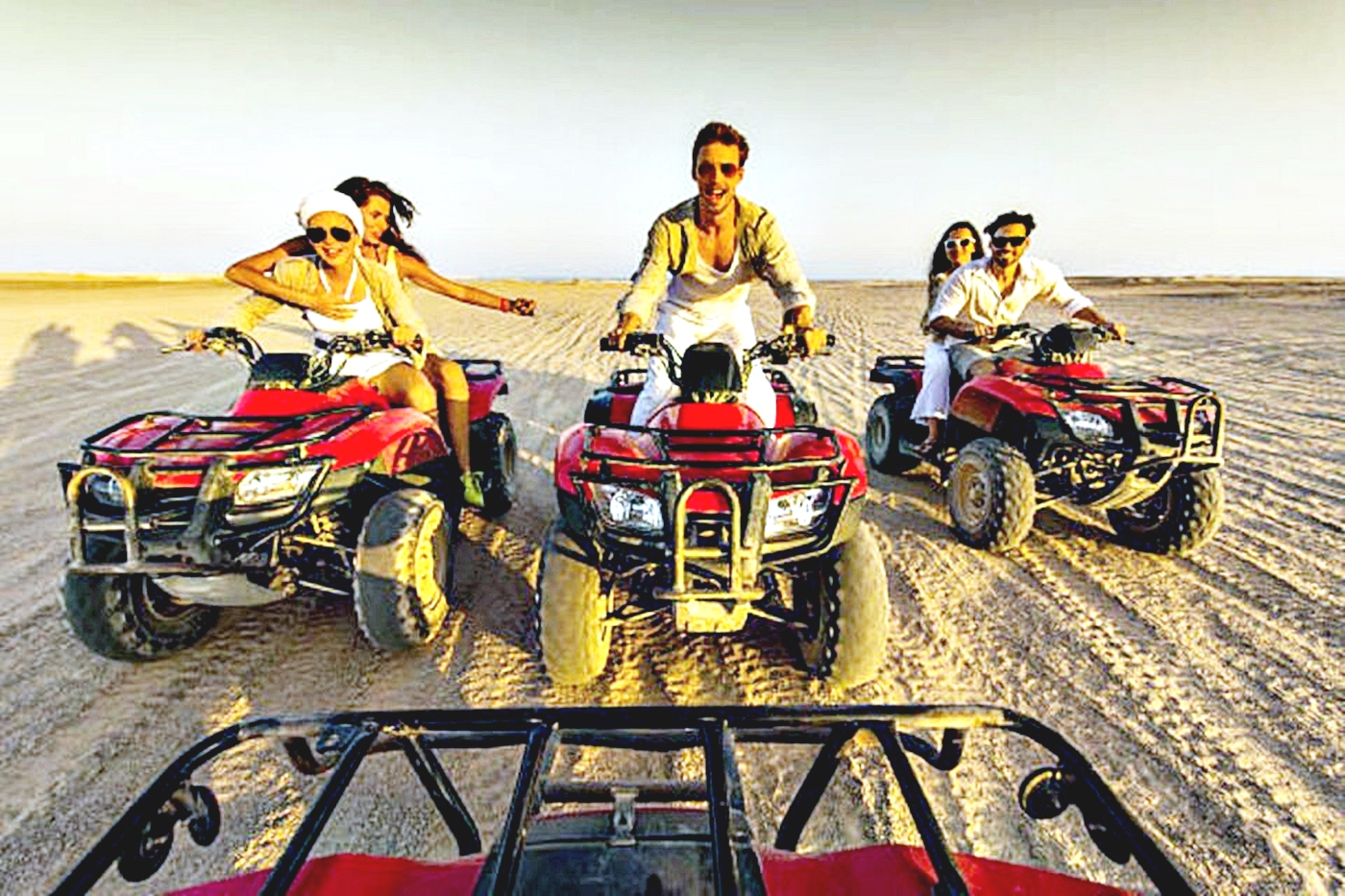
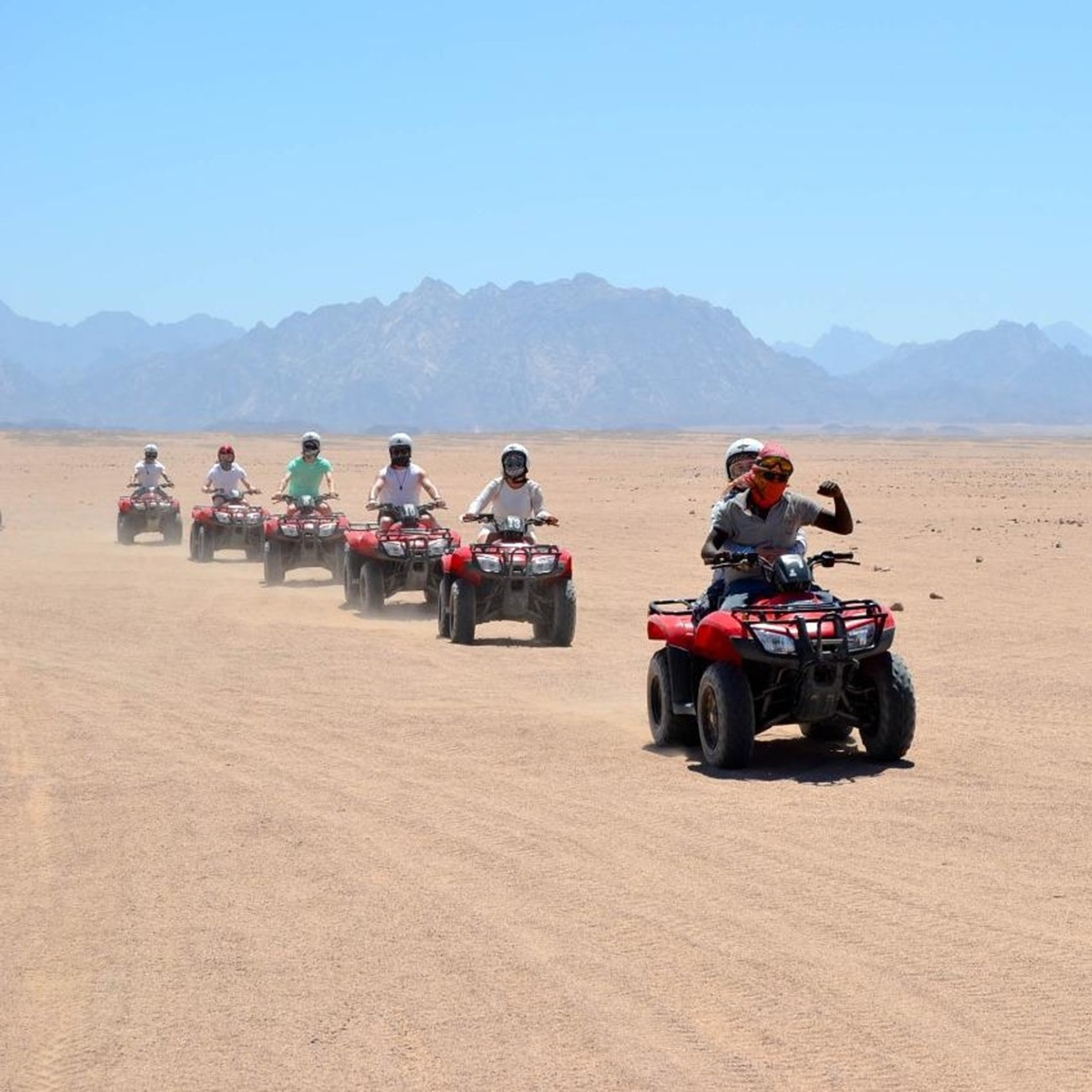
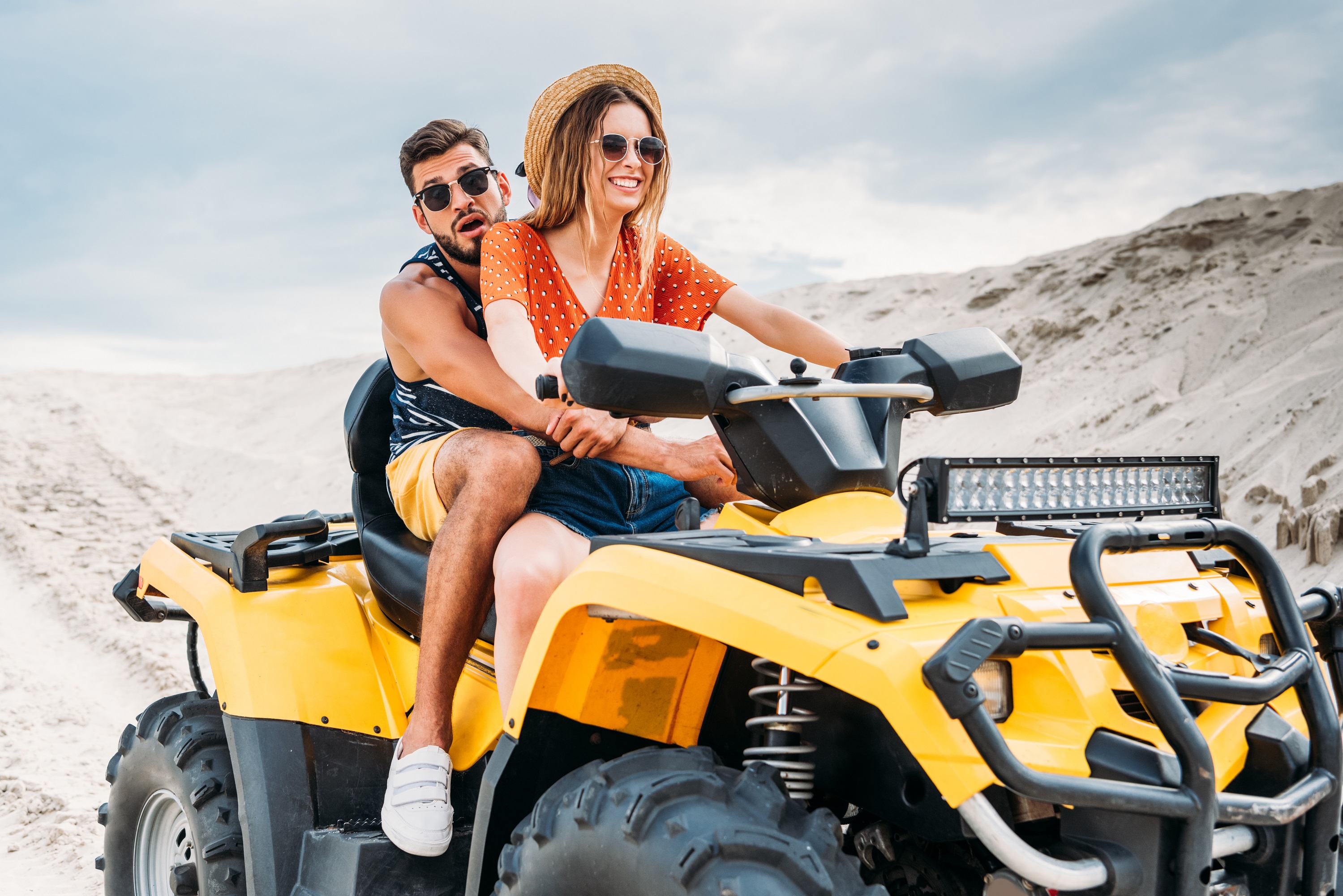
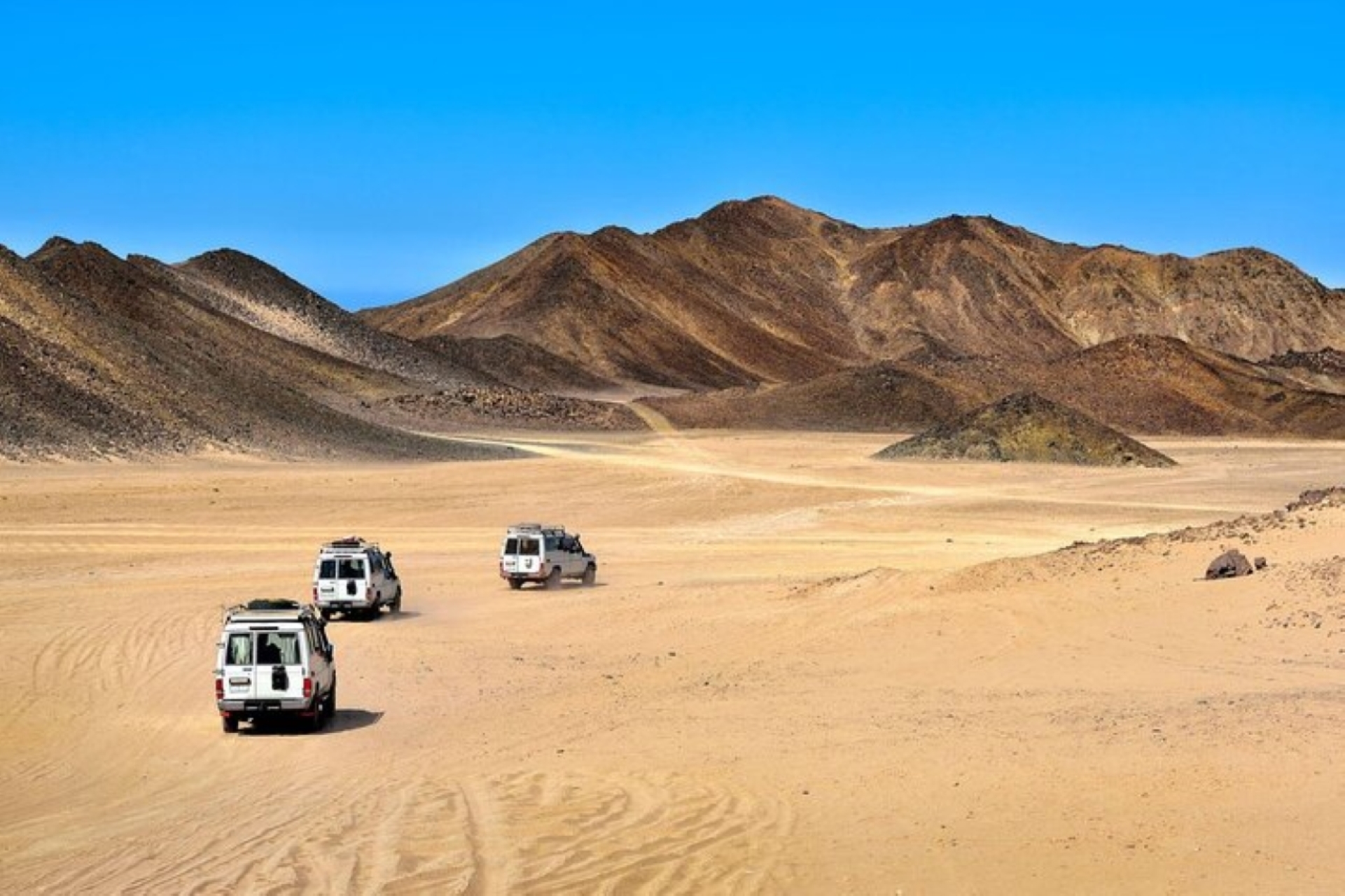
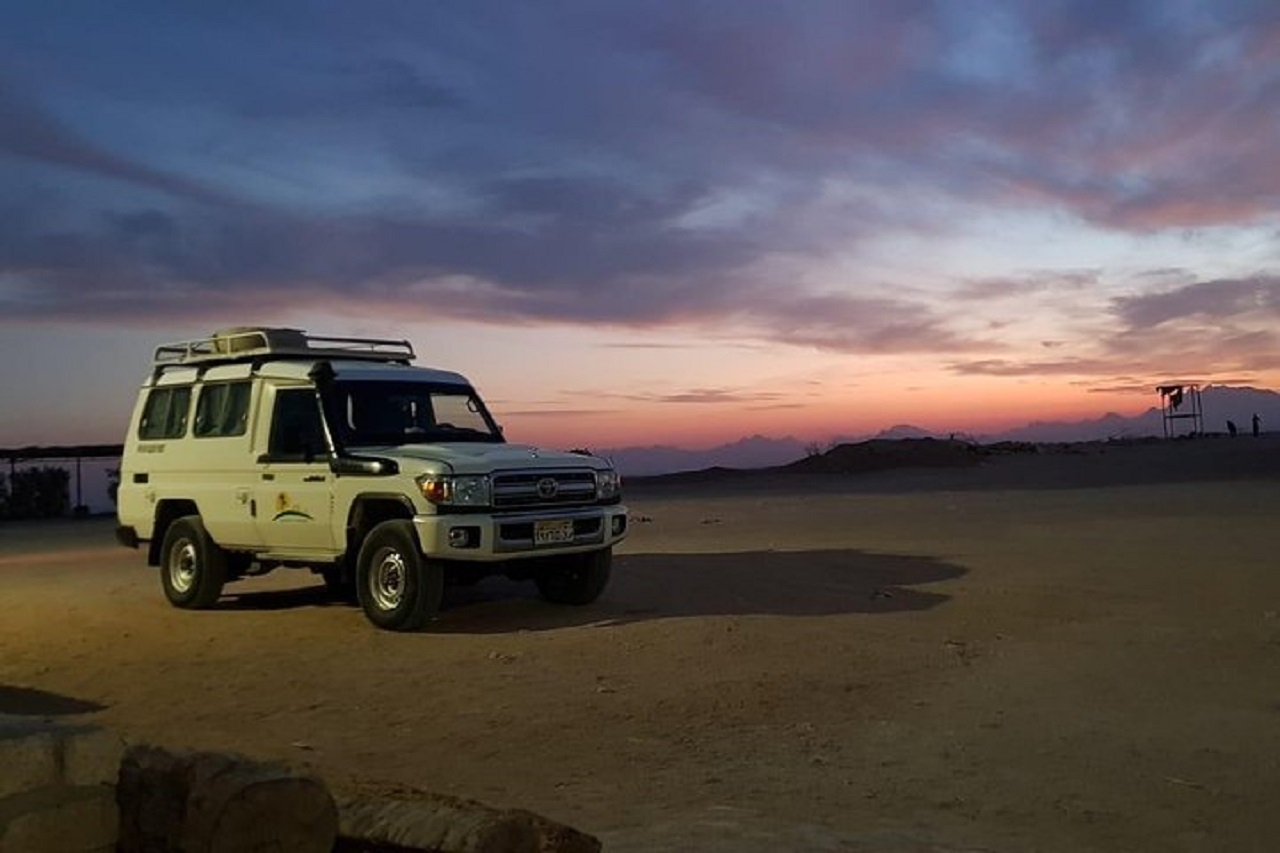
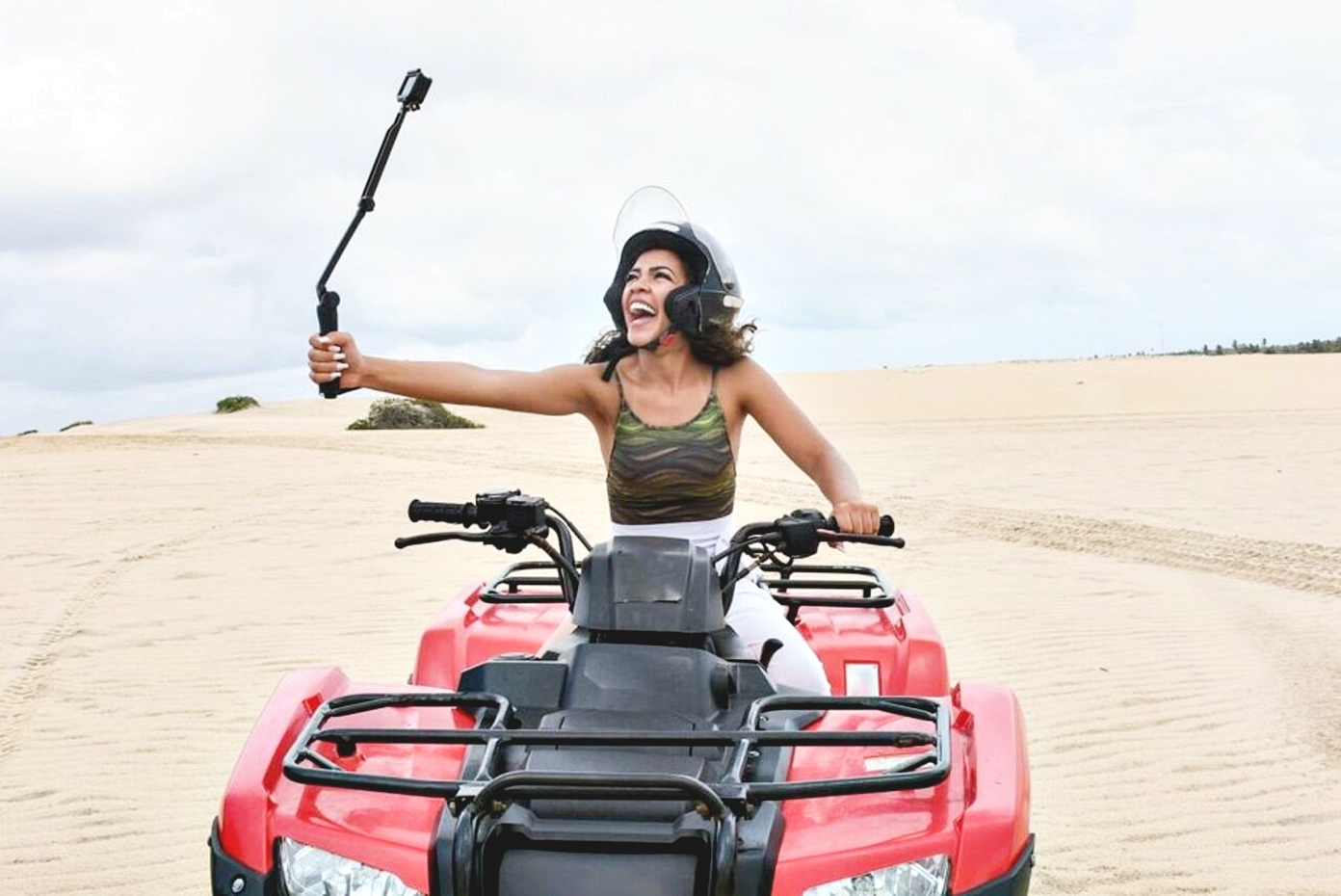
safari trip
Pickup included
What's included
Private Qualification Egyptology Tour Guide
Pick up service from your hotel in hurghada and return
All transfers by a private air-conditioned car
All service charges & taxes
Detailed itinerary
1
Stop 1
The Karnak Temple Complex, commonly known as Karnak, comprises a vast mix of decayed temples, chapels, pylons, and other buildings near Luxor, in Egypt. Construction at the complex began during the reign of Senusret I in the Middle Kingdom and continued into the Ptolemaic period, although most of the extant buildings date from the New Kingdom. The area around Karnak was the ancient Egyptian Ipet-isut ("The Most Selected of Places") and the main place of worship of the eighteenth dynasty Theban Triad with the god Amun as its head. It is part of the monumental city of Thebes. The Karnak complex gives its name to the nearby, and partly surrounded, modern village of El-Karnak, 2.5 kilometres (1.6 miles) north of Luxor.
2
Stop 2
Luxor Temple (Arabic: معبد الاقصر) is a large Ancient Egyptian temple complex located on the east bank of the Nile River in the city today known as Luxor (ancient Thebes) and was constructed approximately 1400 BCE. In the Egyptian language it is known as ipet resyt, "the southern sanctuary". In Luxor there are several great temples on the east and west banks. Four of the major mortuary temples visited by early travelers and tourists include the Temple of Seti I at Gurnah, the Temple of Hatshepsut at Deir el Bahri, the Temple of Ramesses II (a.k.a. Ramesseum), and the Temple of Ramesses III at Medinet Habu; the two primary cults temples on the east bank are known as the Karnak and Luxor. Unlike the other temples in Thebes, Luxor temple is not dedicated to a cult god or a deified version of the pharaoh in death. Instead Luxor temple is dedicated to the rejuvenation of kingship.
3
Stop 3
The Colossi of Memnon (Arabic: el-Colossat or es-Salamat) are two massive stone statues of the Pharaoh Amenhotep III, who reigned in Egypt during the Dynasty XVIII. Since 1350 BCE, they have stood in the Theban Necropolis, located west of the River Nile from the modern city of Luxor.
4
Stop 4
The Valley of the Kings, also known as the Valley of the Gates of the Kings (Arabic: وادي ابواب المملوك Wādī Abwāb al Mulūk), is a valley in Egypt where, for a period of nearly 500 years from the 16th to 11th century BC, rock cut tombs were excavated for the pharaohs and powerful nobles of the New Kingdom (the Eighteenth to the Twentieth Dynasties of Ancient Egypt).
5
Stop 5
The Mortuary Temple of Hatshepsut, also known as the Djeser-Djeseru (Ancient Egyptian: ḏsr ḏsrw "Holy of Holies"), is a mortuary temple of Ancient Egypt located in Upper Egypt. Built for the Eighteenth Dynasty pharaoh Hatshepsut, it is located beneath the cliffs at Deir el-Bahari on the west bank of the Nile near the Valley of the Kings. This mortuary temple is dedicated to Amun and Hatshepsut and is situated next to the mortuary temple of Mentuhotep II, which served both as an inspiration and later, a quarry. It is considered one of the "incomparable monuments of ancient Egypt.
What's not included
Tipping
Entrance Fees
Available languages
Guide guide
AR
DE
RU
PT
UK
EN
IT
FR
ES
Reviews breakdown
Tripadvisor
5.0
1 reviews
5★
1
4★
0
3★
0
2★
0
1★
0
Important information
Infants and small children can ride in a pram or stroller
Infants are required to sit on an adult’s lap
Suitable for all physical fitness levels
About Hurghada
Hurghada is a vibrant coastal city on the Red Sea known for its stunning beaches, world-class diving, and lively nightlife. It's a popular destination for water sports, relaxation, and exploring the rich marine life of the Red Sea.
Top Attractions
Giftun Islands
A group of islands known for their pristine beaches, clear waters, and excellent snorkeling opportunities. The islands are part of a protected marine park.
Nature/Beach
Full day
Moderate
Hurghada Marina
A vibrant area with restaurants, cafes, and shops. It's a great place to stroll, dine, and enjoy the marina views.
Entertainment/Shopping
A few hours
Free to explore
Red Sea Divers Association
A renowned diving center offering courses and excursions for divers of all levels. The Red Sea is famous for its coral reefs and diverse marine life.
Adventure
Half day to full day
Moderate to Expensive
Must-Try Local Dishes
Ful Medames
A traditional dish made from mashed fava beans, often served with olive oil, lemon, and spices.
Breakfast
Vegetarian
Grilled Seafood
Freshly caught seafood grilled to perfection, often served with rice or salads.
Dinner
Contains seafood
Popular Activities
Scuba diving
Snorkeling
Desert safaris
Beach relaxation
Spa treatments
Visiting historical sites
Exploring local markets
Boat tours
Best Time to Visit
October to April
The peak season offers pleasant weather with warm days and cool nights, perfect for beach activities and water sports. The city is lively with many tourists.
20°C to 30°C
68°F to 86°F
Practical Information
Language
- Official: Arabic
- Widely spoken: English, Russian
- English: Moderately spoken
Currency
Egyptian Pound (EGP)
Time Zone
EET (GMT+2)
Electricity
220VV, 50HzHz
Safety Information
Overall Safety Rating: Generally safe
Hurghada is generally safe for tourists, but standard precautions should be taken to avoid petty crime and scams.
Important Precautions:
- • Use reputable tour operators
- • Be cautious with street vendors
- • Keep valuables secure
Getting there
By air
- Hurghada International Airport • 10 km from city center
By bus
Hurghada Bus Station
Getting around
Public transport
Affordable and widely used, but can be crowded. Routes cover most of the city and nearby areas.
Taxis
Available • Apps: Uber, Careem
Rentals
Car, Bike, Scooter
Neighborhoods
El Dahar
Sahl Hasheesh
Day trips
Luxor
450 km • Full day
Home to ancient Egyptian monuments, including the Valley of the Kings and Karnak Temple.
Sinai Mountains
300 km • Overnight
Offers stunning landscapes and hiking opportunities, including Mount Sinai.
Festivals
Hurghada International Diving Festival • Annual, typically in June
Pro tips
- Visit the Giftun Islands for the best snorkeling
- Try local street food for an authentic experience
- Learn basic Arabic phrases to enhance interactions
- Use sun protection at all times due to intense sun
- Book diving tours in advance for popular sites
From $25
per person
Price varies by option
Secure booking
Free cancellation available
Instant confirmation