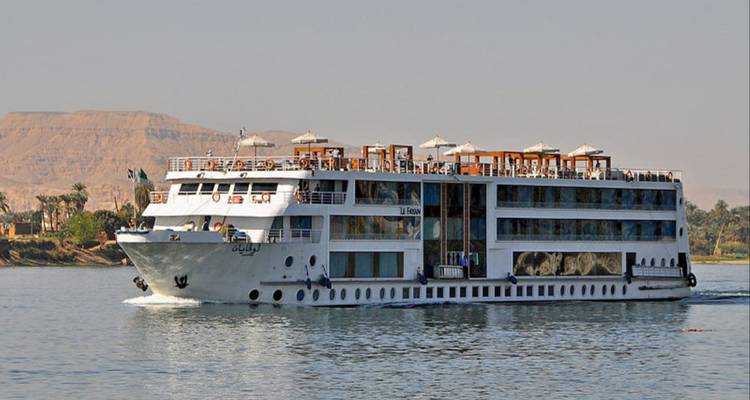
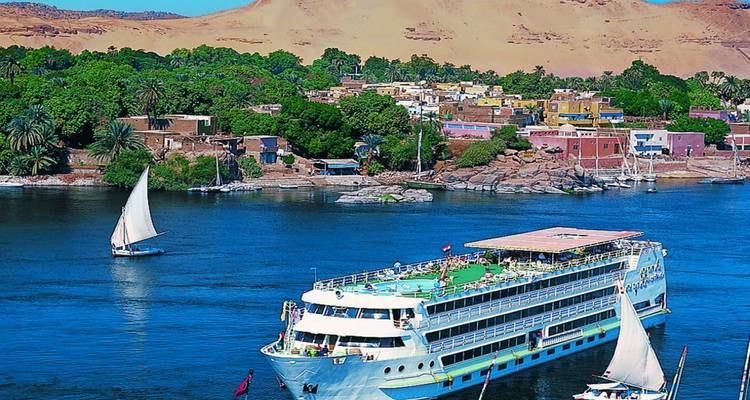
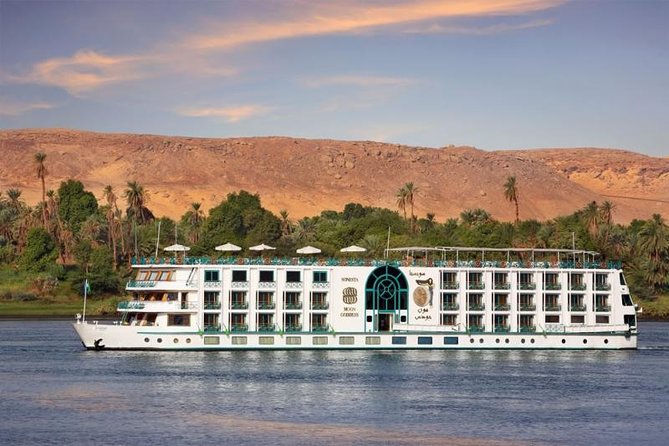
Egypt Nile Cruise Packages 03 nights from Aswan to Luxor
Active
4d
For a full refund, cancel at least 24 hours before the scheduled departure time.
Instant confirmation
Mobile or paper ticket accepted
About this experience
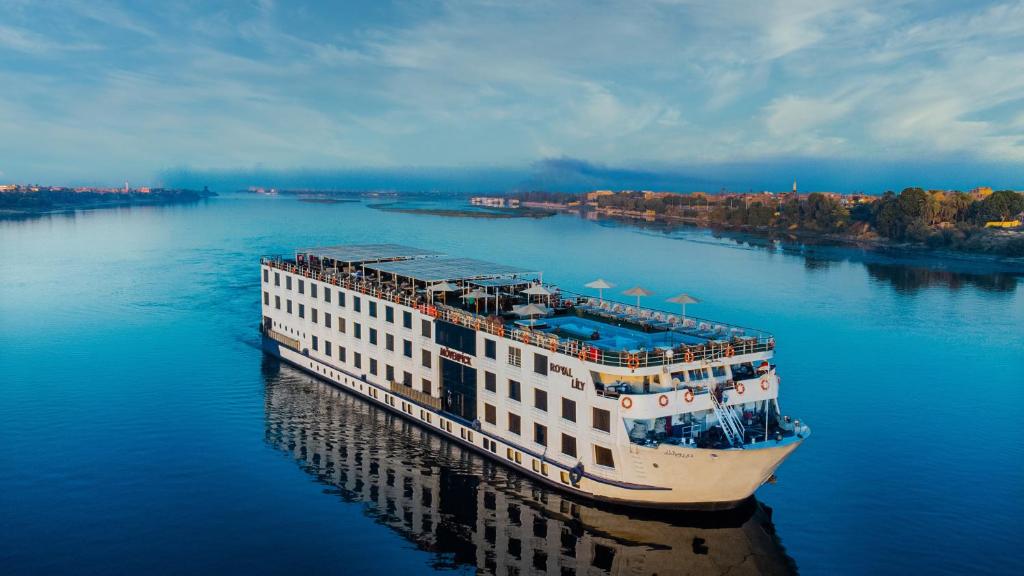
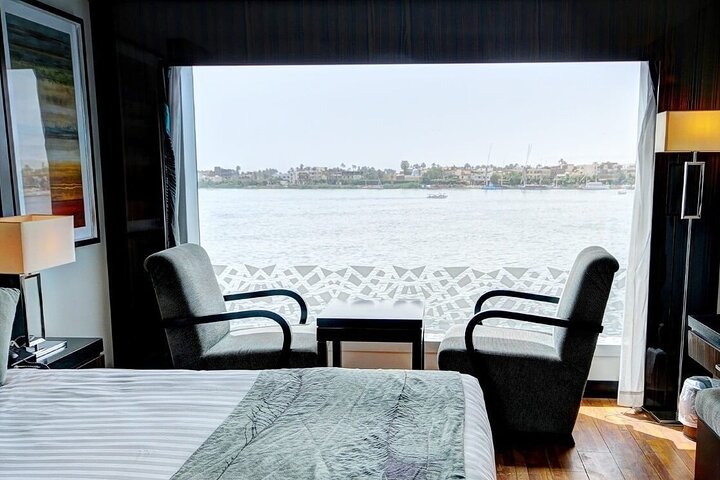
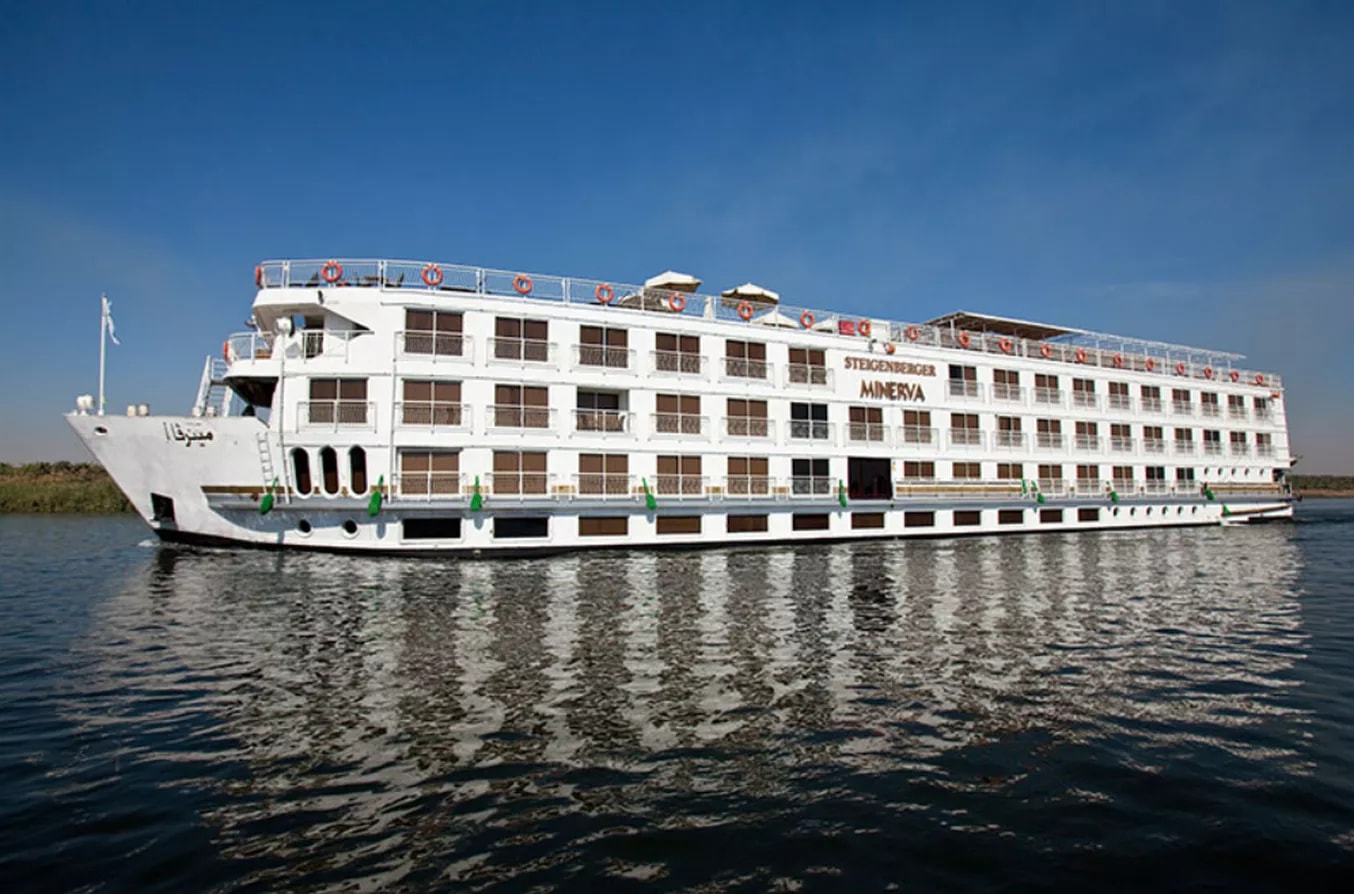
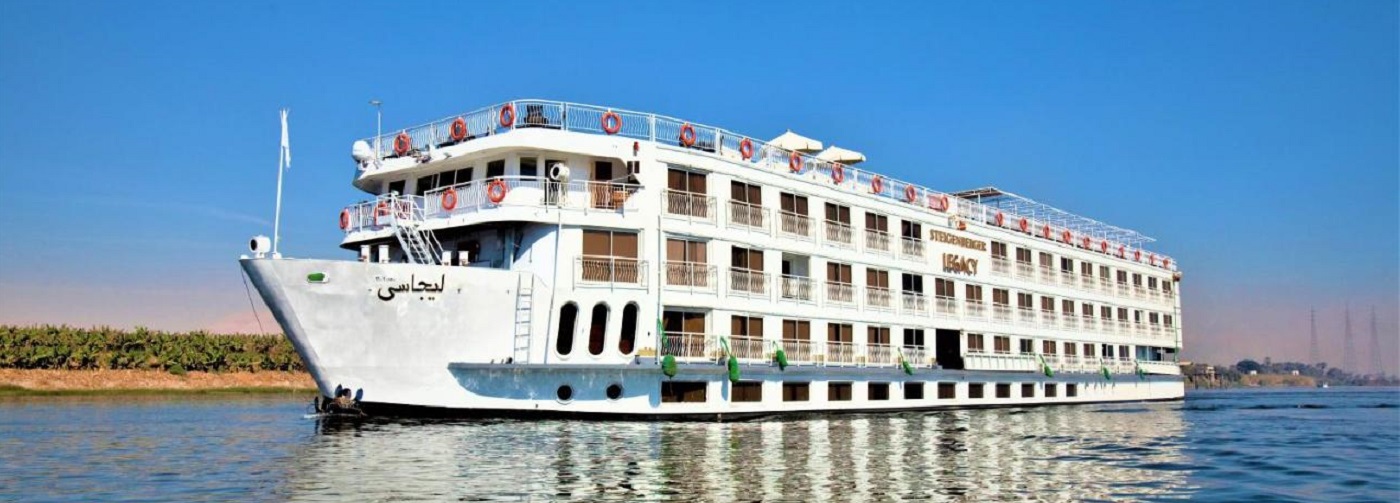
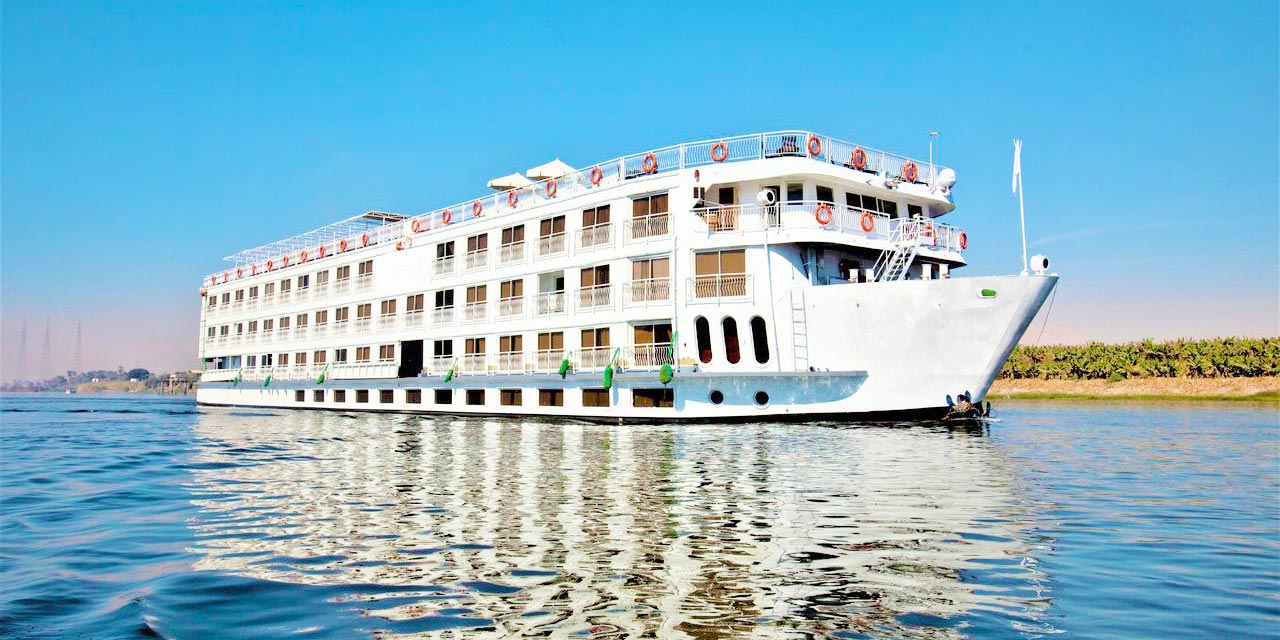
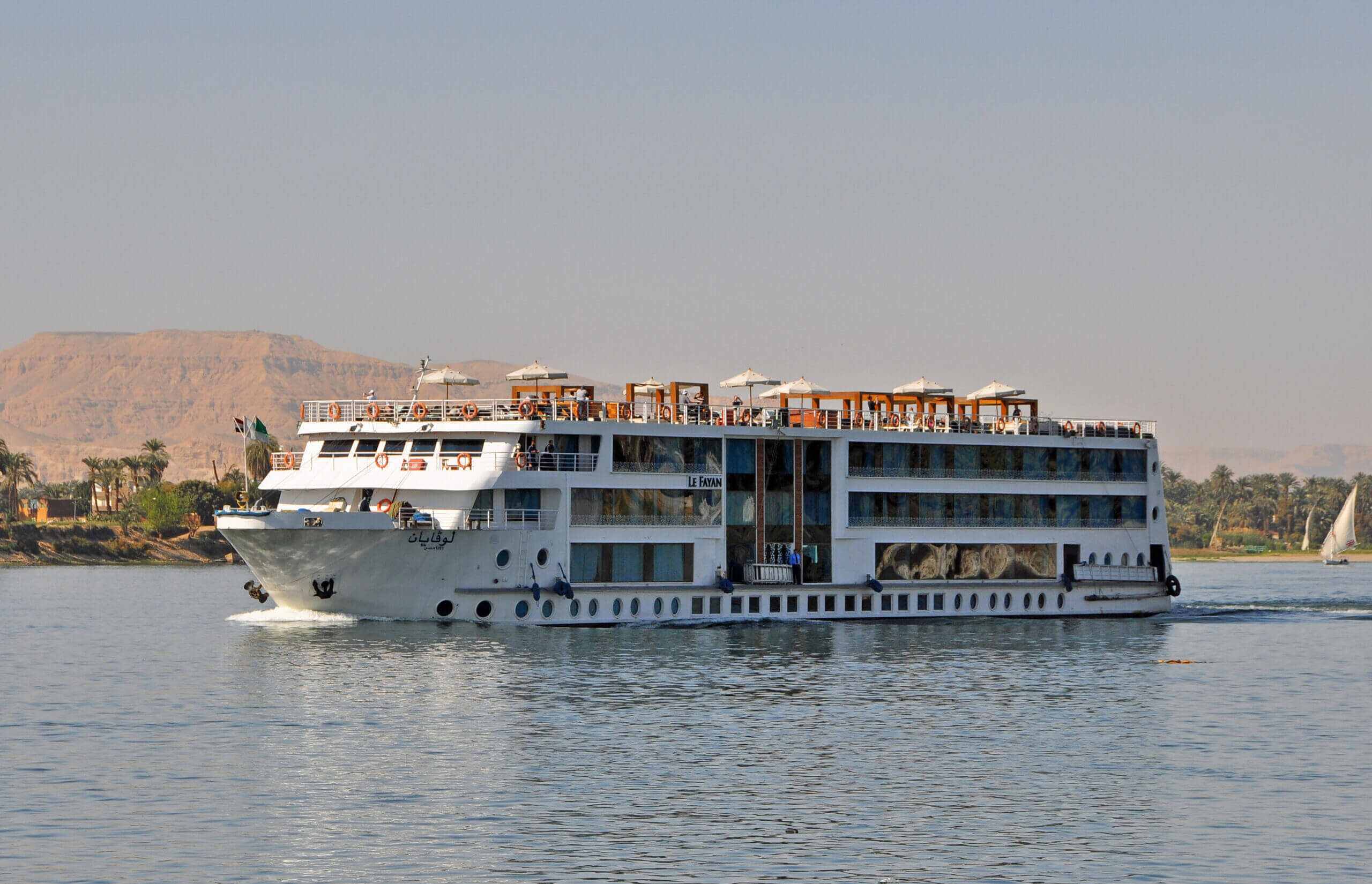
Sail the magical Nile on board of a motor ship with all modern fascilities of accommodation
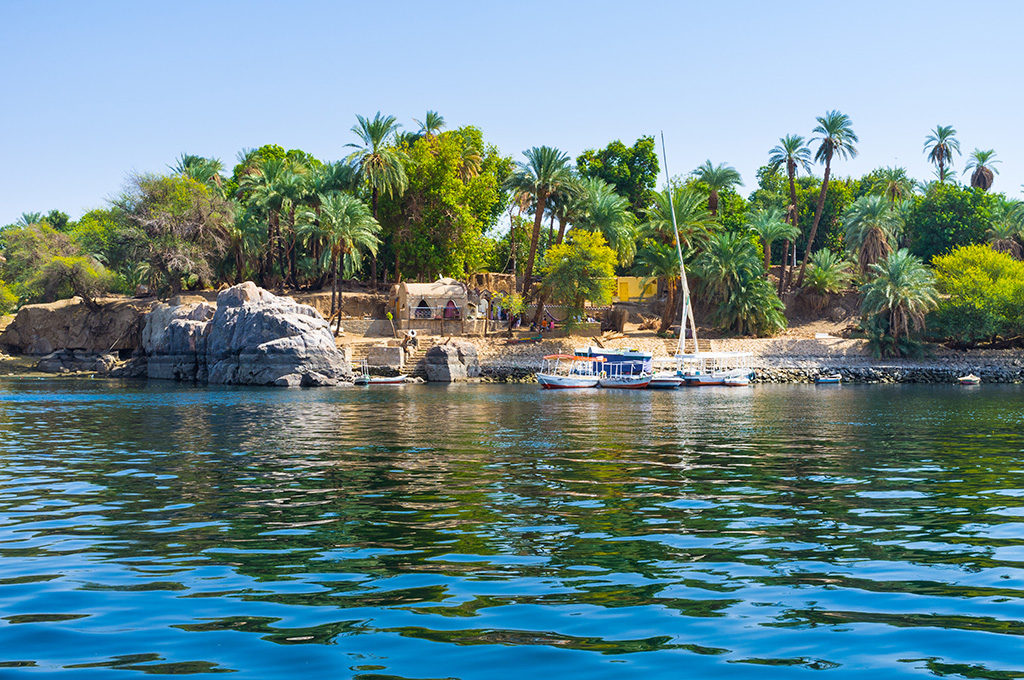
Best way to explore the Nile and monuments scattered around it is through 3 nights Nile Cruise between Luxor and Aswan. The three nights Nile Cruise starts in Aswan and takes you into a magical tour to visit ancient Egyptian monuments embraced by the Egyptian country side. The view on the Nile River banks is outstanding with sightseeing which are breath taking. Aswan luxor Nile Cruise allows you to see Aswan, Kom Ombo, and Luxor East and West Banks
Available options
Egypt Nile Cruise Packages 03 nights from Aswan to Luxor
Pickup included
What's included
Private English speaking Egyptologist guides as per the itinerary.
Accommodation for 03 nights on a 5-star Nile Cruise ship, full board.
Entrance fees for all sightseeing.
All transfers as per the above-mentioned program.
Detailed itinerary
1
Stop 1
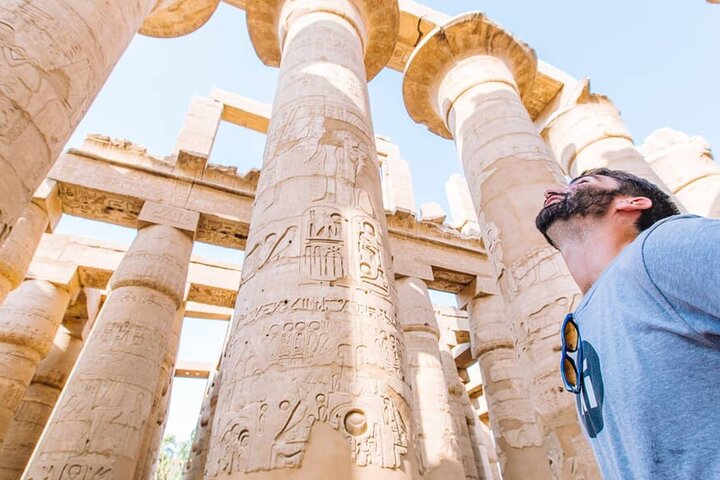
Karnak Temple
Built over two millennia between the years of around 2200 and 360 BCE, Karnak is a massive Ancient Egyptian temple complex that was one of the country's most important places of worship under the rules of Hatshepsut, Seti I, Ramesses II and Ramesses III. As well as the dominating Temple of Amun-Ra, Karnak is also made up of smaller chapels and sanctuaries dedicated to other deities, as well as grand halls, docks, a sacred lake. and pylons - the monumental gateways that mark temple entrances.
2
Stop 2
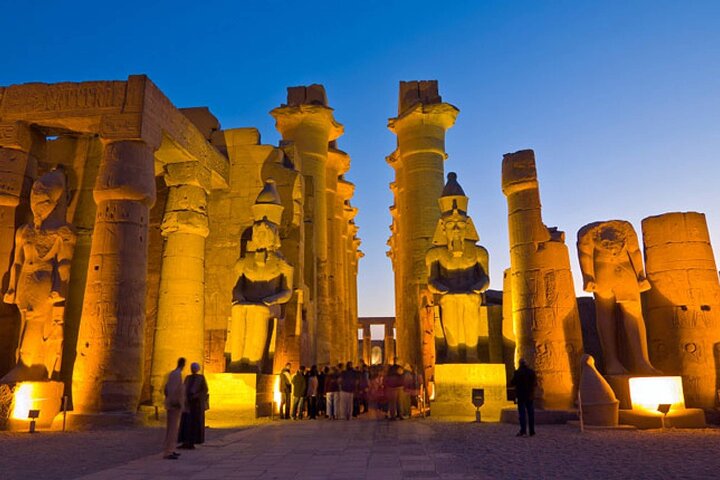
Luxor Temple
Luxor Temple, Ipet‑resyt “Southern Sanctuary” to the ancient Egyptians, was so called because of its location within ancient Thebes (modern Luxor). It is located around three kilometers to the south of Karnak Temple, to which it was once linked with a processional way bordered with sphinxes. The oldest evidence for this temple dates to the Eighteenth Dynasty (c.1550–1295 BC).
3
Stop 3
The Valley of the Kings
The rulers of the Eighteenth, Nineteenth, and Twentieth Dynasties of Egypt’s prosperous New Kingdom (c.1550–1069 BC) were buried in a desolate dry river valley across the river from the ancient city of Thebes (modern Luxor), hence its modern name of the Valley of the Kings. This moniker is not entirely accurate, however, since some members of the royal family aside from the king were buried here as well, as were a few non-royal, albeit very high-ranking, individuals.
4
Hatshepsut Temple
Hatshepsut (c.1473–1458 BC), the queen who became Pharaoh, built a magnificent temple at Deir al-Bahari, on the west back of Luxor. It lies directly across the Nile from Karnak Temple, the main sanctuary of the god Amun. Hatshepsut’s temple, Djeser-djeseru “the Holy of Holies” was designed by the chief steward of Amun, Senenmut.
5
Stop 5
Colossi of Memnon
These two faceless colossi (the plural of colossus, which just means larger-than-life statue) are the first thing visitors see when they reach the west bank of the Nile opposite Luxor. This isn't surprising when you hear their dimensions: they tower 60 feet (18 m) above the plains and are estimated to weigh an enormous 720 tons each.
6
Stop 6
Philae Temples
This beautiful temple complex is one of the most picturesque in all of Egypt. It sits on Aglika Island just south of the old Aswan Dam and you must ride a water taxi to the island to get to the ruins. The temple was moved to its current location following the construction of the High Dam, which threatened to submerge it permanently.
The careful reconstruction at the current site carefully completed, painstakingly preserving the original appearance and layout of the complex and even landscaping the island to match its former location.
7
Stop 7
The High Dam
When construction began on the High Dam in 1960, it was the most heralded part of President Gamal Abdel Nasser’s effort to develop Egypt for all Egyptians. While the dam is certainly not the largest in the world, it is an impressive engineering feat nonetheless, over 360 feet tall and 12,500 feet across.
The dam was completed in 1971 and the huge reservoir behind it, named for President Nasser, finished filling in 1979.
8
Stop 8
The Unfinished Obelisk
The Unfinished Obelisk is a rare opportunity to consider what this process might have been like and just how difficult it was to shape and carve the great stone blocks that make up Egypt’s many monuments.
This huge obelisk would have stood 140 feet in height, the largest even in Egypt. It was to be carved from the Red Aswan granite that decorate many of Egypt’s greatest monument and for which the city is famous. This greatest of all of Egypt’s monoliths, however, was never finished. At a late stage in its formation, a flaw in the rock was discovered and it was abandoned.
As a result, it remains in one of Aswan’s ancient quarries, fully formed and carved on three sides, but still anchored to the bedrock on the fourth. Archeologists believe that this obelisk was intended for Karnak, but instead it has remained in the quarry, a curious testament to the difficulties of carving in stone, for the last several thousand years
9
Stop 9
Kom Ombo
The temple is unique for its dedication to two different deities: the local crocodile-headed god Sobek, and the first "god of the Kingdom", the falcon-headed god Horus the Elder (also called Haroeris). This double dedication was deliberate. Not only is it architecturally duplicated, with two sets of courts, hypostyle halls and sanctuaries, the twin temple is symbolic of the local and Universalist themes that the two different deities represented.
What's not included
International airfare.
Entry visa to Egypt.
Any optional tours.
Available languages
Guide guide
DE
EN
IT
FR
ES
Important information
Wheelchair accessible
Infants and small children can ride in a pram or stroller
Public transportation options are available nearby
Transportation options are wheelchair accessible
All areas and surfaces are wheelchair accessible
Not recommended for pregnant travelers
Suitable for all physical fitness levels
About Aswan
Aswan is a charming city on the Nile River, known for its rich history, ancient temples, and stunning Nile landscapes. It offers a more relaxed and authentic Egyptian experience compared to the bustling cities of Cairo and Luxor.
Top Attractions
Philae Temple
A stunning temple complex dedicated to the goddess Isis, relocated to Agilkia Island due to the Aswan High Dam.
Historical
2-3 hours
EGP 180
Aswan High Dam
A massive dam on the Nile River, built to control flooding and generate hydroelectric power.
Historical
1-2 hours
EGP 10
Abu Simbel
A magnificent temple complex built by Ramses II, featuring colossal statues of the pharaoh.
Historical
Full day
EGP 300 (including transport)
Elephantine Island
An island in the Nile River with ancient ruins and a rich history dating back to the Old Kingdom.
Historical
2-3 hours
EGP 100
Nubian Museum
A museum dedicated to the history and culture of the Nubian people, featuring artifacts and exhibits.
Museum
1-2 hours
EGP 100
Must-Try Local Dishes
Ful Medames
A traditional fava bean dish, often served with falafel and tahini.
Breakfast
Vegetarian
Grilled Nile Fish
Fresh Nile fish grilled and served with garlic sauce and vegetables.
Dinner
Gluten-free
Koshari
A popular street food made with rice, lentils, pasta, and crispy onions, topped with tomato sauce.
Lunch
Vegetarian
Basbousa
A sweet semolina cake soaked in syrup, often flavored with coconut or rosewater.
Dessert
Vegetarian
Popular Activities
Nile cruises
Fishing on Lake Nasser
Quad biking in the desert
Boat trips on the Nile
Spa treatments
Sunset cruises
Visiting Philae Temple
Exploring the Nubian Museum
Best Time to Visit
October to April
This period offers pleasant weather with cooler temperatures, making it ideal for sightseeing and outdoor activities.
18°C to 30°C
64°F to 86°F
Practical Information
Language
- Official: Arabic
- Widely spoken: English, French
- English: Moderately spoken
Currency
Egyptian Pound (EGP)
Time Zone
EET (GMT+2)
Electricity
220VV, 50HzHz
Safety Information
Overall Safety Rating: Generally safe
Aswan is generally safe for tourists, but standard precautions should be taken to avoid scams and petty theft.
Important Precautions:
- • Bargain for prices in markets and taxis.
- • Be cautious of strangers offering unsolicited help or tours.
- • Keep valuables secure and be aware of your surroundings.
Getting there
By air
- Aswan International Airport • 10 km from city center
By train
Aswan Railway Station
By bus
Aswan Bus Station
Getting around
Public transport
Buses are the most common form of public transport, connecting major areas within the city.
Taxis
Available • Apps: Uber, Careem
Rentals
Car, Bike, Scooter
Neighborhoods
Corniche El-Nil
Souq Area
West Aswan
Day trips
Abu Simbel
280 km • Full day
A stunning temple complex built by Ramses II, featuring colossal statues of the pharaoh.
Lake Nasser
50 km • Half day to full day
A vast artificial lake created by the Aswan High Dam, offering scenic views and water activities.
Kom Ombo
50 km • Half day
A temple complex dedicated to the crocodile god Sobek, offering insights into ancient Egyptian history.
Festivals
Aswan International Festival of Nubian Arts • February
Aswan Film Festival for Nubian Arts • October
Ramadan • Varies (Islamic calendar)
Pro tips
- Visit the Nubian villages for an authentic cultural experience.
- Take a felucca sailboat ride on the Nile at sunset for stunning views.
- Bargain for prices in markets and taxis to get the best deals.
- Carry small denominations of Egyptian pounds for tips and small purchases.
- Dress modestly and respect local customs, especially in religious sites.
From $25
per person
Price varies by option
Secure booking
Free cancellation available
Instant confirmation