Biblical Tour Letters to The Corinthians - St Paul’s Footsteps
Active
8h
For a full refund, cancel at least 24 hours before the scheduled departure time.
Instant confirmation
Mobile or paper ticket accepted
About this experience
Embark on a transformative pilgrimage with our St. Paul's Footsteps to Ancient Corinth Private Tour. Journey through the picturesque Peloponnese Peninsula, tracing the sacred path of the apostle St. Paul. Along the way, marvel at the engineering marvel of the Corinth Canal, a modern feat of human ingenuity.
Guided by biblical narratives, immerse yourself in the spiritual and historical tapestry of Ancient Corinth. Arriving at this ancient city, explore its majestic ruins, including the Temple of Apollo and the imposing Acrocorinth fortress, where St. Paul once walked. Wander through the ancient marketplace and stand at the Bema, where St. Paul delivered his stirring sermons to the Corinthians.
With the flexibility of a private tour, customize your itinerary to delve deeper into the spiritual and historical facets of each location. Take moments for quiet reflection amidst the ancient ruins, contemplating the enduring legacy of St. Paul's teachings and their impact on Christianity.
Available options
Luxury Sedan
1-4 passengers<br/>Pickup included
Luxury MiniBus
1-12 passengers<br/>Pickup included
Luxury MiniVan
1-7 passengers<br/>Pickup included
What's included
Private transportation
Professional drivers with deep knowledge of history (not licensed to accompany you in any site)
Bottled water
WiFi on board
Luxurious vehicle
Air-conditioned vehicle
Detailed itinerary
1
Stop 1
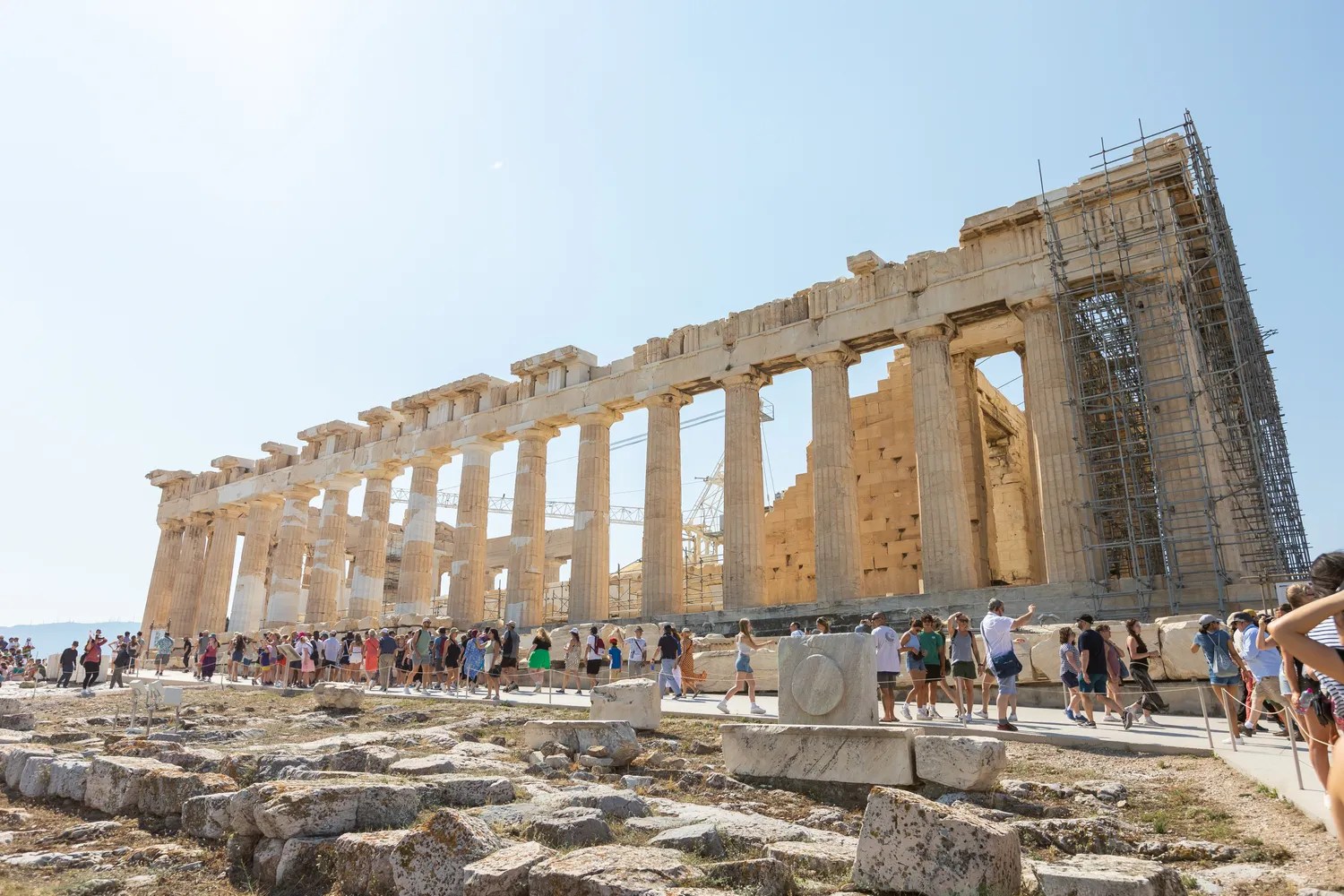
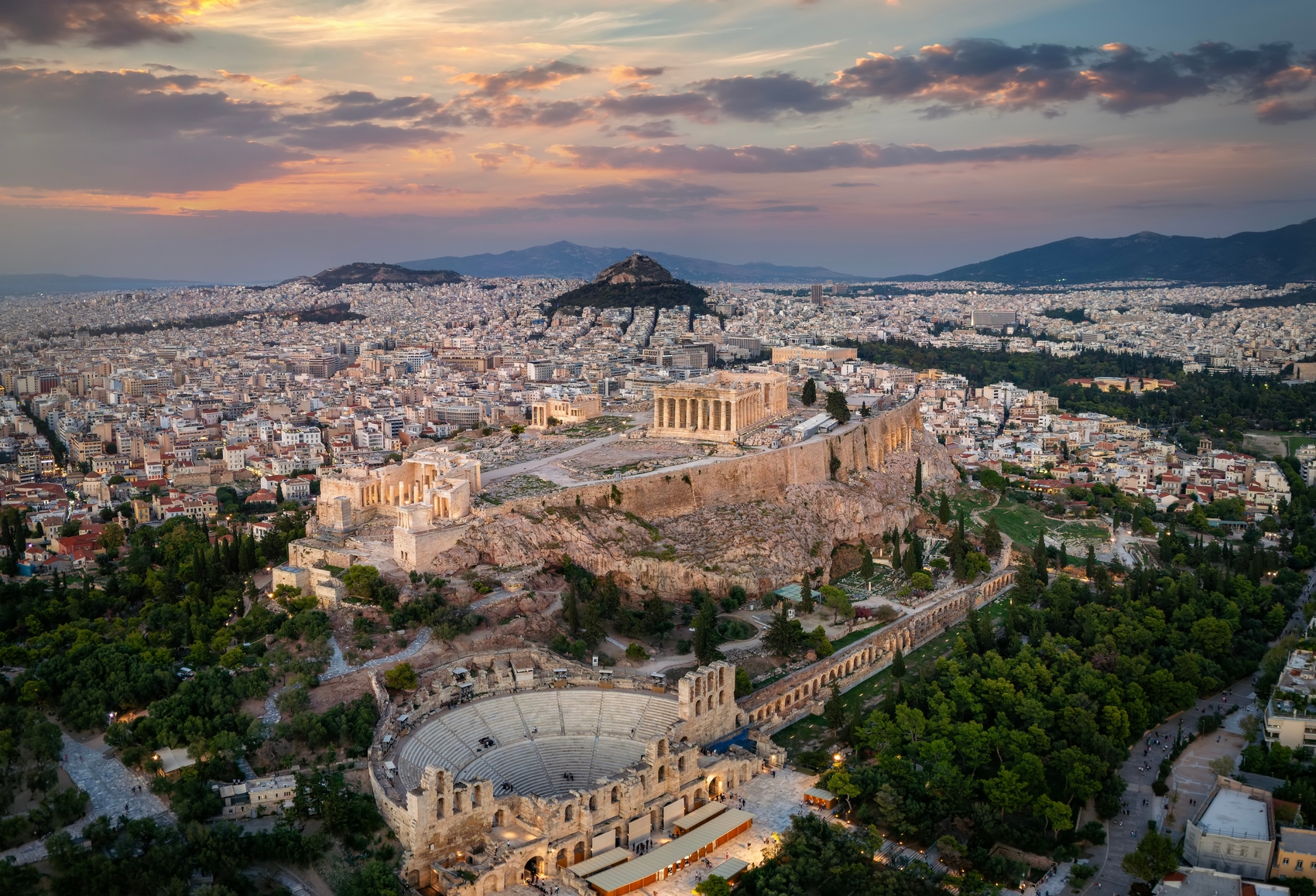
You will visit the sacred grounds of the Acropolis, including the historic Areopagus Hill—also known as Mars Hill—where the Apostle Paul delivered one of his most powerful and moving sermons. Standing before the council of the Athenians, he spoke about the “Unknown God,” challenging the prevailing beliefs of the time and introducing the message of Christianity to the intellectual heart of the ancient world. This stop offers a profound spiritual and historical experience, connecting you directly to the footsteps of St. Paul and the early days of the Christian faith.
2
Stop 2
We will stop at the impressive Corinth Canal, a 19th-century engineering marvel that connects the Gulf of Corinth with the Saronic Gulf, separating mainland Greece from the Peloponnese. Though completed in modern times, the idea dates back over 2,000 years to Periander, ruler of ancient Corinth, who first envisioned a shortcut for ships. Before its construction, vessels had to sail an extra 185 nautical miles around the Peloponnese. The canal stands today as a symbol of Corinth’s historical importance and strategic significance during Paul’s time.
3
Dating back to antiquity, this engineering marvel facilitated the transport of ships across the Isthmus of Corinth, connecting the Aegean and Ionian Seas. As travelers explore this ancient site, they can imagine the bustling activity of merchants and sailors, including those whom St. Paul may have encountered on his journeys. With its rich history and strategic importance, the Diolkos offers a tangible link to the maritime world of St. Paul's time, inviting visitors to step back in time and immerse themselves in the cultural tapestry of ancient Corinth.
4
Just a short distance from the Corinth Canal lies the ancient site of Isthmia, once home to the second most significant athletic competition of the ancient world after the Olympics—the Isthmian Games. Held in honor of Poseidon, these games attracted athletes and spectators from across the Greek world, and the site itself occupied a key strategic position where the Peloponnese meets mainland Greece.
Apostle Paul’s presence in Isthmia holds deep historical and spiritual significance. The Bible makes reference to his time in the region, where he is believed to have worked as a tentmaker, providing shelter for athletes and travelers attending the games. This marks one of the earliest recorded presences of a Christian figure at a major public event in the ancient world. As he lived and worked among the people, Paul took the opportunity to share the message of Christ with the diverse audiences drawn to the Isthmian Games, making it a powerful moment of early Christian outreach.
5
As part of our journey in St. Paul’s footsteps, we visit the Archaeological Museum of Isthmia, which offers valuable insight into the cultural and spiritual world that surrounded the Apostle during his time in the region.
The museum houses artifacts from the sanctuary of Poseidon, where the Isthmian Games took place—an event Paul likely witnessed and referenced in his letters. He worked nearby as a tentmaker, serving athletes and travelers, while using the opportunity to spread the message of Christ.
Among the museum’s highlights are glass panels from Kenchreai, the port from which Paul departed for Syria, symbolizing the crossroads of faith, culture, and commerce. These beautifully preserved artworks, along with statues, votive offerings, and burial finds, paint a vivid picture of the diverse world where Paul lived, worked, and preached the gospel.
6
Your visit to Ancient Corinth takes you to one of the most important cities of early Christianity. Strategically located on the isthmus between mainland Greece and the Peloponnese, Corinth was a thriving cultural and commercial hub in antiquity.
The Apostle Paul lived and preached here for over 18 months, as recorded in the Acts of the Apostles. His letters to the Corinthians—First and Second Corinthians—addressed the challenges of the early Christian community and remain central texts in the New Testament.
At the site, you’ll see the Bema (judgment seat) where Paul likely stood before the Roman proconsul Gallio, offering a powerful connection between scripture and history in the very place where Paul’s mission unfolded.
7
At the Archaeological Site of Isthmia, you’ll explore a major center of ancient worship and athletics closely tied to St. Paul’s mission. The Temple of Poseidon, rebuilt multiple times, stood as a symbol of pagan tradition during Paul’s time in the region.
Nearby is the ancient stadium, home to the famous Isthmian Games. Paul likely witnessed these games and worked as a tentmaker for visiting athletes, using the occasion to spread the Christian message. His letters often reflect athletic imagery drawn from experiences like this.
Also on site is the Sanctuary of Palaimon, dedicated to the protector of sailors—another sign of the diverse beliefs Paul encountered and challenged during his ministry.
8
At the ancient theater of Isthmia, built for musical events of the Isthmian Games, you’ll witness the cultural backdrop of St. Paul’s ministry. Surrounded by Roman mosaics depicting sea creatures and Dionysian myths, this theater reflects the rich but pagan world Paul encountered.
While the crowds gathered here for entertainment and religious festivals, Paul preached a radically different message—one of faith in Christ. This stop highlights the contrast between the spiritual life of the time and the new Christian faith Paul proclaimed.
9
Isthmia was not only a center of worship and athletic competition, but also a historic meeting place for critical political and military decisions in ancient Greece. Its strategic location made it the ideal site for gatherings of great significance.
By the time of St. Paul’s arrival in Corinth, Isthmia already carried deep symbolic and political weight. Paul preached in a region known not just for its games and temples, but also as a gathering point for leaders, philosophers, and international delegates. His message of unity in Christ offered a spiritual counterpart to the political alliances once formed here—proclaiming not earthly power, but a higher kingdom.
This stop emphasizes how Paul’s ministry unfolded in places of real influence, where new ideas were exchanged and history was made.
10
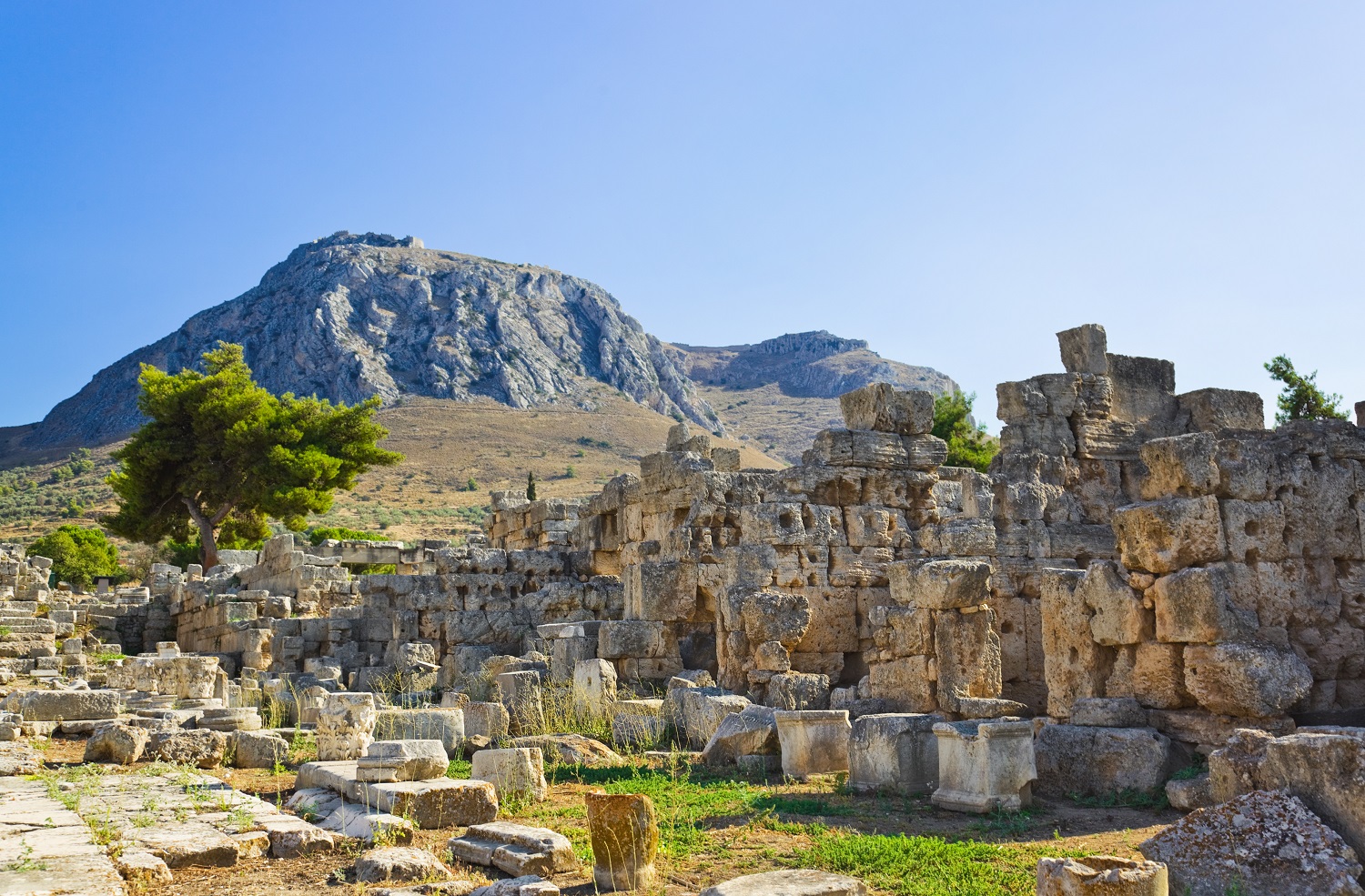
At the heart of Ancient Corinth, you will visit the striking Temple of Apollo, one of the oldest and most significant temples in Greece. Built around 560 BC, it is an early example of Doric architecture, notable for its monolithic limestone columns, which remain standing as a powerful symbol of Corinth’s ancient grandeur.
When St. Paul arrived in Corinth, he would have seen this temple towering above the city—a center of worship dedicated to Apollo, god of music, prophecy, and light. Its prominence reflects the deeply pagan and polytheistic environment in which Paul preached. In this very city, surrounded by such temples and their followers, Paul boldly proclaimed the message of one God and Jesus Christ crucified, challenging the spiritual foundations of a wealthy and diverse population.
The Temple of Apollo serves as a dramatic backdrop to Paul's mission, highlighting the contrast between the old world of idols and temples and the new faith he introduced.
11
At Kechries—the site of ancient Cenchreae, the eastern port of Corinth—you’ll walk in the footsteps of St. Paul, who stopped here during his second missionary journey, as mentioned in Acts 18:18. Before departing for Syria with Priscilla and Aquila, Paul cut his hair to fulfill a vow, likely a Nazirite vow, marking a moment of personal devotion to God.
Cenchreae was also home to one of the earliest Christian communities. In his letter to the Romans, Paul commends Phoebe, a respected servant (diakonos) of the church in Cenchreae, showing the growth of the faith and the important role of women in the early Church.
This quiet coastal site today offers a powerful connection to Paul’s journey, where faith met mission, and where the Gospel set sail once again.
12
This church honors the Apostle Paul, who spent 18 months in Corinth around 51–52 AD, founding one of the earliest Christian communities in Greece.
Mentioned in the Book of Acts and in his letters to the Corinthians, Paul’s time in Corinth was deeply influential. From here, he preached, taught, and established what would become the metropolitan church of Corinth, shaping the spiritual life of the early Church.
Today, the church stands as a living tribute to Paul’s mission—a place of reflection where faith and history meet, in the very city where the Gospel once took root through his voice.
13
At Ancient Corinth (Archaia Korinthos), you will visit the Bema, a prominent stone platform in the Roman Forum, closely tied to St. Paul’s ministry. During his stay in Corinth around 51–52 AD, Paul was brought before the Roman proconsul Gallio, accused of illegal teachings. As recorded in the Book of Acts, Gallio dismissed the case, seeing it as a religious dispute and refusing to intervene.
This event was a turning point, allowing Paul to continue preaching in Corinth without Roman interference. The Bema later became a Christian worship site in the Byzantine period, underscoring its importance in early Church history.
Standing here, you’ll be at the very place where Paul defended his faith—a powerful moment of courage and conviction.
14
Enjoy a relaxing lunch at a traditional seaside Greek taverna.
15
Akrokorinthos, the imposing fortress towering above Ancient Corinth, holds significance in the footsteps of St. Paul. As visitors ascend its ancient walls, they follow the path believed to have been traveled by the apostle. From its strategic vantage point, St. Paul would have gazed upon the city below, perhaps reflecting on his mission and teachings to the Corinthians. Today, Akrokorinthos offers panoramic views and a profound connection to the spiritual journey of St. Paul, inviting visitors to walk in his footsteps and contemplate the enduring legacy of his presence in this historic site.
What's not included
Lunch
Gratuities
Licensed tour guide (upon request and depending on availability)
Ancient Corinth & Archaeological Museum of Corinth (can be purchased on-site)
Available languages
Audio guide
EN
Guide guide
EN
Reviews breakdown
Viator
4.6
17 reviews
5★
15
4★
0
3★
1
2★
0
1★
1
Tripadvisor
5.0
41 reviews
5★
40
4★
0
3★
1
2★
0
1★
0
Important information
Wheelchair accessible
Infants and small children can ride in a pram or stroller
Infants are required to sit on an adult’s lap
Specialized infant seats are available
Transportation options are wheelchair accessible
All areas and surfaces are wheelchair accessible
Suitable for all physical fitness levels
Our drivers are not official tour guides, but they are knowledgeable and can provide fascinating commentary in fluent English. Although they will not enter the sites with you, they can answer all of your questions about the places you visit with this tour.
Third party activities and especially extreme sports are not allowed during the tour. This can be a cause for immediate cancellation of the tour.
About Athens
Athens, the capital of Greece, is a city rich in history and culture, often considered the cradle of Western civilization. It is home to iconic ancient landmarks, vibrant neighborhoods, and a thriving modern scene.
Top Attractions
Acropolis of Athens
The Acropolis is the most iconic landmark in Athens, featuring ancient ruins and temples, including the Parthenon.
Historical
2-3 hours
€20 (combined ticket for multiple sites)
Ancient Agora of Athens
The heart of ancient Athens, featuring the Temple of Hephaestus and the Stoa of Attalos.
Historical
1-2 hours
€8 (included in the combined ticket)
Plaka
A charming, historic neighborhood with narrow streets, neoclassical houses, and vibrant nightlife.
Cultural
2-3 hours
Free to explore
Acropolis Museum
A modern museum showcasing artifacts from the Acropolis and its surroundings.
Museum
1-2 hours
€10
Temple of Olympian Zeus
An ancient temple dedicated to Zeus, once the largest temple in Greece.
Historical
30 minutes to 1 hour
€6 (included in the combined ticket)
Must-Try Local Dishes
Moussaka
A baked dish with layers of eggplant, minced meat, and béchamel sauce.
Dinner
Vegetarian versions available
Souvlaki
Grilled meat skewers, often served with pita bread and tzatziki.
Snack
Can be made with chicken, pork, or vegetarian options
Tzatziki
A yogurt-based dip with cucumber, garlic, and herbs.
Snack
Vegetarian and vegan options available
Baklava
A sweet pastry made with layers of filo, nuts, and honey syrup.
Dessert
Vegetarian
Popular Activities
Hiking in the mountains
Rock climbing
Scuba diving
Beach visits
Spa treatments
Café hopping
Museum visits
Theater performances
Best Time to Visit
April to June, September to October
The best time to visit Athens is during the spring and autumn months when the weather is pleasant and the tourist crowds are smaller.
18°C to 32°C
64°F to 90°F
Practical Information
Language
- Official: Greek
- Widely spoken: English, French, German
- English: Moderately spoken
Currency
Euro (EUR)
Time Zone
GMT+2 (EET)
Electricity
230VV, 50HzHz
Safety Information
Overall Safety Rating: Generally safe
Athens is generally safe for travelers, but petty crime and pickpocketing can occur in tourist areas. Be cautious with your belongings and avoid poorly lit areas at night.
Important Precautions:
- • Keep valuables secure
- • Use licensed taxis or ride-sharing apps
- • Be cautious with ATMs and credit cards
Getting there
By air
- Eleftherios Venizelos International Airport • 30 km from city center
By train
Athens Central Railway Station
By bus
KTEL Bus Station
Getting around
Public transport
Clean, efficient, and air-conditioned. Easy to navigate with clear signage in English.
Taxis
Available • Apps: Beat, Uber
Rentals
Car, Bike, Scooter
Neighborhoods
Plaka
Monastiraki
Psiri
Koukaki
Kolonaki
Day trips
Cape Sounion
65 km from Athens • Half day to full day
A scenic coastal area featuring the Temple of Poseidon with stunning views of the Aegean Sea.
Delphi
180 km from Athens • Full day
An ancient archaeological site and home to the famous Oracle of Delphi.
Meteora
350 km from Athens • Overnight
A unique landscape featuring rock formations and medieval monasteries perched atop cliffs.
Festivals
Athens Festival • May to October
Athens Epidaurus Festival • June to August
Athens International Film Festival • October
Pro tips
- Visit major attractions early in the morning or late in the afternoon to avoid crowds and heat
- Use the metro for easy and efficient travel around the city
- Explore local neighborhoods for an authentic Greek experience
- Try local street food for a quick and delicious meal
- Learn a few basic Greek phrases to enhance your experience and connect with locals
From $25
per person
Price varies by option
Secure booking
Free cancellation available
Instant confirmation