Athens Half day Christian Tour | Apostle Paul first Spoke - Acropolis, Parthenon
Active
5h
For a full refund, cancel at least 24 hours before the scheduled departure time.
Instant confirmation
Mobile or paper ticket accepted
About this experience
Regarding the spot from where Apostle Paul spoke to the Athenians, it is also said that he preached in front of the High Court’s Body as one of its members (Dionysius the Aeropagite) adopted the ideas of his preaching.
Areopagus was the name of the hill west of the Athenian Acropolis.
In this half-day tour we will drive you to were St.Paul first came to Athens. Then we will visit the Acropolis, the Parthenon,the Erechtheion, Mars Hill (Areopagus), (Acts 17:22) were Apostle Paul delivered his sermon to the Athenians. You then proceed by visiting the Parthenon, the Erechtheion, the Temple of Nike, the tomb of the Unknown Soldier, Parliament House, Presidential Palace, Panathenian Stadium, Temple of Olympian Zeus, the Plaka, the Ancient agora,(St. Paul’s meeting place), the Roman agora, Academy, the University and the National Library.
Available options
Luxury MiniBus
1-12 passengers<br/>Pickup included
Luxury MiniVan
1-7 passengers<br/>Pickup included
Luxury Sedan
1-4 passengers<br/>Pickup included
What's included
Private transportation
Professional drivers with deep knowledge of history (not licensed to accompany you in any site)
Bottled water
WiFi on board
Air-conditioned vehicle
Detailed itinerary
1
Stop 1
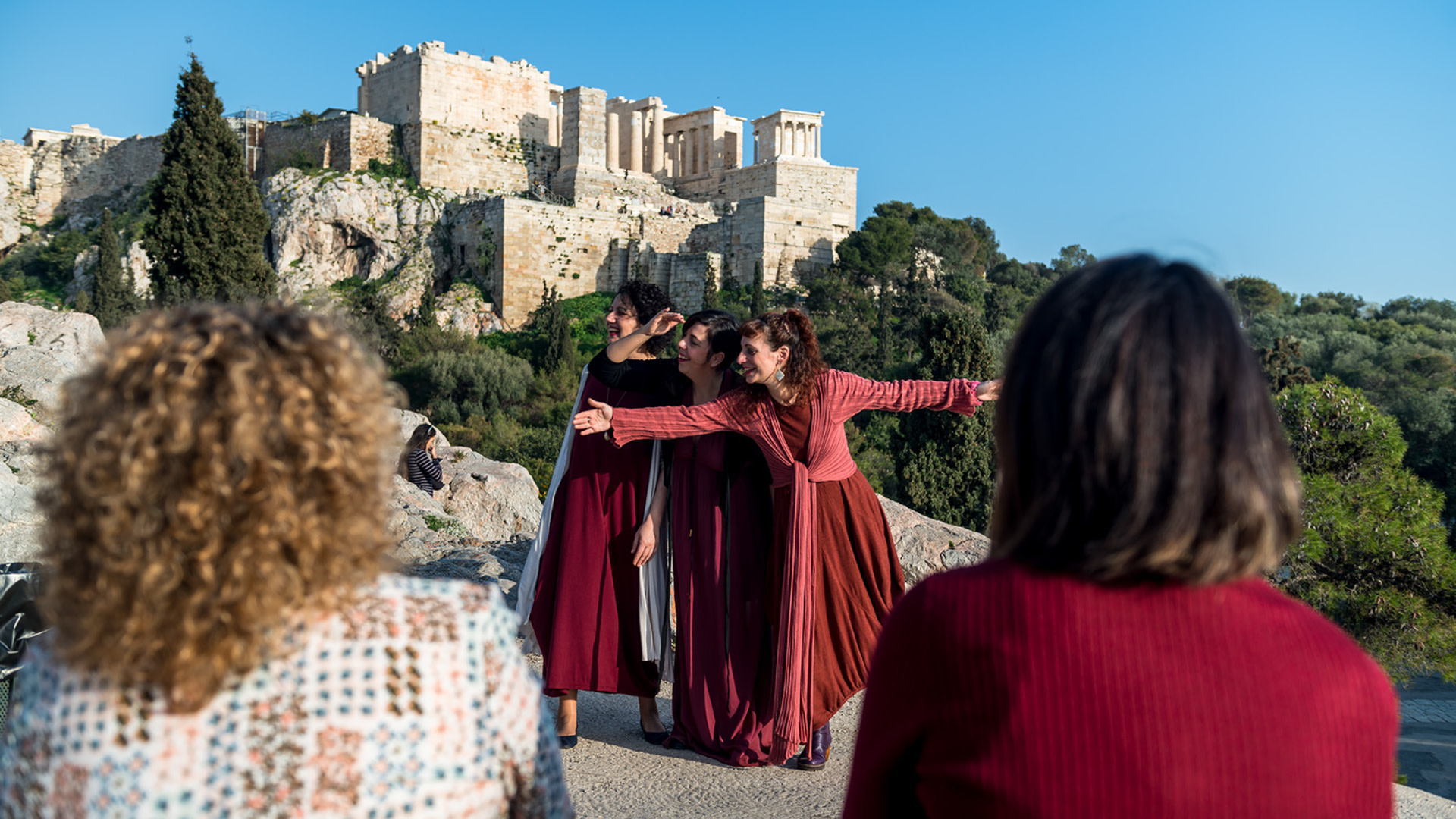
Although not directly associated with Saint Paul in historical records, this magnificent gateway provides us with a glimpse into the rich tapestry of ancient Athens, a city that the apostle Paul once walked.
The Propylaea served as the ceremonial entrance to the Acropolis, the religious and cultural heart of the city. It was a place of great significance, where Athenians and visitors alike would have passed through on their way to worship the gods, participate in civic ceremonies, or admire the architectural marvels atop the sacred hill.
As we walk through the central passageway of the Propylaea, let us imagine Saint Paul traversing these same steps, perhaps pondering the philosophical debates and religious practices that surrounded him. Although the apostle's visit to Athens is primarily remembered for his speech at the Areopagus, it's likely that he passed through the Propylaea as he explored the city and engaged with its inhabitants.
2
Stop 2
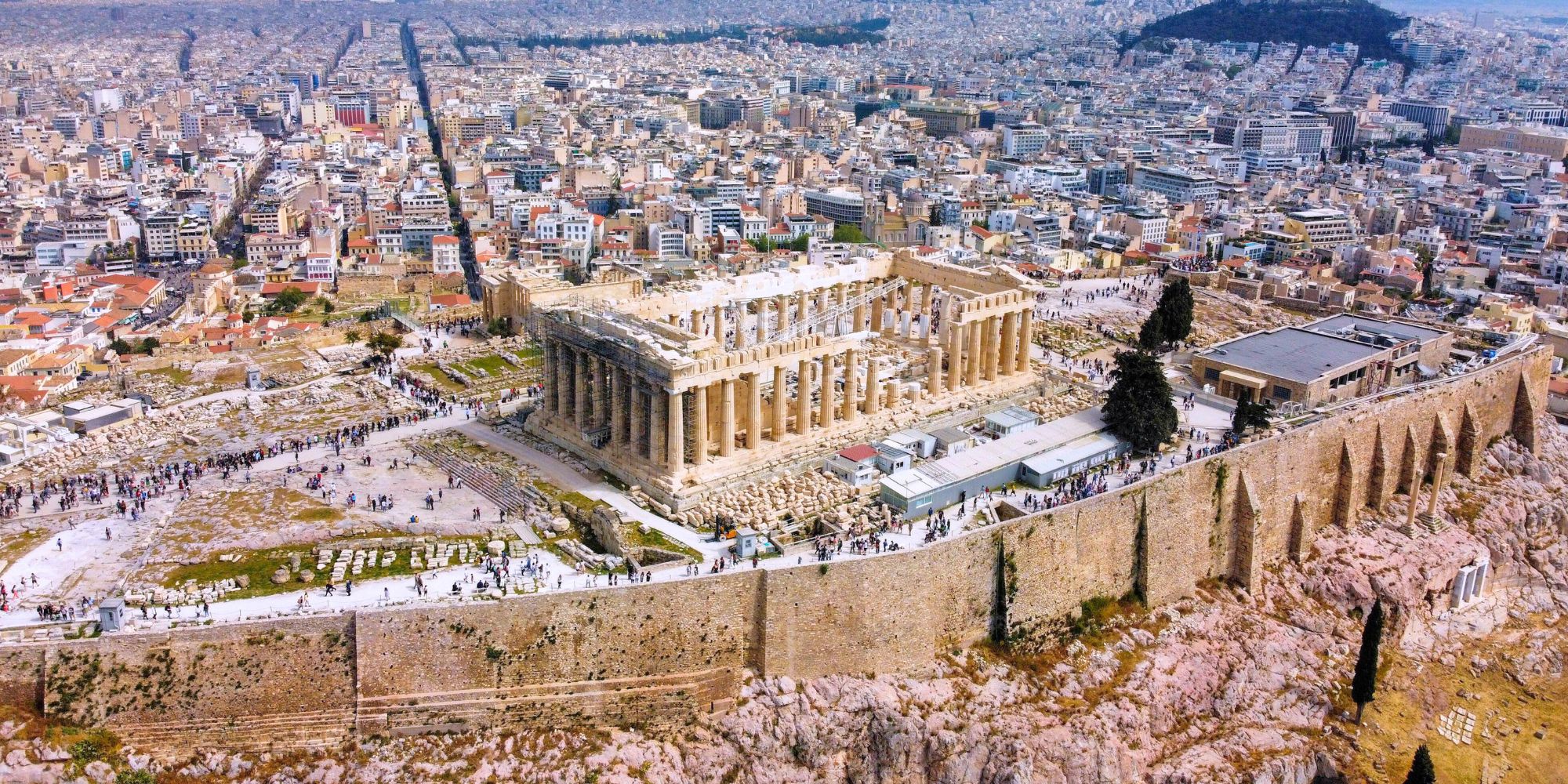
The Acropolis, with its majestic temples, statues, and monuments, stands as a testament to the architectural and artistic achievements of ancient Greece. It was here, amidst the splendor of classical civilization, that Saint Paul arrived during his missionary journey to spread the teachings of Christianity.
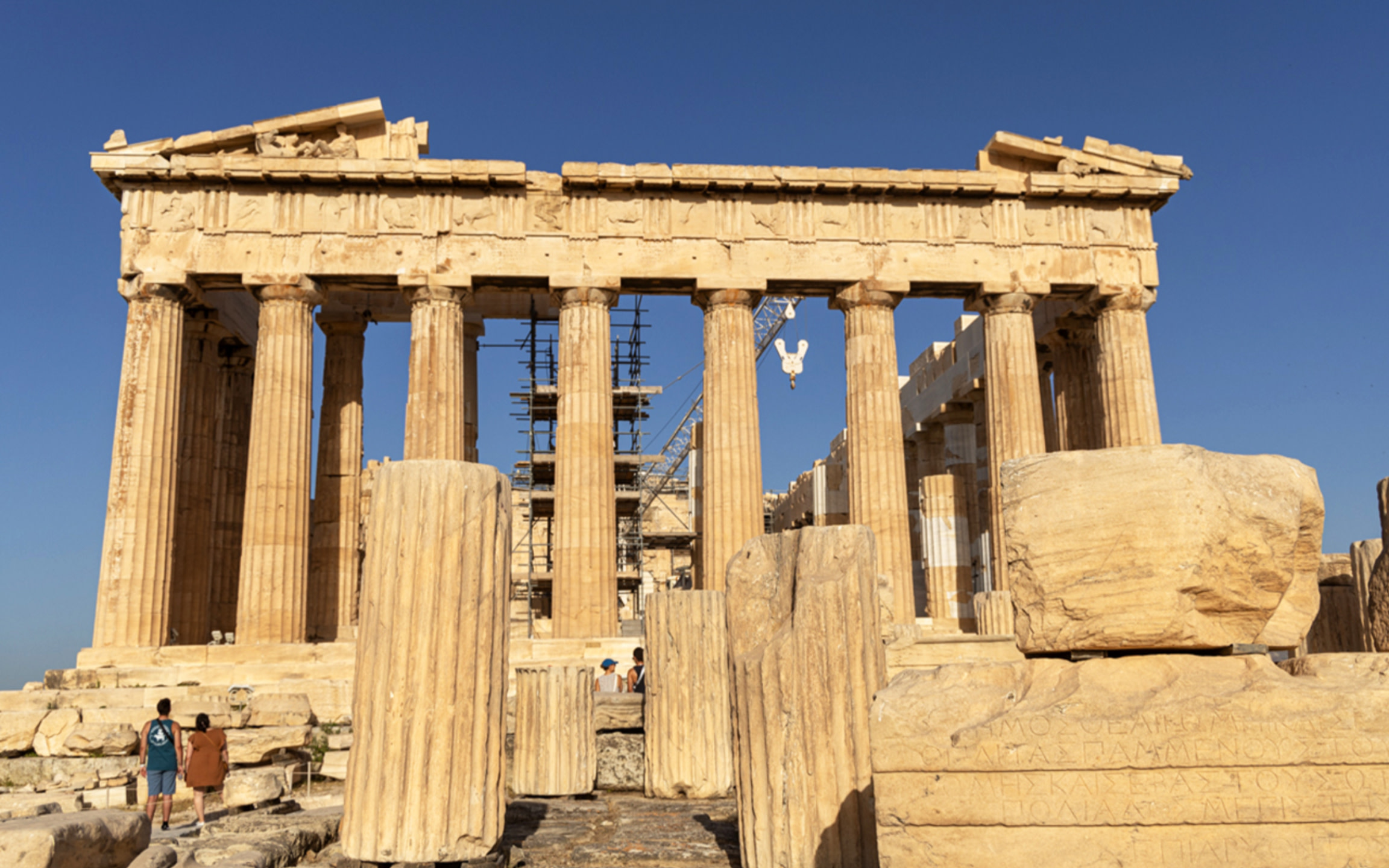
Imagine Saint Paul ascending the winding path to the Acropolis, gazing upon the magnificent structures dedicated to the Greek gods and goddesses. The Parthenon, with its graceful columns and intricate sculptures, would have dominated the skyline, a symbol of Athens' devotion to Athena, the city's patron deity.
Stand in the shadow of the Parthenon, reflecting on the profound impact of Saint Paul's message in this ancient city. His famous speech at the Areopagus, where he proclaimed the "unknown god" worshipped by the Athenians as the one true God, challenged the prevailing beliefs of the time and laid the foundation for the spread of Christianity in the Greco-Roman world.
3
Stop 3
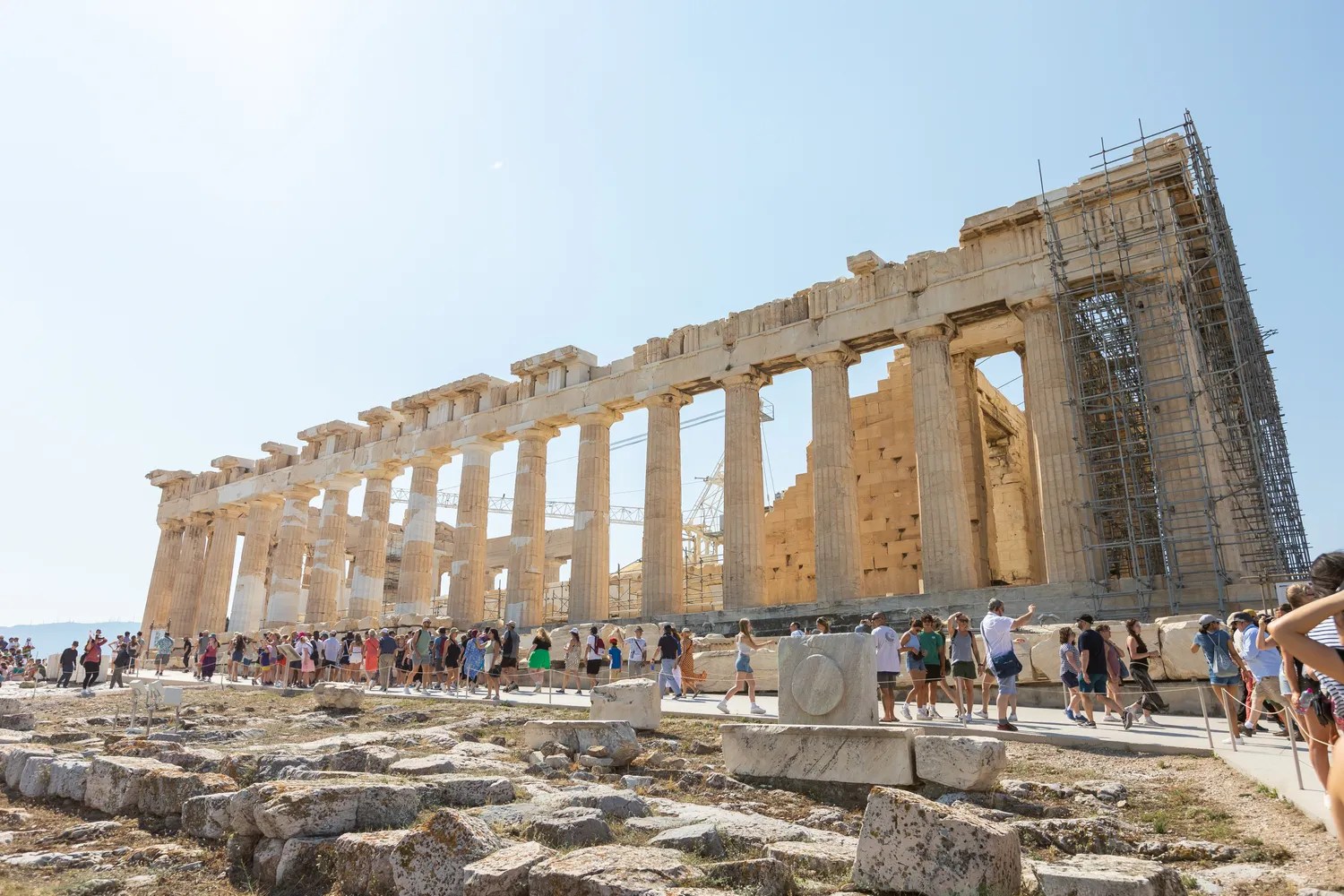
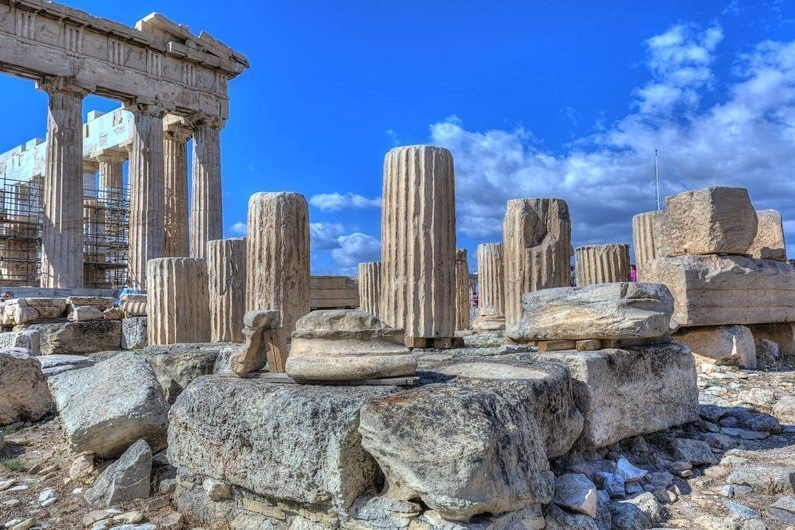
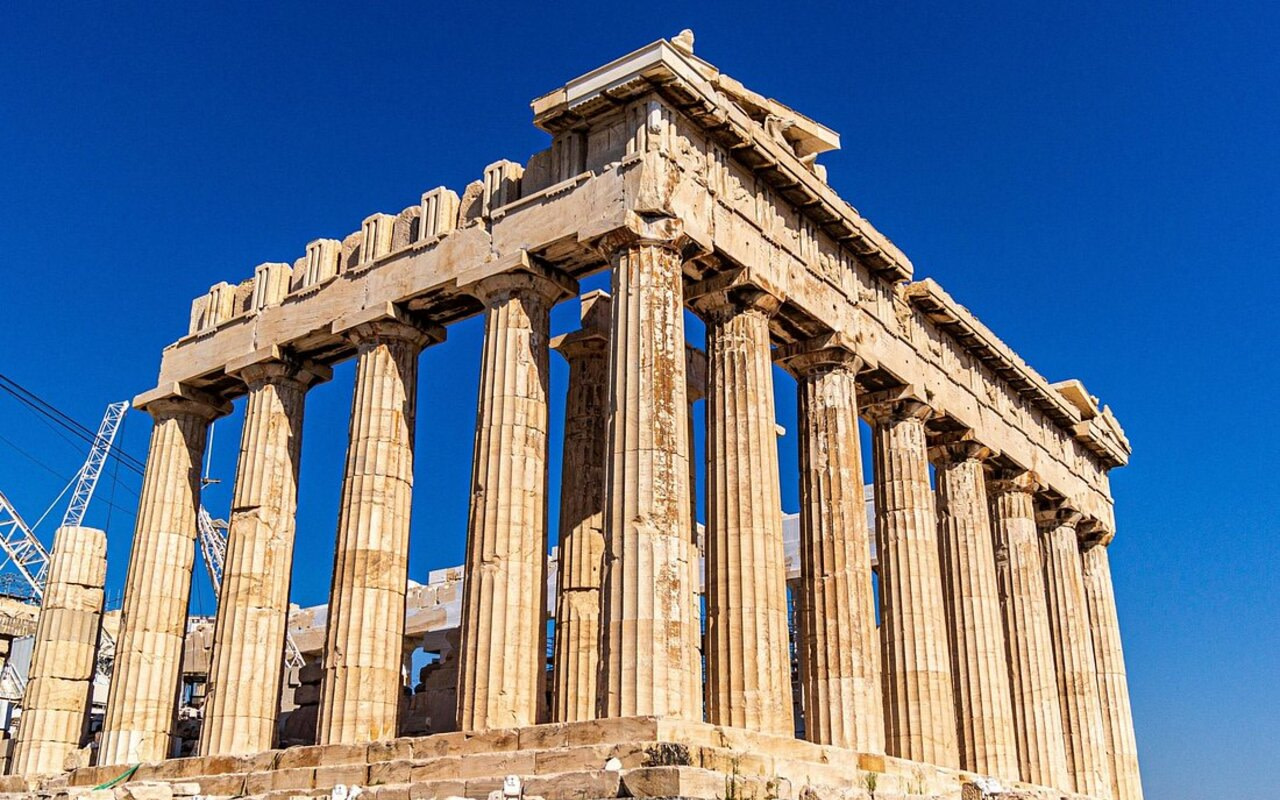
Constructed in the 5th century BCE, the Parthenon was dedicated to Athena, the patron goddess of Athens, and served as the city's monumental centerpiece. Its majestic columns, intricate sculptures, and architectural precision embody the ideals of beauty, harmony, and order revered by the ancient Greeks.
Although Saint Paul's visit to Athens is not directly associated with the Parthenon in historical records, his presence in the city during the 1st century CE undoubtedly intersected with the cultural and religious significance of this sacred site. As he walked the streets of Athens and engaged with its inhabitants, Saint Paul would have been confronted by the grandeur of the Parthenon and the beliefs it represented.
4
Stop 4
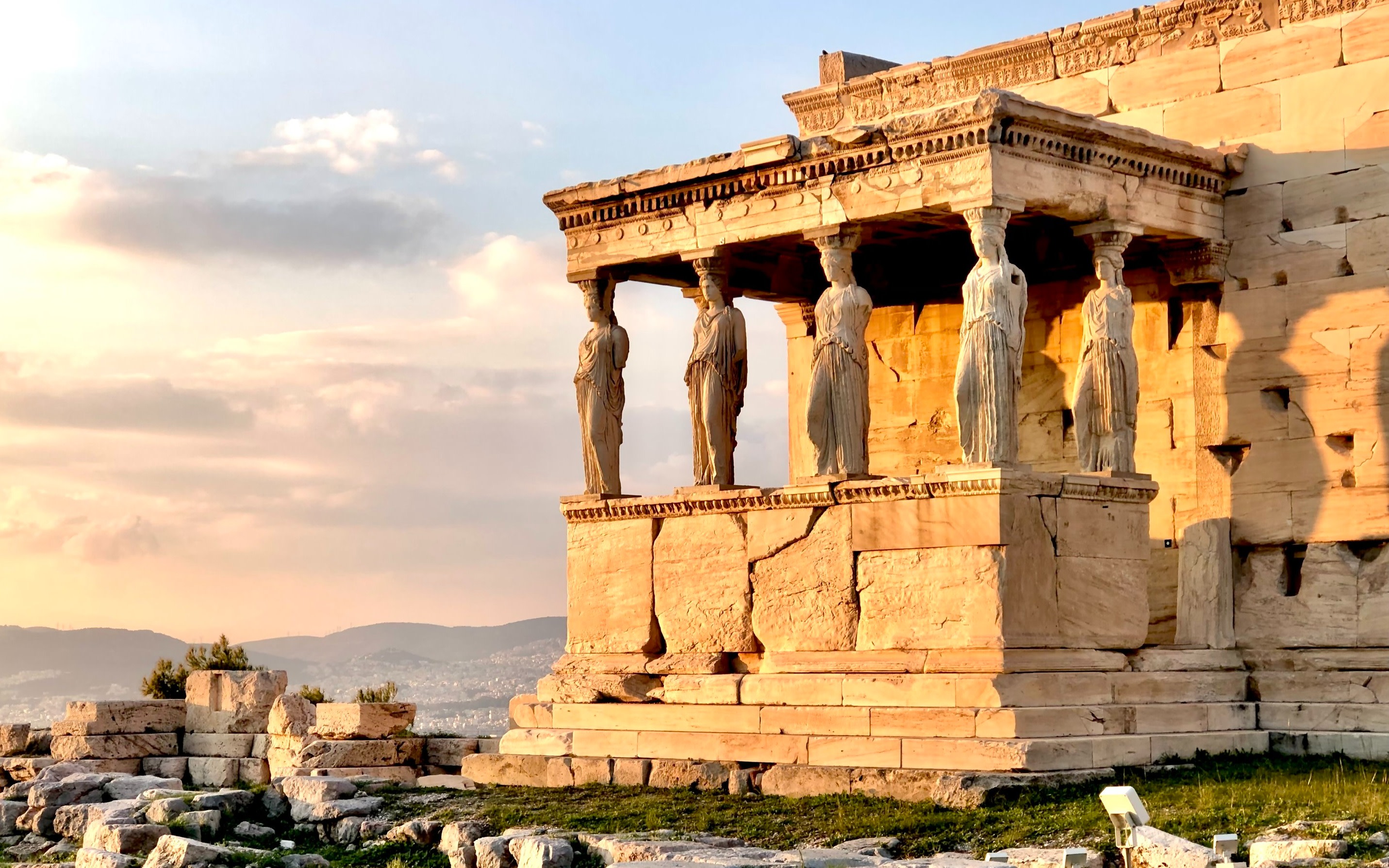
Imagine Saint Paul walking among the ancient ruins of the Erechtheion, contemplating the myths and legends that shaped the worldview of the Athenians. As he engaged with the city's inhabitants, including philosophers, poets, and priests, Saint Paul would have encountered a rich tapestry of beliefs and traditions that provided fertile ground for the spread of Christianity.
While the Erechtheion stands as a testament to the enduring legacy of ancient Greek civilization, it also serves as a reminder of the transformative power of Saint Paul's message of salvation and redemption. His proclamation of the Gospel challenged the prevailing religious norms of the time and laid the foundation for the Christian faith to take root and flourish in the Greco-Roman world.
5
Stop 5
Also known as Mars Hill, is a historic site atop the Acropolis of Athens steeped in both mythological and biblical significance.
The Areopagus served as a revered meeting place in ancient Athens, where the city's council convened to discuss matters of law, philosophy, and religion. Named after Ares, the Greek god of war, and later associated with the Roman god Mars, this sacred site was believed to be the location where Ares was tried for the murder of Poseidon's son.
It was here, amidst the grandeur of the Acropolis, that Saint Paul delivered one of his most famous speeches, challenging the beliefs of the Athenians and proclaiming the message of Christianity.
In his speech at the Areopagus, Saint Paul acknowledged the religious fervor of the Athenians, noting their altar to the "unknown god." He seized upon this cultural curiosity to introduce them to the God he worshipped, the creator of the universe who transcends human understanding and dwells not in temples made by hands.
6
Stop 6
The Ancient Agora was the beating heart of Athenian life, a vibrant hub where commerce, politics, and social interaction converged. Here, merchants peddled their wares, philosophers engaged in intellectual discourse, and citizens gathered to participate in democratic governance. It was also a place where religious rituals and ceremonies took place, reflecting the diverse spiritual beliefs of the Athenian populace.
During his time in Athens, Saint Paul would have undoubtedly traversed the bustling streets of the Agora, engaging with its inhabitants and sharing the message of Christianity.
While the Agora is not specifically mentioned in the biblical account of Saint Paul's visit to Athens, its cultural and historical significance cannot be understated. As a center of intellectual inquiry and religious expression, it provided fertile ground for the spread of new ideas and beliefs, including the teachings of Christianity.
7
Stop 7
An impressive ancient building located within the Ancient Agora of Athens. Although not directly associated with Saint Paul in historical records, the Stoa of Attalos provides valuable insights into the cultural and historical context of his visit to Athens and the spread of Christianity in the ancient world.
The Stoa of Attalos was originally built in the 2nd century BCE by King Attalos II of Pergamon as a gift to the city of Athens. It served as a covered walkway or portico, providing shelter for merchants, philosophers, and scholars engaged in commerce, conversation, and intellectual pursuits. Reconstructed in the 1950s, the Stoa of Attalos stands as a striking example of ancient Greek architecture and craftsmanship.
What's not included
Meals & Drinks
Licensed tour guide (upon request and depending on availability)
Acropolis (must be purchased in advance - limited availability)
Ancient Agora (can be purchased on-site)
Available languages
Audio guide
EN
Guide guide
EN
Reviews breakdown
Viator
4.5
2 reviews
5★
1
4★
1
3★
0
2★
0
1★
0
Tripadvisor
5.0
5 reviews
5★
5
4★
0
3★
0
2★
0
1★
0
Important information
Public transportation options are available nearby
Specialized infant seats are available
Suitable for all physical fitness levels
Our drivers are not official tour guides, but they are knowledgeable and can provide fascinating commentary in fluent English. Although they will not enter the sites with you, they can answer all of your questions about the places you visit with this tour.
Third party activities and especially extreme sports are not allowed during the tour. This can be a cause for immediate cancellation of the tour.
About Athens
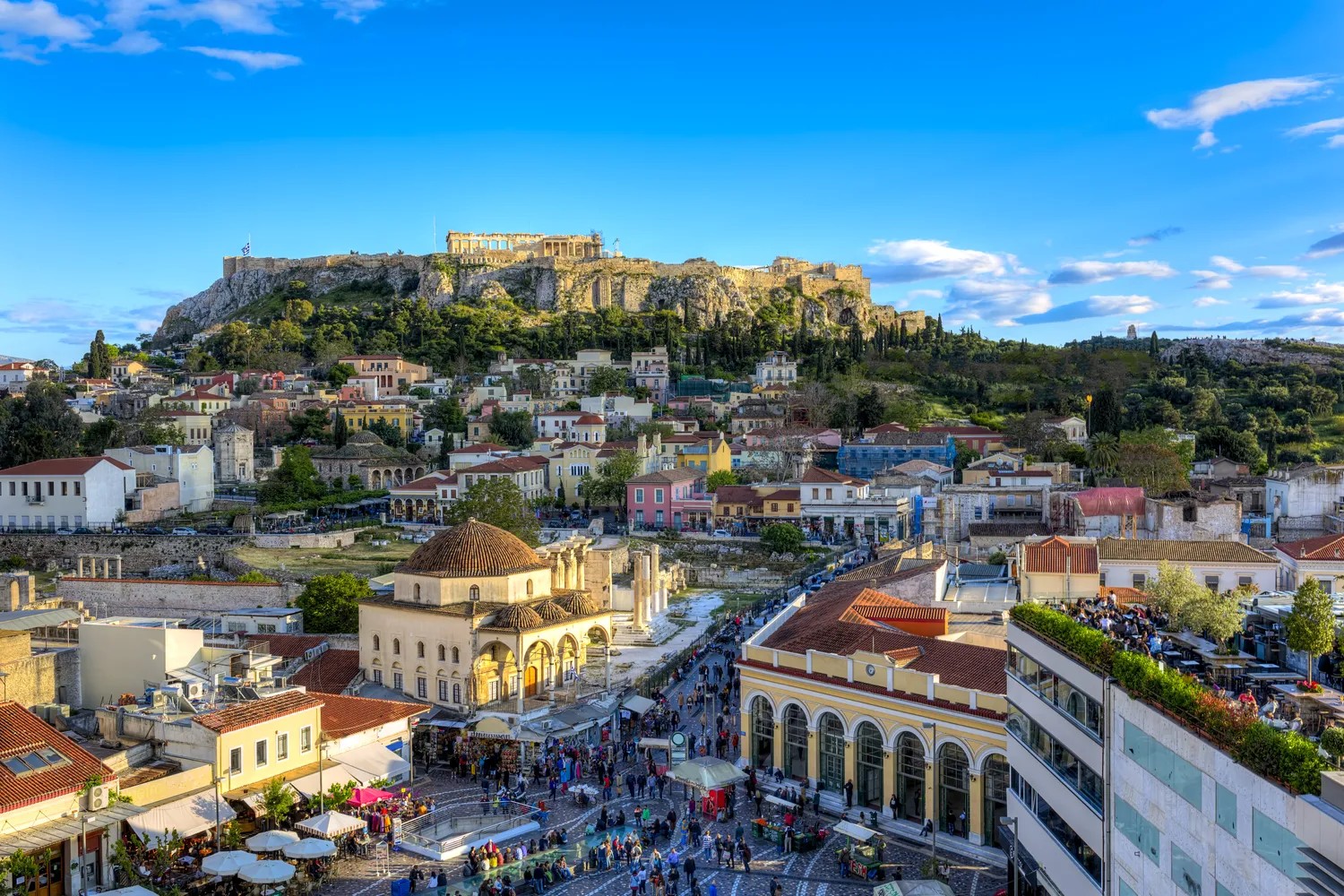
Athens, the capital of Greece, is a city rich in history and culture, often considered the cradle of Western civilization. It is home to iconic ancient landmarks, vibrant neighborhoods, and a thriving modern scene.
Top Attractions
Acropolis of Athens
The Acropolis is the most iconic landmark in Athens, featuring ancient ruins and temples, including the Parthenon.
Historical
2-3 hours
€20 (combined ticket for multiple sites)
Ancient Agora of Athens
The heart of ancient Athens, featuring the Temple of Hephaestus and the Stoa of Attalos.
Historical
1-2 hours
€8 (included in the combined ticket)
Plaka
A charming, historic neighborhood with narrow streets, neoclassical houses, and vibrant nightlife.
Cultural
2-3 hours
Free to explore
Acropolis Museum
A modern museum showcasing artifacts from the Acropolis and its surroundings.
Museum
1-2 hours
€10
Temple of Olympian Zeus
An ancient temple dedicated to Zeus, once the largest temple in Greece.
Historical
30 minutes to 1 hour
€6 (included in the combined ticket)
Must-Try Local Dishes
Moussaka
A baked dish with layers of eggplant, minced meat, and béchamel sauce.
Dinner
Vegetarian versions available
Souvlaki
Grilled meat skewers, often served with pita bread and tzatziki.
Snack
Can be made with chicken, pork, or vegetarian options
Tzatziki
A yogurt-based dip with cucumber, garlic, and herbs.
Snack
Vegetarian and vegan options available
Baklava
A sweet pastry made with layers of filo, nuts, and honey syrup.
Dessert
Vegetarian
Popular Activities
Hiking in the mountains
Rock climbing
Scuba diving
Beach visits
Spa treatments
Café hopping
Museum visits
Theater performances
Best Time to Visit
April to June, September to October
The best time to visit Athens is during the spring and autumn months when the weather is pleasant and the tourist crowds are smaller.
18°C to 32°C
64°F to 90°F
Practical Information
Language
- Official: Greek
- Widely spoken: English, French, German
- English: Moderately spoken
Currency
Euro (EUR)
Time Zone
GMT+2 (EET)
Electricity
230VV, 50HzHz
Safety Information
Overall Safety Rating: Generally safe
Athens is generally safe for travelers, but petty crime and pickpocketing can occur in tourist areas. Be cautious with your belongings and avoid poorly lit areas at night.
Important Precautions:
- • Keep valuables secure
- • Use licensed taxis or ride-sharing apps
- • Be cautious with ATMs and credit cards
Getting there
By air
- Eleftherios Venizelos International Airport • 30 km from city center
By train
Athens Central Railway Station
By bus
KTEL Bus Station
Getting around
Public transport
Clean, efficient, and air-conditioned. Easy to navigate with clear signage in English.
Taxis
Available • Apps: Beat, Uber
Rentals
Car, Bike, Scooter
Neighborhoods
Plaka
Monastiraki
Psiri
Koukaki
Kolonaki
Day trips
Cape Sounion
65 km from Athens • Half day to full day
A scenic coastal area featuring the Temple of Poseidon with stunning views of the Aegean Sea.
Delphi
180 km from Athens • Full day
An ancient archaeological site and home to the famous Oracle of Delphi.
Meteora
350 km from Athens • Overnight
A unique landscape featuring rock formations and medieval monasteries perched atop cliffs.
Festivals
Athens Festival • May to October
Athens Epidaurus Festival • June to August
Athens International Film Festival • October
Pro tips
- Visit major attractions early in the morning or late in the afternoon to avoid crowds and heat
- Use the metro for easy and efficient travel around the city
- Explore local neighborhoods for an authentic Greek experience
- Try local street food for a quick and delicious meal
- Learn a few basic Greek phrases to enhance your experience and connect with locals
From $25
per person
Price varies by option
Secure booking
Free cancellation available
Instant confirmation