Dar es Salaam City Tour - Everyday
Active
6h
For a full refund, cancel at least 24 hours before the scheduled departure time.
Instant confirmation
Mobile or paper ticket accepted
About this experience
A tour of Dar es Salaam will take you to the National Museum, Village Museum, Mwenge Carvings Market, Tingatinga art Gallery, Slipway Shopping Centre, The Fish Market, City Centre, Historical Building and many other Sites.
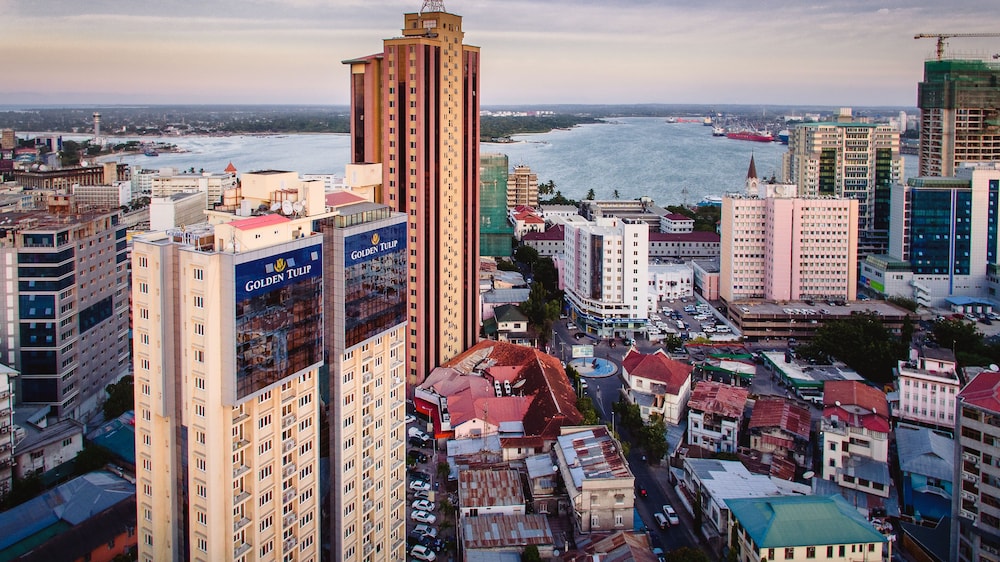
The name Dar es Salaam means "the house of peace" formerly Mzizima. It is an enticing mix of sight seeing, shopping and entertainment, the largest city in Tanzania reflects a fascinating blend of its rich historical past and its sophisticated contemporary present. The name was given by Sultan Majid bin Said of Zanzibar when he decided to use the harbor city as a port and trade centre in between 1858 and 1862. Since then the town has flourished and is now the commercial hub of the country with high population, important economic centre and one of the fastest growing cities in Tanzania & most prominent city in arts, fashion, media, music, film, television and a leading financial centre it is also the largest and most populous Swahili-speaking city in the world.
Available options
Dar es Salaam City Tour - Everyday
Pickup included
What's included
All Fees and Taxes
Air-conditioned vehicle
Detailed itinerary
1
Established in 1934 as a memorial museum dedicated to King George V, opened to the public as the National Museum in 1940 and expanded in 1963. The entry gate is located in Shaaban Robert Street; it houses many historical treasures the most important of which are the remains of the first humans “Paranthropus boisei” discovered by Dr. Louis Leakey at Olduvai Gorge. The museum also has a large colonial history section with Ethnographic displays include traditional crafts, head dresses, ornaments and musical instruments. Hunting and gathering, initiation rites, traditional healing and witchcraft are a few other themes; also on view are leather and bark clothing, and a wooden bicycle in working order.
2
Tingatinga Paintings are Tanzanian traditional paintings created using layers of bicycle paint representing physical features and landmarks drawn in a canvas material. Formerly they were locally drawn on Masonite and ceiling boards and later Canvases added using several layers of glossy enamel paint which turned its noticeable outlook brilliant, and very attractive representing local people’s activities, Landscape with its exotic animal. Bicycle paint is a good material to use on making clear, vibrant colored paintings that contain sharp contrasts and still gives the ability to work with shades surfaces. The name Tingatinga was derived from the founder of the painting style, a Tanzanian named Edward Said Tingatinga who passed away in 17th May 1972, he left behind his art flying his name to the world, a wife, two children (Daudi & Martina) and six painters who later taught many more other painters
3
It is located at the center of a roundabout between Samora Avenue and Maktaba Street, unveiled in 1927 to honor the African Soldiers who fought in the first World War and to the memory of the Native African Troops who fought, to the carriers who were the feet and the hands of the army, and to all men who fought, served, died for the King and the Country in the East Africa in World War 1”. The former statue was unveiled in 1911 to celebrate the Germans victory in 1888, represented Major Herman Von Wissmann, a German explorer and soldier, who became Governor of German East Africa in 1895. British entered Dar es Salaam in 1916 and removed this statue along with those of Karl Peters and Otto von Bismarck.
4
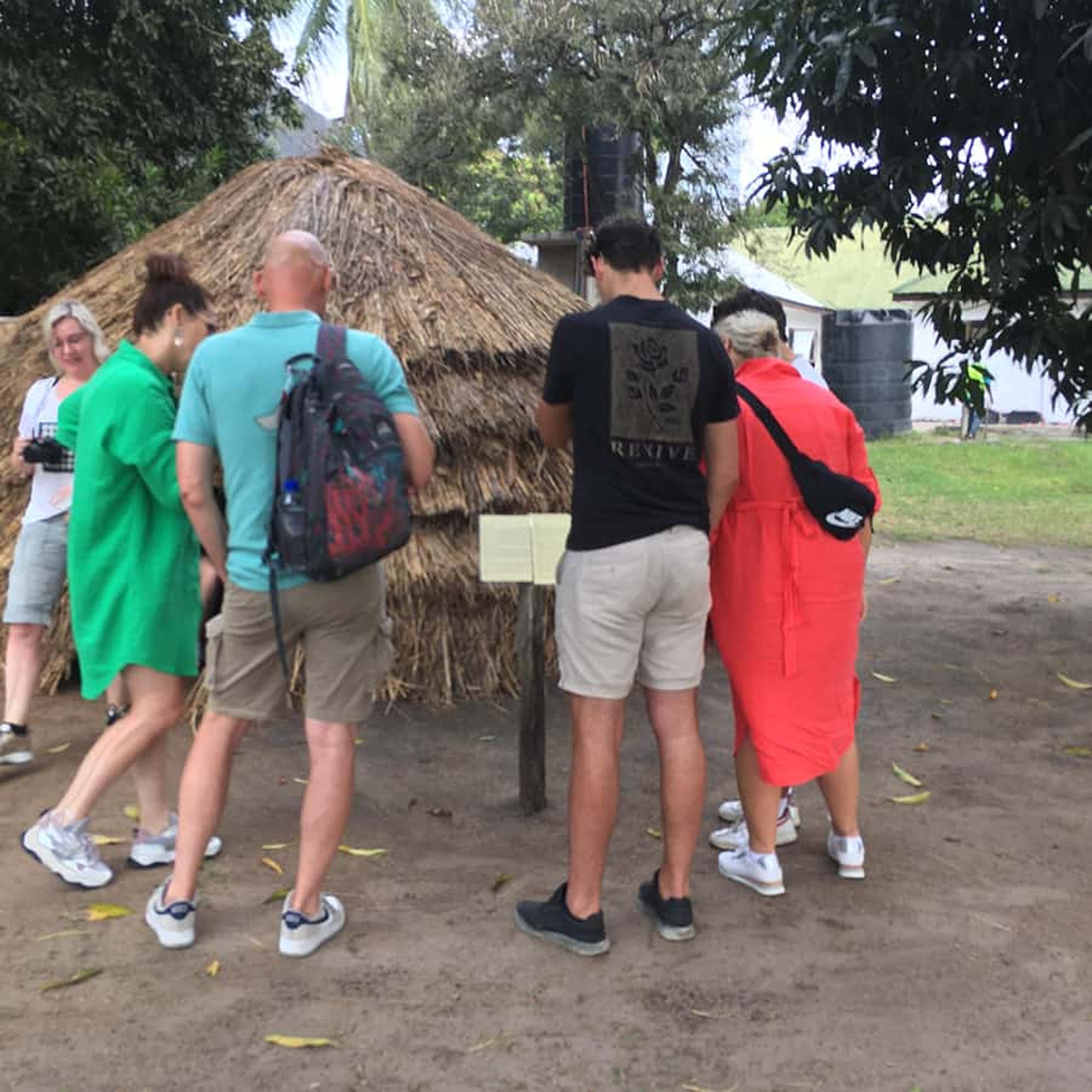
Tanzania has about 124 ethnic tribes in which the main 16 are chosen to represent all, by displaying their old ways of living before colonial and industrial revolution.
Among the chosen tribes, each display their home structure with houses built by natural materials to show the old life reality, inside each house you will find some of the equipment used including cooking stoves, pots, bowls, water cooling pot, spears & arrows for hunting, defensive & protection. Each house include rooms divisions and allocation to the family members accordingly.
At each house information are provided in a well printed and laminated paper to give visitors more details about the customs of their people, lifestyle, and equipment discovered & used before the modern world. To-date there are still tribes in the rural areas who lives one hundred percent in their old ways of life.
Under the big tree at the museum yard, a general traditional tribal dance performances take place daily, whenever there is demand.
Available languages
Guide guide
EN
Reviews breakdown
Viator
4.9
14 reviews
5★
13
4★
1
3★
0
2★
0
1★
0
Tripadvisor
4.8
52 reviews
5★
47
4★
4
3★
0
2★
0
1★
1
Important information
Wheelchair accessible
All areas and surfaces are wheelchair accessible
Suitable for all physical fitness levels
Meeting point
Our driver guide will have a signboard written guest's names for identification
About Dar es Salaam
Dar es Salaam is Tanzania's largest city and its commercial hub, offering a vibrant mix of cultural heritage, bustling markets, and beautiful coastal scenery. As the gateway to Zanzibar and the southern circuits of Tanzania, it combines modern urban life with Swahili coastal charm.
Top Attractions
Coco Beach
A popular beach in Dar es Salaam with a vibrant atmosphere, perfect for swimming, sunbathing, and enjoying local seafood.
Beach
Half day
Free (Food and activities extra)
Mbudya Island
A small island located just off the coast of Dar es Salaam, offering pristine beaches, snorkeling, and a peaceful escape from the city.
Nature
Full day
Moderate (Boat ride and activities)
Dar es Salaam National Museum
A museum showcasing the history and culture of Tanzania, including exhibits on natural history, ethnography, and the country's struggle for independence.
Historical
2-3 hours
Moderate (Entry fee)
Must-Try Local Dishes
Ugali and Nyama Choma
Ugali is a staple food made from maize flour, often served with grilled meat (Nyama Choma).
Main Course
Vegetarian options available (Ugali with vegetables)
Pilau
A fragrant rice dish cooked with spices, meat, and vegetables.
Main Course
Can be made vegetarian or vegan
Mishkaki
Grilled skewers of marinated meat, often served with kachumbari (a fresh tomato and onion salsa).
Snack
Contains meat
Popular Activities
Snorkeling and diving
Island hopping
Beach relaxation
Spa treatments
Visiting museums and historical sites
Attending local festivals and events
Boat tours and fishing excursions
Spice tours in Zanzibar
Best Time to Visit
June to October
This is the dry season with pleasant weather, making it ideal for exploring the city and its attractions.
22-30°C
72-86°F
Practical Information
Language
- Official: Swahili, English
- Widely spoken: Swahili, English
- English: Moderately spoken
Currency
Tanzanian Shilling (TZS)
Time Zone
GMT+3
Electricity
230VV, 50HzHz
Safety Information
Overall Safety Rating: Exercise caution
Dar es Salaam is generally safe for tourists, but petty crime and scams can occur. Be cautious, especially in crowded areas and at night.
Important Precautions:
- • Be cautious with valuables, especially in crowded areas.
- • Use reputable taxi services or ride-hailing apps.
- • Avoid walking alone at night, especially in isolated areas.
Getting there
By air
- Julius Nyerere International Airport • 12 km from city center
By train
Dar es Salaam Central Station
By bus
Ubungo Bus Terminal, Tegeta Bus Terminal
Getting around
Public transport
Dala Dala are minibuses that are the most common and affordable way to get around the city. They can be crowded and chaotic.
Taxis
Available • Apps: Uber, Bolt
Rentals
Car, Bike, Scooter
Neighborhoods
Kariakoo
Oyster Bay
Day trips
Zanzibar Island
60 km from Dar es Salaam • Full day or overnight
Zanzibar offers a rich history, beautiful beaches, and a unique blend of African, Arab, and Indian cultures.
Bagamoyo
60 km from Dar es Salaam • Full day
A historic town with a rich cultural heritage, known for its role in the slave trade and as a center for Swahili culture.
Festivals
Dar es Salaam International Film Festival (DIFIFF) • July
Sauti za Busara • February
Pro tips
- Learn a few basic Swahili phrases to enhance your interactions with locals.
- Use ride-hailing apps like Uber or Bolt for safer and more convenient transportation.
- Visit the Kariakoo Market early in the morning for the best selection and to avoid crowds.
- Try local street food for an authentic culinary experience, but choose busy stalls with high turnover.
- Book ferry tickets to Zanzibar in advance, especially during peak season.
From $25
per person
Price varies by option
Secure booking
Free cancellation available
Instant confirmation