Sarajevo City SIghtseeing / War Bike Tour
Active
6h - 7h
For a full refund, cancel at least 24 hours before the scheduled departure time.
Manual confirmation
Mobile or paper ticket accepted
About this experience
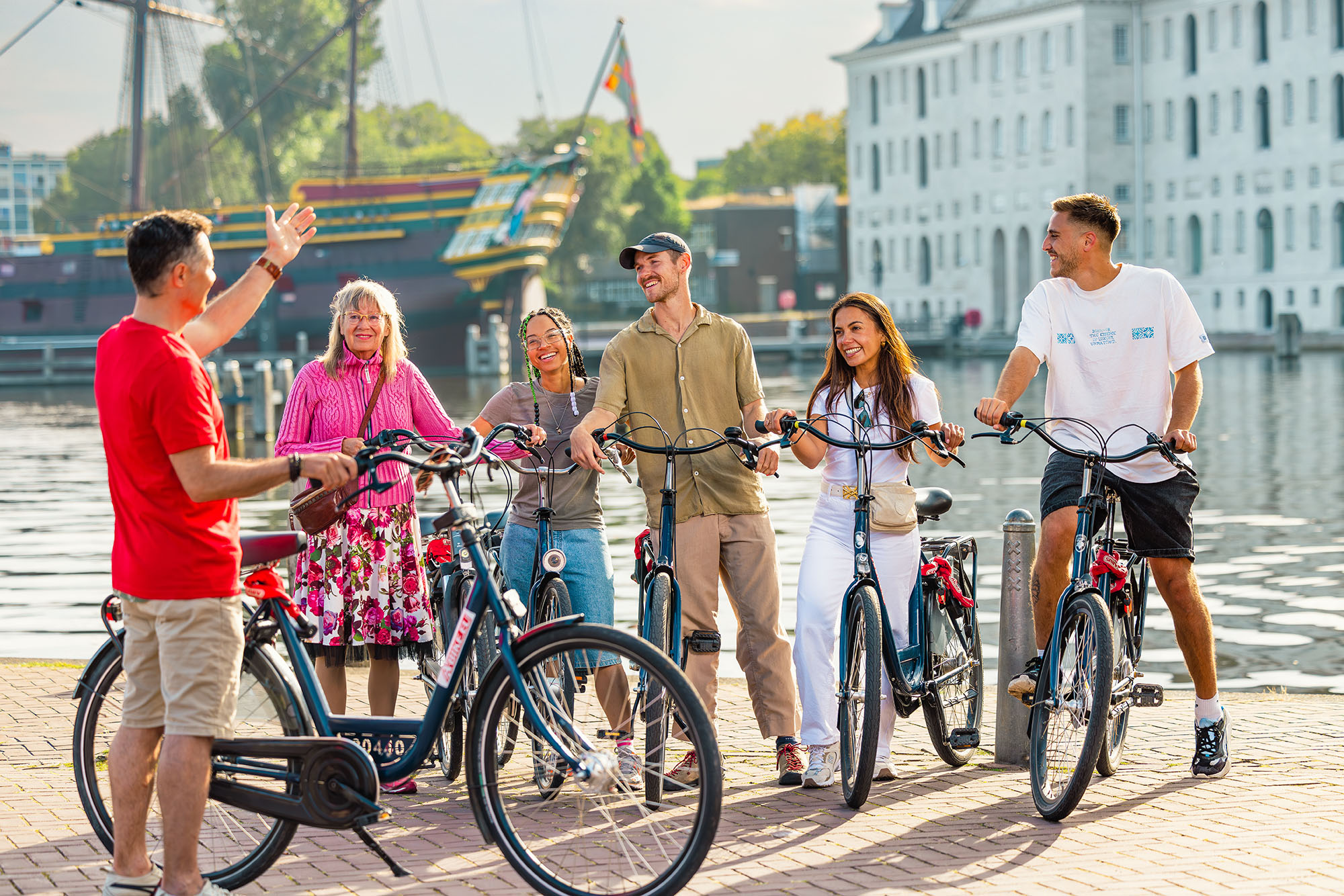
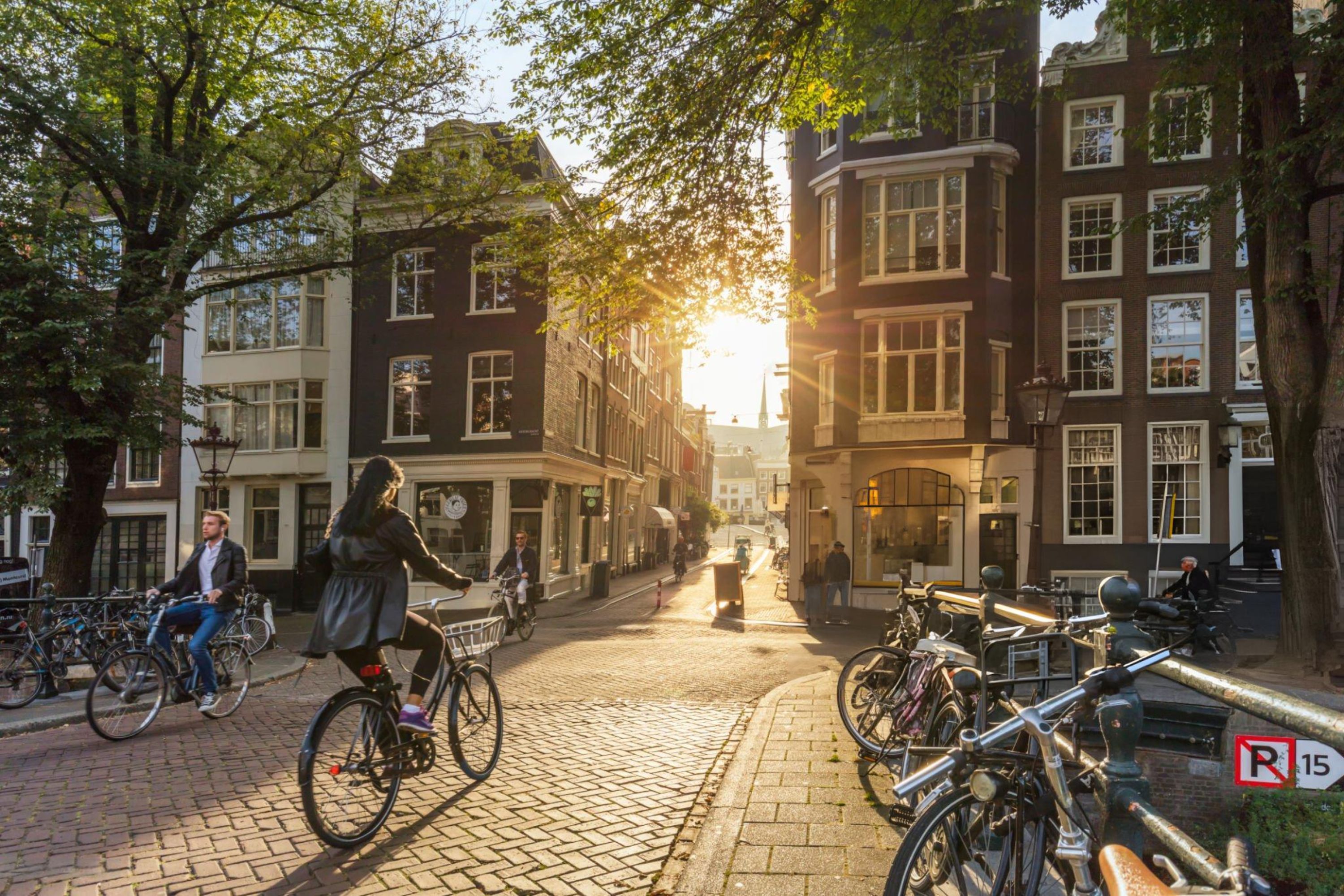
The tour starts at Baščaršija where you will meet up with your guide and pick up your bicycles and helmets. Starting from the Old Town, the architecture of this part of town is dating back to the Ottoman period, then you will encounter buildings in Austria-Hungarian style, after which you will see many buildings from socialist Yugoslavia period. The difference amongst those three predominant styles is clearly visible and noticeable as you are riding past it. Then, we will reach Vrelo Bosne, the Spring of the Bosna river. It is a beautiful park which has many springs of the river Bosna, as well as a couple of waterfalls, located at the foothills of mountain Igman. After we take some rest, we will head to the Tunnel of Hope where you will get to see the sections of the tunnel still remaining, as well as the museum dedicated to the importance of the tunnel during the Sarajevo Siege.
Available options
City / War Bike Tour
What's included
War tunnel museum admission fee
New friends
Use of helmet
Use of bicycle
Spring of river Bosna admission fee
Detailed itinerary
1
Sebilj is a famous wooden fountain located in the heart of Sarajevo’s Baščaršija. Built in the 18th century, it’s an iconic symbol of the city, known for its beautiful Ottoman architecture. Sebilj is a popular meeting spot and a place to relax, surrounded by cobbled streets, shops, and cafes. It’s a must-see landmark that captures the essence of Sarajevo’s rich history and vibrant atmosphere.
2
Kazandžiluk is one of the oldest streets in Sarajevo's Baščaršija, dating back to the 16th century. This cobbled, pedestrian-only lane is renowned for its coppersmiths, who have been crafting and selling copperware for centuries. Visitors can find a variety of handmade items, including coffee pots, trays, and jewelry, often featuring intricate filigree designs. The street begins near the Baščaršija Square and extends eastward, turning south to connect with Bravadžiluk Street. Walking through Kazandžiluk offers a glimpse into Sarajevo's rich Ottoman heritage and a chance to purchase unique, handcrafted souvenirs.
3
Vijećnica, Sarajevo’s City Hall, is a stunning example of Moorish Revival architecture, built in 1894. Originally a city hall, it later housed the National Library. During the Siege of Sarajevo in 1992, it was heavily damaged. After restoration, it reopened in 2014 as a national monument and cultural venue, symbolizing the city’s resilience and rich history.
4
Inat Kuća (House of Spite) is a historic building in Sarajevo. In the late 19th century, the owner refused to sell his house for the construction of the City Hall. Authorities moved it brick by brick to the opposite bank of the river. Today, it’s a restaurant serving traditional Bosnian food.
5
Stop 5
Latin Bridge is a historic Ottoman bridge in Sarajevo, famous for being the site of the 1914 assassination of Archduke Franz Ferdinand, which triggered World War I. Built in the 16th century, it remains an important city landmark.
6
Stop 6
Gazi Husrev Bey's Mosque is the largest mosque in Sarajevo, built in 1530. It’s an important symbol of the city’s Ottoman history, with beautiful architecture and a rich cultural heritage.
7
Bezistan is a 16th-century covered market in Sarajevo’s Baščaršija, built by Gazi Husrev-beg. It’s a historic shopping area with shops under arched arcades.
8
Sacred Heart Cathedral in Sarajevo, built in the late 19th century, is the largest cathedral in Bosnia and Herzegovina. Its Neo-Gothic style and historical significance make it a key symbol of the city.
9
The Parliament Building in Sarajevo, constructed in 1982, is a modernist structure designed by architect Juraj Neidhardt. It houses the Parliamentary Assembly of Bosnia and Herzegovina. Notably, the building was severely damaged during the Siege of Sarajevo in the 1990s but has since been restored.
10
Spring of the Bosna river is a public park, featuring the spring of the River Bosna, at the foothills of the Mount Igman on the outskirts of Sarajevo, capital of Bosnia and Herzegovina.
11
Stop 11
The tunnel was constructed during the Bosnian War as a means by which to link two Bosnian held territories that had been cut off by the Army of Republika Srpska.
What's not included
There is no exclusions for this tour
Available languages
Guide guide
EN
Reviews breakdown
Tripadvisor
4.9
13 reviews
5★
12
4★
1
3★
0
2★
0
1★
0
Important information
Public transportation options are available nearby
Suitable for all physical fitness levels
Meeting point
Our office is at the address Obala Isa-bega Ishakovića 3!
About Sarajevo
Sarajevo, the capital of Bosnia and Herzegovina, is a city of rich history, cultural diversity, and stunning architecture. Known for its Ottoman, Austro-Hungarian, and Yugoslav heritage, Sarajevo offers a unique blend of Eastern and Western influences, making it a fascinating destination for travelers.
Top Attractions
Baščaršija
The old bazaar and cultural heart of Sarajevo, Baščaršija is a must-visit for its historic charm and traditional crafts.
Historical
1-2 hours
Free to explore, but shopping and dining costs vary
Sarajevo War Tunnel Museum
This museum showcases the tunnel that was used to supply the city during the Siege of Sarajevo.
Historical
1-2 hours
Moderate (around 10 EUR)
Yellow Fortress (Žuta Tabija)
A historic fortress offering panoramic views of the city and the Miljacka River.
Historical
1 hour
Free
Must-Try Local Dishes
Ćevapi
Grilled minced meat sausages, typically served with somun (flatbread) and onions.
Main Dish
Contains meat, gluten (from bread)
Burek
A flaky pastry filled with meat, cheese, or spinach.
Snack
Contains gluten, can be vegetarian (cheese or spinach versions)
Begova Čorba
A rich and flavorful beef and vegetable soup, often served with noodles or rice.
Soup
Contains meat, gluten (from noodles or rice)
Popular Activities
Skiing
Hiking
Mountain biking
Coffee tasting
Spa treatments
Strolling through Baščaršija
Visiting museums
Attending festivals
Best Time to Visit
May to September
This is the best time to visit Sarajevo due to the pleasant weather and numerous outdoor activities and festivals.
15°C to 30°C
59°F to 86°F
Practical Information
Language
- Official: Bosnian
- Widely spoken: English, Serbian, Croatian
- English: Moderately spoken
Currency
Bosnia and Herzegovina Convertible Mark (BAM)
Time Zone
CET (GMT+1), CST (GMT+2) during daylight saving time
Electricity
220VV, 50HzHz
Safety Information
Overall Safety Rating: Generally safe
Sarajevo is generally safe for travelers, but petty crime and scams can occur, especially in tourist areas. Be cautious of your surroundings and take standard precautions.
Important Precautions:
- • Be cautious of your belongings in crowded areas
- • Use official taxis and ensure the meter is used
- • Avoid walking alone at night, especially in poorly lit areas
Getting there
By air
- Sarajevo International Airport • 10 km from city center
By train
Sarajevo Central Station
By bus
Sarajevo Bus Terminal
Getting around
Public transport
The tram system is efficient and affordable, connecting key areas of the city.
Taxis
Available • Apps: Yutong
Rentals
Car, Bike
Neighborhoods
Old Town (Stari Grad)
Marijin Dvor
Grbavica
Day trips
Mostar
130 km • Full day
Mostar is famous for its iconic Stari Most (Old Bridge) and rich Ottoman heritage.
Travnik
90 km • Full day
Travnik is known for its Ottoman architecture and as the former residence of Bosnian governors.
Jahorina Mountain
30 km • Half day to full day
Jahorina is a popular destination for skiing, hiking, and enjoying nature.
Festivals
Sarajevo Film Festival • August
Sarajevo Winter Festival • December to February
Sarajevo Jazz Festival • November
Pro tips
- Visit the Yellow Fortress at sunset for the best views of the city
- Try traditional Bosnian coffee at a local café for an authentic experience
- Explore the city's street art and murals, which tell stories of its history and culture
- Take a day trip to Mostar to see the iconic Stari Most and experience another side of Bosnia
- Learn a few basic phrases in Bosnian to enhance your interactions with locals
From $25
per person
Price varies by option
Secure booking
Free cancellation available