Rosia Montana Day Tour
Active
3h - 4h
For a full refund, cancel at least 24 hours before the scheduled departure time.
Instant confirmation
Mobile or paper ticket accepted
About this experience
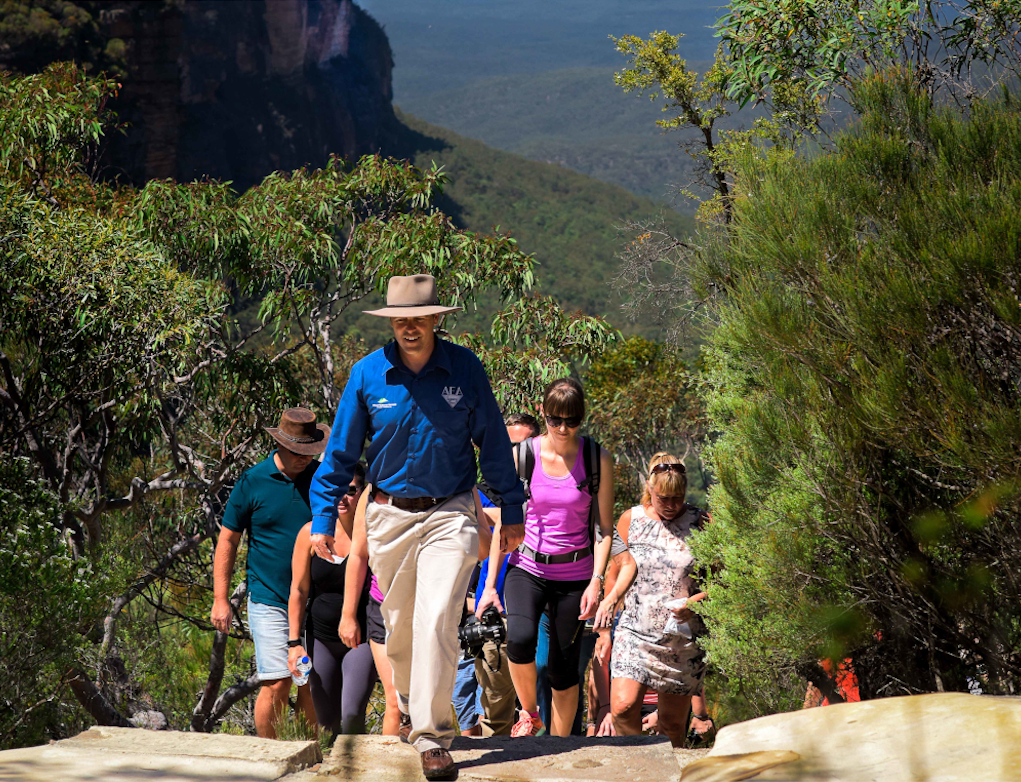
Visit Rosia Montana, the Golden destination a land of magic. A local will guide you to discover the most important spots of Roşia Montană and to understand why is this place so loved.
Available options
Walking Guided Tour
Duration: 4 hours
What's included
Guided Walking Tour
Detailed itinerary
1
A first Unitarian church was built in 1568, made of wood, followed by a masonry building set on fire in 1784, which was then replaced by the present church, built in 1796. You can sing at the organ, you can go up in the tower where you can see a photo exhibition and in the and you will have a wonderful panorama of the town.
2
Raven Stone is a geological reserve occupying an area of 5 ha. The Raven Stone is a rock shaped like a head of a raven.
3
The Sphinx of Roșia Montană is a natural monument on the top of the Cârnic mountain. The cross was place there by the miners to be protected in the mining galleries
4
Around the Cârnic mountain we will see some entrances of Roman mining galleries.
5
Despicată Stone is near the stone Raven and it is a protected geological formation. Despicată Stone is composed of a rock type not seen in this area.
6
In 1970, a new page from the history of gold mining in Roşia Montana was written with the beginning of the open-pit mine on Cetate Massif. Unfortunately, Roman vestiges and a large fortress were destroyed, even though they were on a list of protected historical monuments.
7
Roșia Montană attracted a lot of different communities, settling in the mining village, searching for gold. These communities had different religions, but they got along very well. Roșia Montană has 8 churches belonging to different communities: Catholic, Orthodox or Greek-Catholic Christians, Unitarian or Calvin churches.
8
Made in Roșia Montană is a social business which is doing hand made knitwear from merino wool. MIRM is working with around 30 women from the village and invests 10% of the profit in education.
Available languages
Guide guide
EN
RO
Reviews breakdown
Tripadvisor
5.0
1 reviews
5★
1
4★
0
3★
0
2★
0
1★
0
Important information
Not recommended for travelers with spinal injuries
Not recommended for pregnant travelers
Not recommended for travelers with poor cardiovascular health
Suitable for all physical fitness levels
Meeting point
We start all the tours from the Historical Center of Rosia Montana, House 324.
About Transylvania
Transylvania is a historic region in Romania known for its stunning landscapes, medieval castles, and rich folklore. It is often associated with the legend of Dracula, but it offers much more, including vibrant cities, picturesque villages, and diverse wildlife.
Top Attractions
Bran Castle
Bran Castle is often associated with the legend of Dracula. Built in the 14th century, it offers a glimpse into medieval life and the famous vampire myth.
Historical
2-3 hours
€10
Sighișoara Citadel
A UNESCO World Heritage site, Sighișoara Citadel is one of the best-preserved medieval citadels in Europe. It is also the birthplace of Vlad the Impaler, the inspiration for Dracula.
Historical
Half a day
€5-10 for museum entries
Peles Castle
Peles Castle is a stunning neo-Renaissance palace built in the 19th century. It served as the summer residence of the Romanian royal family and is known for its intricate architecture and beautiful surroundings.
Historical
2-3 hours
€8
Must-Try Local Dishes
Sarmale
Cabbage rolls stuffed with a mixture of minced pork, rice, and spices, usually served with polenta.
Main Dish
Contains pork, not vegetarian
Papanași
Fried dough balls filled with sweet cheese, usually served with sour cream and jam.
Dessert
Can be made vegetarian
Popular Activities
Hiking in the Carpathian Mountains
Skiing in Poiana Brașov
Spa treatments in resorts
Picnicking in scenic parks
Visiting medieval castles and citadels
Exploring traditional villages
Rafting on the Olt River
Skiing and snowboarding in Poiana Brașov
Best Time to Visit
June to August
This is the warmest time of the year, perfect for outdoor activities and exploring the countryside. It's also the busiest tourist season.
18°C to 30°C
64°F to 86°F
Practical Information
Language
- Official: Romanian
- Widely spoken: English, Hungarian, German
- English: Moderately spoken in tourist areas, limited in rural areas
Currency
Romanian Leu (RON)
Time Zone
GMT+2 (EET), GMT+3 (EEST) during daylight saving time
Electricity
230VV, 50HzHz
Safety Information
Overall Safety Rating: Generally safe
Transylvania is generally safe for travelers, with low crime rates. However, it's always important to take standard precautions to ensure a safe and enjoyable trip.
Important Precautions:
- • Keep valuables secure
- • Use licensed taxis or ride-sharing apps
- • Be cautious of strangers offering help or services
Getting there
By air
- Avram Iancu International Airport • 8 km from Cluj-Napoca city center
- Târgu Mureș International Airport • 12 km from Târgu Mureș city center
By train
Cluj-Napoca Railway Station, Brașov Railway Station
By bus
Cluj-Napoca Bus Station, Brașov Bus Station
Getting around
Public transport
Buses are the primary mode of public transport in Transylvania. They are affordable and cover most areas within cities and towns.
Taxis
Available • Apps: Uber, Bolt
Rentals
Car, Bike, Scooter
Neighborhoods
Old Town Cluj-Napoca
Lipscani District Brașov
Day trips
Biertan
50 km from Sighișoara • Half day
Biertan is a charming village known for its fortified church, a UNESCO World Heritage site. It offers a glimpse into the region's Saxon heritage.
Râșnov Citadel
15 km from Brașov • Half day
Râșnov Citadel is a well-preserved medieval fortress offering panoramic views of the surrounding countryside.
Festivals
Medieval Festival • July
Transylvania International Film Festival • May
Pro tips
- Visit Bran Castle early in the morning to avoid crowds
- Try local specialties like sarmale and papanași at traditional restaurants
- Explore the countryside by renting a car or joining a guided tour
- Attend local festivals and events for an authentic cultural experience
- Learn a few basic phrases in Romanian to enhance your interactions with locals
From $25
per person
Price varies by option
Secure booking
Free cancellation available
Instant confirmation