Best of Rio Private Tour with Photo experience
Active
2h - 10h
For a full refund, cancel at least 24 hours before the scheduled departure time.
Instant confirmation
Mobile or paper ticket accepted
About this experience
See Rio's most important sights during this 7-hour tour with an experienced local guide. You will purchase tickets for Sugarloaf and Christ the Redeemer at the entrance.
• Take the cable car from Urca to the top of Sugarloaf Mountain for spectacular views of Rio's landscapes.
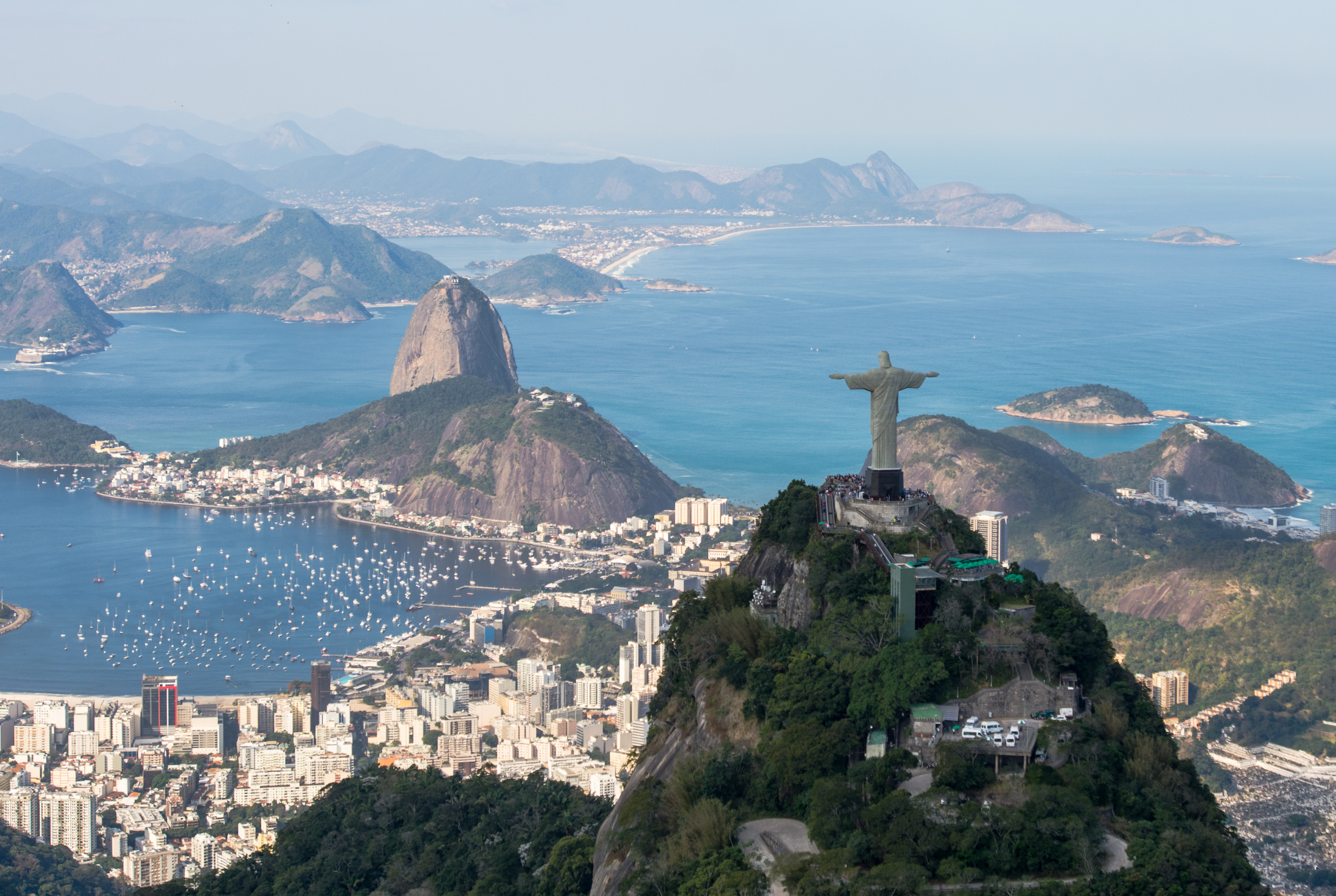
• Drive through the Tijuca Forest to the Paineiras Visitors Center, then ride to the top of Corcovado. See Christ the Redeemer and more spectacular views of the city and Guanabara Bay.
• Visit the historic Parque Lage and Botanical Gardens at the foot of Corcovado Mountain.
• Enjoy Brazilian cuisine for lunch.
• Spend a while in the famous bohemian Lapa neighborhood where you will see the iconic Selaron Staircase and the Arches of Lapa, an 18th century aqueduct.
• Walk down the Olympic Boulevard, passing the largest street art mural in the world painted by Eduardo Kobra, and visit Maua Square, which offers beautiful views of Guanabara Bay, Rio's Museum of Art, the Museum of Tomorrow, and other points of interest.
Available options
Private luxury Van
private Van: Leather Seat
air conditioning<br/>Duration: 7 hours<br/>customized<br/>Pickup included
Private City tour of Rio
Private Tour: Pickup and drop-off
Transportation and Tour guide. Tours every day.<br/>Duration: 7 hours<br/>high ending car: air conditioning <br/>up to 3 people per car<br/>Pickup included
What's included
Choice of morning or afternoon departure to suit your plans
For more details and updates, check out our Instagram page @caiolocalguide
Fluent English speaking personal guide
Visit your choice of Rio attractions: Christ the redeemer, Sugar loaf, selaron steps and more.
Tour customized to your specifications
Awe inspiring, professional-quality ''Instagram worthy" photography
Hassle-free hotel pickup and comfortable round-trip private, air conditioned transport
Detailed itinerary
1
Stop 1
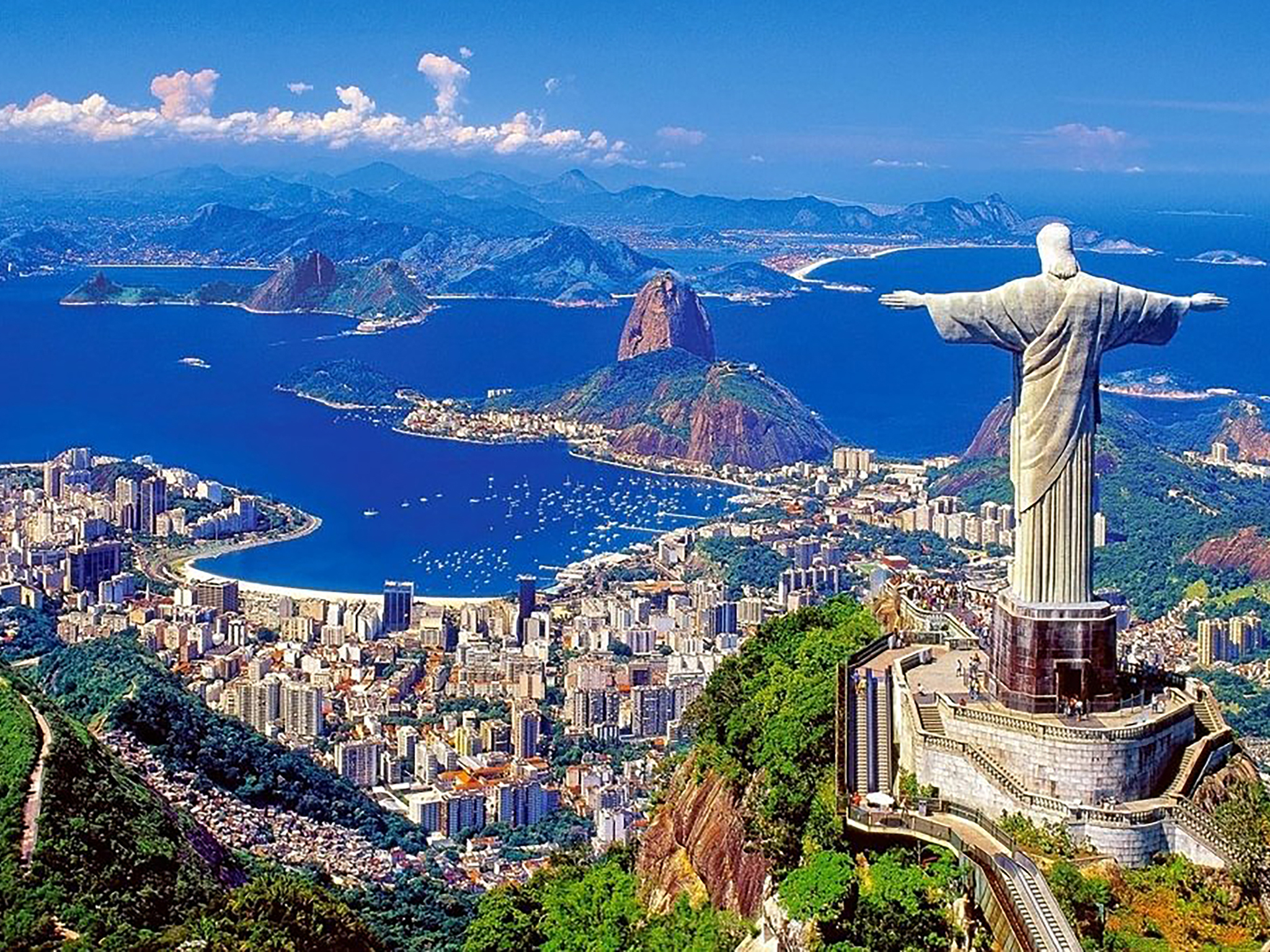
Sugarloaf Mountain is a peak situated in Rio de Janeiro, Brazil, at the mouth of Guanabara Bay on a peninsula that juts out into the Atlantic Ocean. Rising 396 m (1,299 ft) above the harbor, its name is said to refer to its resemblance to the traditional shape of concentrated refined loaf sugar. It is known worldwide for its cableway and panoramic views of the city and beyond
2
Stop 2
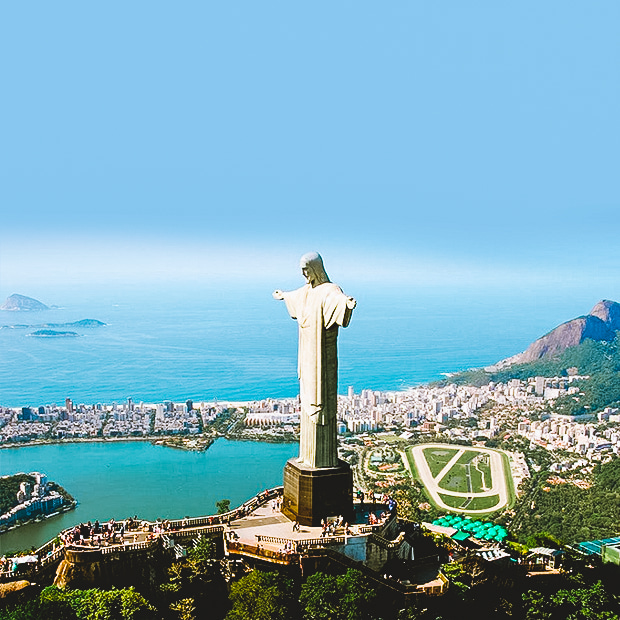
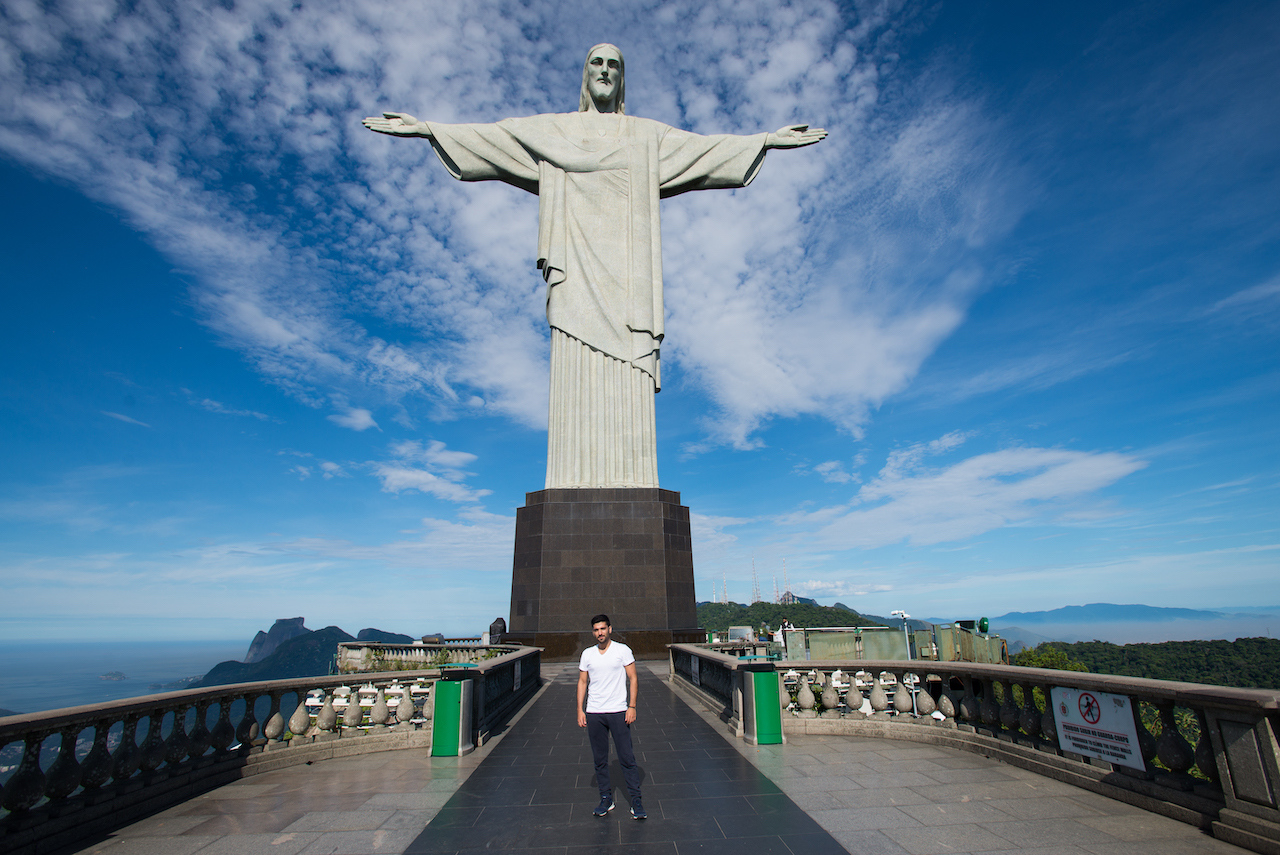
Christ the Redeemer is an Art Deco statue of Jesus Christ in Rio de Janeiro, Brazil, created by French sculptor Paul Landowski and built by Brazilian engineer Heitor da Silva Costa, in collaboration with French engineer Albert Caquot. Romanian sculptor Gheorghe Leonida fashioned the face. Constructed between 1922 and 1931, the statue is 30 metres (98 ft) high, excluding its 8-metre (26 ft) pedestal. The arms stretch 28 metres (92 ft) wide.
3
Stop 3
Originating from an old sugar mil, the park makes part of the historic memory of the city. In 1957, it was tumbled by the “Instituto do PatrimônioHistórico e ArtísticoNacional” (IPHAN) like as historical and cultural heritage of the city of Rio de Janeiro.
Projected in 1840 by the the English landscaper John Tyndale, the wonderful garden with Romantic and European style share the attention with the native forest of Mata Atlântica. Also highlight imperial palm tree, the rivers and artificial island, a part from caves spread over the park and the inlaid aquarium on the walls with a lot of fishes. So wanted by families, especially on the weekends, Parque Laje have a good structure good structure for the amusement of children with toys and a large outdoor area. Picnic is very common the park.
4
Stop 4
The staircase, which is between Rua Joaquim Silva, in Lapa, and Rua Pinto Martins, in the Santa Teresa neighborhood, is just five minutes from Arcos da Lapa. A work by Chilean artist Jorge Selarón, the staircase brings together several tiles from various parts of Brazil and the world. All colorful, it was the scene of U2 and Snoop Dogg clips, in addition to being a place chosen by locals and thousands of city visitors for photographs.
5
The Port Region experienced its peak and decline in just over a century. From a fishing village to the main port in the country, the area was also the gateway and home for the slaves, giving the region the nickname “Little Africa”, the number of blacks who lived there being such a big one. From 2010, with the beginning of the works of the Porto Maravilha project, which revitalizes the urban area while preserving the history of this region, several historical points were rediscovered.
From Jardins do Valongo to Cais da Imperatriz, through modern projects such as the Museum of Art of Rio and the new Museum of Tomorrow, the project developed the tourist and economic potential of the region, forming a legacy for future generations. In this context, we selected some points of tourist interest in the Port Region of Rio de Janeiro, forming a great historical and cultural itinerary of this important region of the city.
6
Stop 6
The Mirante Dona Marta literally translates to ‘lookout,’ and visitors to the site will get just that — an incredible view of some of Rio de Janeiro’s best sights, often without the crowds. Standing there one can see the long stretches of lush forest and white sand beach below, and even take in the famous sights of the Christ the Redeemer statue and Sugarloaf Mountain.
The area functions as a helipad and observation point, with panoramic views of Guanabara Bay and Copacabana. At 1,200 feet (364 meters) high, it provides excellent sunrise and sunset vistas and photo opportunities of the natural surroundings and the city below. Many who know Rio well cite it as their favorite viewpoint.
7
Stop 7
Rocinha is a favela located in the South Zone of the municipality of Rio de Janeiro, Brazil. It stands out for being the largest favela in the country.
8
The Pedra Bonita ramp is located within the Tijuca National Park area.
Good option to visit.
9
Stop 9
Pass by
Located in the heart of Rio de Janeiro, with access through the North, South, and West Zones, Tijuca National Park (Parna Tijuca or PNT) protects the largest man-replanted urban forest in the world, spanning 3,953 ha of Atlantic Forest. It is the most visited National Park in Brazil, receiving more than three million visitors per year, including Brazilians and foreigners of all ages.
10
Want a great place to cool off in Rio de Janeiro besides the beaches? Know that there are many waterfalls in the city and some are not so well known. This is the case of Serra do Mendanha Waterfall.
11
Stop 11
Pass by
In 1990, Jorge Selarón began to renovate some steps of the staircase, which was in a poor state of repair and which passes in front of his house. At first, the neighbors mocked the bizarre color combinations as he mixed the steps with bits of blue, green and yellow tiles, the colors of the Brazilian flag. It started as a hobby for his main passion, painting, but soon became an obsession. Selarón was almost always broke and then sold paintings to finance his venture. It was a long and tiring work, but the artist went on with the work and finally covered the entire set of tiled, ceramic, and mirrored steps.
12
Stop 12
Pass by
Presidente Costa e Silva Bridge, popularly known as the Rio – Niterói Bridge, is a bridge that crosses Guanabara Bay in the state of Rio de Janeiro, Brazil. It connects the municipalities of Rio de Janeiro and Niterói. Its name is in honor of Arthur da Costa e Silva, president during the military regime in Brazil (1964–1985) who gave the order for the construction of the structure.
13
Stop 13
Pass by
The Niterói Museum of Contemporary Art (MAC) is a museum of Brazilian contemporary art located in the city of Niterói, Rio de Janeiro, Brazil. The work was inaugurated on September 2, 1996. Designed by architect Oscar Niemeyer, MAC became one of Niterói's postcards. It is mainly intended for works belonging to Brazilian contemporary art from the 1950s until today. The museum has a collection of 1,217 works from the João Sattamini Collection. A collection assembled since the 1950s by collector João Sattamini, constituting the second largest collection of contemporary art in Brazil.
14
Stop 14
Pass by
Copacabana Fort is located at the tip of Copacabana, at the end of the beach and neighborhood of the same name, in the city of Rio de Janeiro.
15
Fort Duque de Caxias, formerly known as Vigia Fort, Espia Fort and Leme Fort, is located in the Leme district of Rio de Janeiro.
16
The Telegraph Stone Trail is one of the most sought-after trails in Rio de Janeiro and is located in the Pedra Branca State Park.
17
Stop 17
Pass by
The CCBB is a cultural center that consists of exhibition rooms, three theaters, a library, cinema, and a video room. It is housed in an art deco-style building located in what used to be the financial district of Rio de Janeiro.
18
The cultural center jerusalem is a site that houses the first-century jerusalem model d. C. An incredible place for anyone who wants to learn about the history of Israel and Jewish culture.
19
Stop 19
Pass by
Ruins Park is a place full of stories to tell. The place was a house that served as a meeting point during Brazilian modernism, with incredible appearances such as Tarsila do Amaral and Villa Lobos. The ruins blend with a restoration architecture with glass and metal, making the place even more peculiar.
20
Stop 20
Pass by
Ruins Park is a place full of stories to tell. The place was a house that served as a meeting point during Brazilian modernism, with incredible appearances such as Tarsila do Amaral and Villa Lobos. The ruins blend with a restoration architecture with glass and metal, making the place even more peculiar.
21
Stop 21
Pass by
Originally from an old sugar mill, the park is part of the city's historical memory. In 1957, it was listed by the Institute of National Historical and Artistic Heritage (IPHAN) as the historical and cultural heritage of the city of Rio de Janeiro.
22
The Rio de Janeiro Municipal Market - CADEG occupies an area of 100,000 m². With 706 stores and rooms, it has several segments of commerce and services with national and imported products, such as cod, cereals, vegetables, fresh fruits, pulp, dairy, beverages, disposables and decoration, standing out as a market reference. wholesaler for food professionals since its inception. In addition, it is known as the largest flower distributor in the state, selling an average of half a million flowers per month. In 2018, CADEG was listed as a Public Official Heritage of Rio de Janeiro.
23
Stop 23
Pass by
Famous for its crescent-shaped beach, Copacabana is one of Rio's liveliest neighborhoods. It attracts locals and tourists for uninterrupted activities on its sands and boardwalk. Among the skyscrapers overlooking the beach are the Art Deco-style Copacabana Palace hotel and the lush Copacabana Fort, which houses a military museum. Farther into the neighborhood, laid-back cafes and casual bars fill the quiet streets.
24
The imposing and modern architectural project of the French Christian Portzamparc, with its concrete sails hoisted between the sea and the mountains of the West Zone of Rio de Janeiro, the Cidade das Artes Bibi Ferreira has become a point of reference in the city for its innovative design and for bringing a region lacking in spaces for quality artistic performances a cultural center that offers, among other facilities, one of the best equipped concert halls in South America.
What's not included
tickets of attractions
Lunch
Available languages
Guide guide
PT
EN
Reviews breakdown
Viator
5.0
10 reviews
5★
10
4★
0
3★
0
2★
0
1★
0
Tripadvisor
5.0
113 reviews
5★
111
4★
1
3★
0
2★
1
1★
0
Important information
Infants and small children can ride in a pram or stroller
Suitable for all physical fitness levels
About Rio de Janeiro
Rio de Janeiro, known as the 'Marvelous City,' is famous for its natural settings, Carnival, samba, bossa nova, and Balneario beaches such as Copacabana and Ipanema. It's a vibrant city with a rich cultural heritage and stunning landscapes, including the iconic Christ the Redeemer statue and Sugarloaf Mountain.
Top Attractions
Christ the Redeemer
One of the New Seven Wonders of the World, this iconic statue offers breathtaking views of Rio de Janeiro.
Historical/Religious
2-3 hours
R$84 (including train ticket)
Sugarloaf Mountain
A famous peak offering stunning views of Rio de Janeiro and its beaches.
Nature
2-3 hours
R$88 (round-trip cable car)
Copacabana Beach
One of the most famous beaches in the world, known for its vibrant atmosphere and beautiful sunsets.
Beach
Half day or full day
Free
Tijuca National Park
The world's largest urban forest, offering hiking trails, waterfalls, and diverse wildlife.
Nature
Half day or full day
Free (some attractions may have fees)
Santa Teresa
A historic and bohemian neighborhood known for its cobblestone streets, art galleries, and scenic views.
Cultural
Half day
Free to explore
Must-Try Local Dishes
Feijoada
A hearty stew made with black beans and various cuts of pork, often served with rice, collard greens, and orange slices.
Dinner
Contains pork, not suitable for vegetarians or vegans.
Pão de Queijo
Cheese bread made with tapioca flour, giving it a unique texture and flavor.
Snack
Vegetarian, but contains dairy.
Moqueca
A traditional fish stew cooked in coconut milk and dendê oil, with various seafood and vegetables.
Dinner
Can be made vegetarian or vegan with vegetable broth and tofu.
Açaí
A thick, creamy fruit pulp from the açaí palm, often served with granola and condensed milk.
Dessert/Drink
Can be made vegan with plant-based milk.
Popular Activities
Hiking in Tijuca National Park
Surfing in Arpoador
Paragliding in Pedra Bonita
Beach lounging in Ipanema
Spa treatments in Copacabana
Yoga in Botafogo
Visiting museums in Centro
Attending a samba show
Best Time to Visit
December to March
This is the peak tourist season with warm weather and the famous Carnival in February/March. Expect crowded beaches and higher prices.
25-30°C
77-86°F
Practical Information
Language
- Official: Portuguese
- Widely spoken: English (limited)
- English: Limited
Currency
Brazilian Real (BRL)
Time Zone
GMT-3 (Brasília Time)
Electricity
110V/220VV, 60HzHz
Safety Information
Overall Safety Rating: Exercise caution
Rio de Janeiro is generally safe for tourists, but petty crime and violence can occur. Exercise caution, especially in less touristy areas and at night.
Important Precautions:
- • Avoid walking alone at night in unsafe areas
- • Use common sense and stay alert to your surroundings
- • Keep valuables secure and out of sight
Getting there
By air
- Rio de Janeiro-Galeão International Airport • 20 km (12 miles) from city center
- Santos Dumont Airport • 12 km (7.5 miles) from city center
By train
Central do Brasil
By bus
Rodoviária Novo Rio, Terminal Rodoviário da Gavea
Getting around
Public transport
Efficient and air-conditioned, the metro is a great way to avoid traffic.
Taxis
Available • Apps: Uber, 99 Taxis
Rentals
Car, Bike, Scooter
Neighborhoods
Copacabana
Ipanema
Santa Teresa
Lapa
Botafogo
Day trips
Petrópolis
65 km (40 miles) • Full day
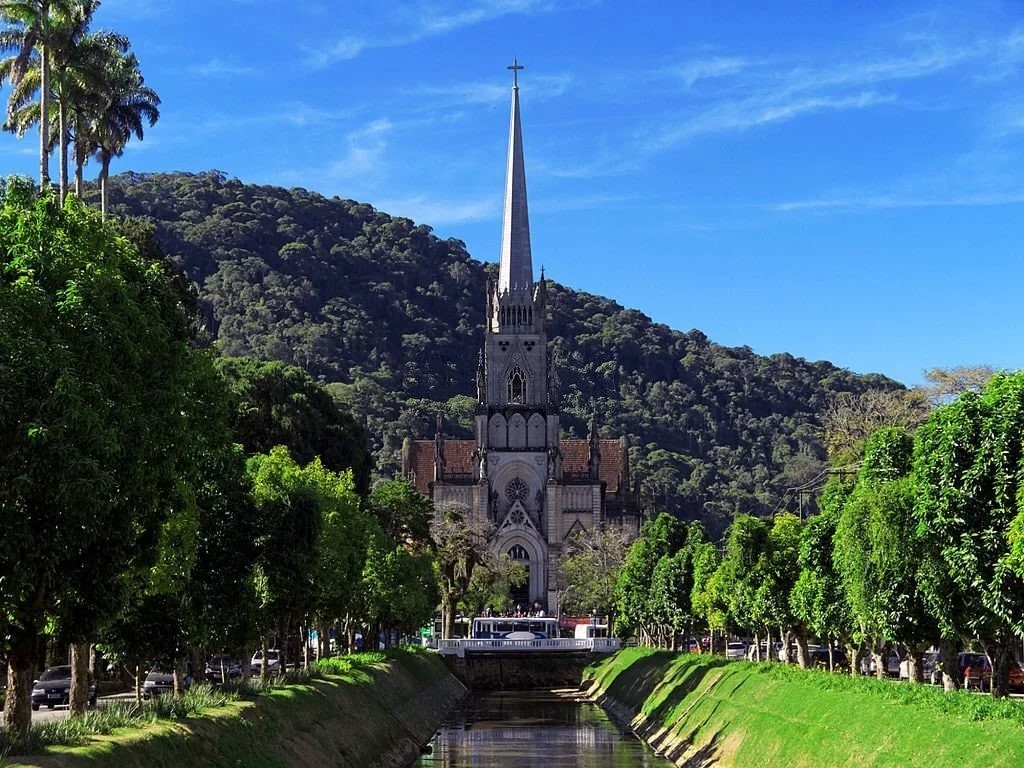
A charming colonial town in the mountains, known for its historic architecture and cool climate.
Paraty
170 km (105 miles) • Full day or overnight
A historic coastal town with cobblestone streets, colonial architecture, and beautiful beaches.
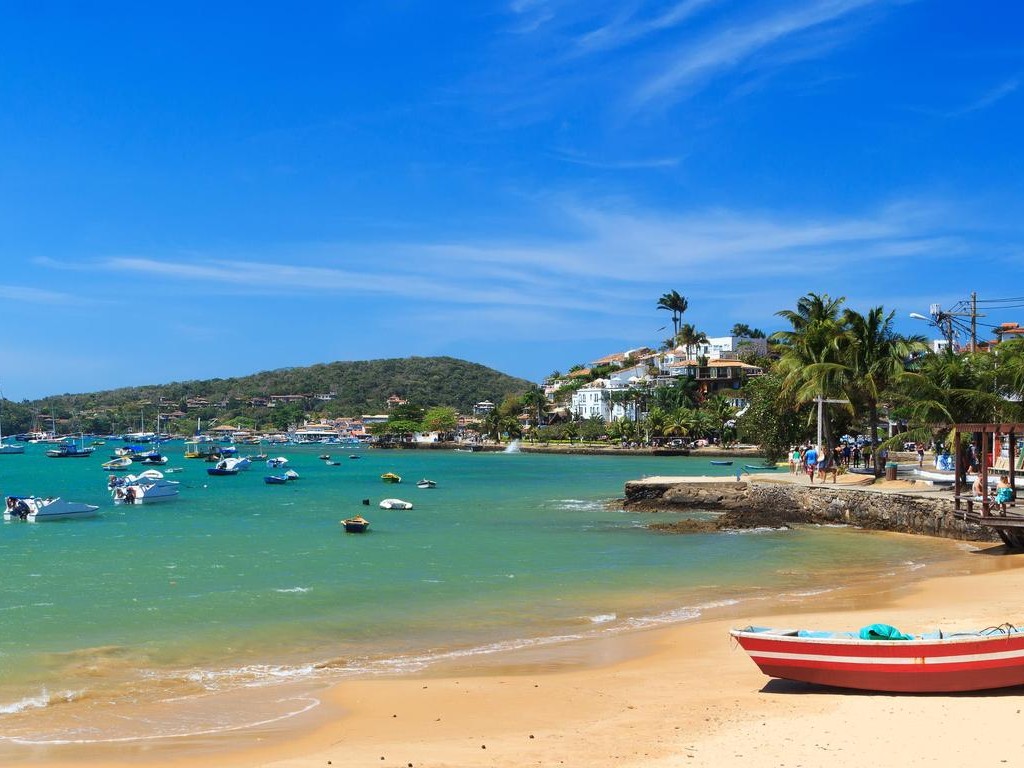
Búzios
170 km (105 miles) • Full day or overnight
A picturesque beach town known for its stunning beaches, clear waters, and vibrant nightlife.
Festivals
Carnival • February/March (dates vary)
Rio Carnival Samba Parade • February/March (dates vary)
New Year's Eve (Réveillon) • December 31
Pro tips
- Visit Christ the Redeemer early in the morning to avoid crowds and enjoy the best views
- Take a helicopter tour for a unique perspective of the city
- Explore the less touristy neighborhoods like Santa Teresa and Botafogo for a more authentic experience
- Try local street food like pão de queijo and coxinha for a taste of Brazilian flavors
- Learn some basic Portuguese phrases to enhance your interactions with locals
From $25
per person
Price varies by option
Secure booking
Free cancellation available
Instant confirmation