Kamakura and Yokohama Private Tour with Bilingual Chauffeur
Active
8h - 10h
For a full refund, cancel at least 24 hours before the scheduled departure time.
Instant confirmation
Mobile or paper ticket accepted
About this experience
Discover Kamakura, the ancient capital where Japan’s samurai history began. Home to the iconic Great Buddha and enchanting temples like Tsurugaoka Hachiman and Hokokuji—with its serene bamboo garden perfect for matcha—Kamakura offers a journey through time.
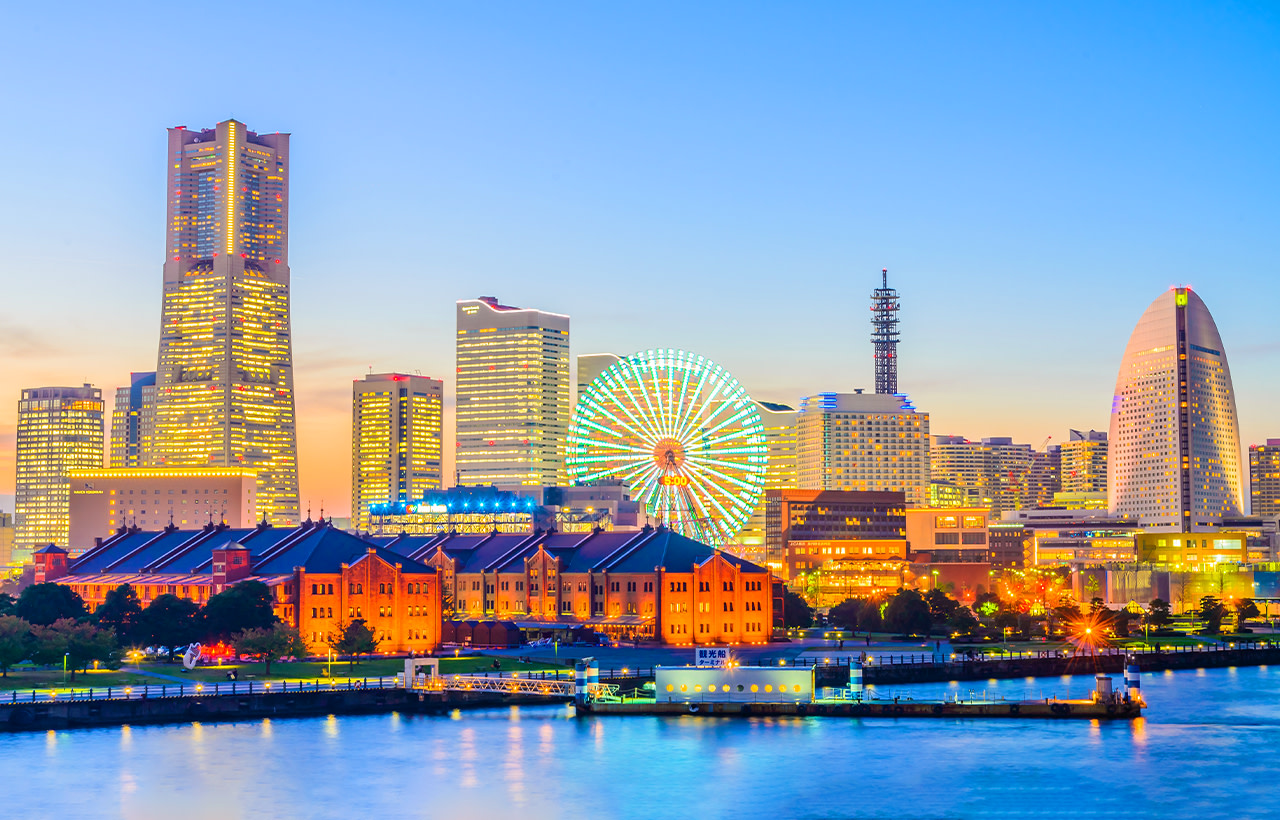
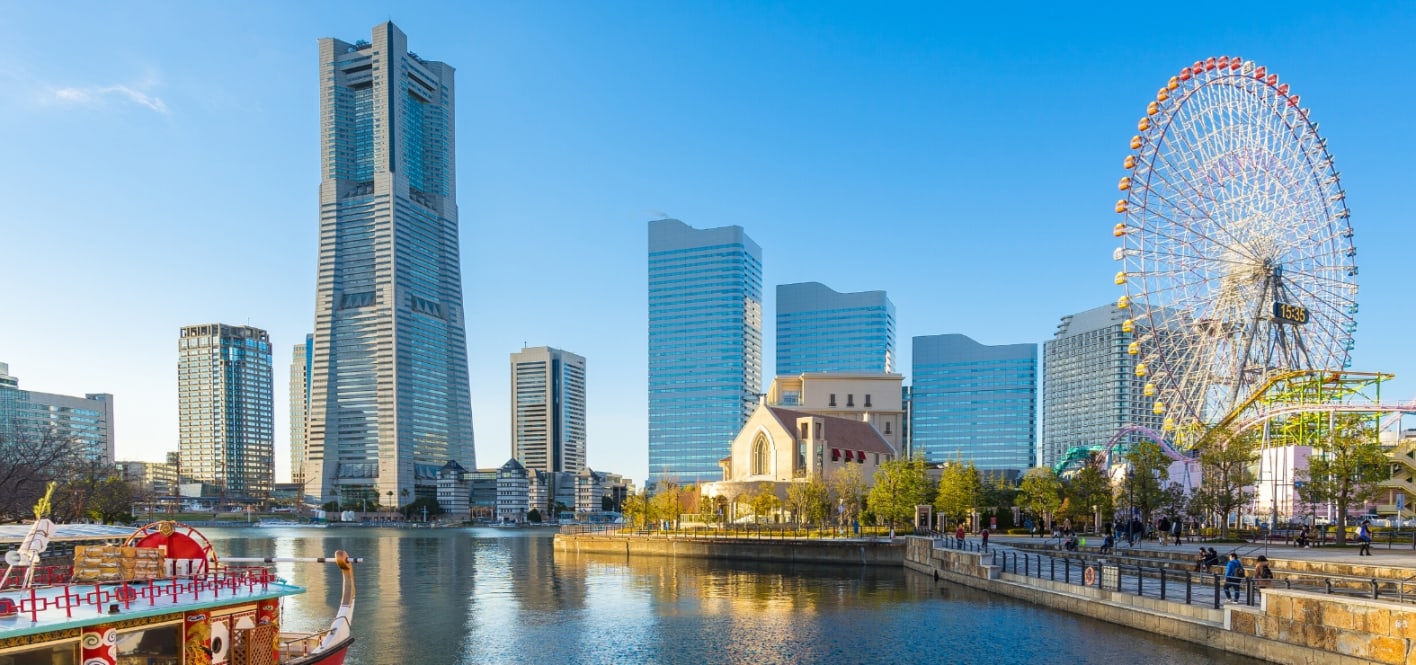
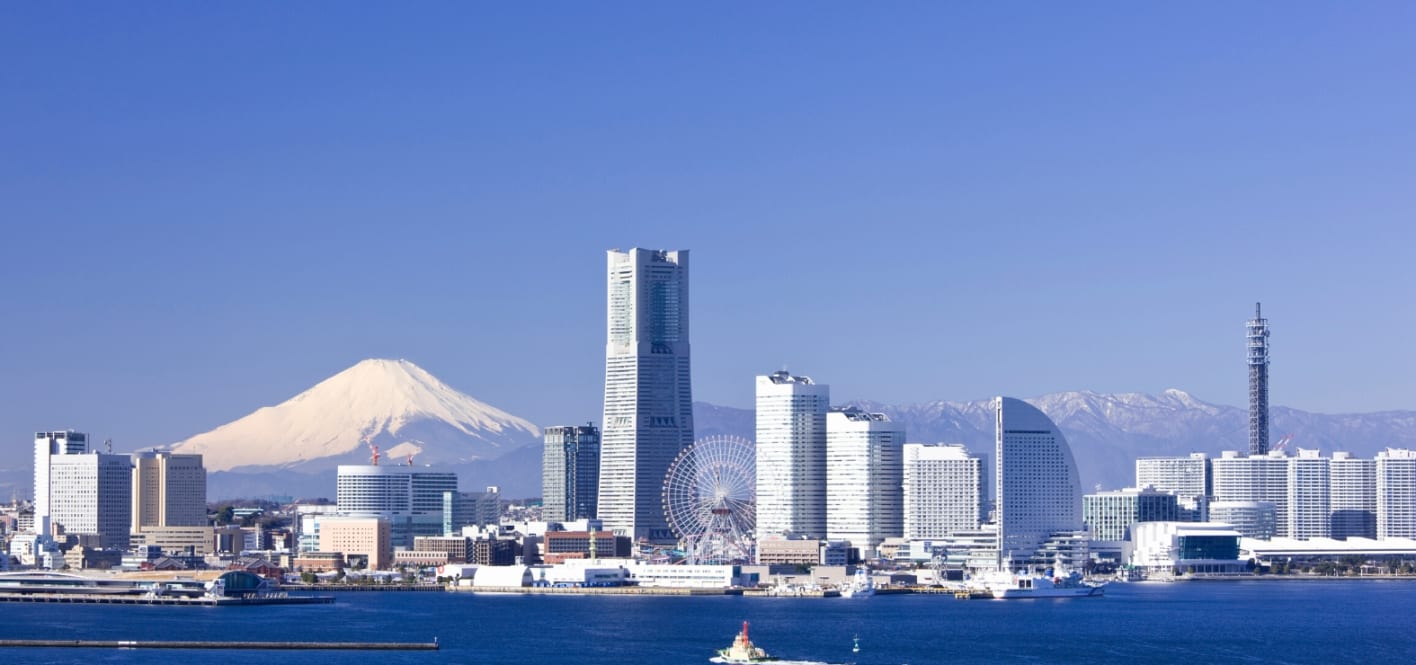
Stroll down Komachi Street for unique souvenirs before exploring the charming island of Enoshima or Yokohama, where Eastern and Western cultures blend in striking contrast.
This tour showcases Kamakura’s medieval legacy, from its towering 13th-century bronze Buddha to its rich culinary scene, featuring fresh seafood and traditional sweets. With expert guides bringing history to life, you’ll experience a captivating blend of culture, nature, and tradition, leaving with lasting memories of Japan’s heritage.
Available options
Van (10 seater)
Pickup included
Private car-Mini van(7 seater)
Pickup included
What's included
Fuel charges and parking fee and tool charges
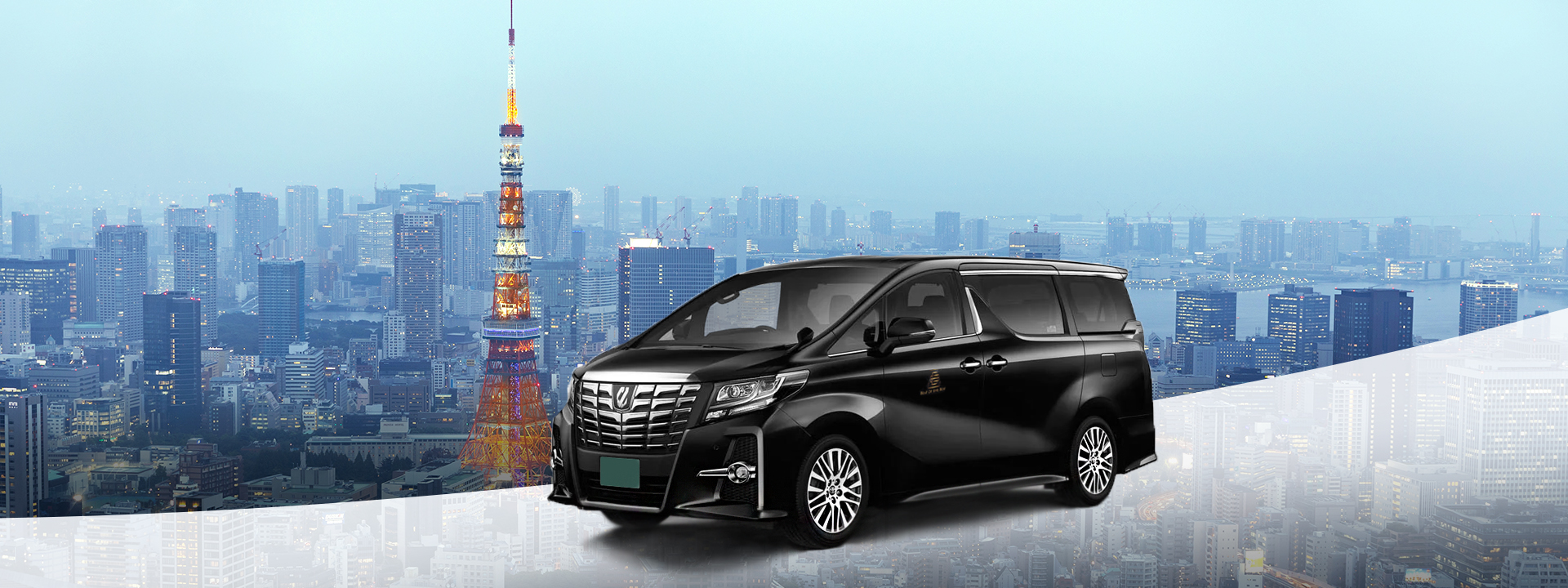
Private transportation
Air-conditioned vehicle
Free picture taking or video making assistance for clients if needed
In-person: English Guide
Bottled water
Detailed itinerary
1
Stop 1
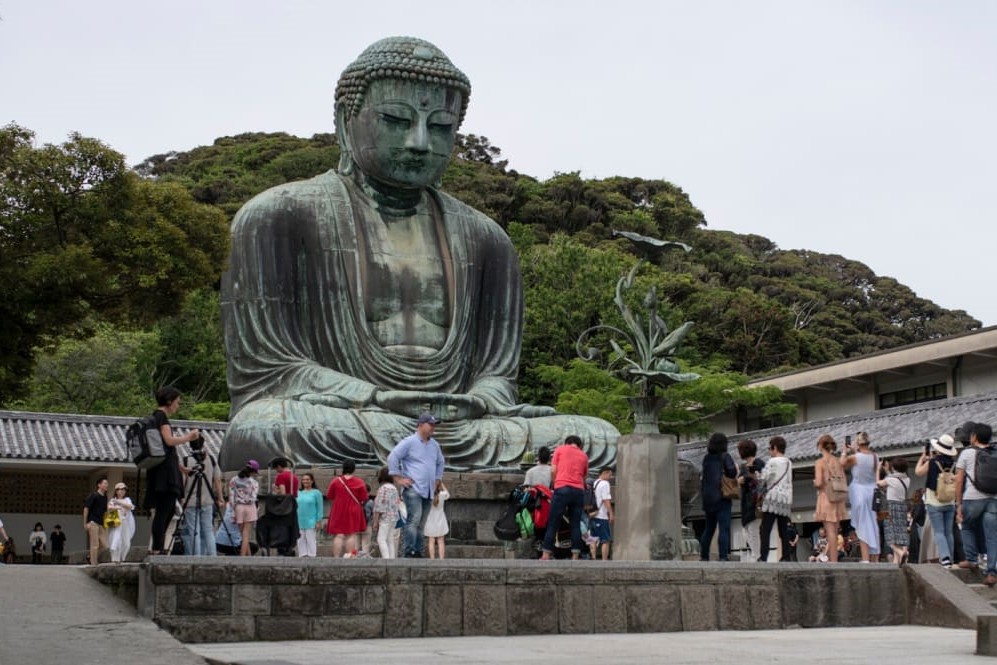
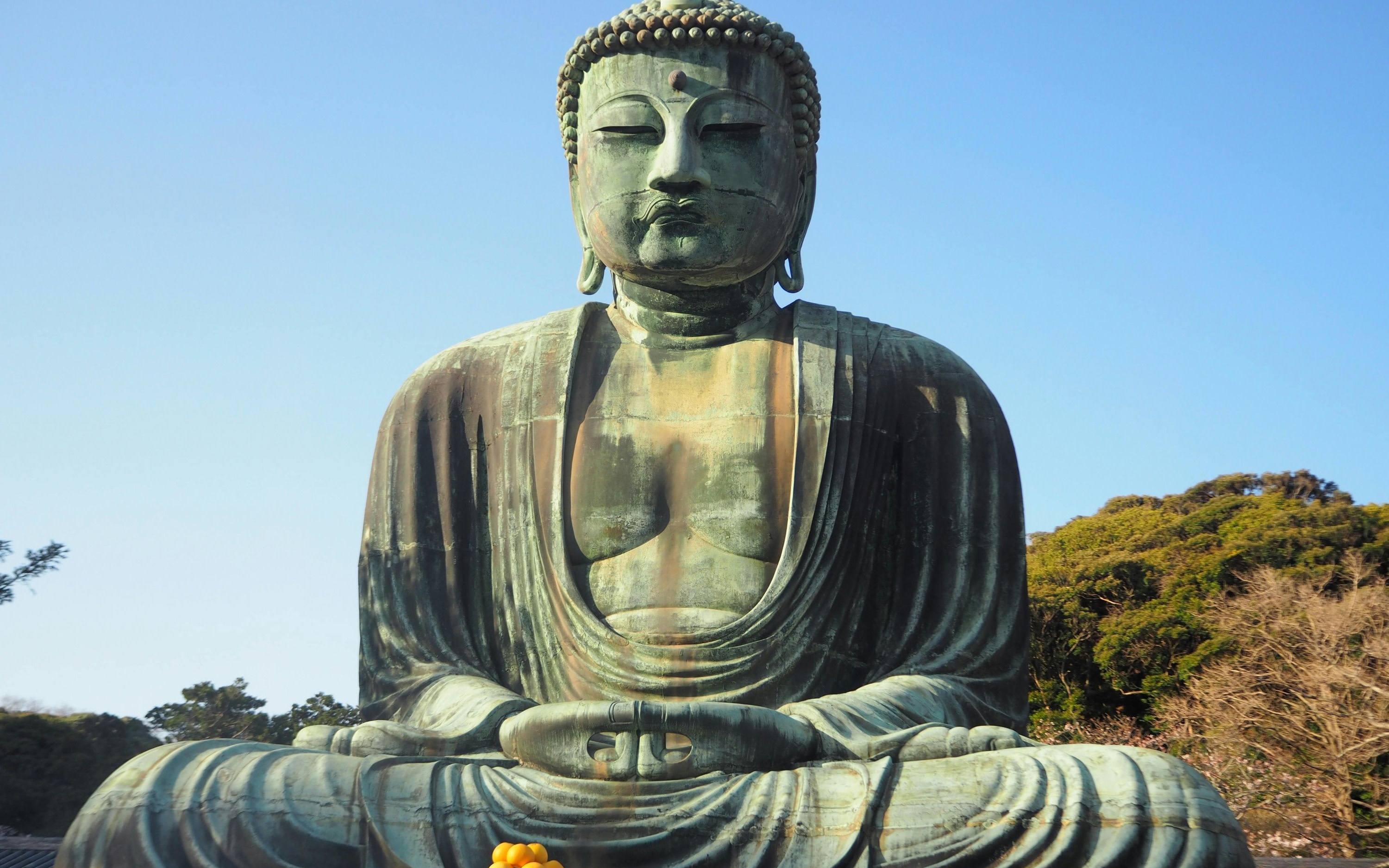
The Great Buddha of Kamakura is an outdoor bronze statue of Amida Buddha located on the grounds of Kotoku-in Temple in Kanagawa Prefecture. Standing at the height of approximately 13.35 meters, it is one of the largest and the most renowned bronze Buddha statues in Japan. Once housed in a huge hall, the Great Buddha today sits in the open air because the building was washed away by a tsunami in 1498
2
Nestled in the historic city of Kamakura, Hokoku-ji Temple is a Zen Buddhist sanctuary renowned for its breathtaking bamboo grove. Founded in 1334, this hidden gem offers a serene escape from the bustling world, inviting visitors to experience tranquility amid towering bamboo stalks.
As you stroll through the temple’s scenic pathways, you’ll discover a beautiful rock garden, a traditional teahouse serving matcha, and the peaceful ambiance of Zen philosophy. The temple’s main hall, dedicated to the Rinzai sect of Zen Buddhism, showcases exquisite wooden carvings and a sacred Buddha statue.
Whether you seek spiritual reflection, a picturesque retreat, or a taste of traditional Japanese culture, Hokoku-ji Temple promises an unforgettable experience.
Highlights:
Bamboo Grove – Over 2,000 lush bamboo stalks create a mesmerizing natural sanctuary.
Traditional Teahouse – Enjoy matcha tea while immersed in the temple’s serene atmosphere.
3
Stop 3
Tsurugaoka Hachimangu – The Heart of Kamakura
Tsurugaoka Hachimangu is Kamakura’s most important Shinto shrine, dedicated to Hachiman, the patron deity of the samurai. Founded in 1063 by Minamoto no Yoriyoshi and later expanded by Minamoto no Yoritomo, the first shogun of Japan, this historic site stands at the heart of the city, embodying its rich samurai heritage.
The shrine complex features grand torii gates, a majestic stairway leading to the main hall, and beautiful seasonal gardens. In spring, cherry blossoms line the approach, while autumn transforms the grounds with vibrant foliage. The shrine is also famous for hosting traditional ceremonies and festivals, including the grand Reitaisai in September, featuring Yabusame (archery on horseback).
Highlights:
Main Shrine – A stunning structure offering panoramic views of Kamakura.
Genpei Pond – Picturesque gardens with lotus flowers in summer.
Yabusame Archery – A thrilling display of samurai horseback archery.
4
Hasedera Temple – The Temple of Flowers in Kamakura
Hasedera Temple, a historic Buddhist sanctuary in Kamakura, is renowned for its breathtaking seasonal flowers, stunning coastal views, and the revered statue of Kannon, the Goddess of Mercy. Founded in the 8th century, the temple blends spiritual significance with natural beauty, offering visitors a peaceful retreat.
The temple’s highlight is the 9.18-meter-tall wooden Kannon statue, one of Japan’s largest. Its beautifully landscaped gardens showcase hydrangeas in summer and vibrant maple leaves in autumn. A mystical cave dedicated to Benzaiten, the goddess of wisdom and music, adds to the temple’s charm.
Perched on a hillside, Hasedera offers breathtaking panoramic views of Kamakura’s coastline. Visitors can explore traditional halls, admire Buddhist artifacts, and enjoy the serene ambiance.
5
(Optional) Komachi Dori – The Vibrant Shopping Street of Kamakura
Komachi Dori is Kamakura’s bustling shopping street, stretching from the entrance of Tsurugaoka Hachimangu Shrine. Lined with charming shops, traditional eateries, and souvenir stalls, this lively street is a must-visit for those exploring the city’s culture and flavors.
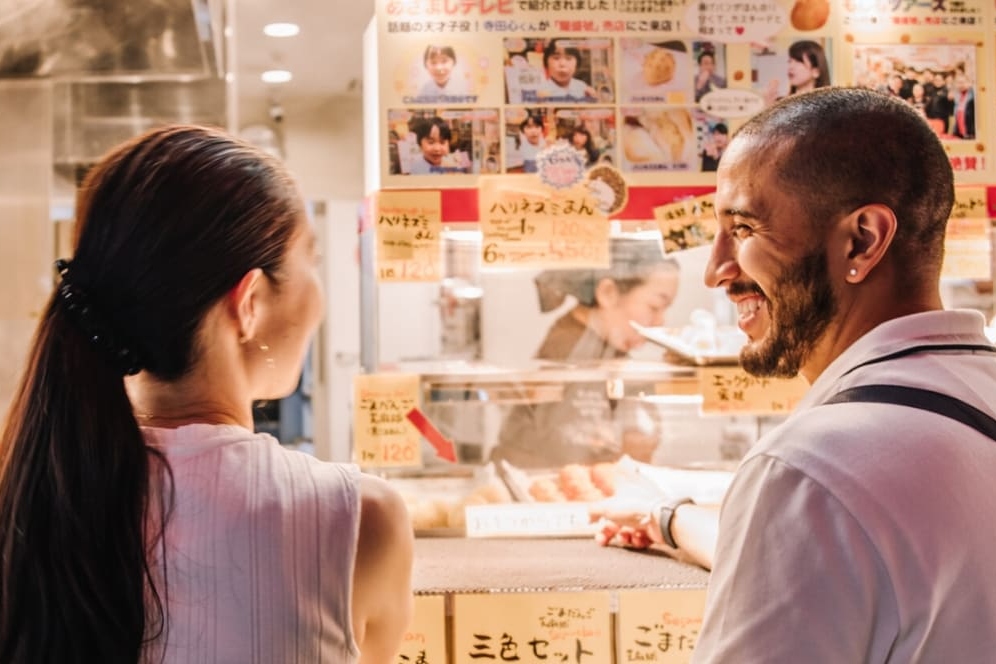
Visitors can indulge in local delicacies such as freshly made rice crackers, matcha sweets, and the famous shirasu (whitebait) dishes. Unique craft stores, kimono boutiques, and specialty shops offer everything from handmade accessories to traditional Japanese souvenirs. The street’s mix of historical charm and modern vibrancy makes it a perfect place to stroll, shop, and savor Kamakura’s atmosphere.
6
(Optional) Enoshima Island – A Scenic Escape by the Sea
Enoshima Island is a picturesque coastal getaway near Kamakura, known for its stunning ocean views, historic shrines, and vibrant seaside culture. Connected to the mainland by a bridge, this small yet enchanting island offers a mix of nature, spirituality, and adventure, making it a popular destination for visitors.
At the heart of Enoshima lies Enoshima Shrine, dedicated to Benzaiten, the goddess of music and fortune. The island is also home to the breathtaking Enoshima Sea Candle, an observation tower with panoramic views of Mount Fuji and the coastline. Visitors can explore lush gardens, mysterious caves, and scenic walking trails leading to rocky shorelines.
Highlights:
Enoshima Shrine – A sacred site dedicated to the goddess Benzaiten.
Enoshima Sea Candle – A lighthouse with stunning coastal and Mount Fuji views.
Iwaya Caves – Mysterious sea caves with historical significance.
7
(Optional)Yokohama Chinatown is Japan’s largest and most vibrant Chinatown, rich in Chinese culture, history, and cuisine. Established in the late 19th century, it has over 600 restaurants, shops, and cultural sites. The area is marked by colorful gates, lanterns, and streets filled with the aromas of dim sum, Peking duck, and steamed buns. Key attractions include Kanteibyo Temple, dedicated to the god of business, and Masobyo Temple, honoring the sea goddess. It also hosts festivals like Chinese New Year, featuring dragon dances and fireworks. Located near Yamashita Park, it’s a must-visit for food lovers and culture seekers.
What's not included
Entry/Admission - Kotoku-in (Great Buddha of Kamakura)
Entry/Admission - Hase-dera Temple
Entry/Admission - Hokokuji Temple (Takedera Temple)
Entry- admission to enoshima island
Available languages
Guide guide
HI
EN
UR
Reviews breakdown
Viator
5.0
1 reviews
5★
1
4★
0
3★
0
2★
0
1★
0
Tripadvisor
5.0
2 reviews
5★
2
4★
0
3★
0
2★
0
1★
0
Important information
Public transportation options are available nearby
Specialized infant seats are available
Suitable for all physical fitness levels
About Tokyo
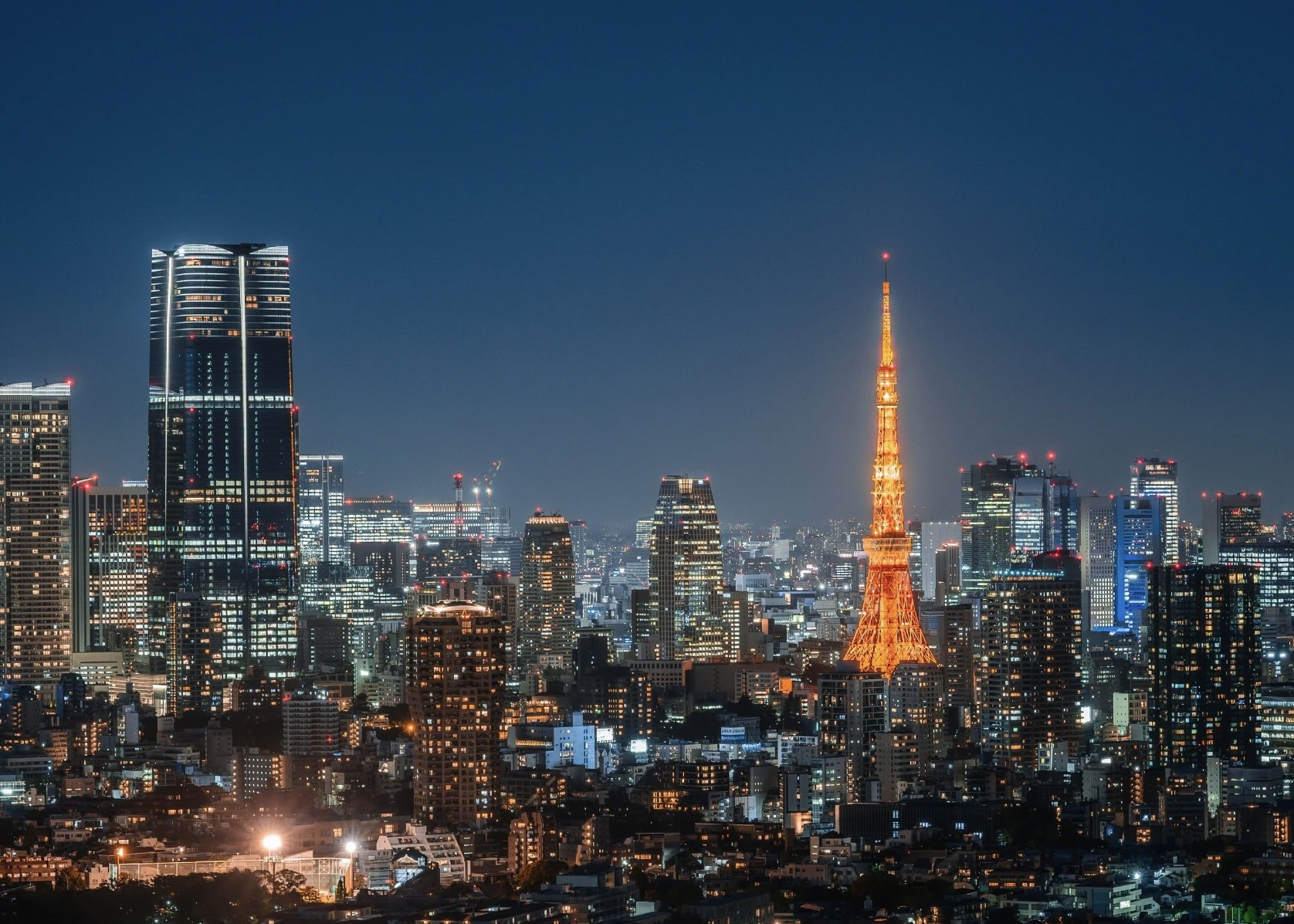
Tokyo, the capital of Japan, is a bustling metropolis that beautifully blends traditional culture with cutting-edge technology. Known for its neon-lit streets, historic temples, and world-class cuisine, Tokyo offers a unique experience that caters to every type of traveler.
Top Attractions
Senso-ji Temple
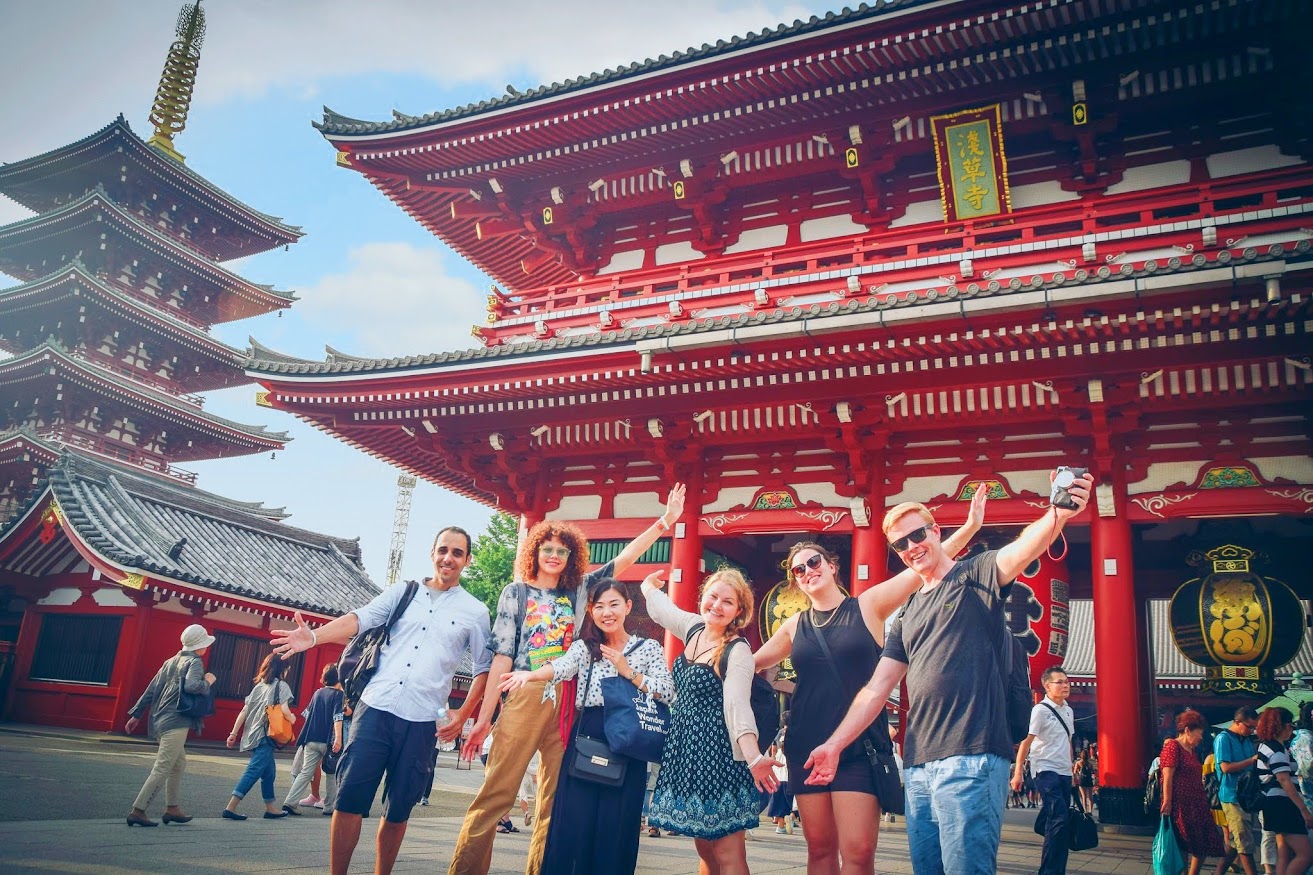
Senso-ji is Tokyo's oldest temple and one of its most significant. The temple's massive lantern and five-story pagoda are iconic landmarks.
Historical/Religious
1-2 hours
Free (small fee for some areas)
Meiji Shrine
Meiji Shrine is a Shinto shrine dedicated to the deified spirits of Emperor Meiji and his wife, Empress Shoken. It is surrounded by a beautiful forest.
Historical/Religious
1-2 hours
Free
Shibuya Crossing
Shibuya Crossing is the world's busiest pedestrian crossing and a symbol of Tokyo's bustling urban life. It's a must-see for its chaotic yet orderly nature.
Cultural
30 minutes to 1 hour
Free (¥2,200 for Shibuya Sky)
Tokyo Skytree
Tokyo Skytree is the tallest tower in Japan and the second tallest freestanding structure in the world. It offers breathtaking views of the city.
Architecture
2-3 hours
¥2,100 to ¥3,100 (USD $15 to $22)
Odaiba
Odaiba is a man-made island in Tokyo Bay known for its shopping, dining, and entertainment options. It's a great place for families and tech enthusiasts.
Entertainment
Half day to full day
Varies by attraction
Must-Try Local Dishes
Sushi
Fresh raw fish served on vinegared rice, a staple of Japanese cuisine.
Dinner
Contains fish, can be vegetarian with substitutes.
Ramen
Noodle soup with various broths and toppings, a popular comfort food.
Lunch/Dinner
Vegan and vegetarian options available.
Tempura
Deep-fried seafood and vegetables, known for its crispy texture.
Lunch/Dinner
Contains seafood and deep-fried ingredients.
Okonomiyaki
Savory pancake with various ingredients, often topped with sauce and bonito flakes.
Lunch/Dinner
Contains seafood and can be made vegetarian.
Popular Activities
Hiking in the nearby mountains
Parasailing at Odaiba
Onsen (hot spring) visits
Tea ceremonies
Traditional tea ceremonies
Kimono rentals and photo shoots
Boat tours on the Sumida River
Beach activities at Odaiba
Best Time to Visit
March to May (Spring) and September to November (Autumn)
These seasons offer comfortable temperatures and beautiful scenery, with cherry blossoms in spring and vibrant foliage in autumn. However, these are also the busiest times for tourism.
10°C to 25°C (50°F to 77°F)
50°F to 77°F
Practical Information
Language
- Official: Japanese
- Widely spoken: English, Chinese, Korean
- English: Moderately spoken in tourist areas, limited elsewhere
Currency
Japanese Yen (JPY)
Time Zone
GMT+9
Electricity
100VV, 50/60HzHz
Safety Information
Overall Safety Rating: Very safe
Tokyo is generally very safe, with low crime rates and a strong emphasis on public order. However, petty crimes like pickpocketing can occur in crowded areas.
Important Precautions:
- • Be cautious of your belongings in crowded areas.
- • Use licensed taxis and check fares before getting in.
- • Be aware of your surroundings, especially at night.
Getting there
By air
- Narita International Airport • 60 km (37 miles) from city center
- Haneda Airport • 15 km (9 miles) from city center
By train
Tokyo Station, Shinjuku Station
By bus
Tokyo Station Bus Terminal, Shinjuku Expressway Bus Terminal
Getting around
Public transport
Tokyo's subway system is efficient, clean, and punctual. It consists of multiple lines operated by Tokyo Metro and Toei Subway.
Taxis
Available • Apps: JapanTaxi, DiDi
Rentals
Car, Bike, Scooter
Neighborhoods
Shibuya
Shinjuku
Asakusa
Ginza
Akihabara
Day trips
Nikko
120 km (75 miles) from Tokyo • Full day
Nikko is a city known for its beautiful shrines, temples, and natural scenery. It's a UNESCO World Heritage site and offers a peaceful retreat from the bustling city.
Kamakura
50 km (31 miles) from Tokyo • Half day to full day
Kamakura is a coastal town known for its historic temples, shrines, and the Great Buddha statue. It's a great place to experience traditional Japanese culture.
Hakone
90 km (56 miles) from Tokyo • Full day or overnight
Hakone is a hot spring resort town known for its onsen (hot springs), scenic views of Mount Fuji, and the Open-Air Museum. It's a popular destination for relaxation and nature.
Festivals
Sannō Matsuri • Mid-June (every 2 years)
Kanda Matsuri • Mid-May (every 2 years)
Sumida River Fireworks Festival • Last Saturday of July
Pro tips
- Use IC cards like Suica or Pasmo for convenient and discounted public transport.
- Download useful apps like Google Maps, Japan Transit Planner, and Japan Travel by Navitime.
- Learn a few basic Japanese phrases to enhance your experience and show respect for the local culture.
- Carry cash, as some smaller shops and restaurants may not accept credit cards.
- Visit popular attractions early in the morning or late in the afternoon to avoid crowds.
From $25
per person
Price varies by option
Secure booking
Free cancellation available
Instant confirmation