All Inclusive Honest History Tour - Āraiši, Cēsis, Līgatne, Sigulda
Active
11h - 12h
For a full refund, cancel at least 24 hours before the scheduled departure time.
Instant confirmation
Mobile or paper ticket accepted
About this experience
A private historical tour including a visit to the Soviet Bunker.
On this tour you'll learn everything about history of Latvians and their ancestors. We'll do this in chronological order: first Āraiši Lake Castle - an authentic reconstruction of a prehistoric fortified settlement. Then we move on to Cēsis Castle (1214), main base of Teutonic Knights in this region. Next is Līgatne, where you'll learn about industrial revolution in Russian Empire. After that - to Secret Soviet Bunker for a private visit - only your party and the guide, so you can ask all the questions you might have. And that's all the major periods of Latvian history covered! Finally we continue to Sigulda, catch some picturesque viewpoints and maybe do a little hiking or visit a cave if you're still not tired :)
All the tickets and a traditional Latvian meal for lunch are included.
The tour is customisable, so if you want to drop or add something, just let us know.
Available options
All Inclusive Honest History Tour - Āraiši, Cēsis, Līgatne, Sigulda
Pickup included
What's included
Private transportation
All Tickets and Entrance Fees
Lunch
Detailed itinerary
1
The Araisi Lake Castle is the only authentic reconstruction of a prehistoric fortified settlement in Northeastern Europe. The wooden village, built on a small, flooding island for protection, had been a permanent settlement of ancient Latgalians who arrived in the territory in the 9th-10th century. The lake settlement is a result of experimental archaeology and during its reconstruction copies of ancient tools and methods were used to give it maximum authenticity. We'll wander around the dwelling, have a peek in some houses, learn about the lifestyle of people who could be considered ancestors of modern day Latvians.
Besides the Lake Castle, there's more to Āraiši Archaeological Park - there's a reconstruction of some Stone and Bronze Age dwellings, as well as ruins of medieval castle of Livonian Order. So a quick glance on those two, and then we can move on to Cēsis.
2
Cēsis castle was one of the most important footholds for the Teutonic Order in the Baltics during medieval times and now, 800 years later, it's the most impressive and well preserved castle ruins in Latvia. We'll start the visit with Riekstu Hill, an ancient hillfort once inhabited by the Vendi tribe, who invited the German crusaders to join them, before they finished their own castle. Then through the Castle park we'll go and explore the actual medieval castle, it's tower, inner yard and manor house which was added later.
The castle suffered greatly in 1577, when, during the siege set by the army of Russian Tsar Ivan the Terrible, 300 people sought refuge in the castle and eventually committed suicide by blowing themselves up with gunpowder. With the rapid development of military equipment, the ancient fortress lost its military importance, but it was still inhabited until the end of the 17th century. And that's around the time when the first researchers started to look into it's history.
3
Cēsis is not only one of the oldest but also one of the most Latvian towns. What started as a settlement of service people for the inhabitants of the castle of the Order of Livonian knights, very soon grew into a large town encompassing the castle, and later even joined Hanseatic League. Besides the rich history, Cēsis is also known as a regional centre of art, culture and recreation for more than 100 years. And the scenic landscapes! That alone would be a reason well enough to visit!
We'll stroll through the streets of the Old Town, which has had - and still does - the same street network for hundreds of years, we'll see some parks and monuments, and have a little coffee and snack break before moving on to Līgatne.
4
Līgatne Paper Mill started producing in 1815 and very quickly became not only the biggest paper factory in Latvian territory, but also the whole Russian Empire. Besides regular writing paper, it produced paper for military maps, watermarked paper, etc. During the interwar period, Līgatne Paper Mill was exporting it's produce to all 5 continents. Unfortunately after almost 200 years of operation, it was closed in 2014, but we can still visit the "Historical center of Ligatne Paper Mill village" and see how the people used to live there. During a picturesque walk through the village and a little trail, we'll see not only the remains of factory buildings, but also "the barracks" - still populated living quarters of former employees - and maybe get a chance to look inside in one of the apartments.
5
Līgante is probably one of the most secluded Latvian towns, it's right in the heart of the Gauja National Park, rich in sandstone cliff outrcrops, some of which are used by inhabitants of the town as cellars. For hundreds of years people have been manually digging caves to use them as storage rooms for vegetables, wine, etc. There's even a legend of a guy who had dug a garage for his car in soviet years. Now some of the cave-cellars are open to public, so we can have a sneak-peek of what those cellars used to be, and what they are now. You have to be warned though - there are 8 species of bats who also use the caves for their winter dwelling.
Līgatne is were we'll have lunch - Latvian traditional meal in a restaurant right on the riverbank.
6
A PRIVATE visit to the Secret Soviet Bunker - you'll be only joined by your tour guide and the bunker's local guide who will be happy to show you everything to see there and answer all of your questions.
Built 9 meters under the ground, the bunker was intended to serve as a shelter for Latvia’s communist elite in case of a hypothetical nuclear war. Displayed at the shelter are authentic exhibits which have survived there from Soviet times. The secrecy of the huge bunker (2000 square meters; 21 500 square feet) was so great that even people who were working in the rehab centre right above didn't know about it's existence for 30 years.
The bunker was supplied with things necessary to survive several months during a fallout including autonomous power plant with fuel reserves, air purifciation system with extra oxygen stock, water supply and sewage facilities, communication system complete with a direct hotline to Kremlin in Moscow and autonomous lines with all the key services in Latvia, strategic maps, a canteen, library with a collection of books by Marx, Lenin and the like, and obviously a whole bunch of contemporary household items, memorabilia, etc.
The secrecy of the bunker was removed comparatively recently (2003) and all the authentic underground furnishings have been retained.
7
Sigulda is considered the most scenic town of Latvia, but it's also a center of winter sports and great history. On this tour we'll focus on the nature, stop at a few viewpoints, cross the bridge over river Gauja, maybe stop for a cave, have a little hike if you're willing and so on.
What's not included
Coffee and/or Tea
Available languages
Guide guide
EN
Reviews breakdown
Viator
5.0
1 reviews
5★
1
4★
0
3★
0
2★
0
1★
0
Tripadvisor
5.0
2 reviews
5★
2
4★
0
3★
0
2★
0
1★
0
Important information
Specialized infant seats are available
Service animals allowed
Public transportation options are available nearby
Infants and small children can ride in a pram or stroller
Suitable for all physical fitness levels
About Riga
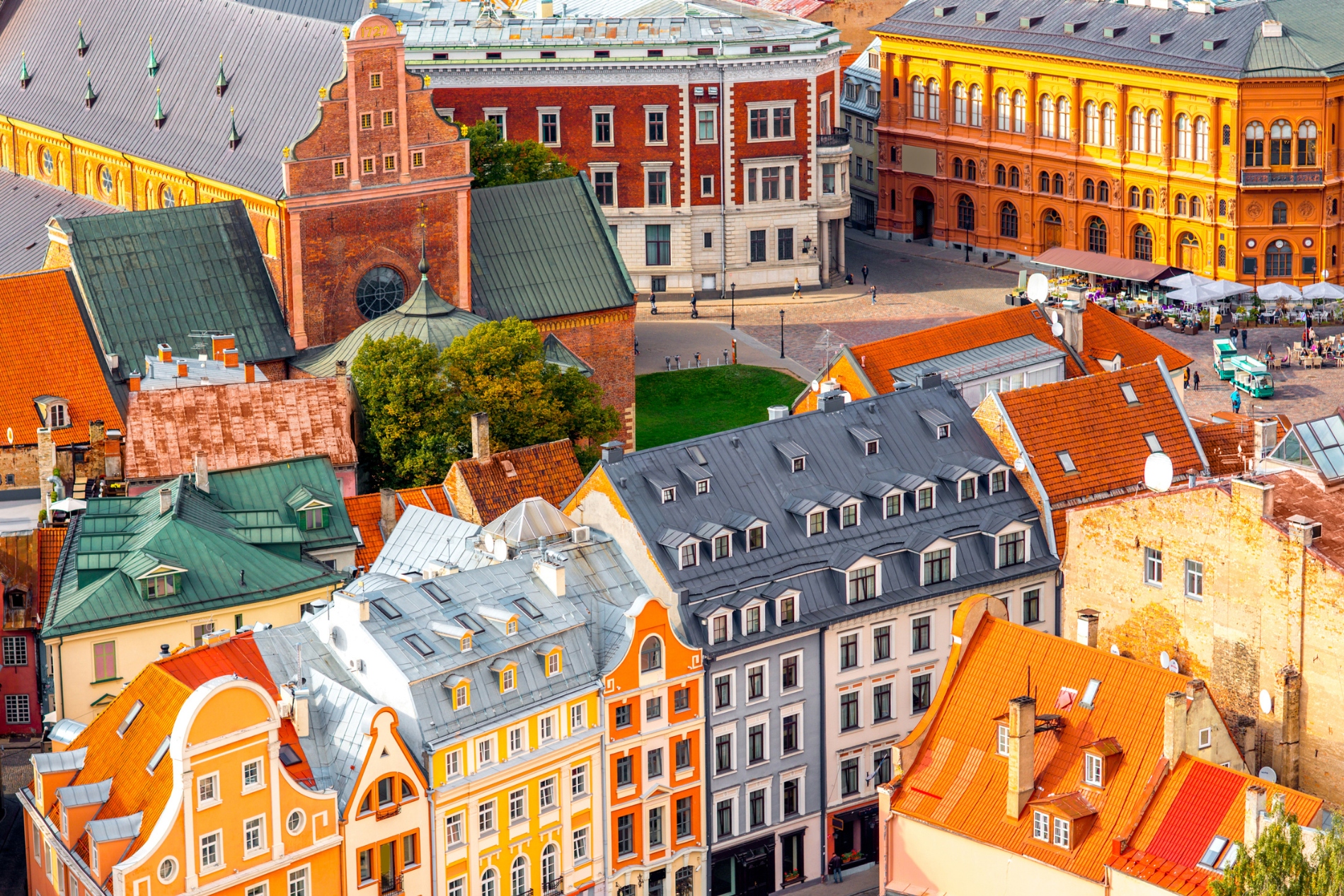
Riga, the capital of Latvia, is a vibrant city known for its stunning Art Nouveau architecture, medieval Old Town, and lively cultural scene. With its rich history, beautiful parks, and bustling markets, Riga offers a unique blend of old-world charm and modern energy.
Top Attractions
Riga Old Town
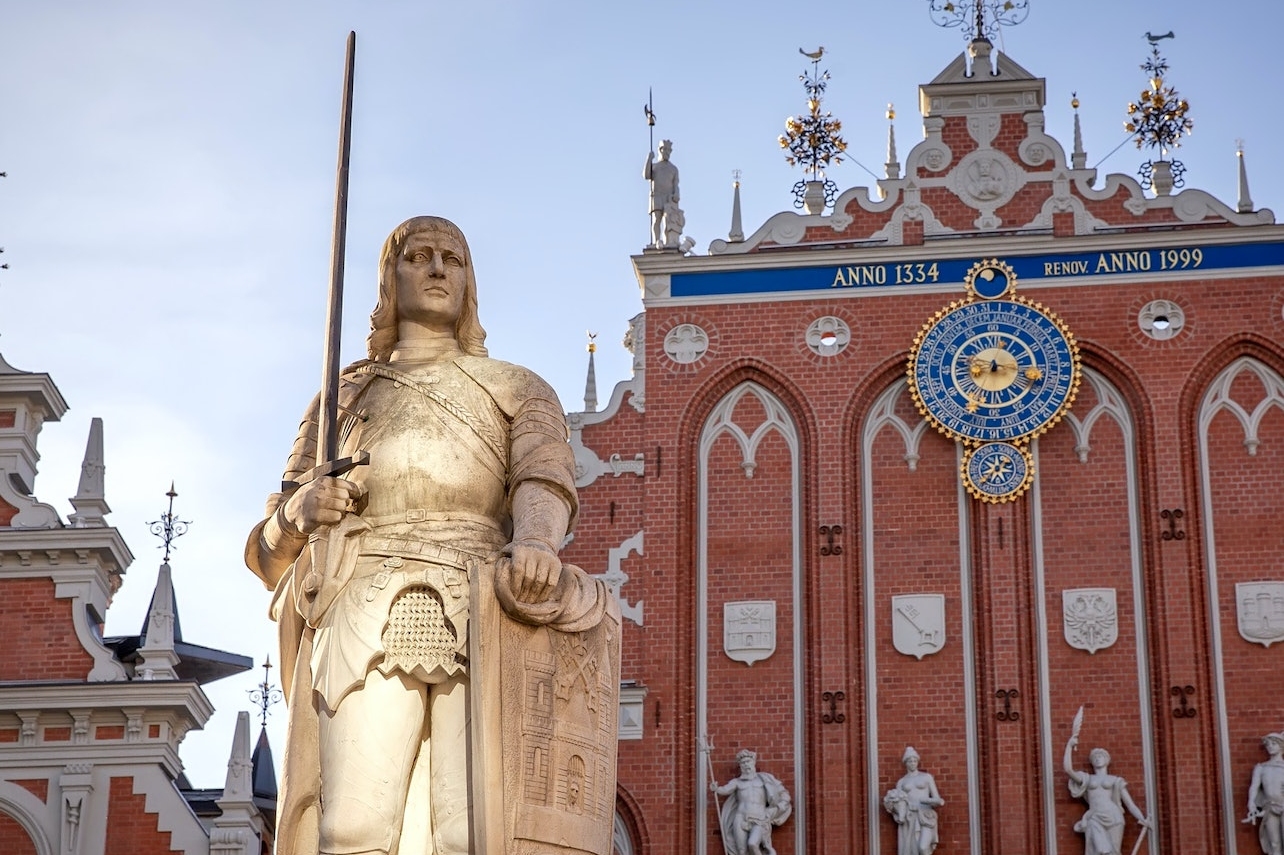
The heart of Riga, the Old Town is a UNESCO World Heritage site filled with medieval architecture, cobblestone streets, and vibrant squares.
Historical
Half day to full day
Free to explore, attractions vary
Art Nouveau District
Riga is famous for its Art Nouveau buildings, particularly in the district around Alberta Street. This architectural style is a must-see for visitors.
Architecture
2-3 hours
Free to explore
Central Market
One of the largest markets in Eastern Europe, the Central Market offers a variety of fresh produce, local foods, and souvenirs.
Cultural
1-2 hours
Free entry, prices vary
Riga Motor Museum
This unique museum showcases a collection of vintage cars, motorcycles, and bicycles, providing a fascinating look at the history of transportation in Latvia.
Museum
1-2 hours
€5
Must-Try Local Dishes
Pelēkie zivtiņi
Gray peas with bacon and sausages, a traditional Latvian dish often served with potatoes.
Main Course
Contains meat and pork
Rupjmaize
Dark rye bread, a staple in Latvian cuisine, often served with butter and cheese.
Bread
Vegetarian
Skābeņu zupa
Sour rye soup, a traditional Latvian soup made with rye flour, meat, and sour cream.
Soup
Contains meat and dairy
Pīrāgi
Small buns filled with bacon or other savory fillings, often served as a snack or appetizer.
Snack
Contains meat
Popular Activities
Bobsledding in Sigulda
Zip-lining in Sigulda
Hiking in Kemeri National Park
Spa treatments in Jūrmala
Sunbathing at Jūrmala Beach
Strolling through Riga's parks
Visiting museums and historical sites
Attending concerts and performances
Best Time to Visit
June to August
This is the warmest and most popular time to visit, with long daylight hours and numerous festivals and events. The weather is ideal for exploring the city and enjoying outdoor activities.
15°C to 25°C
59°F to 77°F
Practical Information
Language
- Official: Latvian
- Widely spoken: Russian, English
- English: Moderately spoken
Currency
Euro (EUR)
Time Zone
GMT+2 (EET), GMT+3 (EEST) during daylight saving time
Electricity
230VV, 50HzHz
Safety Information
Overall Safety Rating: Generally safe
Riga is generally safe for tourists, with low crime rates and a welcoming atmosphere. However, as with any city, it's important to stay aware of your surroundings and take precautions to protect your belongings.
Important Precautions:
- • Keep valuables secure and out of sight
- • Be cautious when using ATMs, especially at night
- • Avoid walking alone in isolated areas at night
Getting there
By air
- Riga International Airport • 10 km from city center
By train
Riga Central Station
By bus
Riga Bus Station
Getting around
Public transport
Trams are a convenient and affordable way to get around Riga. The system is well-connected and easy to use.
Taxis
Available • Apps: Bolt, eTaxi
Rentals
Car, Bike, Scooter
Neighborhoods
Old Town
Art Nouveau District
Spīķeri
Day trips
Jūrmala
25 km from Riga • Full day
Jūrmala is a popular seaside resort town known for its beautiful beaches, wooden architecture, and spa facilities.
Sigulda
50 km from Riga • Full day
Sigulda is a picturesque town known for its medieval castle, beautiful nature, and adventure activities.
Cēsis
85 km from Riga • Full day
Cēsis is a charming town known for its medieval castle, beautiful parks, and local crafts.
Festivals
Riga Jurmala Music Festival • May
Riga Christmas Market • December
Riga City Festival • June
Pro tips
- Visit the Central Market for fresh produce, local foods, and souvenirs.
- Explore the Art Nouveau District for stunning architecture and unique shops.
- Take a day trip to Jūrmala for beautiful beaches and relaxation.
- Try traditional Latvian dishes like pelēkie zivtiņi and skābeņu zupa.
- Visit Riga's museums and historical sites to learn about the city's rich history.
From $25
per person
Price varies by option
Secure booking
Free cancellation available
Instant confirmation