Neigbourhoods of Riga: Honest tour through most beautiful and most unusual areas
Active
8h - 10h
For a full refund, cancel at least 24 hours before the scheduled departure time.
Instant confirmation
Mobile or paper ticket accepted
About this experience
Riga can be very different depending on which part of it you're in. On this tour you'll see all the various districts and hear about how they came to be and what they are now. Starting from the early 20th century's Art Noveau and garden city, wooden houses, little gardens on an island in the river, through soviet occupation with it's monumentalism, but also scant functionalism, then back to the independent Latvia's modern architecture - this tour has it all.
You'll get from place to place in a comfortable vehicle driven by your guide, but keep in mind - there's still quite a bit of walking involved.
If you've already seen (or just don't want to see) the Medieval Old Town, this is the best choice. Most of the places in this tour are less or non touristy, so you'd get a better perspective on what Riga really is.
Alternatively - if you haven't seen the Old Town yet, but only have one day, we can pop it in the itinerary as well - the tour is highly customisable. Just let us know!
Available options
Neigbourhoods of Riga: Honest tour through most beautiful and most unusual areas
Pickup included
What's included
Private transportation
Lunch
Tickets to Observation Deck
Tasting in the Central Market
Detailed itinerary
1
Riga's UNESCO World Heritage listed Art Noveau area is one of a kind and this is where story of the modern Riga starts. We'll see some of the most decorative buildings, some less ornate, but highly artistic, and some of our very own - fusion of Latvian folk motives and Art Noveau the rest of the world knows.
This area is very descriptive of the late 19th and early 20th centuries in Riga.
2
Mežaparks (literally - Forest park) is one of the world's first garden cities - a turn of centuries concept of capturing benefits from both cities and countryside while avoiding the disadvantages of both. Early 20th century saw upper class citizens of Riga building their Art Noveau and Eclectic villas there, which was later joined by the Song festival Bandstand and a Zoo. Mežaparks is still one of the wealthiest areas of Riga today, but thanks to the lakeside and possibility for various sporting activities it's also one of the most popular summer destinations of regular Rigans as well.
3
This is one of the very few main bazaars of European towns that still functions as an actual grocery market instead of being converted to a tourist trap selling souvenirs. Here you can have a peek in what local people actually shop for. You'll explore the world of Latvian cuisine by tasting a few traditional things depending on the season and - if you like them - shop for items to bring back home with you. You'll hear the stories of how and why the largest market of Europe at the time (and still) was built, and how it has managed to survive the otherwise victorious march of supermarket chains.
4
Stop 4
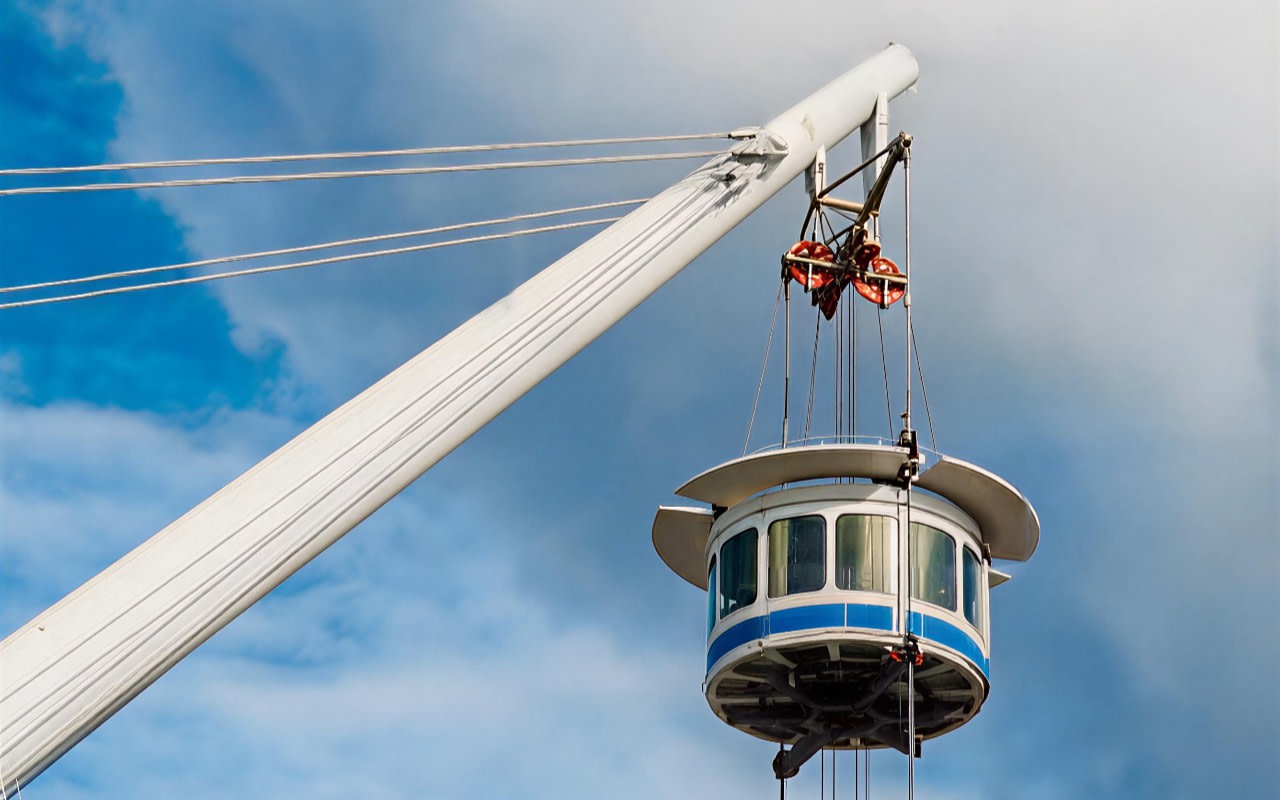
The Observation Deck of Latvian Academy of sciences is located in the Moscow Suburb which is to the south of the old city of Riga along the road historically connecting Riga to Moscow, from which its name is derived. Here we'll see some remnants of the wood-only architecture from centuries ago spiced up by some "Stalin's Baroque" - post war Soviet monumentalism. The 65m high observation deck itself is quite different from the rest of the viewpoints of the city, since besides the old town and the river Daugava you can also see the central market along with less developed areas of Riga.
5
A visit to one of Riga's islands, part of which is covered in small gardens. Those little green refuges are enjoyed by the old and young alike, having a break from the hustle and bustle of the city. Some people use them just for relaxing and having a bbq, while others go at the idea almost professionally - growing vegetables and herbs not only for own use, but for selling in the market as well. This is an old tradition of Rigans, which can be traced back to centuries ago. And the whole thing is right in the middle of the city!
6
Ziepniekkalns is one of the best examples of soviet urban planning, rows and rows of impersonal concerete panel apartment blocks. The longest building in Riga is found here - half a kilometer long, almost 400 identical apartments in one grey structure. If you have never seen any USSR residential areas, this place is a must. Here we'll talk about the times of Soviet occupation of Riga, the industry, the living conditions, daily life, etc.
Also, this is where you'll have your lunch served. Authentic soviet food in an authentic soviet setting obviously :)
7
Āgenskalns is one of the oldest suburbs of Riga, but also one of the most hip today. We'll see the grand Latvian National Library building, stroll the streets of nice wooden houses and little cafes. This is where the tour ends, so you will have had experienced the full circle of Rigas history during the last hundred years or so. The guide will take you back to the starting point or whichever other location in Riga by your choosing.
Available languages
Guide guide
EN
Reviews breakdown
Viator
5.0
1 reviews
5★
1
4★
0
3★
0
2★
0
1★
0
Tripadvisor
5.0
1 reviews
5★
1
4★
0
3★
0
2★
0
1★
0
Important information
Infants and small children can ride in a pram or stroller
Service animals allowed
Public transportation options are available nearby
Specialized infant seats are available
Suitable for all physical fitness levels
Meeting point
Right at the main entrance of the museum.
About Riga
Riga, the capital of Latvia, is a vibrant city known for its stunning Art Nouveau architecture, medieval Old Town, and lively cultural scene. With its rich history, beautiful parks, and bustling markets, Riga offers a unique blend of old-world charm and modern energy.
Top Attractions
Riga Old Town
The heart of Riga, the Old Town is a UNESCO World Heritage site filled with medieval architecture, cobblestone streets, and vibrant squares.
Historical
Half day to full day
Free to explore, attractions vary
Art Nouveau District
Riga is famous for its Art Nouveau buildings, particularly in the district around Alberta Street. This architectural style is a must-see for visitors.
Architecture
2-3 hours
Free to explore
Central Market
One of the largest markets in Eastern Europe, the Central Market offers a variety of fresh produce, local foods, and souvenirs.
Cultural
1-2 hours
Free entry, prices vary
Riga Motor Museum
This unique museum showcases a collection of vintage cars, motorcycles, and bicycles, providing a fascinating look at the history of transportation in Latvia.
Museum
1-2 hours
€5
Must-Try Local Dishes
Pelēkie zivtiņi
Gray peas with bacon and sausages, a traditional Latvian dish often served with potatoes.
Main Course
Contains meat and pork
Rupjmaize
Dark rye bread, a staple in Latvian cuisine, often served with butter and cheese.
Bread
Vegetarian
Skābeņu zupa
Sour rye soup, a traditional Latvian soup made with rye flour, meat, and sour cream.
Soup
Contains meat and dairy
Pīrāgi
Small buns filled with bacon or other savory fillings, often served as a snack or appetizer.
Snack
Contains meat
Popular Activities
Bobsledding in Sigulda
Zip-lining in Sigulda
Hiking in Kemeri National Park
Spa treatments in Jūrmala
Sunbathing at Jūrmala Beach
Strolling through Riga's parks
Visiting museums and historical sites
Attending concerts and performances
Best Time to Visit
June to August
This is the warmest and most popular time to visit, with long daylight hours and numerous festivals and events. The weather is ideal for exploring the city and enjoying outdoor activities.
15°C to 25°C
59°F to 77°F
Practical Information
Language
- Official: Latvian
- Widely spoken: Russian, English
- English: Moderately spoken
Currency
Euro (EUR)
Time Zone
GMT+2 (EET), GMT+3 (EEST) during daylight saving time
Electricity
230VV, 50HzHz
Safety Information
Overall Safety Rating: Generally safe
Riga is generally safe for tourists, with low crime rates and a welcoming atmosphere. However, as with any city, it's important to stay aware of your surroundings and take precautions to protect your belongings.
Important Precautions:
- • Keep valuables secure and out of sight
- • Be cautious when using ATMs, especially at night
- • Avoid walking alone in isolated areas at night
Getting there
By air
- Riga International Airport • 10 km from city center
By train
Riga Central Station
By bus
Riga Bus Station
Getting around
Public transport
Trams are a convenient and affordable way to get around Riga. The system is well-connected and easy to use.
Taxis
Available • Apps: Bolt, eTaxi
Rentals
Car, Bike, Scooter
Neighborhoods
Old Town
Art Nouveau District
Spīķeri
Day trips
Jūrmala
25 km from Riga • Full day
Jūrmala is a popular seaside resort town known for its beautiful beaches, wooden architecture, and spa facilities.
Sigulda
50 km from Riga • Full day
Sigulda is a picturesque town known for its medieval castle, beautiful nature, and adventure activities.
Cēsis
85 km from Riga • Full day
Cēsis is a charming town known for its medieval castle, beautiful parks, and local crafts.
Festivals
Riga Jurmala Music Festival • May
Riga Christmas Market • December
Riga City Festival • June
Pro tips
- Visit the Central Market for fresh produce, local foods, and souvenirs.
- Explore the Art Nouveau District for stunning architecture and unique shops.
- Take a day trip to Jūrmala for beautiful beaches and relaxation.
- Try traditional Latvian dishes like pelēkie zivtiņi and skābeņu zupa.
- Visit Riga's museums and historical sites to learn about the city's rich history.
From $25
per person
Price varies by option
Secure booking
Free cancellation available
Instant confirmation