Cruise-Tour Excursion Muscat city tour half day
Active
3h - 4h
For a full refund, cancel at least 24 hours before the scheduled departure time.
Instant_then_manual confirmation
Mobile or paper ticket accepted
About this experience
DESCRIPTION
An excursion to the most characteristic and traditional corners of Muscat, from souks to museums, to discover the true heart of the city.
WHAT WE WILL SEE
• The Grand Mosque Photo stop (open from 8 am to 11 Pm-Photo stop pay window tickets visit from 8:30 am to 10:30 am)
• Royal Opera House Photo Stop (Photo stop 11 am 10 mins )
• The Muttrah suk (from 11:30 am to 12:30 pm-we will be visit from 11:30 am to 12:30 pm)
• Al-Alam Palace (Photo stop at 12:50 pm)
• Exterior of the fort of Al-Jalali
Available options
Cruise-Tour Excursion Muscat city tour half day
Pickup included
What's included
Professional guide
Air-conditioned vehicle
per person 2 bottels
Local taxes
Detailed itinerary
1
Stop 1
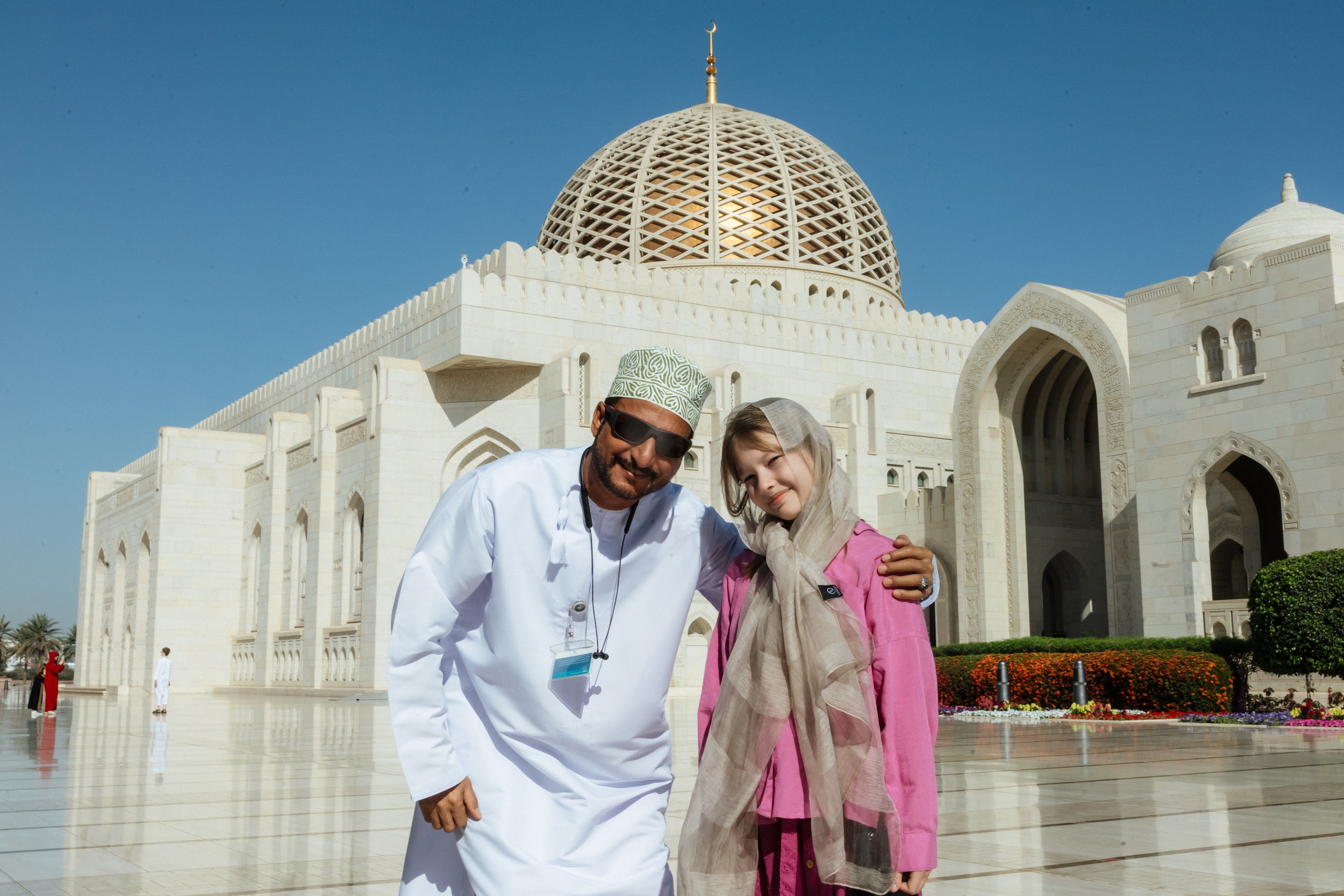
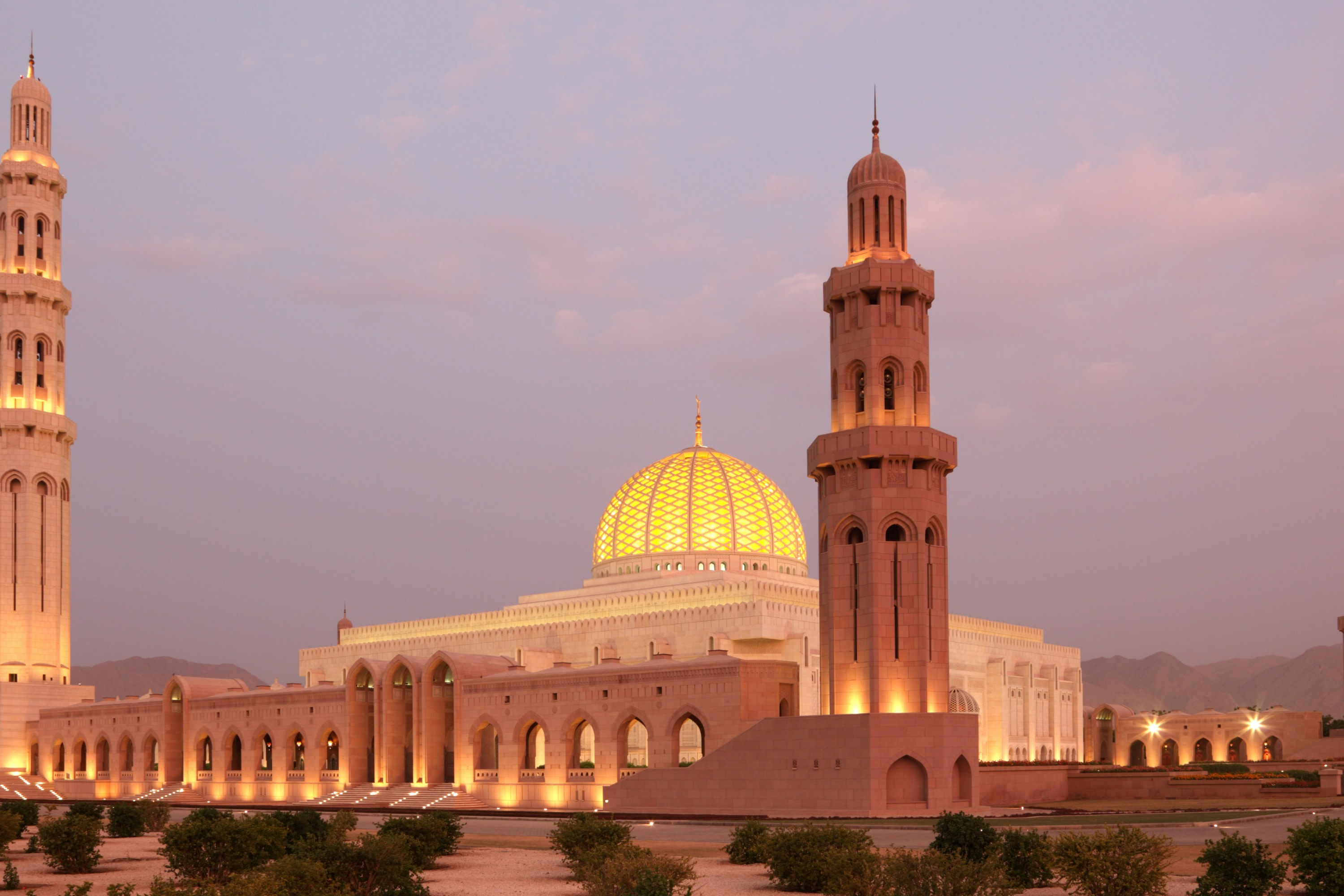
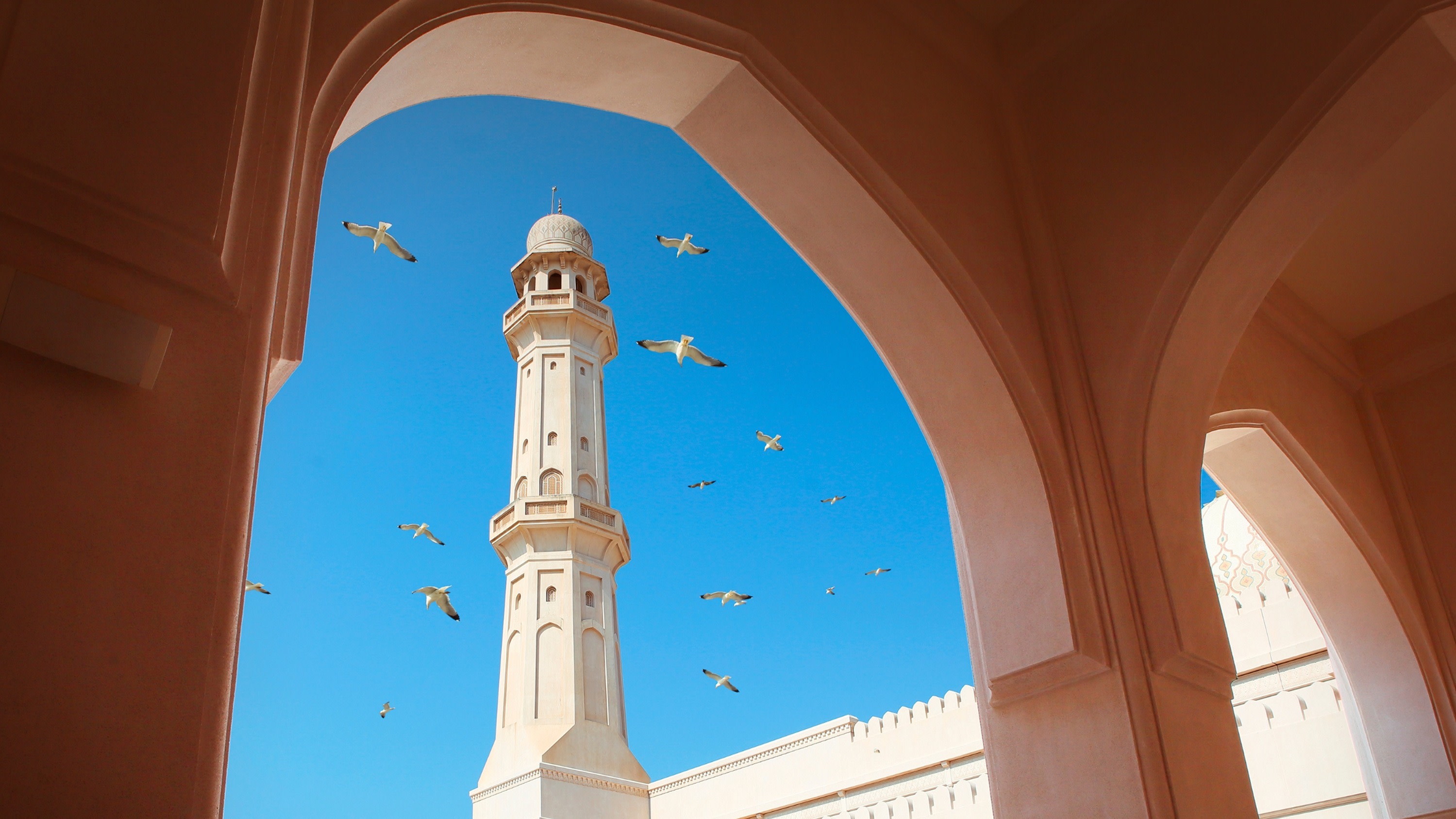
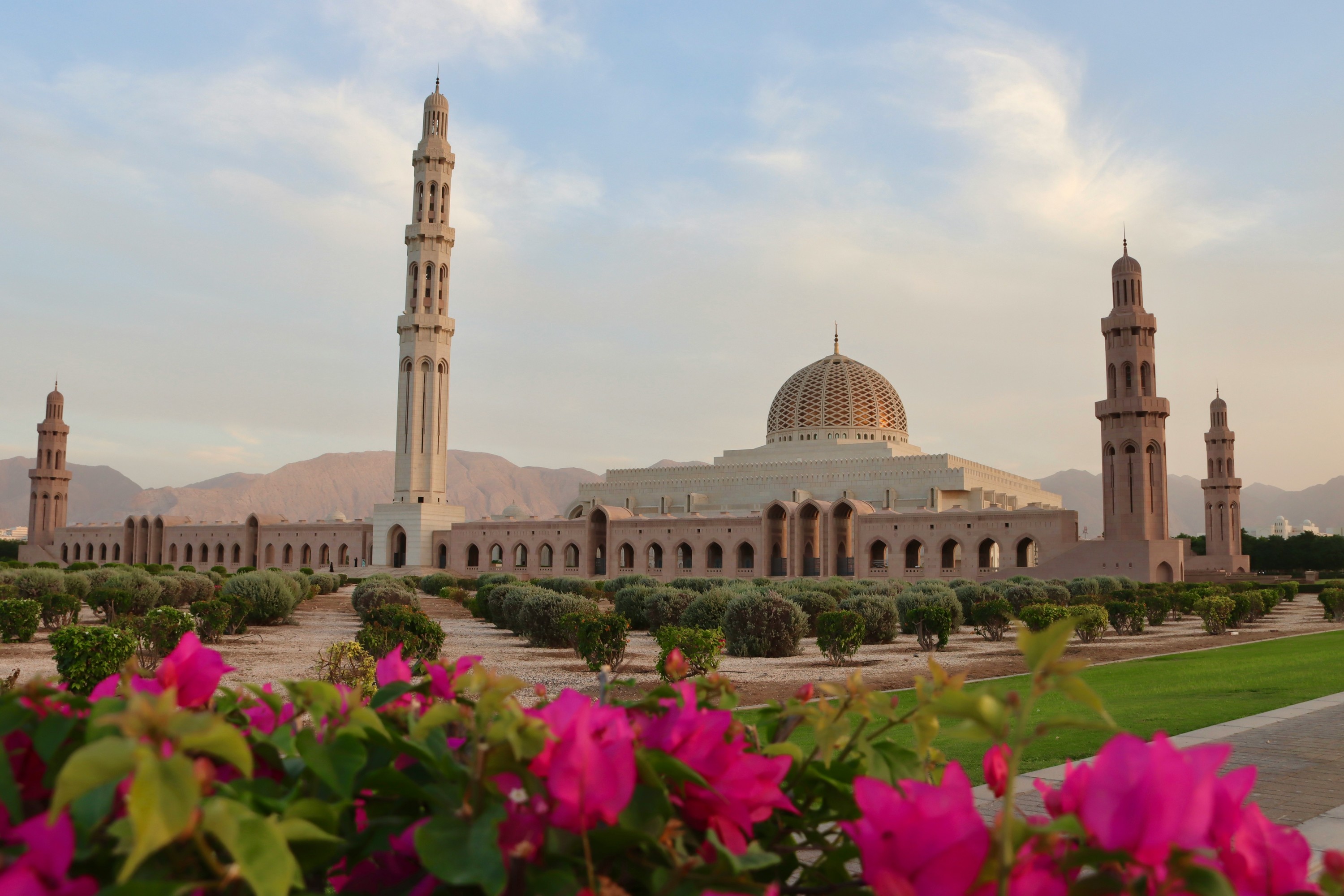
Imposing from the outside, this glorious piece of modern Islamic architecture was a gift to the nation of Sultan Qaboos to celebrate its thirtieth year of reign. The main prayer hall is breathtakingly beautiful. The Persian carpet alone measures 70 meters by 60 meters wide, making it the second largest Iranian hand-shaped rug in the world; it took 600 women for four years to weave. Mwasalat buses stop in front of the mosque.
The mosque is built on a site that occupies 416,000 m2 (4,480,000 square feet) and the complex covers an area of 40,000 m2 (430,000 square feet). The new great mosque was inaugurated by the Sultan of Oman on 4 May 2001 to celebrate the 30th anniversary of his reign.
The mosque, which can hold 20,000 faithful, including 750 women in a private room (prayer hall), is an active place of worship, particularly for Friday prayers.
An important feature of interior design is the prayer rug that covers the floor of the prayer room. It contains 1,700,000,000 knots, weighs 21 tons and took four years to produce and brings together the classic Persian design traditions Tabriz, Kashan and Isfahan. 28 colors were used in various shades, most obtained from traditional vegetable dyes. It was the largest one-piece rug in the world, but now it is the second, after the Sheikh Zayed Mosque in Abu Dhabi, in the United Arab Emirates. [8] This hand-woven rug was produced by the Iran Carpet Company (ICC) under the order of the Diwan of the Royal Court of Sultanate. The carpet measures over 70 by 60 meters (230 by 200 feet) and covers the surface area of 4,343 m2 (46,750 square feet) of the prayer hall.
The chandelier above the prayer hall is 14 meters high and was manufactured by the Italian company Faustig. Since the mosque is 90 meters high, the chandler seems proportional, but it was the largest chandelier in the world, [7] before being replaced in this regard by the Sheikh Zayed Mosque in Abu Dhabi. [9] It weighs 8.5 tons, includes 600,000 crystals, 1,122 halogen bulbs with dimming system and includes a scale for maintenance inside the chandelier. Thirty-four smaller chandeliers of the same design are hung in other parts of the building.
2
Stop 2
Photo stop The Royal Opera House Muscat (ROHM) is Oman's premier venue for musical arts and culture. The opera house is located in Shati Al-Qurm district of Muscat on Sultan Qaboos Street. Built on the royal orders of Sultan Qaboos of Oman, the Royal Opera House reflects unique contemporary Omani architecture, and has a capacity to accommodate maximum of 1,100 people. The opera house complex consists of a concert theatre, auditorium, formal landscaped gardens, cultural market with retail, luxury restaurants and an art centre for musical, theatrical and operatic productions.
3
Stop 3
our next stop is stroll in Muthra souq, if you want to buy and see market you have to go inside and can find many handicraft items, wooden work and silver jewelry antique and new.
Many people come to Mutrah Corniche just to visit the souq, which retains the chaotic interest of a traditional Arab market albeit housed under modern timber roofing. Shops selling Omani and Indian artefacts together with a few antiques jostle among more traditional textile, hardware and jewellery stores. Bargaining is expected although discounts tend to be small. Cards are generally accepted in most shops, but bring cash for better deals. The main entry is via the Corniche, opposite the pedestrian traffic lights.
4
Stop 4
Pass by
We have after photo stop Sultan Qaboos palace, which is build in 1972 between 2 Portuguese forts, mirali and jailai.
The palace, one of six royal residences of the ruling monarch, Sultan Qaboos,[2] has a history of over 200 years, built by Imam Sultan bin Ahmed the 7th direct grandfather of the current Sultan. The existing palace, which has a facade of gold and blue, was rebuilt as a royal residence in 1972.[3] The inner grounds of the palace remain off-limits but visitors are permitted to stop near the gates and take photographs.[4] Al Alam Palace is surrounded by the Mirani and Jalali Forts built in the 16th century by the Portuguese.[5][6]
The Palace is used for official functions and receiving distinguished visitors and in January 2012, the Sultan received Queen Beatrix of the Netherlands at Al Alam Palace during her state visit to Oman.
5
Stop 5
Pass by
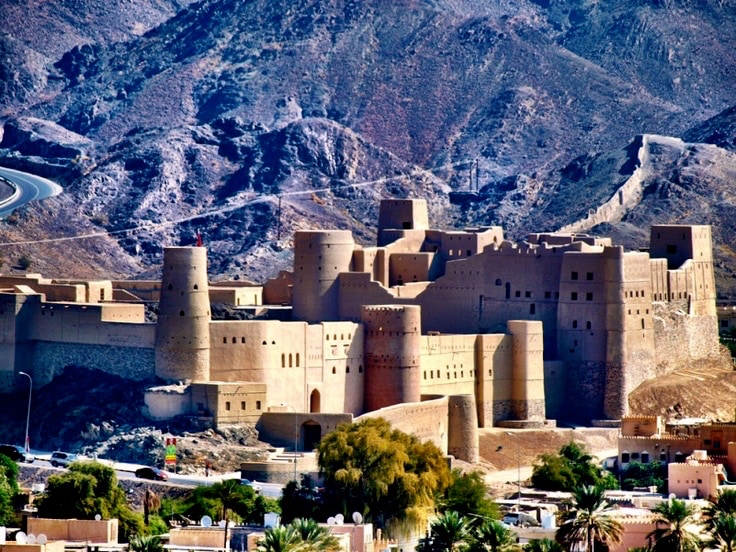
Al Mirani Fort in Muscat was built by the Portuguese in the 16th century. It, along with neighbouring Al Jalali Fort, looks out to the Gulf of Oman and would guard the port of Muscat in the past. The Mirani Fort and Al Jalali Fort are located on either side of the palace. Although closed to the public, visitors can view this fort from outside. This fort was extremely instrumental in the downfall of the Portuguese. The fort has many ancient war tools on display.
6
Stop 6
Pass by
The massive Al Jalali Fort, also known as Ash Sharqiya Fort, was built by the Portuguese in the 16th century. Interestingly it once used to be a prison which has been converted to a heritage private museum. Being located on the harbour, the Al Jalali Fort offers a beautiful view of the entire city of Muscat. The only entrance to this place is through a steep flight of stairs in the front. The entry to this fort is strictly by permit only.
What's not included
Lunch
Transportation to/from attractions
Food and drinks, unless specified
All Fees and Taxes
Royal Opera House Admission fee is € 10 per person
Grand mosque entrance fee $ 25 per person
Available languages
Audio guide
DE
EN
IT
FR
ES
Guide guide
EN
IT
Written guide
EN
IT
Reviews breakdown
Viator
4.4
7 reviews
5★
5
4★
0
3★
2
2★
0
1★
0
Tripadvisor
4.9
100 reviews
5★
89
4★
11
3★
0
2★
0
1★
0
Important information
Specialized infant seats are available
Infants are required to sit on an adult’s lap
Not recommended for travelers with spinal injuries
Wheelchair accessible
Transportation options are wheelchair accessible
All areas and surfaces are wheelchair accessible
Suitable for all physical fitness levels
Infant meals not included
Child rate applies only when sharing with 2 paying adults
Children must be accompanied by an adult
Minimum age is 18 years
At time of booking, Cruise ship passengers must provide the following information at time of booking: ship name, docking time, disembarkation time and re-boarding time
Dress code is formal
A dress code is required to enter places of worship and selected museums. No shorts or sleeveless tops allowed. Knees and shoulders MUST be covered for both men and women. You may risk refused entry if you fail to comply with these dress requirements
May be operated by a multi-lingual guide
Please advise any specific dietary requirements at time of booking
Vegetarian option is available, please advise at time of booking if required
A minimum of 02 people per booking is required
A maximum of 35 people per booking
Operates in all weather conditions, please dress appropriately
Refunds will be issued if tour/activity is missed due to late or non-arrival of cruise ship
Meeting point
We make your pick up from inside the port and outhside the port near Muthra area our Guide will wait for you with client name paging board just from exit cruise port. You need to look for your guide
Important notes
• Dress code is formal
• Dress code is smart casual
• Please note: entrance tickets and transport included. This voucher will not be accepted if presented directly at the venue.
• Comfortable walking shoes are recommended
• Minimum numbers apply. There is a possibility of cancellation after confirmation if there is not enough passengers to meet requirements. In the event of this occurring, you will be offered an alternative or full refund
• If you have not already specified, you MUST advise supplier as soon as possible your Ship name, docking time, disembarkation time and departure time so that appropriate arrangements can be made
About Muscat
Muscat, the capital of Oman, is a beautiful coastal city known for its stunning architecture, rich history, and strategic location along the Gulf of Oman. With a unique blend of traditional Omani culture and modern development, Muscat offers visitors a mix of historic forts, luxurious resorts, and vibrant souks.
Top Attractions
Sultan Qaboos Grand Mosque
One of the most stunning landmarks in Muscat, this mosque is a masterpiece of Islamic architecture and a symbol of Omani heritage.
Religious/Architecture
1-2 hours
Free (guided tours may have a fee)
Mutrah Souq
A traditional market offering a variety of goods, including spices, textiles, and souvenirs. The souq is a great place to experience Omani culture and haggle for bargains.
Market/Cultural
1-2 hours
Free to enter, prices vary for goods
Royal Opera House Muscat
A world-class venue for opera, ballet, and other performing arts, offering a glimpse into the cultural richness of Oman.
Cultural/Entertainment
2-3 hours (depending on the performance)
Varies by event (moderate to expensive)
Must-Try Local Dishes
Shuwa
Slow-cooked lamb or goat marinated in spices and wrapped in banana leaves.
Dinner
Not vegetarian
Harees
A porridge-like dish made from wheat and meat, often served during Ramadan.
Dinner
Not vegetarian
Halwa
A sweet dessert made from sugar, ghee, and spices, often served with tea.
Dessert
Vegetarian
Popular Activities
Hiking in Wadi Shab
Dune bashing in the desert
Beach relaxation at Qurum Beach
Spa treatments at luxury resorts
Exploring Mutrah Souq
Visiting the Royal Opera House Muscat
Swimming in Bimmah Sinkhole
Boat tours in the Gulf of Oman
Best Time to Visit
November to March
The best time to visit Muscat is during the cooler months from November to March when the weather is pleasant and ideal for outdoor activities. This period also sees the highest number of tourists.
18°C to 30°C
64°F to 86°F
Practical Information
Language
- Official: Arabic
- Widely spoken: English, Urdu, Balochi
- English: Widely spoken in tourist areas
Currency
Omani Rial (OMR)
Time Zone
GMT+4
Electricity
240VV, 50HzHz
Safety Information
Overall Safety Rating: Generally safe
Muscat is generally safe for travelers, with low crime rates. However, it's always important to stay vigilant and follow local customs and laws.
Important Precautions:
- • Use licensed taxis or ride-hailing apps
- • Be cautious of strangers offering unsolicited help
- • Keep valuables secure
Getting there
By air
- Muscat International Airport • 30 km from city center
By bus
Muscat Central Bus Station
Getting around
Public transport
The bus service is affordable and connects key points in Muscat. However, it may not be as extensive as in other major cities.
Taxis
Available • Apps: Uber, Careem
Rentals
Car
Neighborhoods
Mutrah
Al Khuwair
Shati Al Qurum
Day trips
Nizwa
160 km from Muscat • Full day
Nizwa is a historic city known for its fort, souq, and traditional Omani architecture.
Wadi Shab
90 km from Muscat • Full day
Wadi Shab is a stunning natural area with waterfalls, pools, and hiking trails.
Bimmah Sinkhole
120 km from Muscat • Half day
A natural sinkhole with crystal-clear waters, perfect for swimming and photography.
Festivals
Muscat Festival • January to February
Eid al-Fitr • Varies (depends on the Islamic lunar calendar)
Pro tips
- Visit the Sultan Qaboos Grand Mosque early in the morning to avoid the heat and crowds
- Explore Mutrah Souq in the evening when it's cooler and more lively
- Try traditional Omani coffee and dates at a local café
- Book a guided tour for day trips to learn more about the history and culture
- Carry a reusable water bottle and stay hydrated, especially in the summer
From $25
per person
Price varies by option
Secure booking
Free cancellation available