Jewish Quarter and Paneriai Memorial Park Tour
Active
4h
For a full refund, cancel at least 24 hours before the scheduled departure time.
Manual confirmation
Mobile or paper ticket accepted
About this experience
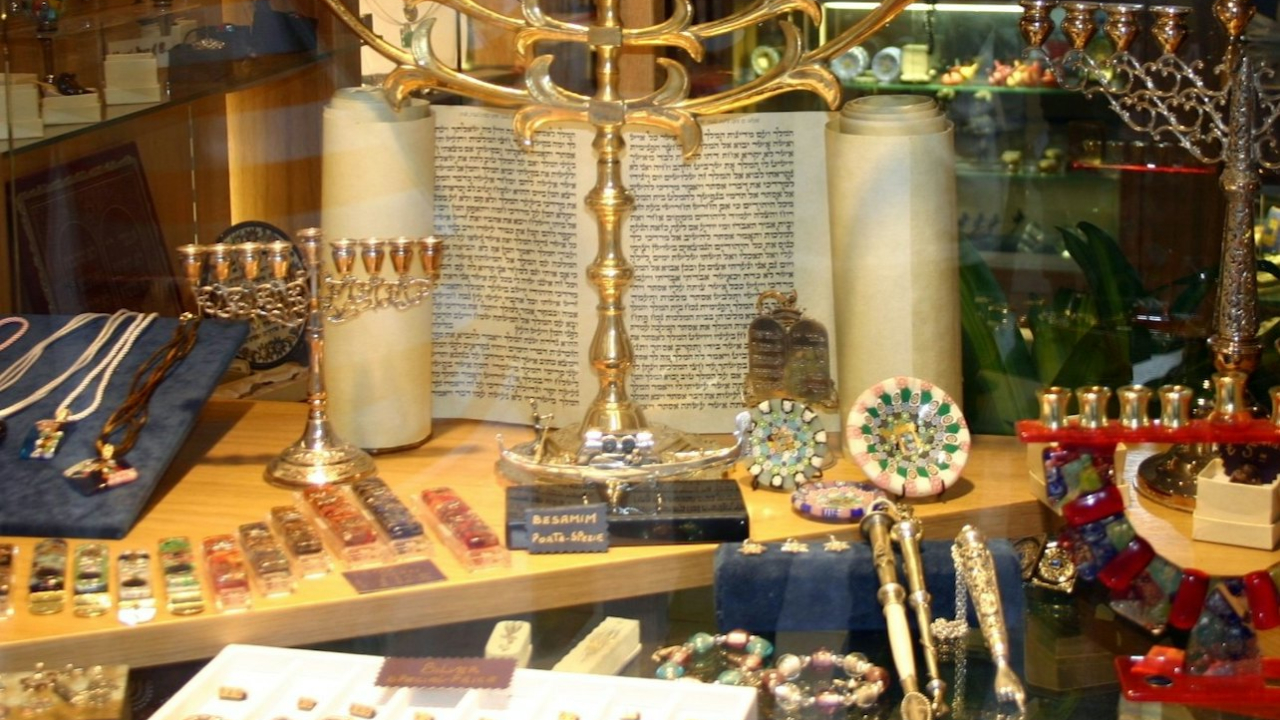
Ready to discover more about Jewish heritage in Vilnius? This tour is dedicated to Jewish culture and its treasures.
Once upon a time, Vilnius was called Jerusalem of the North – it is because many famous Judaism scholars, rabbis, and artists lived and worked in Vilnius.
Litvak museum of Vilnius shows a huge variety of Jewish culture and arts in various fields, as well as about science and religion. Lithuanian Jews, called Litvaks, had a well-developed community that contributed to the cultural development of the region.
On this tour, you will hear stories not only about historical Jews that called Vilnius their home, but also about how World War II has affected their lives. Paneriai Memorial Park is the main witness of Jewish tragedy.
There are several old Jewish cemeteries in Vilnius, one of them, the largest, is located on Olandu street. Old mystical tombstones with Jewish writing on it, always let to dive into the past and experience the old daily lives of the Jews.
Available options
Jewish Quarter and Paneriai Memorial Park Tour
Pickup included
What's included
Private transportation
Local guide
Detailed itinerary
1
Stop 1
Jewish Old town
2
Former Jewish quarter and ghetto. History of Jewish community in Lithuania
3
The monument in Paneriai with inscriptions in Yiddish and Russian was built in 1948. It was dedicated to the Jewish survivors and “Victims of Fascist terror” after the events of World War II. Once a mass murder site of not only Jewish but also people of other nations, today this memorial park lets you discover the tragic history of people who died during the World War II. The memorial for the victims in Paneriai includes 9 monuments and stone tablets to Jews, Poles, Lithuanians, Soviet war prisoners and Roma people.
What's not included
Additional entrance fees
Available languages
Guide guide
EN
Important information
Infants and small children can ride in a pram or stroller
Service animals allowed
Public transportation options are available nearby
Suitable for all physical fitness levels
About Vilnius
Vilnius is the charming capital of Lithuania, known for its medieval Old Town, a UNESCO World Heritage site, and its rich history blending various cultures. The city offers a unique mix of baroque architecture, vibrant arts scene, and lively café culture, making it a captivating destination for travelers.
Top Attractions
Vilnius Old Town
A UNESCO World Heritage site, the Old Town is the heart of Vilnius, filled with cobblestone streets, baroque churches, and colorful buildings.
Historical/Architecture
Half day to full day
Free to explore
Gediminas Castle Tower
A symbol of Vilnius, this castle tower offers panoramic views of the city and is a key historical landmark.
Historical/Architecture
1-2 hours
€5
Užupis Republic
A bohemian district with its own constitution and flag, Užupis is known for its artistic community and unique charm.
Cultural/Artistic
1-2 hours
Free
Vilnius Cathedral
The main cathedral of Vilnius, located in the heart of the Old Town, is a stunning example of neoclassical architecture.
Religious/Architecture
30 minutes to 1 hour
Free (€5 for the crypts and bell tower)
Vilnius University
One of the oldest universities in Eastern Europe, Vilnius University is known for its beautiful courtyards and historic buildings.
Historical/Educational
1-2 hours
€3 for a guided tour
Must-Try Local Dishes
Cepelinai
Large dumplings filled with minced meat, curd cheese, or mushrooms, typically served with sour cream.
Main Course
Vegetarian options available (cheese or mushroom filling)
Šaltibarščiai
A cold beetroot soup made with kefir, cucumbers, and dill, perfect for summer.
Soup
Vegetarian
Kibinai
Lithuanian pastries filled with meat, cheese, or vegetables, originating from the Lithuanian Karaites.
Snack
Vegetarian options available
Šakotis
A traditional Lithuanian tree cake made from a batter of flour, eggs, and sugar, baked on a spit.
Dessert
Contains gluten and eggs
Popular Activities
Hiking in the nearby forests and parks
Cycling along the EuroVelo routes
Spa and wellness treatments
Strolling through the Old Town and parks
Visiting museums and art galleries
Attending local festivals and events
Boat rides on the Vilnia River and nearby lakes
Skiing and snowboarding at nearby resorts
Best Time to Visit
June to August
This is the warmest and most popular time to visit, with long daylight hours and plenty of festivals and outdoor activities.
15°C to 25°C
59°F to 77°F
Practical Information
Language
- Official: Lithuanian
- Widely spoken: English, Russian
- English: Moderately spoken, especially among younger people and in tourist areas
Currency
Euro (EUR)
Time Zone
GMT+2 (EET), GMT+3 (EEST) during daylight saving time
Electricity
230VV, 50HzHz
Safety Information
Overall Safety Rating: Generally safe
Vilnius is generally safe for tourists, with low crime rates and a welcoming atmosphere. However, as with any destination, it's important to stay aware of your surroundings and take basic precautions.
Important Precautions:
- • Keep valuables secure and be aware of your surroundings in crowded areas.
- • Use licensed taxis or ride-sharing apps to avoid overcharging.
- • Be cautious when accepting drinks from strangers to avoid drink spiking.
Getting there
By air
- Vilnius Airport • 6 km from city center
By train
Vilnius Railway Station
By bus
Vilnius Bus Station
Getting around
Public transport
Buses are the most common form of public transport in Vilnius. The system is efficient and covers most of the city.
Taxis
Available • Apps: Bolt, Taxify
Rentals
Car, Bike, Scooter
Neighborhoods
Old Town (Senamiestis)
Užupis
Žvėrynas
Naujamiestis
Day trips
Trakai Island Castle
26 km from Vilnius • Half day to full day
A stunning medieval castle located on an island in Lake Galvė, offering a glimpse into Lithuania's rich history and beautiful surroundings.
Kaunas
93 km from Vilnius • Full day
The second-largest city in Lithuania, known for its rich history, vibrant arts scene, and beautiful architecture.
Hill of Crosses
12 km from Šiauliai (140 km from Vilnius) • Full day
A unique and moving site featuring thousands of crosses, a symbol of Lithuanian faith and resistance.
Festivals
Vilnius International Film Festival • March
Street Music Day • June
Vilnius Christmas Market • December
Pro tips
- Visit the Užupis Republic for a unique and quirky experience, and read the Užupis Constitution for a taste of the district's independent spirit.
- Take a guided tour of the Old Town to learn about Vilnius' rich history and hidden gems.
- Try traditional Lithuanian dishes like cepelinai, šaltibarščiai, and kibinai for an authentic culinary experience.
- Explore the local craft beer scene by visiting breweries and beer bars, such as Pilies Vartai and Alaus ir Kava.
- Visit the Hill of Crosses for a deeply spiritual and culturally significant experience, best done with a guided tour for context.
From $25
per person
Price varies by option
Secure booking
Free cancellation available