WW1 Australians in the Somme -Villers Bretonneux, Le Hamel - Day trip from Paris
Active
12h - 13h
For a full refund, cancel at least 24 hours before the scheduled departure time.
Instant confirmation
Mobile or paper ticket accepted
About this experience
HIGHTLIGHTS
Day trip from Paris to the Somme in France’s Picardy region.
Follow the footsteps of the braves australians soldiers who fought in the Somme in WW1.
Walk along the graves and pay your respect in front of the wall of the missing australians soldiers at the Australian Memorial in Villers-Bretonneux
Discover the "Sir John Monash Centre" in Villers-Bretonneux
See the huge landmine « Lochnagar Crater »
Browse thousands of war-objects collected and displayed at the Historial of Peronne
Available options
WW1 Australians in the Somme -Villers Bretonneux, Le Hamel - Day trip from Paris
What's included
Admission to the Historial of the Great War in Péronne
Air-conditioned vehicle
Driver Guide
Detailed itinerary
1
Stop 1
The Australian National Memorial, Villers-Bretonneux is the main memorial to Australian military personnel killed on the Western Front during World War I. It is located on the Route Villiers-Bretonneux (D 23), in the Somme département, France. The memorial lists 10,773 names of soldiers of the Australian Imperial Force with no known grave who were killed between 1916, when Australian forces arrived in France and Belgium, and the end of the war. The location was chosen to commemorate the role played by Australian soldiers in the Second Battle of Villers-Bretonneux (24–27 April 1918).
Designed by Sir Edwin Lutyens, the memorial consists of a tower within the Villers-Bretonneux Military Cemetery, which also includes a Cross of Sacrifice. The tower is surrounded by walls and panels on which the names of the missing dead are listed. The main inscription is in both French and English, on either side of the entrance to the tower. The memorial and cemetery are maintained by the Commonwealth War Graves Commission.
2
Stop 2
This commemorates and interprets the battle of Le Hamel which took place on 4 July 1918, when, with the support of the Americans, General Monash launched a hugely victorious attack by combining for the first time infantry, artillery, air forces and tanks, thus heralding the tactics of modern warfare.
This memorial park was created in the village of Le Hamel by the Australian state and inaugurated on 7 August 1998. The site’s panoramic displays and explanatory panels help visitors to understand the strategic challenge which it represented during the battle. Several trenches have been preserved.
3
Stop 3
The Lochnagar mine south of the village of La Boisselle in the Somme département was an underground explosive charge, secretly planted by the British during the First World War, ready for 1 July 1916, the first day on the Somme. The mine was dug by the Tunnelling Companies of the Royal Engineers under a German field fortification known as Schwabenhöhe (Swabian Height).
The British named the mine after Lochnagar Street, the British trench from which the gallery was driven. The charge at Lochnagar was one of 19 mines that were placed beneath the German lines on the British section of the Somme front, to assist the infantry advance at the start of the battle.
The mine was sprung at 7:28 a.m. on 1 July 1916 and left a crater 98 ft (30 m) deep and 330 ft (100 m) wide, which was captured and held by British troops. The attack on either flank was defeated by German small-arms and artillery fire, except on the extreme right flank and just south of La Boisselle, north of the Lochnagar Crater. The crater has been preserved as a memorial and a religious service is held each 1 July.
4
The Windmill site at Pozières was established as an Australian memorial in the 1930s at the suggestion of Australia's official war historian, Charles Bean, because, 'The Windmill site marks a ridge more densely sown with Australian sacrifice than any other place on earth'. Over seven weeks in 1916, at the Battle of the Somme, the Australian Imperial Force suffered 23 000 casualties, more than 6700 of whom died, in the countryside around the Windmill. On 11 November 1993 soil from the Windmill site was cast over the coffin of Australia's Unknown Soldier during his funeral at the Australian War Memorial in Canberra.
5
Mont Saint-Quentin Australian war memorial, located in Mont Saint-Quentin region of Picardy, is an Australian First World War memorial.
The Australian Second Division has a war memorial on the road from Bapaume to Péronne. It is the only one of the five Australian division memorials initiated by members of the division. The base was erected in 1925. It has bronze bas-reliefs by May Butler-George of men hauling and pushing a gun and of men advancing with bayoneted rifles and hand-grenades. It had on its top an Australian soldier thrusting his bayonet through a German eagle. The sculptor was Charles Web Gilbert.
However, in 1940, German soldiers smashed the memorial. A replacement statue by Stanley Hammond of a thoughtful Australian soldier looking down was erected in 1971
6
Stop 6
After lunch and to end that very moving day, you will get a free access to explore the «Great War Historial and museum" in Péronne. A 13th century medieval castle house the WW1 museum which display a a large exhibits of uniforms and weapons all worn, designed and used by the soldiers during the conflict.
The historial of peronne museum also offers a permanent collection of Trench Artists such as « Otto Dix » who did testimony of the atrocities of the war with sketching some very graphic etchings.
What's not included
Hotel pick-up and drop-off
Lunch
Available languages
Guide guide
EN
FR
Reviews breakdown
Viator
5.0
5 reviews
5★
5
4★
0
3★
0
2★
0
1★
0
Tripadvisor
4.8
17 reviews
5★
16
4★
0
3★
0
2★
0
1★
1
Important information
Public transportation options are available nearby
Not recommended for pregnant travelers
Not recommended for travelers with poor cardiovascular health
Suitable for all physical fitness levels
About Paris
Paris, the capital of France, is a city steeped in history, art, and romance. Known for its iconic landmarks, world-class museums, and charming neighborhoods, Paris offers a unique blend of timeless elegance and modern vibrancy. From the Eiffel Tower to the Louvre, the city is a treasure trove of cultural and historical gems.
Top Attractions
Eiffel Tower
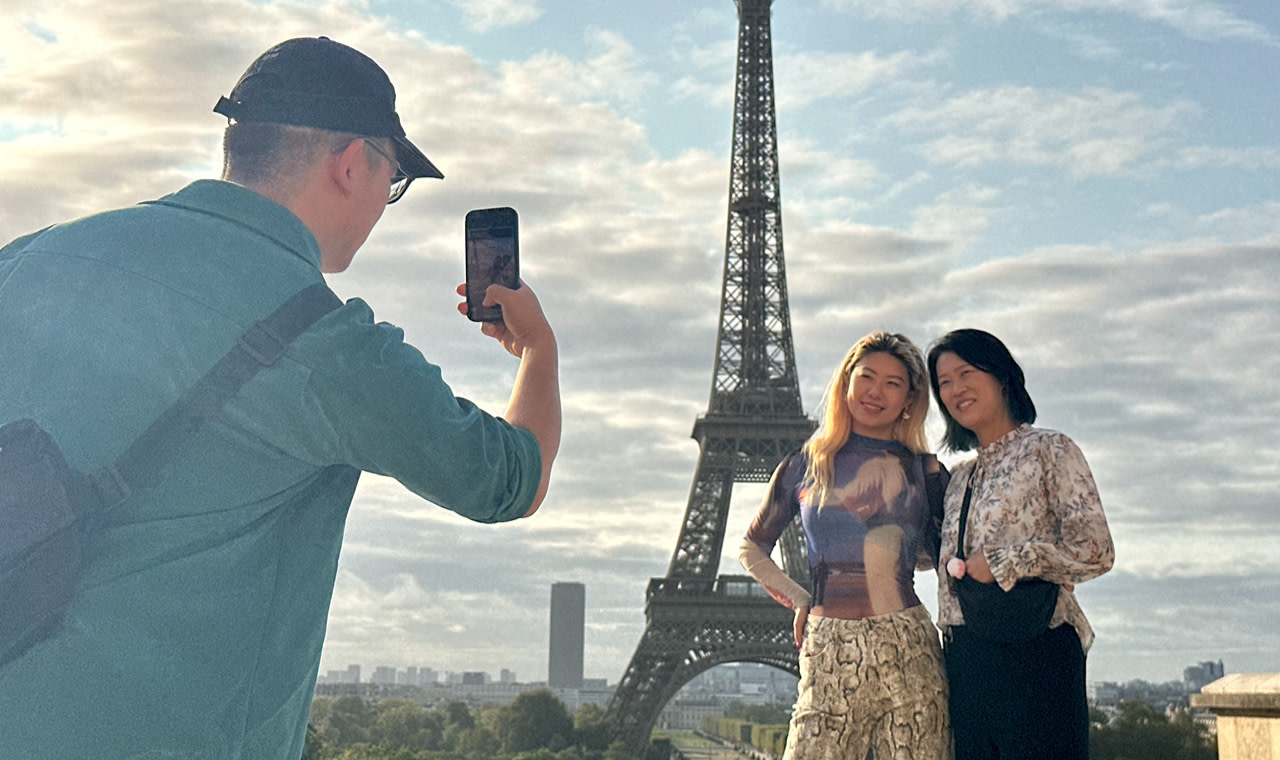
The Eiffel Tower is Paris's most iconic landmark and a symbol of France. Built in 1889 for the World's Fair, it offers breathtaking views of the city.
Architecture
2-3 hours
€17.10-€26.80 (depending on the level)
Louvre Museum
The Louvre is the world's largest art museum and a historic monument in Paris. It houses thousands of works of art, including the Mona Lisa and the Venus de Milo.
Museum
3-4 hours
€17 (full price), free for under 18s and EU residents under 26
Notre-Dame Cathedral
Notre-Dame is a masterpiece of French Gothic architecture and one of the most famous cathedrals in the world. It has been undergoing restoration since the 2019 fire.
Historical/Religious
1-2 hours
Free (towers and crypts may have reopening fees in the future)
Montmartre
Montmartre is a historic and artistic district known for its bohemian past, charming streets, and the stunning Sacré-Cœur Basilica.
Cultural
Half-day
Free to explore (Sacré-Cœur dome visit €6)
Palace of Versailles
The Palace of Versailles is a grand royal château and garden located just outside of Paris. It was the principal royal residence of France from 1682 to 1790.
Historical
Full day
€18-€28 (depending on the pass)
Must-Try Local Dishes
Croissant
A buttery, flaky pastry made from laminated dough. Best enjoyed fresh from a local bakery.
Breakfast
Contains gluten and dairy
Baguette
A long, thin loaf of French bread with a crispy crust and soft interior. Often served with cheese or ham.
Breakfast/Lunch
Contains gluten
Steak Frites
A classic French dish consisting of steak and French fries, usually served with a side of salad and béarnaise sauce.
Lunch/Dinner
Contains gluten (if served with fries) and meat
Crêpes
Thin pancakes that can be filled with a variety of sweet or savory ingredients, such as Nutella, cheese, or ham.
Snack/Dessert
Can be made gluten-free and vegetarian/vegan options available
Popular Activities
Hot air balloon rides
Rock climbing in Fontainebleau forest
Kayaking on the Seine
Picnicking in the Luxembourg Garden
Boat tours on the Seine
Spa day at a luxury hotel
Visiting museums and galleries
Attending a cabaret show
Best Time to Visit
June to August
Summer is the peak tourist season in Paris, with warm weather and long daylight hours. This is the best time to enjoy outdoor activities and festivals. However, it's also the busiest and most expensive time to visit.
15°C to 25°C (59°F to 77°F)
59°F to 77°F
Practical Information
Language
- Official: French
- Widely spoken: English, Spanish, Arabic, Portuguese
- English: Moderately spoken
Currency
Euro (EUR)
Time Zone
GMT+1 (Central European Time, CET), GMT+2 (Central European Summer Time, CEST) during daylight saving time
Electricity
230VV, 50HzHz
Safety Information
Overall Safety Rating: Generally safe
Paris is generally safe for travelers, but pickpocketing and petty theft can be a problem in tourist areas. Be aware of your surroundings and take precautions to protect your belongings.
Important Precautions:
- • Keep valuables secure and out of sight
- • Be cautious of pickpockets in crowded areas and on public transport
- • Use licensed taxis or ride-sharing services
Getting there
By air
- Charles de Gaulle Airport • 25 km (15.5 miles) from city center
- Orly Airport • 14 km (8.7 miles) from city center
By train
Gare du Nord, Gare de Lyon
By bus
Bercy Seine, Porte Maillot
Getting around
Public transport
The Paris Metro is one of the most efficient and extensive subway systems in the world, covering all major attractions and neighborhoods.
Taxis
Available • Apps: Uber, G7
Rentals
Car, Bike, Scooter
Neighborhoods
Le Marais
Montmartre
Latin Quarter
Saint-Germain-des-Prés
Champs-Élysées
Day trips
Versailles
17 km (10.5 miles) from Paris • Full day
The Palace of Versailles is a grand royal château and garden located just outside of Paris. It was the principal royal residence of France from 1682 to 1790 and is famous for its opulent interiors and vast gardens.
Giverny
75 km (47 miles) from Paris • Half day to full day
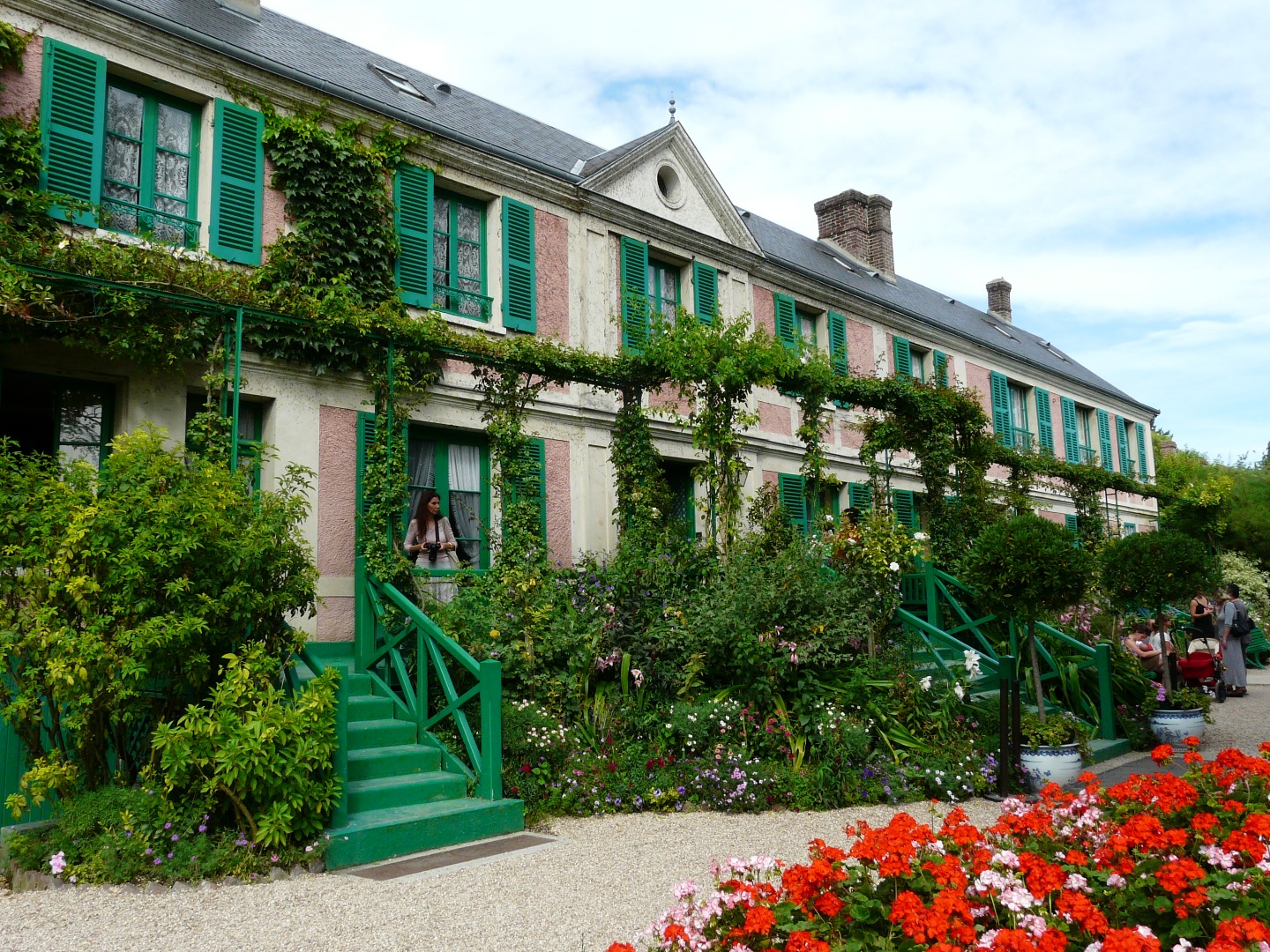
Giverny is a charming village known as the home of the famous impressionist painter Claude Monet. The village is home to Monet's House and Gardens, which inspired many of his most famous works.
Château de Fontainebleau
55 km (34 miles) from Paris • Full day
The Château de Fontainebleau is a grand royal château and park located just outside of Paris. It was a residence of the French monarchs from Louis VII to Napoleon III and is known for its beautiful architecture and vast forests.
Festivals
Fête de la Musique • June 21st (annual)
Paris Fashion Week • February and September (annual)
Nuit Blanche • First Saturday in October (annual)
Pro tips
- Learn a few basic French phrases to enhance your experience and show respect for the local culture
- Use public transport, walk, or bike to get around the city and avoid traffic and parking issues
- Consider purchasing a Paris Museum Pass or a multi-day public transport pass to save money on attractions and transport
- Explore the city's many neighborhoods and hidden gems, not just the major tourist attractions
- Try local specialties and enjoy the dining experience slowly and leisurely
From $25
per person
Price varies by option
Secure booking
Free cancellation available
Instant confirmation