Private Battlefields Tour in Argonne from Paris in Van (2/7 travelers)
Active
13h - 14h
For a full refund, cancel at least 24 hours before the scheduled departure time.
Instant confirmation
Mobile or paper ticket accepted
About this experience
Travel with your own group (6 travelers maximum) and embark with your Driver and guide "Régis" aboard a comfortable and air-conditioned Minivan.
Your Régis guide will tell you about the significant events of the First World War and the battles that took place here in the Argonne forest between 1914 and 1918.
At the "Main de Massiges" you will walk in the middle of the trenches surrounded by hundreds of shell holes which evoke a lunar and apocalyptic scenery
Discover the huge mine funnels at the top of the Vauquois hill and the remains of the trenches.
Climb the 200 steps of the marble column of the American monument of Montfaucon then at the top admire the view of the valley which was the scene of the American offensive in September 1918.
Visit the village of Varennes en Argonne where the King of France Louis XVI was arrested
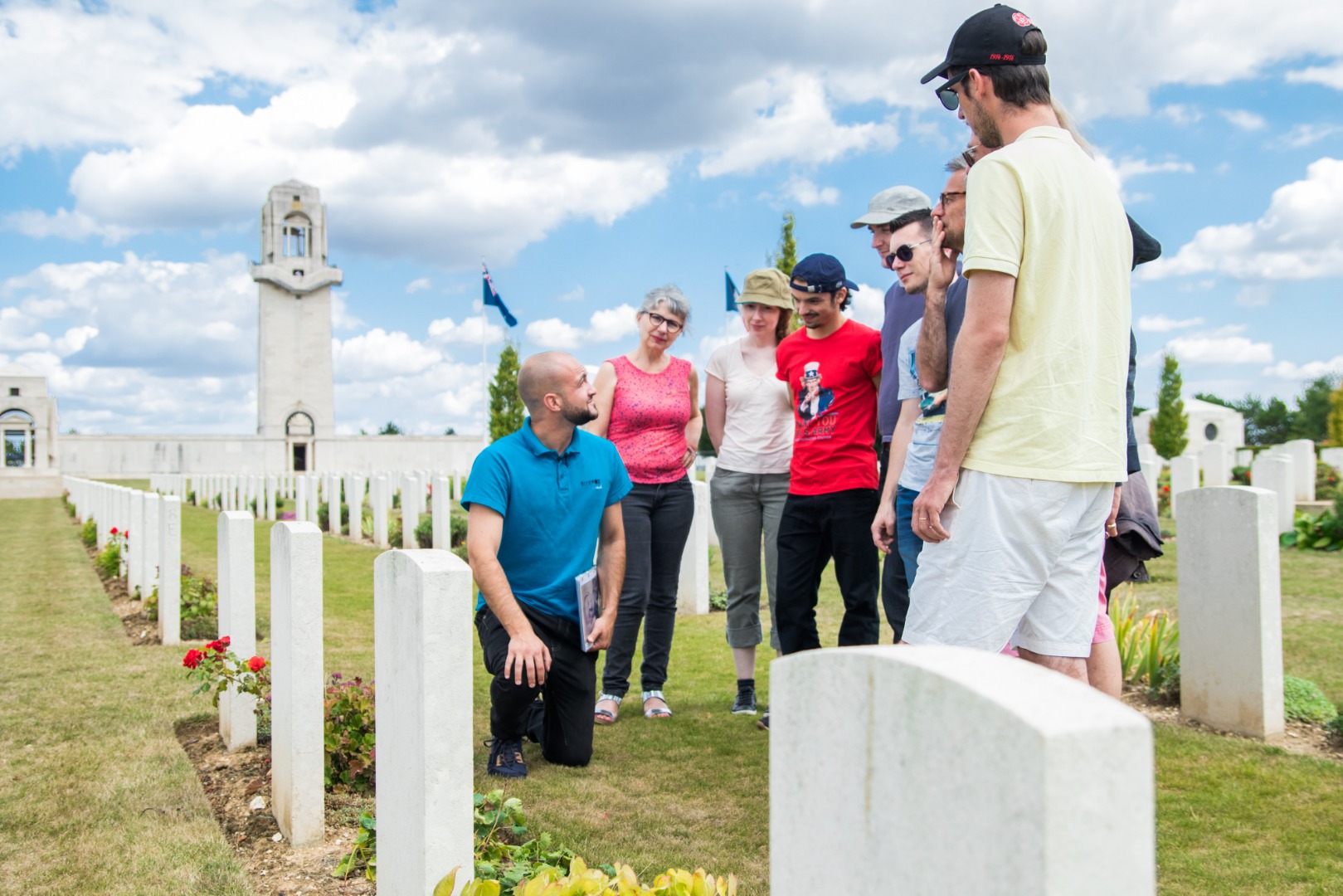
Pay homage to the fallen soldiers by walking through the largest American military cemetery (14,246 graves) in France at Romagne.
Available options
Private Battlefields Tour in Argonne from Paris in Van (2/7 travelers)
Pickup included
What's included
Private transportation
Admission tickets to the "Romagne 14-18" Museum
Driver / guide
Travel aboard a comfortable, air-conditioned Minivan (Maximum 6 travelers)
Support for customers at their place of residence in Paris and the Paris region
Detailed itinerary
1
The Germans retreated in early September 1914, entrenched on this natural height, each finger of which forms a bastion of this natural fortress. It was on this obstacle that the soldiers of the 4th French Army came up against on September 13, 1914, who participated in the counter-offensive succeeding the first battle of the Marne.
A hotbed of fighting, this strategic position was the scene of fierce fighting that took place here in the Massiges sector between 1914 and 1918.
The number of French soldiers killed, wounded or missing is estimated at 25,000, and certainly as many German soldiers.
2
The monument faces the front line of the 1st American army on the morning of September 26, 1918, when the attack began, the victory of which commemorates it, the Meuse-Argonne offensive. This lasted until November 11, 1918 and forced the enemy to retreat from its front.
It consists of a Doric column in solid granite, surmounted by a statue symbolizing Liberty, which dominates the ruins of the old village by more than 60 meters.
On the walls of the foyer is an engraved map of operations, with a story and a special tribute to the American troops who served here. The observation platform of the memorial can be reached at certain times by a staircase of 234 steps, from where visitors enjoy a view of almost all of the land conquered during this offensive.
3
Stop 3
If there is one essential site in the Land of Argonne, it is this cemetery which allows us to understand what the Americans mean by "Duty to remember".
Located in Romagne-sous-Montfaucon, the 52-hectare Meuse-Argonne American Cemetery is the largest American necropolis in Europe. Inaugurated in 1937, this necropolis has 14,246 graves of American soldiers who perished during the Meuse Argonne Offensive from September 26 to November 11, 1918.
The Romanesque memorial and its chapel overlook the cemetery.
A map explaining the Meuse-Argonne offensive is engraved on a wall of the loggia. On another wall are engraved the names of 954 American soldiers who disappeared during the Meuse-Argonne offensive.
Inside the chapel, the badges of the American divisions and higher army units are represented on the stained glass windows.
On the front wall of the chapel are engraved the names of the villages and places where the American army fought.
4
Explore thousands of objects from the Great War at Jean Paul's informal museum, which will show you the soldier's daily life.
Behind each object on display hides a personal and moving story.
Helmets, weapons, combs, coins, cutlery, pocket watches go back even today ...
Jean-Paul de Vries has been looking for and finding these objects since 1976.
In his museum, he exhibits finds that bear witness to this life in the trenches. Each object was found within a radius of 4 kilometers around Romagne sous Montfaucon. By showing the lives of soldiers, Jean-Paul de Vries hopes to make people understand the atrocity of war.
5
The village is known to have been the site of the arrest of Louis XVI and the royal family who tried to join troops remained loyal to the monarchy based in Montmédy,
Varennes was occupied by German troops at the start of the First World War. The village was on or near the front line during most of the conflict.
Varennes-en-Argonne was the first city to be liberated by American troops during the Meuse-Argonne Offensive launched on September 26, 1918.
The Pennsylvania Monument in Varennes-en-Argonne:
Located on the heights of Varennes-en-Argonne, this impressive monument was erected and funded in 1928 by the State of Pennsylvania (United States), in memory of the soldiers who died during the battles of 1918 to liberate this area. Its terrace offers a magnificent panorama overlooking the Aire valley.
6
Built at the top of a hill that overlooked the surrounding plain at an altitude of 290 m, which made it an observatory and a landmark for the regulation of artillery fire during the First World War. In the autumn of 1914, the Germans transformed the village into a veritable fortress.
The French and the Germans buried themselves in trenches at the top of the hill which was transformed by more than 500 explosions, the village of Vauquois was totally destroyed.
From February to March 1915, the ruins of the village were hotly contested.
Kilometers of galleries (about 23) were dug, spanning several levels, up to 100 meters deep, in order to penetrate under the enemy camp, causing it as much loss as possible by the explosion of mines.
In May 1916 a huge funnel was created by the explosion of a 60-ton mine that killed 108 French soldiers. In September 1918 the Americans took possession of the position definitively.
What's not included
Lunch
Available languages
Guide guide
EN
FR
Reviews breakdown
Viator
5.0
2 reviews
5★
2
4★
0
3★
0
2★
0
1★
0
Tripadvisor
4.0
4 reviews
5★
3
4★
0
3★
0
2★
0
1★
1
Important information
Not recommended for travelers with poor cardiovascular health
Not recommended for pregnant travelers
Public transportation options are available nearby
Suitable for all physical fitness levels
About Paris
Paris, the capital of France, is a city steeped in history, art, and romance. Known for its iconic landmarks, world-class museums, and charming neighborhoods, Paris offers a unique blend of timeless elegance and modern vibrancy. From the Eiffel Tower to the Louvre, the city is a treasure trove of cultural and historical gems.
Top Attractions
Eiffel Tower
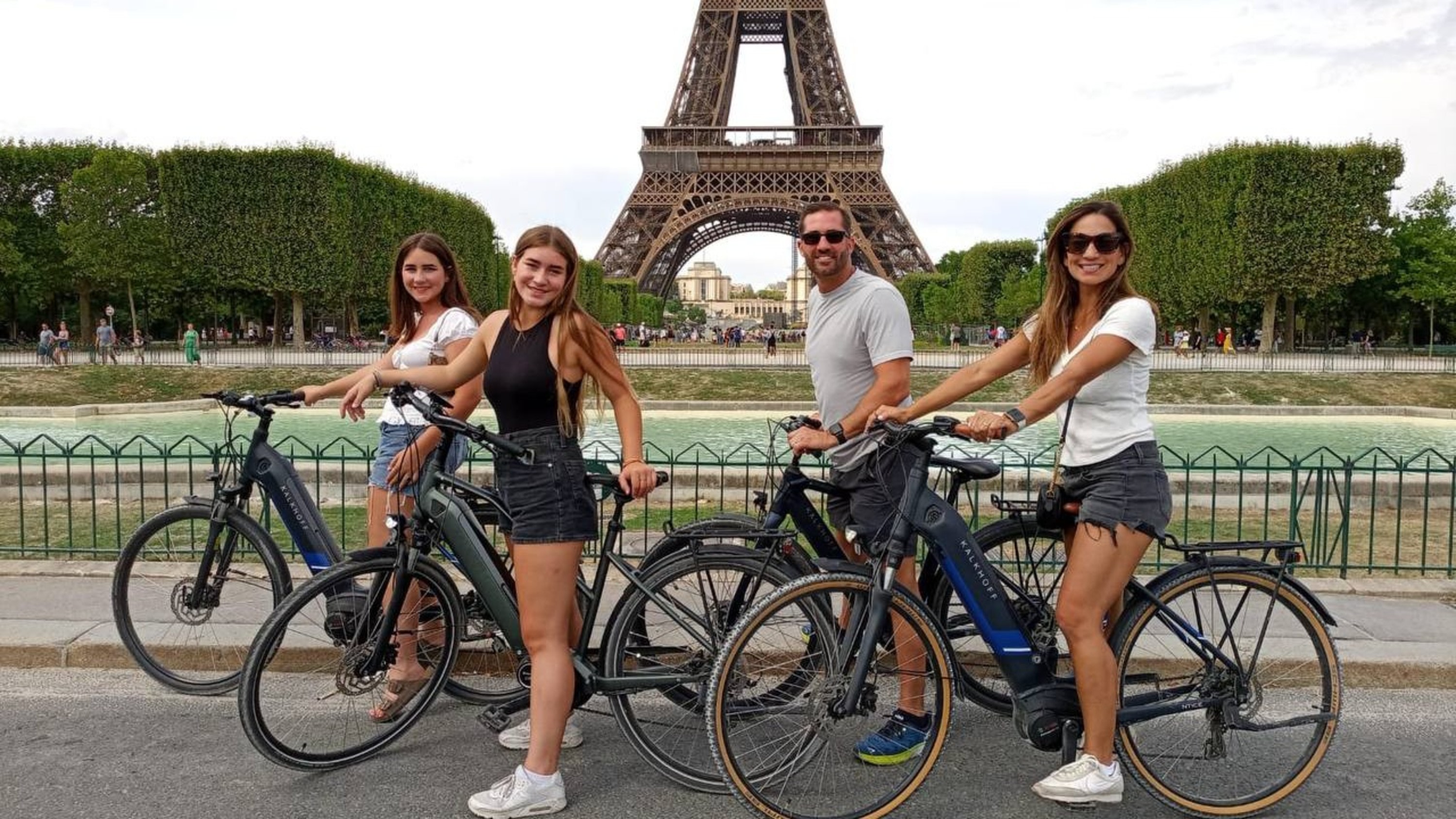
The Eiffel Tower is Paris's most iconic landmark and a symbol of France. Built in 1889 for the World's Fair, it offers breathtaking views of the city.
Architecture
2-3 hours
€17.10-€26.80 (depending on the level)
Louvre Museum
The Louvre is the world's largest art museum and a historic monument in Paris. It houses thousands of works of art, including the Mona Lisa and the Venus de Milo.
Museum
3-4 hours
€17 (full price), free for under 18s and EU residents under 26
Notre-Dame Cathedral
Notre-Dame is a masterpiece of French Gothic architecture and one of the most famous cathedrals in the world. It has been undergoing restoration since the 2019 fire.
Historical/Religious
1-2 hours
Free (towers and crypts may have reopening fees in the future)
Montmartre
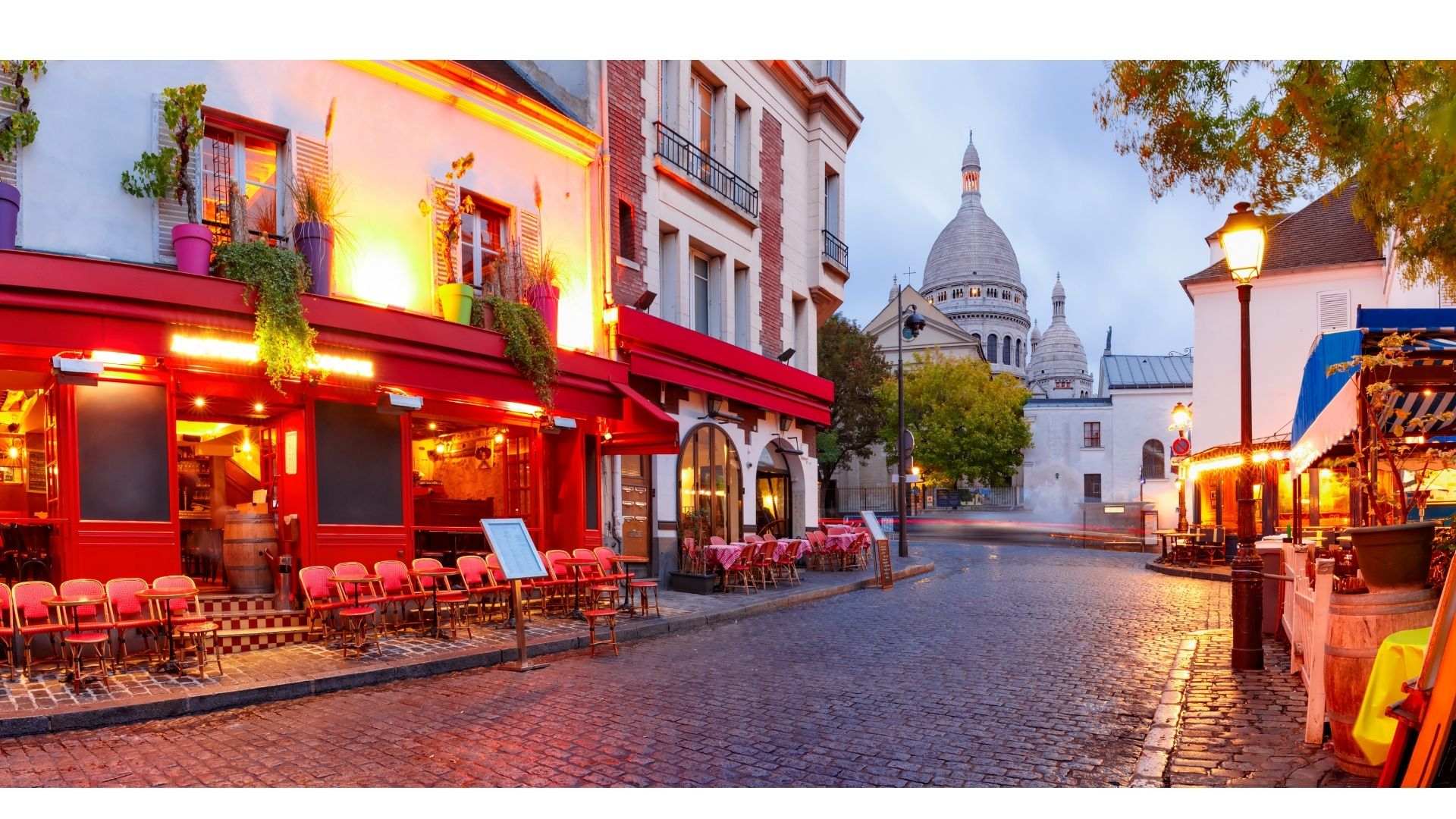
Montmartre is a historic and artistic district known for its bohemian past, charming streets, and the stunning Sacré-Cœur Basilica.
Cultural
Half-day
Free to explore (Sacré-Cœur dome visit €6)
Palace of Versailles
The Palace of Versailles is a grand royal château and garden located just outside of Paris. It was the principal royal residence of France from 1682 to 1790.
Historical
Full day
€18-€28 (depending on the pass)
Must-Try Local Dishes
Croissant
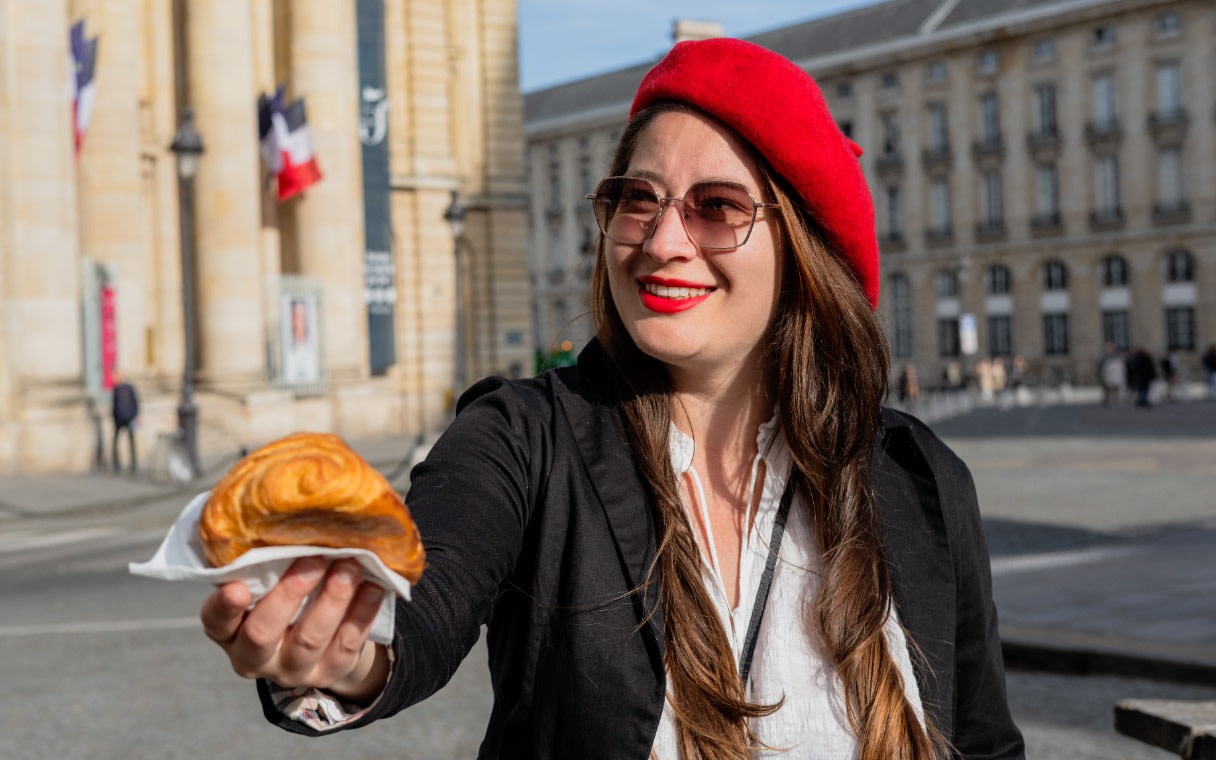
A buttery, flaky pastry made from laminated dough. Best enjoyed fresh from a local bakery.
Breakfast
Contains gluten and dairy
Baguette
A long, thin loaf of French bread with a crispy crust and soft interior. Often served with cheese or ham.
Breakfast/Lunch
Contains gluten
Steak Frites
A classic French dish consisting of steak and French fries, usually served with a side of salad and béarnaise sauce.
Lunch/Dinner
Contains gluten (if served with fries) and meat
Crêpes
Thin pancakes that can be filled with a variety of sweet or savory ingredients, such as Nutella, cheese, or ham.
Snack/Dessert
Can be made gluten-free and vegetarian/vegan options available
Popular Activities
Hot air balloon rides
Rock climbing in Fontainebleau forest
Kayaking on the Seine
Picnicking in the Luxembourg Garden
Boat tours on the Seine
Spa day at a luxury hotel
Visiting museums and galleries
Attending a cabaret show
Best Time to Visit
June to August
Summer is the peak tourist season in Paris, with warm weather and long daylight hours. This is the best time to enjoy outdoor activities and festivals. However, it's also the busiest and most expensive time to visit.
15°C to 25°C (59°F to 77°F)
59°F to 77°F
Practical Information
Language
- Official: French
- Widely spoken: English, Spanish, Arabic, Portuguese
- English: Moderately spoken
Currency
Euro (EUR)
Time Zone
GMT+1 (Central European Time, CET), GMT+2 (Central European Summer Time, CEST) during daylight saving time
Electricity
230VV, 50HzHz
Safety Information
Overall Safety Rating: Generally safe
Paris is generally safe for travelers, but pickpocketing and petty theft can be a problem in tourist areas. Be aware of your surroundings and take precautions to protect your belongings.
Important Precautions:
- • Keep valuables secure and out of sight
- • Be cautious of pickpockets in crowded areas and on public transport
- • Use licensed taxis or ride-sharing services
Getting there
By air
- Charles de Gaulle Airport • 25 km (15.5 miles) from city center
- Orly Airport • 14 km (8.7 miles) from city center
By train
Gare du Nord, Gare de Lyon
By bus
Bercy Seine, Porte Maillot
Getting around
Public transport
The Paris Metro is one of the most efficient and extensive subway systems in the world, covering all major attractions and neighborhoods.
Taxis
Available • Apps: Uber, G7
Rentals
Car, Bike, Scooter
Neighborhoods
Le Marais
Montmartre
Latin Quarter
Saint-Germain-des-Prés
Champs-Élysées
Day trips
Versailles
17 km (10.5 miles) from Paris • Full day
The Palace of Versailles is a grand royal château and garden located just outside of Paris. It was the principal royal residence of France from 1682 to 1790 and is famous for its opulent interiors and vast gardens.
Giverny
75 km (47 miles) from Paris • Half day to full day
Giverny is a charming village known as the home of the famous impressionist painter Claude Monet. The village is home to Monet's House and Gardens, which inspired many of his most famous works.
Château de Fontainebleau
55 km (34 miles) from Paris • Full day
The Château de Fontainebleau is a grand royal château and park located just outside of Paris. It was a residence of the French monarchs from Louis VII to Napoleon III and is known for its beautiful architecture and vast forests.
Festivals
Fête de la Musique • June 21st (annual)
Paris Fashion Week • February and September (annual)
Nuit Blanche • First Saturday in October (annual)
Pro tips
- Learn a few basic French phrases to enhance your experience and show respect for the local culture
- Use public transport, walk, or bike to get around the city and avoid traffic and parking issues
- Consider purchasing a Paris Museum Pass or a multi-day public transport pass to save money on attractions and transport
- Explore the city's many neighborhoods and hidden gems, not just the major tourist attractions
- Try local specialties and enjoy the dining experience slowly and leisurely
From $25
per person
Price varies by option
Secure booking
Free cancellation available
Instant confirmation