Private tour of the battlefields of Verdun from Paris in Van (2/7 travelers)
Active
13h - 14h
For a full refund, cancel at least 24 hours before the scheduled departure time.
Instant confirmation
Mobile or paper ticket accepted
About this experience
• Travel with your own group (7 participants maximum) and embark with your driver and guide "Régis" aboard a comfortable and air-conditioned Minivan.
• In the hills and villages around Verdun, the scars of the battles of 1916 and 1917 (shell holes, destroyed villages, trenches and concrete casemates) are still visible and will plunge you into the hell of the fighting.
• Discover this impressive 19th century fortified work "Le fort de Douamont" still housing its 155mm retractable cannon under an armored dome, then walk through the underground galleries of the fort
• Pay homage to the 140,000 French soldiers who fell on the hills around Verdun in 1916 by visiting the National Military Necropolis and the Douamont ossuary.
• Bathed in light, the terrace of the Museum of the Battle of Verdun opens onto the environment of the Memorial allowing visitors to discover the panorama of the battlefield.
Available options
Private tour of the battlefields of Verdun from Paris in Van (2/7 travelers)
Pickup included
What's included
Private transportation
Admission tickets to the Verdun Memorial Museum Battlefield
Admission tickets to Fort de Douamont
Travel aboard a comfortable, air-conditioned Minivan (Maximum 6 travelers)
Driver / guide (in French for this tour)
Support for customers at their place of residence in Paris and the Paris region
Detailed itinerary
1
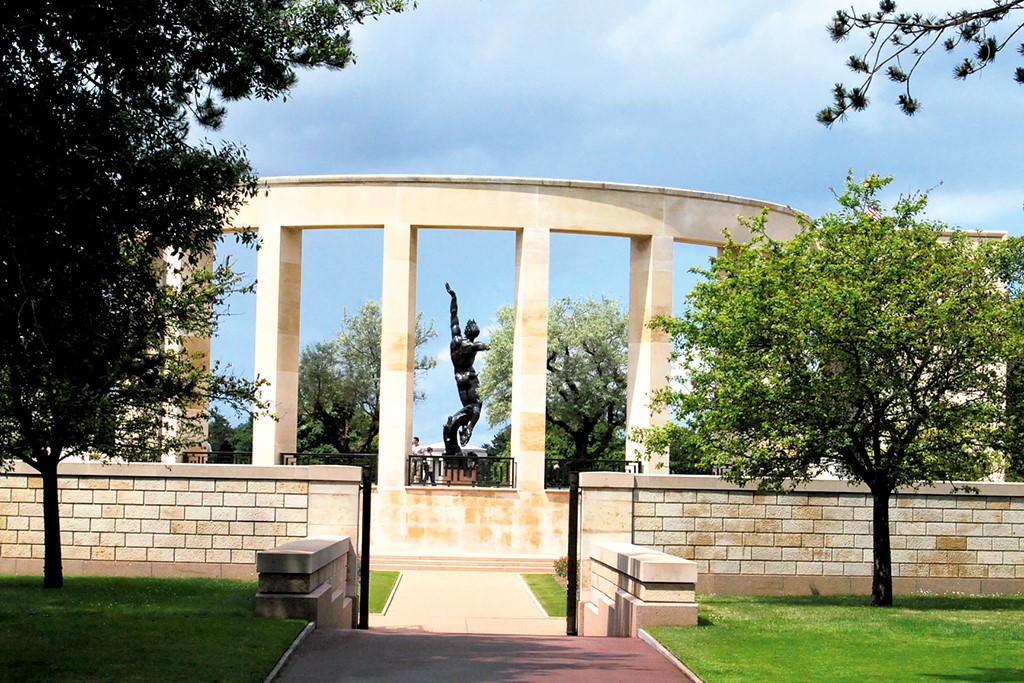
This stone monument is the work of the sculptor Barrois and the architect Schmitt.
It pays tribute to all those who worked for the functioning of the Sacred Way between Bar-le-Duc and Verdun, a strategic axis, essential for the supply of troops with food and ammunition as well as for the evacuation of the wounded.
Today helmeted markers mark out every kilometer of this road, baptized at the end of the war by Maurice Barrès, "Sacred Way"
The monument consists of two parts:
a wall in the shape of an arc of circle on which is represented a frieze representing in bas-relief the soldiers of the Sacred Way, associating the rail and the road.
The frieze represents soldiers and transportations of the Sacred Way. We recognize:
the noria of trucks (including Berliet CBA),
the railway (with the Corpet-Louvet locomotive),
horse-drawn convoys,
transport of soldiers and ammunition,
traffic regulators,
the return of soldiers from the front,
track maintenance.
2
The Douamont ossuary is a memorial containing the remains of French and German soldiers who died on the battlefield of Verdun. Through small exterior windows, you can see the skeletal remains of at least 130,000 unidentified fighters from two nations filling alcoves at the bottom edge of the building.
Inside the ossuary, the ceiling and walls are partially covered with plaques bearing the names of French soldiers who died during the Battle of Verdun. It was built on the initiative of Charles Ginisty, bishop of Verdun. It has been designated "national necropolis", or "national cemetery".
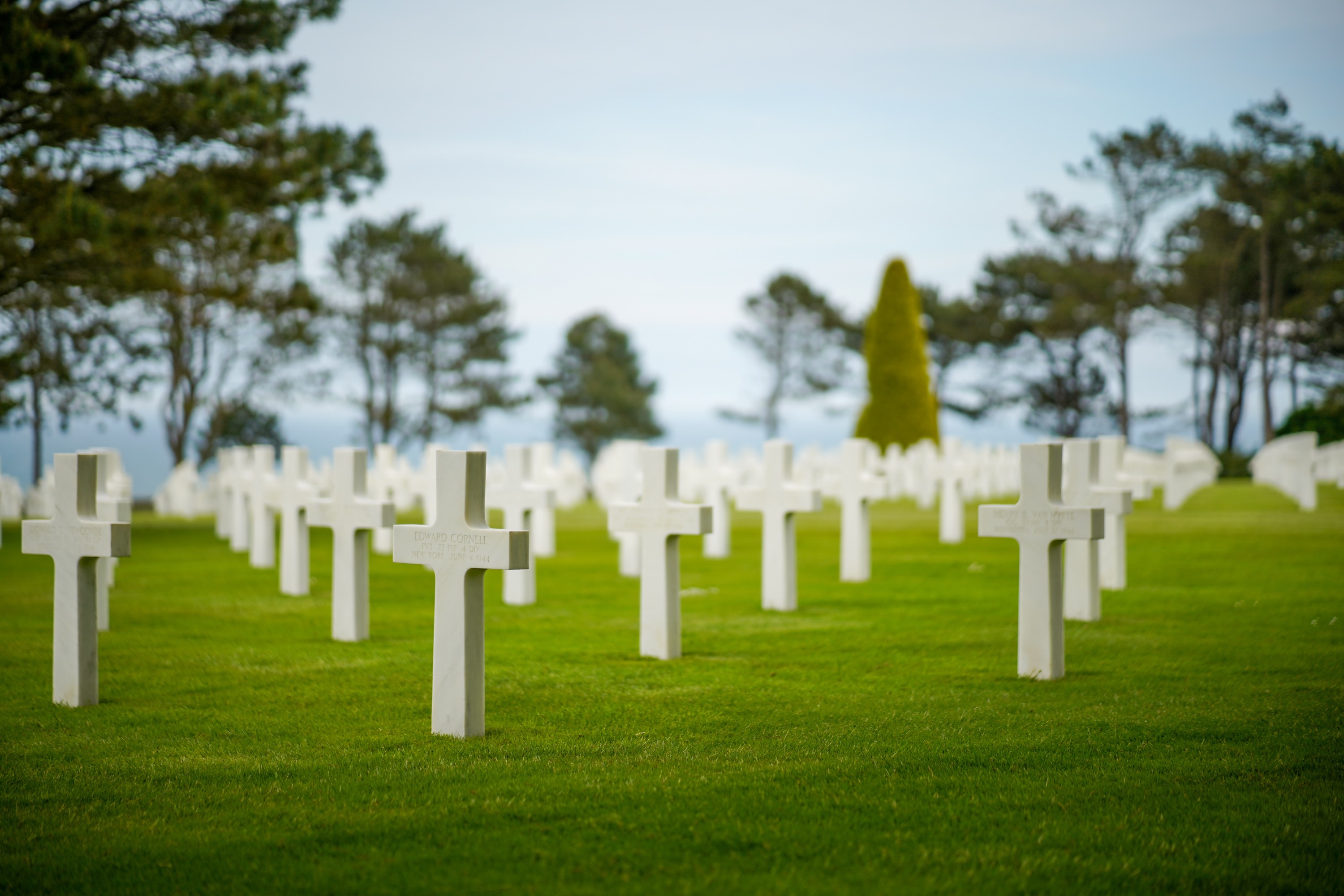
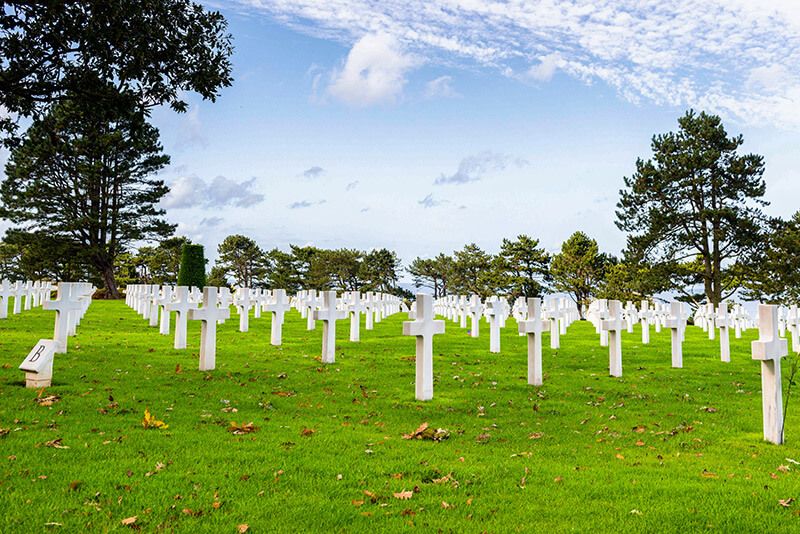
In front of the ossuary, the national necropolis of Douaumont brings together 16,142 graves of French soldiers, mainly Catholics, including a square of 592 stelae of Muslim soldiers. The military cemetery also contains two memorials respectively dedicated to soldiers of the Jewish and Muslim faiths.
3
Stop 3
The Fort de Douaumont was the largest and tallest fort on a crown of 19 large defensive works that had been built to protect the city of Verdun since the 1890s.
In 1915, the French general staff concluded that even the best protected forts in Verdun could not withstand the bombardment of German gamma-ray guns of 420 mm.
The fort, occupied by sixty French soldiers, was taken without a fight by the Germans on February 25, 1916, four days after the start of the Battle of Verdun.
It will be occupied for 8 months by the German army, which will make it a shelter for its troops and an essential support point on the right bank of the Meuse to continue its offensive.
The fort was not taken over until October 24, 1916 by French colonial troops.
French General Pétain said it cost the lives of 100,000 French soldiers to retake Fort Douamont!
4
The village was destroyed in 1916 during the battle of Verdun and was not rebuilt. Since then, the town site has become an uninhabited place of remembrance.
From June to August 1916, the German command launched several offensives on this part of the front. In two months, the village was taken and taken over 16 times by French and Germans. From July 13 to August 5, 1916, intense fighting took place around the ruined village. On the night of August 17-18, 1916, the colonial infantry regiment of Morocco launched an assault and definitively took over the village.
Located in the Verdun sector, the village disappears completely due to the relentless shelling of French and German shells.
In 1918, the village was declared "dead for France". It is one of the nine villages destroyed during the Battle of Verdun. The tormented relief of the ground of the commune still testifies to the enormous quantity of shells received.
5
Your driver guide will drop you off at the foot of Verdun Cathedral.
Dedicated to the Virgin Mary, it was built from 990 according to the Romanesque-Rhenish plan. It is therefore the oldest in Lorraine and one of the oldest in Europe.
It suffered several ravages in the 11th and 12th centuries, leading to the reconstruction of certain parts and the addition of others.
From the 14th to the 16th century, the building was modified according to the Gothic style. After a fire in 1755 which caused it to lose two of its four bell towers, the cathedral was redesigned in baroque and rockery styles. Severely damaged by bombing during the First World War, it is again restored.
6
Built in downtown Verdun, this monument was inaugurated in 1929. The 73 steps of the staircase lead to a crypt which houses the repertoires of the names of the soldiers holding the Verdun medal. At the top of the 30 meter high tower stands a warrior, leaning on his sword and looking east. A ceremony takes place every year on November 1 at the Victory Monument to welcome the Sacred Flame that burns under the Arc de Triomphe in Paris.
7
Built in 1380 along the Meuse, it was one of the three monumental gates of the Grand Rempart de Verdun. Redesigned in 1690, it served as a military prison for the State from 1755 to 1860 before being bought by the city in 1889.
It has been classified as a historic monument since March 21, 1881.
8
Stop 8
The bayonet trench is a monument commemorating the Battle of Verdun in 1916. The site was classified as a historic monument in 1922 and recognized as a center of national memory in March 2014.
The most common account of the bayonet trench is that, in June 1916, soldiers preparing for the offensive were covered by waves of earth from the impact of shells falling all around their trench. Bayonet rifles protruding from the ground testify to this event, their owners having been buried with weapons in hand.
In December 1920, the President of the Republic, Alexandre Millerand, went to Bois Morchée, on the territory of the commune of Douaumont (Meuse), to inaugurate the memorial of what will henceforth be called the "Bayonet Trench" .
9
To end this very moving day, you will visit the "Memorial Museum of Verdun" in Fleury-devant-Douaumont.
The route of the new Memorial places the visitor at the heart of the battlefield. The ground floor is dedicated to the experience of combatants on the front line and on the first floor, visitors enter the environment of battle and the contexts of countries at war.
The new Memorial was reborn in February 2016. The work carried out for more than two years brought new strength to the original building, while opening it outwards with:
The installation of an additional floor of more than 600 m² covering the building. It houses an interactive space, a 175 m² temporary exhibition hall, the documentation center, the educational room, a relaxation area and two belvedere terraces on the battlefield.
What's not included
Lunch
Available languages
Guide guide
EN
FR
Reviews breakdown
Tripadvisor
4.0
4 reviews
5★
3
4★
0
3★
0
2★
0
1★
1
Important information
Not recommended for travelers with poor cardiovascular health
Not recommended for pregnant travelers
Public transportation options are available nearby
Suitable for all physical fitness levels
About Paris
Paris, the capital of France, is a city steeped in history, art, and romance. Known for its iconic landmarks, world-class museums, and charming neighborhoods, Paris offers a unique blend of timeless elegance and modern vibrancy. From the Eiffel Tower to the Louvre, the city is a treasure trove of cultural and historical gems.
Top Attractions
Eiffel Tower
The Eiffel Tower is Paris's most iconic landmark and a symbol of France. Built in 1889 for the World's Fair, it offers breathtaking views of the city.
Architecture
2-3 hours
€17.10-€26.80 (depending on the level)
Louvre Museum
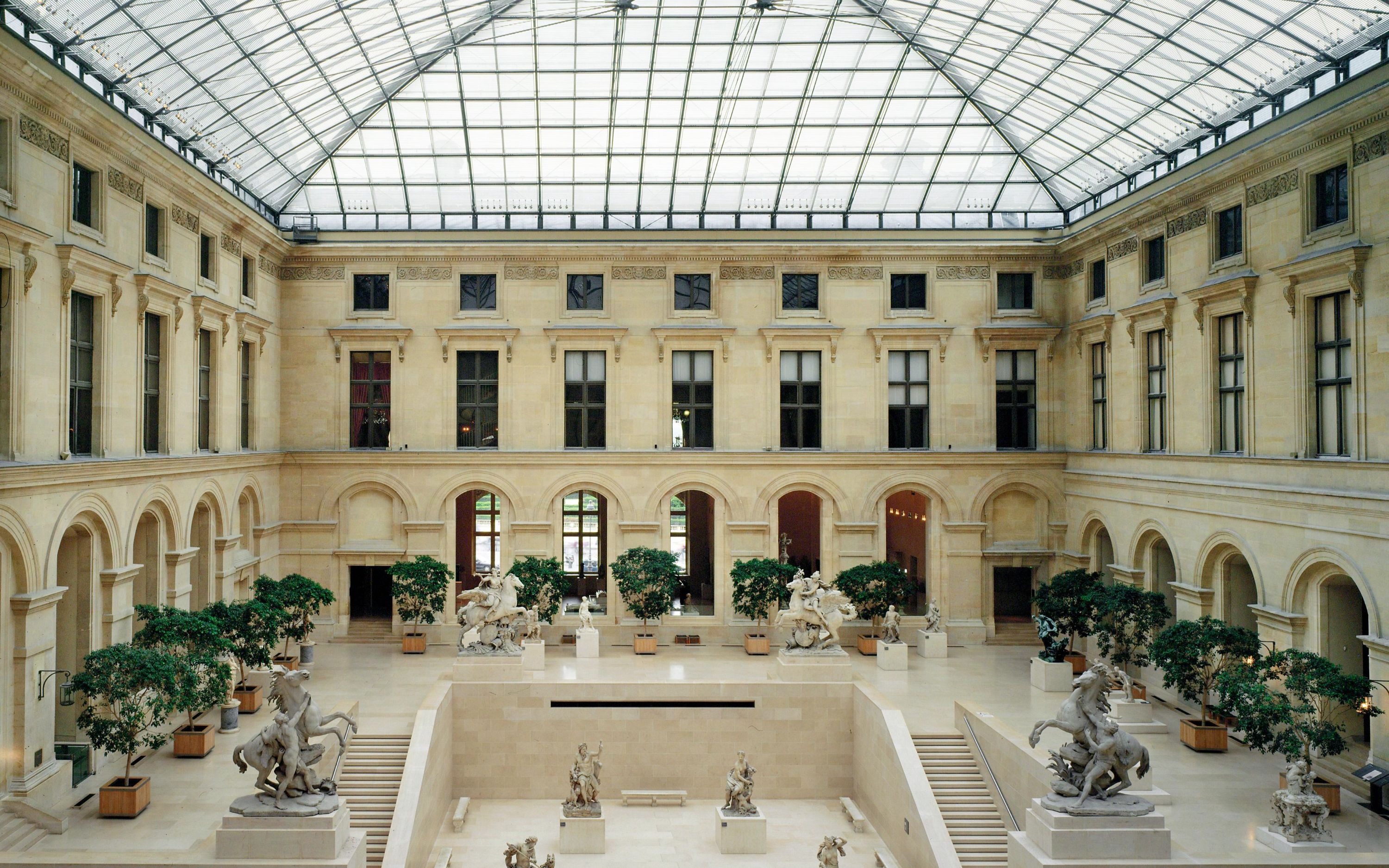
The Louvre is the world's largest art museum and a historic monument in Paris. It houses thousands of works of art, including the Mona Lisa and the Venus de Milo.
Museum
3-4 hours
€17 (full price), free for under 18s and EU residents under 26
Notre-Dame Cathedral
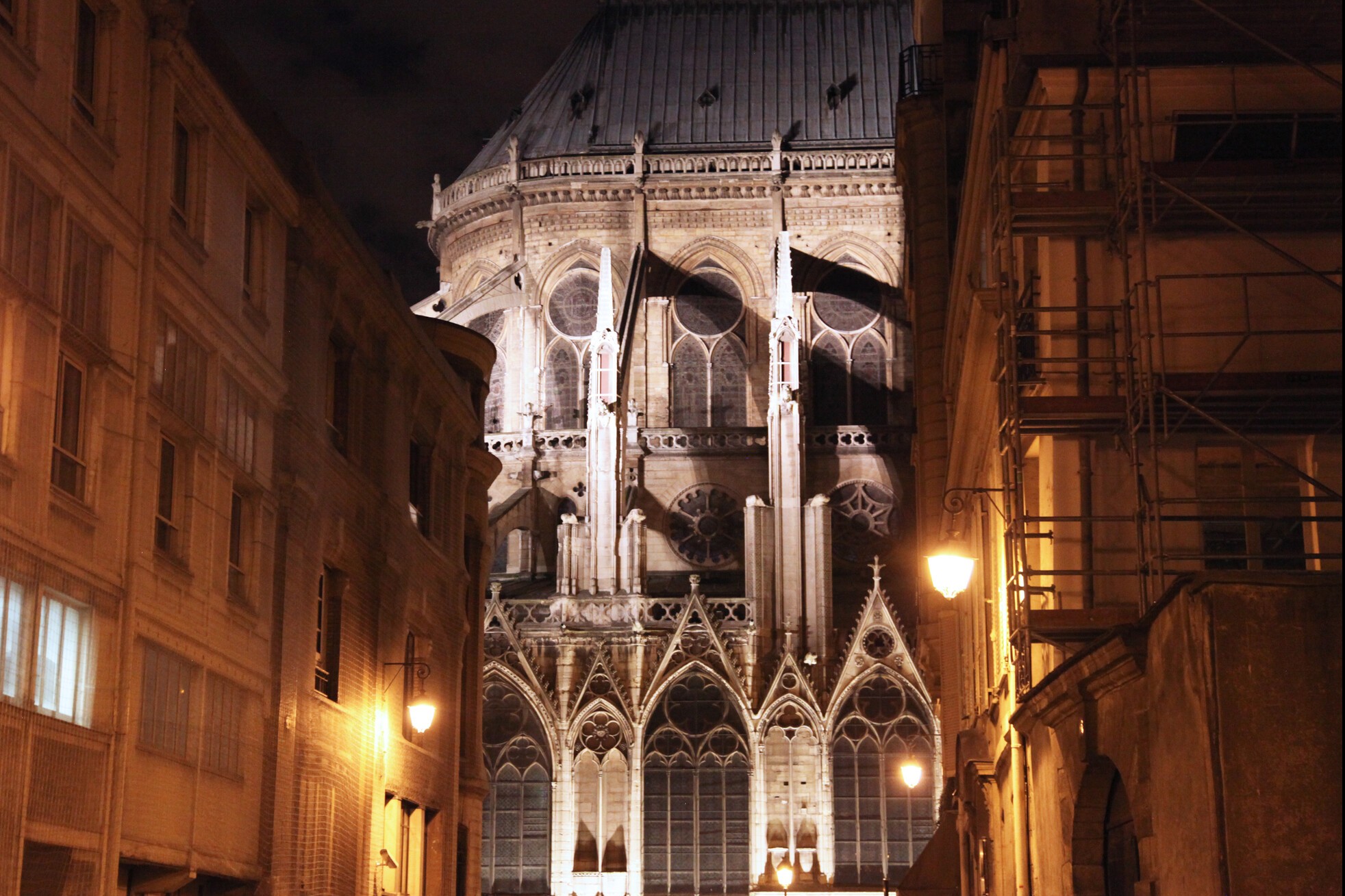
Notre-Dame is a masterpiece of French Gothic architecture and one of the most famous cathedrals in the world. It has been undergoing restoration since the 2019 fire.
Historical/Religious
1-2 hours
Free (towers and crypts may have reopening fees in the future)
Montmartre
Montmartre is a historic and artistic district known for its bohemian past, charming streets, and the stunning Sacré-Cœur Basilica.
Cultural
Half-day
Free to explore (Sacré-Cœur dome visit €6)
Palace of Versailles
The Palace of Versailles is a grand royal château and garden located just outside of Paris. It was the principal royal residence of France from 1682 to 1790.
Historical
Full day
€18-€28 (depending on the pass)
Must-Try Local Dishes
Croissant
A buttery, flaky pastry made from laminated dough. Best enjoyed fresh from a local bakery.
Breakfast
Contains gluten and dairy
Baguette
A long, thin loaf of French bread with a crispy crust and soft interior. Often served with cheese or ham.
Breakfast/Lunch
Contains gluten
Steak Frites
A classic French dish consisting of steak and French fries, usually served with a side of salad and béarnaise sauce.
Lunch/Dinner
Contains gluten (if served with fries) and meat
Crêpes
Thin pancakes that can be filled with a variety of sweet or savory ingredients, such as Nutella, cheese, or ham.
Snack/Dessert
Can be made gluten-free and vegetarian/vegan options available
Popular Activities
Hot air balloon rides
Rock climbing in Fontainebleau forest
Kayaking on the Seine
Picnicking in the Luxembourg Garden
Boat tours on the Seine
Spa day at a luxury hotel
Visiting museums and galleries
Attending a cabaret show
Best Time to Visit
June to August
Summer is the peak tourist season in Paris, with warm weather and long daylight hours. This is the best time to enjoy outdoor activities and festivals. However, it's also the busiest and most expensive time to visit.
15°C to 25°C (59°F to 77°F)
59°F to 77°F
Practical Information
Language
- Official: French
- Widely spoken: English, Spanish, Arabic, Portuguese
- English: Moderately spoken
Currency
Euro (EUR)
Time Zone
GMT+1 (Central European Time, CET), GMT+2 (Central European Summer Time, CEST) during daylight saving time
Electricity
230VV, 50HzHz
Safety Information
Overall Safety Rating: Generally safe
Paris is generally safe for travelers, but pickpocketing and petty theft can be a problem in tourist areas. Be aware of your surroundings and take precautions to protect your belongings.
Important Precautions:
- • Keep valuables secure and out of sight
- • Be cautious of pickpockets in crowded areas and on public transport
- • Use licensed taxis or ride-sharing services
Getting there
By air
- Charles de Gaulle Airport • 25 km (15.5 miles) from city center
- Orly Airport • 14 km (8.7 miles) from city center
By train
Gare du Nord, Gare de Lyon
By bus
Bercy Seine, Porte Maillot
Getting around
Public transport
The Paris Metro is one of the most efficient and extensive subway systems in the world, covering all major attractions and neighborhoods.
Taxis
Available • Apps: Uber, G7
Rentals
Car, Bike, Scooter
Neighborhoods
Le Marais
Montmartre
Latin Quarter
Saint-Germain-des-Prés
Champs-Élysées
Day trips
Versailles
17 km (10.5 miles) from Paris • Full day
The Palace of Versailles is a grand royal château and garden located just outside of Paris. It was the principal royal residence of France from 1682 to 1790 and is famous for its opulent interiors and vast gardens.
Giverny
75 km (47 miles) from Paris • Half day to full day
Giverny is a charming village known as the home of the famous impressionist painter Claude Monet. The village is home to Monet's House and Gardens, which inspired many of his most famous works.
Château de Fontainebleau
55 km (34 miles) from Paris • Full day
The Château de Fontainebleau is a grand royal château and park located just outside of Paris. It was a residence of the French monarchs from Louis VII to Napoleon III and is known for its beautiful architecture and vast forests.
Festivals
Fête de la Musique • June 21st (annual)
Paris Fashion Week • February and September (annual)
Nuit Blanche • First Saturday in October (annual)
Pro tips
- Learn a few basic French phrases to enhance your experience and show respect for the local culture
- Use public transport, walk, or bike to get around the city and avoid traffic and parking issues
- Consider purchasing a Paris Museum Pass or a multi-day public transport pass to save money on attractions and transport
- Explore the city's many neighborhoods and hidden gems, not just the major tourist attractions
- Try local specialties and enjoy the dining experience slowly and leisurely
From $25
per person
Price varies by option
Secure booking
Free cancellation available
Instant confirmation