Sir John Monash Centre in the Somme from Paris aboard a Van (4/7 pax)
Active
8h - 9h
For a full refund, cancel at least 24 hours before the scheduled departure time.
Instant confirmation
Mobile or paper ticket accepted
About this experience
Travel with your own group (4/7 travellers) aboard a comfortable and air-conditioned Minivan for a more personalized atmosphere.
Discover the Sir John Monash museum exhibitions’ layout that traces the history of Australia during the first World War.
Get enough time to visit all the exhibits and war artefacts without being rush at the Sir John Monash Center.
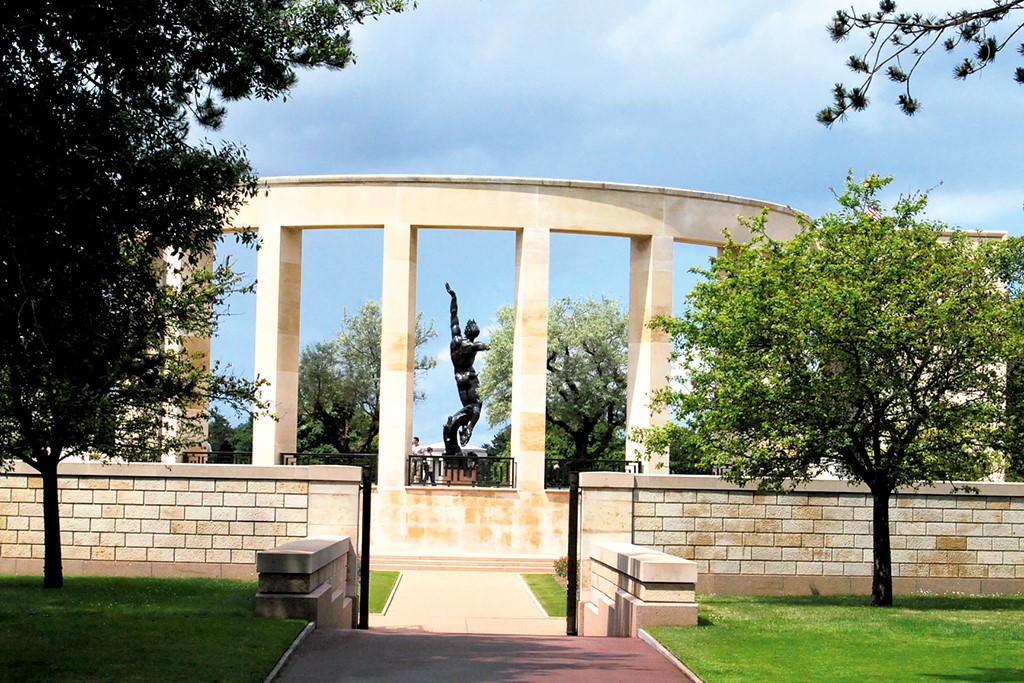
Visit the largest Australian War Memorial in Europe and pay tribute to the fallen.
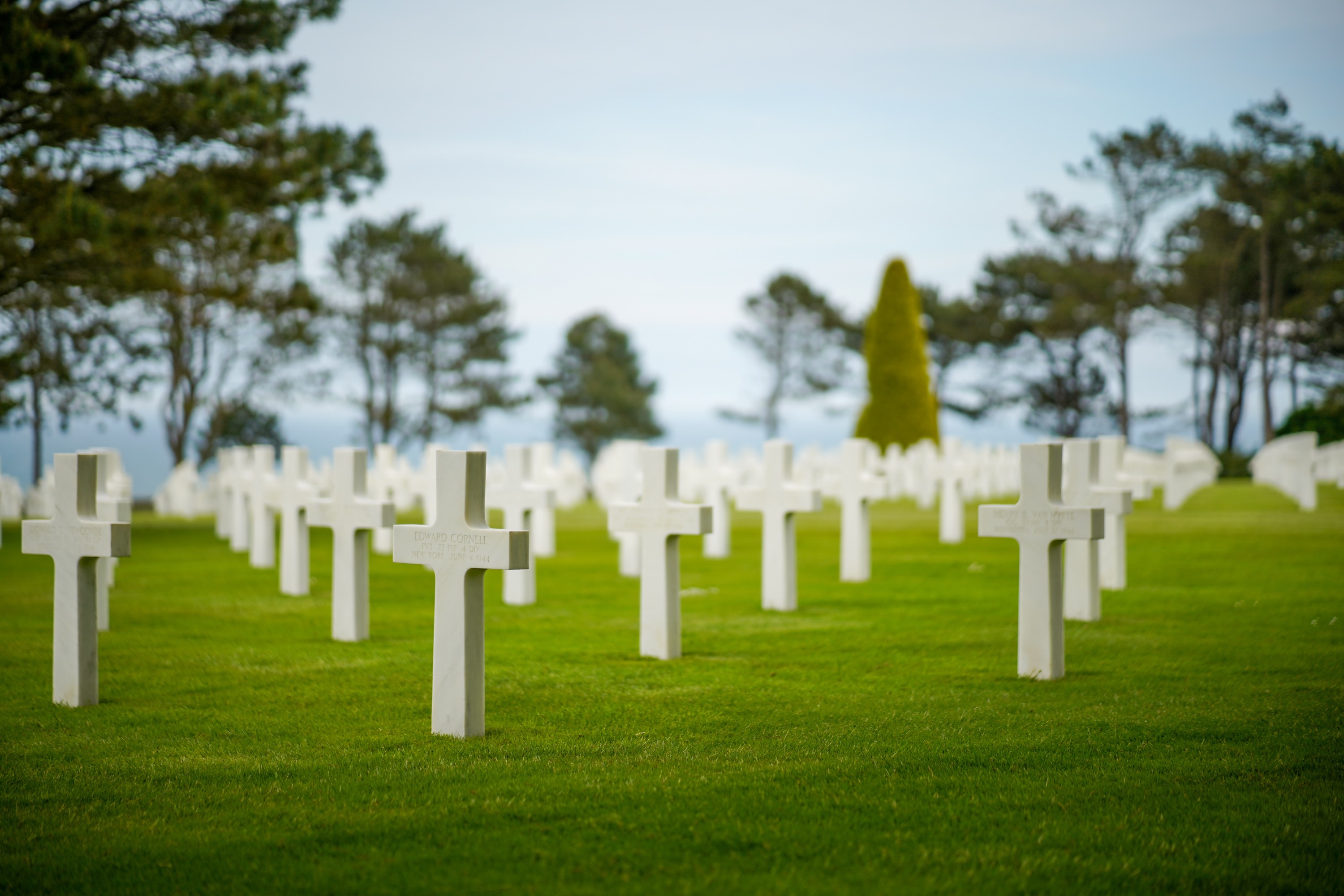
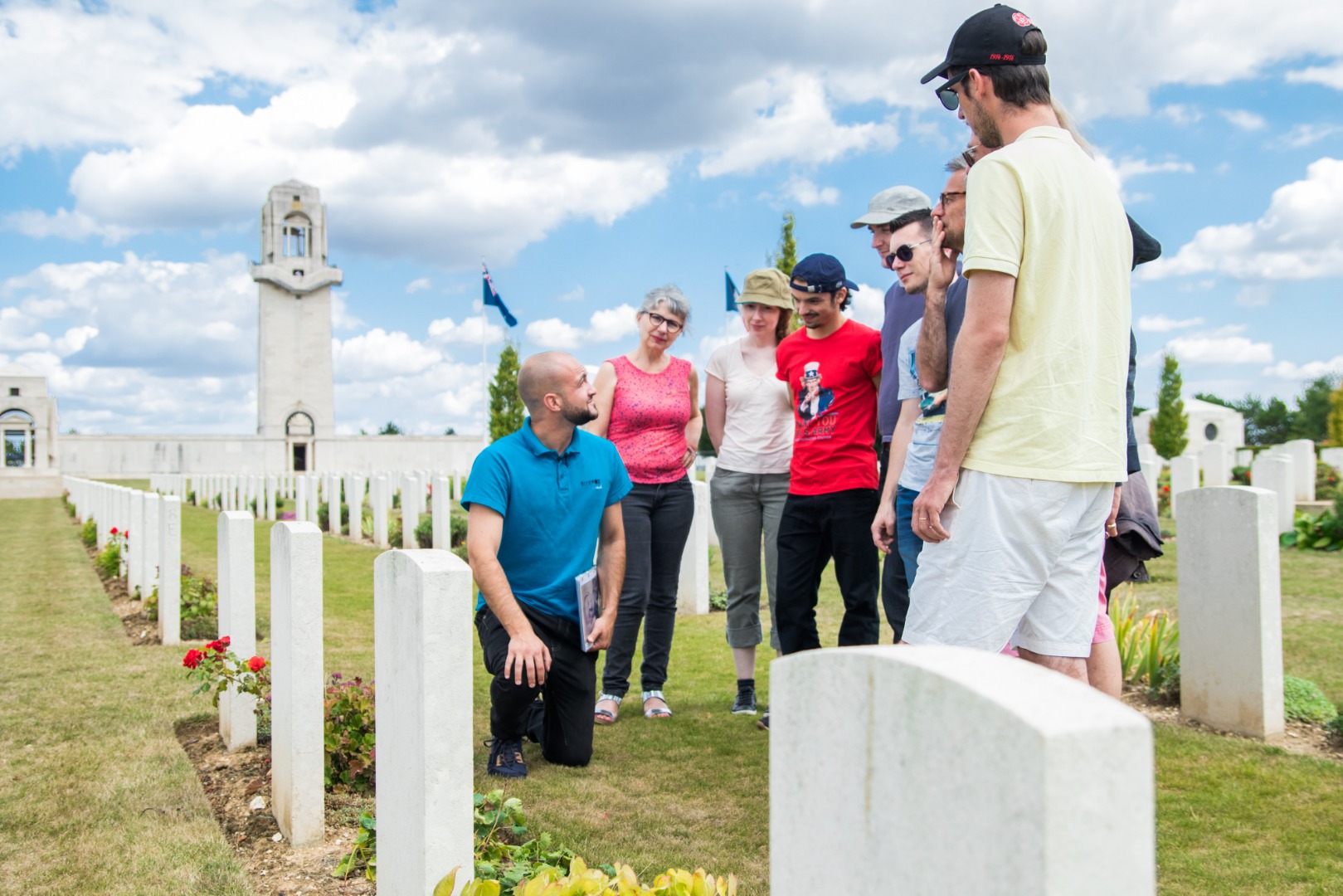
Walk along side the australians soldiers graves at the cemetery laid on the site of the Australian War Memorial in Villers Bretonneux.
Available options
Sir John Monash Centre in the Somme from Paris aboard a Van (4/7 pax)
Pickup included
What's included
Private transportation
Air-conditioned vehicle
Admission tickets to the Sir John Monash Centre in Fouilloy, Somme
Hotel Pick up and Drop off
Detailed itinerary
1
Set on the grounds of the Villers-Bretonneux Military Cemetery in northern France, and adjacent to the Australian National Memorial, the Sir John Monash Centre is the hub of the Australian Remembrance Trail along the Western Front.
This cutting-edge multimedia centre reveals the Australian Western Front experience through a series of interactive media installations and immersive experiences. The SJMC App, downloaded on each visitor’s personal mobile device, acts as a ‘virtual tour guide’ over the Villers-Bretonneux Military Cemetery, the Australian National Memorial and the Sir John Monash Centre.
The experience is designed so visitors gain a better understanding of the journey of ordinary Australians — told in their own voices through letters, diaries and life-size images — and connect with the places they fought and died. A visit to the Sir John Monash Centre will be a moving experience that leaves a lasting impression.
2
Stop 2
The Australian National Memorial, Villers-Bretonneux is the main memorial to Australian military personnel killed on the Western Front during World War I. It is located in the Somme département, France. The memorial lists 10,773 names of soldiers of the Australian Imperial Force with no known grave who were killed between 1916, when Australian forces arrived in France and Belgium, and the end of the war. The location was chosen to commemorate the role played by Australian soldiers in the Second Battle of Villers-Bretonneux (24–27 April 1918).
Designed by Sir Edwin Lutyens, the memorial consists of a tower within the Villers-Bretonneux Military Cemetery, which also includes a Cross of Sacrifice. The tower is surrounded by walls and panels on which the names of the missing dead are listed. The main inscription is in both French and English, on either side of the entrance to the tower. The memorial and cemetery are maintained by the Commonwealth War Graves Commission.
3
VILLERS-BRETONNEUX MILITARY CEMETERY was made after the Armistice when graves were brought in from other burial grounds in the area and from the battlefields.
Plots I to XX were completed by 1920 and contain mostly Australian graves, almost all from the period March to August 1918.
Plots IIIA, VIA, XIIIA and XVIA, and Rows in other Plots lettered AA, were completed by 1925, and contain a much larger proportion of unidentified graves brought from a wider area. Later still, 444 graves were brought in from Dury Hospital Military Cemetery.
What's not included
Gratuities
Lunch
Available languages
Audio guide
EN
FR
Guide guide
EN
FR
Reviews breakdown
Tripadvisor
5.0
1 reviews
5★
1
4★
0
3★
0
2★
0
1★
0
Important information
Not recommended for travelers with spinal injuries
Not recommended for travelers with poor cardiovascular health
Public transportation options are available nearby
Suitable for all physical fitness levels
About Paris
Paris, the capital of France, is a city steeped in history, art, and romance. Known for its iconic landmarks, world-class museums, and charming neighborhoods, Paris offers a unique blend of timeless elegance and modern vibrancy. From the Eiffel Tower to the Louvre, the city is a treasure trove of cultural and historical gems.
Top Attractions
Eiffel Tower
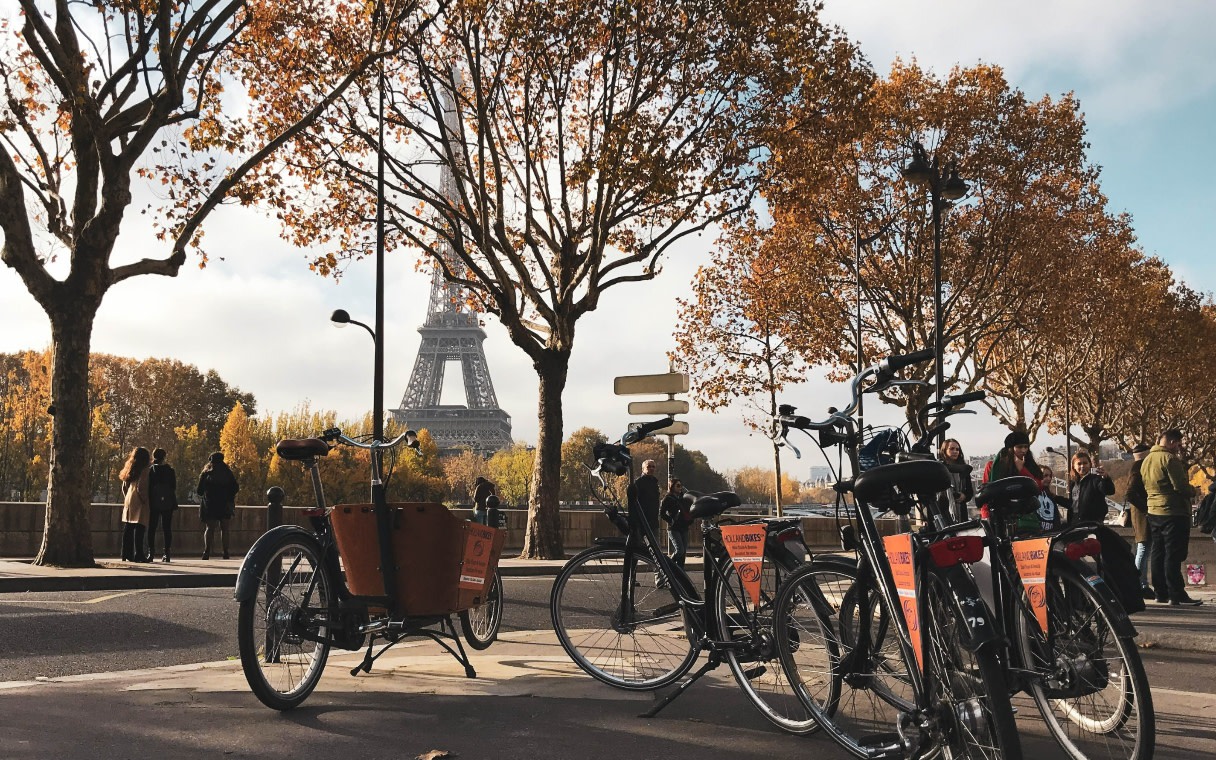
The Eiffel Tower is Paris's most iconic landmark and a symbol of France. Built in 1889 for the World's Fair, it offers breathtaking views of the city.
Architecture
2-3 hours
€17.10-€26.80 (depending on the level)
Louvre Museum
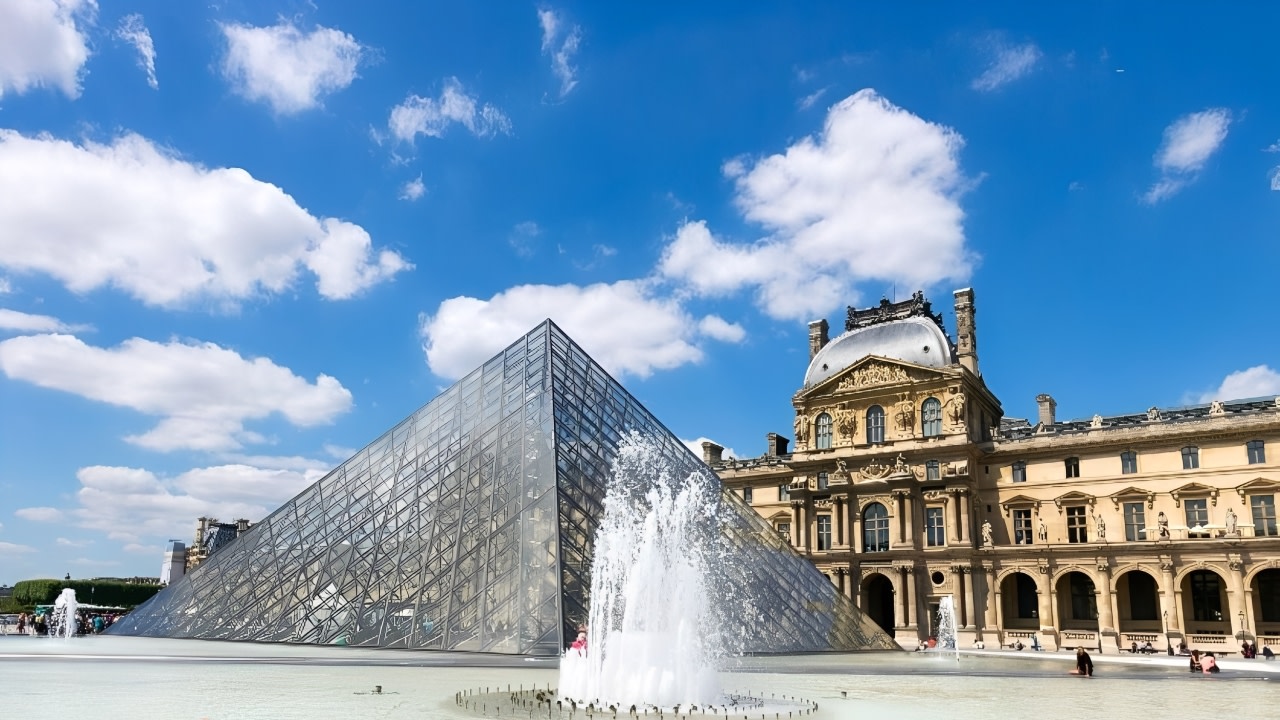
The Louvre is the world's largest art museum and a historic monument in Paris. It houses thousands of works of art, including the Mona Lisa and the Venus de Milo.
Museum
3-4 hours
€17 (full price), free for under 18s and EU residents under 26
Notre-Dame Cathedral
Notre-Dame is a masterpiece of French Gothic architecture and one of the most famous cathedrals in the world. It has been undergoing restoration since the 2019 fire.
Historical/Religious
1-2 hours
Free (towers and crypts may have reopening fees in the future)
Montmartre
Montmartre is a historic and artistic district known for its bohemian past, charming streets, and the stunning Sacré-Cœur Basilica.
Cultural
Half-day
Free to explore (Sacré-Cœur dome visit €6)
Palace of Versailles
The Palace of Versailles is a grand royal château and garden located just outside of Paris. It was the principal royal residence of France from 1682 to 1790.
Historical
Full day
€18-€28 (depending on the pass)
Must-Try Local Dishes
Croissant
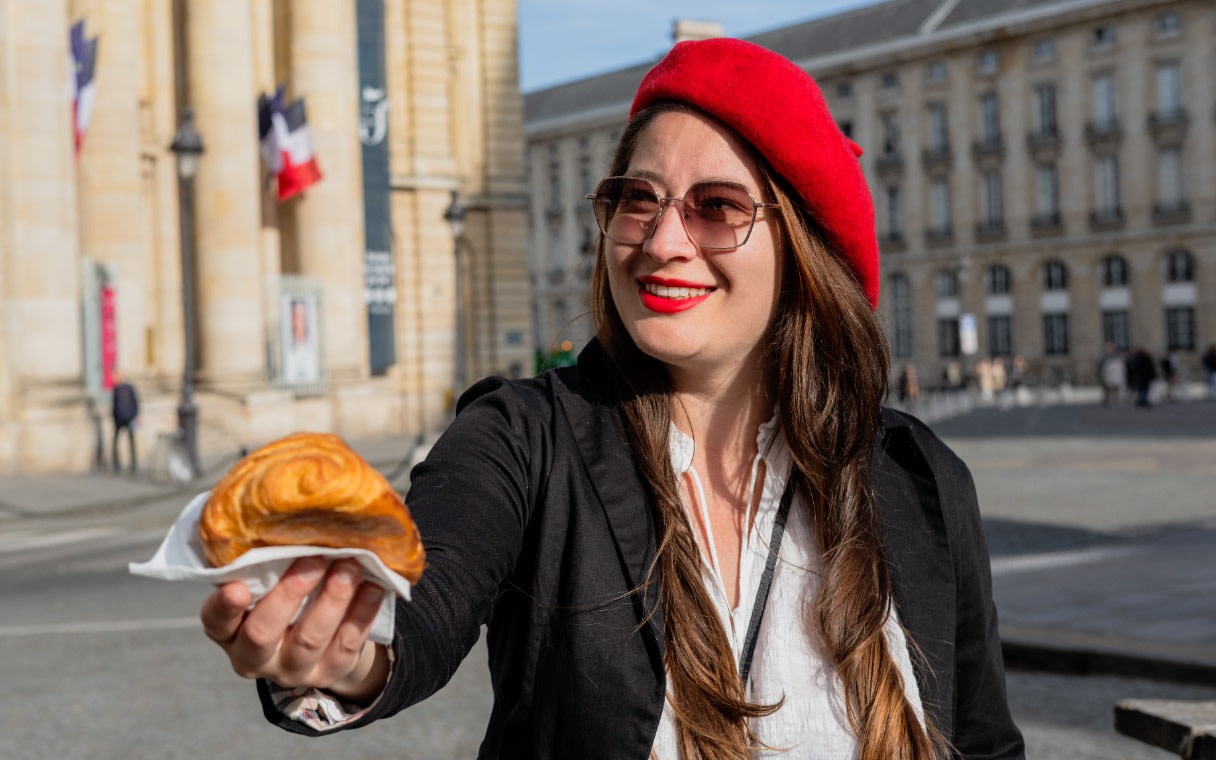
A buttery, flaky pastry made from laminated dough. Best enjoyed fresh from a local bakery.
Breakfast
Contains gluten and dairy
Baguette
A long, thin loaf of French bread with a crispy crust and soft interior. Often served with cheese or ham.
Breakfast/Lunch
Contains gluten
Steak Frites
A classic French dish consisting of steak and French fries, usually served with a side of salad and béarnaise sauce.
Lunch/Dinner
Contains gluten (if served with fries) and meat
Crêpes
Thin pancakes that can be filled with a variety of sweet or savory ingredients, such as Nutella, cheese, or ham.
Snack/Dessert
Can be made gluten-free and vegetarian/vegan options available
Popular Activities
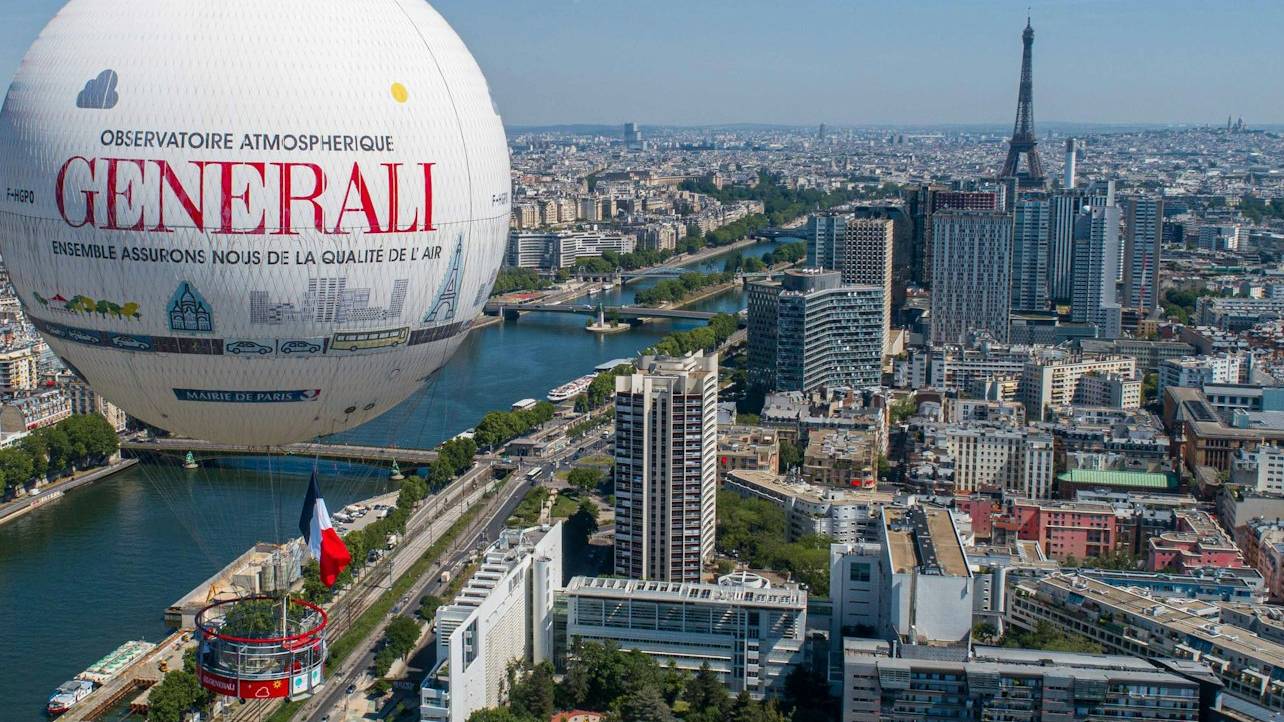
Hot air balloon rides
Rock climbing in Fontainebleau forest
Kayaking on the Seine
Picnicking in the Luxembourg Garden
Boat tours on the Seine
Spa day at a luxury hotel
Visiting museums and galleries
Attending a cabaret show
Best Time to Visit
June to August
Summer is the peak tourist season in Paris, with warm weather and long daylight hours. This is the best time to enjoy outdoor activities and festivals. However, it's also the busiest and most expensive time to visit.
15°C to 25°C (59°F to 77°F)
59°F to 77°F
Practical Information
Language
- Official: French
- Widely spoken: English, Spanish, Arabic, Portuguese
- English: Moderately spoken
Currency
Euro (EUR)
Time Zone
GMT+1 (Central European Time, CET), GMT+2 (Central European Summer Time, CEST) during daylight saving time
Electricity
230VV, 50HzHz
Safety Information
Overall Safety Rating: Generally safe
Paris is generally safe for travelers, but pickpocketing and petty theft can be a problem in tourist areas. Be aware of your surroundings and take precautions to protect your belongings.
Important Precautions:
- • Keep valuables secure and out of sight
- • Be cautious of pickpockets in crowded areas and on public transport
- • Use licensed taxis or ride-sharing services
Getting there
By air
- Charles de Gaulle Airport • 25 km (15.5 miles) from city center
- Orly Airport • 14 km (8.7 miles) from city center
By train
Gare du Nord, Gare de Lyon
By bus
Bercy Seine, Porte Maillot
Getting around
Public transport
The Paris Metro is one of the most efficient and extensive subway systems in the world, covering all major attractions and neighborhoods.
Taxis
Available • Apps: Uber, G7
Rentals
Car, Bike, Scooter
Neighborhoods
Le Marais
Montmartre
Latin Quarter
Saint-Germain-des-Prés
Champs-Élysées
Day trips
Versailles
17 km (10.5 miles) from Paris • Full day
The Palace of Versailles is a grand royal château and garden located just outside of Paris. It was the principal royal residence of France from 1682 to 1790 and is famous for its opulent interiors and vast gardens.
Giverny
75 km (47 miles) from Paris • Half day to full day
Giverny is a charming village known as the home of the famous impressionist painter Claude Monet. The village is home to Monet's House and Gardens, which inspired many of his most famous works.
Château de Fontainebleau
55 km (34 miles) from Paris • Full day
The Château de Fontainebleau is a grand royal château and park located just outside of Paris. It was a residence of the French monarchs from Louis VII to Napoleon III and is known for its beautiful architecture and vast forests.
Festivals
Fête de la Musique • June 21st (annual)
Paris Fashion Week • February and September (annual)
Nuit Blanche • First Saturday in October (annual)
Pro tips
- Learn a few basic French phrases to enhance your experience and show respect for the local culture
- Use public transport, walk, or bike to get around the city and avoid traffic and parking issues
- Consider purchasing a Paris Museum Pass or a multi-day public transport pass to save money on attractions and transport
- Explore the city's many neighborhoods and hidden gems, not just the major tourist attractions
- Try local specialties and enjoy the dining experience slowly and leisurely
From $25
per person
Price varies by option
Secure booking
Free cancellation available
Instant confirmation