Canadians in Normandy D-Day beaches Juno Beach and Pegasus Bridge (3/7 pax)
Active
13h - 14h
For a full refund, cancel at least 24 hours before the scheduled departure time.
Instant confirmation
Mobile or paper ticket accepted
About this experience
Similar Tours
HIGHTLIGHTS
Stop at the exact location where the original « Pegasus Bridge » used to stand.
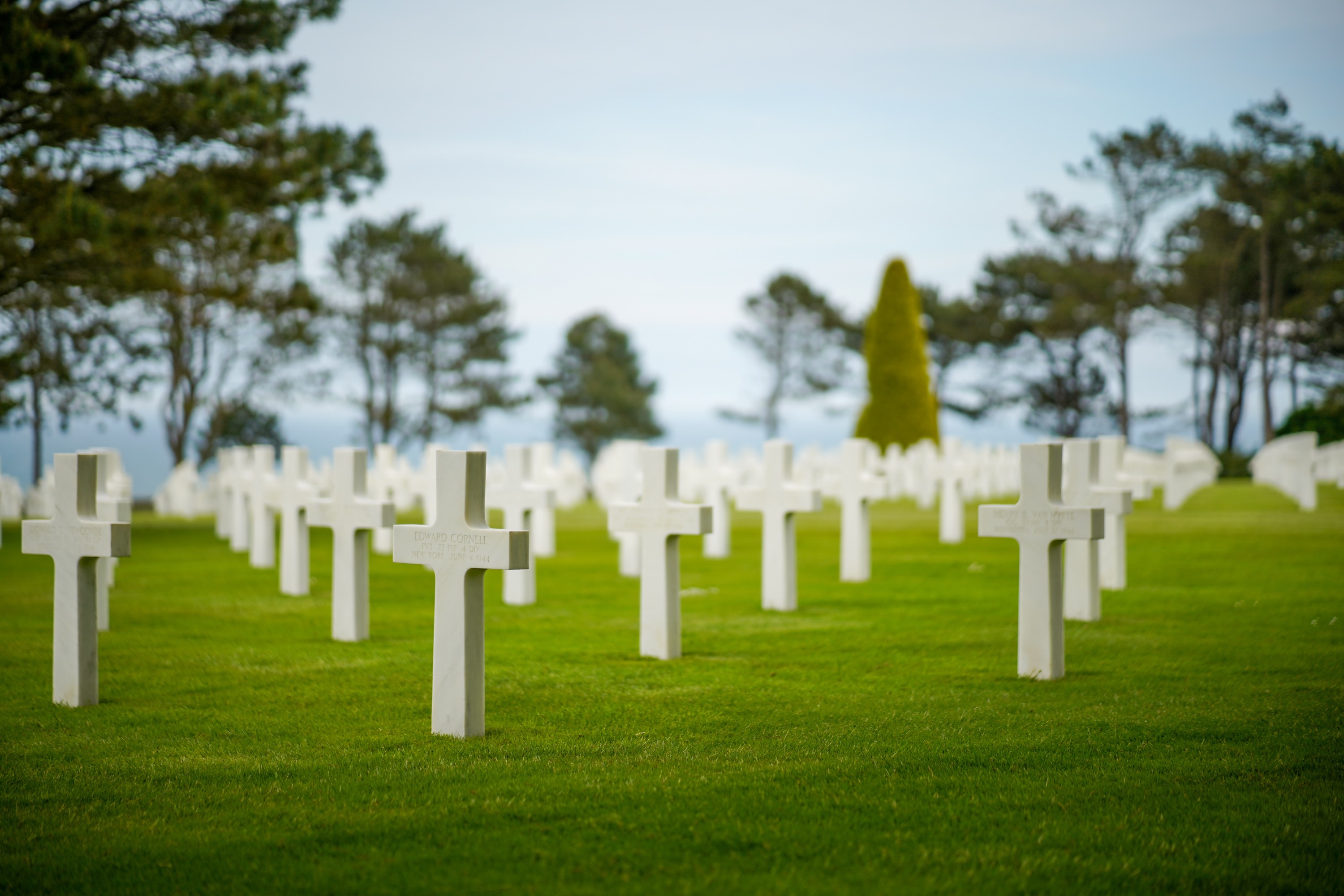
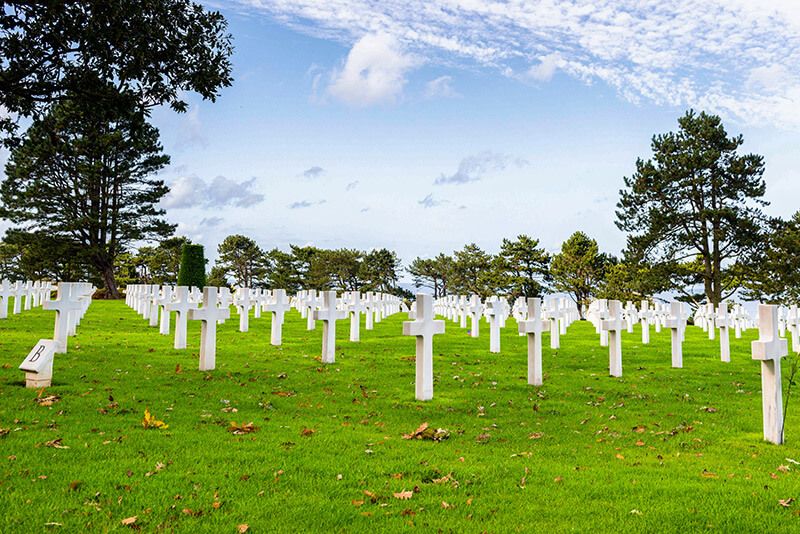
Pay your respects to the fallen Canadian soldiers at the Canadian War Cemetery in Beny-sur-Mer
See the famous “Canada House” on Juno Beach, said to be the first house liberated in Normandy.
Walk on the sands of Juno Beach in Normandy just like the Canadian troops did in June 1944.
Visit the Juno Beach Centre, the most comprehensive museum about the Canadian landings in Normandy.
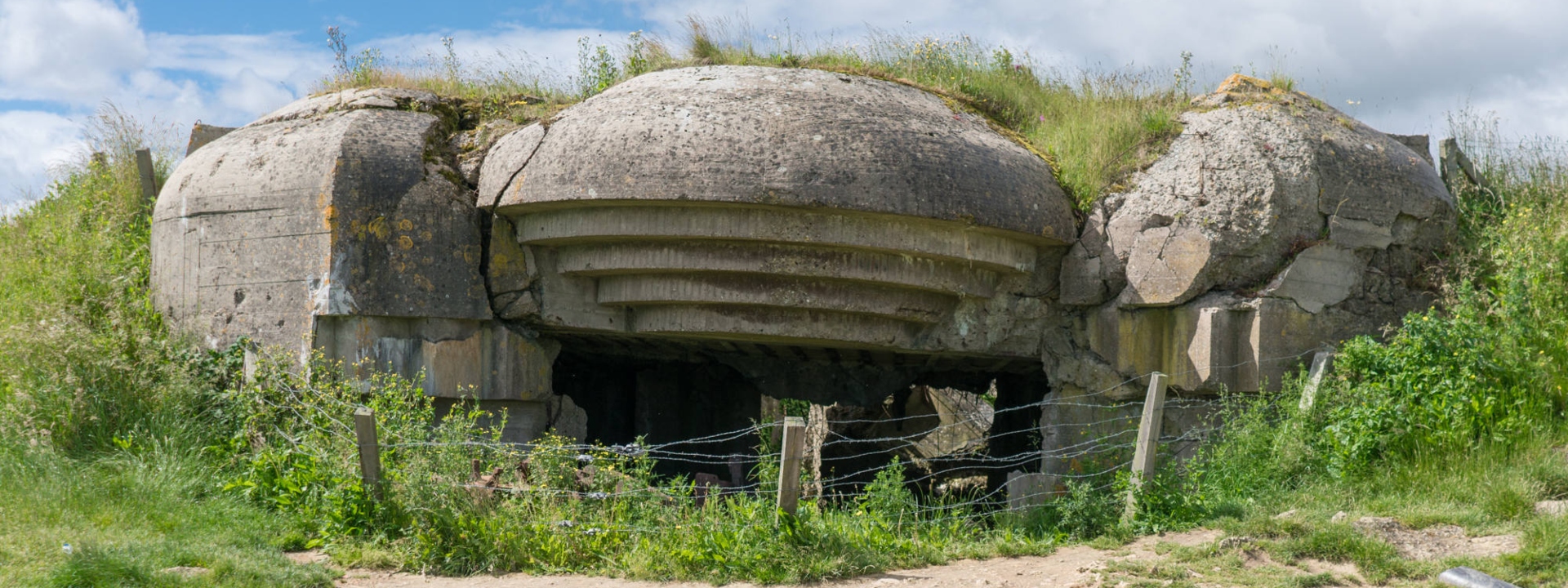
Visit the underground bunker of German General « Richter » in Caen.
Available options
Canadians in Normandy D-Day beaches Juno Beach and Pegasus Bridge (3/7 pax)
What's included
Air-conditioned vehicle
Entry/Admission – Juno Beach Centre
Detailed itinerary
1
Stop 1
Pegasus Bridge is a bascule bridge, that was built in 1934, that crossed the Caen Canal, between Caen and Ouistreham, in Normandy, France.
Also known as the Bénouville Bridge after the neighbouring village, it was, with the nearby Ranville Bridge over the river Orne, a major objective of the British airborne troops during Operation Deadstick, part of Operation Tonga in the opening minutes of the Allied invasion of Normandy on 6 June 1944 during the Second World War.
A unit of glider infantry of the 2nd Battalion, the Oxfordshire and Buckinghamshire Light Infantry, British 6th Airborne Division, commanded by Major John Howard, was to land, take the bridges intact and hold them until relieved.
The successful taking of the bridges played an important role in limiting the effectiveness of a German counter-attack in the days and weeks following the Normandy invasion.
2
Stop 2
The Bény-sur-Mer Canadian War Cemetery is a cemetery containing predominantly Canadian soldiers killed during the early stages of the Battle of Normandy in the Second World War. It is located in and named after Bény-sur-Mer in the Calvados department, near Caen in lower Normandy. As is typical of war cemeteries in France, the grounds are beautifully landscaped and immaculately kept. Contained within the cemetery is a Cross of Sacrifice, a piece of architecture typical of memorials designed by the Commonwealth War Graves Commission.
The men who fell on the beaches and in the bitter bridgehead battles are buried in Beny-sur-Mer Canadian War Cemetery which, despite its name, is near the village of Reviers. The cemetery contains 2,049 headstones enclosed by pines and maples. These mark the dead of the 3rd Division and the graves of 15 airmen.
The mayor and people of Reviers take a special interest in the cemetery for, although it bears another name, they feel it to be their own. Fine hedges decorate the entrance, and the flanking registry buildings have platforms from which the visitor can see the whole area and appreciate the skill and devotion that has gone into the planning and design of this superb cemetery.
3
“Within sight of this house over 100 men of the Queen’s Own Rifles were killed or wounded, in the first few minutes of the landings.”
That stark inscription welcomes visitors at the entrance of a large, timber-framed house overlooking Juno Beach, in the village of Bernières-sur-Mer, France. “La Maison des Canadiens," or Canada House, is one of the most iconic buildings in Canadian military history. It was one of the first houses liberated by Canadian soldiers on D-Day, 6 June 1944, and has since become a familiar historic landmark, standing in the backdrop of the many black-and-white photographs showing troops landing on the sands of this village in Normandy.
This particular house was one of the few left intact, perhaps because it was the favoured home of an occupying German officer.
The left-hand side is owned by the family of Hervé Hoffer, whose grandfather owned the home during the war but was evicted by the Germans.
In 1984, the 40th anniversary of D-Day when large numbers of surviving veterans first began returning on pilgrimages to Juno Beach, Hoffer met some of the Canadians who had actually liberated his house.
4
Stop 4
The Juno Beach Centre’s permanent exhibit draws on photographs, documents, multimedia, maps, and artefacts to tell the story of the Canadians who volunteered for military service or mobilized at home to contribute to the war effort. It also presents the battles that took Canadian units from Sicily to Italy and from Normandy to the Netherlands.
The Centre pays homage to the 45,000 Canadians who lost their lives during the War, of which 5,500 were killed during the Battle of Normandy and 359 on D-Day.
The Centre is not only a museum about the war. It also portrays the personal accounts and real-life stories of the society that these soldiers bequeathed to their children and that now forms Canada.
Permanent Exhibitions
Room A Courseulles, June 06th 1944
In this first room, visitors stand in a simulated landing craft to watch a film which puts them into the mindset of Canadians during the Second World War. Images of war, training, D-Day, as well as, Canada during the war years are projected on the walls, while Canadian soldiers and their families describe what they were thinking and feeling at the time.
Room B Canada in the 1930’s
Upon exiting the introduction film, which sets the tone of the permanent exhibit, visitors are given reference points from which to draw an understanding of Canada on the eve of war. The geography, demographics, economic situation, state of the military, politics and the social climate of the time are presented. Young visitors initially ‘meet’ Peter & Madeleine via a terminal located in the main hall. In this circular room and throughout the permanent exhibit, the “young public” circuit is presented through the eyes of these two young ‘virtual’ Canadians of the 1930-40s.
Room C Canada goes to War
This room, comprised of two areas, follows the transformation of the country as it enters the war and builds its armed forces which saw over one million men and women enlist into its ranks.
Canada declares war on Germany on September 10th, 1939 – In a simulated Canadian living room, the speeches of various protagonists announce the entry into war. The voices of Hitler, Daladier, Chamberlain and Mackenzie King can all be heard on period radios.
Civilians and Soldiers: Canadians on Every Front – This area shows that the entire country was mobilized during the Second World War. On both sides of a long curved corridor, visitors learn about the different aspects of this mobilization.
Room D Road to Victory
The visit continues with a presentation of the different campaigns in which Canadians fought, each contributing to the final outcome of the war: the Battle of Italy, Normandy, the Scheldt, Rhineland and Victory. This room also showcases some of the other military branches that played vital roles in the final outcome such as: the medical corps, war correspondents, engineers, etc. Finally this room presents different themes such as: the Canadians on D-Day, the First Nations at War in Europe, the Canadian Flag, the 1st Canadian Parachute Battalion and Canadians behind Enemy Lines.
Many Canadian families lost loved ones: over 45,000 Canadians died in their fight for freedom. Their names scroll across the ceiling to be remembered. On the other hand, large numbers of Canadians returned home to resume their lives and actively participate in developing contemporary Canada.
Room E Some Came Back, Others Did Not
The evocative title of this room marks the human toll of Canada’s war, while at the same time introduces hope for a better future.
Many Canadian families lost loved ones: over 45,000 Canadians died in their fight for freedom. Their names scroll across the ceiling to be remembered. On the other hand, large numbers of Canadians returned home to resume their lives and actively participate in developing contemporary Canada.
In this room, four alcoves line the wall and give visitors another perspective of the war. They can listen to period letters or essays written by Canadians in either English or French. It is in this room that the young public encounters the two young virtual guides Peter & Madeleine for the last time.
Room F They Walk With You
The film entitled “They Walk With You” is an immersive experience using powerful video and emotionally engaging audio, including the voices of the Canadian war correspondents Marcel Ouimet and Matthew Halton. The film utilizes Second World War newsreel footage from a variety of sources and, along with dramatic recreations, re-enacts the role and sacrifice of Canadian infantry soldiers during D-Day and the Battle of Normandy. Viewer discretion is advised.
An infantry soldier in war is often not privy to the “big picture”; his job is to fight and try to survive. “They Walk With You” immerses visitors in an infantry soldier’s experience.
5
Monument of The Lorraine Cross
Cross of more than 18 m high, located facing the sea, this monument commemorates the return of General de Gaulle to the French soil on June 14, 1944 after crossing the English Channel on board the French destroyer La combattante.
Churchill AVRE Tank – One Charlie
A British Churchill AVRE tank which stands as a glorious memorial of the landing operations on 6 June 1944. It was unable to bridge a deep culvert on D-Day one hundred yards south of the site and the members of its crew were obliged to escape under enemy fire with very heavy casualties.
What's not included
Food and drinks, unless specified
Available languages
Guide guide
EN
FR
Reviews breakdown
Viator
5.0
6 reviews
5★
6
4★
0
3★
0
2★
0
1★
0
Tripadvisor
5.0
4 reviews
5★
4
4★
0
3★
0
2★
0
1★
0
Important information
Public transportation options are available nearby
Not recommended for pregnant travelers
Not recommended for travelers with poor cardiovascular health
Suitable for all physical fitness levels
About Paris
Paris, the capital of France, is a city steeped in history, art, and romance. Known for its iconic landmarks, world-class museums, and charming neighborhoods, Paris offers a unique blend of timeless elegance and modern vibrancy. From the Eiffel Tower to the Louvre, the city is a treasure trove of cultural and historical gems.
Top Attractions
Eiffel Tower
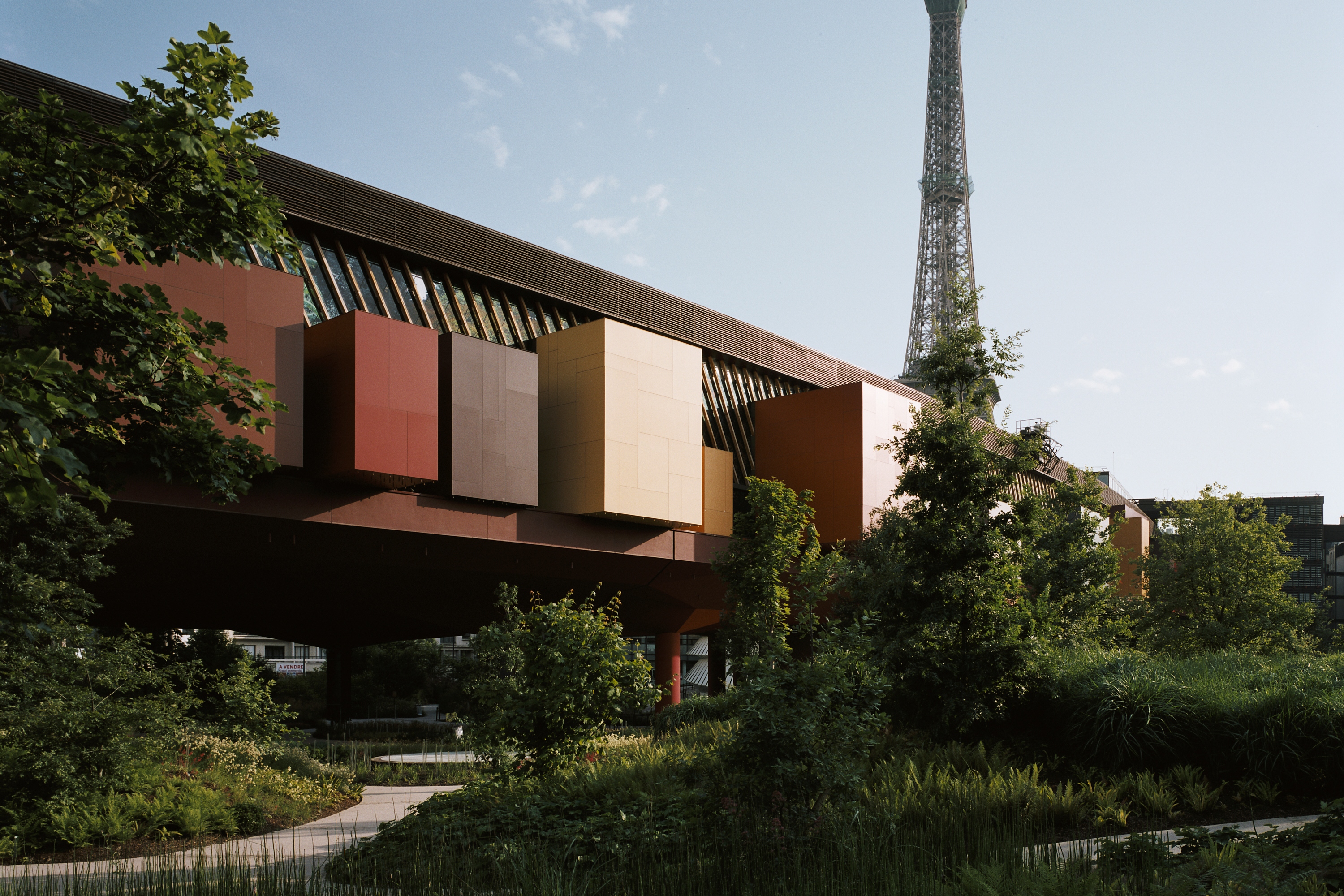
The Eiffel Tower is Paris's most iconic landmark and a symbol of France. Built in 1889 for the World's Fair, it offers breathtaking views of the city.
Architecture
2-3 hours
€17.10-€26.80 (depending on the level)
Louvre Museum
The Louvre is the world's largest art museum and a historic monument in Paris. It houses thousands of works of art, including the Mona Lisa and the Venus de Milo.
Museum
3-4 hours
€17 (full price), free for under 18s and EU residents under 26
Notre-Dame Cathedral
Notre-Dame is a masterpiece of French Gothic architecture and one of the most famous cathedrals in the world. It has been undergoing restoration since the 2019 fire.
Historical/Religious
1-2 hours
Free (towers and crypts may have reopening fees in the future)
Montmartre
Montmartre is a historic and artistic district known for its bohemian past, charming streets, and the stunning Sacré-Cœur Basilica.
Cultural
Half-day
Free to explore (Sacré-Cœur dome visit €6)
Palace of Versailles
The Palace of Versailles is a grand royal château and garden located just outside of Paris. It was the principal royal residence of France from 1682 to 1790.
Historical
Full day
€18-€28 (depending on the pass)
Must-Try Local Dishes
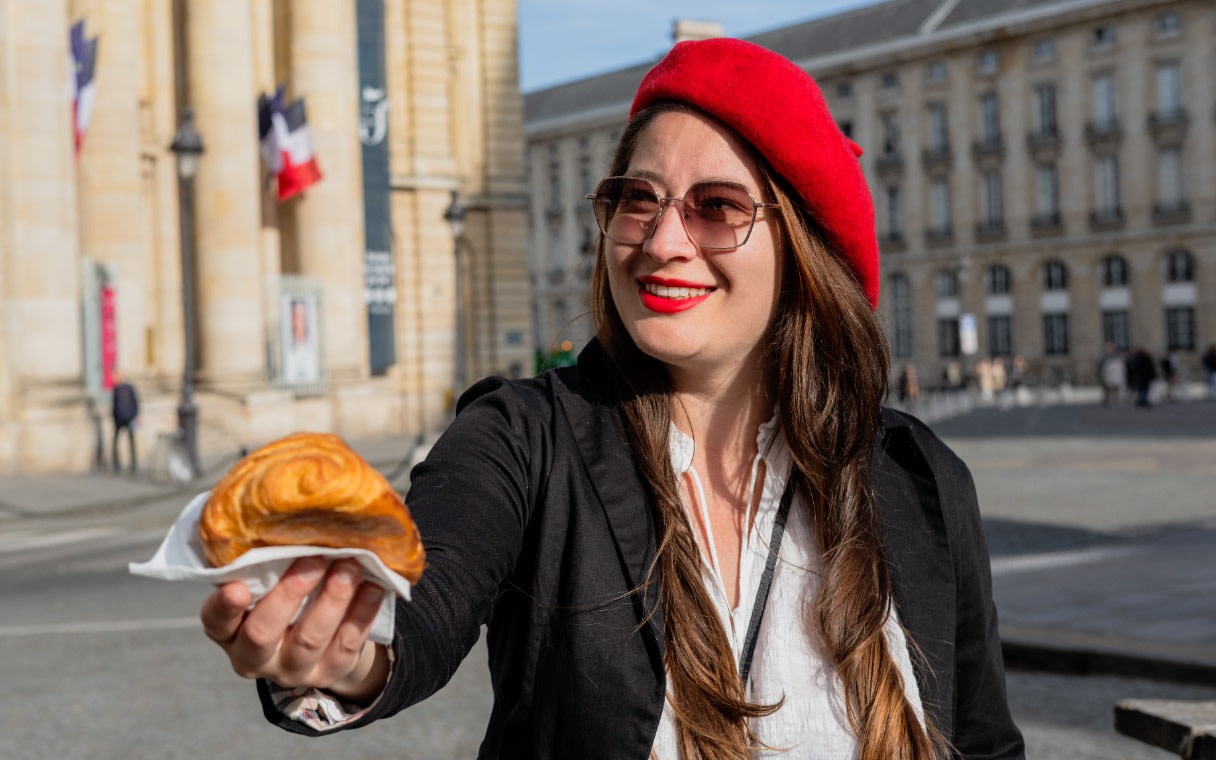
Croissant
A buttery, flaky pastry made from laminated dough. Best enjoyed fresh from a local bakery.
Breakfast
Contains gluten and dairy
Baguette
A long, thin loaf of French bread with a crispy crust and soft interior. Often served with cheese or ham.
Breakfast/Lunch
Contains gluten
Steak Frites
A classic French dish consisting of steak and French fries, usually served with a side of salad and béarnaise sauce.
Lunch/Dinner
Contains gluten (if served with fries) and meat
Crêpes
Thin pancakes that can be filled with a variety of sweet or savory ingredients, such as Nutella, cheese, or ham.
Snack/Dessert
Can be made gluten-free and vegetarian/vegan options available
Popular Activities
Hot air balloon rides
Rock climbing in Fontainebleau forest
Kayaking on the Seine
Picnicking in the Luxembourg Garden
Boat tours on the Seine
Spa day at a luxury hotel
Visiting museums and galleries
Attending a cabaret show
Best Time to Visit
June to August
Summer is the peak tourist season in Paris, with warm weather and long daylight hours. This is the best time to enjoy outdoor activities and festivals. However, it's also the busiest and most expensive time to visit.
15°C to 25°C (59°F to 77°F)
59°F to 77°F
Practical Information
Language
- Official: French
- Widely spoken: English, Spanish, Arabic, Portuguese
- English: Moderately spoken
Currency
Euro (EUR)
Time Zone
GMT+1 (Central European Time, CET), GMT+2 (Central European Summer Time, CEST) during daylight saving time
Electricity
230VV, 50HzHz
Safety Information
Overall Safety Rating: Generally safe
Paris is generally safe for travelers, but pickpocketing and petty theft can be a problem in tourist areas. Be aware of your surroundings and take precautions to protect your belongings.
Important Precautions:
- • Keep valuables secure and out of sight
- • Be cautious of pickpockets in crowded areas and on public transport
- • Use licensed taxis or ride-sharing services
Getting there
By air
- Charles de Gaulle Airport • 25 km (15.5 miles) from city center
- Orly Airport • 14 km (8.7 miles) from city center
By train
Gare du Nord, Gare de Lyon
By bus
Bercy Seine, Porte Maillot
Getting around
Public transport
The Paris Metro is one of the most efficient and extensive subway systems in the world, covering all major attractions and neighborhoods.
Taxis
Available • Apps: Uber, G7
Rentals
Car, Bike, Scooter
Neighborhoods
Le Marais
Montmartre
Latin Quarter
Saint-Germain-des-Prés
Champs-Élysées
Day trips
Versailles
17 km (10.5 miles) from Paris • Full day
The Palace of Versailles is a grand royal château and garden located just outside of Paris. It was the principal royal residence of France from 1682 to 1790 and is famous for its opulent interiors and vast gardens.
Giverny
75 km (47 miles) from Paris • Half day to full day
Giverny is a charming village known as the home of the famous impressionist painter Claude Monet. The village is home to Monet's House and Gardens, which inspired many of his most famous works.
Château de Fontainebleau
55 km (34 miles) from Paris • Full day
The Château de Fontainebleau is a grand royal château and park located just outside of Paris. It was a residence of the French monarchs from Louis VII to Napoleon III and is known for its beautiful architecture and vast forests.
Festivals
Fête de la Musique • June 21st (annual)
Paris Fashion Week • February and September (annual)
Nuit Blanche • First Saturday in October (annual)
Pro tips
- Learn a few basic French phrases to enhance your experience and show respect for the local culture
- Use public transport, walk, or bike to get around the city and avoid traffic and parking issues
- Consider purchasing a Paris Museum Pass or a multi-day public transport pass to save money on attractions and transport
- Explore the city's many neighborhoods and hidden gems, not just the major tourist attractions
- Try local specialties and enjoy the dining experience slowly and leisurely
From $25
per person
Price varies by option
Secure booking
Free cancellation available
Instant confirmation