Private trip from Paris to visit the Caen Memorial Museum aboard a Van (4/7 pax)
Active
9h - 10h
For a full refund, cancel at least 24 hours before the scheduled departure time.
Instant confirmation
Mobile or paper ticket accepted
About this experience
Travel with your own group of passengers (4/7 travellers) aboard a comfortable and air-conditioning Van.
Discover the museum exhibitions’ layout that traces the history of the Second World War, the D-day Landings, the Battle of Normandy and the Cold War.
Get enough time to visit all the exhibits and war artefacts without being rush
Step back in time and learn about all the political events who led to the war since the Versailles’treaty in 1919 untill the invasion of Poland by the Nazis.
See a genuine “Hawker Typhoon” fighter-bomber’ British aircraft
Walk along side the underground bunker and headquarters of german General Von Richter.
Watch real WWII war footages and veterans emotional testimonies
See two sections of the Berlin Wall with drawing and graphitis painted on it
See a genuine “MIG-21” Russian jet fighter-bomber
Available options
Private trip from Paris to visit the Caen Memorial Museum aboard a Van (4/7 pax)
Pickup included
What's included
Private transportation
Admission tickets to the Caen Memorial Museum
Air-conditioned vehicle
Hotel Pick up and Drop off
Detailed itinerary
1
Stop 1
FROM EUROPEAN WAR TO WORLD WAR
1941: Germany launched operation Barbarossa against the USSR and Japan attacked Pearl Harbour. The Soviets and the Americans joined the Allies in their fight against the Axis countries: the European war became a world war.
GLOBALIZATION OF THE CONFLICT
In 1941, after numerous attacks on both sides of the globe, war becomes global...
In 1941, the war went global. Since 1939, the Third Reich had spread in search of conquest: Europe, the Balkans or North Africa, when Hitler come to the aid of Mussolini’s Italian troops who had been defeated by the British in Egypt. Meanwhile the Reich was also waging a war without quarter in the Atlantic, relentlessly attacking allied convoys en route for Europe. Both the African campaign and the battle of the Atlantic are featured in large displays at the start of the first room.
In Asia, Japan had already invaded China in 1937. In 1941, these two distinct wars were combined, setting the whole world aflame. The first room is devoted to the two military events which marked 1941: in June, operation Barbarossa, starting the flood of German troops into the USSR and the spread of the conflict to the East; in December, the Japanese attack on the American naval base of Pearl Harbor, bringing the United States, previously the Arsenal of Democracy, into a war which duly became a global conflict. The war with Japan features significantly here, which is intentional.
40% of the victims of the Second Sino-Japanese War from 1937 to 1945 died in the Asia-Pacific theater, including 24 million Chinese. Japanese expansionism and its often brutal military conquests were made possible only by excessive worship of the Emperor, unquestioning nationalist fervour and an authoritarian system headed by the Japanese army. Finally, there is a large display devoted to the Japanese warrior, an essential cog in the Japanese war machine.
THE BATTLE OF NORMANDY
This exhibition space deals exclusively with the Invasion of Normandy, a key episode in the liberation of Europe.
For the first time ever, we cover every detail of the Invasion of Normandy. Indeed, few people really know how much Normandy suffered following 6 June 1944. 20,000 inhabitants of Normandy were killed, that is a third of all French civilians killed during the Second World War. Towns were razed to the ground in mass bomb attacks, battles as fierce as those on the Eastern front raged, civilians were subjected to terrible suffering and many were evacuated, the German army fled and was pursued.
The Battle of Normandy was not supposed to last more than a few weeks. It would only end on 12th September with the liberation of Le Havre, one hundred days after the Landings.
FILM "1944: SAVING EUROPE"
Discover it during your visit to the Caen Memorial Museum!
Comprised of exclusively archive footage, the film « 1944, saving Europe » recounts all the stages of the battle up to the liberation of Le Havre.
19 minutes of History and emotion plunge the audience into the heart of the battle as they have never seen or heard it before.
Directed by David Dessites
Produced by "The Submarine Productions"
Reviewed by Fabrice Drouelle
Duration: 19 minutes
What's not included
Lunch
Gratuities
Available languages
Audio guide
DE
EN
FR
Guide guide
EN
FR
Reviews breakdown
Tripadvisor
4.0
1 reviews
5★
0
4★
1
3★
0
2★
0
1★
0
Important information
Public transportation options are available nearby
Not recommended for travelers with spinal injuries
Not recommended for travelers with poor cardiovascular health
Suitable for all physical fitness levels
About Paris
Paris, the capital of France, is a city steeped in history, art, and romance. Known for its iconic landmarks, world-class museums, and charming neighborhoods, Paris offers a unique blend of timeless elegance and modern vibrancy. From the Eiffel Tower to the Louvre, the city is a treasure trove of cultural and historical gems.
Top Attractions
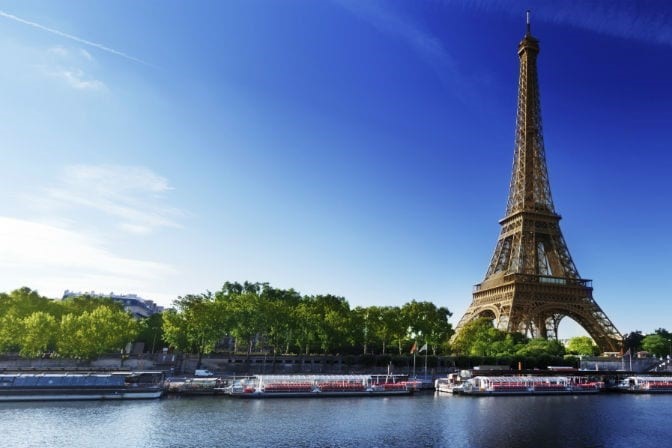
Eiffel Tower
The Eiffel Tower is Paris's most iconic landmark and a symbol of France. Built in 1889 for the World's Fair, it offers breathtaking views of the city.
Architecture
2-3 hours
€17.10-€26.80 (depending on the level)
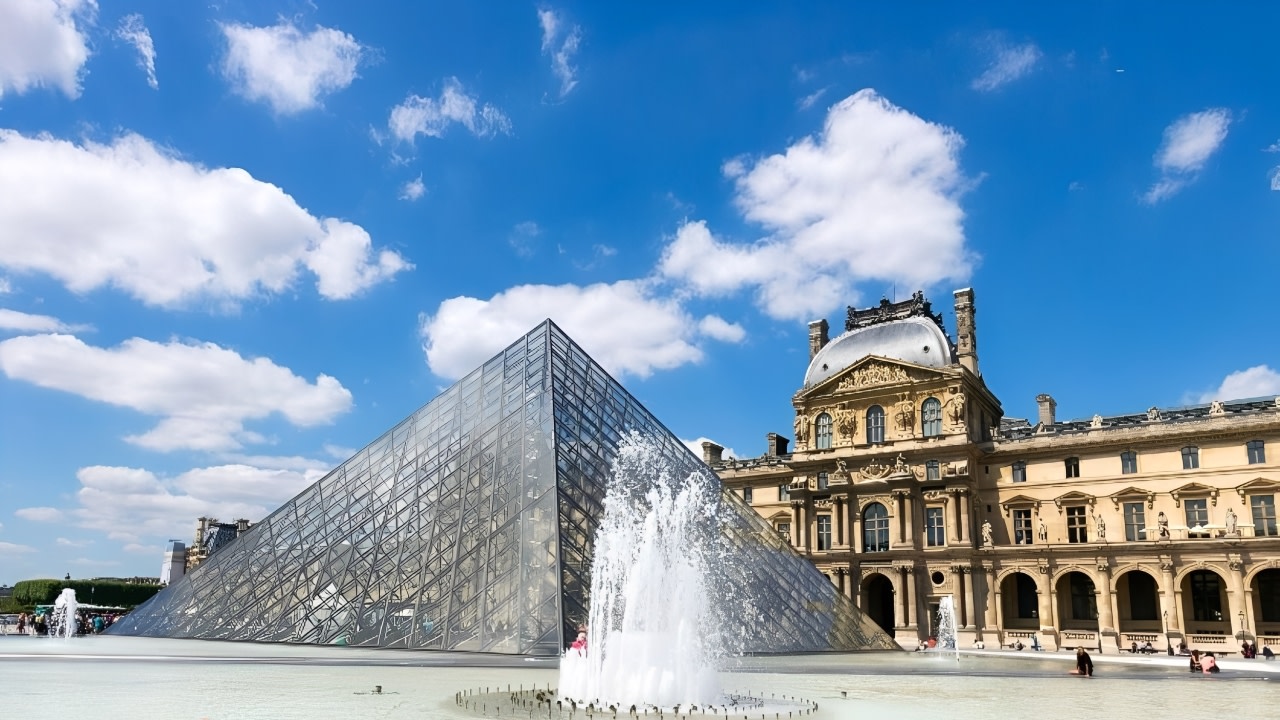
Louvre Museum
The Louvre is the world's largest art museum and a historic monument in Paris. It houses thousands of works of art, including the Mona Lisa and the Venus de Milo.
Museum
3-4 hours
€17 (full price), free for under 18s and EU residents under 26
Notre-Dame Cathedral
Notre-Dame is a masterpiece of French Gothic architecture and one of the most famous cathedrals in the world. It has been undergoing restoration since the 2019 fire.
Historical/Religious
1-2 hours
Free (towers and crypts may have reopening fees in the future)
Montmartre
Montmartre is a historic and artistic district known for its bohemian past, charming streets, and the stunning Sacré-Cœur Basilica.
Cultural
Half-day
Free to explore (Sacré-Cœur dome visit €6)
Palace of Versailles
The Palace of Versailles is a grand royal château and garden located just outside of Paris. It was the principal royal residence of France from 1682 to 1790.
Historical
Full day
€18-€28 (depending on the pass)
Must-Try Local Dishes
Croissant
A buttery, flaky pastry made from laminated dough. Best enjoyed fresh from a local bakery.
Breakfast
Contains gluten and dairy
Baguette
A long, thin loaf of French bread with a crispy crust and soft interior. Often served with cheese or ham.
Breakfast/Lunch
Contains gluten
Steak Frites
A classic French dish consisting of steak and French fries, usually served with a side of salad and béarnaise sauce.
Lunch/Dinner
Contains gluten (if served with fries) and meat
Crêpes
Thin pancakes that can be filled with a variety of sweet or savory ingredients, such as Nutella, cheese, or ham.
Snack/Dessert
Can be made gluten-free and vegetarian/vegan options available
Popular Activities
Hot air balloon rides
Rock climbing in Fontainebleau forest
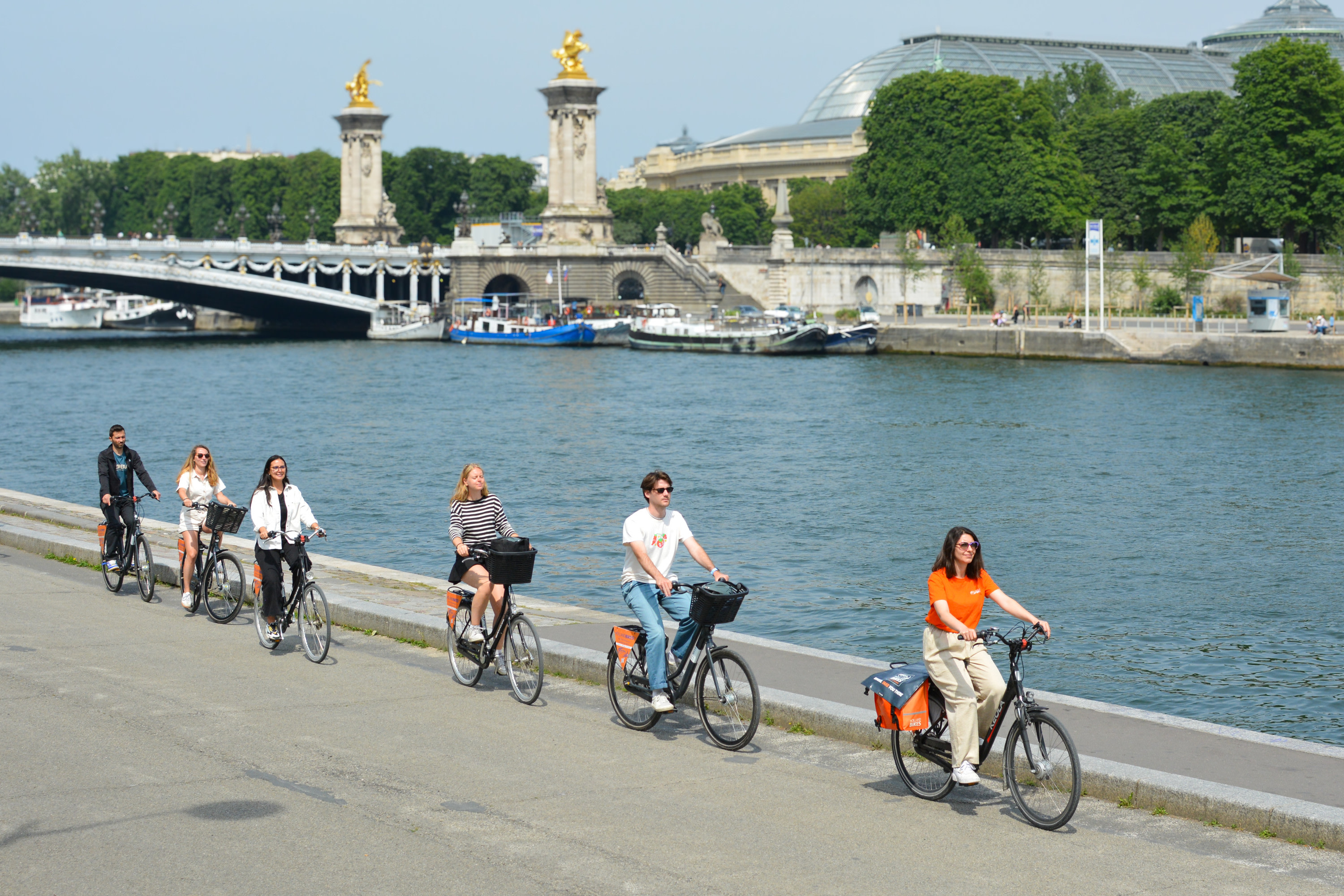
Kayaking on the Seine
Picnicking in the Luxembourg Garden
Boat tours on the Seine
Spa day at a luxury hotel
Visiting museums and galleries
Attending a cabaret show
Best Time to Visit
June to August
Summer is the peak tourist season in Paris, with warm weather and long daylight hours. This is the best time to enjoy outdoor activities and festivals. However, it's also the busiest and most expensive time to visit.
15°C to 25°C (59°F to 77°F)
59°F to 77°F
Practical Information
Language
- Official: French
- Widely spoken: English, Spanish, Arabic, Portuguese
- English: Moderately spoken
Currency
Euro (EUR)
Time Zone
GMT+1 (Central European Time, CET), GMT+2 (Central European Summer Time, CEST) during daylight saving time
Electricity
230VV, 50HzHz
Safety Information
Overall Safety Rating: Generally safe
Paris is generally safe for travelers, but pickpocketing and petty theft can be a problem in tourist areas. Be aware of your surroundings and take precautions to protect your belongings.
Important Precautions:
- • Keep valuables secure and out of sight
- • Be cautious of pickpockets in crowded areas and on public transport
- • Use licensed taxis or ride-sharing services
Getting there
By air
- Charles de Gaulle Airport • 25 km (15.5 miles) from city center
- Orly Airport • 14 km (8.7 miles) from city center
By train
Gare du Nord, Gare de Lyon
By bus
Bercy Seine, Porte Maillot
Getting around
Public transport
The Paris Metro is one of the most efficient and extensive subway systems in the world, covering all major attractions and neighborhoods.
Taxis
Available • Apps: Uber, G7
Rentals
Car, Bike, Scooter
Neighborhoods
Le Marais
Montmartre
Latin Quarter
Saint-Germain-des-Prés
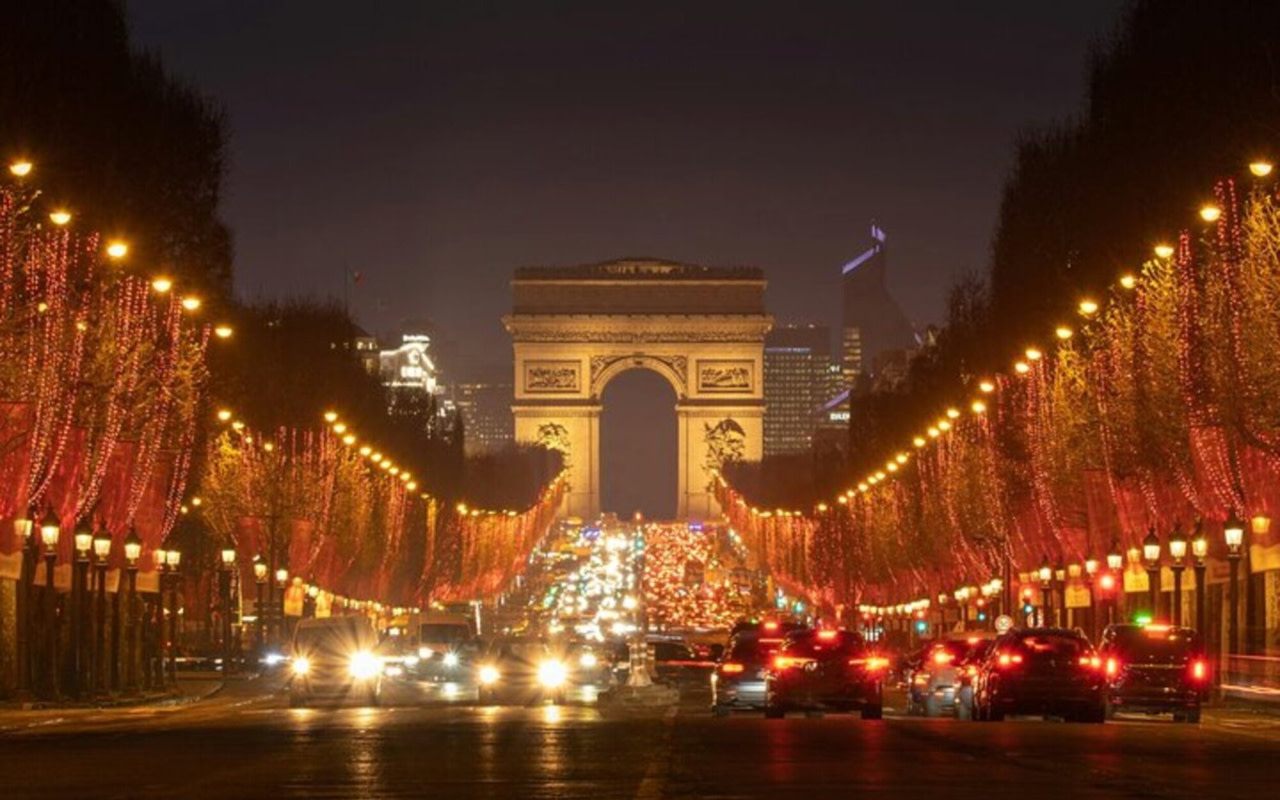
Champs-Élysées
Day trips
Versailles
17 km (10.5 miles) from Paris • Full day
The Palace of Versailles is a grand royal château and garden located just outside of Paris. It was the principal royal residence of France from 1682 to 1790 and is famous for its opulent interiors and vast gardens.
Giverny
75 km (47 miles) from Paris • Half day to full day
Giverny is a charming village known as the home of the famous impressionist painter Claude Monet. The village is home to Monet's House and Gardens, which inspired many of his most famous works.
Château de Fontainebleau
55 km (34 miles) from Paris • Full day
The Château de Fontainebleau is a grand royal château and park located just outside of Paris. It was a residence of the French monarchs from Louis VII to Napoleon III and is known for its beautiful architecture and vast forests.
Festivals
Fête de la Musique • June 21st (annual)
Paris Fashion Week • February and September (annual)
Nuit Blanche • First Saturday in October (annual)
Pro tips
- Learn a few basic French phrases to enhance your experience and show respect for the local culture
- Use public transport, walk, or bike to get around the city and avoid traffic and parking issues
- Consider purchasing a Paris Museum Pass or a multi-day public transport pass to save money on attractions and transport
- Explore the city's many neighborhoods and hidden gems, not just the major tourist attractions
- Try local specialties and enjoy the dining experience slowly and leisurely
From $25
per person
Price varies by option
Secure booking
Free cancellation available
Instant confirmation