Day trip from Paris to Juno Beach, Normandy - Private Tour (2 pax)
Active
13h - 14h
For a full refund, cancel at least 24 hours before the scheduled departure time.
Instant confirmation
Mobile or paper ticket accepted
About this experience
Visit to Normandy D-Day battle sites and Canadians landing beaches from Paris
Travel with your own group (2 participants) aboard a comfortable and air conditioning Minivan for a more personalized atmosphere
Step back in time on a history tour, and learn about the events of June 6, 1944
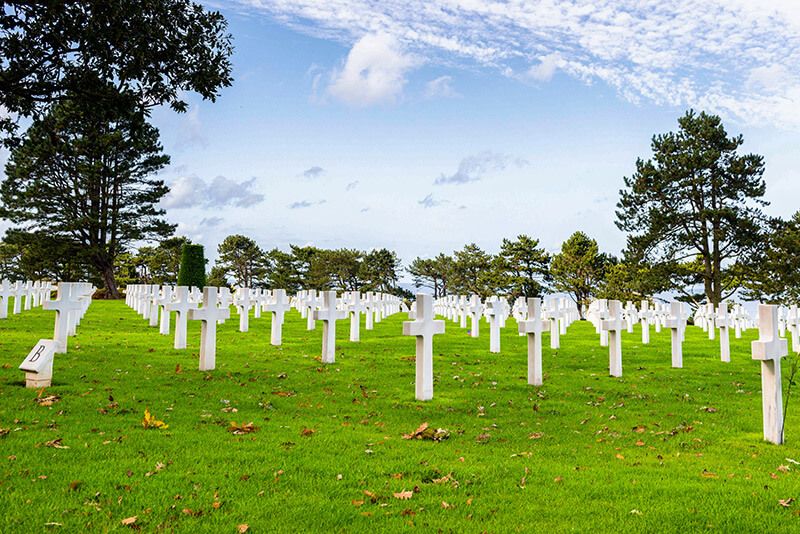
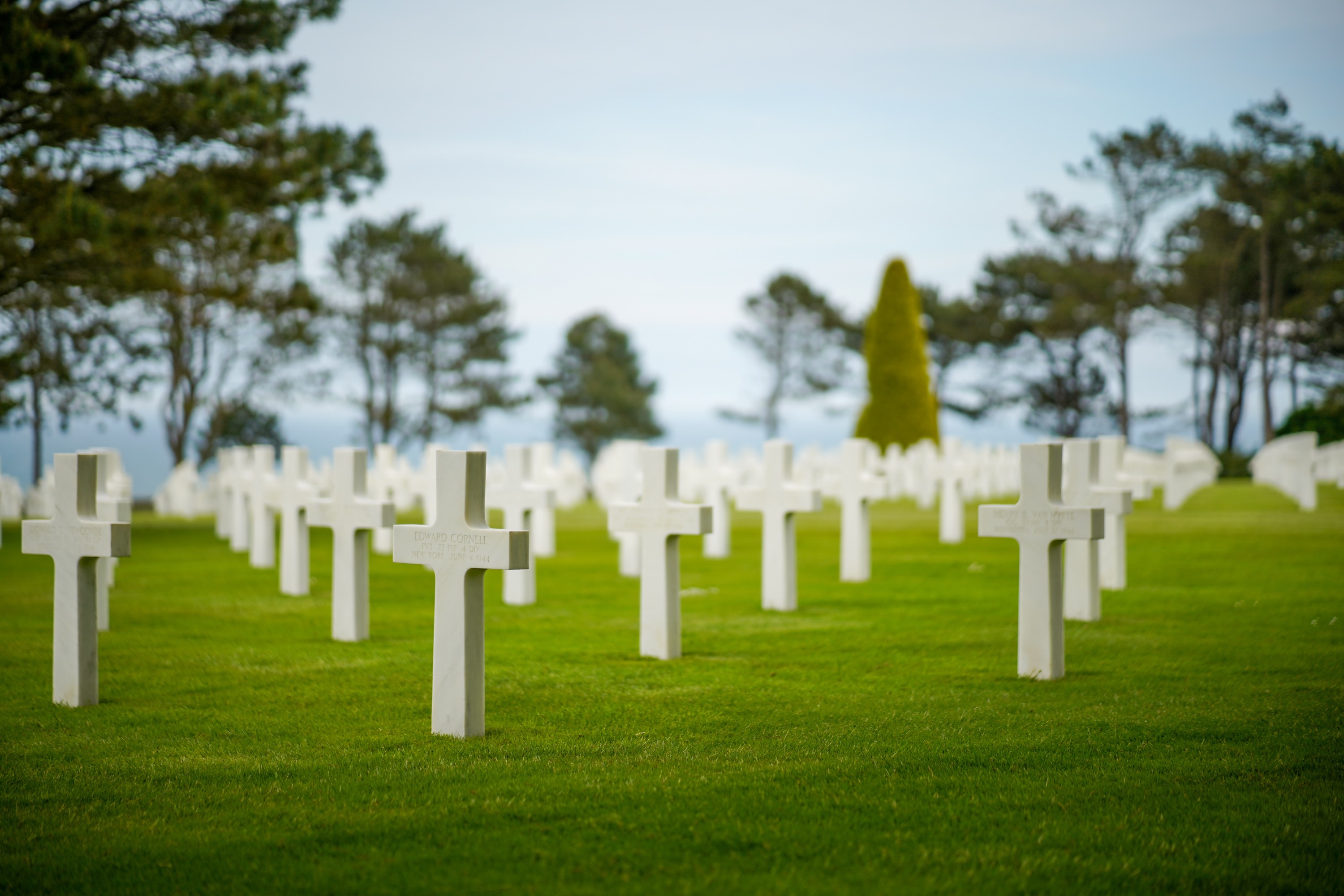
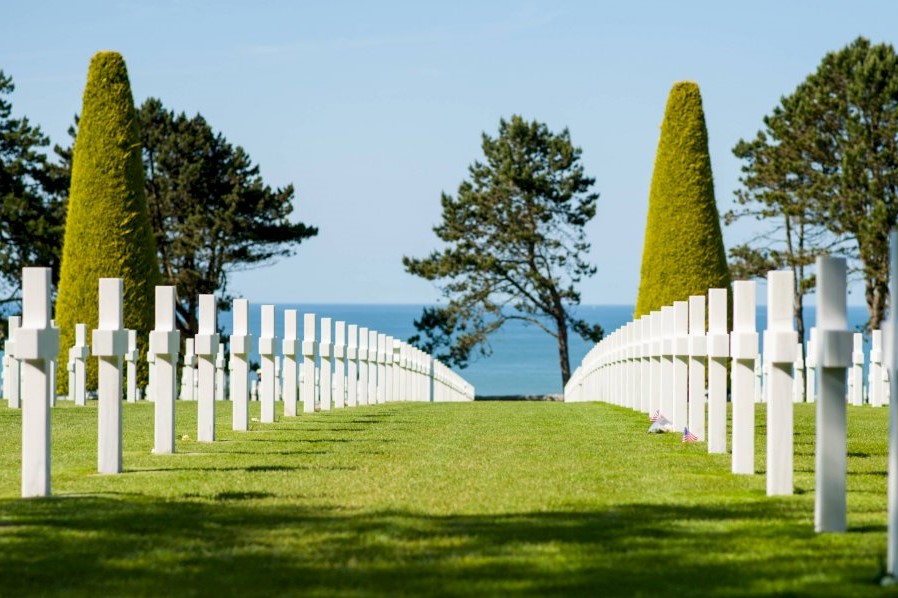
Pay your respects to the fallen Canadian soldiers at the Canadian War Cemetery in Beny-sur-Mer
See the famous “Canada House” on Juno Beach, said to be the first house liberated in Normandy.
Walk on the sands of Juno Beach in Normandy just like the Canadian troops did in June 1944.
Visit the Juno Beach Centre, the most comprehensive museum about the Canadian landings in Normandy.
Available options
Day trip from Paris to Juno Beach, Normandy - Private Tour (2 pax)
Pickup included
What's included
Private Tour (Travel with your own group aboard a Minivan)
Air-conditioned vehicle
Driver Guide
Admission tickets to Juno Beach Centre
Hotel Pick-up and Drop-off in the following listed Paris districts only: 75008, 75007 and 75016
Detailed itinerary
1
Stop 1
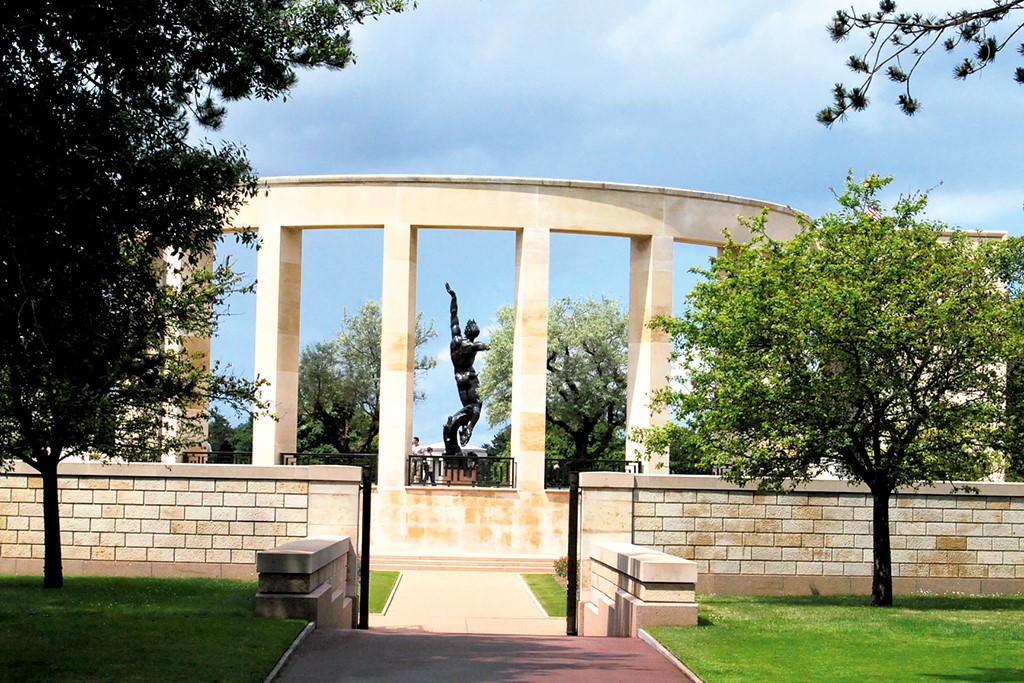
The Bény-sur-Mer Canadian War Cemetery is a cemetery containing predominantly Canadian soldiers killed during the early stages of the Battle of Normandy in the Second World War. It is located in and named after Bény-sur-Mer in the Calvados department, near Caen in lower Normandy. As is typical of war cemeteries in France, the grounds are beautifully landscaped and immaculately kept. Contained within the cemetery is a Cross of Sacrifice, a piece of architecture typical of memorials designed by the Commonwealth War Graves Commission.
The men who fell on the beaches and in the bitter bridgehead battles are buried in Beny-sur-Mer Canadian War Cemetery which, despite its name, is near the village of Reviers. The cemetery contains 2,049 headstones enclosed by pines and maples. These mark the dead of the 3rd Division and the graves of 15 airmen.
2
“Within sight of this house over 100 men of the Queen’s Own Rifles were killed or wounded, in the first few minutes of the landings.”
That stark inscription welcomes visitors at the entrance of a large, timber-framed house overlooking Juno Beach, in the village of Bernières-sur-Mer, France. “La Maison des Canadiens," or Canada House, is one of the most iconic buildings in Canadian military history. It was one of the first houses liberated by Canadian soldiers on D-Day, 6 June 1944, and has since become a familiar historic landmark, standing in the backdrop of the many black-and-white photographs showing troops landing on the sands of this village in Normandy.
This particular house was one of the few left intact, perhaps because it was the favoured home of an occupying German officer.
The left-hand side is owned by the family of Hervé Hoffer, whose grandfather owned the home during the war but was evicted by the Germans.
3
Stop 3
The Juno Beach Centre’s permanent exhibit draws on photographs, documents, multimedia, maps, and artefacts to tell the story of the Canadians who volunteered for military service or mobilized at home to contribute to the war effort. It also presents the battles that took Canadian units from Sicily to Italy and from Normandy to the Netherlands.
The Centre pays homage to the 45,000 Canadians who lost their lives during the War, of which 5,500 were killed during the Battle of Normandy and 359 on D-Day.
The Centre is not only a museum about the war. It also portrays the personal accounts and real-life stories of the society that these soldiers bequeathed to their children and that now forms Canada.
4
Monument of The Lorraine Cross
Cross of more than 18 m high, located facing the sea, this monument commemorates the return of General de Gaulle to the French soil on June 14, 1944 after crossing the English Channel on board the French destroyer La combattante.
5
A British Churchill AVRE tank which "One Charlie" stands as a glorious memorial of the landing operations on 6 June 1944.This Churchill Mk IV AVRE tank was designed to get close to fortifications and blow them up with its mortar.
A bridge was built laid over the sunken Churchill tank to allow Allied troops across the flooded land. The tank was used as a bridge support. It remained buried for 32 years. In November 1976 a team of British Army soldiers and engineers extracted the Churchill AVRE tank from its wartime grave.
The two surviving members of the tank crew, Tank Driver Bill Dunn and Bill Hawkins, were present when it was lifted back onto the beach.
6
Canadian Memorial Abbaye d'Ardenne
In a garden next to the monastery Abbaye d'Ardenne a Canadian memorial is situated. The memorial commemorates 20 executed soldiers.
Text on the memorial:
"On the night of 7-8 June 1944, eighteen Canadian soldiers were murdered in this garden while being held here as prisoners of war. Two more prisoners died here, or nearby, on 17 June 1944. They are gone but not forgotten."
7
Operation Windsor (4–5 July 1944), was a Canadian attack, which was part of the Battle of Normandy during WW2.
The attack was undertaken by the 3rd Canadian Infantry Division to take Carpiquet and the adjacent airfield.
Carpiquet airfield was on a 1.2 mi expanse of level ground, which offered a "killing ground" for the defenders. The airfield had been fortified with minefields, field gun and machine gun emplacements, manned by I Battalion, SS-Panzergrenadier Regiment 26, an anti-aircraft battery and fifteen tanks.
The Carpiquet airfield in Caen is still in service today and is open to national and international aerial traffic.
What's not included
Food and drinks
Gratuities (optional)
Available languages
Guide guide
EN
FR
Important information
Public transportation options are available nearby
Not recommended for pregnant travelers
Not recommended for travelers with poor cardiovascular health
Suitable for all physical fitness levels
About Paris
Paris, the capital of France, is a city steeped in history, art, and romance. Known for its iconic landmarks, world-class museums, and charming neighborhoods, Paris offers a unique blend of timeless elegance and modern vibrancy. From the Eiffel Tower to the Louvre, the city is a treasure trove of cultural and historical gems.
Top Attractions
Eiffel Tower
The Eiffel Tower is Paris's most iconic landmark and a symbol of France. Built in 1889 for the World's Fair, it offers breathtaking views of the city.
Architecture
2-3 hours
€17.10-€26.80 (depending on the level)
Louvre Museum
The Louvre is the world's largest art museum and a historic monument in Paris. It houses thousands of works of art, including the Mona Lisa and the Venus de Milo.
Museum
3-4 hours
€17 (full price), free for under 18s and EU residents under 26
Notre-Dame Cathedral
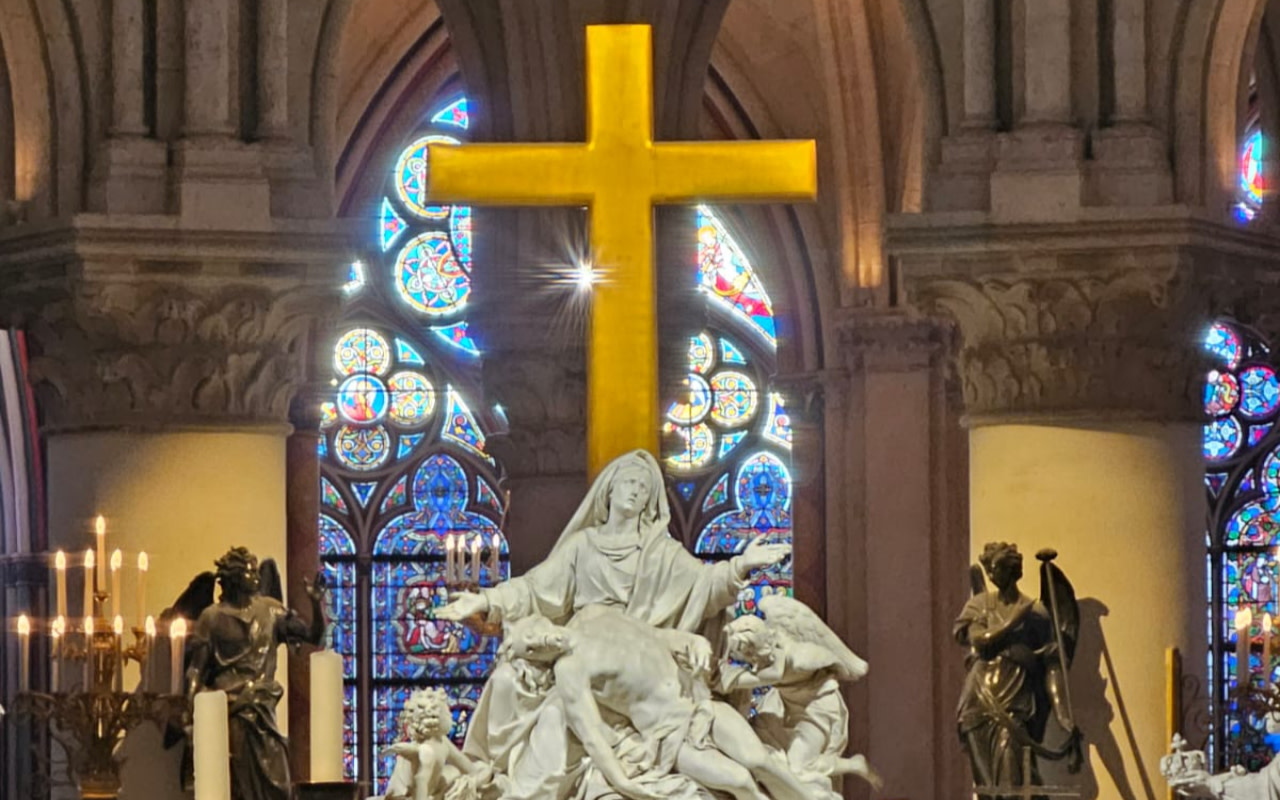
Notre-Dame is a masterpiece of French Gothic architecture and one of the most famous cathedrals in the world. It has been undergoing restoration since the 2019 fire.
Historical/Religious
1-2 hours
Free (towers and crypts may have reopening fees in the future)
Montmartre
Montmartre is a historic and artistic district known for its bohemian past, charming streets, and the stunning Sacré-Cœur Basilica.
Cultural
Half-day
Free to explore (Sacré-Cœur dome visit €6)
Palace of Versailles
The Palace of Versailles is a grand royal château and garden located just outside of Paris. It was the principal royal residence of France from 1682 to 1790.
Historical
Full day
€18-€28 (depending on the pass)
Must-Try Local Dishes
Croissant
A buttery, flaky pastry made from laminated dough. Best enjoyed fresh from a local bakery.
Breakfast
Contains gluten and dairy
Baguette
A long, thin loaf of French bread with a crispy crust and soft interior. Often served with cheese or ham.
Breakfast/Lunch
Contains gluten
Steak Frites
A classic French dish consisting of steak and French fries, usually served with a side of salad and béarnaise sauce.
Lunch/Dinner
Contains gluten (if served with fries) and meat
Crêpes
Thin pancakes that can be filled with a variety of sweet or savory ingredients, such as Nutella, cheese, or ham.
Snack/Dessert
Can be made gluten-free and vegetarian/vegan options available
Popular Activities
Hot air balloon rides
Rock climbing in Fontainebleau forest
Kayaking on the Seine
Picnicking in the Luxembourg Garden
Boat tours on the Seine
Spa day at a luxury hotel
Visiting museums and galleries
Attending a cabaret show
Best Time to Visit
June to August
Summer is the peak tourist season in Paris, with warm weather and long daylight hours. This is the best time to enjoy outdoor activities and festivals. However, it's also the busiest and most expensive time to visit.
15°C to 25°C (59°F to 77°F)
59°F to 77°F
Practical Information
Language
- Official: French
- Widely spoken: English, Spanish, Arabic, Portuguese
- English: Moderately spoken
Currency
Euro (EUR)
Time Zone
GMT+1 (Central European Time, CET), GMT+2 (Central European Summer Time, CEST) during daylight saving time
Electricity
230VV, 50HzHz
Safety Information
Overall Safety Rating: Generally safe
Paris is generally safe for travelers, but pickpocketing and petty theft can be a problem in tourist areas. Be aware of your surroundings and take precautions to protect your belongings.
Important Precautions:
- • Keep valuables secure and out of sight
- • Be cautious of pickpockets in crowded areas and on public transport
- • Use licensed taxis or ride-sharing services
Getting there
By air
- Charles de Gaulle Airport • 25 km (15.5 miles) from city center
- Orly Airport • 14 km (8.7 miles) from city center
By train
Gare du Nord, Gare de Lyon
By bus
Bercy Seine, Porte Maillot
Getting around
Public transport
The Paris Metro is one of the most efficient and extensive subway systems in the world, covering all major attractions and neighborhoods.
Taxis
Available • Apps: Uber, G7
Rentals
Car, Bike, Scooter
Neighborhoods
Le Marais
Montmartre
Latin Quarter
Saint-Germain-des-Prés
Champs-Élysées
Day trips
Versailles
17 km (10.5 miles) from Paris • Full day
The Palace of Versailles is a grand royal château and garden located just outside of Paris. It was the principal royal residence of France from 1682 to 1790 and is famous for its opulent interiors and vast gardens.
Giverny
75 km (47 miles) from Paris • Half day to full day
Giverny is a charming village known as the home of the famous impressionist painter Claude Monet. The village is home to Monet's House and Gardens, which inspired many of his most famous works.
Château de Fontainebleau
55 km (34 miles) from Paris • Full day
The Château de Fontainebleau is a grand royal château and park located just outside of Paris. It was a residence of the French monarchs from Louis VII to Napoleon III and is known for its beautiful architecture and vast forests.
Festivals
Fête de la Musique • June 21st (annual)
Paris Fashion Week • February and September (annual)
Nuit Blanche • First Saturday in October (annual)
Pro tips
- Learn a few basic French phrases to enhance your experience and show respect for the local culture
- Use public transport, walk, or bike to get around the city and avoid traffic and parking issues
- Consider purchasing a Paris Museum Pass or a multi-day public transport pass to save money on attractions and transport
- Explore the city's many neighborhoods and hidden gems, not just the major tourist attractions
- Try local specialties and enjoy the dining experience slowly and leisurely
From $25
per person
Price varies by option
Secure booking
Free cancellation available
Instant confirmation