Vayots Dzor Areni Wine Route
Active
6h - 8h
For a full refund, cancel at least 24 hours before the scheduled departure time.
Instant confirmation
Mobile or paper ticket accepted
About this experience
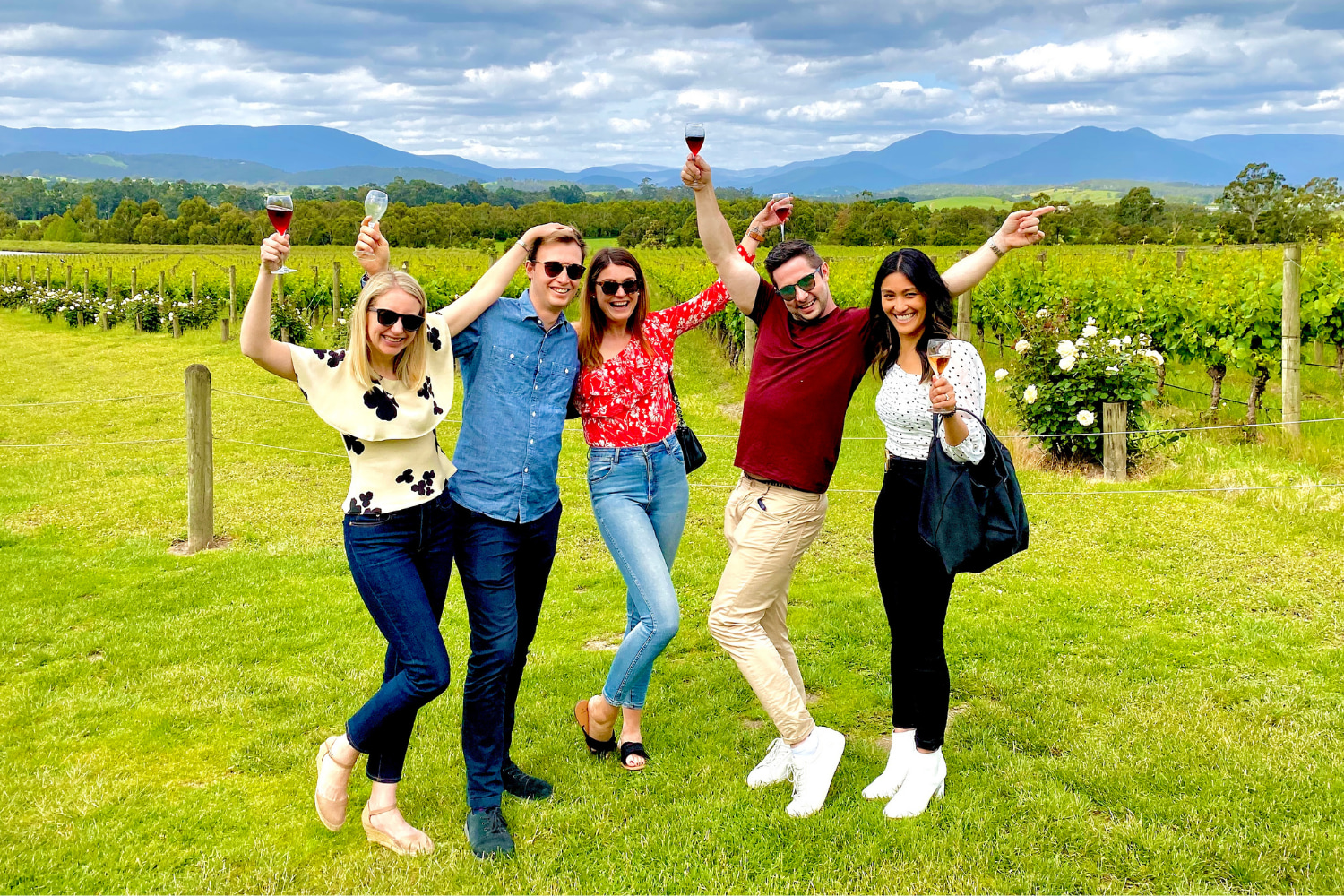
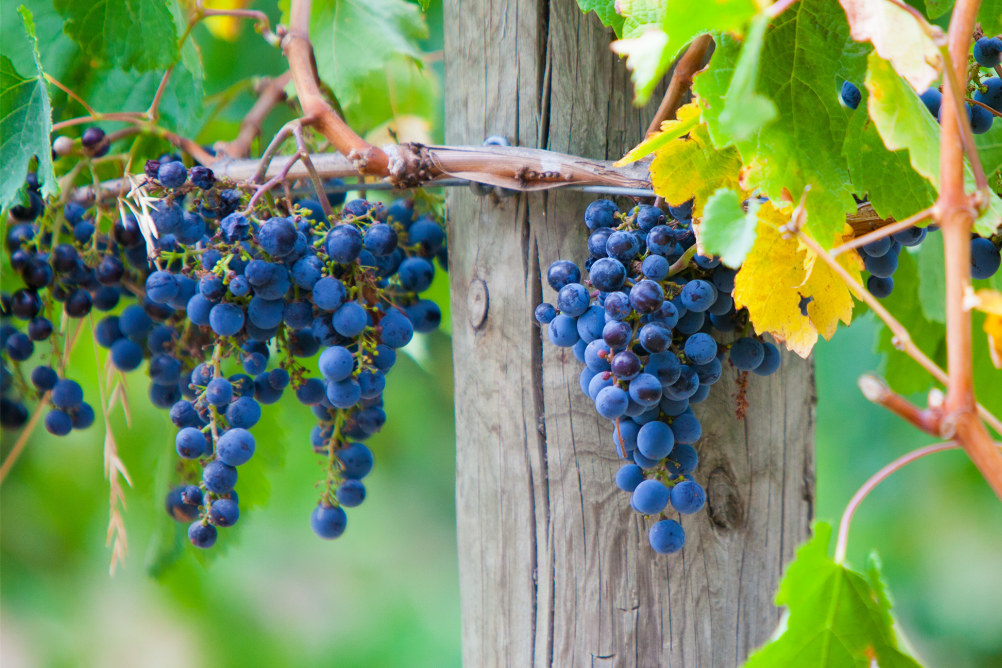
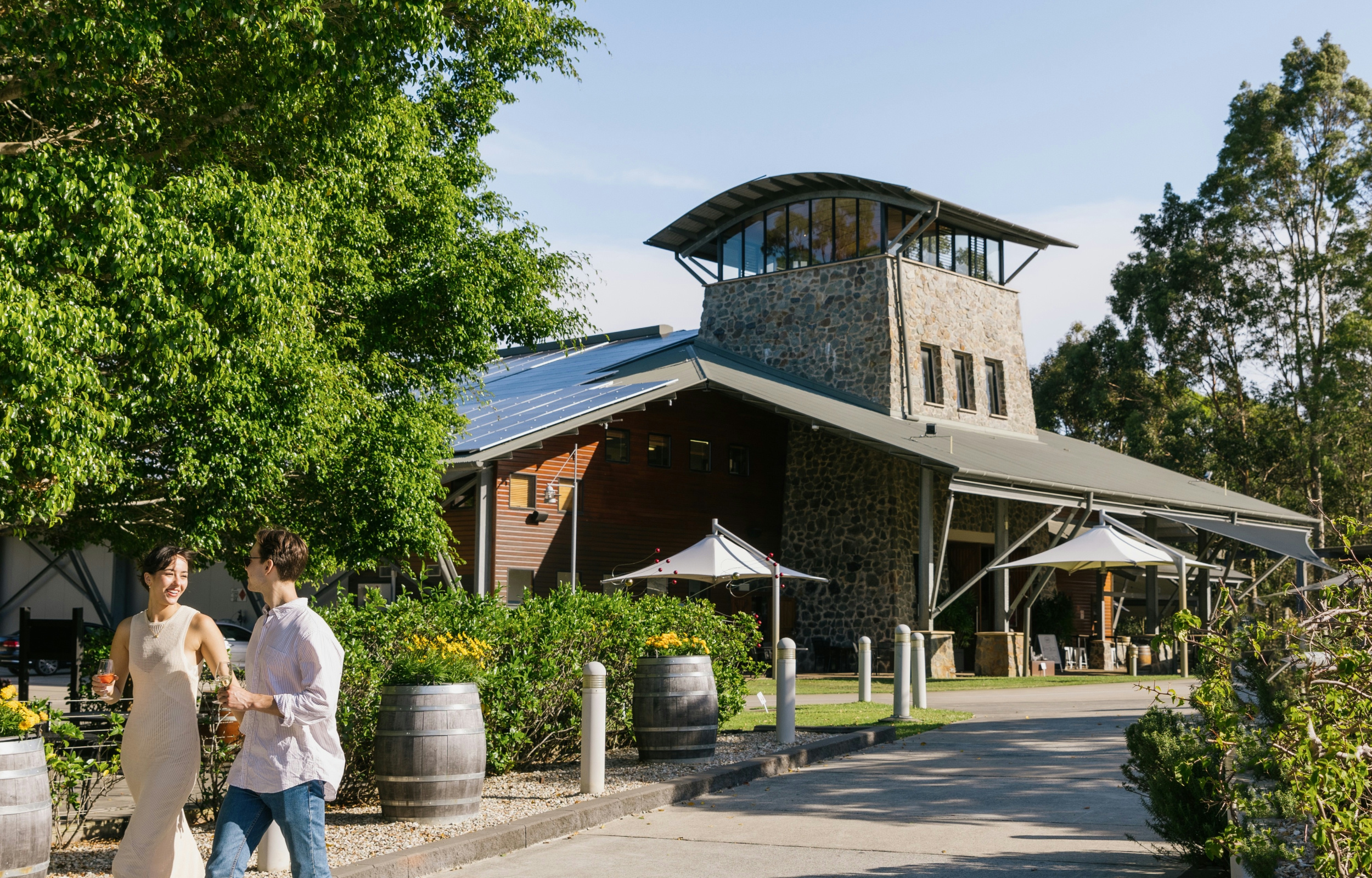
Just two hours south of Yerevan, Vayots Dzor is home to wineries and vineyards. Here, the thirsty traveler can tour a winery to learn about Armenia’s unbroken tradition of winemaking while sampling vintages from across the ages.
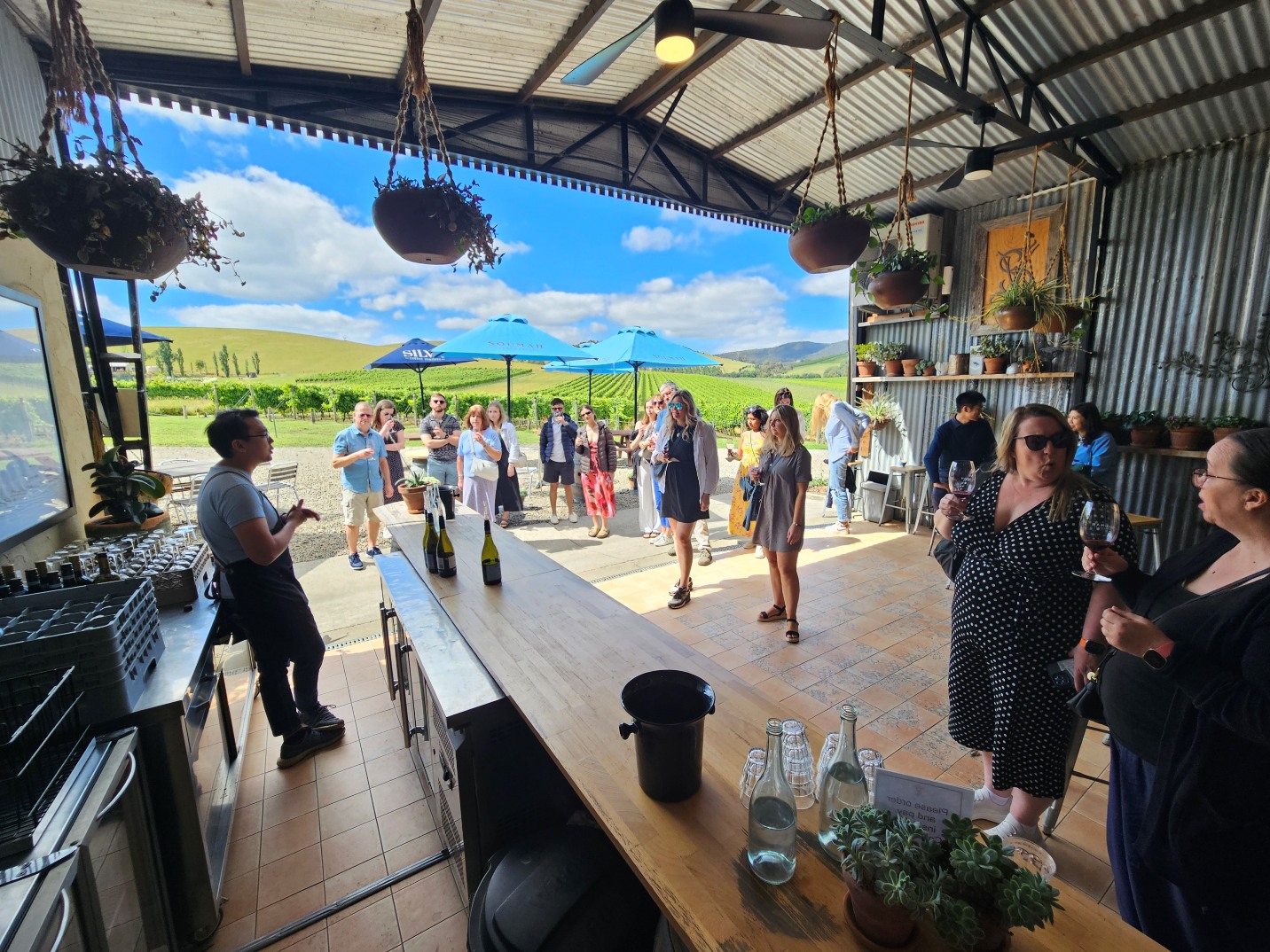
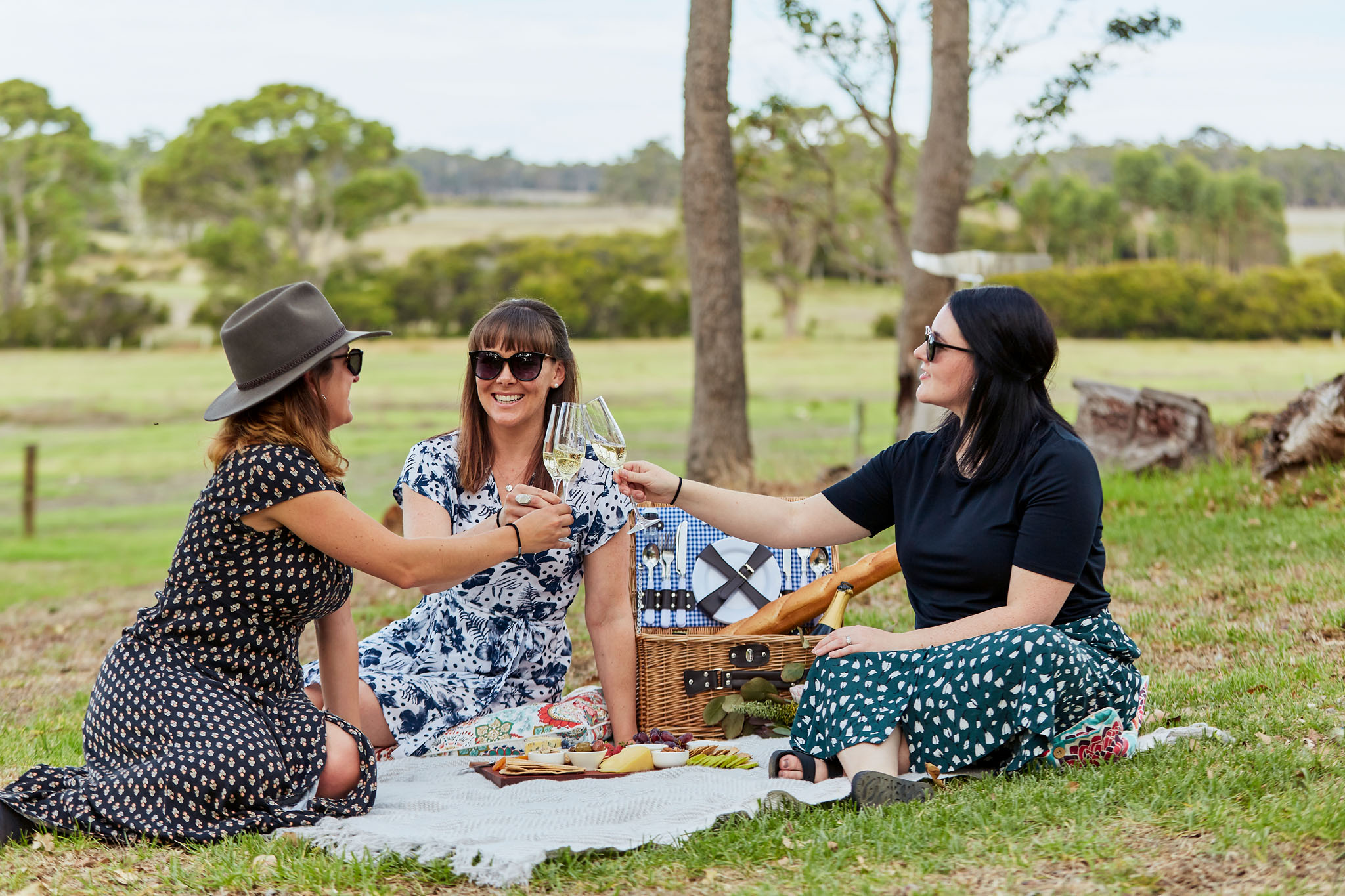
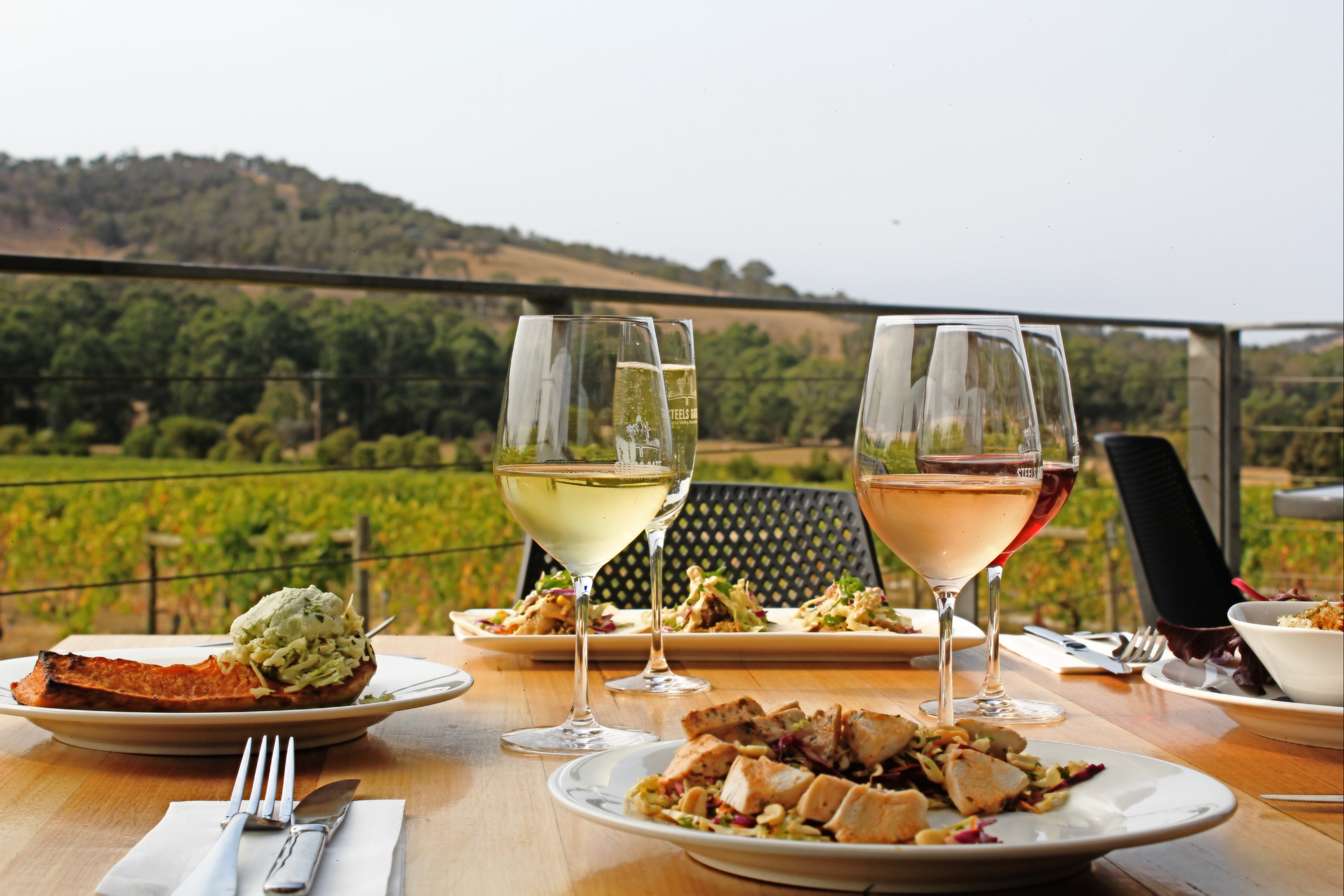
At the heart of the Vayots Dzor Wine Route is the Areni-1 Cave, site of the oldest known winery in the world. Armenian wines have been gracing Armenian tables for at least 6000 years. Today, this wine culture is kept alive by a handful of enthusiastic winemakers who continue to cultivate ancient varietals. Spend a day exploring one of Vayots Dzor’s winemaking facilities, taking a tour of the production process, and tasting local wines.
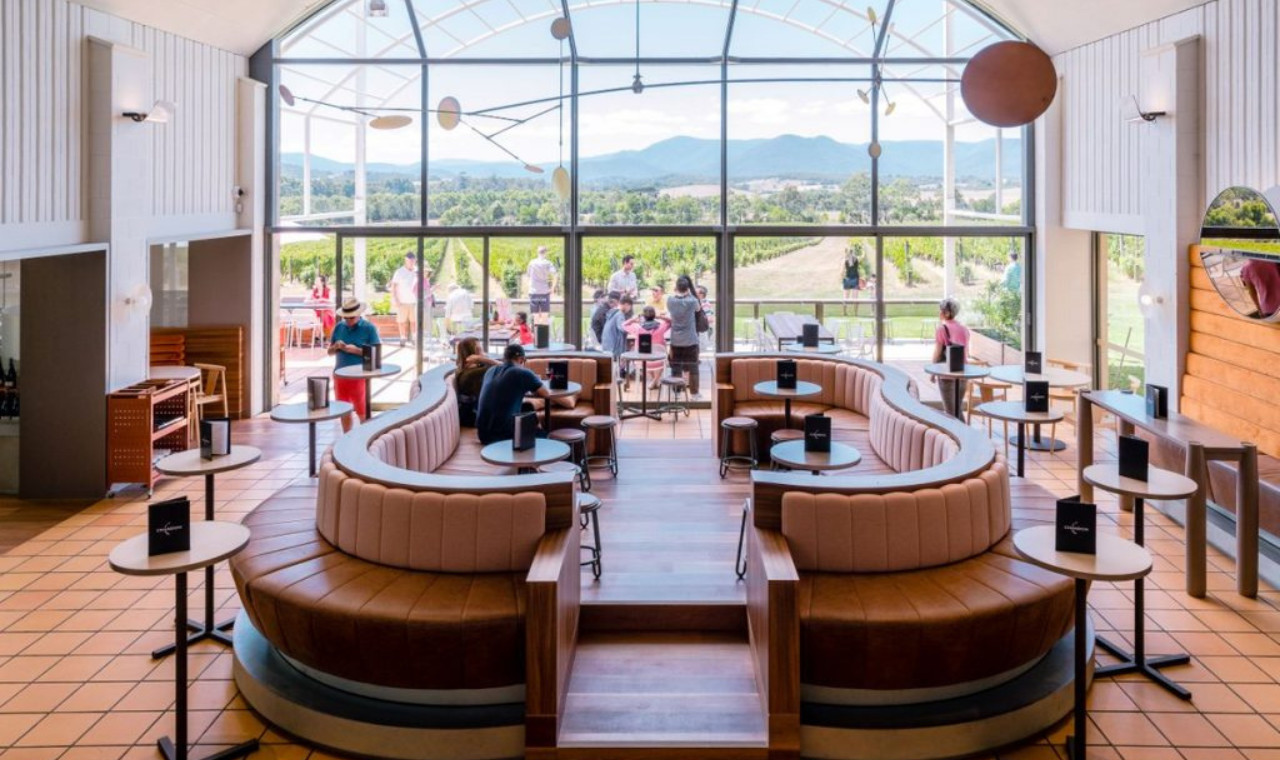
Along the Vayots Dzor Wine Route, there are few wineries that offer regular tours and tastings: Momik Winery, Old Bridge Winery.
These are all easily accessed via the Yerevan Highway.
Available options
Vayots Dzor Areni Wine Route
Pickup included
What's included
Tour Guide
Detailed itinerary
1
For centuries, the caves in this region were thought to be just simple caves. Children would play in them, but nobody knew much about these caves. But that all changed in 2007, when excavations began in Areni Cave.Excavations unearthed large complexes, which showed that this cave was once used for religious and economic purposes. A wine press was found in one room of the cave, where there is a hard place that drains into a jug. Traces of seeds, stems, and the compound that gives red wine its signature color were found, which led a wide array of scientists to conclude that the area was used as a winery about 6,000 years ago. Areni Cave is now recognized as the oldest winery in the world. Only in two km from the cave there is one of the most popular wineries of Armenia, Areni Wine Factory.
The oldest leather shoe was also found in Areni Cave, stuffed with grass and stowed away for storage. It’s owner must have made it around 3,500 BCE, in a style that is still common to this day across the Caucasus and the Balkans. The oldest straw skirt in the world (3,900 BCE) and the oldest brain (4,000 BCE) have also been found in the cave, alongside ceramics, straw baskets, and ritual items. There were even skeletons found in jars, which may be from ritual sacrifices (though it’s the only case of ritual sacrifice ever found in Armenia).
2
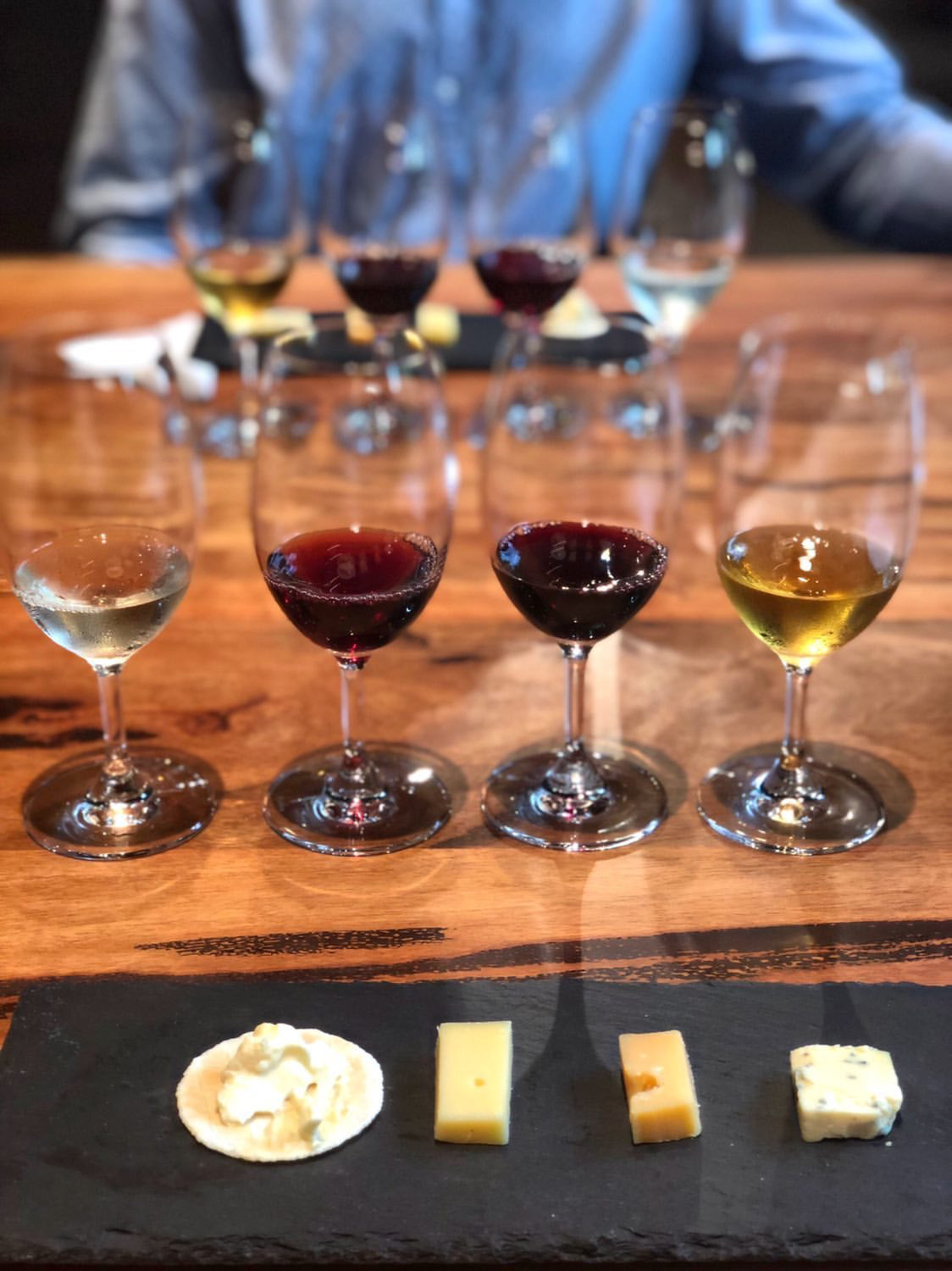
Here you will have tour and Wine Tasting
3
Noravank means “New Monastery” in Armenian. However, today this name does not fit, as the monastery is already more than seven centuries old. The beautiful Noravank Monastery was built in the 13th century on the ledge of narrow winding gorge above the Amaghu River, near the city of Yeghegnadzor. The spare lines of the church contrast beautifully with the sharp red rock cliffs, and the dramatic scenery is one of the best reasons to visit Noravank. The monastery is sometimes called Amagu Noravank, to distinguish it from Noravank Monastery in the city of Goris. Amagu is the name of a small settlement which used to stand over the gorge.
4
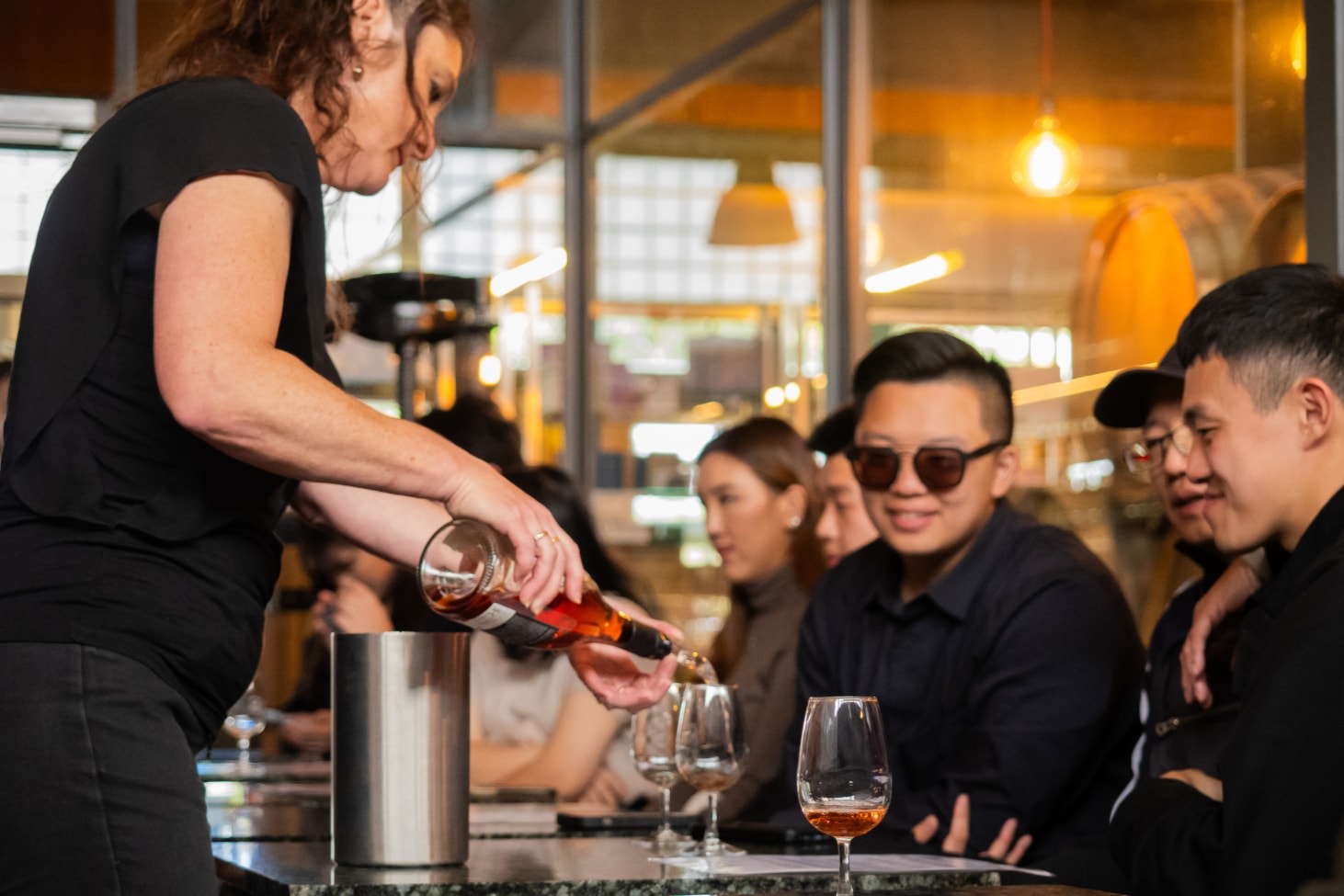
Here you will have tour and Wine tasting.
Available languages
Written guide
DE
EN
IT
FR
ES
Reviews breakdown
Viator
1.0
1 reviews
5★
0
4★
0
3★
0
2★
0
1★
1
Tripadvisor
5.0
2 reviews
5★
2
4★
0
3★
0
2★
0
1★
0
Important information
Not recommended for pregnant travelers
Suitable for all physical fitness levels
About Yerevan
Yerevan, the capital of Armenia, is one of the world's oldest continuously inhabited cities, known for its rich history, vibrant culture, and stunning architecture. Nestled at the foot of Mount Ararat, the city offers a unique blend of ancient landmarks and modern amenities, making it a fascinating destination for travelers.
Top Attractions
Republic Square
The heart of Yerevan, Republic Square is famous for its architectural beauty and historical significance. The square is surrounded by notable buildings and features a beautiful fountain show in the evenings.
Historical/Architecture
1-2 hours
Free
Yerevan Cascade
The Yerevan Cascade is a massive staircase and fountain complex that offers stunning views of the city and Mount Ararat. It is a popular spot for both locals and tourists.
Architecture/Historical
1-2 hours
Free
Matenadaran
Matenadaran is a repository of ancient manuscripts and a significant cultural and scientific institution in Armenia. It houses a vast collection of manuscripts, including religious texts and historical documents.
Museum/Cultural
1-2 hours
500 AMD
Ararat Brandy Factory
The Ararat Brandy Factory offers tours where visitors can learn about the history of Armenian brandy and enjoy tastings of their famous brandies.
Historical/Cultural
1-2 hours
5000-10000 AMD
Blue Mosque
The Blue Mosque is a beautiful example of Islamic architecture in Yerevan. It is one of the few remaining mosques in the city and is a significant cultural and historical site.
Historical/Religious
30 minutes
Free
Must-Try Local Dishes
Khorovats
Grilled meat, typically lamb or pork, marinated in spices and served with lavash (Armenian flatbread).
Main Course
Contains meat
Lavash
A traditional Armenian flatbread, soft and thin, often served with meals.
Bread
Vegetarian, Vegan
Dolma
Grilled meatballs made with minced lamb and spices, wrapped in grape leaves.
Appetizer
Contains meat
Harissa
A traditional Armenian porridge made from wheat and chickpeas, often served during Lent.
Porridge
Vegetarian, Vegan
Popular Activities
Hiking in Dilijan National Park
Rock climbing in Garni Gorge
Swimming in Lake Sevan
Spa treatments in Yerevan
Visiting museums and historical sites
Attending festivals and events
Boating and swimming in Lake Sevan
Skiing in Tsaghkadzor
Best Time to Visit
April to June, September to October
These periods offer the best weather for exploring the city, with mild temperatures and clear skies. The city is lively with cultural events and festivals.
15-30°C
59-86°F
Practical Information
Language
- Official: Armenian
- Widely spoken: Russian, English
- English: Moderately spoken
Currency
Armenian Dram (AMD)
Time Zone
AMT (UTC+4)
Electricity
220VV, 50HzHz
Safety Information
Overall Safety Rating: Generally safe
Yerevan is generally safe for travelers, with low crime rates and a welcoming atmosphere. However, it is important to take basic precautions to ensure a safe and enjoyable trip.
Important Precautions:
- • Use licensed taxis or ride-hailing apps
- • Keep valuables secure in crowded areas
- • Research tour operators before booking
Getting there
By air
- Zvartnots International Airport • 12 km from city center
By train
Yerevan Railway Station
By bus
Northern Bus Station, Southern Bus Station
Getting around
Public transport
Buses and minibuses (marshrutkas) are the primary modes of public transport, covering most of the city.
Taxis
Available • Apps: Yandex.Taxi, GorTaxi
Rentals
Car, Bike
Neighborhoods
Kentron
Avan
Nork
Day trips
Garni Temple
25 km from Yerevan • Half day
Garni Temple is a ancient pagan temple dedicated to the sun god Mihr. It is one of the few remaining examples of pre-Christian Armenian architecture.
Geghard Monastery
30 km from Yerevan • Half day
Geghard Monastery is a UNESCO World Heritage Site known for its unique rock-cut architecture and historical significance.
Lake Sevan
60 km from Yerevan • Full day
Lake Sevan is the largest lake in Armenia and a popular destination for swimming, boating, and hiking.
Festivals
Yerevan International Film Festival • July
Golden Apricot Film Festival • July
Yerevan Wine Days • September
Pro tips
- Learn a few basic phrases in Armenian to enhance your experience and connect with locals
- Try the local cuisine, including traditional dishes like khorovats, lavash, and dolma
- Visit the Vernissage Market for unique souvenirs and crafts
- Explore the underground tunnels of Yerevan for a unique and fascinating experience
- Take a day trip to Garni Temple and Geghard Monastery for a glimpse into Armenia's rich history and culture
From $25
per person
Price varies by option
Secure booking
Free cancellation available
Instant confirmation