2 Day tour Cairo and Luxor from Hurghada
Active
2d
For a full refund, cancel at least 24 hours before the scheduled departure time.
Instant confirmation
Mobile or paper ticket accepted
About this experience
Experience the ancient world’s iconic sites on a 2-day private tour from Hurghada including flights to Cairo and Luxor, and discover the Giza Pyramids, Valley of the Kings, and Karnak Temples. See the enigmatic Sphinx that keeps watching over Giza’s three towering pyramids and glimpse gleaming antiquities in the Egyptian museum. Walk the tombs, colonnades, and temples in Karnak and the Valley of the Kings, and see the sprawling monument to Hatshepsut, Egypt’s first female pharaoh. Sail on the Nile in a traditional felucca, then finish your trip to Hurghada.
Available options
fees+guide+hotel+transport
fees+guide+hotel+transport<br/>lunch <br/>Pickup included
hotel+transportation
hotel+transportation<br/>Pickup included
transportation
Pickup included
What's included
Bottled water and soda on minibus
all transportation at (Cairo - hurghada - luxor )
1 night accommodation at Luxor
Meals as per itinerary breakfast
Detailed itinerary
1
2-day tour of Cairo and Luxor from Hurghada, including flights and overnight accommodation
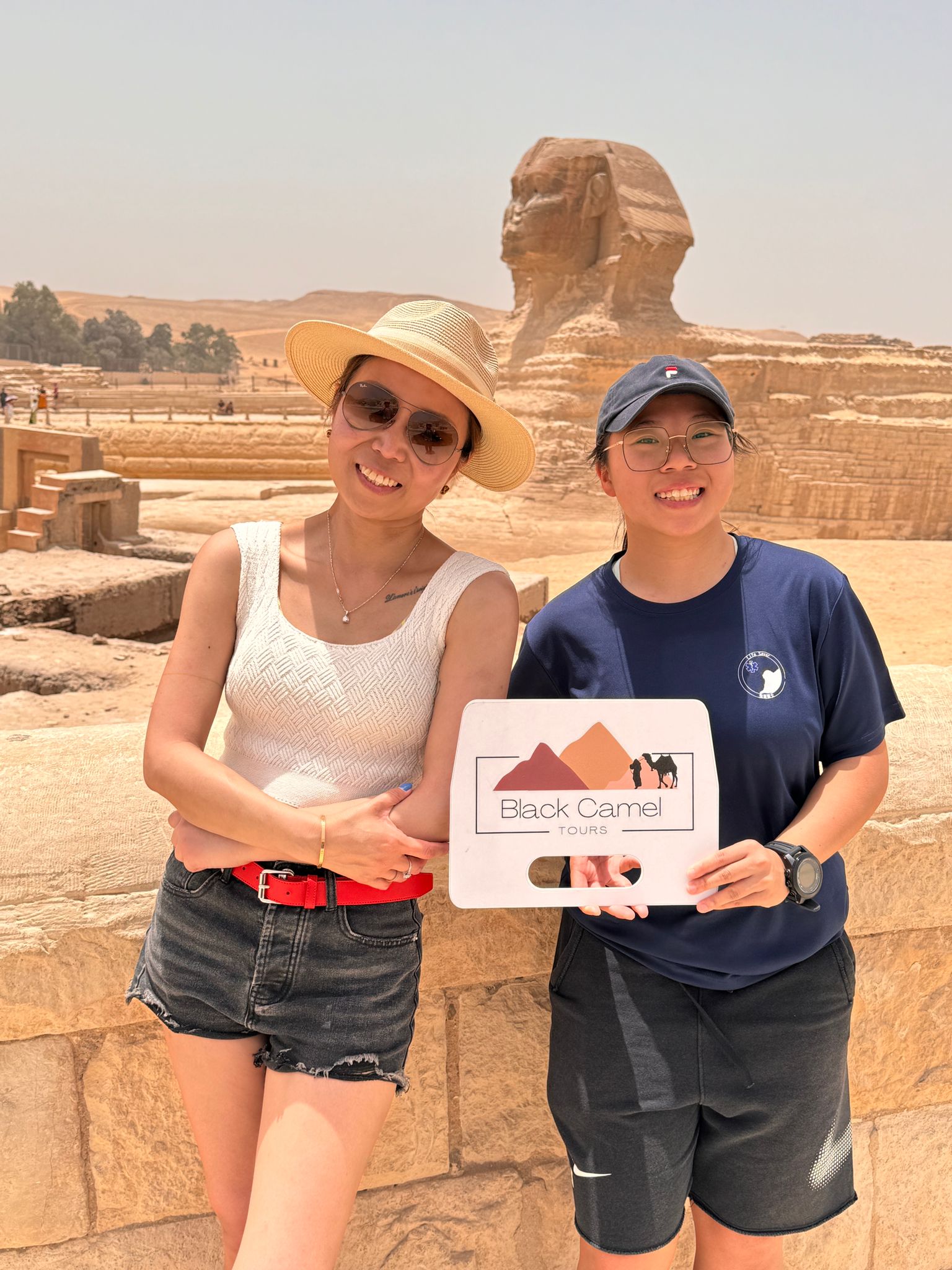
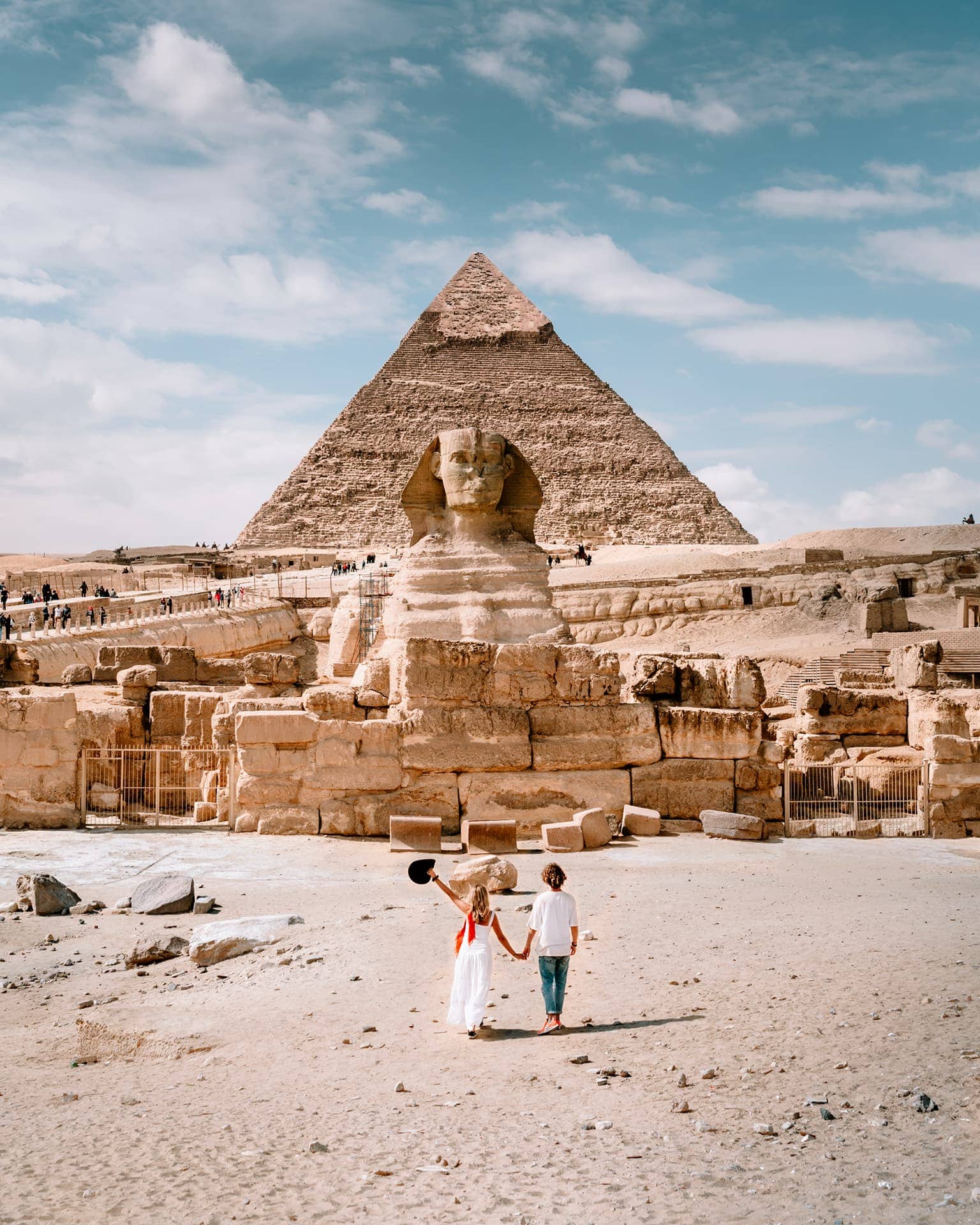
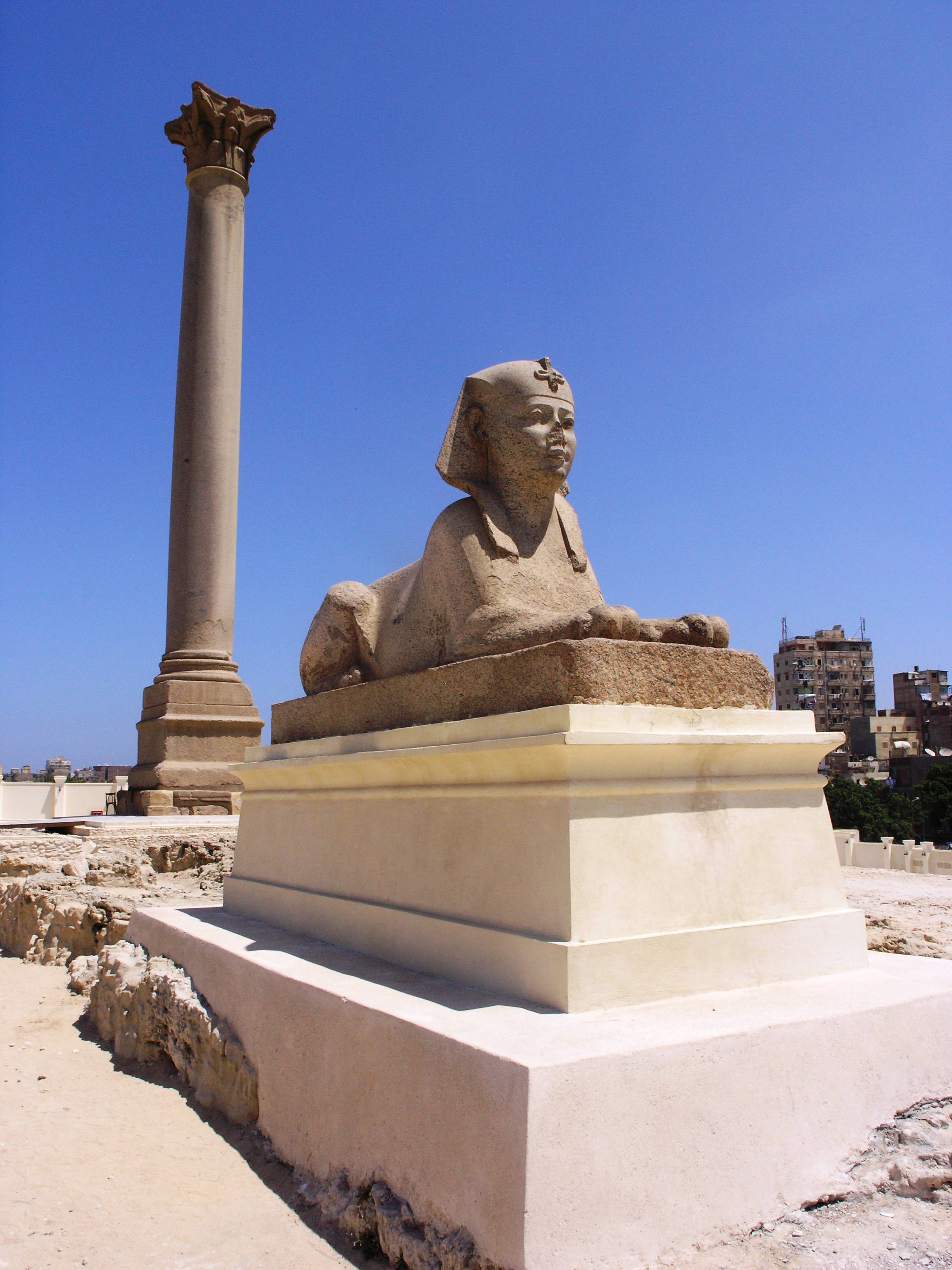
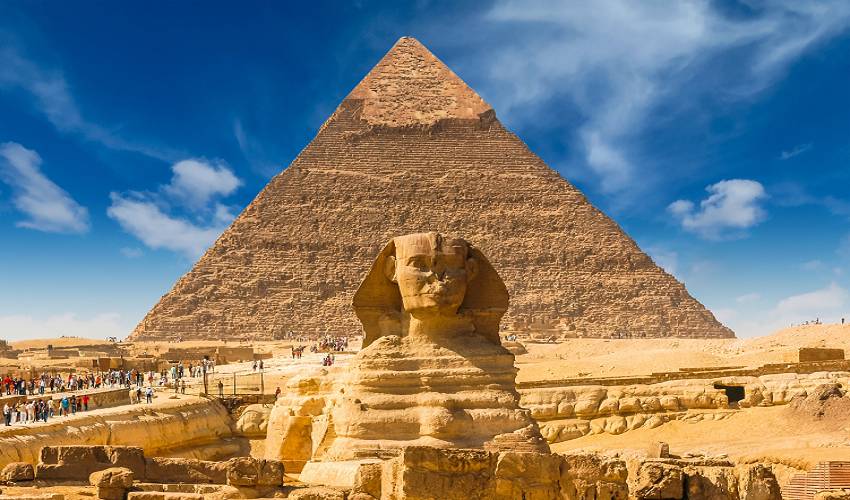
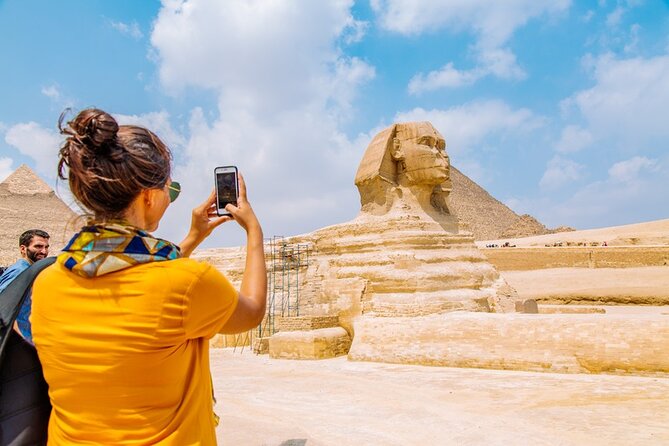
Visit Cairo and see the Sphinx, Giza Pyramids, Ongoing excavations on the Giza Plateau, along with the discovery of a pyramid builders settlement, complete with areas for large-scale food production and medical facilities, have provided more evidence that the workers were not the slaves of Hollywood tradition, but an organized workforce of Egyptian farmers. During the flood season, when the Nile covered their fields, the same farmers could have been redeployed by the highly structured bureaucracy to work on the pharaoh’s tomb. In this way, the Pyramids can almost be seen as an ancient job-creation scheme. And the floodwaters made it easier to transport building stones to the site.
2
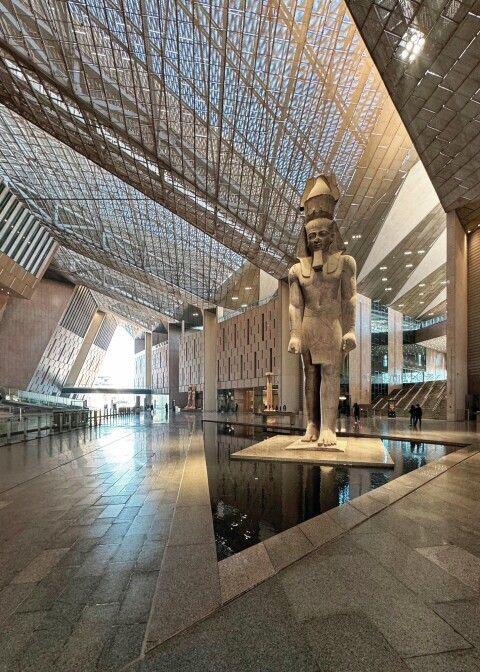
Egyptian Museum with an Egyptologist tour guide
Admire Tutankhamun's death mask and funerary treasures at the museum
Cairo is magnificent, beautiful, and, at times, infuriating. From above, the distorted roar of the muezzins' call to prayer echoes out from dueling minarets. Below, car horns bellow tuneless symphonies amid avenues of faded 19th-century grandeur while donkey carts rattle down dusty lanes lined with colossal Fatimid and Mamluk monuments. This mega-city's constant buzz and noise is a product of its 22-or-so million inhabitants simultaneously crushing Cairo's infrastructure under their collective weight and lifting its spirits up with their exceptional humor. A visit can jangle your nerves,
3
Stop 3
The tombs have suffered greatly from treasure hunters, floods and, in recent years, mass tourism: carbon dioxide, friction and the humidity produced by the average 2.8g of sweat left by each visitor have affected the reliefs and the stability of paintings that were made on plaster laid over limestone. The Department of Antiquities has installed dehumidifiers and glass screens in the worst-affected tombs. They have also introduced a rotation system: a limited number of tombs are open to the public at any one time. The entry ticket gains access to three tombs, with extra tickets to see the tombs of Ay, Tutankhamun, Seti I and Ramses VI.
4
Stop 4
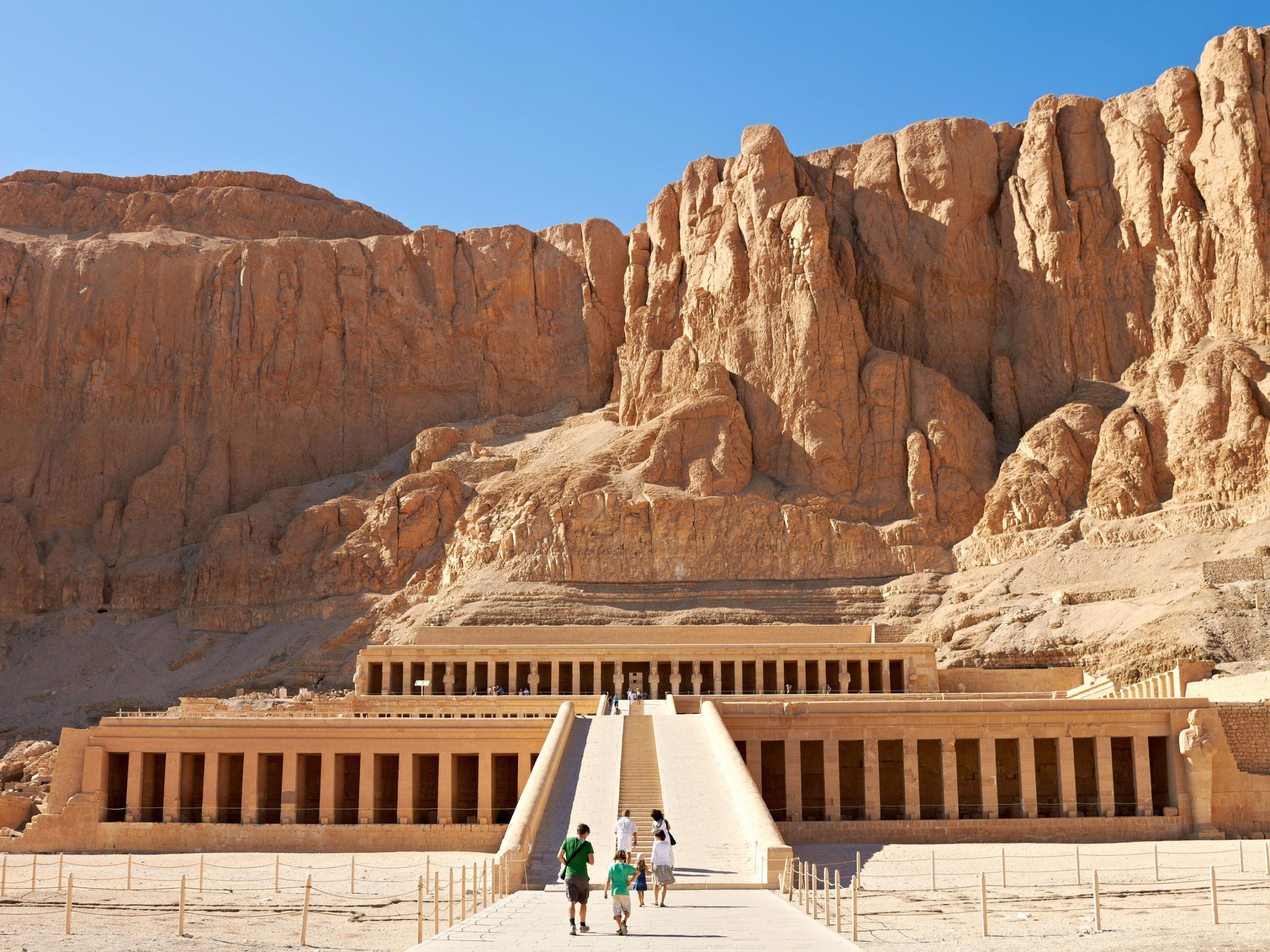
Temple of Hatshepsut at Deir Al Bahri, the eyes first focus on the dramatic rugged limestone cliffs that rise nearly 300m above the desert plain, only to realize that at the foot of all this immense beauty lies a monument even more extraordinary, the dazzling Temple of Hatshepsut. The almost-modern-looking temple blends in beautifully with the cliffs from which it is partly cut – a marriage made in heaven. Most of what you see has been painstakingly reconstructed.
Continuous excavation and restoration since 1891 have revealed one of ancient Egypt’s finest monuments. It must have been even more stunning in the days of Hatshepsut (1473–1458 BC), when it was approached by a grand sphinx-lined causeway instead of today’s noisy tourist bazaar, when the court was a garden planted with exotic trees and perfumed plants, and when it was linked due east across the Nile to the Temple of Karnak. Called Djeser-desert (Most Holy of Holies), it was designed by Senenmut, a courtier at Hatshepsut’s
5
Stop 5
The colossi were already a great tourist attraction during Graeco-Roman times, when the statues were attributed to Memnon, the legendary African king who was slain by Achilles during the Trojan War. The Greeks and Romans considered it good luck to hear the whistling sound emitted by the northern statue at sunrise, which they believed to be the cry of Memnon greeting his mother Eos, the goddess of dawn. She in turn would weep tears of dew for his untimely death. All this was probably due to a crack in the colossus’ upper body, which appeared after the 27 BC earthquake. As the heat of the morning sun baked the dew-soaked stone, sand particles would break off and resonate inside the cracks in the structure. After Septimus Severus (193–211 AD) repaired the statue in the 3rd century AD, Memnon’s plaintive greeting was heard no more.
6
Stop 6
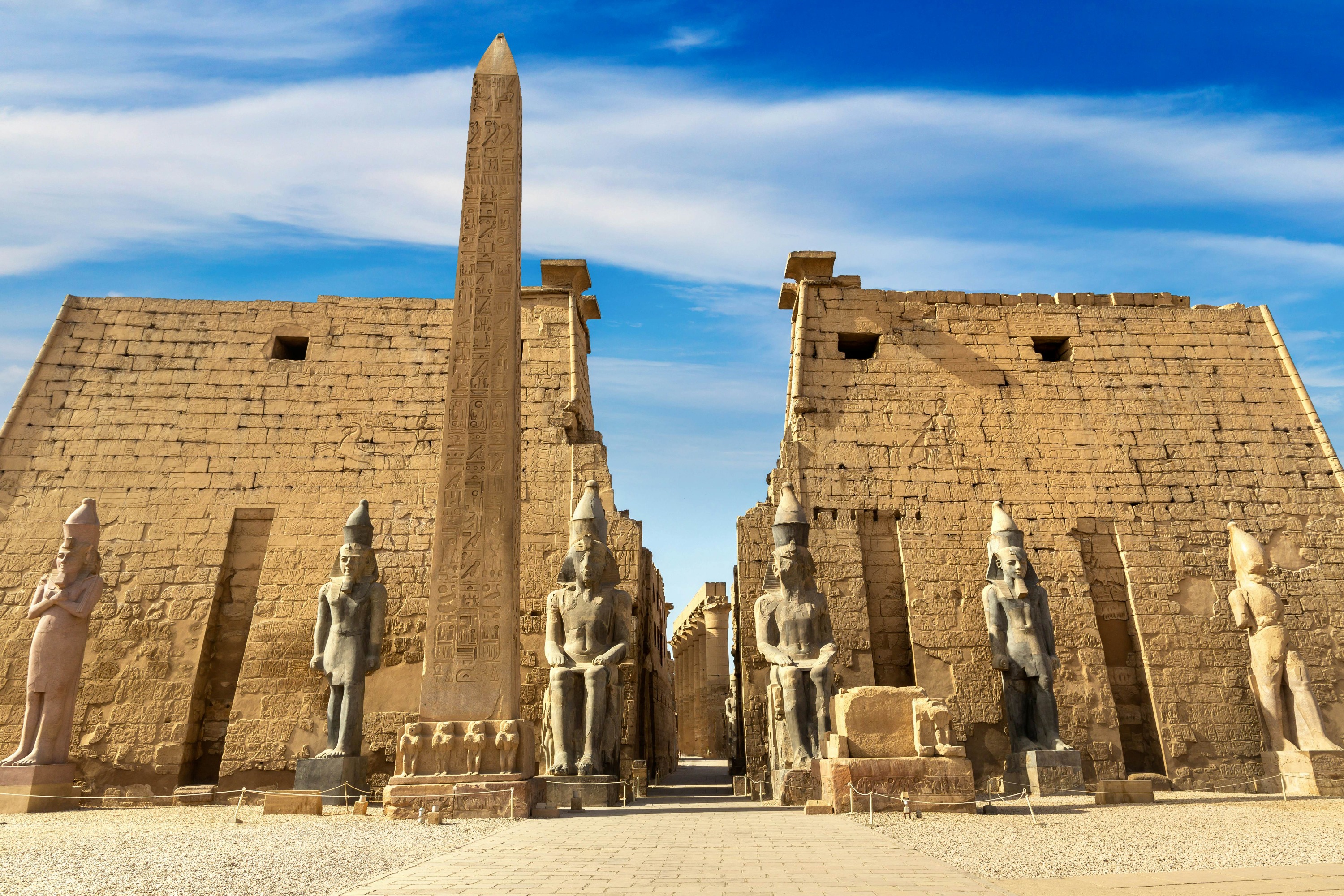
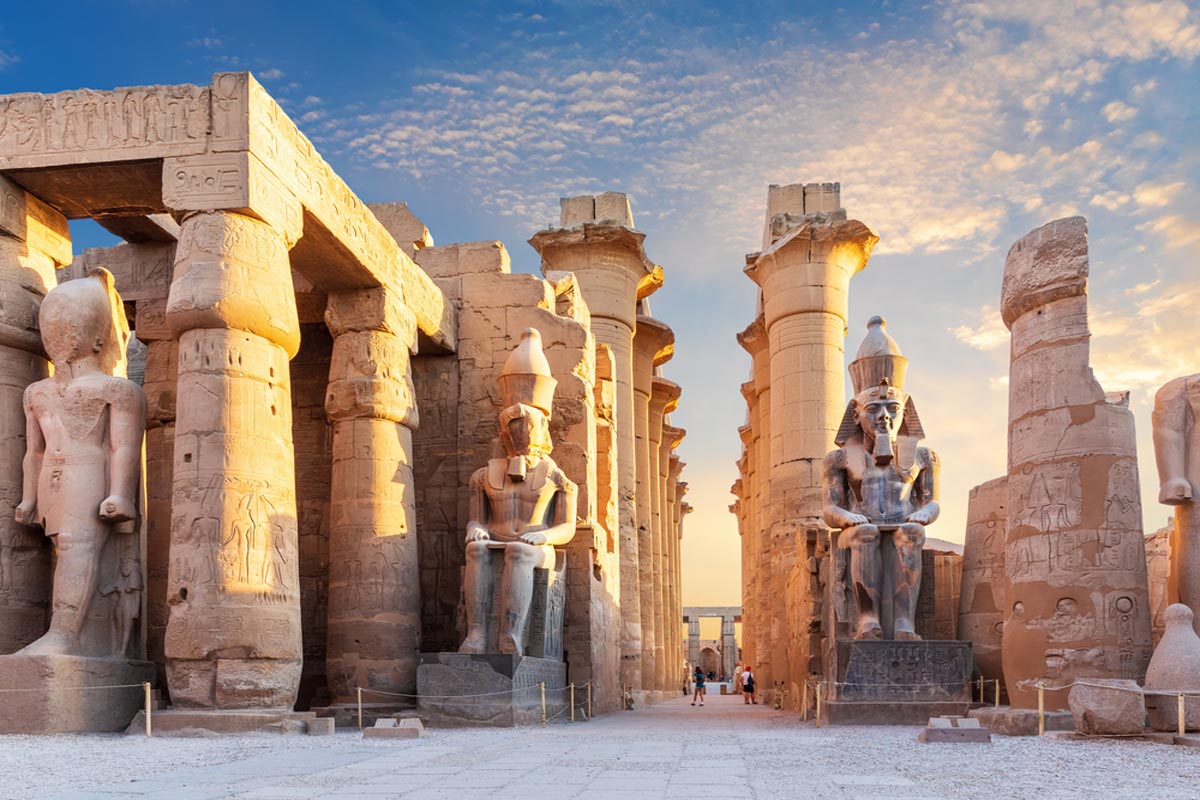
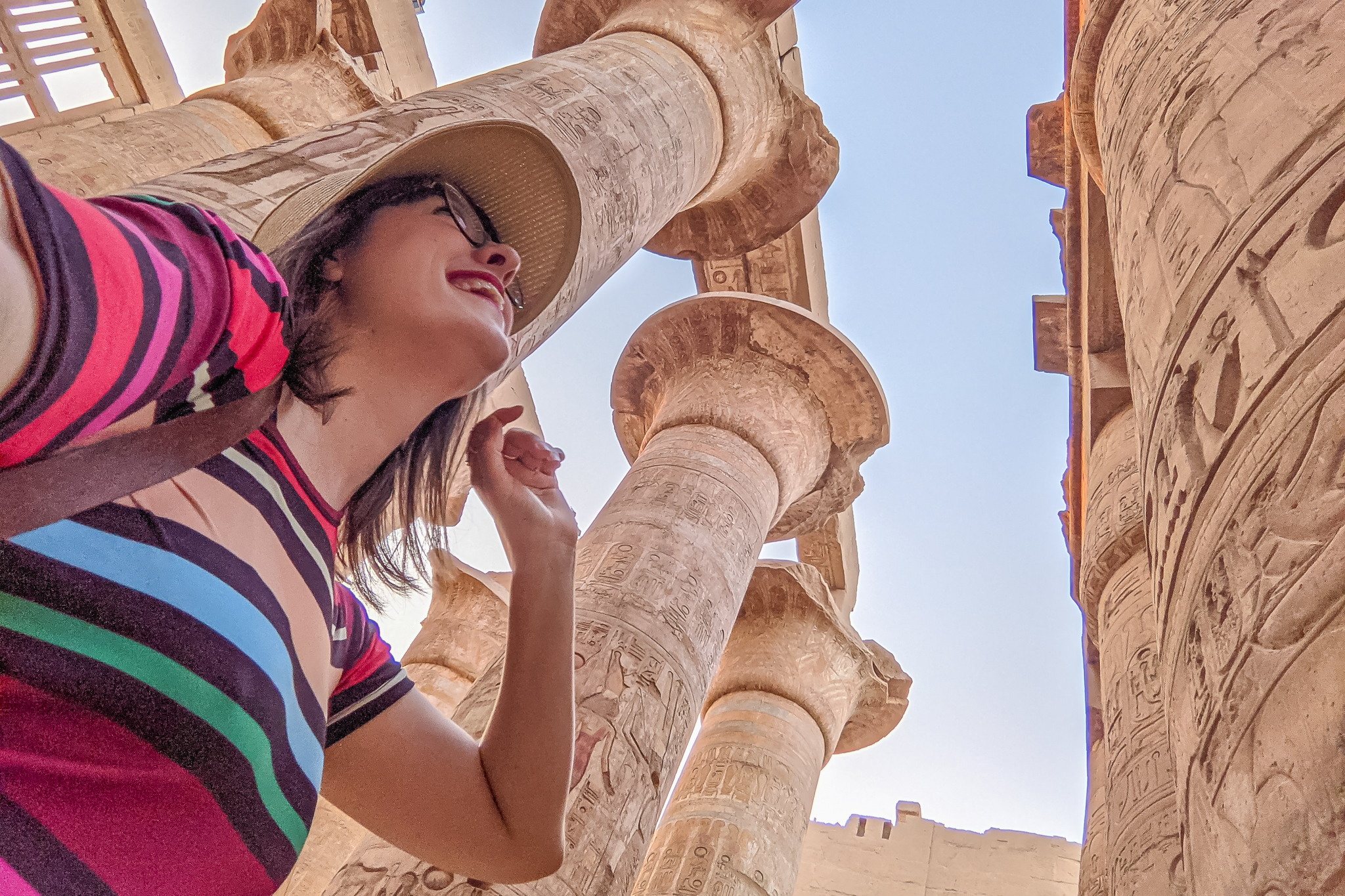
Fly to Luxor and explore The complex is dominated by the great Temple of Amun-Ra – one of the world's largest religious complexes – with its famous hypostyle hall, a spectacular forest of giant papyrus-shaped columns. This main structure is surrounded by the houses of Amun's wife Mut and their son Khonsu, two other huge temple complexes on this site. On its southern side, the Mut Temple Enclosure was once linked to the main temple by an avenue of ram-headed sphinxes. To the north is the Montu Temple Enclosure, which honored the local Theban war god. Karnak Temple
What's not included
Gratuities
Flight tickets to Cairo and Luxor (we could help you to book it)
Any language guide 35 usd
king Tutankhamen entrance fee is 25 usd extra
sightseeing entrance fees 120 usd per person
motor boat ride on the Nile is 15 usd per person
Available languages
Guide guide
DE
EN
IT
FR
Reviews breakdown
Tripadvisor
5.0
1 reviews
5★
1
4★
0
3★
0
2★
0
1★
0
Important information
Wheelchair accessible
Infants and small children can ride in a pram or stroller
Public transportation options are available nearby
Transportation options are wheelchair accessible
All areas and surfaces are wheelchair accessible
Suitable for all physical fitness levels
About Hurghada
Hurghada is a vibrant coastal city on the Red Sea known for its stunning beaches, world-class diving, and lively nightlife. It's a popular destination for water sports, relaxation, and exploring the rich marine life of the Red Sea.
Top Attractions
Giftun Islands
A group of islands known for their pristine beaches, clear waters, and excellent snorkeling opportunities. The islands are part of a protected marine park.
Nature/Beach
Full day
Moderate
Hurghada Marina
A vibrant area with restaurants, cafes, and shops. It's a great place to stroll, dine, and enjoy the marina views.
Entertainment/Shopping
A few hours
Free to explore
Red Sea Divers Association
A renowned diving center offering courses and excursions for divers of all levels. The Red Sea is famous for its coral reefs and diverse marine life.
Adventure
Half day to full day
Moderate to Expensive
Must-Try Local Dishes
Ful Medames
A traditional dish made from mashed fava beans, often served with olive oil, lemon, and spices.
Breakfast
Vegetarian
Grilled Seafood
Freshly caught seafood grilled to perfection, often served with rice or salads.
Dinner
Contains seafood
Popular Activities
Scuba diving
Snorkeling
Desert safaris
Beach relaxation
Spa treatments
Visiting historical sites
Exploring local markets
Boat tours
Best Time to Visit
October to April
The peak season offers pleasant weather with warm days and cool nights, perfect for beach activities and water sports. The city is lively with many tourists.
20°C to 30°C
68°F to 86°F
Practical Information
Language
- Official: Arabic
- Widely spoken: English, Russian
- English: Moderately spoken
Currency
Egyptian Pound (EGP)
Time Zone
EET (GMT+2)
Electricity
220VV, 50HzHz
Safety Information
Overall Safety Rating: Generally safe
Hurghada is generally safe for tourists, but standard precautions should be taken to avoid petty crime and scams.
Important Precautions:
- • Use reputable tour operators
- • Be cautious with street vendors
- • Keep valuables secure
Getting there
By air
- Hurghada International Airport • 10 km from city center
By bus
Hurghada Bus Station
Getting around
Public transport
Affordable and widely used, but can be crowded. Routes cover most of the city and nearby areas.
Taxis
Available • Apps: Uber, Careem
Rentals
Car, Bike, Scooter
Neighborhoods
El Dahar
Sahl Hasheesh
Day trips
Luxor
450 km • Full day
Home to ancient Egyptian monuments, including the Valley of the Kings and Karnak Temple.
Sinai Mountains
300 km • Overnight
Offers stunning landscapes and hiking opportunities, including Mount Sinai.
Festivals
Hurghada International Diving Festival • Annual, typically in June
Pro tips
- Visit the Giftun Islands for the best snorkeling
- Try local street food for an authentic experience
- Learn basic Arabic phrases to enhance interactions
- Use sun protection at all times due to intense sun
- Book diving tours in advance for popular sites
From $25
per person
Price varies by option
Secure booking
Free cancellation available
Instant confirmation