Discover Rio Little Africa: A Cultural and Historical Journey
Active
3h
For a full refund, cancel at least 24 hours before the scheduled departure time.
Instant confirmation
Mobile or paper ticket accepted
About this experience
Embark on a transformative journey through the hidden narratives of Little Africa in Rio de Janeiro's bustling Port with Florencio's immersive walking tour. Delve into the profound legacy of over four million Africans enslaved in Brazil over three centuries, where Rio emerged as the epicenter of the global African slave trade in the 19th century, welcoming one in every five enslaved individuals of the modern era.
Today, the echoes of this rich heritage resound throughout Brazil, with over half of its population proudly identifying as black. From the pulsating rhythms of samba to the kaleidoscope of colors at the carnival, from the tantalizing flavors of Afro-Brazilian cuisine to the spiritual beats of African-influenced music, the vibrant tapestry of African culture is woven into the very fabric of Brazilian life.
Join Florencio on an unforgettable journey through time and culture, where the past comes alive, and the legacy of Little Africa continues to inspire and enchant.
Available options
Little Africa | Monday Edition
Duration: 3 hours: Approx. 2.5–3 hours; duration may vary by group size and pace.<br/>Monday Edition = 100% open-air: No internal visits (MUHCAB and IPN closed)
Adapted itinerary<br/>Starting point:<br/>Museu do Amanhã, Praça Mauá, 1 - Centro, Rio de Janeiro - RJ, 20081-240, Brazil
Afro Rio Icons – Full Tour
Christ the Redeemer & Selarón : Includes Christ & IPN tickets + private transport. No hidden fees.
<br/>Private Cultural Tour: This is more than a tour — it’s a deep cultural journey through Rio’s Afro-Brazilian soul, led by passionate local experts.<br/>Duration: 8 hours: Half-day tour, approximately 8 hours, including hotel pick-up and drop-off.<br/>Afro + Iconic Rio Route: Little Africa, Christ the Redeemer, Selarón Steps — a journey through culture and history.<br/>Florencios Premium Ride: Air-conditioned sedan or van, depending on group size. Always clean, spacious, and comfortable.<br/>Included Extras: Admission to Christ the Redeemer included. Flexible itinerary tailored to your pace and interests.<br/>Pickup included
Hotel Pick-up & Drop-off
Duration: 5 hours: Approx. 5 hours, including hotel pick-up and drop-off in Rio’s South Zone (Barra not included).<br/>Sedan, Van or Micro Bus: Executive vehicle with AC. The model depends on group size. Always clean, comfortable, and insured.<br/>Hotel Pick-up Policy: Pick-up/drop-off is included only for hotels in Rio’s South Zone. Barra da Tijuca not included.<br/>Pickup included
Little Africa Cultural Walk
Meeting Point Info: Meet at Museu do Amanhã, Praça Mauá. The guide will wear a Florencios uniform and a “Welcome to Rio” sign.<br/>Semi-Private Experience: Runs privately even for 1 guest. If others book the same date and time, you may join a small group.<br/>Duration: 3 hours: Approx. 3.5 hours. Tours depart at 09:30 and 14:30 from the designated meeting point.<br/>Afro Rio Heritage Walk: Explore Valongo Wharf, Pedra do Sal, Prainha Square, and more with a guide focused on Afro history.<br/>Meeting Point by Tour Time: Morning: Museu do Amanhã (09:30).
Afternoon: MUHCAB Museum (14:30).
No hotel pick-up or drop-off included.
One-way Hotel Transfer
Stay & Explore Option: Ideal for guests who wish to stay longer in Little Africa or downtown instead of returning to the hotel.<br/>One-Way Cultural Transfer: Includes hotel pick-up only. After the tour ends, guests may stay to explore Little Africa or downtown.<br/>Duration: 4 hours: Approx. 4 hours, including hotel pick-up. Tour ends in Little Africa or the downtown area.<br/>End in Little Africa: Explore Afro-Rio landmarks, then end your tour near shops, restaurants, and museums downtown.<br/>Executive Vehicle: Private air-conditioned sedan or van, depending on group size. Always clean, safe, and insured.<br/>No Return Transfer: Pick-up from South Zone hotels only. Barra Hotels are not included. Return to the hotel is not provided after the tour.<br/>Pickup included
What's included
Air-conditioned vehicle
Guide
Detailed itinerary
1
Stop 1
Pass by
Meeting Place for "No Hotel Pick-Up" - Museum de Arte do Rio (MAR). The museum is located at Praça Mauá, 5 - Centro, Rio de Janeiro.
2
At Largo da Prainha you’ll see the Mercedes Baptista Statue. She was the very first African-Brazilian ballet dancer to enroll in the Municipal Theater of Rio de Janeiro's ballet group in the late 1940s. Fun, ice beer, samba, and black music are always in the air.
3
Next, our journey will lead us to Pedra do Sal, a revered site in Rio steeped in the history of urban carioca samba. Its significance traces back to the enslaved Africans who toiled to unload imported salt from Portugal, hence its name. These resilient individuals also painstakingly carved the steps that characterize the area, setting the stage for the emergence of the first ranchos carnival, afoxés processions, and sacred spaces in the late 1800s.
Following their laborious days, sambistas (samba musicians) and longshoremen would congregate in the homes of Bahian Aunts, forming vibrant samba circles. Notable figures such as Pixinguinha were regular attendees, contributing to the rich tapestry of musical expression. Today, Pedra do Sal remains a vital hub for samba circles and cultural gatherings, carrying forward its legacy as a bastion of Afro-Brazilian heritage and artistic expression.
4
Cais do Valongo, a world heritage site in Rio de Janeiro, is an old stone wharf built in 1811 to land enslaved Africans. It is estimated that around 900,000 Africans arrived in South America via Valongo. The site has several archaeological layers and is the most significant physical evidence of the arrival of African slaves in the Americas.
5
The Ethnicities mural is a 3,000 square meter painting located in Rio de Janeiro's Zona Portuária (Saúde). It was created for the 2016 Olympics and features five representatives from different tribes, one from each continent. The Huli, Mursi, Kayin, Supi, and Tapajós tribes were chosen to represent the diversity of the world. The mural took two months of work with 12-hour shifts to complete, using over 3,000 spray cans, 700 liters of colored paint, and 1,800 liters of white paint for the background.
6
After MUHCAB we walk towards IPN a museum and archaeological site in Rio de Janeiro dedicated to honoring the memory of Africans who were brought to the city as slaves. It is located on the site of the "New Blacks Cemetery" and has been offering cultural activities and workshops on the history and culture of people of African descent since 2005. The museum has been recognized by the State and designated as a Cultural Space since 2009.
7
MUHCAB is a museum in Little Africa, based around the Valongo Wharf, a World Heritage Site. It tells the story of the region's largest arrival of enslaved Africans, milestones of black affirmation in Brazil, the development of Afro-Brazilian culture, and contemporary issues faced by black people in Brazil.
What's not included
Gorgetas
Available languages
Guide guide
PT
EN
ES
Reviews breakdown
Viator
4.8
113 reviews
5★
104
4★
4
3★
2
2★
1
1★
2
Tripadvisor
5.0
125 reviews
5★
123
4★
1
3★
0
2★
0
1★
1
Important information
Public transportation options are available nearby
Infants are required to sit on an adult’s lap
Not recommended for travelers with spinal injuries
Not recommended for travelers with poor cardiovascular health
Suitable for all physical fitness levels
Meeting point
MUHCAB – R. Pedro Ernesto, 80 – Gamboa, Rio - Afternoon Tour Only – 2:00 PM
Use this in Uber/taxi: https://goo.gl/maps/NXExXquHWfdFjqBa9
Meet our Guide at the main gate in Florencio's uniform with a “Welcome to Rio” sign.
About Rio de Janeiro
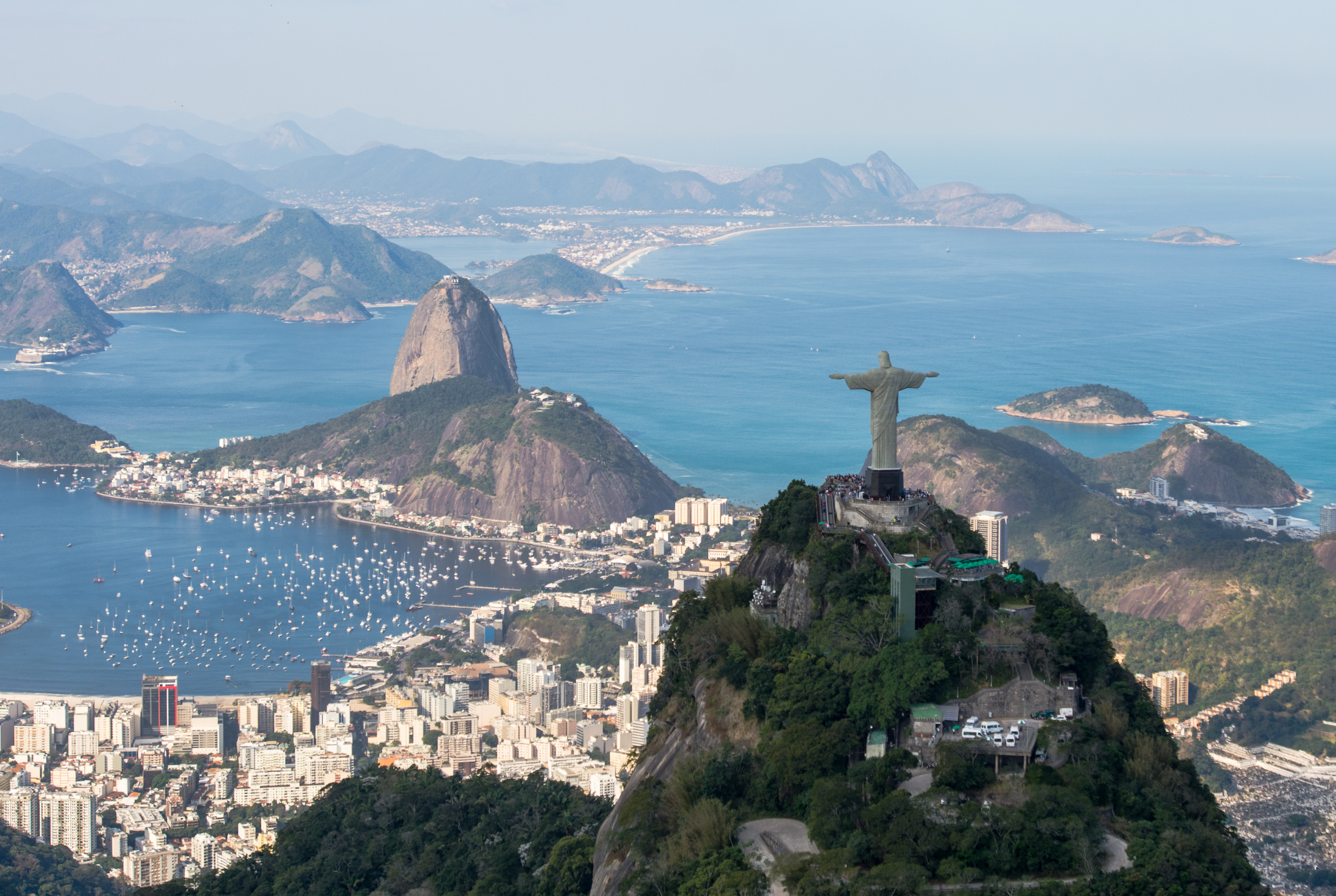
Rio de Janeiro, known as the 'Marvelous City,' is famous for its natural settings, Carnival, samba, bossa nova, and Balneario beaches such as Copacabana and Ipanema. It's a vibrant city with a rich cultural heritage and stunning landscapes, including the iconic Christ the Redeemer statue and Sugarloaf Mountain.
Top Attractions
Christ the Redeemer
One of the New Seven Wonders of the World, this iconic statue offers breathtaking views of Rio de Janeiro.
Historical/Religious
2-3 hours
R$84 (including train ticket)
Sugarloaf Mountain
A famous peak offering stunning views of Rio de Janeiro and its beaches.
Nature
2-3 hours
R$88 (round-trip cable car)
Copacabana Beach
One of the most famous beaches in the world, known for its vibrant atmosphere and beautiful sunsets.
Beach
Half day or full day
Free
Tijuca National Park
The world's largest urban forest, offering hiking trails, waterfalls, and diverse wildlife.
Nature
Half day or full day
Free (some attractions may have fees)
Santa Teresa
A historic and bohemian neighborhood known for its cobblestone streets, art galleries, and scenic views.
Cultural
Half day
Free to explore
Must-Try Local Dishes
Feijoada
A hearty stew made with black beans and various cuts of pork, often served with rice, collard greens, and orange slices.
Dinner
Contains pork, not suitable for vegetarians or vegans.
Pão de Queijo
Cheese bread made with tapioca flour, giving it a unique texture and flavor.
Snack
Vegetarian, but contains dairy.
Moqueca
A traditional fish stew cooked in coconut milk and dendê oil, with various seafood and vegetables.
Dinner
Can be made vegetarian or vegan with vegetable broth and tofu.
Açaí
A thick, creamy fruit pulp from the açaí palm, often served with granola and condensed milk.
Dessert/Drink
Can be made vegan with plant-based milk.
Popular Activities
Hiking in Tijuca National Park
Surfing in Arpoador
Paragliding in Pedra Bonita
Beach lounging in Ipanema
Spa treatments in Copacabana
Yoga in Botafogo
Visiting museums in Centro
Attending a samba show
Best Time to Visit
December to March
This is the peak tourist season with warm weather and the famous Carnival in February/March. Expect crowded beaches and higher prices.
25-30°C
77-86°F
Practical Information
Language
- Official: Portuguese
- Widely spoken: English (limited)
- English: Limited
Currency
Brazilian Real (BRL)
Time Zone
GMT-3 (Brasília Time)
Electricity
110V/220VV, 60HzHz
Safety Information
Overall Safety Rating: Exercise caution
Rio de Janeiro is generally safe for tourists, but petty crime and violence can occur. Exercise caution, especially in less touristy areas and at night.
Important Precautions:
- • Avoid walking alone at night in unsafe areas
- • Use common sense and stay alert to your surroundings
- • Keep valuables secure and out of sight
Getting there
By air
- Rio de Janeiro-Galeão International Airport • 20 km (12 miles) from city center
- Santos Dumont Airport • 12 km (7.5 miles) from city center
By train
Central do Brasil
By bus
Rodoviária Novo Rio, Terminal Rodoviário da Gavea
Getting around
Public transport
Efficient and air-conditioned, the metro is a great way to avoid traffic.
Taxis
Available • Apps: Uber, 99 Taxis
Rentals
Car, Bike, Scooter
Neighborhoods
Copacabana
Ipanema
Santa Teresa
Lapa
Botafogo
Day trips
Petrópolis
65 km (40 miles) • Full day
A charming colonial town in the mountains, known for its historic architecture and cool climate.
Paraty
170 km (105 miles) • Full day or overnight
A historic coastal town with cobblestone streets, colonial architecture, and beautiful beaches.
Búzios
170 km (105 miles) • Full day or overnight
A picturesque beach town known for its stunning beaches, clear waters, and vibrant nightlife.
Festivals
Carnival • February/March (dates vary)
Rio Carnival Samba Parade • February/March (dates vary)
New Year's Eve (Réveillon) • December 31
Pro tips
- Visit Christ the Redeemer early in the morning to avoid crowds and enjoy the best views
- Take a helicopter tour for a unique perspective of the city
- Explore the less touristy neighborhoods like Santa Teresa and Botafogo for a more authentic experience
- Try local street food like pão de queijo and coxinha for a taste of Brazilian flavors
- Learn some basic Portuguese phrases to enhance your interactions with locals
From $25
per person
Price varies by option
Secure booking
Free cancellation available
Instant confirmation